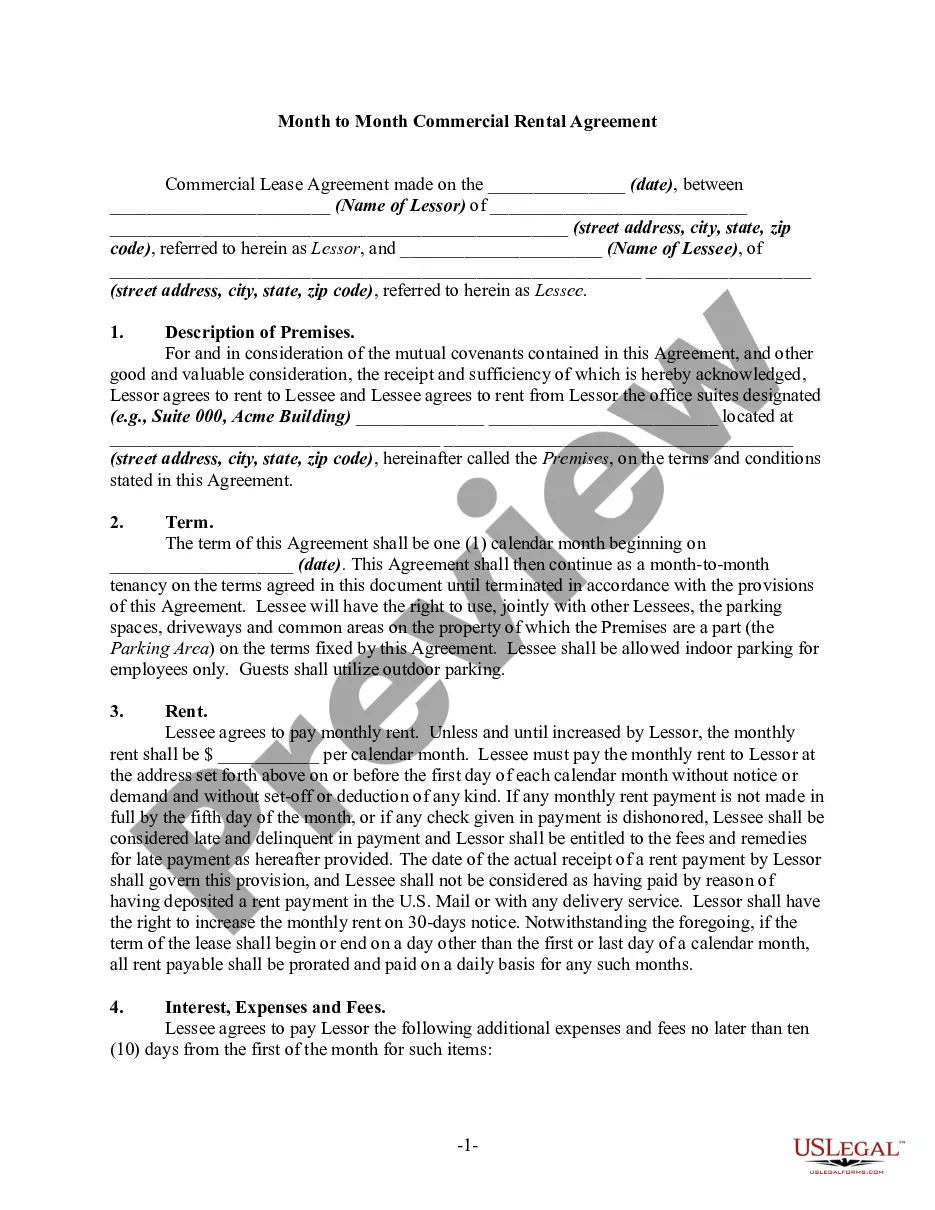
Nevada General or Common Law Affidavit

State:
Multi-State
Control #:
US-00479BG
Format:
Word; 
Rich Text
Instant download

Description

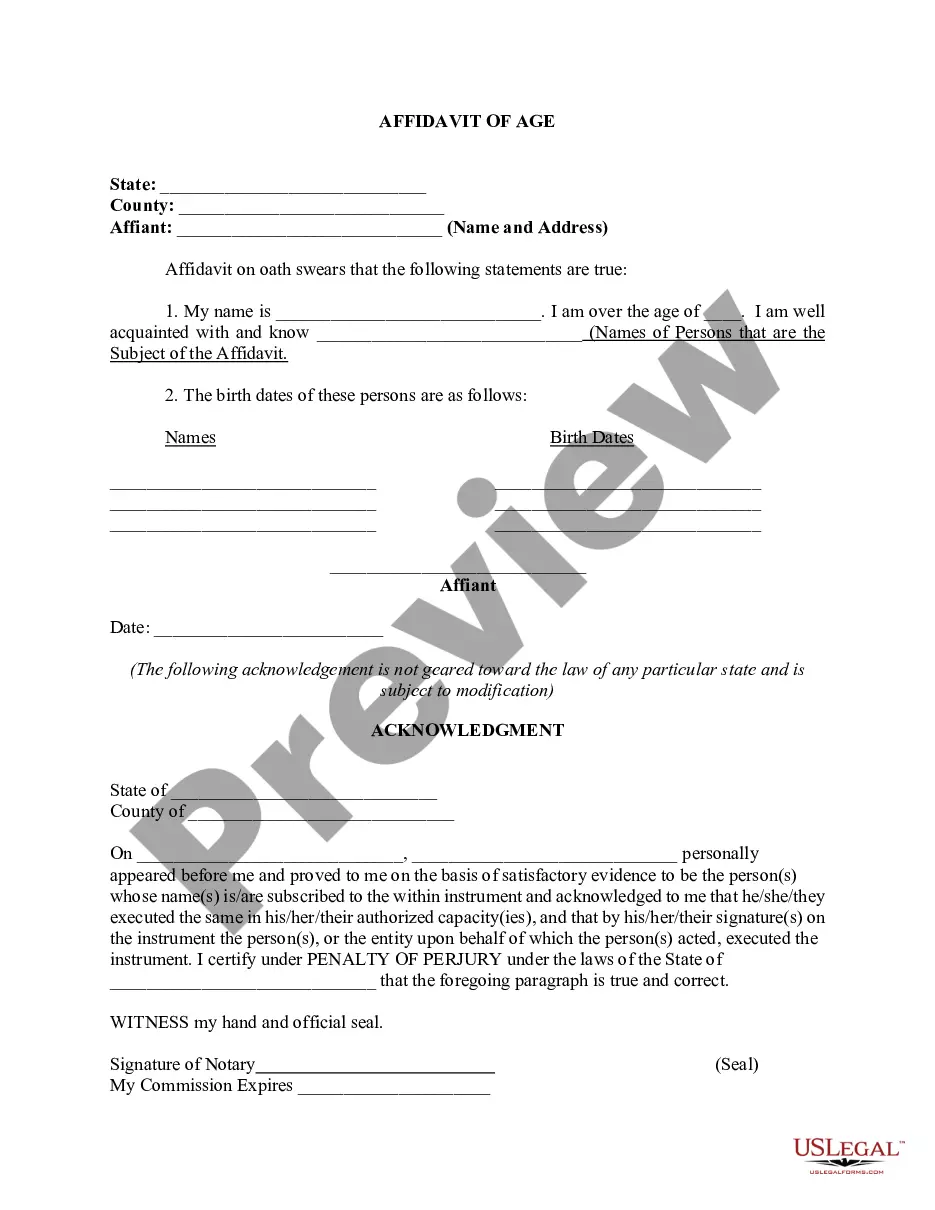
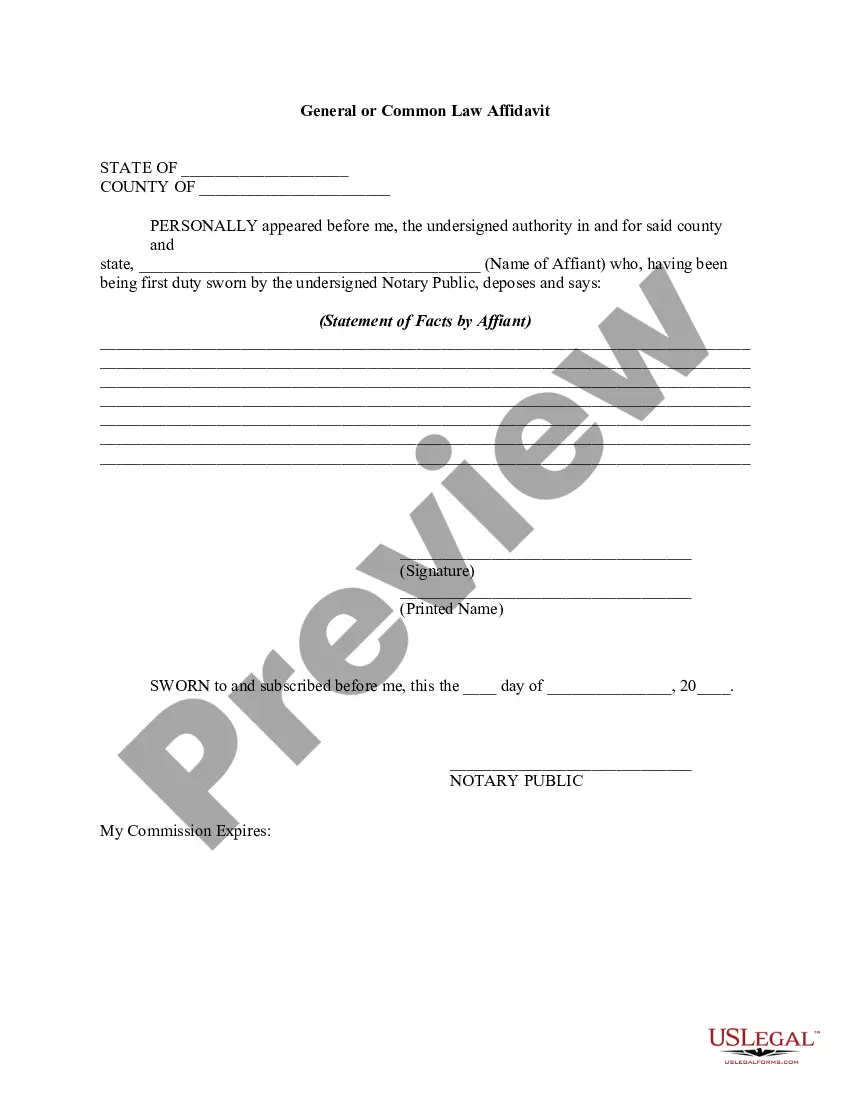
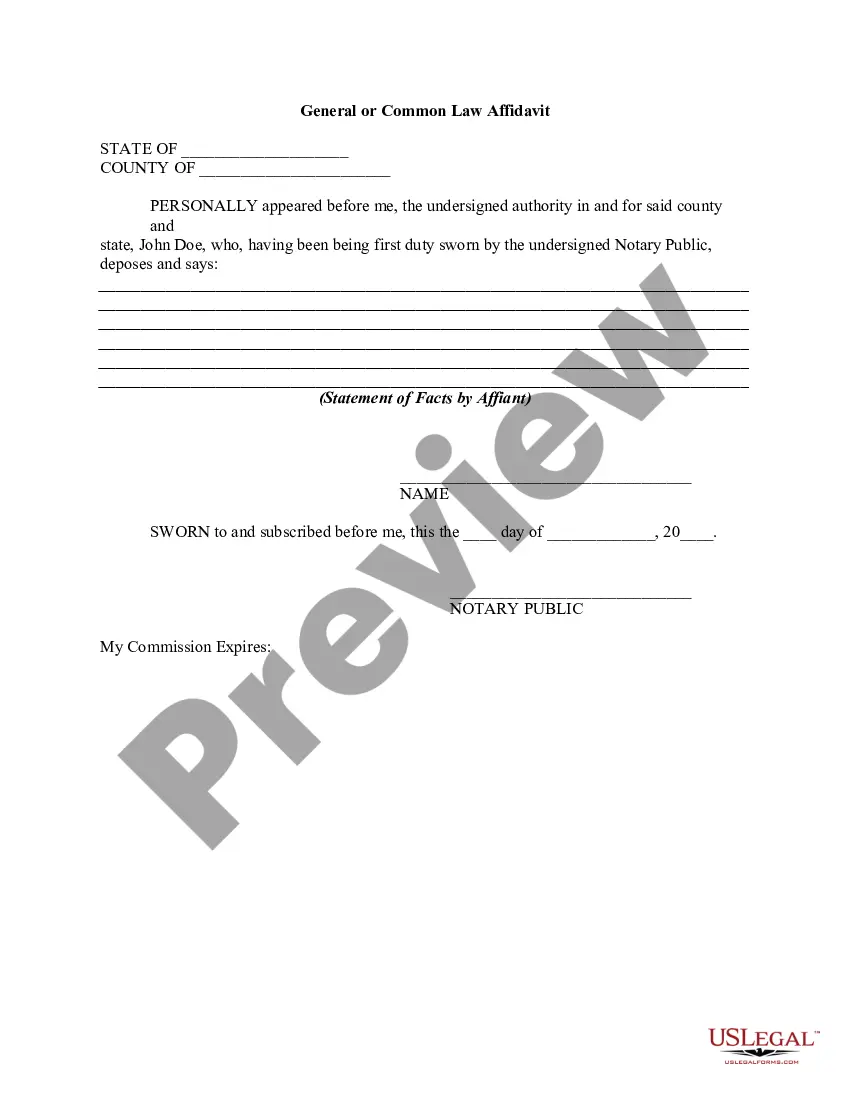
An affidavit must be in writing and be sworn to or affirmed before some legally authorized officer. Statutes of various jurisdictions ordinarily prescribe various formal requirements for the affidavits. These requirements may be just proper form or may be essential as to the legal effect of the affidavit.


The formal requirements of an affidavit usually are:

1. The identification of the place where the affidavit was taken (i.e., the venue);

2. The signature of the affiant (i.,e., the person giving the affidavit); and

3. The certificate evidencing the fact that the affidavit was properly made before a duly authorized officer (i.e. the jurat), which includes the proper authentication by the authorized officer.


It is essential to the validity of an affidavit that it be sworn to, or affirmed before, a notary public or some other officer authorized to administer oaths or affirmations. This may be done by having the officer administer the oath to the affiant or by having the affiant affirm to the officer, with the officers consent, the truth of the matters contained in the affidavit. It is also essential that the affiant be identified as to name, residence and, where appropriate or required by law, as to status or capacity. This is ordinarily done in the introductory paragraph to the affidavit.


The following form is a very basic and general form which can be used in most jurisdictions if properly completed.

How to fill out General Or Common Law Affidavit?

Are you currently in a location where you require documents for either professional or personal use nearly every day.

There are numerous legal document templates available online, but finding forms you can trust can be challenging.

US Legal Forms offers thousands of form templates, including the Nevada General or Common Law Affidavit, designed to fulfill federal and state requirements.

Once you find the appropriate form, click Get now.

Choose the pricing plan you prefer, provide the required information to create your account, and complete the transaction using your PayPal or credit card.

  1. If you are already familiar with the US Legal Forms website and have an account, simply sign in.
  2. After that, you can download the Nevada General or Common Law Affidavit template.
  3. If you do not possess an account and wish to start using US Legal Forms, follow these steps.
  4. Locate the form you need and ensure it is for your appropriate jurisdiction/region.
  5. Utilize the Review option to check the form.
  6. Examine the summary to ensure you have selected the correct form.
  7. If the form is not what you're looking for, use the Research field to find the form that meets your needs.

Form popularity

FAQ

Legally serving someone in Nevada requires delivering court documents to the individual in a manner prescribed by state law. You may use a process server or law enforcement to ensure proper service. Additionally, if your documents include a Nevada General or Common Law Affidavit, make sure it's included in the served materials to maintain compliance with legal requirements. Remember to file proof of service with the court.

Requesting evidence for court generally involves submitting a formal request to the opposing party, often through a discovery process. Specify the type of evidence you need and the reason it is relevant to your case. Integrate references to the Nevada General or Common Law Affidavit to clarify how this evidence will support your legal arguments. Always maintain a polite and professional tone in your requests.

Yes, Nevada recognizes common law to a certain extent, especially concerning certain legal principles and doctrines. However, it's essential to distinguish between common law and statutory law when preparing your legal documents. When dealing with affidavits, referencing the Nevada General or Common Law Affidavit can clarify your legal standing and ensure your arguments align with state law.

Preparing exhibits for family court involves gathering and organizing relevant documents and evidence to support your case. Clearly label each exhibit and include a brief explanation of its significance. If needed, reference how the Nevada General or Common Law Affidavit relates to your exhibits, reinforcing your arguments. Ensuring your exhibits are easy to understand will facilitate the court’s evaluation.

To write an effective opening statement for family court, start by clearly outlining the issues at hand. It helps to summarize your position and the key points you plan to discuss. Be factual and concise, connecting your statement to any relevant Nevada General or Common Law Affidavit, which can strengthen your case. Remember, clarity and confidence will make a positive impression.

Nevada officially abolished common law marriage on October 1, 2010. This change means that couples can no longer create a common law marriage through cohabitation without formal marriage. If you wish to understand what this means for your situation, a Nevada General or Common Law Affidavit can help provide clarity and legal support for your relationship.

When two individuals live together for an extended period, such as seven years, without being married, this situation is often referred to as cohabitation. While cohabitation does not confer the same legal status as marriage in Nevada, relationships of this length may lead to considerations similar to those of common law marriages for couples who lived together before the 2010 law change. For clarification on your rights, you might benefit from a Nevada General or Common Law Affidavit.

Nevada does honor common law marriages that occurred before the law changed in 2010. Couples who established their relationship under common law prior to this date may still find their status recognized in legal contexts. If you need to prove your relationship, a Nevada General or Common Law Affidavit can serve as valuable documentation.

In Nevada, the state does not recognize common law marriage for any unions established after October 1, 2010. For relationships prior to this date, cohabitation alone does not create a common law marriage; the couple must also intend to be married. If you're unsure about your status, consider a Nevada General or Common Law Affidavit for guidance.

Common law marriage in Nevada ended on October 1, 2010. Although previous relationships could still be recognized, new common law marriages were no longer established after this date. For individuals looking to navigate the legal landscape of their relationship, using a Nevada General or Common Law Affidavit can clarify marital status.

Trusted and secure by over 3 million people of the world’s leading companies

Nevada General or Common Law Affidavit