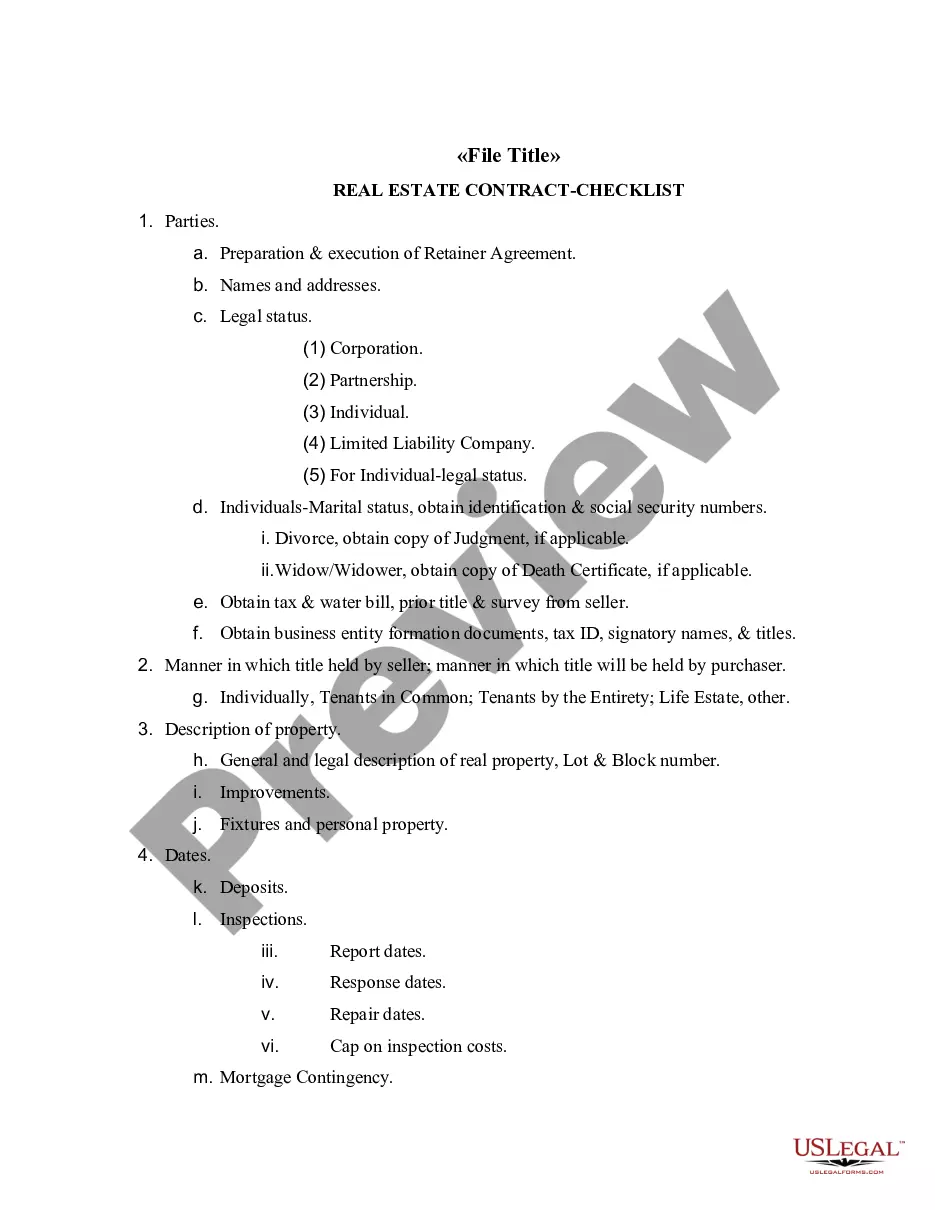
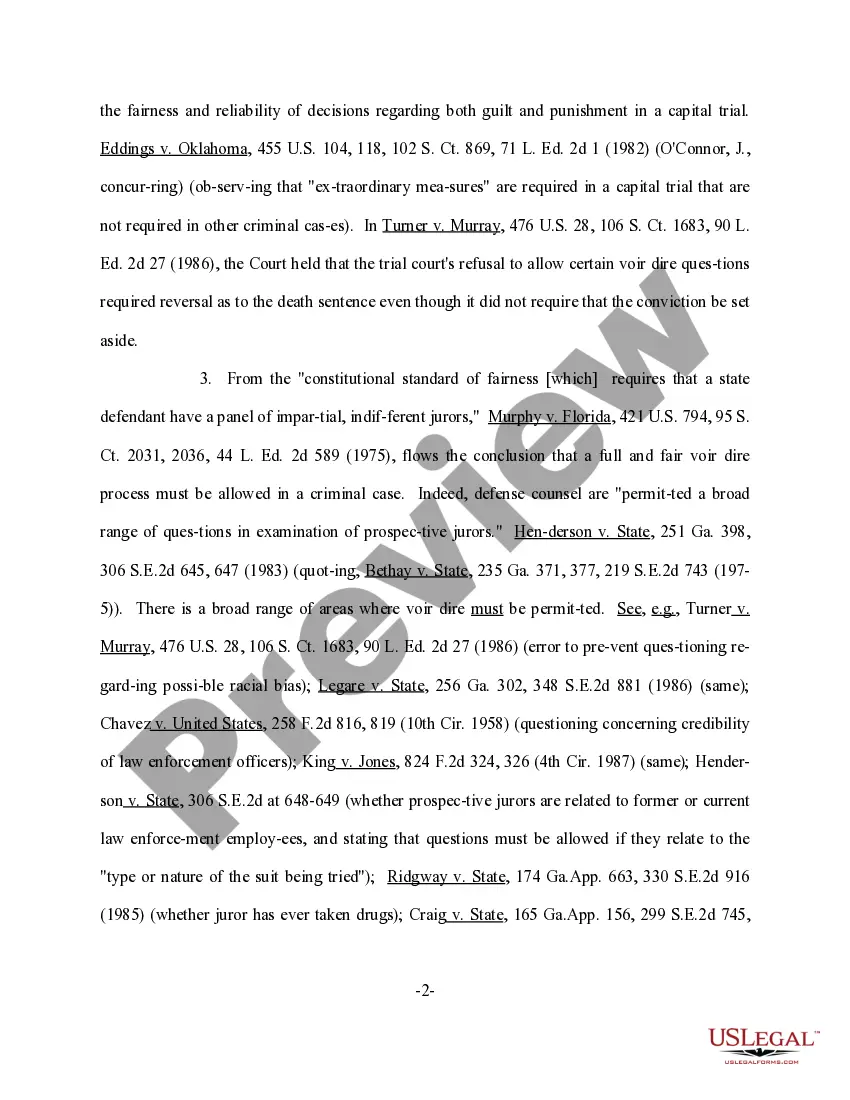
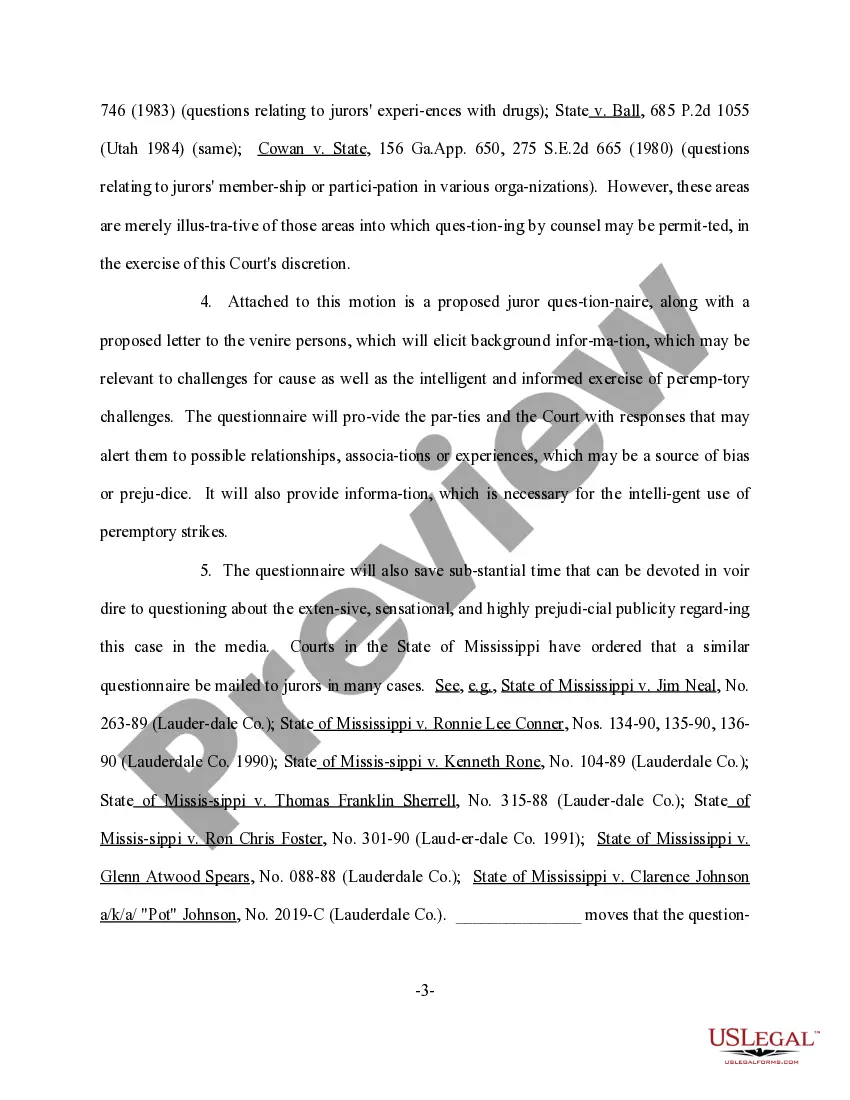
New Mexico Motion for an Order Requiring that Juror Questionnaires be Sent With the Juror Summons to Each Prospective Juror
Description
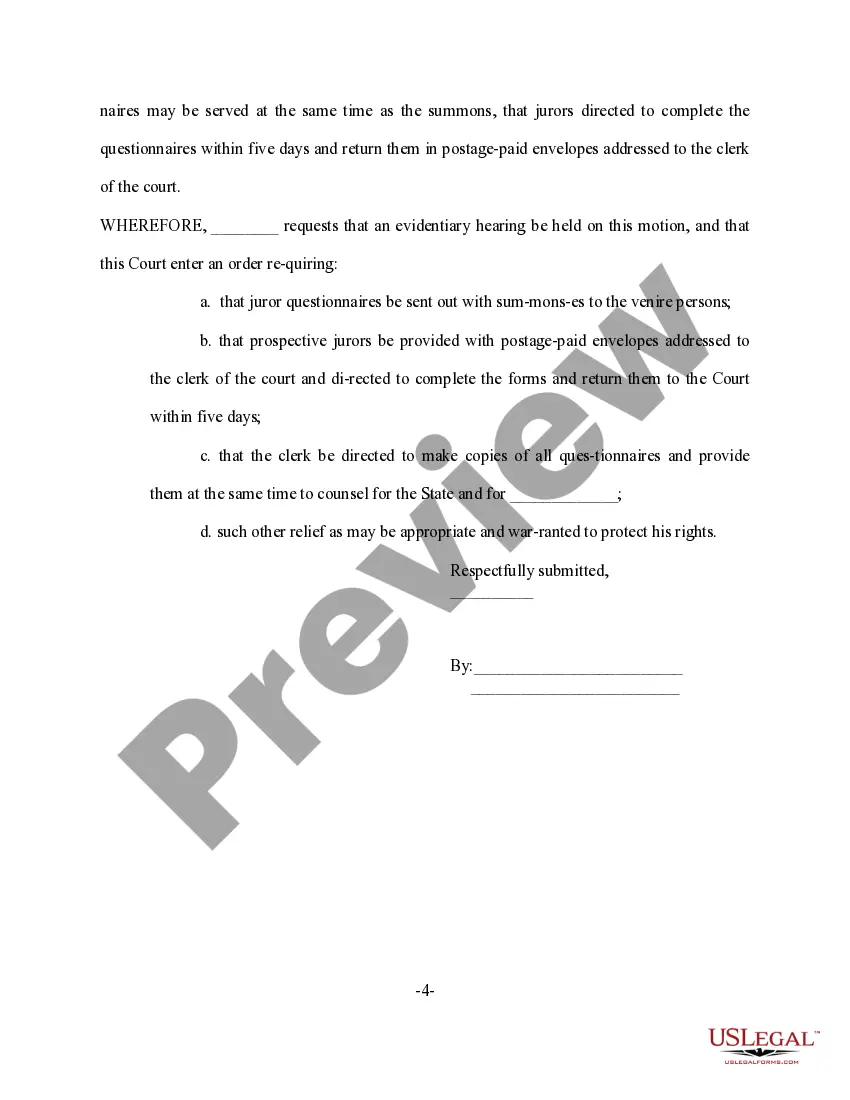
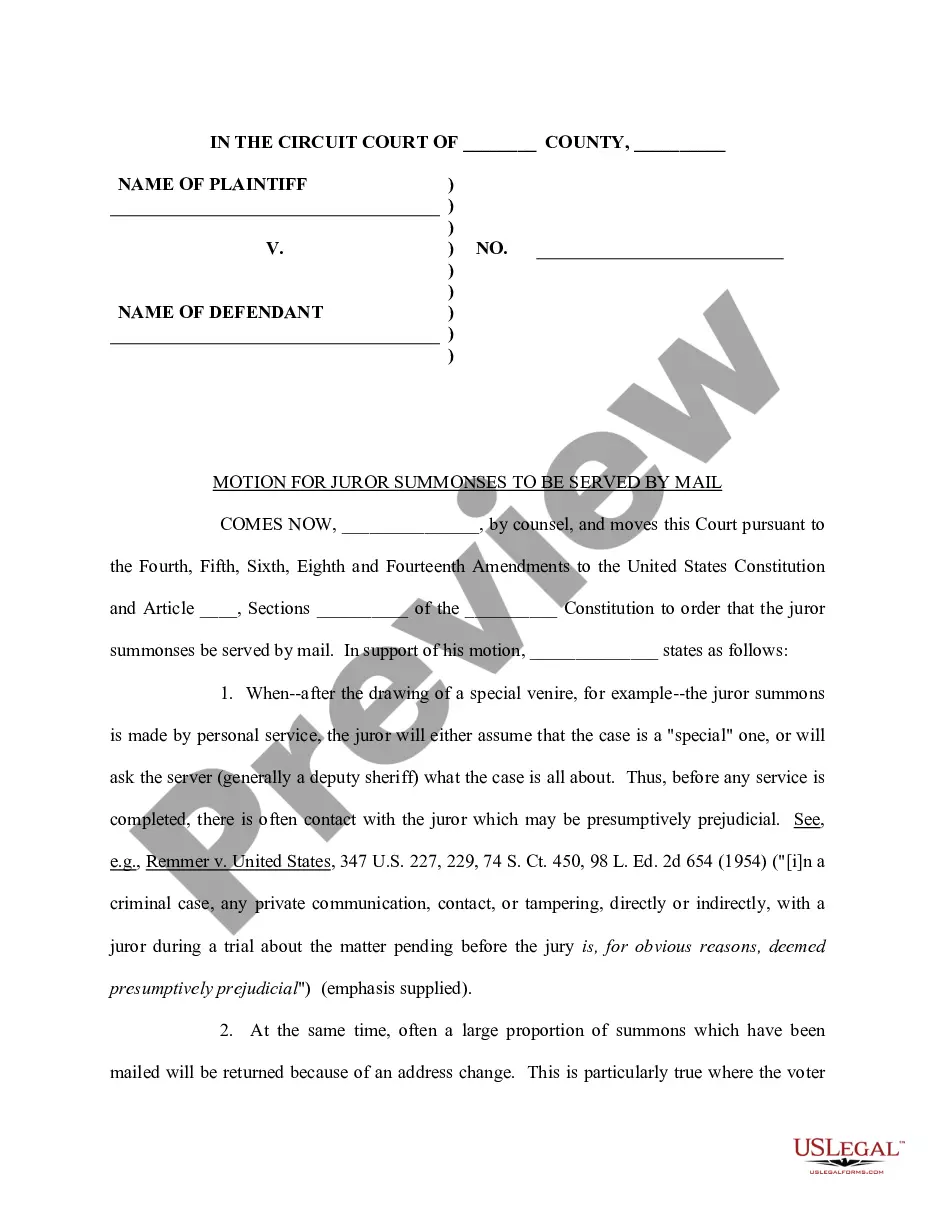
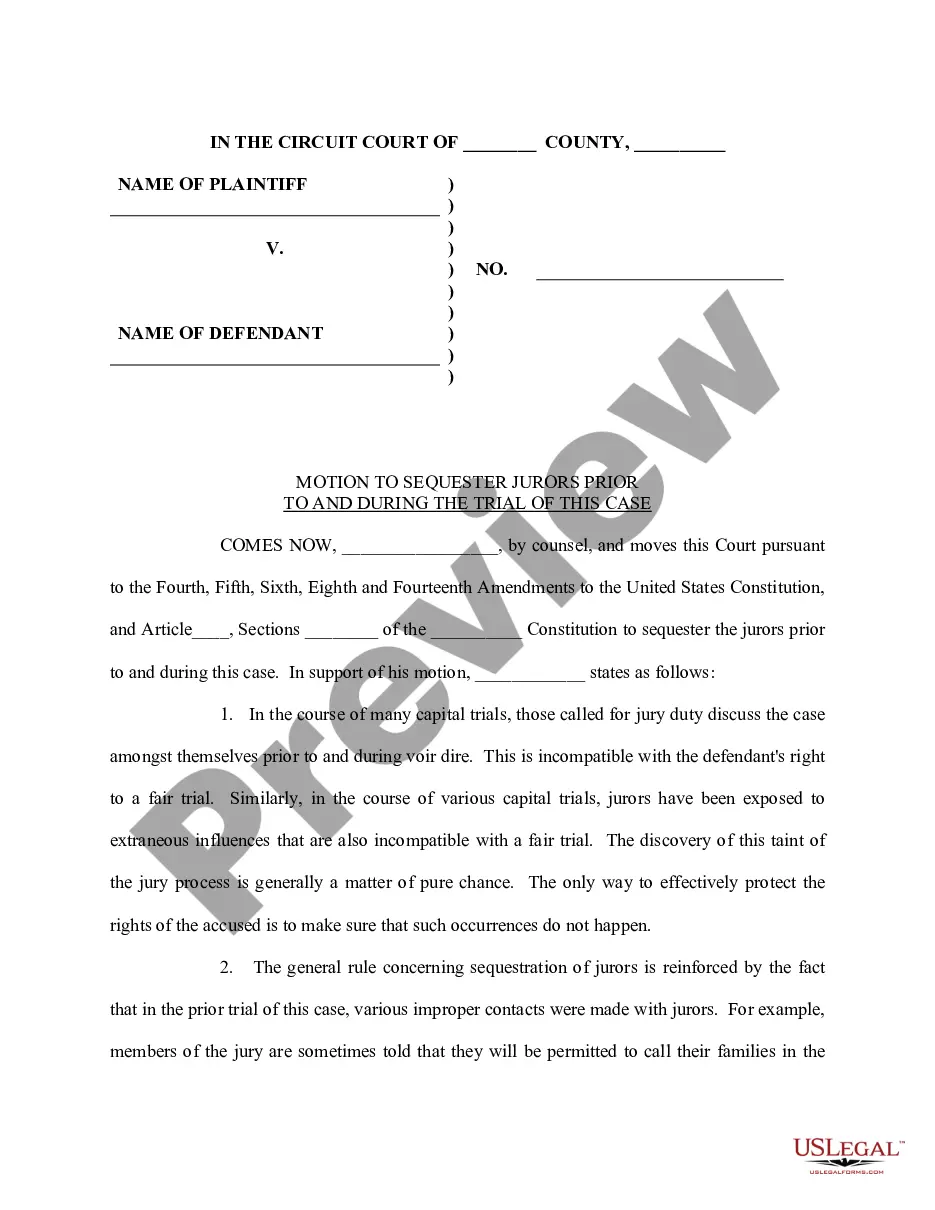
Get your form ready online
Our built-in tools help you complete, sign, share, and store your documents in one place.
Make edits, fill in missing information, and update formatting in US Legal Forms—just like you would in MS Word.
Download a copy, print it, send it by email, or mail it via USPS—whatever works best for your next step.
Sign and collect signatures with our SignNow integration. Send to multiple recipients, set reminders, and more. Go Premium to unlock E-Sign.
If this form requires notarization, complete it online through a secure video call—no need to meet a notary in person or wait for an appointment.
We protect your documents and personal data by following strict security and privacy standards.

Make edits, fill in missing information, and update formatting in US Legal Forms—just like you would in MS Word.

Download a copy, print it, send it by email, or mail it via USPS—whatever works best for your next step.

Sign and collect signatures with our SignNow integration. Send to multiple recipients, set reminders, and more. Go Premium to unlock E-Sign.

If this form requires notarization, complete it online through a secure video call—no need to meet a notary in person or wait for an appointment.

We protect your documents and personal data by following strict security and privacy standards.
Looking for another form?


How to fill out Motion For An Order Requiring That Juror Questionnaires Be Sent With The Juror Summons To Each Prospective Juror?
US Legal Forms - one of the most prominent repositories of legal documents in the United States - provides a broad selection of legal template documents that you can download or print. Through the website, you can access thousands of forms for business and personal purposes, organized by categories, states, or keywords.
You can obtain the latest versions of forms such as the New Mexico Motion for an Order Requiring that Juror Questionnaires be Sent With the Juror Summons to Each Prospective Juror in moments. If you already have a membership, Log In and download the New Mexico Motion for an Order Requiring that Juror Questionnaires be Sent With the Juror Summons to Each Prospective Juror from the US Legal Forms library. The Download button will be visible on every form you view. You have access to all previously saved forms in the My documents section of your account.
If you are using US Legal Forms for the first time, here are simple instructions to get you started: Ensure you have selected the correct form for the city/region. Click the Review button to check the form's details. Examine the form description to confirm you have chosen the right form. If the form does not meet your requirements, utilize the Search field at the top of the screen to find one that does. If you are satisfied with the form, confirm your choice by clicking the Buy now button. Next, select the pricing plan you prefer and provide your information to register for the account. Process the transaction. Use a Visa or Mastercard or PayPal account to complete the transaction. Choose the format and download the form to your device. Edit. Fill out, modify, and print and sign the saved New Mexico Motion for an Order Requiring that Juror Questionnaires be Sent With the Juror Summons to Each Prospective Juror. Each template you add to your account has no expiration date and belongs to you indefinitely. Therefore, if you wish to download or print another copy, simply navigate to the My documents section and click on the form you need.
US Legal Forms empowers you to manage your legal documentation with ease, ensuring you have the necessary resources at your fingertips.
Join thousands of satisfied users who rely on US Legal Forms for their legal document needs.
- Access the New Mexico Motion for an Order Requiring that Juror Questionnaires be Sent With the Juror Summons to Each Prospective Juror with US Legal Forms, the most extensive collection of legal document templates.
- Utilize thousands of professional and state-specific templates that align with your business or personal needs and requirements.
- Obtain forms quickly and efficiently without hassle.
- Enjoy the convenience of having all your legal documents in one place.
- Receive updates and new templates as they become available.
- Benefit from user-friendly navigation and search functionalities.
Form popularity
FAQ
Out of everyone called for jury service on any given day, a group of about 100 will be selected and asked to go to a courtroom. This pool of potential jurors is also known as venire.
Voir dire: A legal phrase meaning ? to speak the truth.? Voir dire is the preliminary examination of prospective jurors by a judge or lawyer to decide whether that person can serve on a particular jury.
The examination of prospective jurors in a civil case may be oral, by written questionnaire, or by both methods, and should include all questions necessary to ensure the selection of a fair and impartial jury. The Juror Questionnaire for Civil Cases (form MC-001) may be used.
The judge and attorneys ask the potential jurors questions, general or related to the specific case before them, to determine their suitability to serve on the jury. This process is called voir dire, which typically results in some prospective jurors being excused, based on their answers, from serving in that trial.
The judge and the attorneys ask jurors questions to determine if the jurors are free of bias (prejudice) or whether there is any other reason why any of them cannot be fair and impartial; this process is called voir dire.
Persons who are not a citizen of the United States; Persons who are under 18 years of age; Persons who are not residents of Dona Ana County; Persons who are currently on probation or parole for a felony.
The judge and attorneys ask the potential jurors questions, general or related to the specific case before them, to determine their suitability to serve on the jury. This process is called voir dire, which typically results in some prospective jurors being excused, based on their answers, from serving in that trial.
During jury selection, often called voir dire, the judge, the lawyers, or both will question prospective jurors about their backgrounds, and potential biases that may hinder their ability to be impartial.