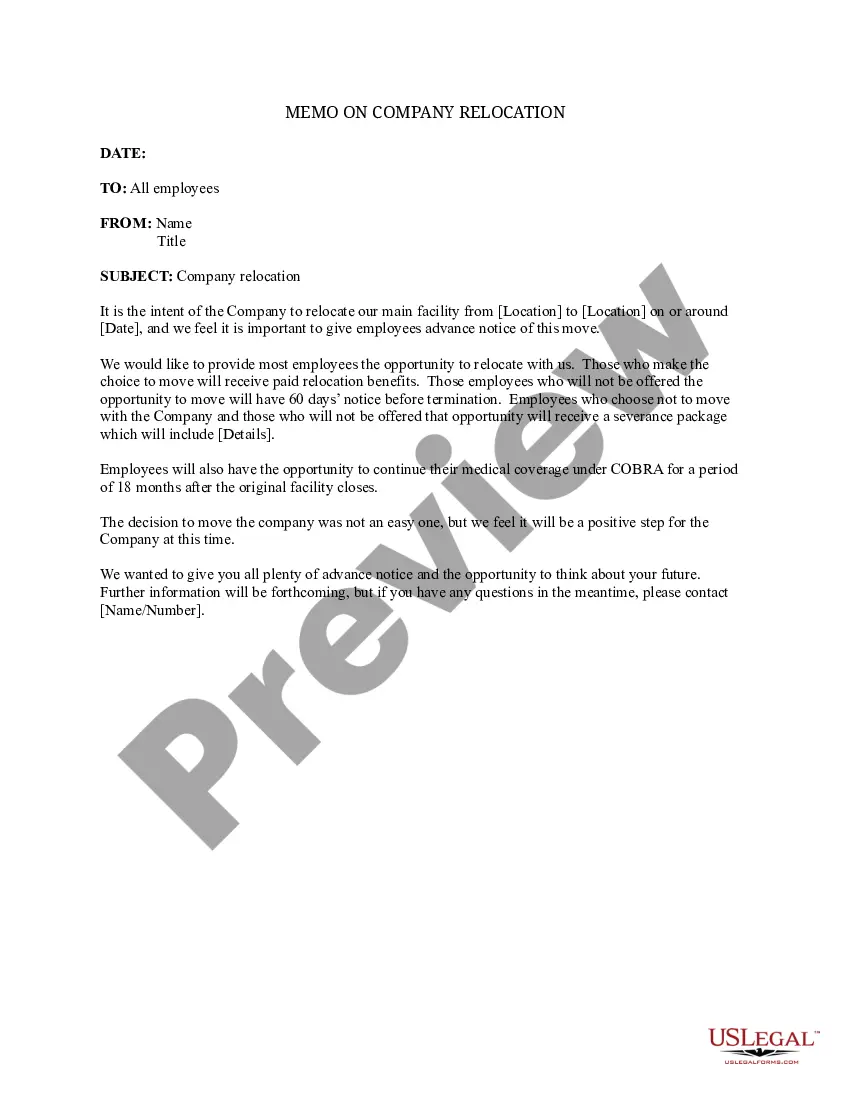
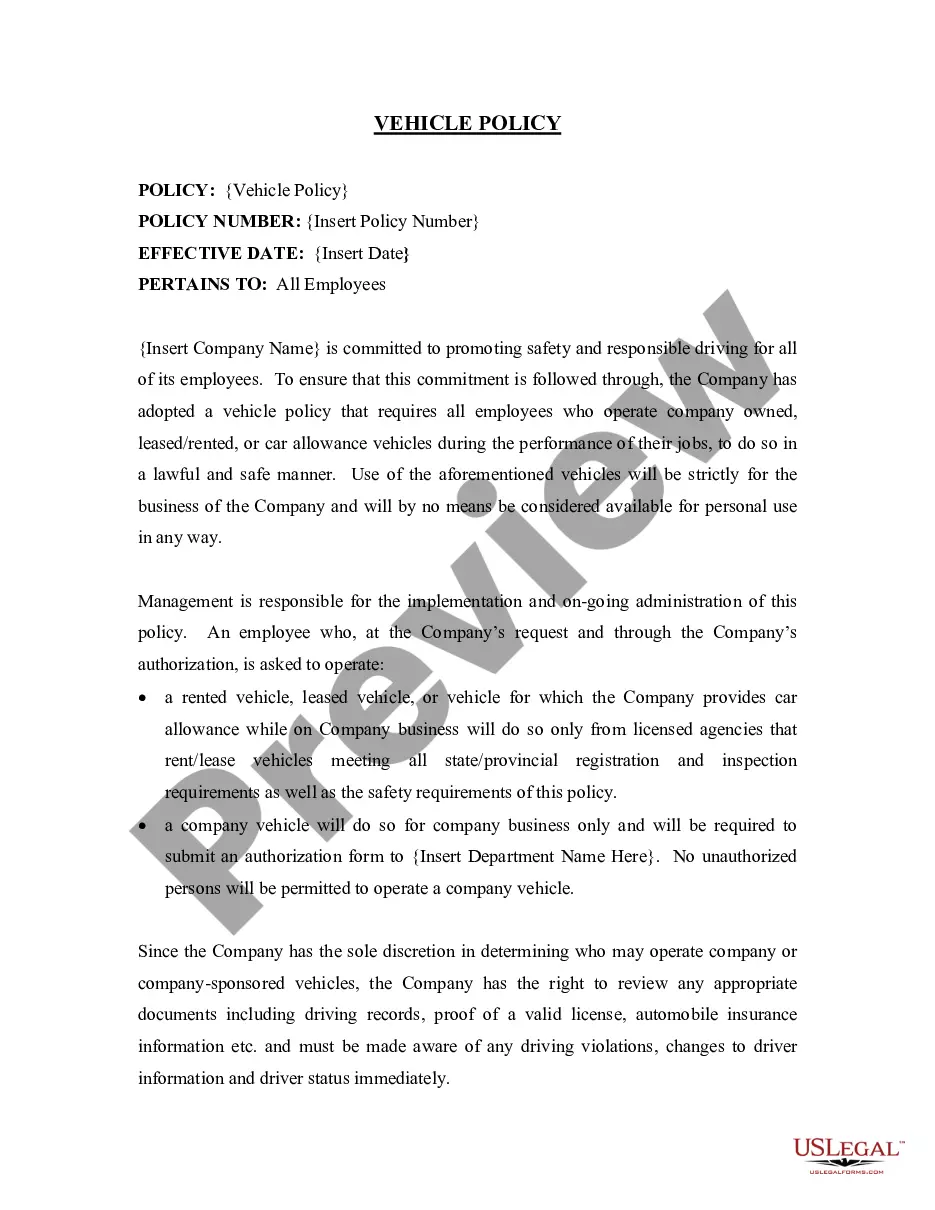
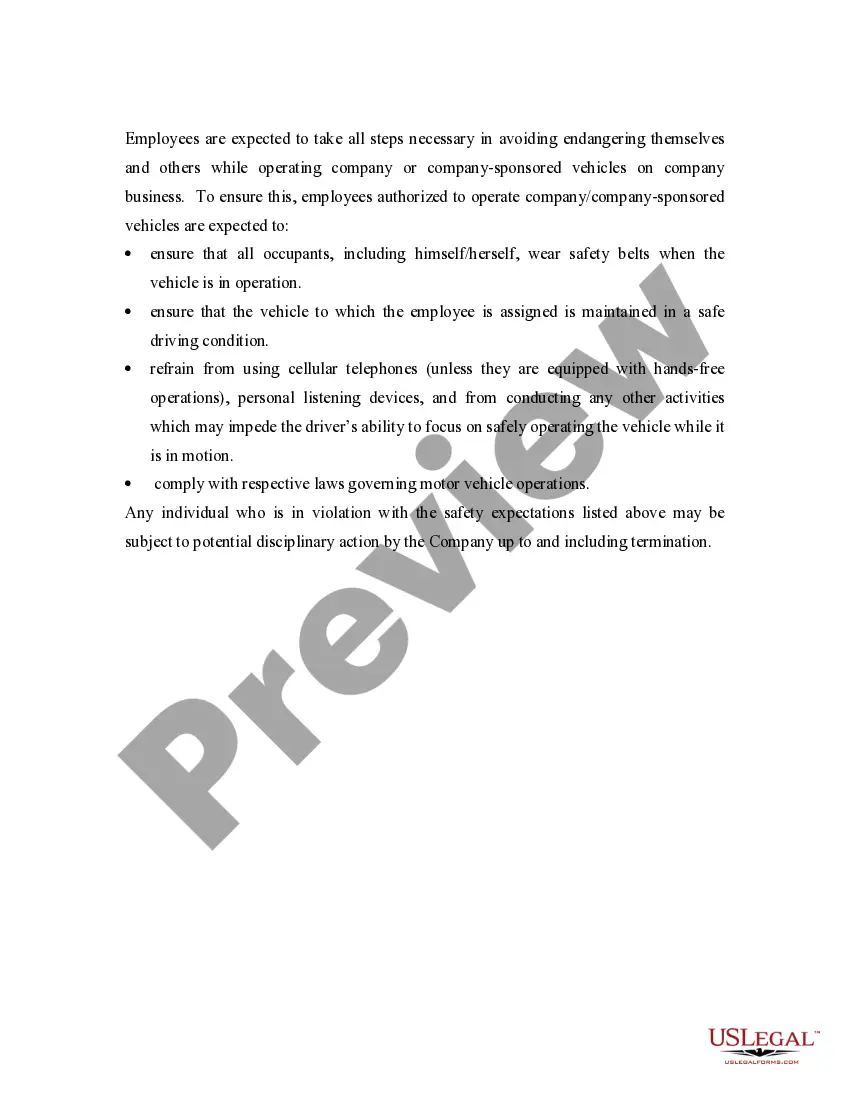
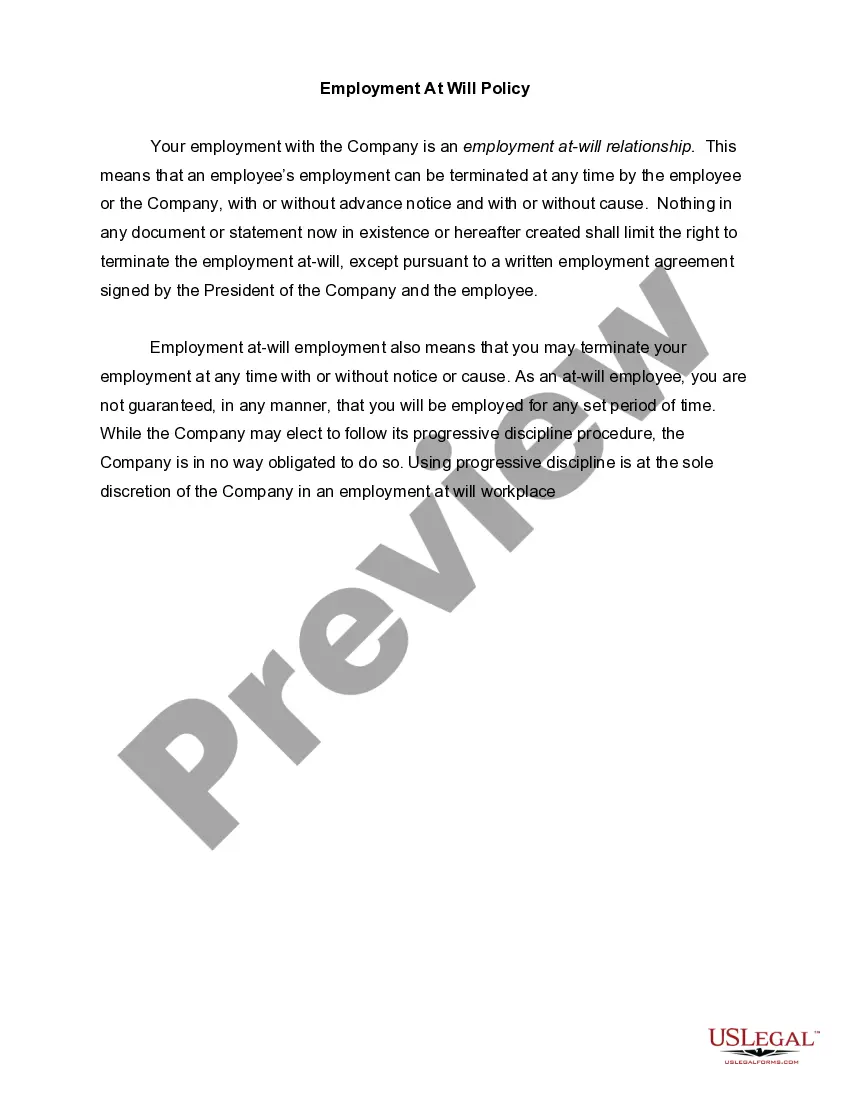
New Jersey Vehicle Policy
Description
Get your form ready online
Our built-in tools help you complete, sign, share, and store your documents in one place.
Make edits, fill in missing information, and update formatting in US Legal Forms—just like you would in MS Word.
Download a copy, print it, send it by email, or mail it via USPS—whatever works best for your next step.
Sign and collect signatures with our SignNow integration. Send to multiple recipients, set reminders, and more. Go Premium to unlock E-Sign.
If this form requires notarization, complete it online through a secure video call—no need to meet a notary in person or wait for an appointment.
We protect your documents and personal data by following strict security and privacy standards.

Make edits, fill in missing information, and update formatting in US Legal Forms—just like you would in MS Word.

Download a copy, print it, send it by email, or mail it via USPS—whatever works best for your next step.

Sign and collect signatures with our SignNow integration. Send to multiple recipients, set reminders, and more. Go Premium to unlock E-Sign.

If this form requires notarization, complete it online through a secure video call—no need to meet a notary in person or wait for an appointment.

We protect your documents and personal data by following strict security and privacy standards.
Looking for another form?


How to fill out Vehicle Policy?
If you intend to finalize, acquire, or create legitimate document templates, utilize US Legal Forms, the ultimate collection of legal forms, accessible online.
Take advantage of the website's straightforward and user-friendly search feature to obtain the documents you require.
Various templates for business and personal purposes are organized by categories and states, or keywords.
Step 4. Once you have found the form you need, select the Get now button. Choose the pricing plan you prefer and provide your credentials to register for an account.
Step 5. Process the transaction. You can use your credit card or PayPal account to complete the transaction. Step 6. Choose the format of the legal form and download it to your device. Step 7. Complete, edit, and print or sign the New Jersey Vehicle Policy.
- Utilize US Legal Forms to acquire the New Jersey Vehicle Policy in just a few clicks.
- If you are already a US Legal Forms customer, Log In to your account and click the Download button to locate the New Jersey Vehicle Policy.
- You can also access forms you previously downloaded in the My documents section of your account.
- If you are using US Legal Forms for the first time, refer to the guidelines below.
- Step 1. Ensure you have chosen the form for the correct area/region.
- Step 2. Use the Review option to examine the form’s content. Don’t forget to read through the description.
- Step 3. If you are dissatisfied with the form, use the Search box at the top of the screen to find alternative versions of the legal form template.
Form popularity
FAQ
The minimum amount of New Jersey auto insurance coverage is $15,000/$30,000/$5,000. In the event of a covered accident, your limits for bodily injury are $15,000 per person, with a total maximum of $30,000 per incident. It also covers up to $5,000 for damage to another person's property.
Full Coverage and Standard Car Insurance Full coverage car insurance includes a minimum of $15,000/$30,000 liability limits (most consumers purchase $100,000/$300,000), $5,000 in property damage liability and the ability to buy PIP coverage limits from $15,000 to $250,000.
Auto insurance is mandatory in New Jersey, but the type and cost of that coverage can vary significantly. Every day, consumers are finding that there are options available to make it easier to comply with the law. The Automobile Insurance Cost Reduction Act mandated that a Basic Policy be available to all drivers.
Explanation: The minimum insurance required by law is third-party cover. This covers your liability to others involved in a collision but not damage to your vehicle. Basic third-party insurance also won't cover theft or fire damage.
What does "full coverage" car insurance mean? When financing or leasing a vehicle, your lender may use the term "full coverage," but that simply means they're requiring you to carry comprehensive and collision plus anything else your state mandates.
Minimum insurance requirements for New Jersey The minimum amount of New Jersey auto insurance coverage is $15,000/$30,000/$5,000. In the event of a covered accident, your limits for bodily injury are $15,000 per person, with a total maximum of $30,000 per incident.
New Jersey law requires all drivers to carry auto insurance that includes both liability and personal injury protection (PIP) coverages. Uninsured motorist and collision and comprehensive coverages aren't required in New Jersey but can be added to your policy.
New Jersey law requires all drivers to carry auto insurance that includes both liability and personal injury protection (PIP) coverages. Uninsured motorist and collision and comprehensive coverages aren't required in New Jersey but can be added to your policy.
Lending Your Car to an Uninsured Driver in New Jersey Simply put, the vehicle driven by the at-fault driver is covered by the insurance policy on the car. Insurance follows the car, not the driver.
In New Jersey, drivers need $15,000 in personal injury protection insurance (up to $250,000 for certain injuries) and $5,000 in property damage liability insurance. Insurers in New Jersey offer basic and standard insurance plans, which are two different options that both fulfill the state's coverage requirements.