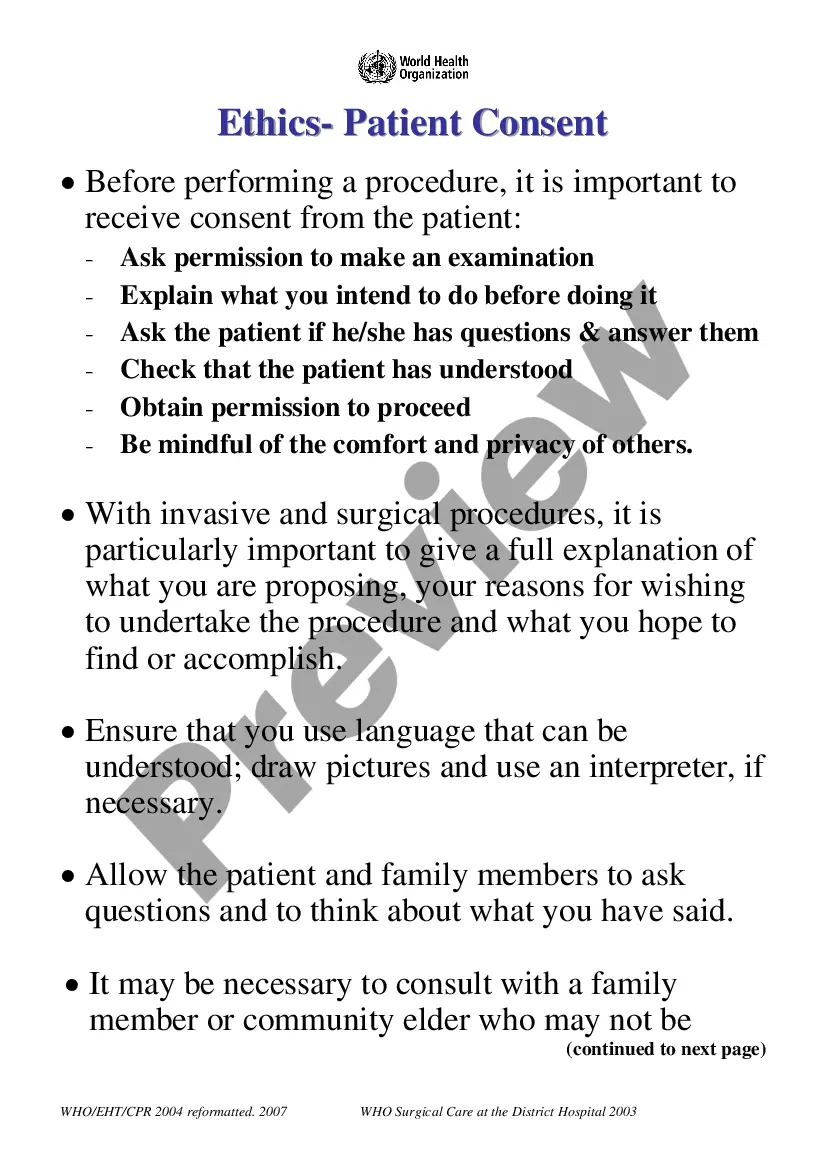
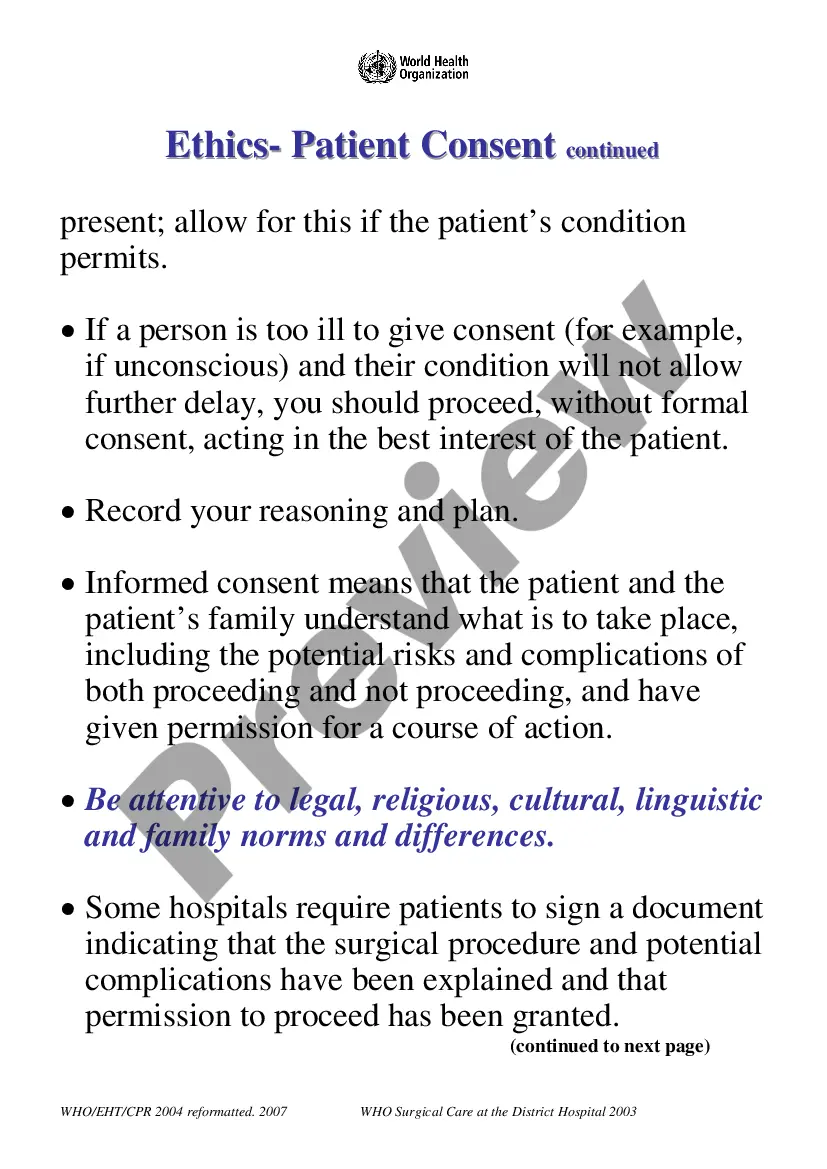
New Jersey Best Practice Protocols Clinical Procedures Safety
Description

Get your form ready online
Our built-in tools help you complete, sign, share, and store your documents in one place.
Make edits, fill in missing information, and update formatting in US Legal Forms—just like you would in MS Word.
Download a copy, print it, send it by email, or mail it via USPS—whatever works best for your next step.
Sign and collect signatures with our SignNow integration. Send to multiple recipients, set reminders, and more. Go Premium to unlock E-Sign.
If this form requires notarization, complete it online through a secure video call—no need to meet a notary in person or wait for an appointment.
We protect your documents and personal data by following strict security and privacy standards.

Make edits, fill in missing information, and update formatting in US Legal Forms—just like you would in MS Word.

Download a copy, print it, send it by email, or mail it via USPS—whatever works best for your next step.

Sign and collect signatures with our SignNow integration. Send to multiple recipients, set reminders, and more. Go Premium to unlock E-Sign.

If this form requires notarization, complete it online through a secure video call—no need to meet a notary in person or wait for an appointment.

We protect your documents and personal data by following strict security and privacy standards.
Looking for another form?








How to fill out Best Practice Protocols Clinical Procedures Safety?
It is feasible to spend multiple hours online looking for the legal document format that matches the federal and state criteria you require.
US Legal Forms offers a vast array of legal forms reviewed by professionals.
You can easily download or print the New Jersey Best Practice Protocols Clinical Procedures Safety from their service.
If available, utilize the Preview button to view the document simultaneously. If you wish to find another version of the form, use the Search area to locate the format that fulfills your requirements.
- If you already possess a US Legal Forms account, you may Log In and click on the Download button.
- Next, you can complete, modify, print, or sign the New Jersey Best Practice Protocols Clinical Procedures Safety.
- Each legal document you purchase is yours indefinitely.
- To obtain another copy of the acquired form, visit the My documents tab and click on the appropriate button.
- Should this be your first visit to the US Legal Forms site, follow the simple steps outlined below.
- First, ensure you have selected the correct format for the county/town of your choice.
- Read the form description to confirm you have chosen the right form.
Form popularity
FAQ
Health and safety protocols outline the regulations and measures necessary to maintain a safe healthcare environment. These protocols include practices for patient handling, emergency procedures, and equipment usage. By implementing the New Jersey Best Practice Protocols Clinical Procedures Safety, organizations can not only comply with legal requirements but also promote a culture of safety that benefits everyone.
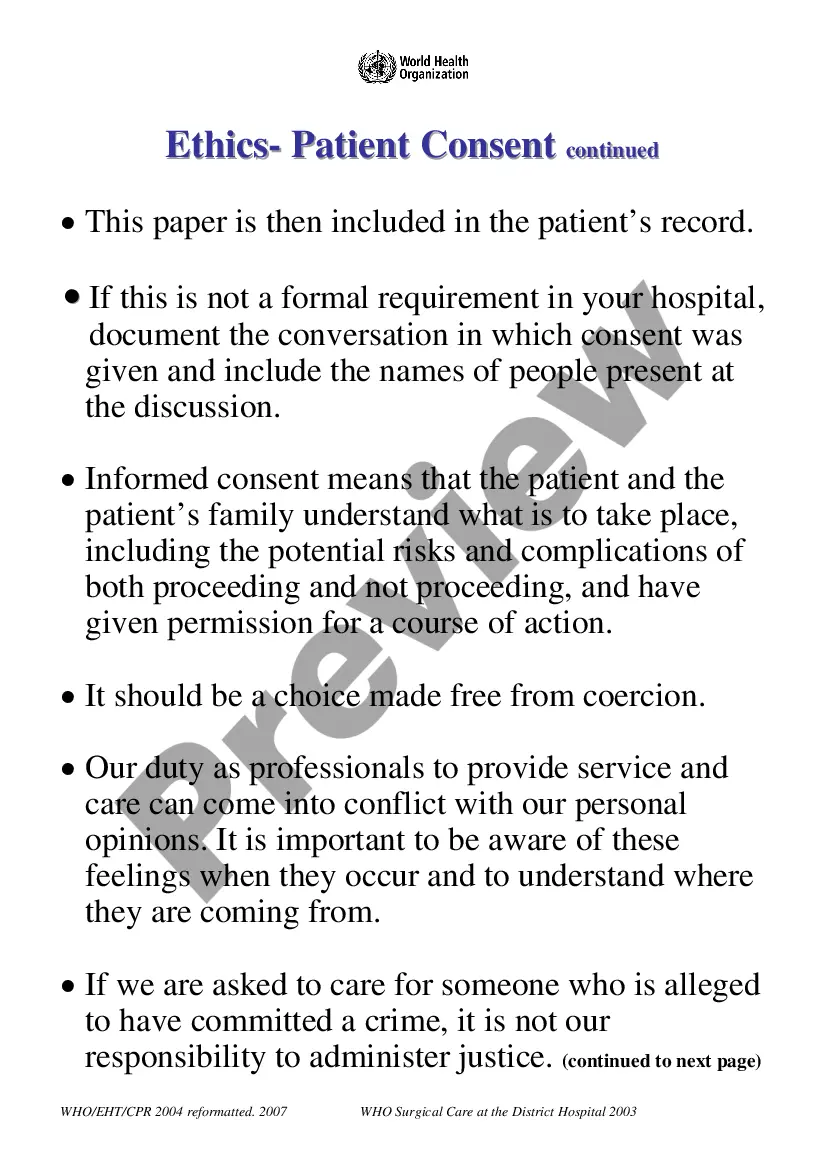
Protocols are agreed frameworks outlining the care that will be provided to patients in a designated area of practice, such as vision health screening for people who have diabetes. They do not describe how a procedure is performed, but why, where, when and by whom the care is given.
Functional protocols provide examples of best practice information that clinicians should consider including (as applicable) in the various sections of the required documentation.
The Universal Protocol was mandated by the Joint Commission 5 years ago with the aim of increasing patient safety by avoiding procedures at the wrong site or in the wrong patient.
The Universal Protocol dictates the minimum requirements physicians must follow to help prevent basic surgical mistakes and is required to be implemented by all accredited hospitals, ambulatory care, and office-based surgical facilities. In 2004, The Joint Commission released the Universal Protocol.
The Universal Protocol provides guidance for health care professionals. It consists of three key steps: conducting a pre-procedure verification process, marking the procedure site, and performing a time-out.
The use of clinical protocols allows health care providers to offer appropriate diagnostic treatment and care services to patients, variance reports to purchasers and quality training to clinical staff.
The Universal Protocol provides guidance for health care professionals. It consists of three key steps: conducting a pre-procedure verification process, marking the procedure site, and performing a time-out.
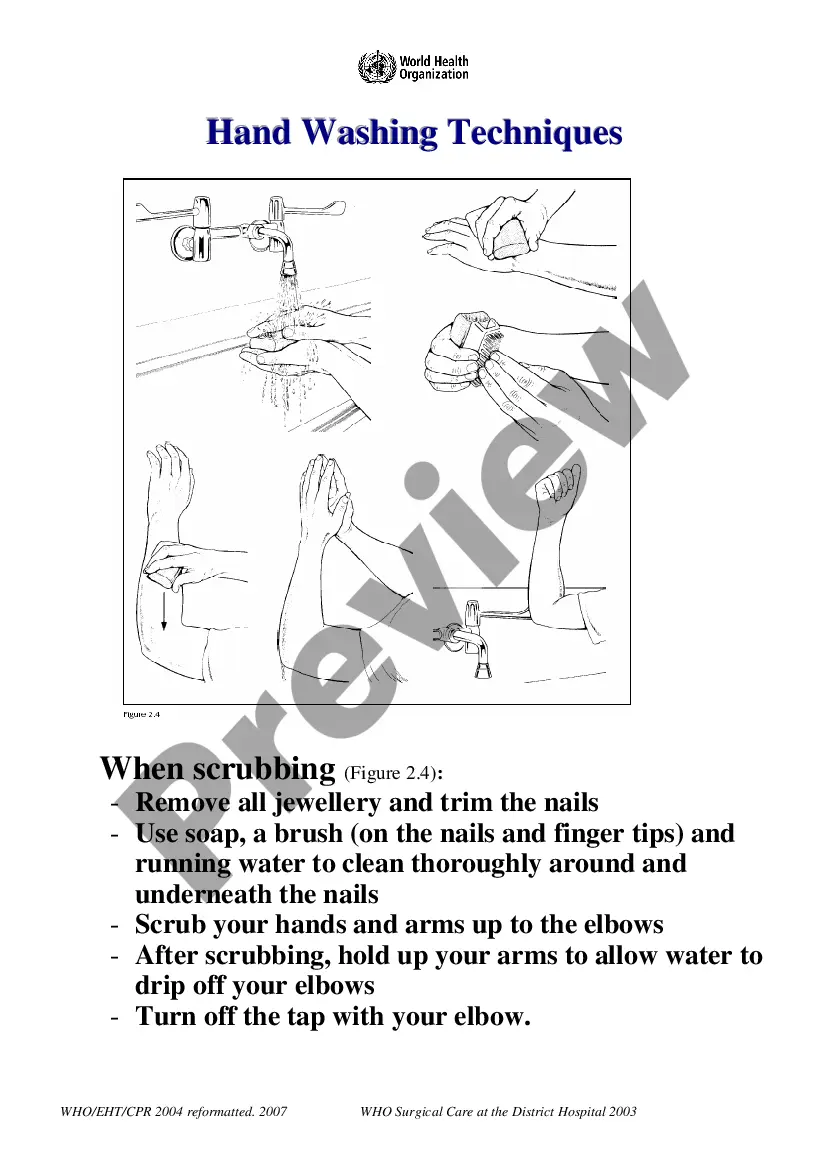
5 Factors that can help improve patient safety in hospitalsUse monitoring technology.Make sure patients understand their treatment.Verify all medical procedures.Follow proper handwashing procedures.Promote a team atmosphere.22-Aug-2018
Protocols are agreed frameworks outlining the care that will be provided to patients in a designated area of practice, such as vision health screening for people who have diabetes. They do not describe how a procedure is performed, but why, where, when and by whom the care is given.