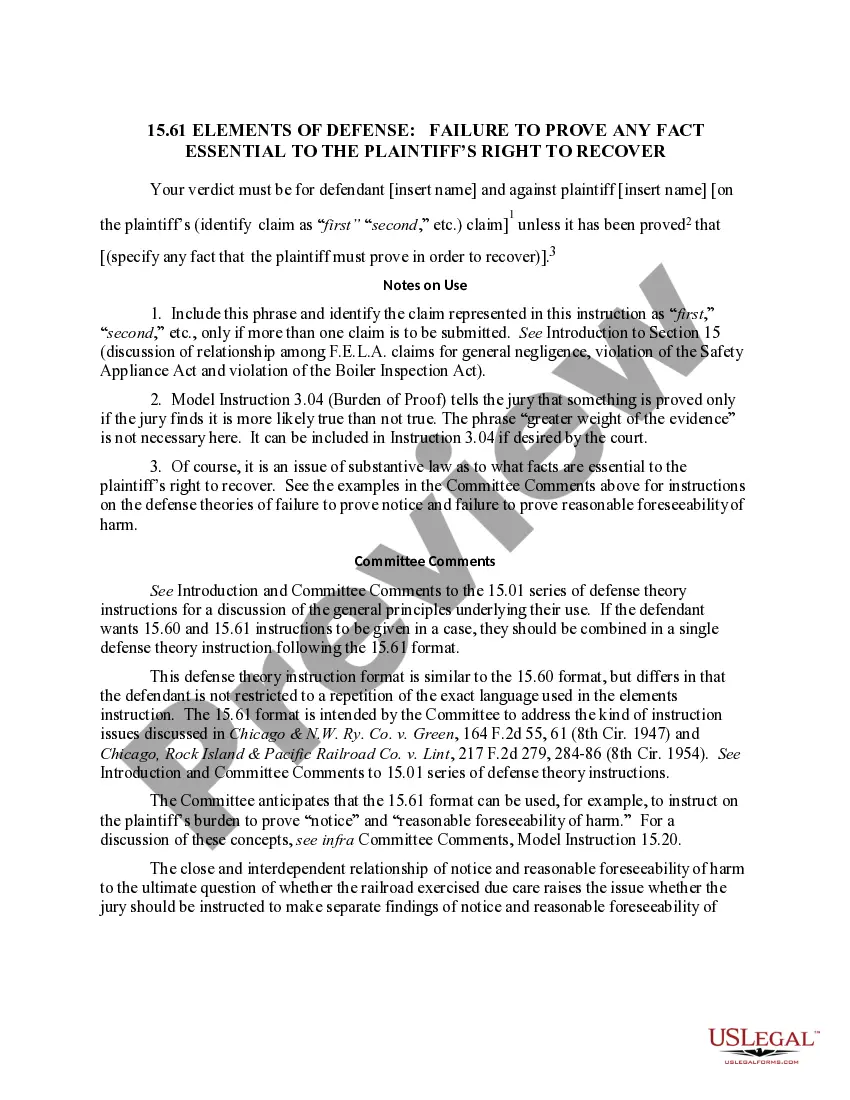
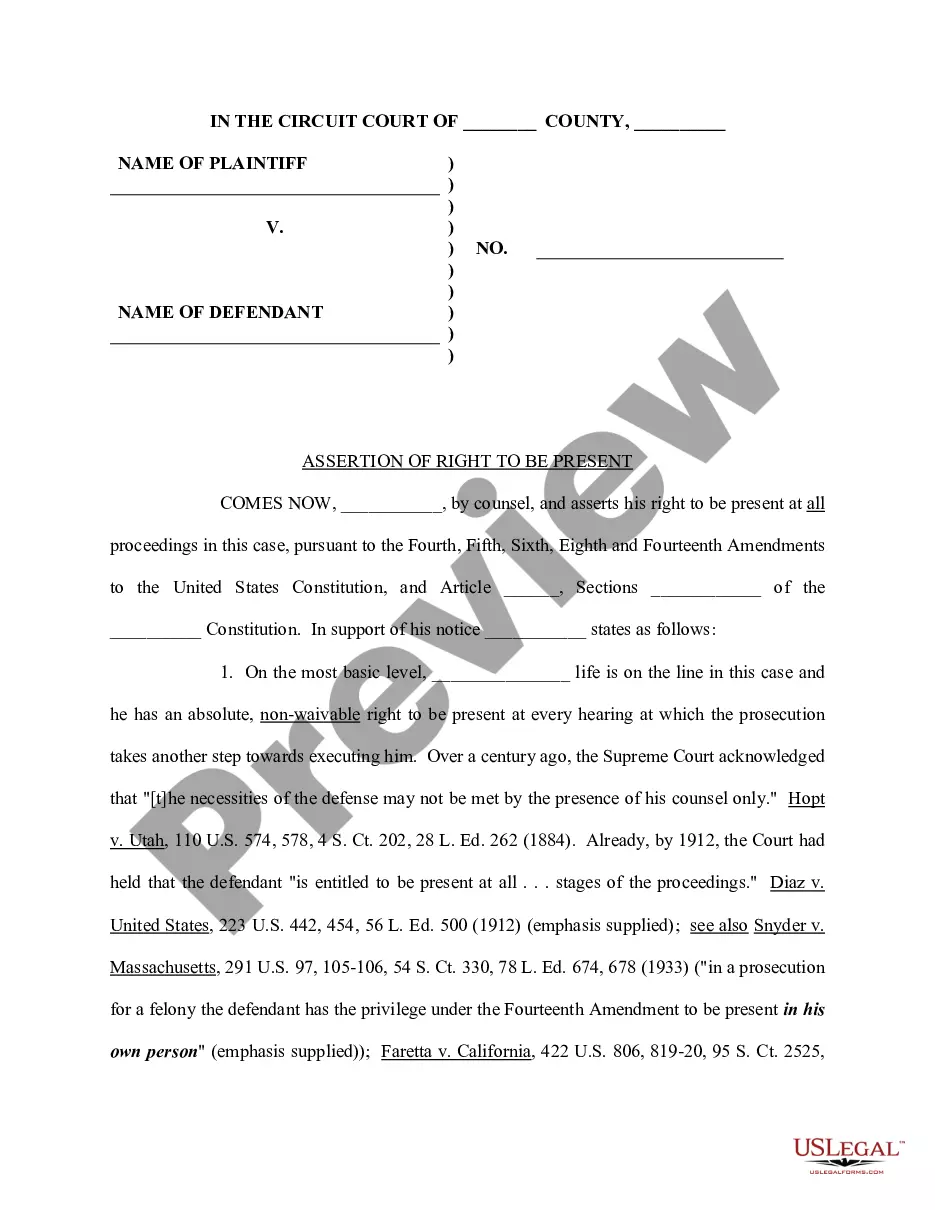
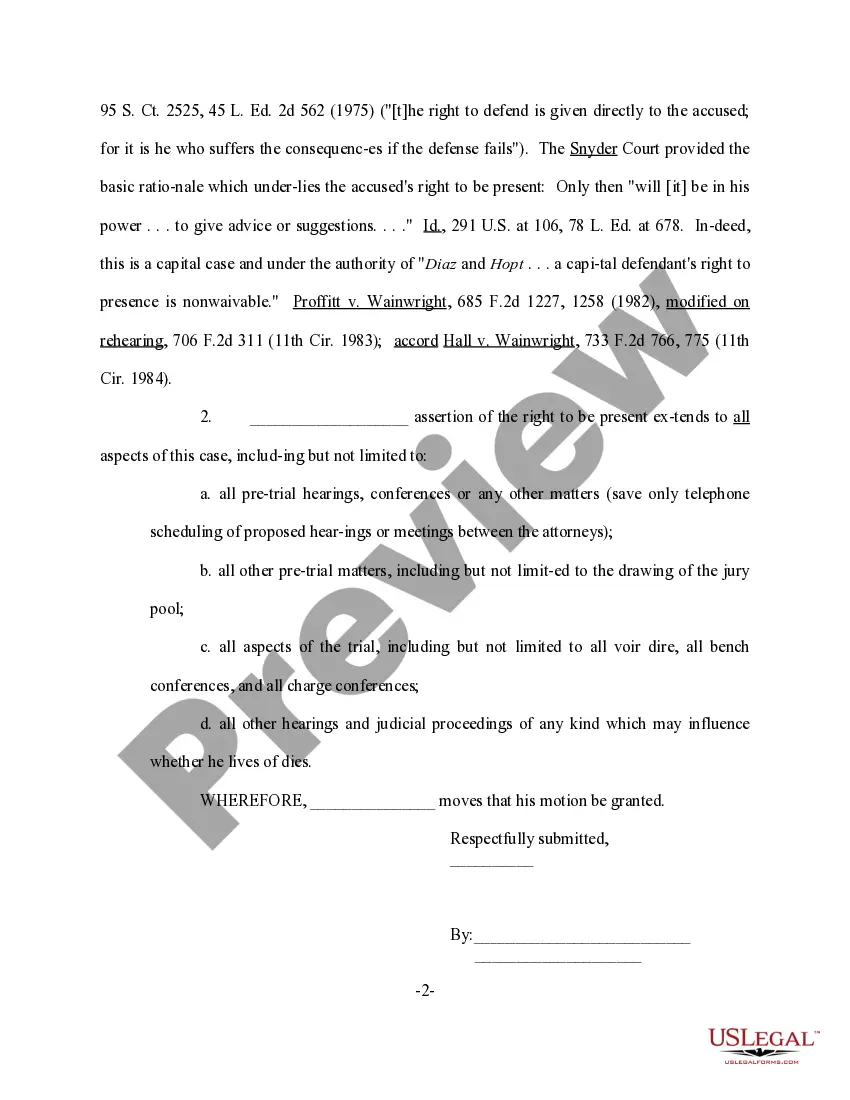
New Jersey Assertion of Right to Be Present
Description
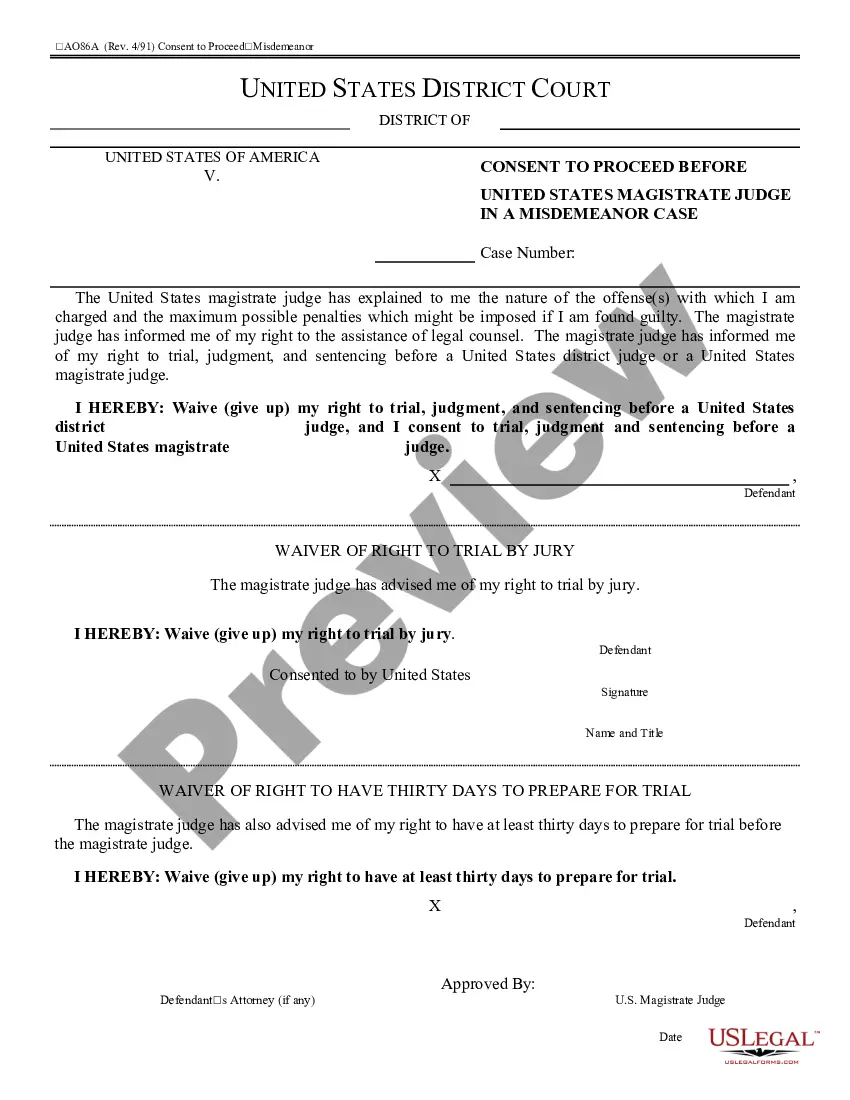
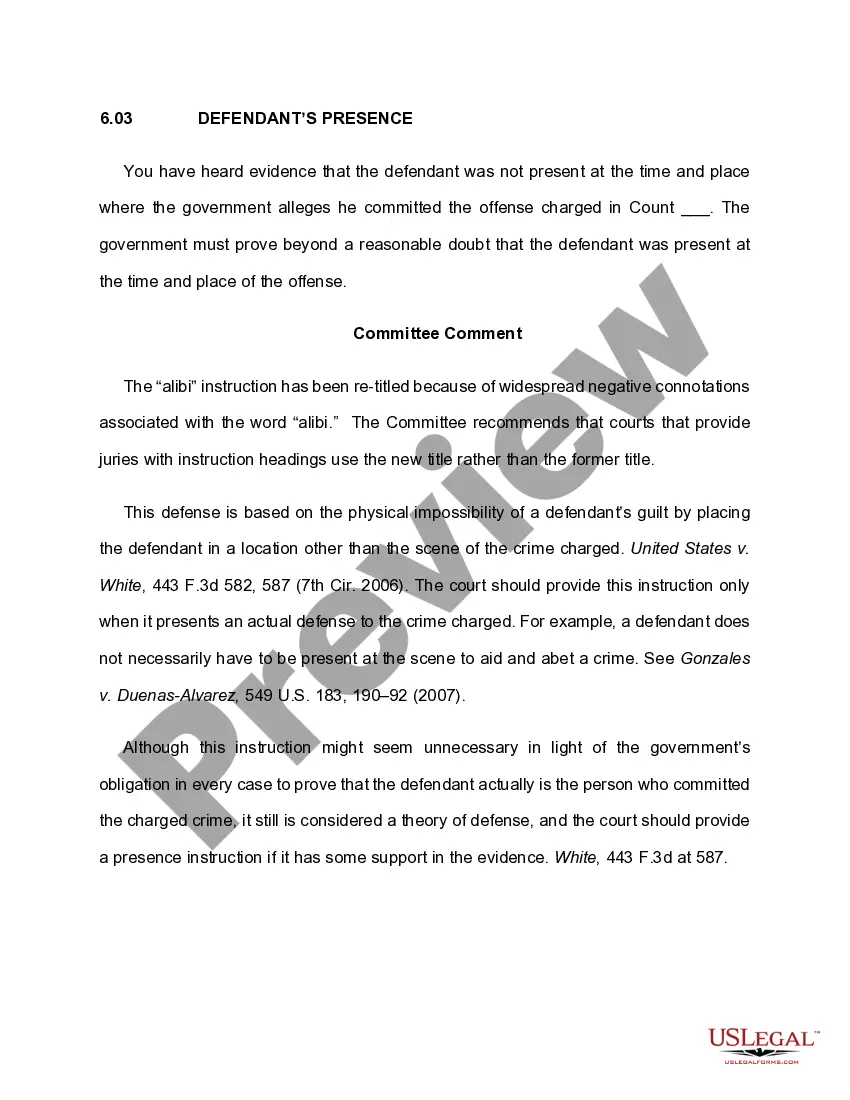
Get your form ready online
Our built-in tools help you complete, sign, share, and store your documents in one place.
Make edits, fill in missing information, and update formatting in US Legal Forms—just like you would in MS Word.
Download a copy, print it, send it by email, or mail it via USPS—whatever works best for your next step.
Sign and collect signatures with our SignNow integration. Send to multiple recipients, set reminders, and more. Go Premium to unlock E-Sign.
If this form requires notarization, complete it online through a secure video call—no need to meet a notary in person or wait for an appointment.
We protect your documents and personal data by following strict security and privacy standards.

Make edits, fill in missing information, and update formatting in US Legal Forms—just like you would in MS Word.

Download a copy, print it, send it by email, or mail it via USPS—whatever works best for your next step.

Sign and collect signatures with our SignNow integration. Send to multiple recipients, set reminders, and more. Go Premium to unlock E-Sign.

If this form requires notarization, complete it online through a secure video call—no need to meet a notary in person or wait for an appointment.

We protect your documents and personal data by following strict security and privacy standards.
Looking for another form?
How to fill out Assertion Of Right To Be Present?
You might spend numerous hours online looking for the legal document format that meets both state and federal requirements you have. US Legal Forms offers thousands of legal templates that are vetted by experts. It is easy to download or print the New Jersey Assertion of Right to Be Present from our services.
If you already possess a US Legal Forms account, you can Log In and then select the Acquire button. After that, you can complete, modify, print, or sign the New Jersey Assertion of Right to Be Present. Every legal document you obtain is yours to keep indefinitely. To get another copy of the acquired form, navigate to the My documents section and click the appropriate option.
If you are accessing the US Legal Forms website for the first time, follow the simple instructions below: First, ensure you have chosen the correct format for your chosen state/city. Review the form description to confirm you have selected the correct document. If available, use the Preview option to view the format as well.
- To obtain another version of your form, use the Search section to find the format that meets your needs.
- Once you have found the format you desire, click Buy now to proceed.
- Select the pricing plan you prefer, enter your details, and create an account on US Legal Forms.
- Complete the purchase. You can use your credit card or PayPal account to pay for the legal document.
- Choose the format of your file and download it to your device.
- Make modifications to the document if necessary. You can complete, edit, sign, and print the New Jersey Assertion of Right to Be Present.
- Access and print thousands of document templates using the US Legal Forms website, which offers the largest collection of legal forms. Utilize professional and state-specific templates to address your business or personal needs.
Form popularity
FAQ
(1) When the relevance of evidence depends on whether a fact exists, proof must be introduced sufficient to support a finding that the fact does exist. The court may admit the proposed evidence on the condition that the proof be introduced later.
N.J.R.E. 403. Exclusion of Relevant Evidence on Grounds of Prejudice, Confusion, or Waste of Time. (b) Undue delay, wasting time, or needlessly presenting cumulative evidence.
N.J.R.E. 703. The facts or data in the particular case upon which an expert bases an opinion or inference may be those perceived by or made known to the expert at or before the proceeding.
Rule 530 - Waiver of Privilege by Contract or Previous Disclosure: Limitations (a) Except as provided herein with respect to the attorney-client privilege or work-product doctrine, a person waives his right or privilege to refuse to disclose or to prevent another from disclosing a specified matter if he or any other ...
(a) no person has the privilege to refuse to submit to examination for the purpose of discovering or recording his corporal features and other identifying characteristics or his physical or mental condition; (b) no person has the privilege to refuse to obey an order made by a court to produce for use as evidence or ...
(1) Present Sense Impression. A statement describing or explaining an event or condition, made while or immediately after the declarant perceived it and without opportunity to deliberate or fabricate.
In a criminal case, a client has a privilege to prevent a lawyer or lawyer's representative from disclosing any other fact that came to the knowledge of the lawyer or the lawyer's representative by reason of the attorney-client relationship.
A statement concerning a matter about which the witness is unable to testify fully and accurately because of insufficient present recollection if the statement is contained in a writing or other record that: (A) was made at a time when the fact recorded actually occurred or was fresh in the memory of the witness; and ( ...