New Hampshire Stand Alone Confidentiality and Noncompetition Agreement with Employee
Description
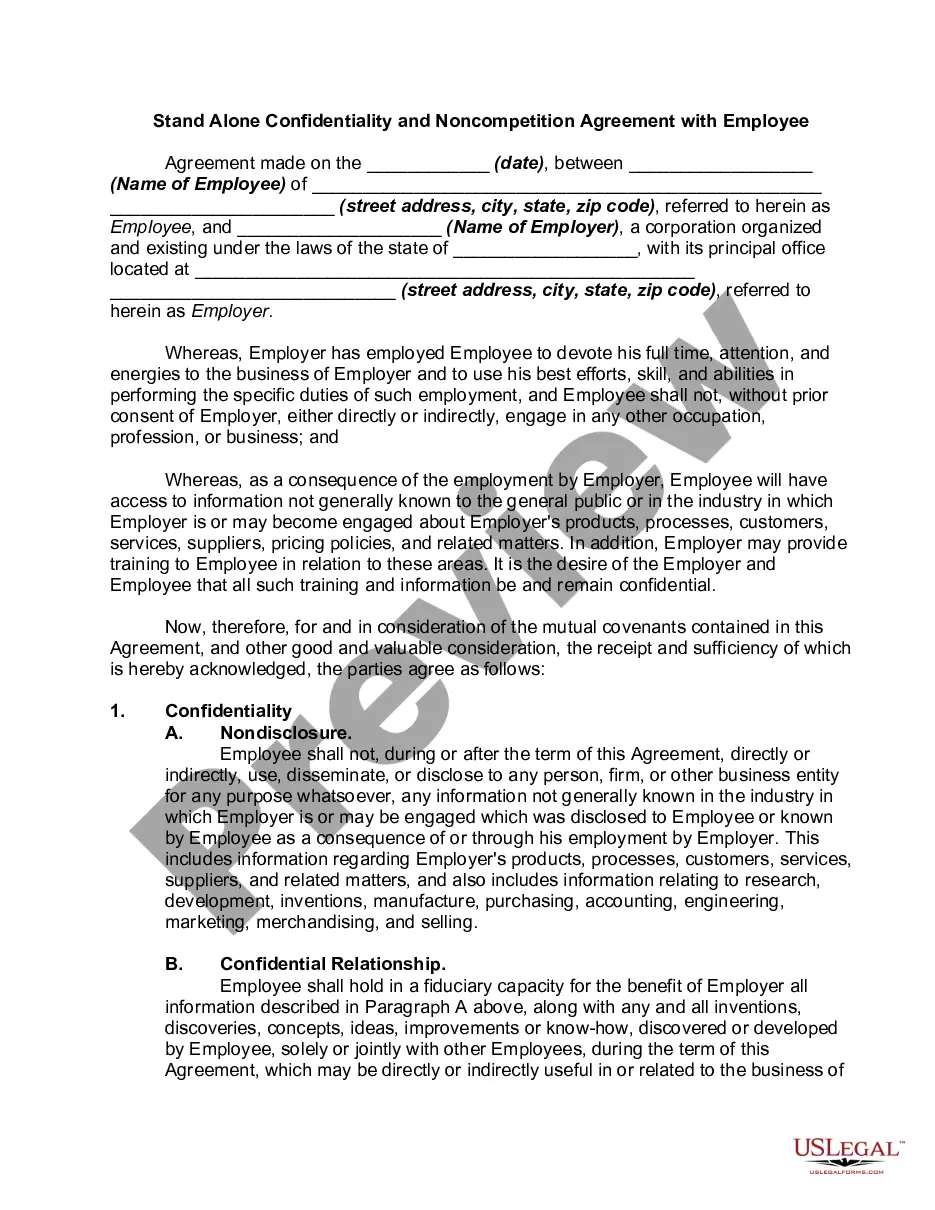
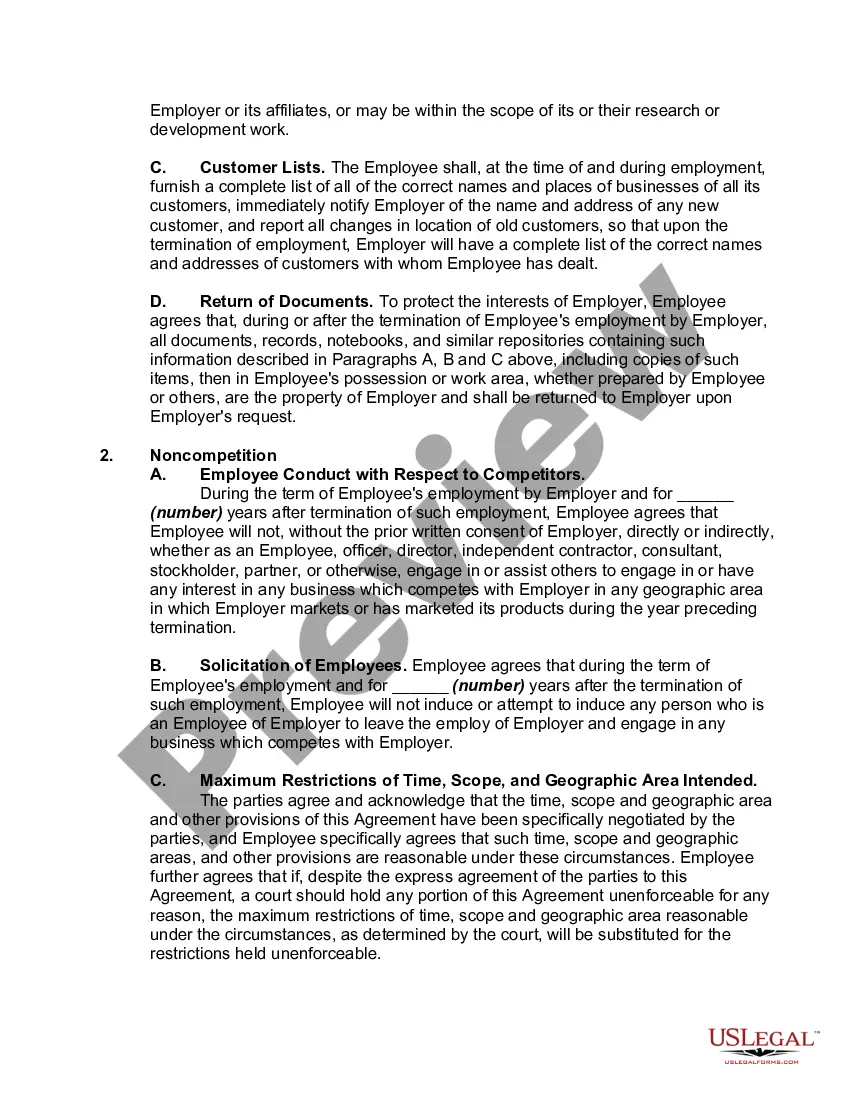
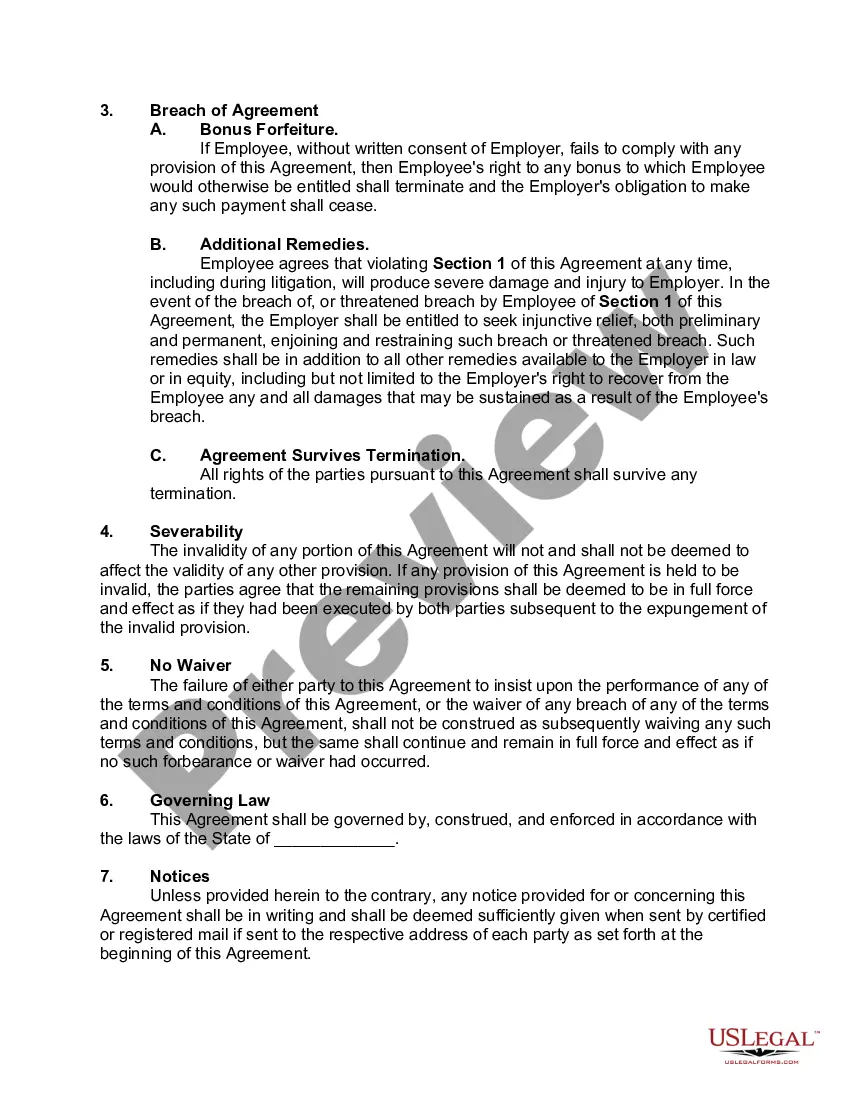
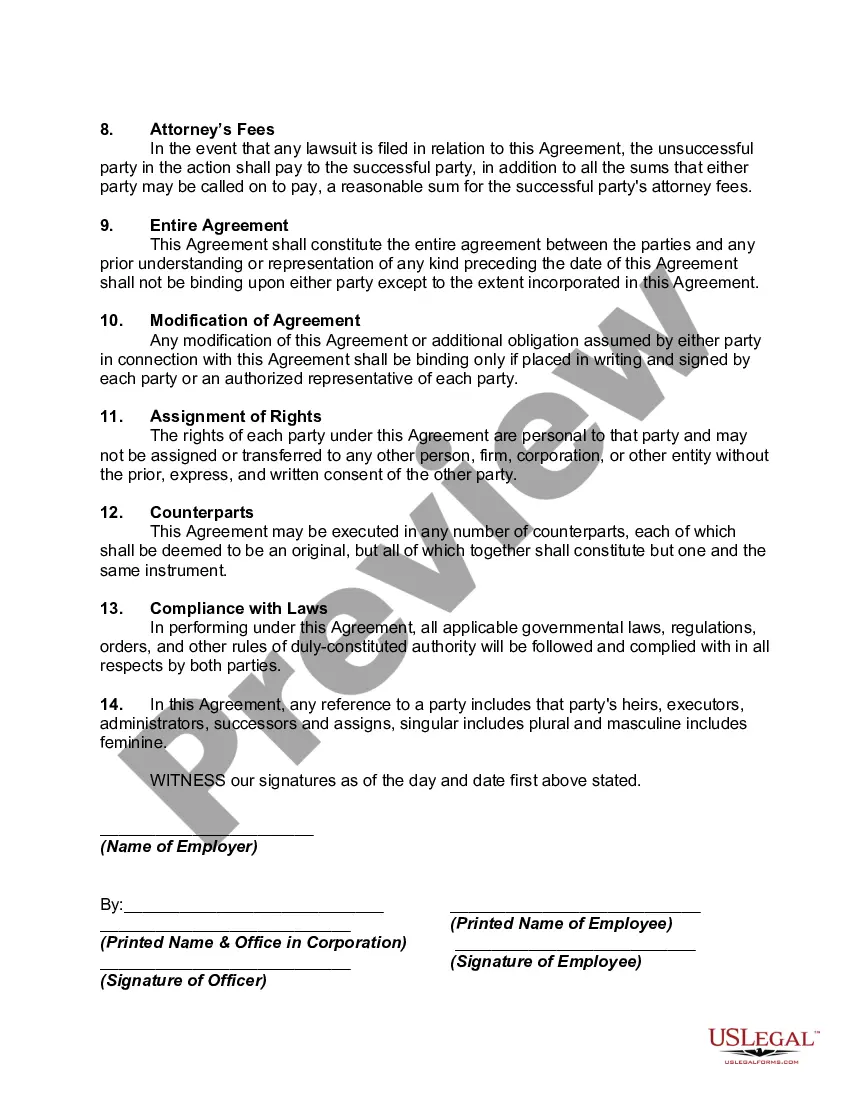
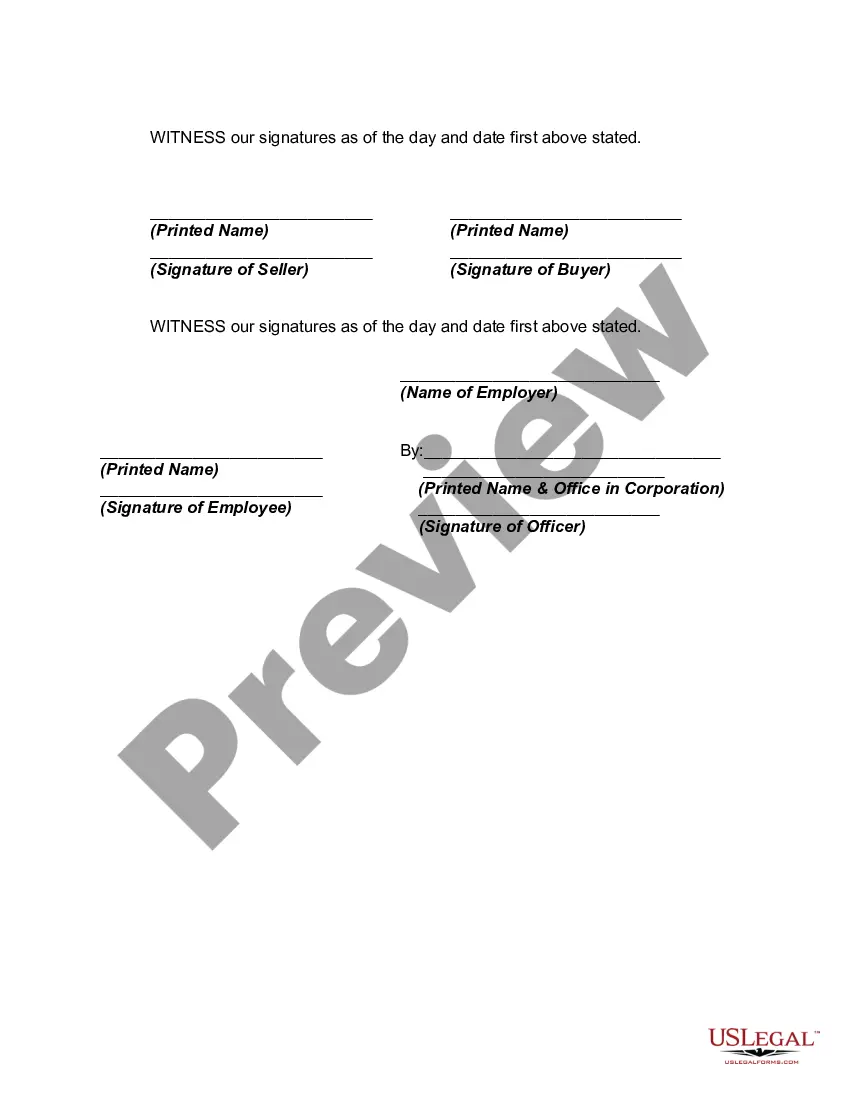
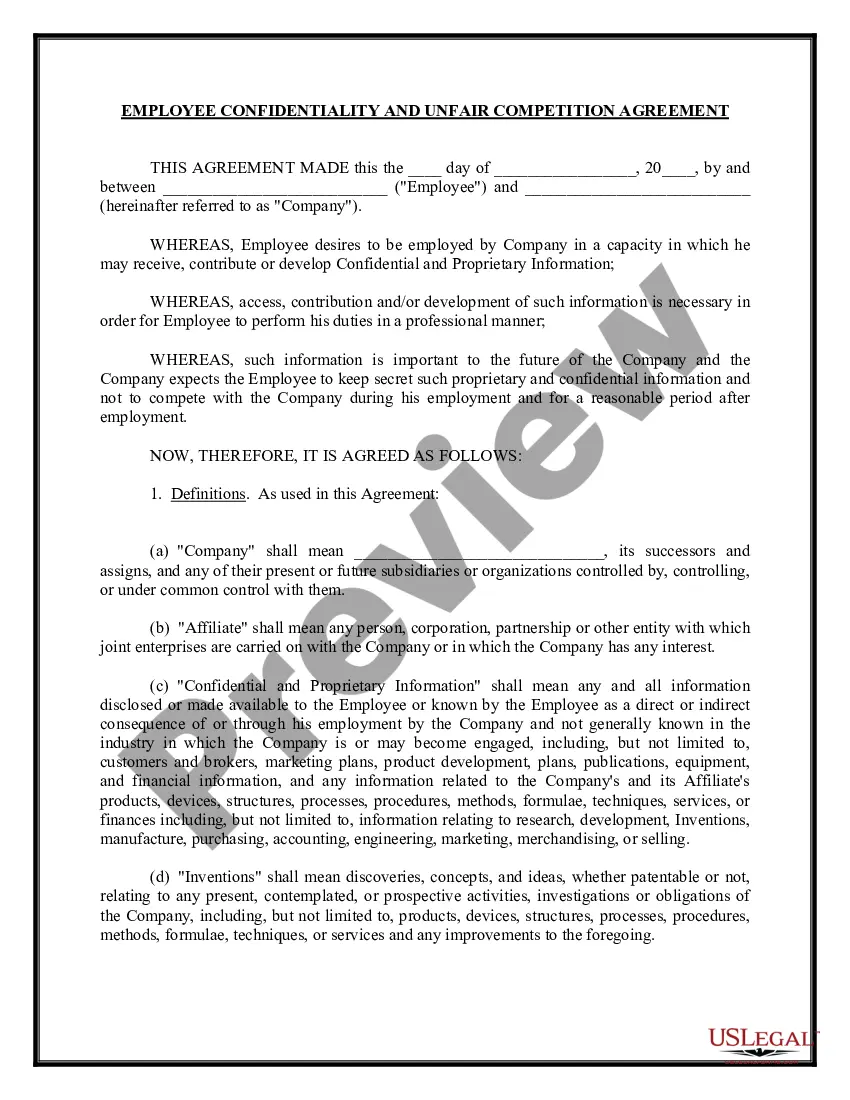
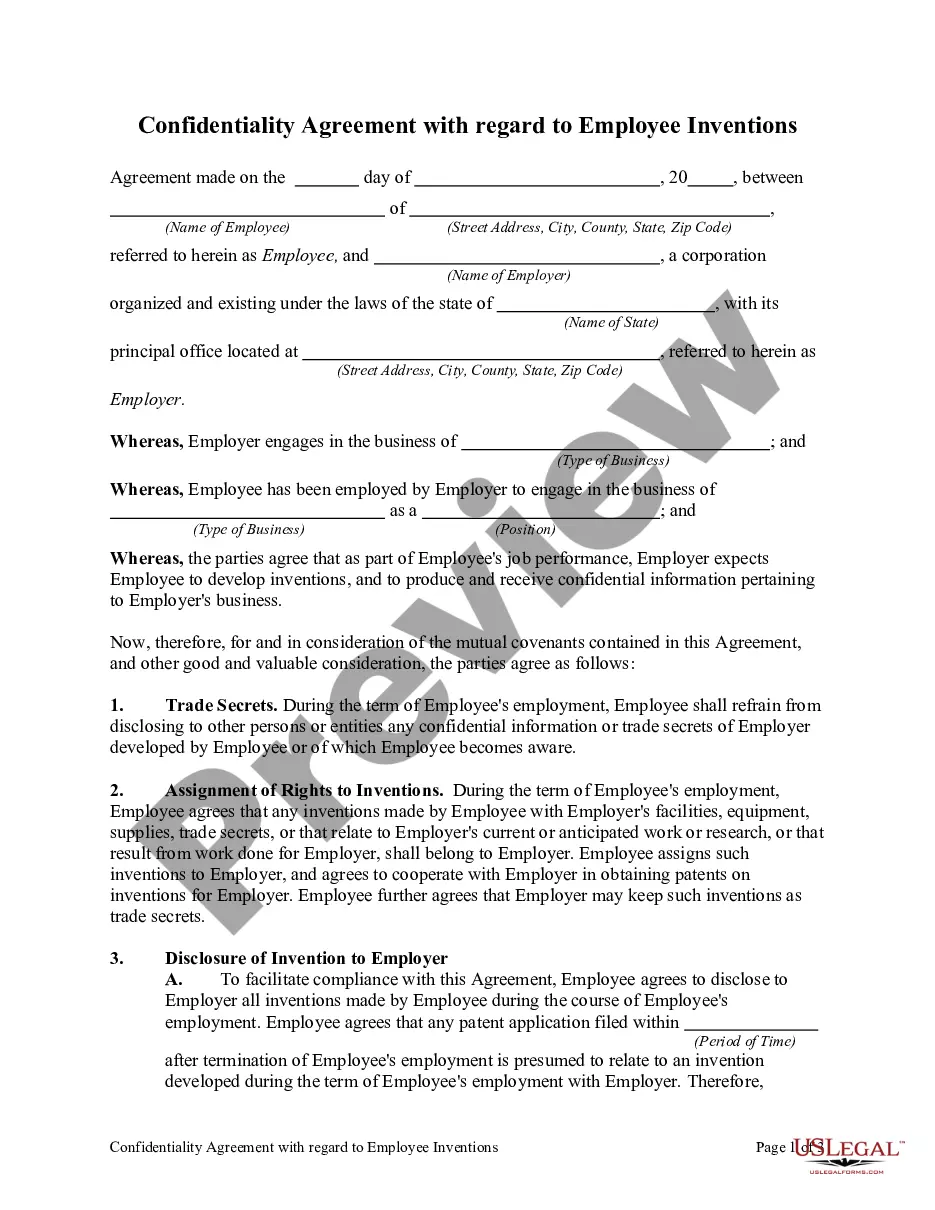
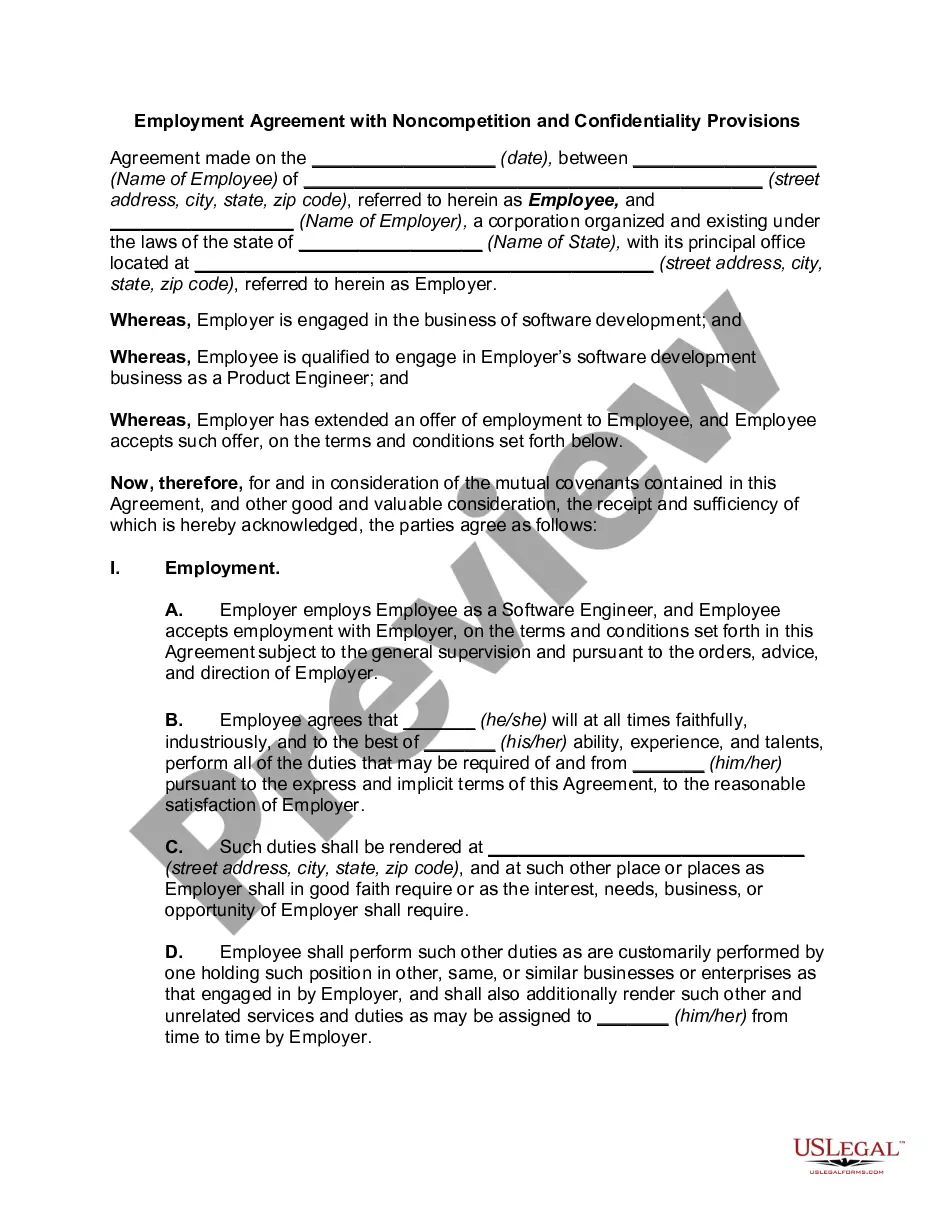
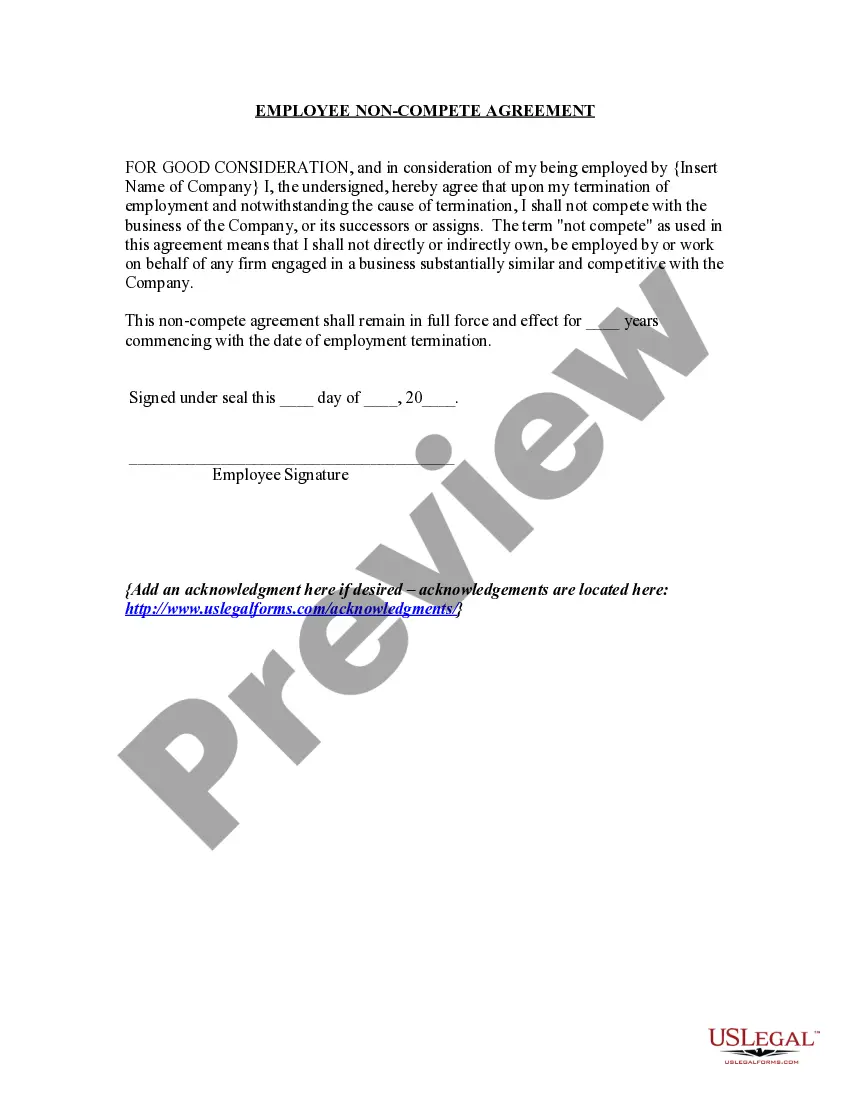
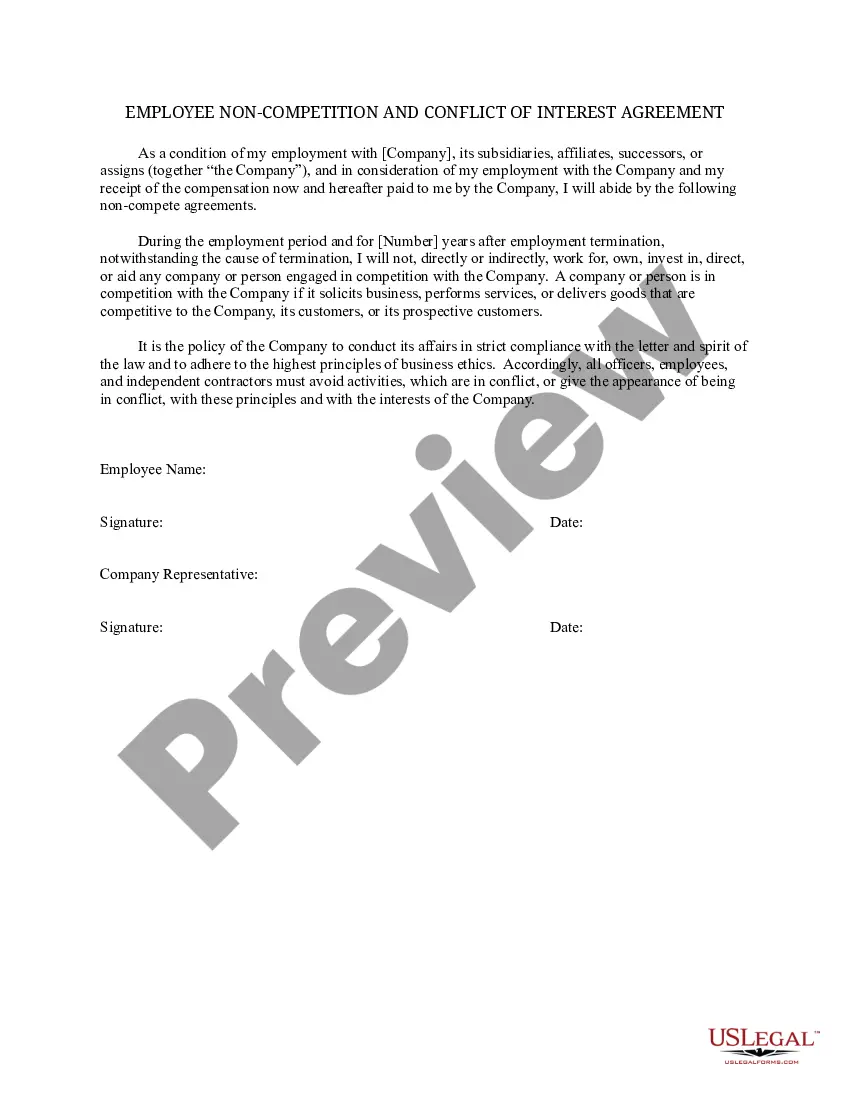


How to fill out Stand Alone Confidentiality And Noncompetition Agreement With Employee?
Do you find yourself in the situation where you require documents for either business or personal reasons nearly every working day.
There is a plethora of legal document types available online, but locating reliable forms isn't simple.
US Legal Forms offers thousands of document templates, such as the New Hampshire Stand Alone Confidentiality and Noncompetition Agreement with Employee, that are designed to comply with state and federal regulations.
Once you find the correct form, click Purchase now.
Select the subscription plan you desire, enter the requisite information to create your account, and complete the payment using your PayPal or credit card. Choose a convenient file format and download your copy. Access all the document templates you have purchased in the My documents menu. You can obtain another copy of the New Hampshire Stand Alone Confidentiality and Noncompetition Agreement with Employee at any time if necessary. Just select the desired form to download or print the document template. Utilize US Legal Forms, the most extensive collection of legal forms, to save time and prevent errors. The platform provides professionally crafted legal document templates that can be employed for a variety of purposes. Create an account on US Legal Forms and start simplifying your life.
- If you are already familiar with the US Legal Forms website and have an account, simply Log In.
- Then, you can download the New Hampshire Stand Alone Confidentiality and Noncompetition Agreement with Employee template.
- If you don’t have an account and want to start using US Legal Forms, follow these steps.
- Locate the form you need and ensure it is for the correct city/state.
- Utilize the Preview button to review the form.
- Examine the description to confirm that you have chosen the proper form.
- If the form isn’t what you’re looking for, use the Search field to find the form that meets your requirements.
Form popularity
FAQ
Confidentiality agreements are generally enforceable if they are clear, reasonable, and serve a legitimate business interest. In the context of a New Hampshire Stand Alone Confidentiality and Noncompetition Agreement with Employee, enforceability often hinges on specific terms outlined in the document. Courts will analyze the intent and fairness of the agreement, making clarity crucial. Working with a platform like USLegalForms can help ensure that your agreements meet these enforceability standards.
The primary difference lies in their focus—confidentiality agreements guard sensitive information, while non-compete agreements limit an employee's ability to work in similar fields post-employment. The New Hampshire Stand Alone Confidentiality and Noncompetition Agreement with Employee can effectively combine these aspects to provide comprehensive protection. Knowing how to structure these agreements properly is vital for safeguarding your business interests. By utilizing legal resources like USLegalForms, you can simplify this process.
No, a confidentiality agreement is not the same as a non-compete agreement. While the New Hampshire Stand Alone Confidentiality and Noncompetition Agreement with Employee may include both terms, they serve different purposes. The confidentiality agreement protects sensitive information from being shared, whereas the non-compete agreement restricts employees from working for competitors after leaving a job. Understanding their roles can help ensure better protection for your business.
Yes, New Hampshire does allow non-compete agreements, but they must adhere to certain legal standards. The New Hampshire Stand Alone Confidentiality and Noncompetition Agreement with Employee must be reasonable in scope, duration, and geography to be enforceable. Additionally, courts generally consider whether the agreement serves a legitimate business interest. It's essential to have all your agreements compliant to avoid potential disputes.
No, a non-disclosure agreement (NDA) and a confidentiality agreement are not identical, though both serve to protect sensitive information. The New Hampshire Stand Alone Confidentiality and Noncompetition Agreement with Employee often encompasses both elements. An NDA typically focuses on preventing disclosure of proprietary information, while a confidentiality agreement may include broader stipulations regarding internal practices. Understanding these distinctions can help you choose the right form for your needs.
An example of a confidentiality statement may read: 'The undersigned agrees to protect all confidential information shared during the course of employment.' This statement makes it clear that the employee understands the importance of keeping sensitive information private. In a New Hampshire Stand Alone Confidentiality and Noncompetition Agreement with Employee, such statements play a crucial role in establishing trust and mutual understanding.
Filling out a confidentiality agreement requires you to include the details of the parties involved, describe the confidential information that needs protection, and specify the duration of confidentiality. You should also list the consequences for breaching the agreement. This structure is essential in creating a New Hampshire Stand Alone Confidentiality and Noncompetition Agreement with Employee, ensuring both parties understand their duties.
To fill out a confidentiality and non-disclosure agreement, start by inserting the parties' names and the effective date of the agreement. Next, define what information is considered confidential and outline the obligations of each party regarding this information. By using a New Hampshire Stand Alone Confidentiality and Noncompetition Agreement with Employee, you ensure that sensitive information is safeguarded effectively.
Filling out a non-compete agreement involves clearly outlining the terms that restrict an employee from working with competitors after leaving a company. You should specify the duration of the agreement, the geographical area it covers, and the types of employment it prohibits. When creating a New Hampshire Stand Alone Confidentiality and Noncompetition Agreement with Employee, it's essential to ensure that these terms are reasonable and legally enforceable.
An example of a Non-Disclosure Agreement (NDA) statement might include a commitment from an employee to keep confidential information private. For instance, it could state that the employee agrees not to disclose trade secrets or proprietary information learned during their employment. In the context of New Hampshire Stand Alone Confidentiality and Noncompetition Agreement with Employee, the NDA protects sensitive business information from being shared with competitors.