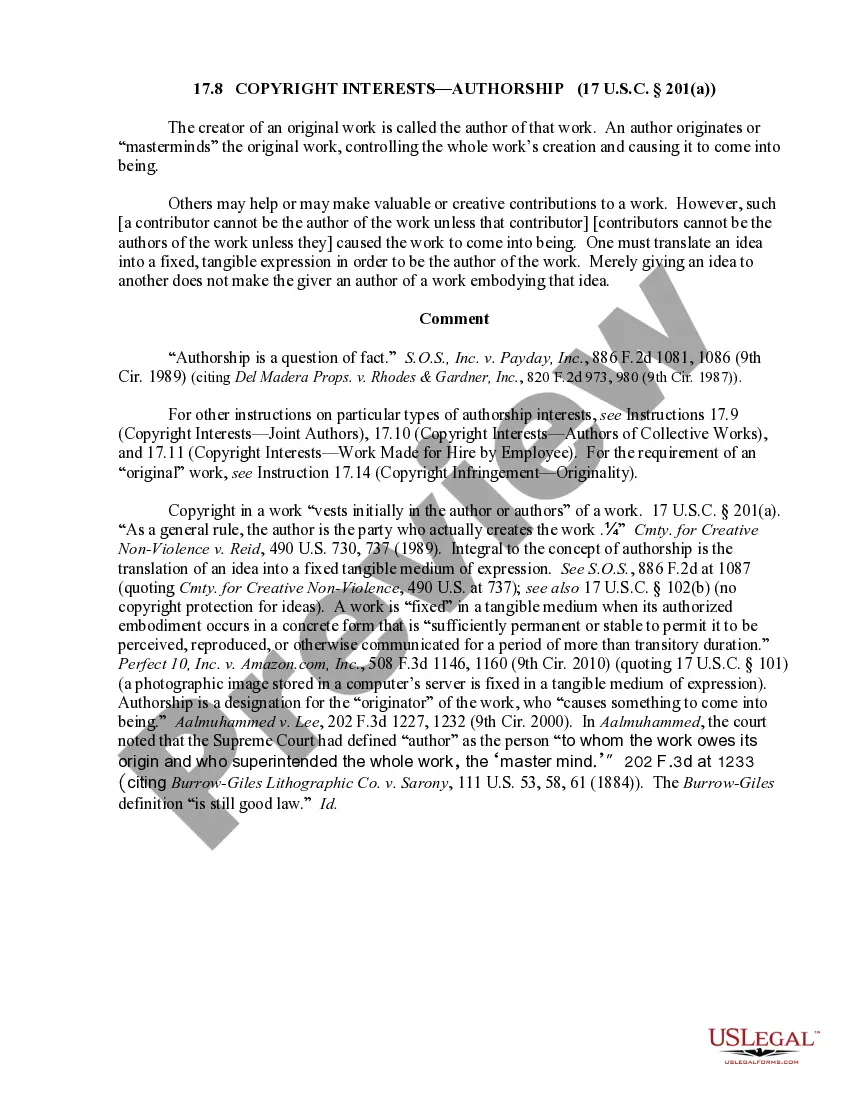
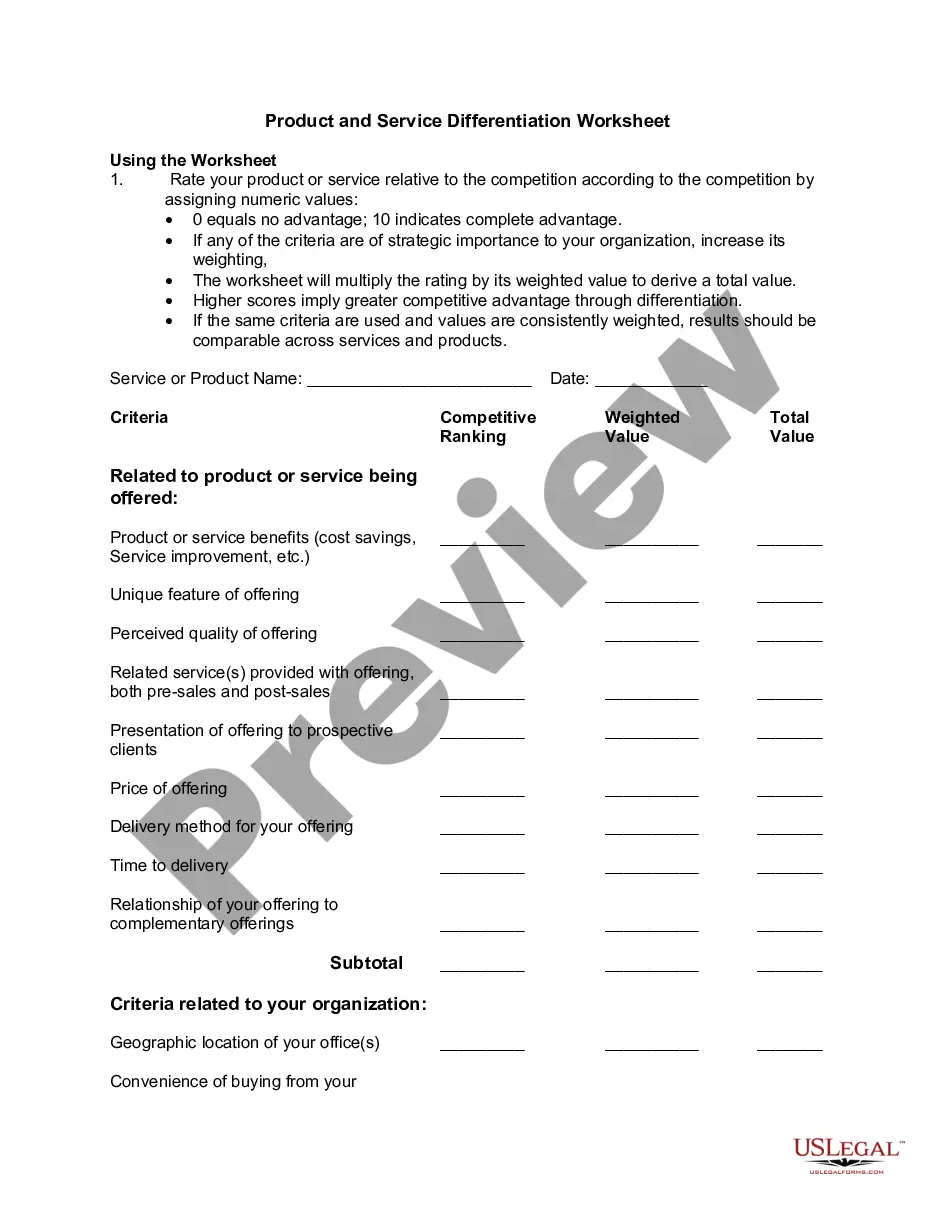
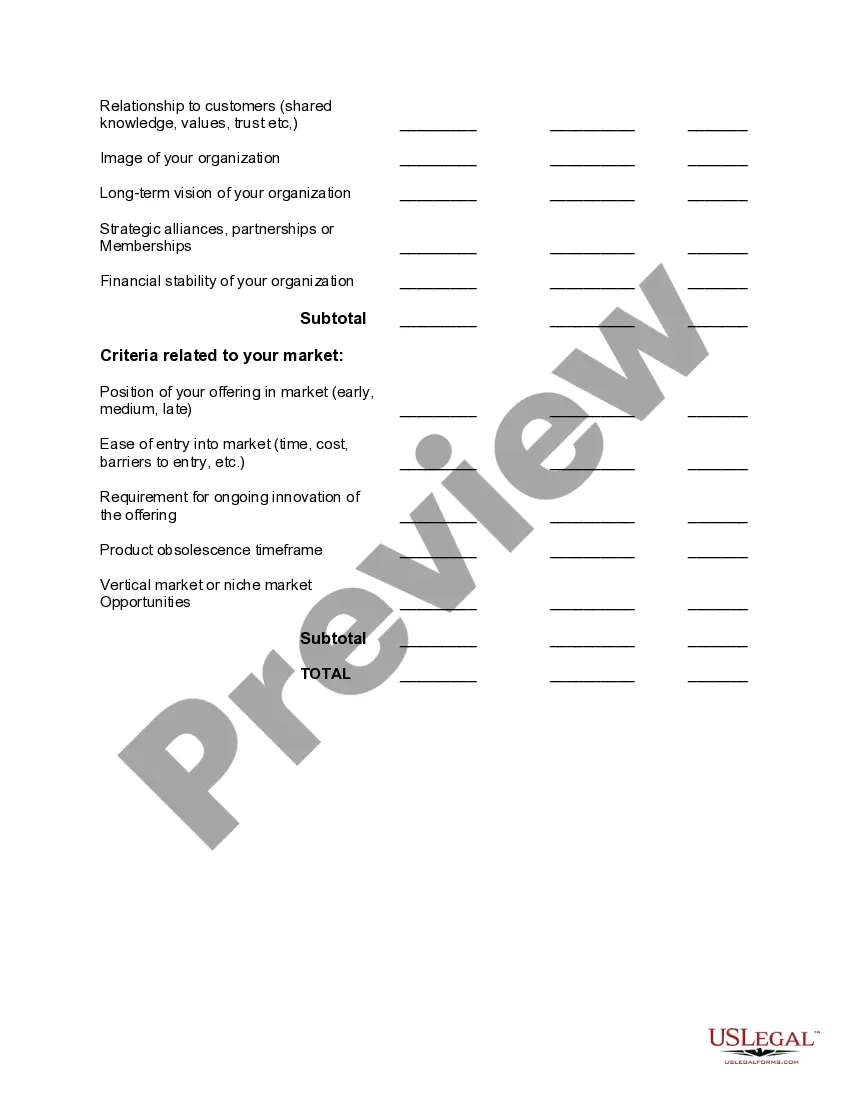
Nebraska Products and Services Differentiation Worksheet
Description
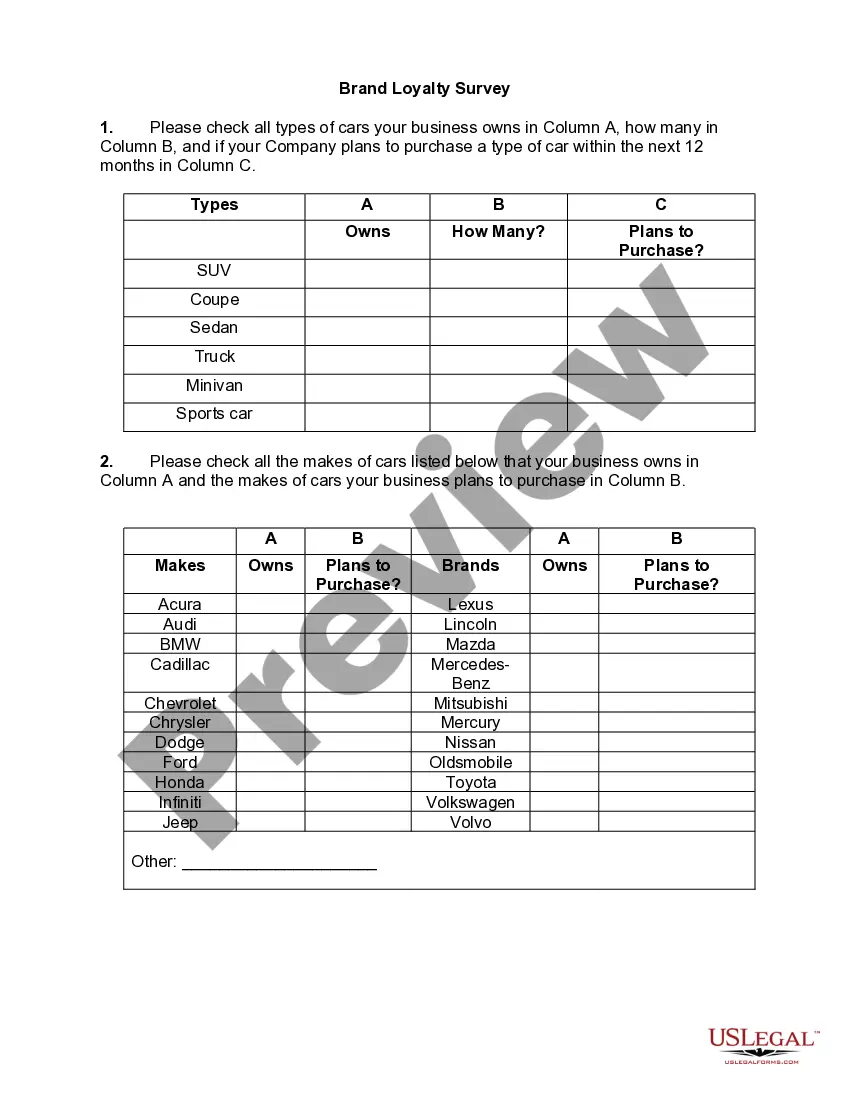
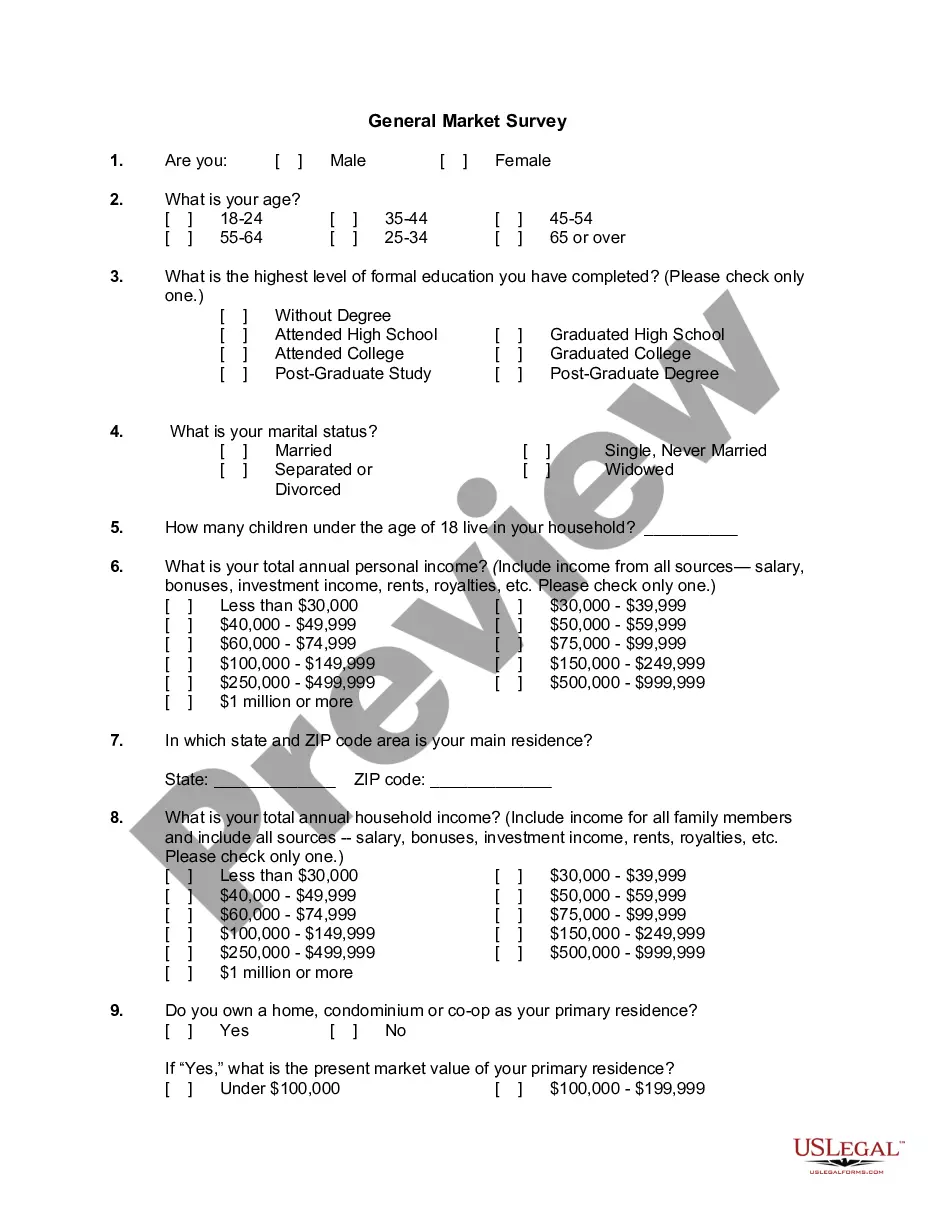
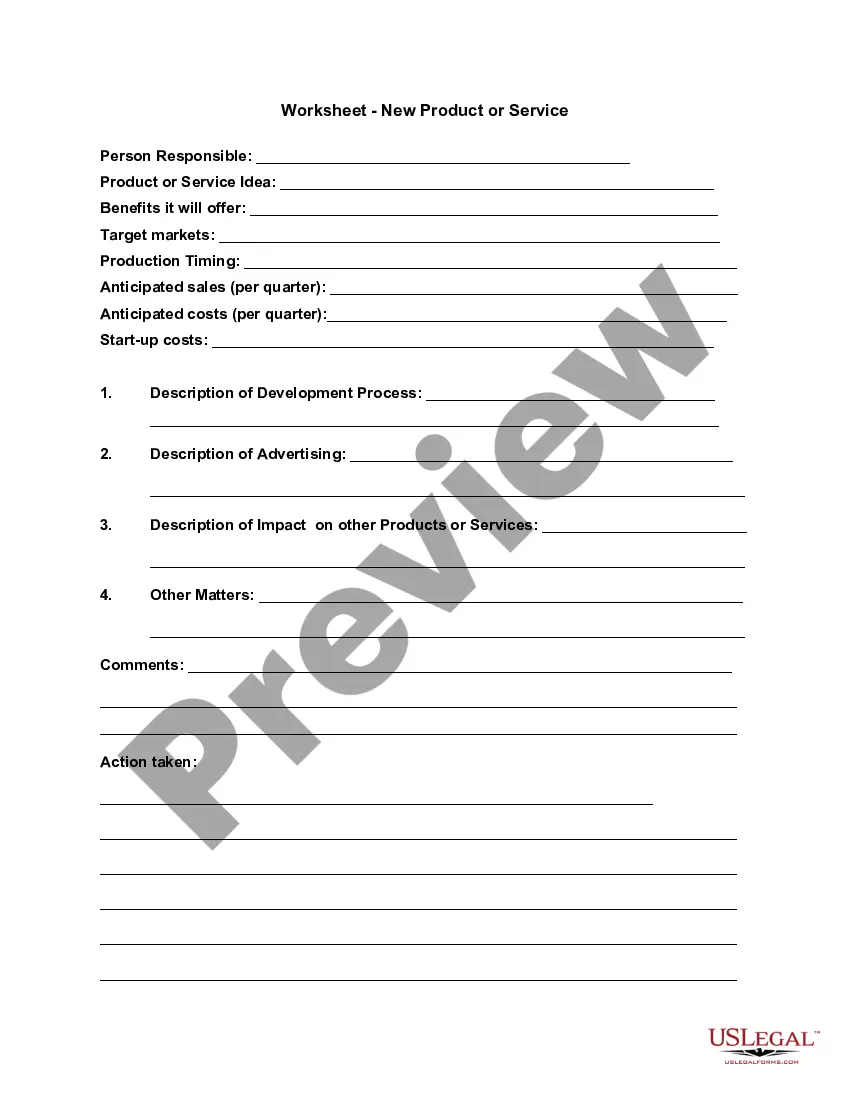
Get your form ready online
Our built-in tools help you complete, sign, share, and store your documents in one place.
Make edits, fill in missing information, and update formatting in US Legal Forms—just like you would in MS Word.
Download a copy, print it, send it by email, or mail it via USPS—whatever works best for your next step.
Sign and collect signatures with our SignNow integration. Send to multiple recipients, set reminders, and more. Go Premium to unlock E-Sign.
If this form requires notarization, complete it online through a secure video call—no need to meet a notary in person or wait for an appointment.
We protect your documents and personal data by following strict security and privacy standards.

Make edits, fill in missing information, and update formatting in US Legal Forms—just like you would in MS Word.

Download a copy, print it, send it by email, or mail it via USPS—whatever works best for your next step.

Sign and collect signatures with our SignNow integration. Send to multiple recipients, set reminders, and more. Go Premium to unlock E-Sign.

If this form requires notarization, complete it online through a secure video call—no need to meet a notary in person or wait for an appointment.

We protect your documents and personal data by following strict security and privacy standards.
Looking for another form?





How to fill out Products And Services Differentiation Worksheet?
You might invest time on the internet attempting to discover the valid document template that satisfies the national and state requirements you will require.
US Legal Forms offers a vast array of valid forms that are evaluated by experts.
It is easy to download or print the Nebraska Products and Services Differentiation Worksheet from our platform.
To find an alternative version of the form, use the Search field to locate the template that meets your requirements and specifications.
- If you already have a US Legal Forms account, you can Log In and click on the Download button.
- Next, you can fill out, edit, print, or sign the Nebraska Products and Services Differentiation Worksheet.
- Each valid document template you acquire is your own permanently.
- To obtain another copy of any purchased form, visit the My documents section and click on the corresponding button.
- If you are using the US Legal Forms site for the first time, follow the simple instructions below.
- First, make sure you have chosen the correct document template for the region/town of your choice.
- Review the form description to ensure you have selected the proper form.
Form popularity
FAQ
According to Tomlinson, teachers can differentiate instruction through four ways: 1) content, 2) process, 3) product, and 4) learning environment.
As teachers begin to differentiate instruction, there are three main instructional elements that they can adjust to meet the needs of their learners:Contentthe knowledge and skills students need to master.Processthe activities students use to master the content.Productthe method students use to demonstrate learning.
As teachers begin to differentiate instruction, there are three main instructional elements that they can adjust to meet the needs of their learners:Contentthe knowledge and skills students need to master.Processthe activities students use to master the content.Productthe method students use to demonstrate learning.
Another example of differentiating instruction is creating literature circles. While this sounds like an English concept, it can be applied in any class where you can group students with leveled texts. Students could all be reading about the Civil War, but they could be reading a text that is at their reading level.
Together with Carol Ann Tomlinson, participants will explore differentiated instruction by focusing on five key elements: learning environment, curriculum, assessment, instruction, and leadership of students, and management of classroom routines.
Examples of differentiating content at the elementary level include the following:Using reading materials at varying readability levels;Putting text materials on tape;Using spelling or vocabulary lists at readiness levels of students;Presenting ideas through both auditory and visual means;Using reading buddies; and.More items...
Differentiated instruction is based on modification of four elements: content, process,product, and affect/learning environment. This modification is guided by the.teacher201fs understanding of student needsthe students201f readiness, interests, and.learning profile.
20 Differentiated Instruction Strategies and Examples + Downloadable ListCreate Learning Stations.Use Task Cards.Interview Students.Target Different Senses Within Lessons.Share Your Own Strengths and Weaknesses.Use the Think-Pair-Share Strategy.Make Time for Journaling.Implement Reflection and Goal-Setting Exercises.More items...?20 Sept 2021
You can differentiate instruction across four main areas: content, process, product, and environment.
Differentiation means tailoring instruction to meet individual needs. Whether teachers differentiate content, process, products, or the learning environment, the use of ongoing assessment and flexible grouping makes this a successful approach to instruction.