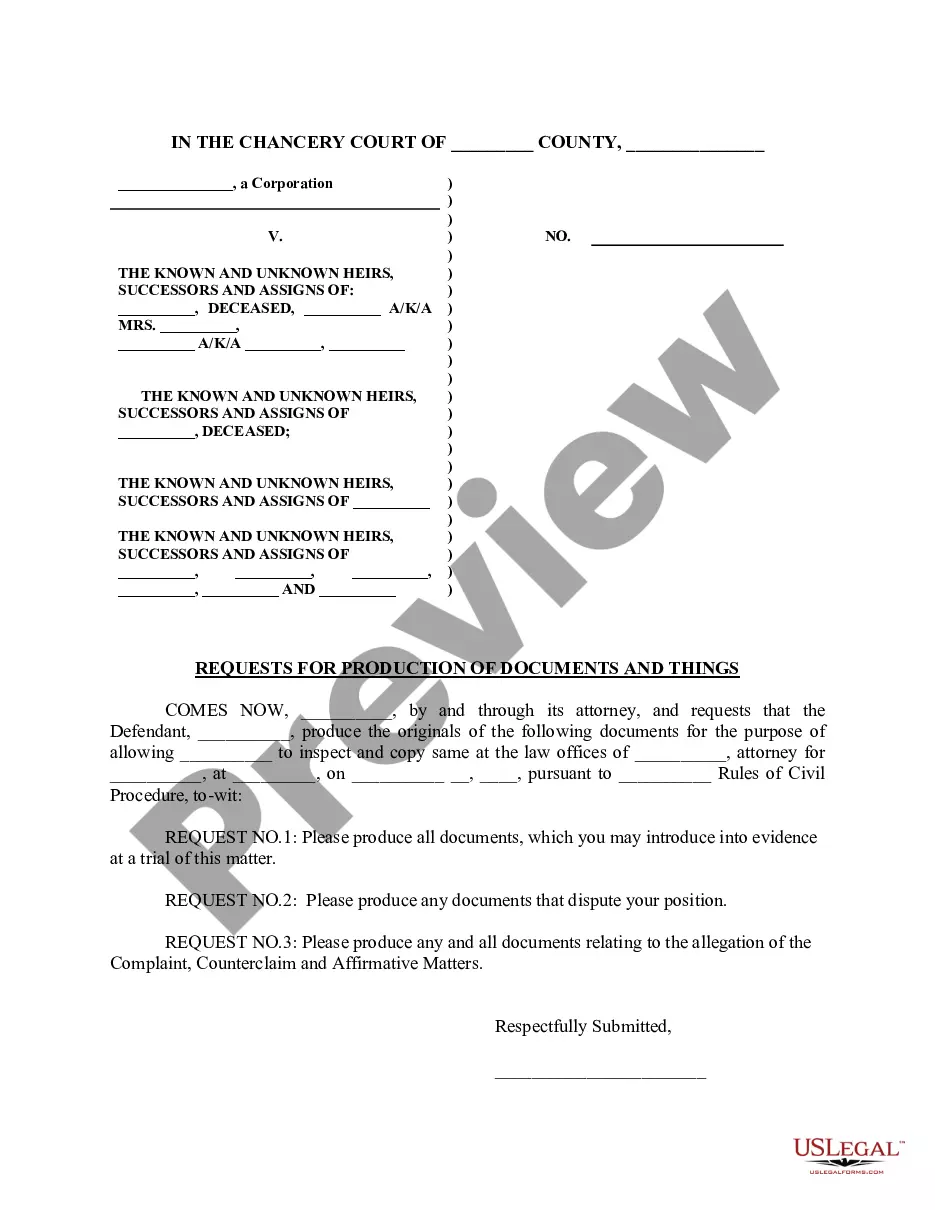
Nebraska Requests for Production of Documents and Things
Description
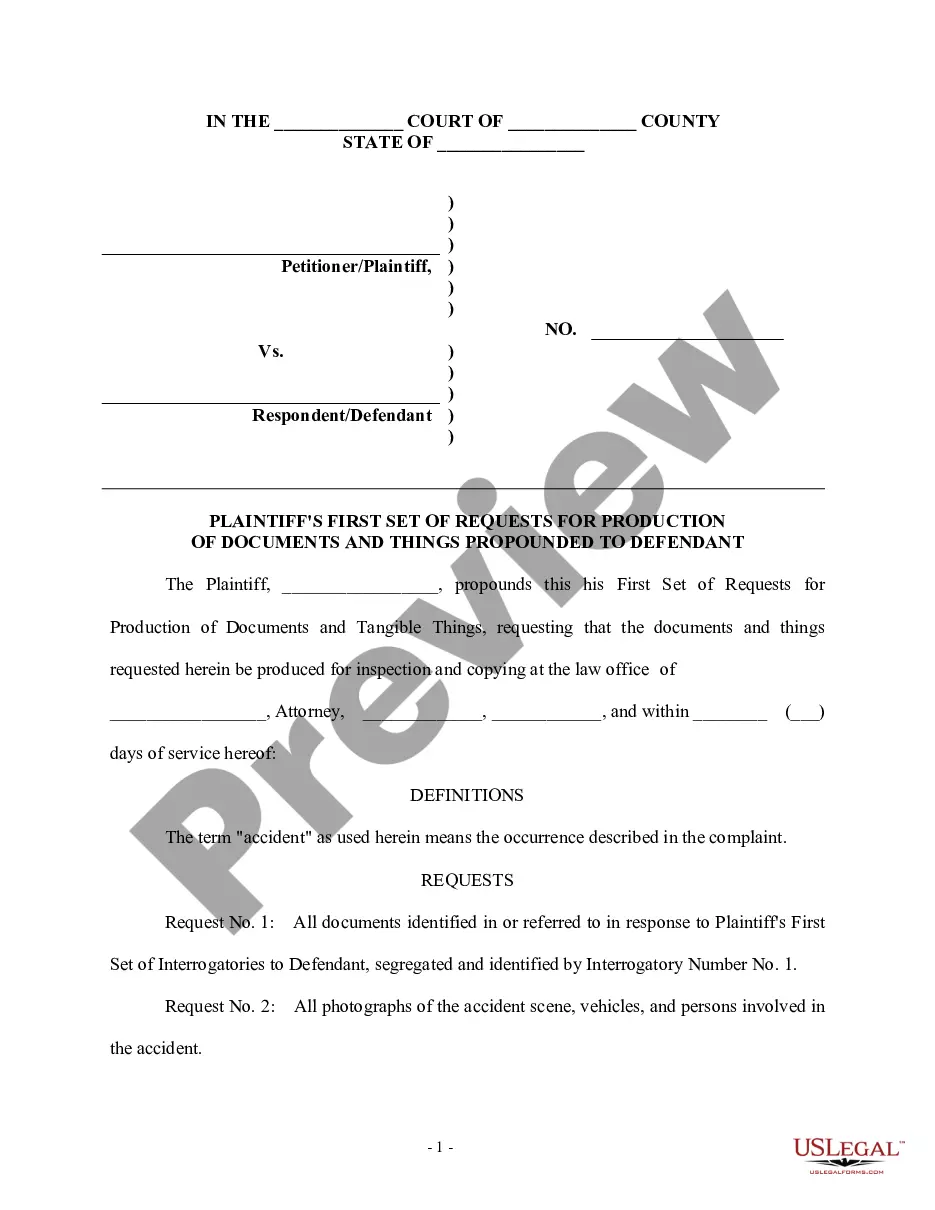
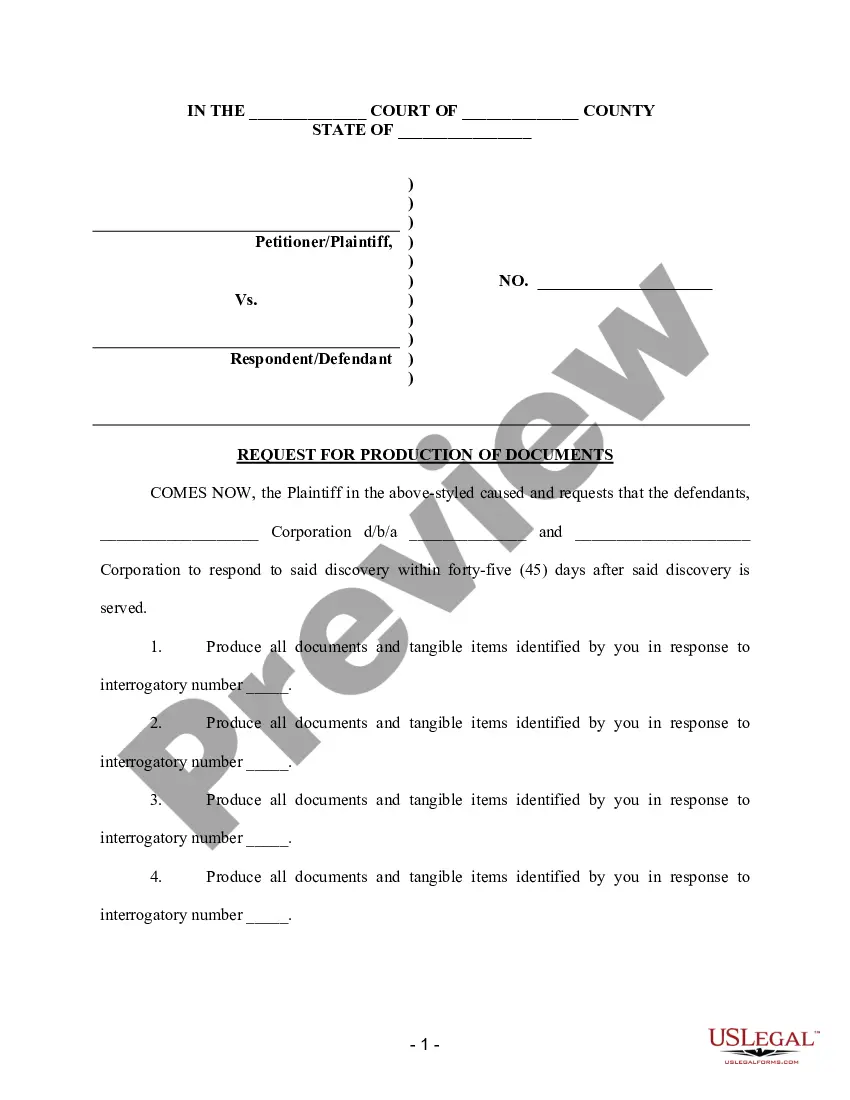
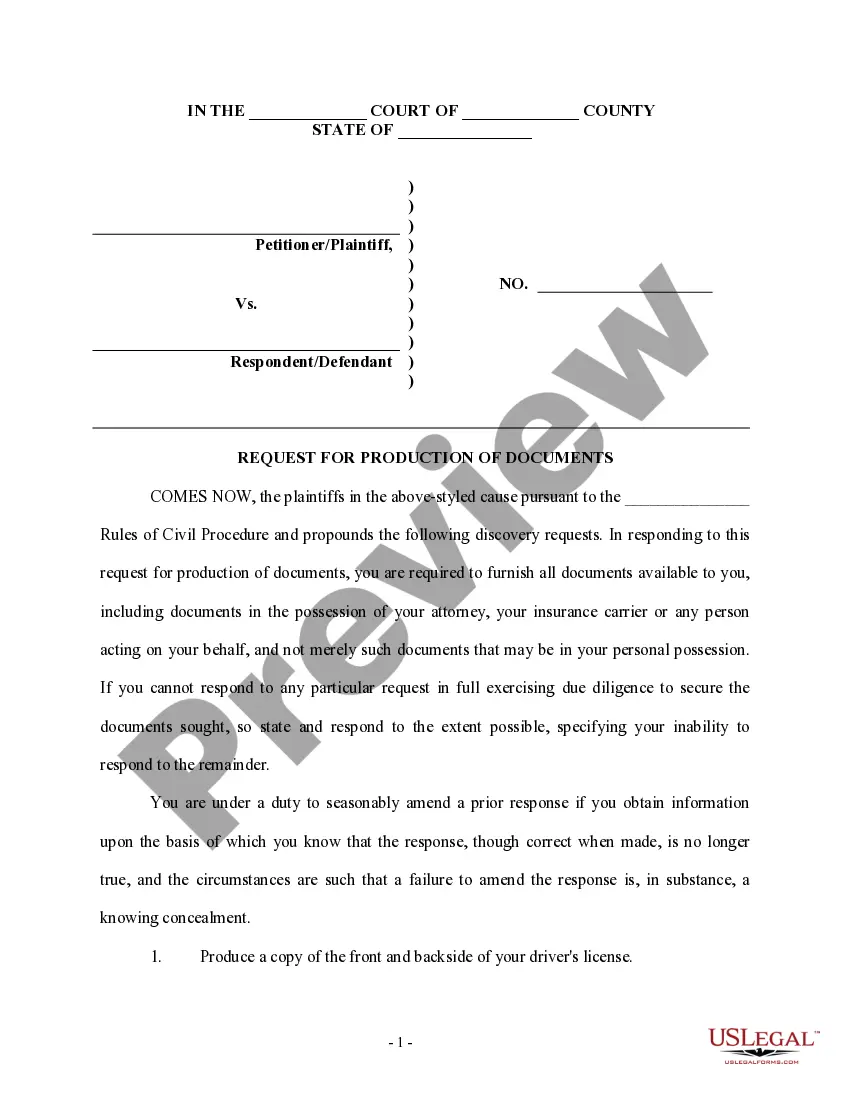
Get your form ready online
Our built-in tools help you complete, sign, share, and store your documents in one place.
Make edits, fill in missing information, and update formatting in US Legal Forms—just like you would in MS Word.
Download a copy, print it, send it by email, or mail it via USPS—whatever works best for your next step.
Sign and collect signatures with our SignNow integration. Send to multiple recipients, set reminders, and more. Go Premium to unlock E-Sign.
If this form requires notarization, complete it online through a secure video call—no need to meet a notary in person or wait for an appointment.
We protect your documents and personal data by following strict security and privacy standards.

Make edits, fill in missing information, and update formatting in US Legal Forms—just like you would in MS Word.

Download a copy, print it, send it by email, or mail it via USPS—whatever works best for your next step.

Sign and collect signatures with our SignNow integration. Send to multiple recipients, set reminders, and more. Go Premium to unlock E-Sign.

If this form requires notarization, complete it online through a secure video call—no need to meet a notary in person or wait for an appointment.

We protect your documents and personal data by following strict security and privacy standards.
Looking for another form?
How to fill out Requests For Production Of Documents And Things?
Have you ever been in a circumstance where you need documents for either business or personal reasons almost every day? There are numerous legal document templates accessible online, yet finding reliable ones isn’t easy.
US Legal Forms offers thousands of document templates, including the Nebraska Requests for Production of Documents and Things, designed to meet state and federal regulations.
If you are already familiar with the US Legal Forms website and have an account, simply Log In. After that, you can download the Nebraska Requests for Production of Documents and Things template.
Select a convenient document format and download your copy.
Access all the document templates you have purchased in the My documents menu. You can obtain an additional copy of the Nebraska Requests for Production of Documents and Things at any time if needed. Simply follow the required form to download or print the document template. Utilize US Legal Forms, the most extensive collection of legal forms, to save time and avoid mistakes. The service provides professionally crafted legal document templates that you can use for various purposes. Create an account on US Legal Forms and start making your life a bit easier.
- If you do not have an account and wish to start using US Legal Forms, follow these steps.
- Locate the form you need and make sure it is for the correct area/state.
- Click the Review button to examine the form.
- Check the details to confirm that you have selected the right form.
- If the form isn’t what you are looking for, use the Search field to find the form that fits your needs and requirements.
- Once you find the correct form, click Purchase now.
- Choose the payment plan you want, fill in the required information to create your account, and place an order using your PayPal or credit card.
Form popularity
FAQ
If the judge finds that person is in contempt, the judge will sentence that person to a jail sentence; but will allow him/her a chance to be released from jail by following a purge plan. A purge plan gives the person an opportunity to come into compliance with the court order.
At what age can a child choose which parent to live with in Nebraska? Nebraska statues instruct the trial court to take into account a child's preference as long as the child is of an age of comprehension and the child's wishes and desires are based on sound reasoning.
Once an order of support is entered by the court, the parent must pay the amount ordered or face contempt proceedings. If a parent falls behind in their obligation, the court will set a ?purge? amount, which is not the entire amount owed, but a portion to be paid to avoid further contempt proceedings.
(1) Examination and cross-examination of witnesses may proceed as permitted at the trial under the provisions of the Nebraska Evidence Rules. The officer before whom the deposition is to be taken shall put the witness under oath and, if an interpreter is used, also put the interpreter under oath.
An Order to Show Cause is a court action filed in the District Court in an effort to gain compliance and enforce the Court Order.
A court won't automatically modify custody simply because a parent wants to move. Ultimately, a judge won't allow a parent to relocate with the child unless it serves a child's best interests. All these factors will be assessed at a relocation hearing.
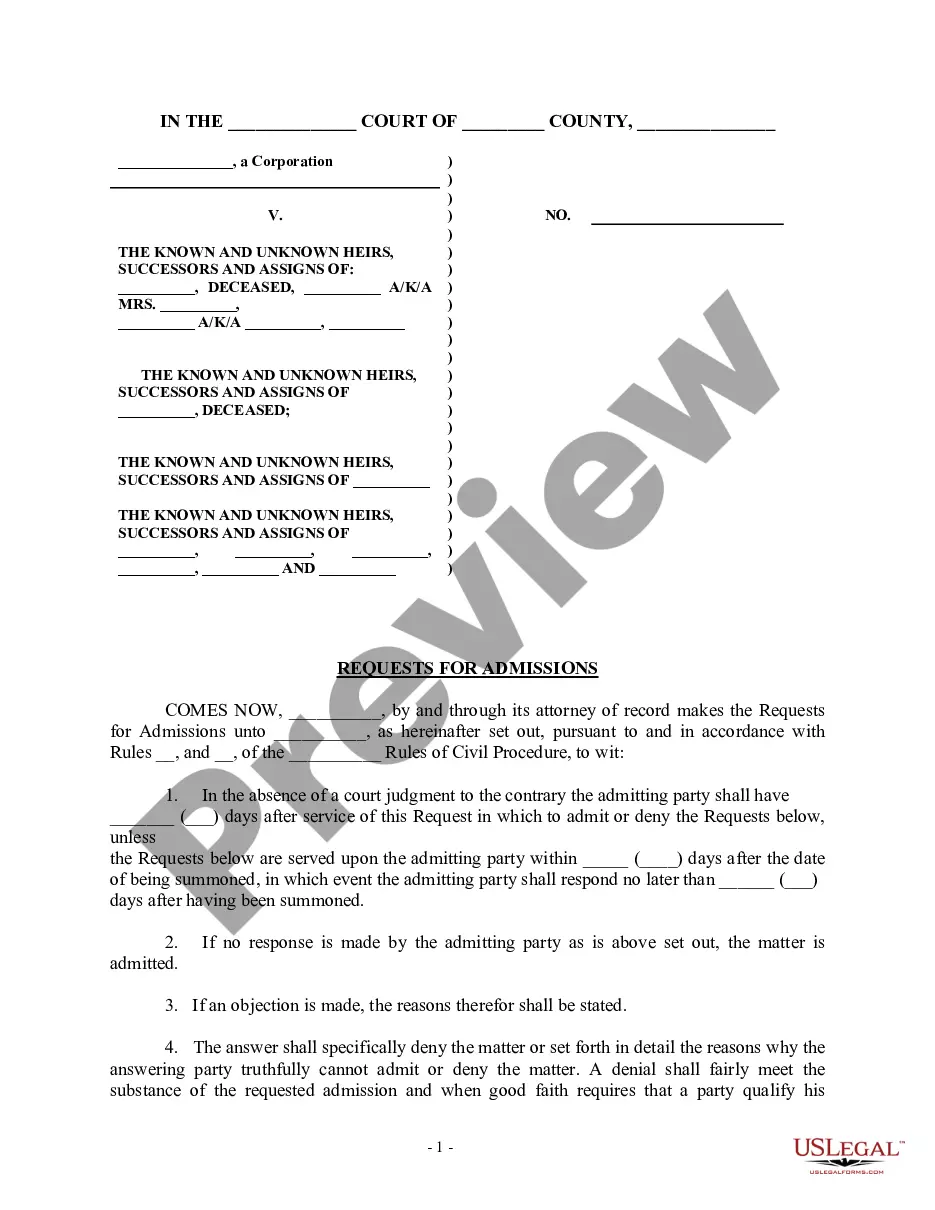
An answering party may not give lack of information or knowledge as a reason for failure to admit or deny unless he or she states that he or she has made reasonable inquiry and that the information known or readily obtainable by him or her is insufficient to enable him or her to admit or deny.
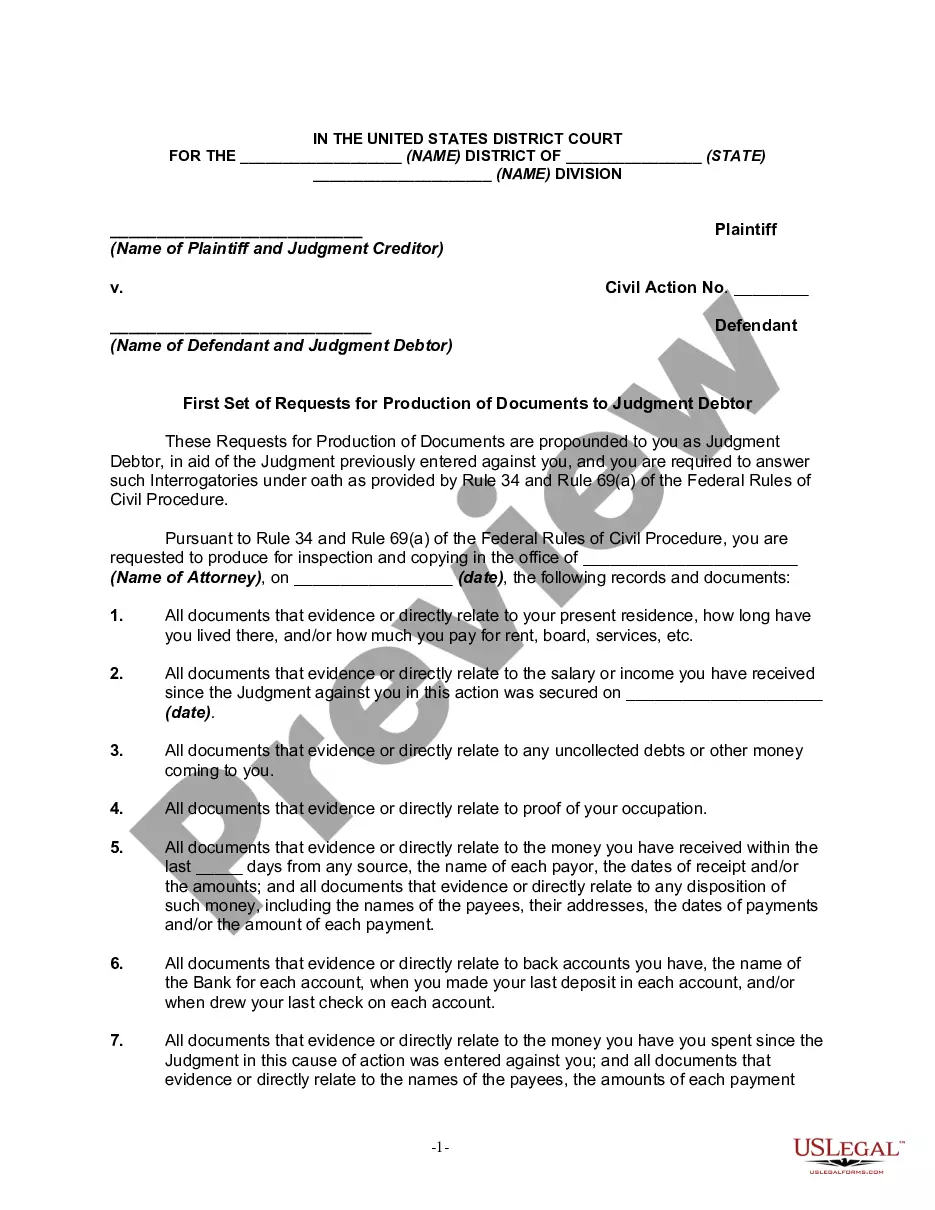
Parties may obtain discovery by one or more of the following methods: depositions upon oral examination or written questions; written interrogatories; production of documents or things or permission to enter upon land or other property for inspection and other purposes; physical and mental examinations; and requests ...