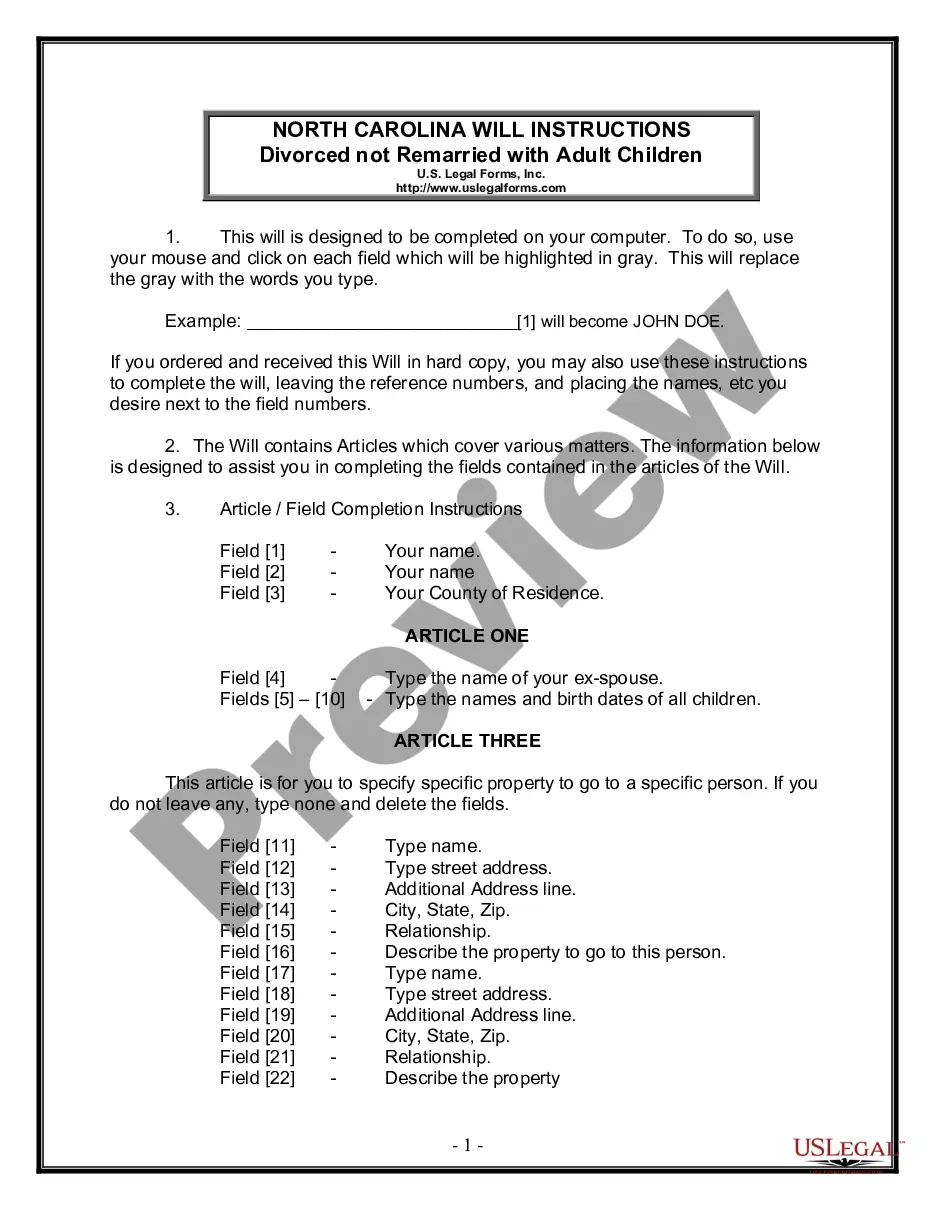
Nebraska Permanent Easement
About this form
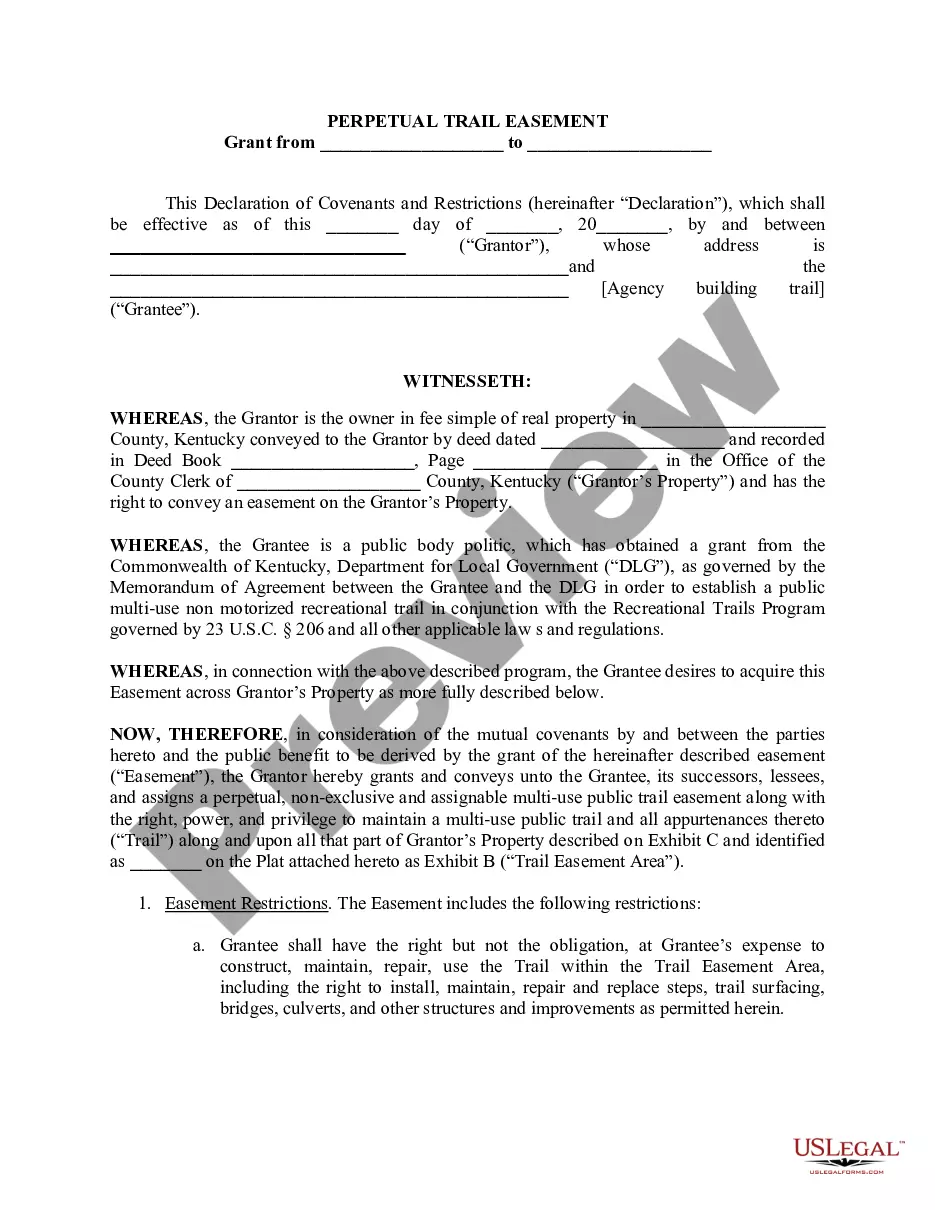
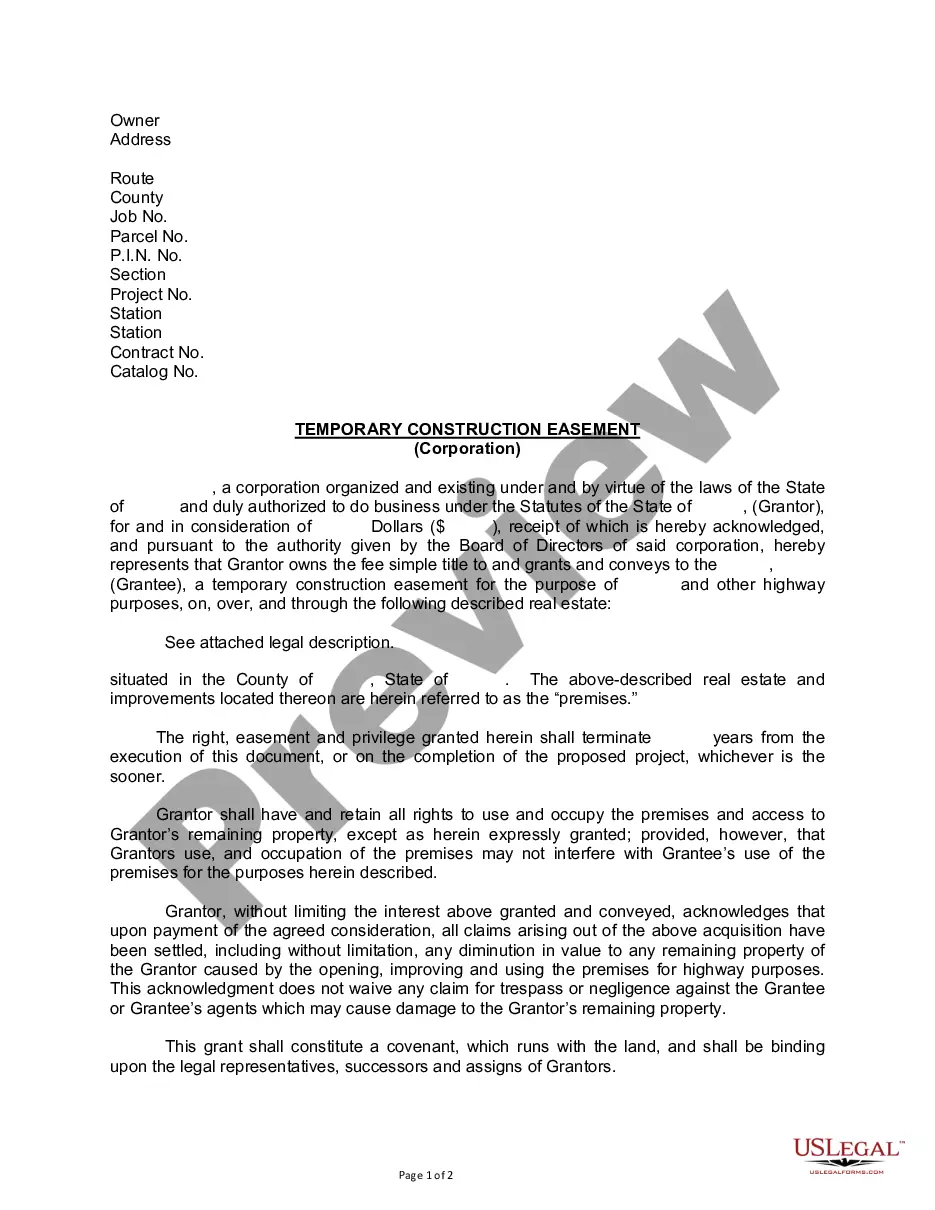
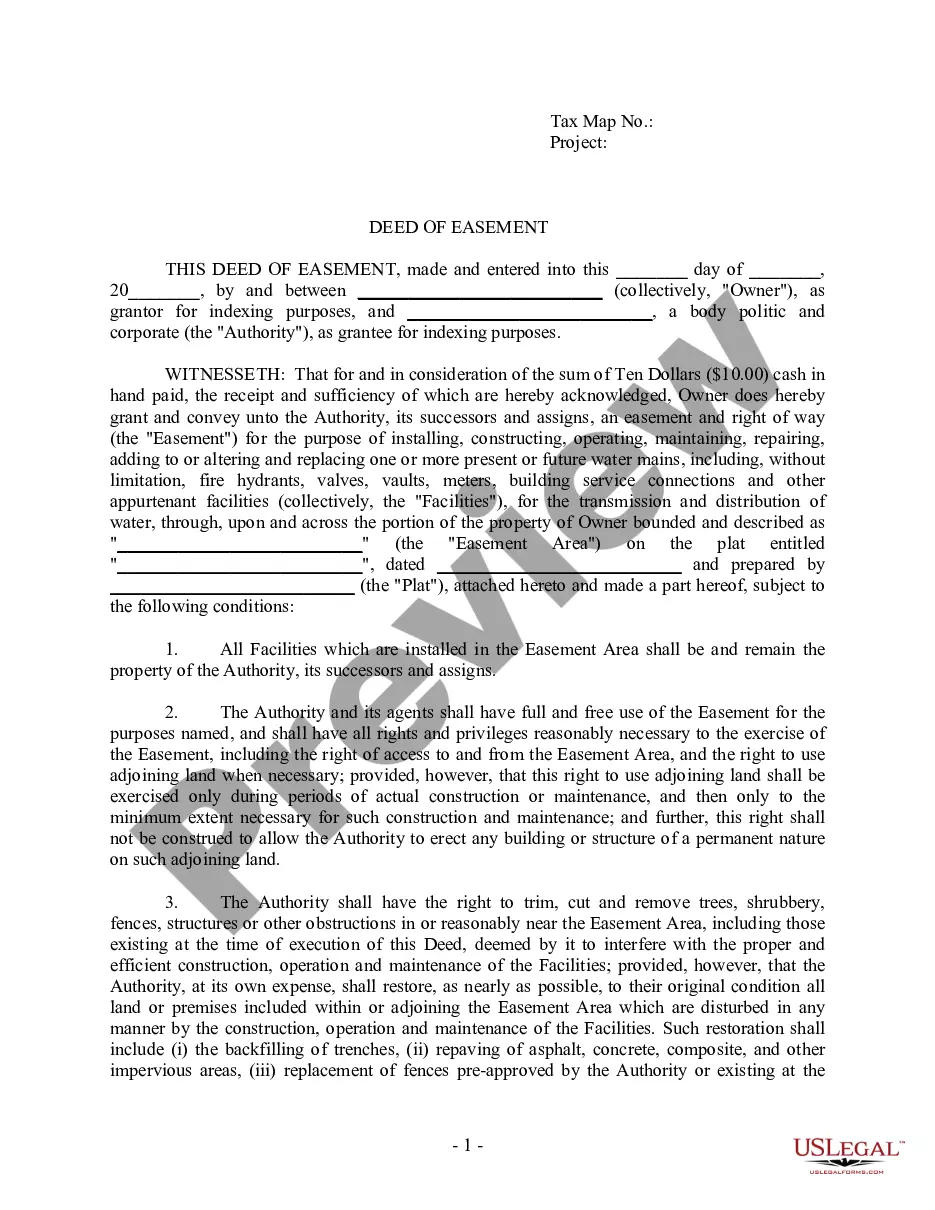
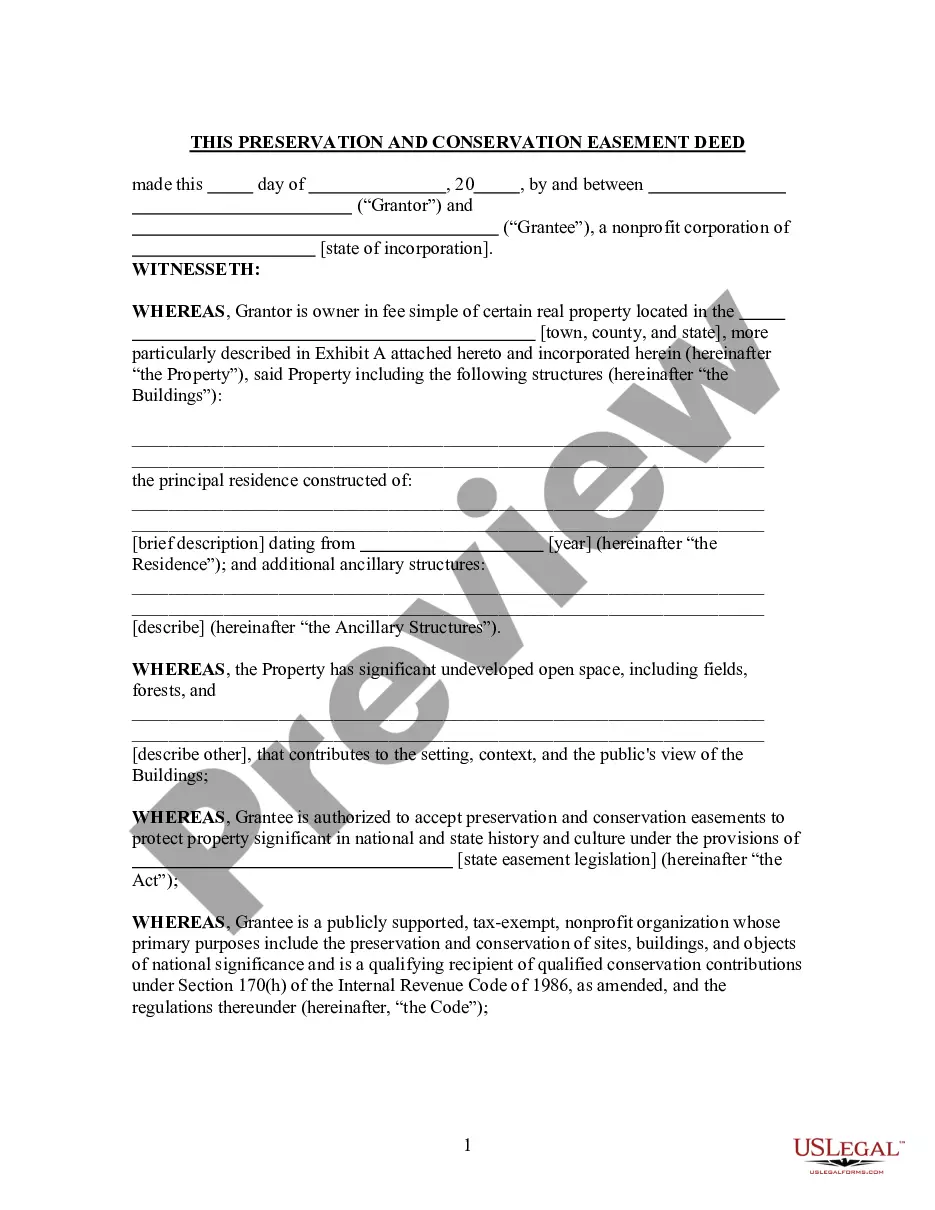
The Permanent Easement form is a legal document that grants an individual or entity (the grantee) permanent rights to use a specific tract of land for purposes such as bridge construction and maintenance. This form is crucial as it outlines the terms under which the grantee can utilize the land while providing clarity on the responsibilities and rights of both the grantor and the grantee, differentiating it from temporary easements which offer limited rights for a short duration.
Main sections of this form
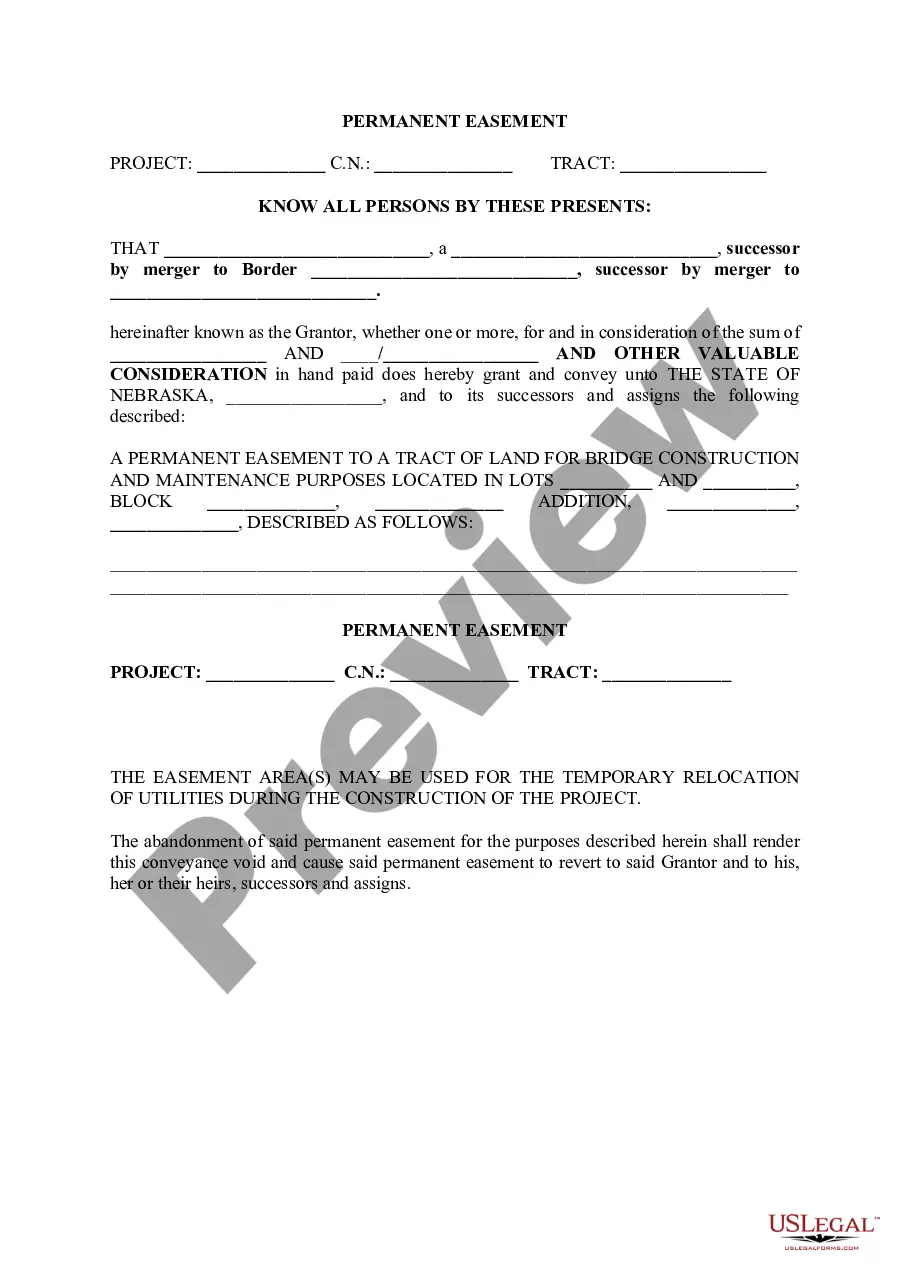
- Grantor and grantee identification, including their names and legal classifications.
- Details about the permanent easement, specifying the location of the land involved.
- Consideration paid for the easement rights, ensuring the legal exchange is documented.
- Conditions regarding the use of the easement, including provisions for utility relocation during construction.
- Provisions for reversion of the easement rights to the grantor if certain conditions are not met.
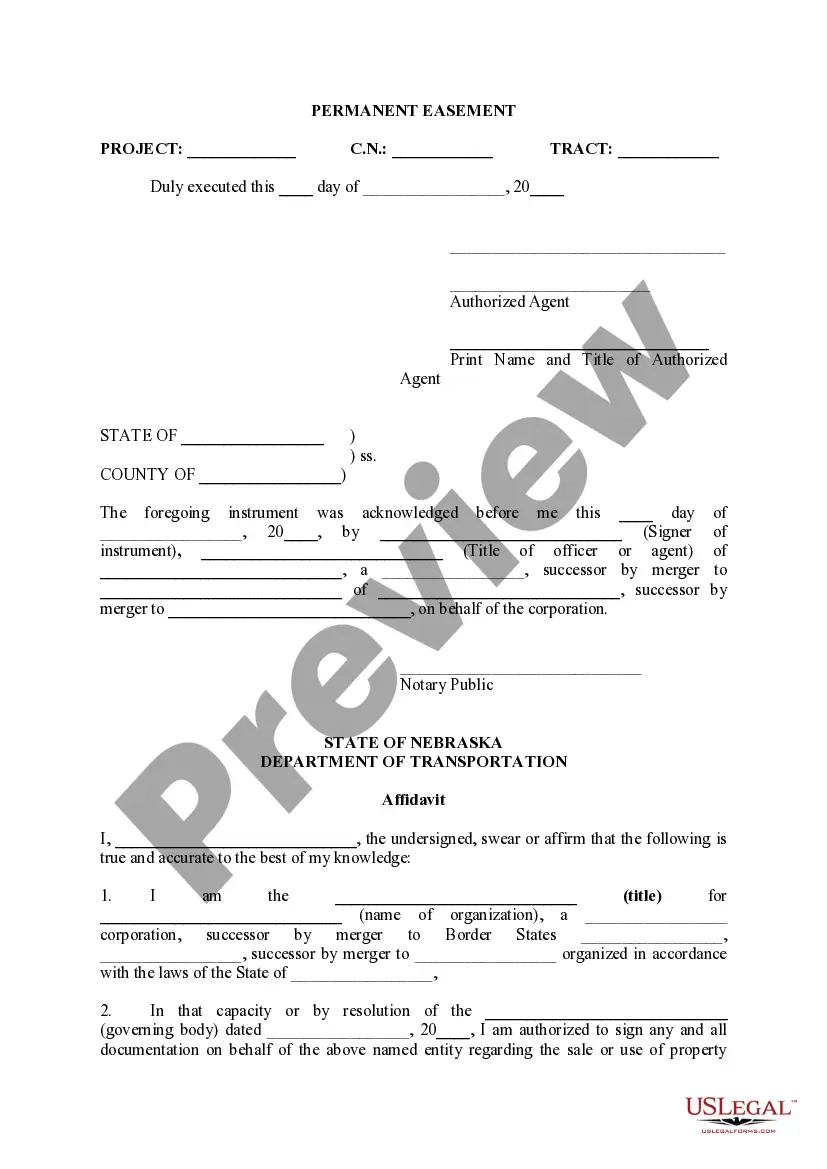
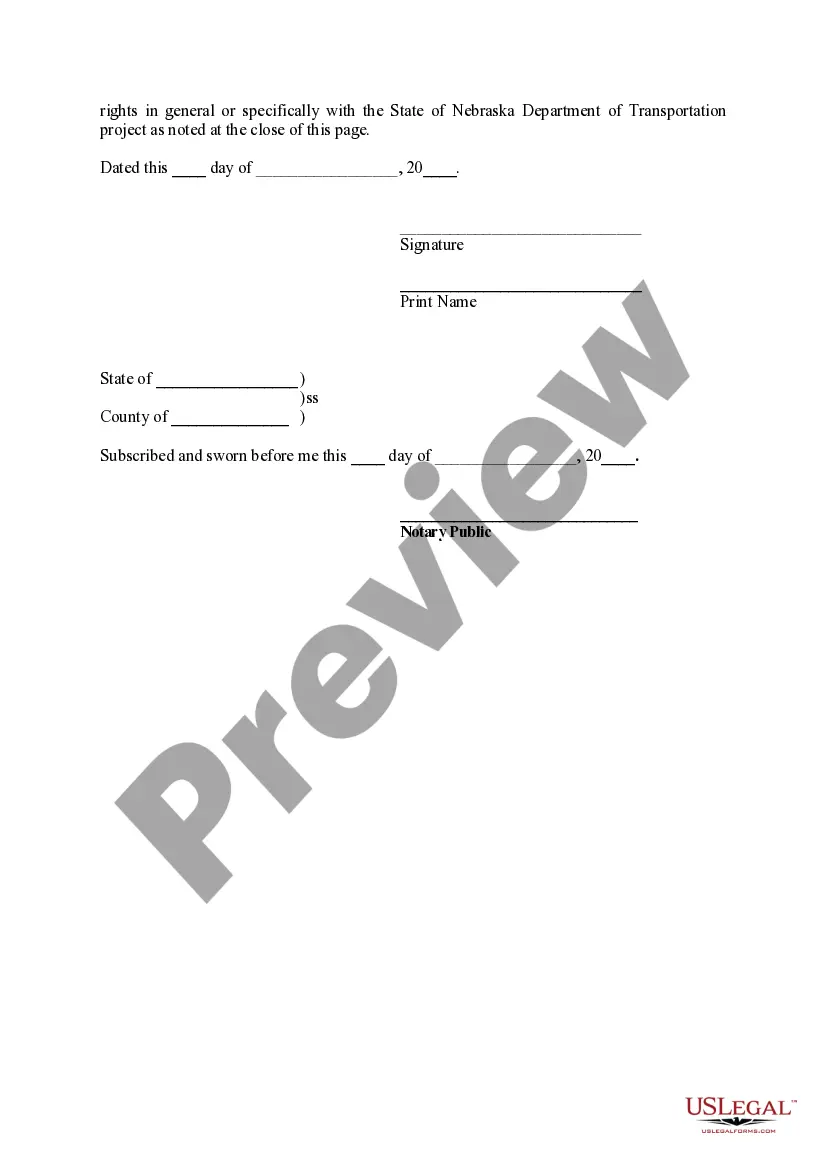
- Space for notarization and affirmation by authorized representatives to ensure legal validity.

When to use this document
This form should be used when a landowner (the grantor) wishes to grant a permanent easement to a governmental entity or another party for specific purposes, such as building and maintaining a bridge. It is applicable in scenarios where the land will be used consistently and permanently, ensuring that the grantee has clear legal rights to the property for the outlined activities.
Who this form is for
- Landowners seeking to grant permanent rights for construction or maintenance projects.
- Government agencies or contractors involved in public infrastructure projects.
- Legal representatives drafting easement agreements on behalf of clients.
- Individuals or entities looking to ensure compliance with property laws during construction.
How to prepare this document
- Identify the parties involved by entering the names of the grantor and grantee.
- Specify the property details, including the project name, tract number, and exact location of the easement.
- Indicate the consideration amount being exchanged for the easement rights.
- Detail any conditions regarding temporary relocation of utilities during the project.
- Have the authorized agent sign the form, ensuring proper titles and affiliations are noted.
- Include notarization at the end of the document to validate the execution of the easement.
Does this form need to be notarized?
Yes, this form must be notarized to be legally valid. Notarization provides an additional level of verification, ensuring all partiesâ signatures are authentic and that the document is executed according to legal standards. US Legal Forms offers integrated online notarization services, which are available 24/7 via secure video calls, allowing you to complete this step conveniently.
Get your form ready online
Our built-in tools help you complete, sign, share, and store your documents in one place.
Make edits, fill in missing information, and update formatting in US Legal Forms—just like you would in MS Word.
Download a copy, print it, send it by email, or mail it via USPS—whatever works best for your next step.
Sign and collect signatures with our SignNow integration. Send to multiple recipients, set reminders, and more. Go Premium to unlock E-Sign.
If this form requires notarization, complete it online through a secure video call—no need to meet a notary in person or wait for an appointment.
We protect your documents and personal data by following strict security and privacy standards.

Make edits, fill in missing information, and update formatting in US Legal Forms—just like you would in MS Word.

Download a copy, print it, send it by email, or mail it via USPS—whatever works best for your next step.

Sign and collect signatures with our SignNow integration. Send to multiple recipients, set reminders, and more. Go Premium to unlock E-Sign.

If this form requires notarization, complete it online through a secure video call—no need to meet a notary in person or wait for an appointment.

We protect your documents and personal data by following strict security and privacy standards.
Common mistakes
- Failing to accurately describe the property being included in the easement.
- Incomplete signatures or missing titles from authorized agents.
- Omitting the consideration amount or misrepresenting the payment terms.
- Not including necessary conditions regarding the use of the easement area.
Benefits of completing this form online
- Convenience of accessing and downloading legal forms at any time.
- Ease of editing the document to suit specific project requirements.
- Reliability of attorney-drafted forms that comply with local laws.
- Quick retrieval of forms without the need for physical paperwork.
What to keep in mind
- A Permanent Easement is essential for granting long-term access for construction and maintenance projects.
- Ensure all details about the property and parties involved are accurately documented.
- Notarization is required to validate the document in legal contexts.
Looking for another form?

Form popularity
FAQ
So, having an easement on a property may have a permanent outcome on the property with rights of the home owner. But not all easements are bad.If you live in a rural area, you run into bad easement issues more often, typically where the easement was created by a parcel owner next to your land.
Types of Easements An easement may be classified as either an easement appurtenant or an easement in gross. Easement Appurtenant. An easement appurtenant is an easement that benefits one parcel of land, known as the dominant tenement, to the detriment of another parcel of land, known as the servient tenement.
If an authority has an easement registered over your land, they have the right to access the easement to maintain or repair the easement land or their equipment on the land.
An easement holder is not allowed to occupy or exclude others from using the land unless they interfere with the easement holder's use.The owner of the land may continue to use it, according to . Easements are usually held to be permanent unless the agreement states otherwise.
Easement holders have the right to use the land to their enjoyment as long as it does not place an unreasonable burden on the servient estate. Landowners have the right to make whatever use of the land as long as it doesn't unduly affect the easement.
An easement owner cannot claim another party has trespassed on their easement, because trespass involves interference with the plaintiff's exclusive possession. Easement holders do not have a right to exclusive possession. They may claim nuisance, but only if the interference is substantial and unreasonable.
Easements will continue indefinitely unless terminated by one of the following methods: Express Agreement. An easement holder and easement owner may decide by written agreement to terminate the easement.
An easement usually is written so that it lasts forever. This is known as a perpetual easement. Where state law allows, an easement may be written for a specified period of years; this is known as a term easement. Only gifts of perpetual easement, however, can qualify a donor for income- and estate-tax benefits.
Permanent easement means an easement that lasts in perpetuity.