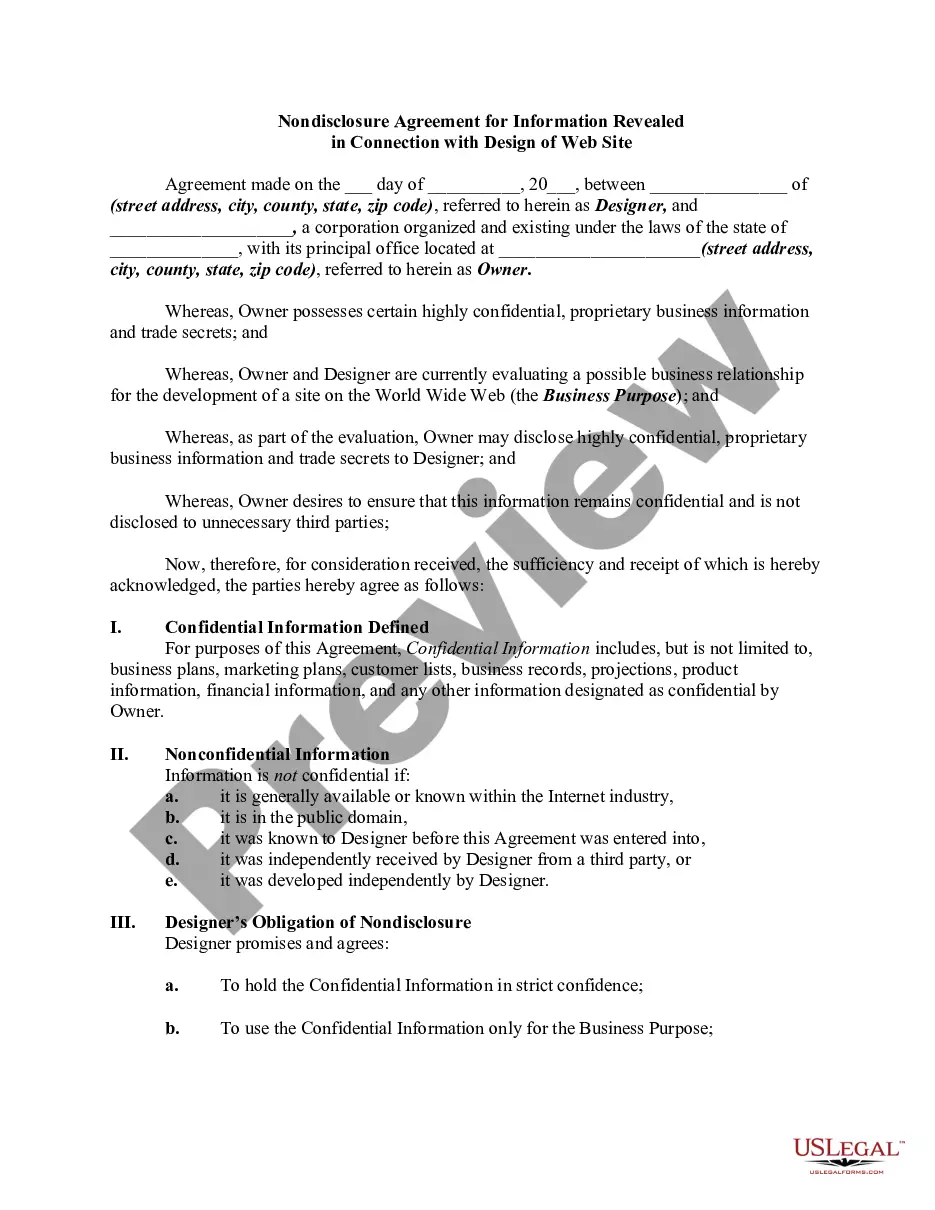
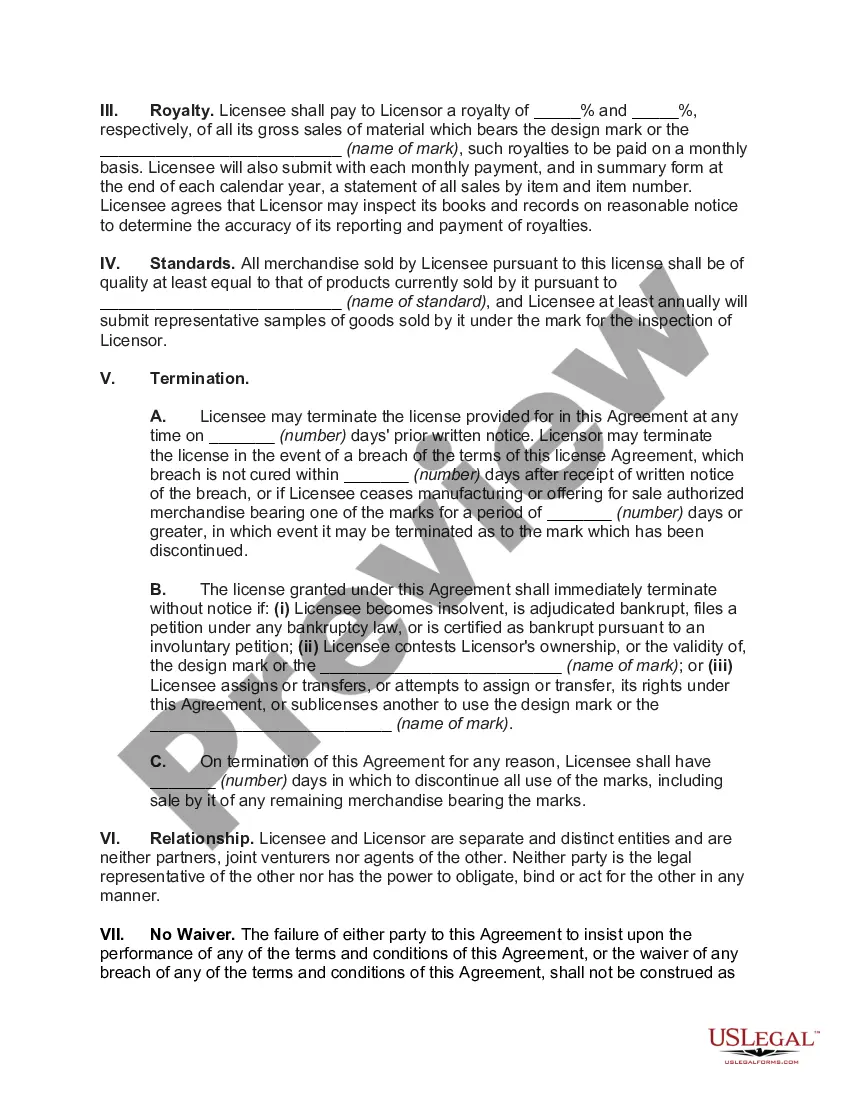
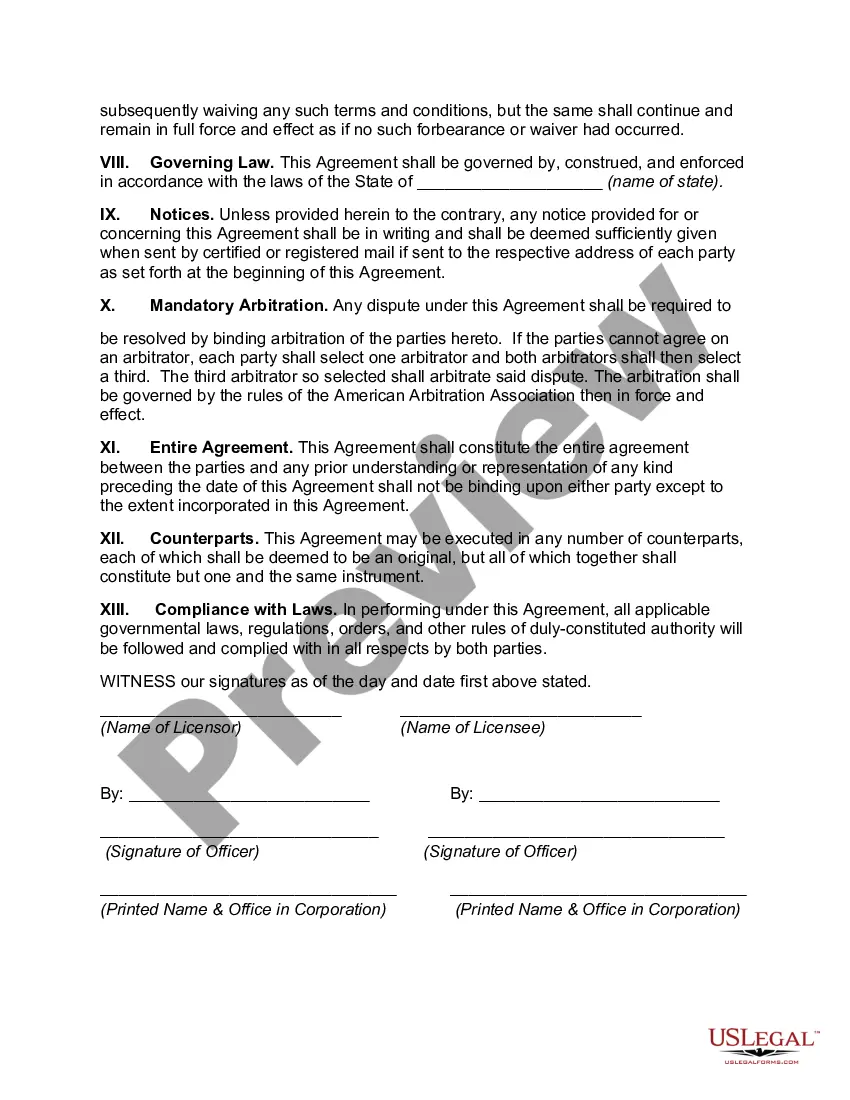
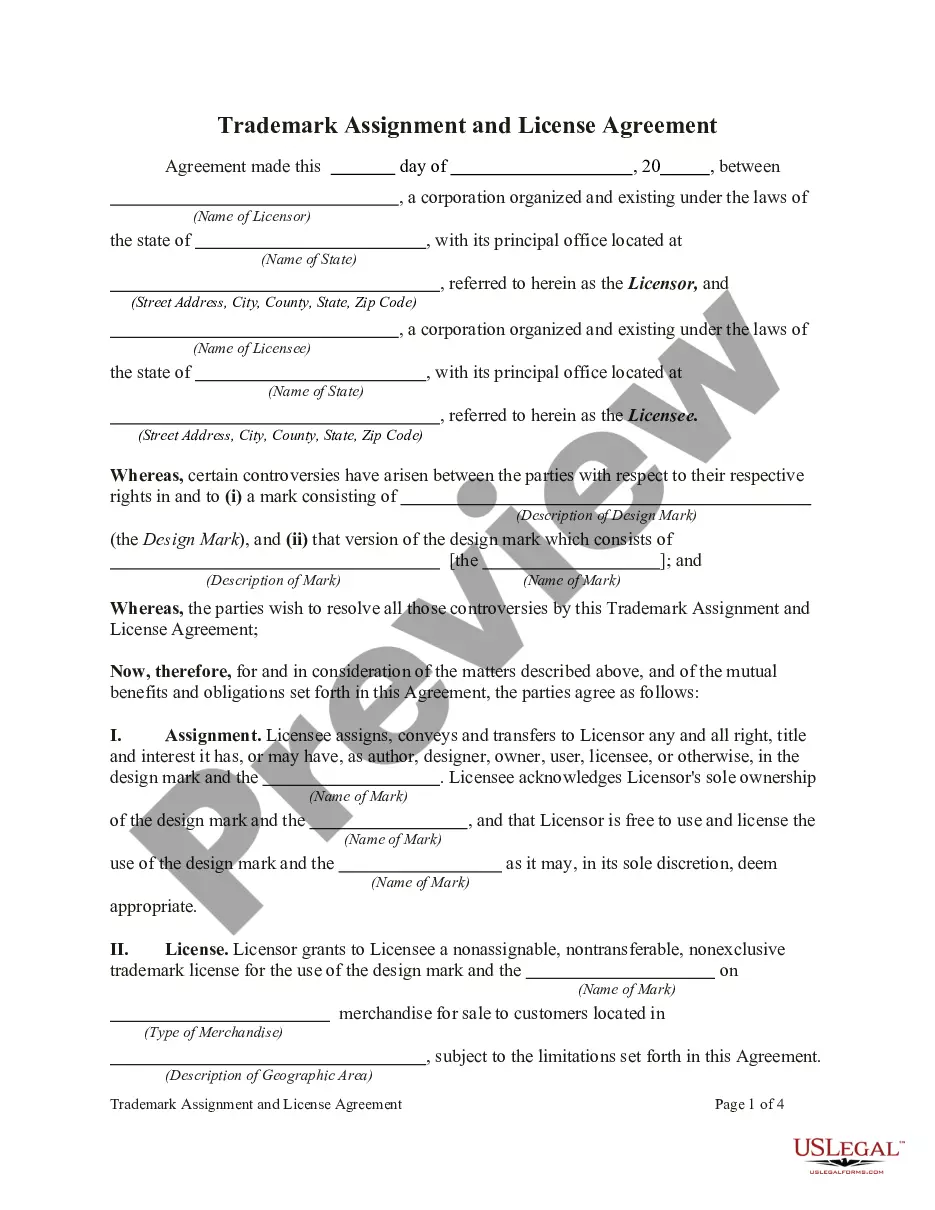
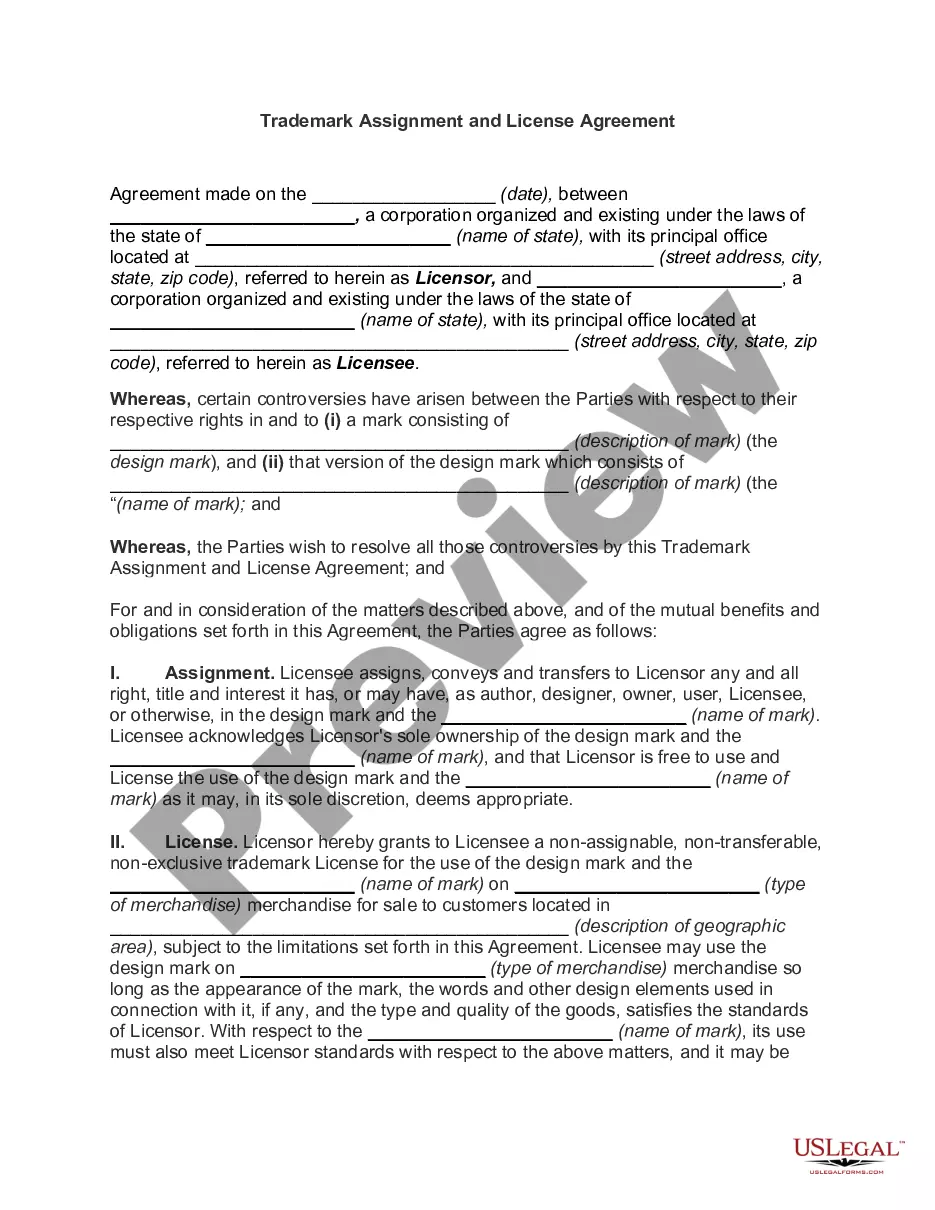
North Dakota Trademark Assignment and License Agreement Regarding Design Mark
Description
Get your form ready online
Our built-in tools help you complete, sign, share, and store your documents in one place.
Make edits, fill in missing information, and update formatting in US Legal Forms—just like you would in MS Word.
Download a copy, print it, send it by email, or mail it via USPS—whatever works best for your next step.
Sign and collect signatures with our SignNow integration. Send to multiple recipients, set reminders, and more. Go Premium to unlock E-Sign.
If this form requires notarization, complete it online through a secure video call—no need to meet a notary in person or wait for an appointment.
We protect your documents and personal data by following strict security and privacy standards.

Make edits, fill in missing information, and update formatting in US Legal Forms—just like you would in MS Word.

Download a copy, print it, send it by email, or mail it via USPS—whatever works best for your next step.

Sign and collect signatures with our SignNow integration. Send to multiple recipients, set reminders, and more. Go Premium to unlock E-Sign.

If this form requires notarization, complete it online through a secure video call—no need to meet a notary in person or wait for an appointment.

We protect your documents and personal data by following strict security and privacy standards.
Looking for another form?

How to fill out Trademark Assignment And License Agreement Regarding Design Mark?
US Legal Forms - one of the largest collections of legal documents in the United States - offers a variety of legal paper templates that you can download or print.
By using the site, you can access thousands of forms for business and individual purposes, organized by categories, states, or keywords.
You will find the latest editions of forms such as the North Dakota Trademark Assignment and License Agreement Regarding Design Mark within minutes.
Read the form description to confirm that you have selected the proper document.
If the form does not meet your needs, use the Search field at the top of the screen to find one that does.
- If you already have a subscription, Log In and download the North Dakota Trademark Assignment and License Agreement Regarding Design Mark from your US Legal Forms library.
- The Download button will appear on every document you view.
- You can access all previously saved forms under the My documents tab of your account.
- If you are new to US Legal Forms, here are some simple steps to get started.
- Ensure you have selected the correct form for your city/county.
- Click the Preview button to check the form's details.
Form popularity
FAQ
To put it summarily, in case of an assignment of a trademark, there is a change in the ownership of the registered brand and in case of licensing, the right in the trade mark continues to vest with the original owner but only few restricted rights to use the brand/mark are given to the third party.
Section 2(1)(b) of the Trade Marks Act, 1999 states that assignment means an assignment of a trademark in writing by the act of the concerned parties. Both unregistered and registered trademarks can be assigned with or without the goodwill of the business.
Types of Trade LicensesExclusive License: The licensee gains sole commercial rights to the trademark.Sole license: The licensee and licensor can use the trademark.Non-exclusive license: The licensee, licensor, and any outside individuals the licensor also assigns a license to can use the trademark.
A trademark assignment is the transfer of an owner's property rights in a given mark or marks. Such transfers may occur on their own or as parts of larger asset sales or purchases. Trademark assignment agreements both provide records of ownership and transfer and protect the rights of all parties.
A licensed mark is a trademark that a franchisee, or other licensee, has obtained the right to display for a certain period of time. The licensee doesn't own the trademark, but the trademark owner has granted him the right to display the trademark for a limited time, and subject to certain conditions.
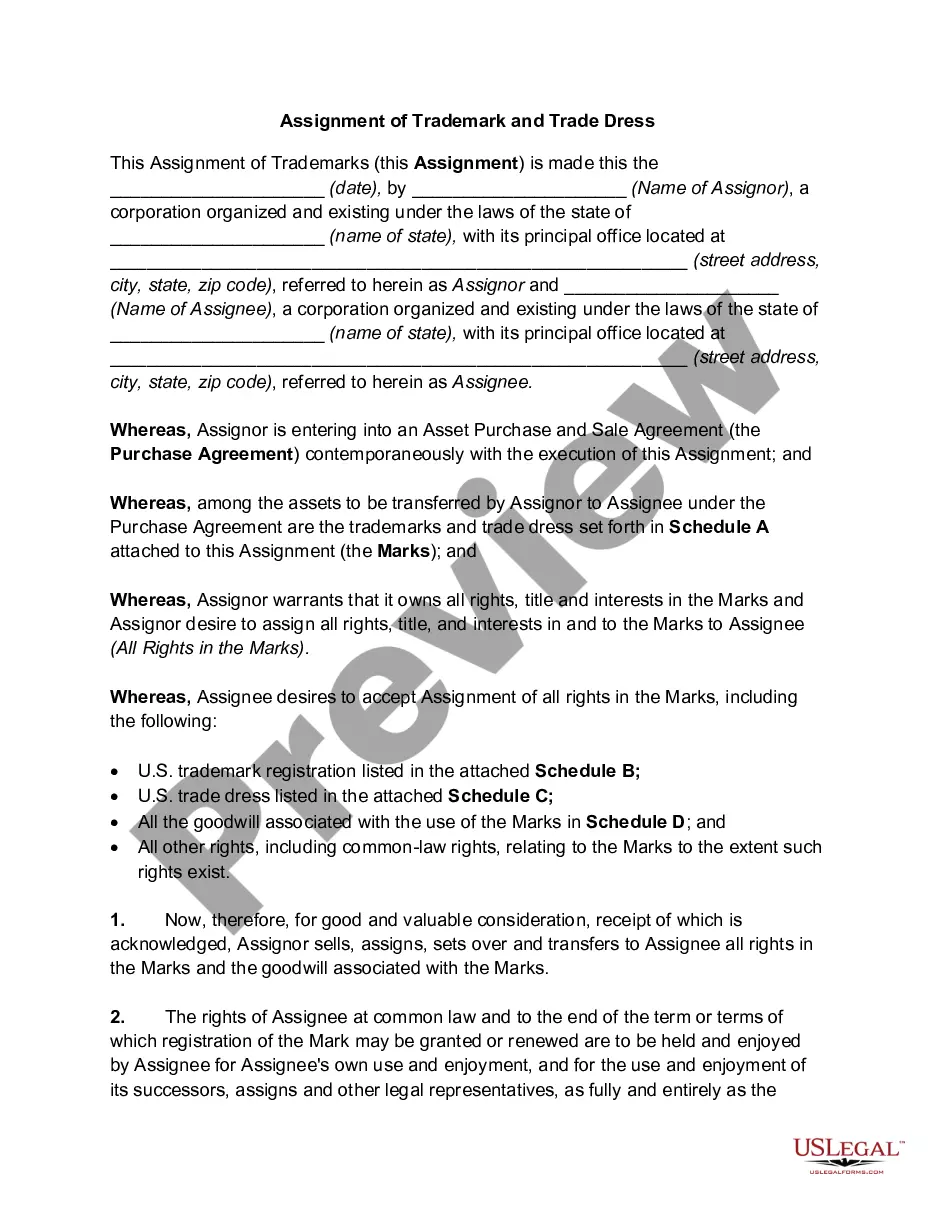
A Trademark Assignment Agreement is a written document that legally transfers a legally recognized word, phrase, symbol, and/or design (the Trademark) from the current owner (the Assignor) to the future owner (the Assignee).
Trademark licensing is an agreement in which a registered trademark owner, the licensor, grants another party, the licensee, permission to make and distribute products or services under that trademark.
A trademark assignment is the transfer of an owner's property rights in a given mark or marks. Such transfers may occur on their own or as parts of larger asset sales or purchases. Trademark assignment agreements both provide records of ownership and transfer and protect the rights of all parties.
The term 'assignment' and 'license' cannot be interchanged. A license is different from an agreement. Generally, in absence of any provision to the contrary, the assignee becomes the owner of the assigned work, whereas in case of a license the licensee gets the right to exercise particular rights only.
The Act allows a registered proprietor to assign or license out the use of his trademark. The assignment and licensing can be made with or without the goodwill of the business concerned. A trademark need not be registered to be assigned or licensed.