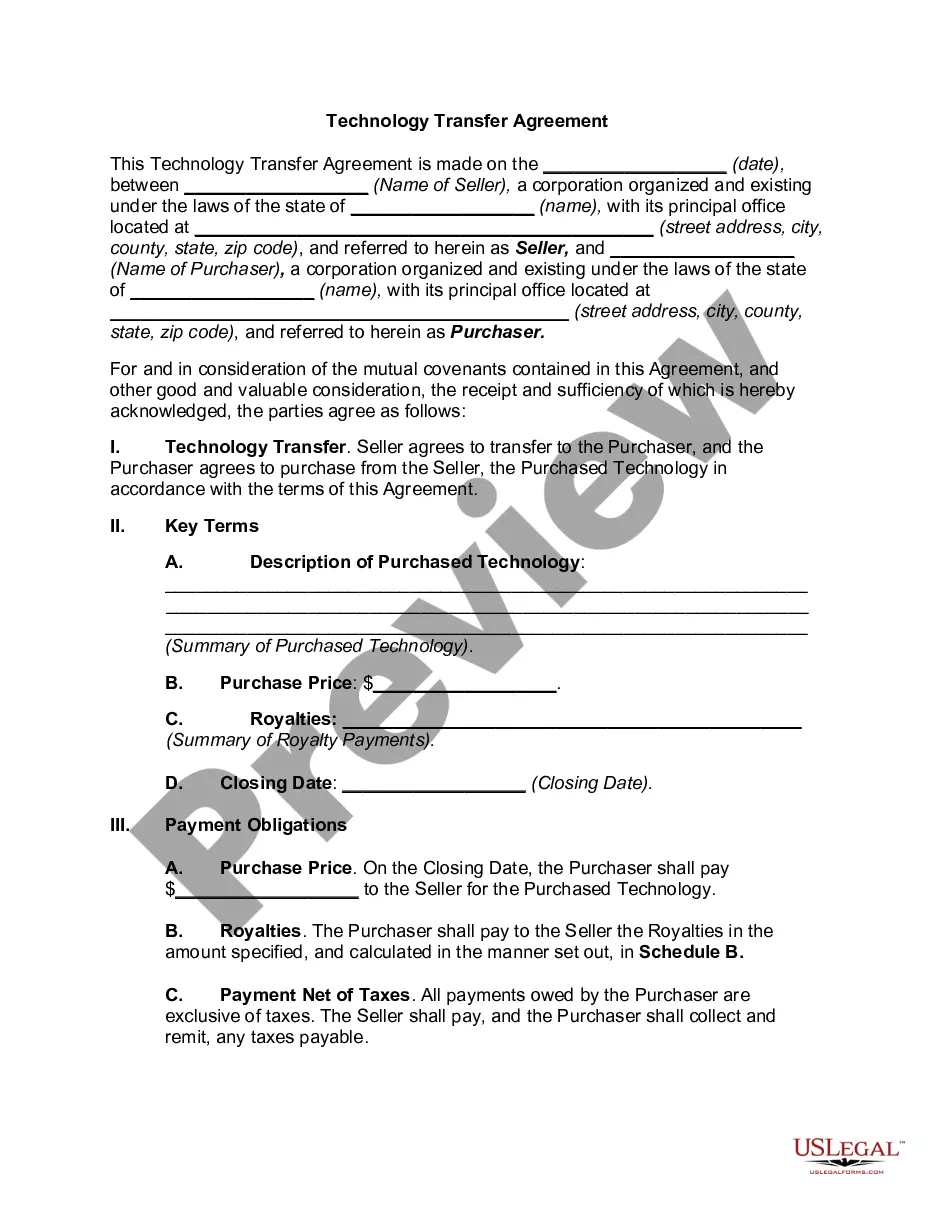
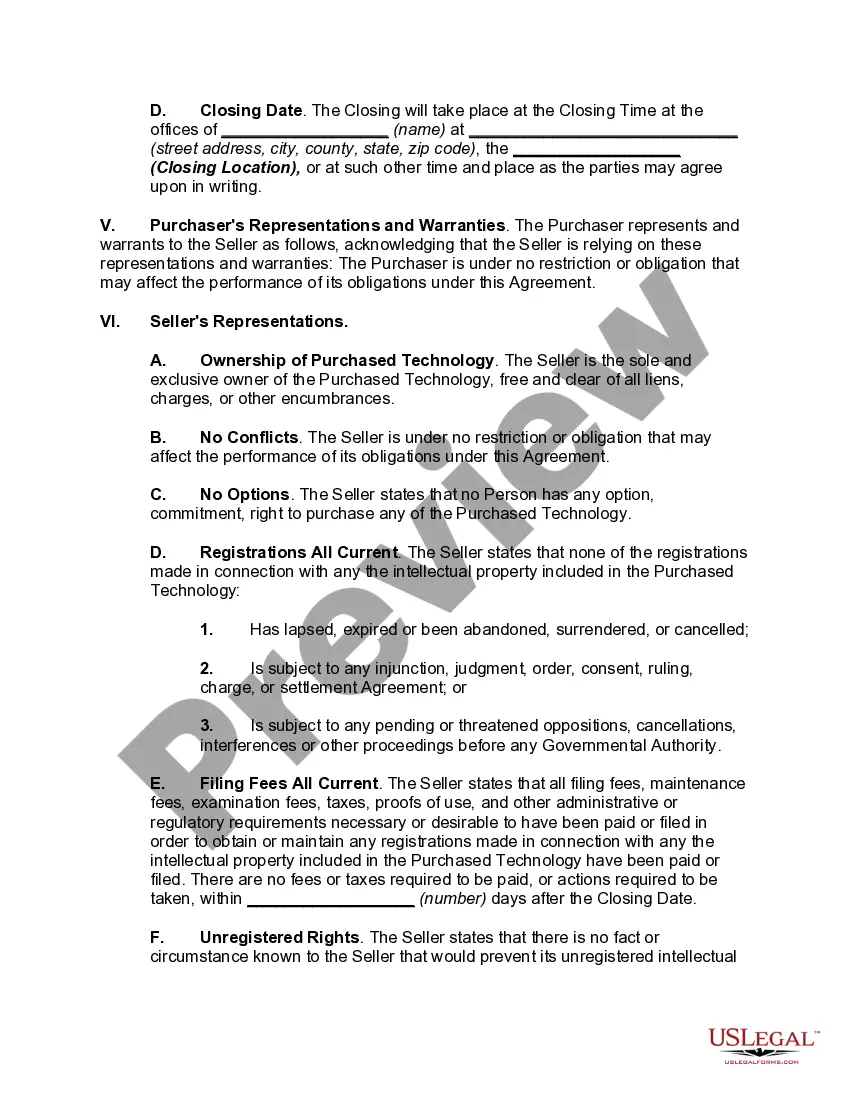
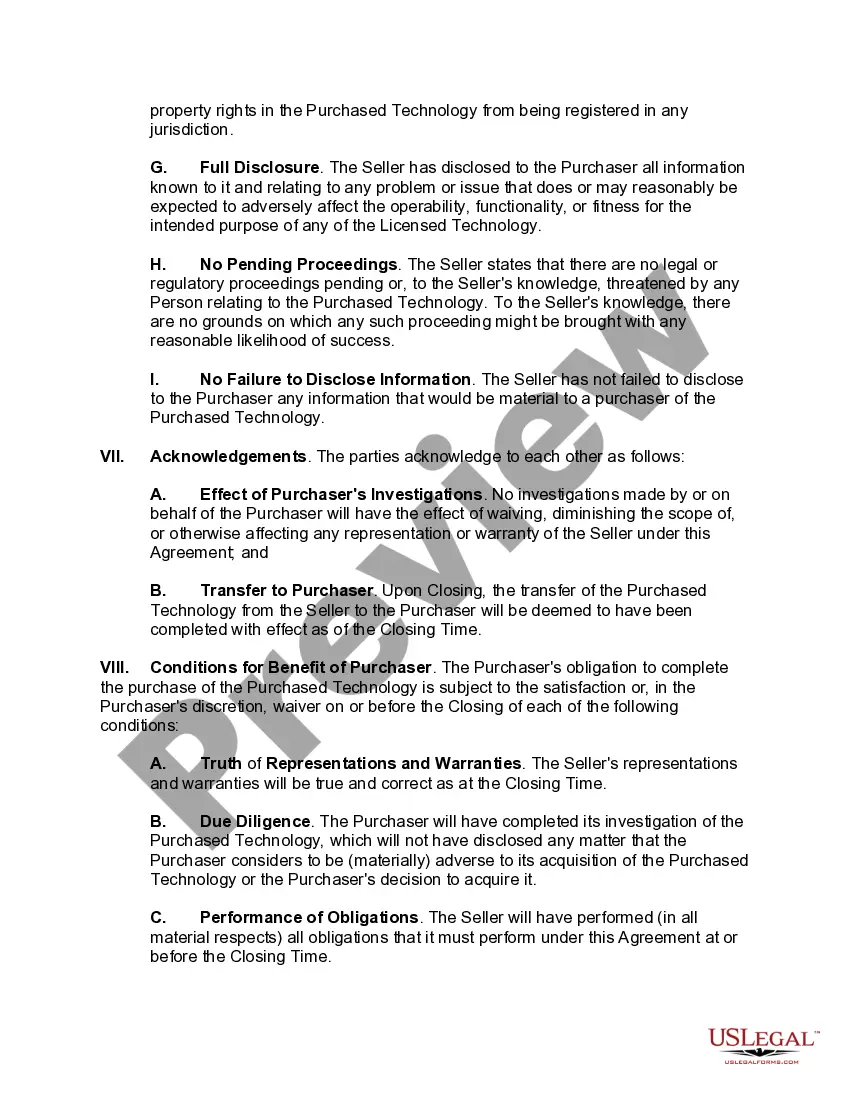
North Carolina Technology Transfer Agreement
Description
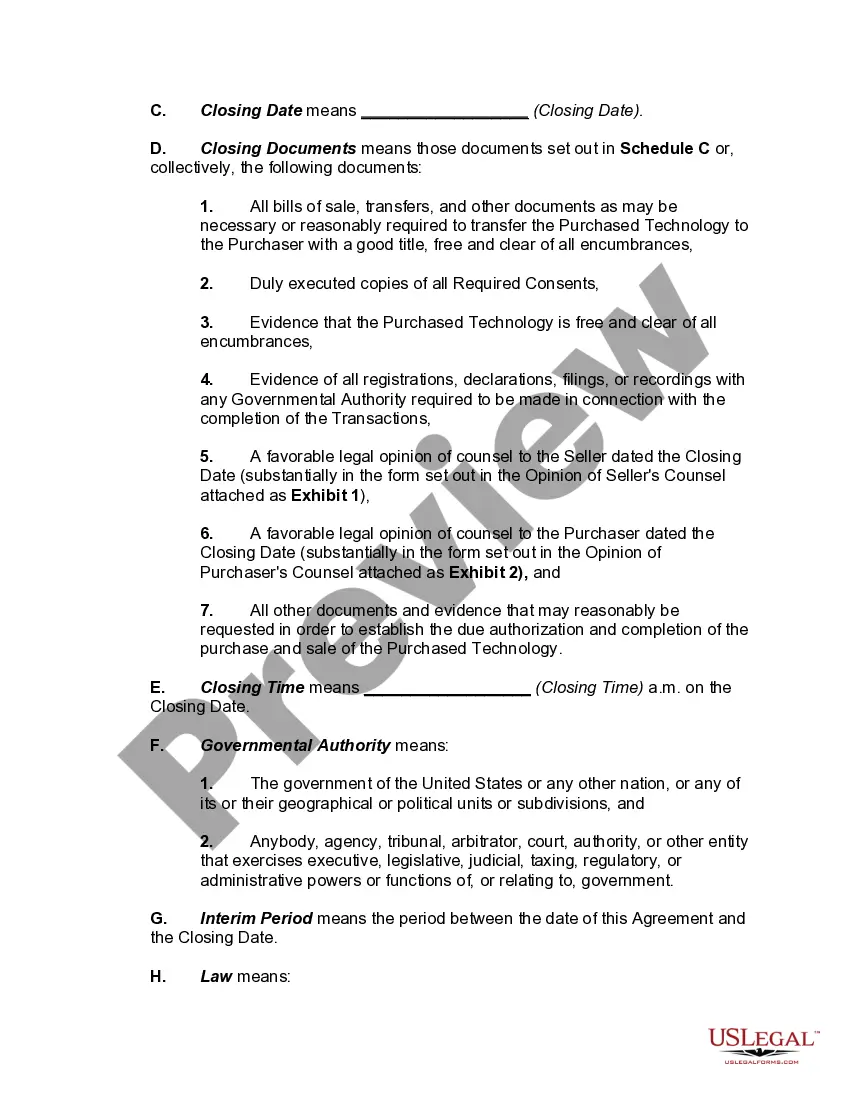
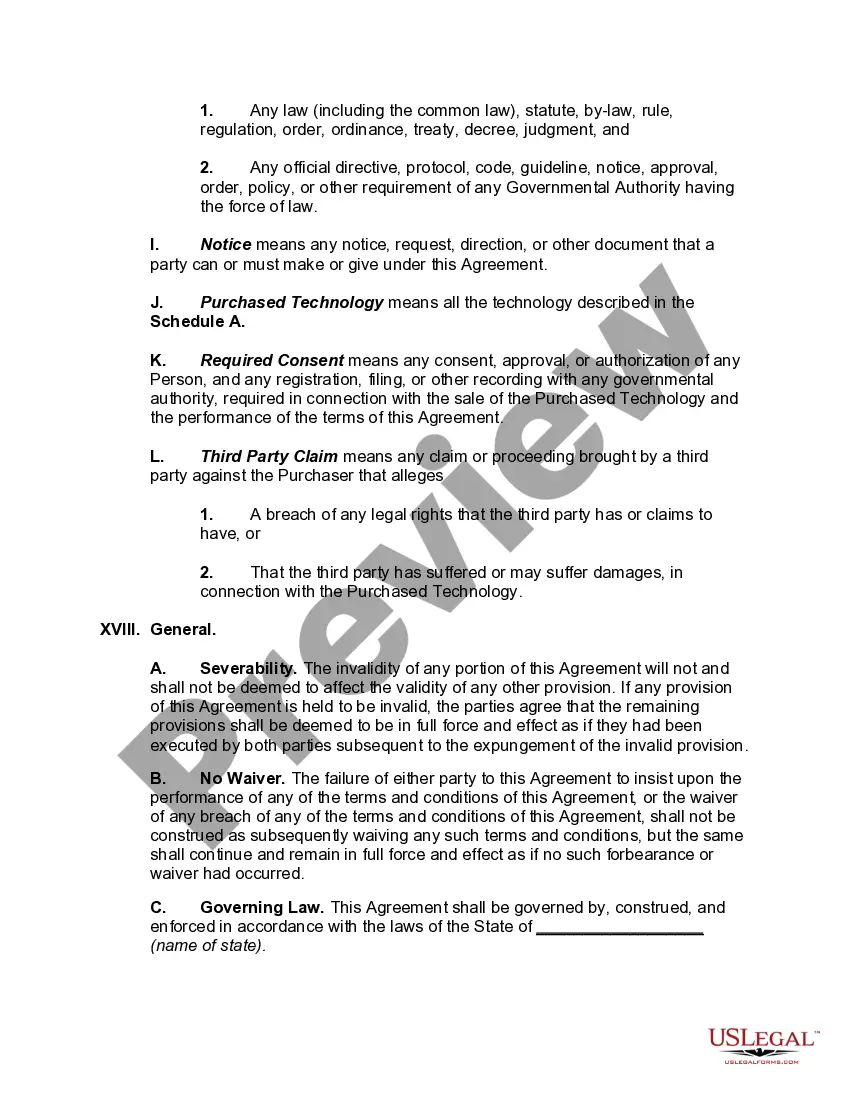
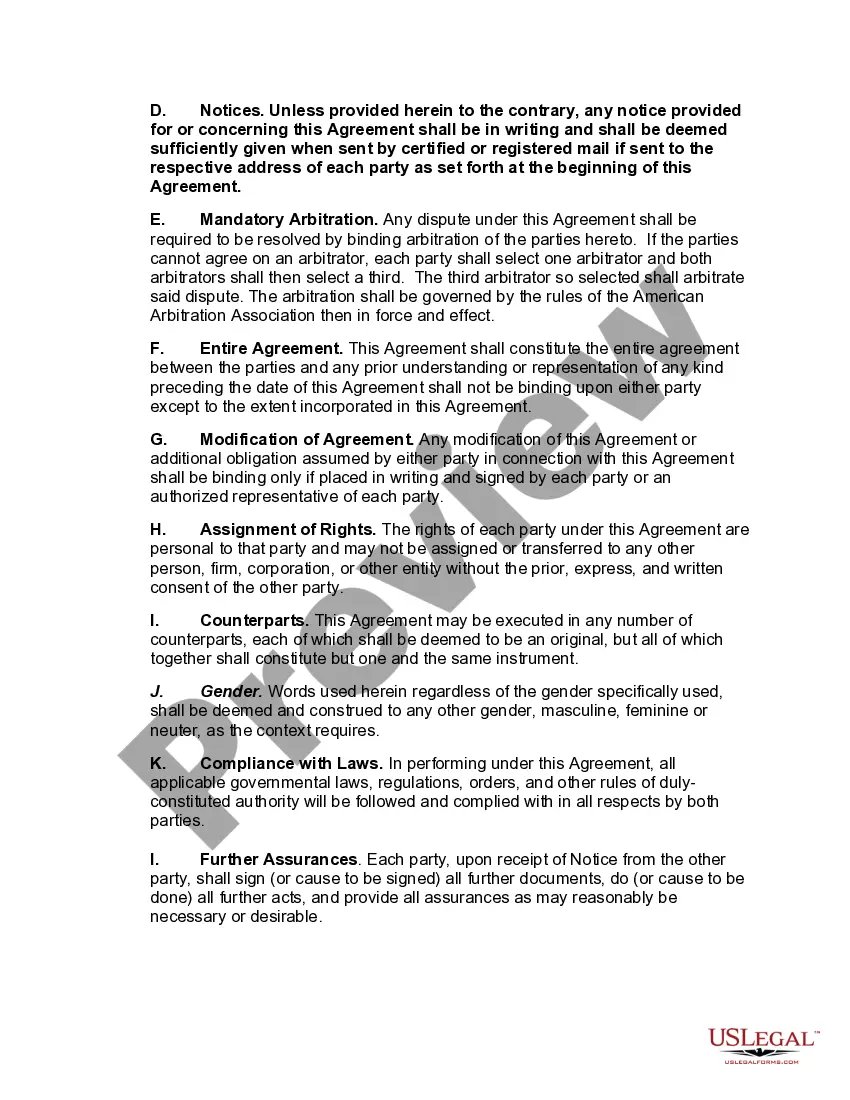

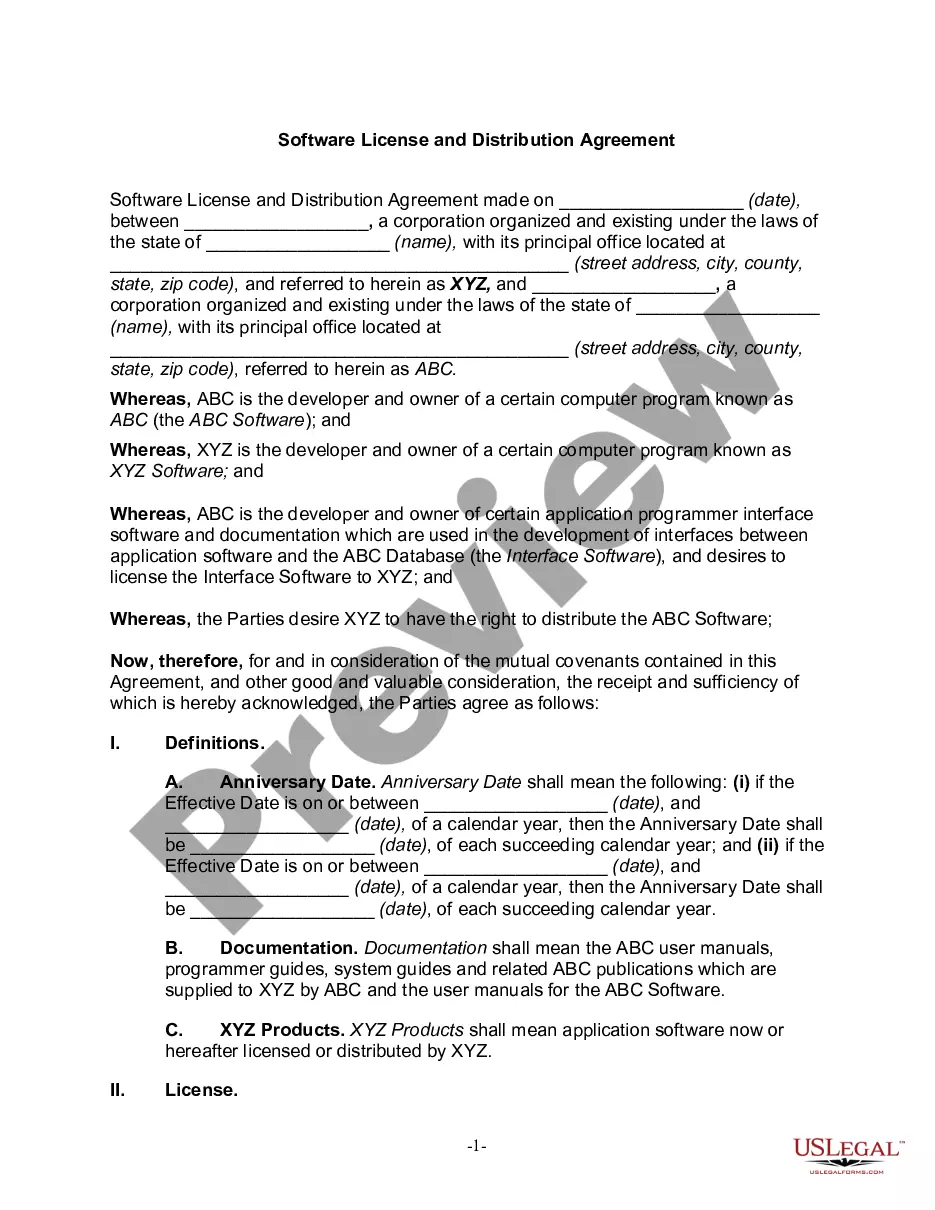
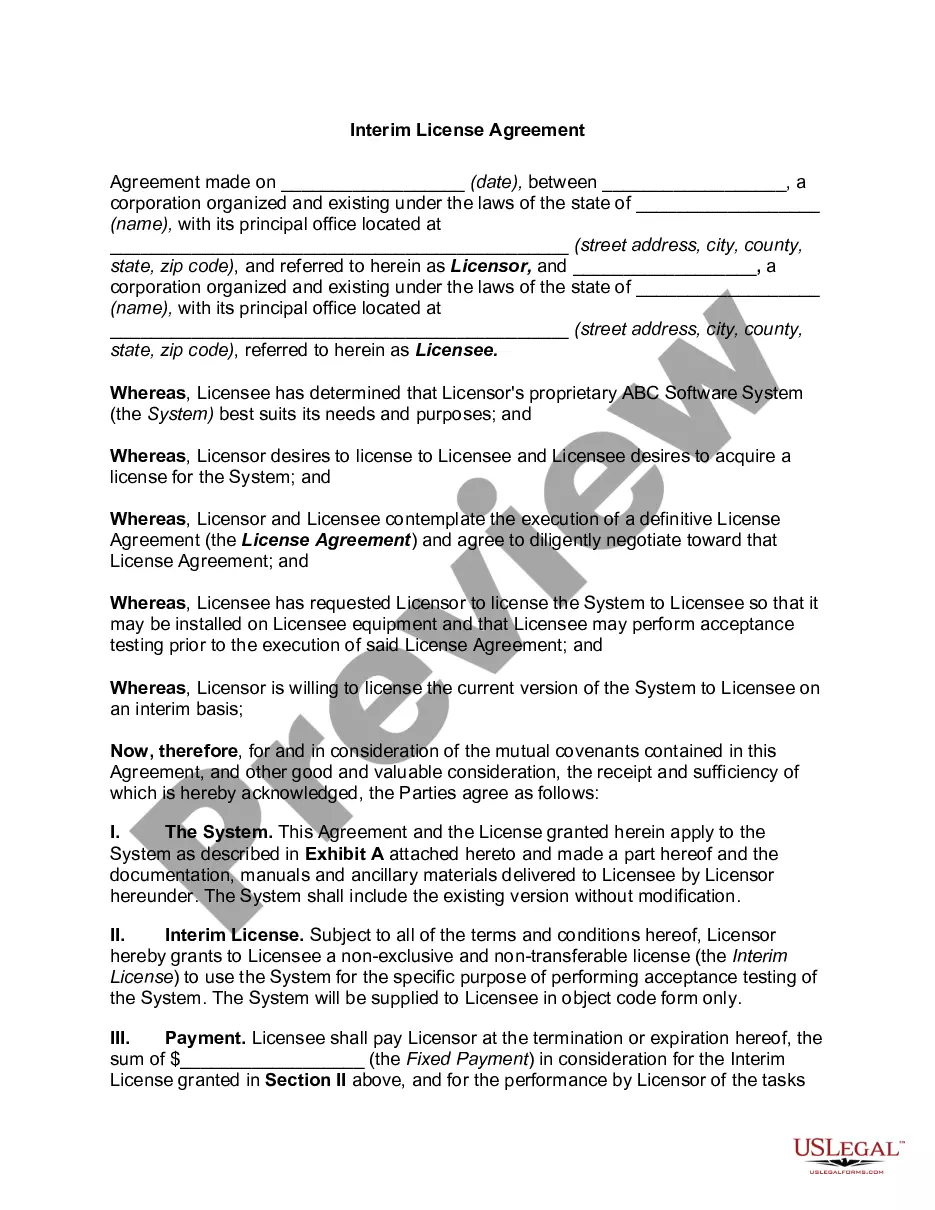
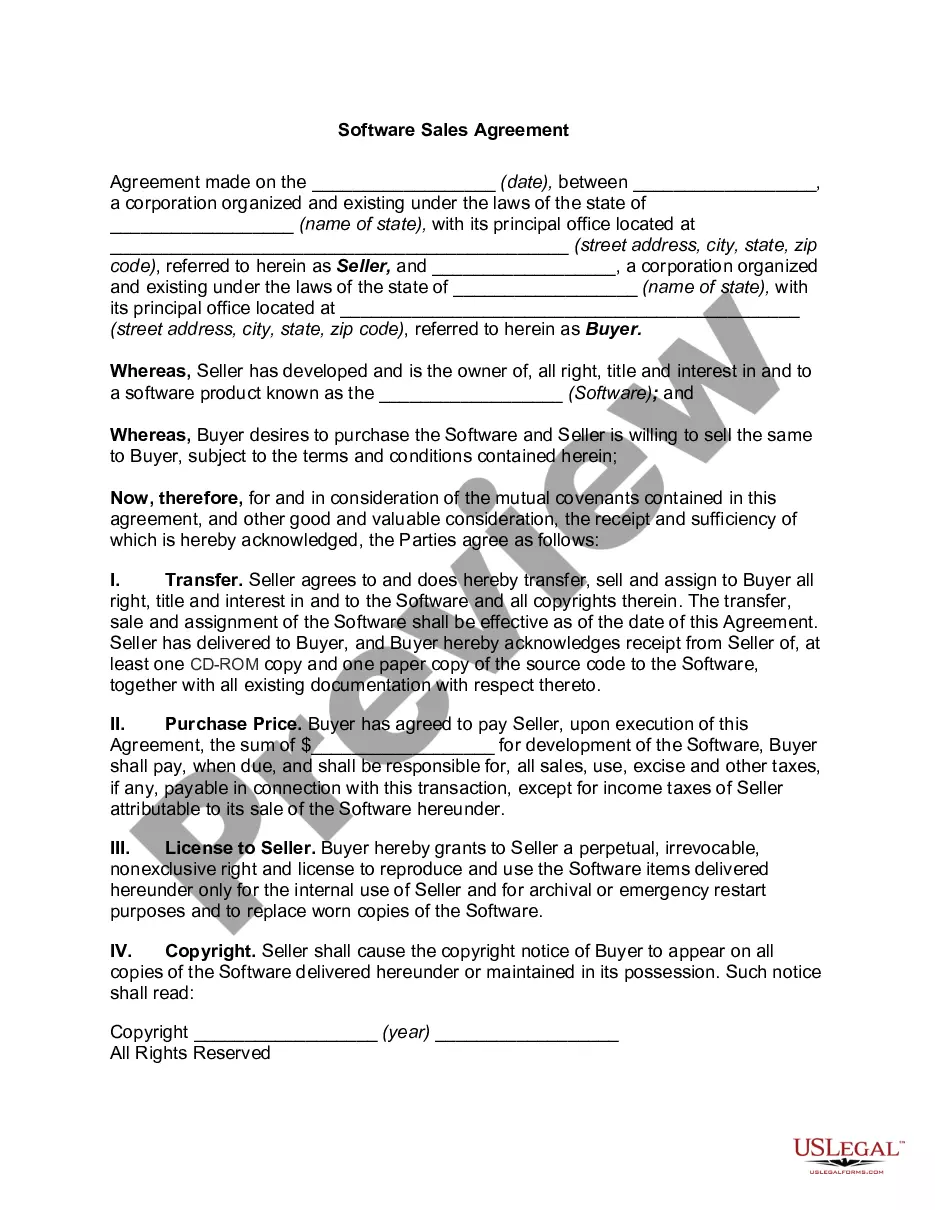
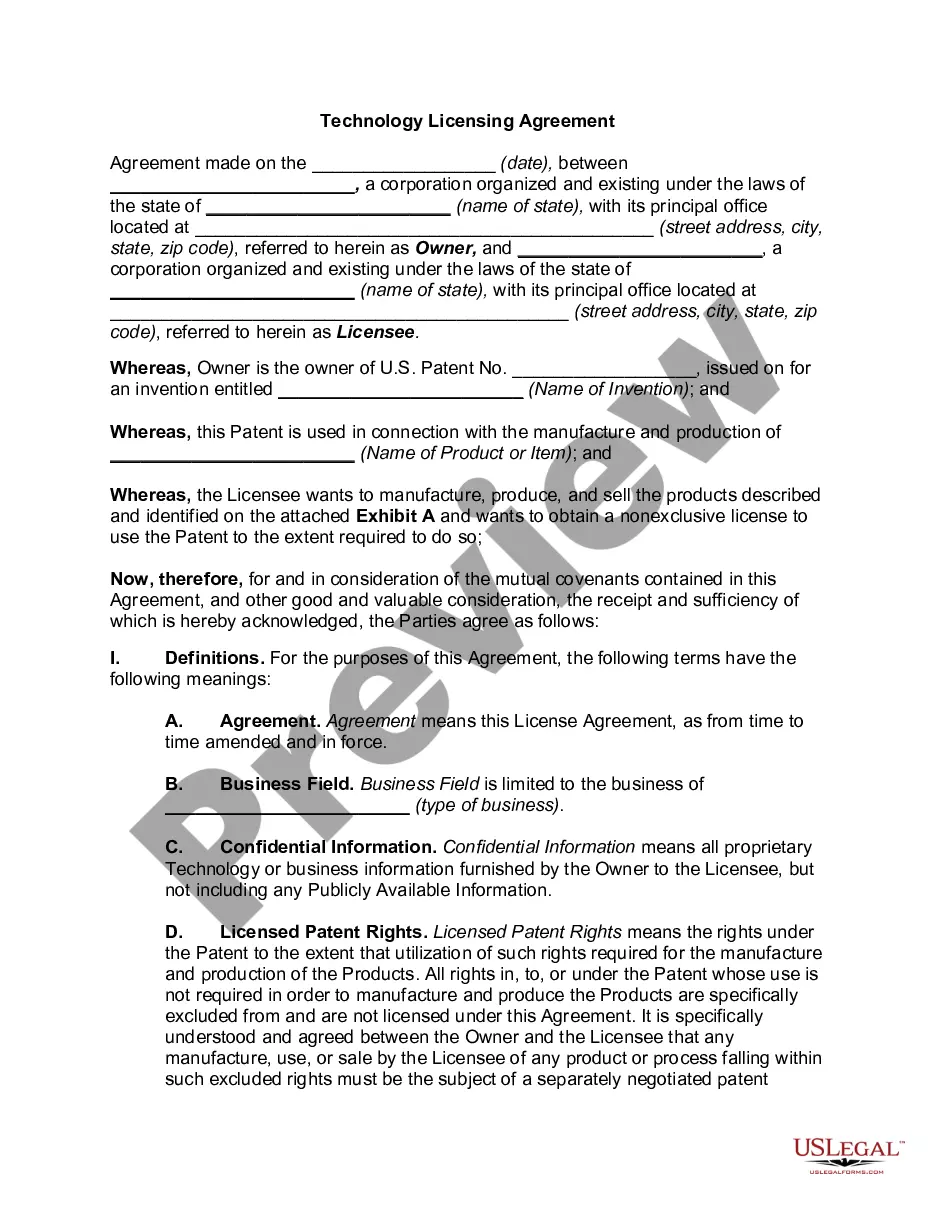
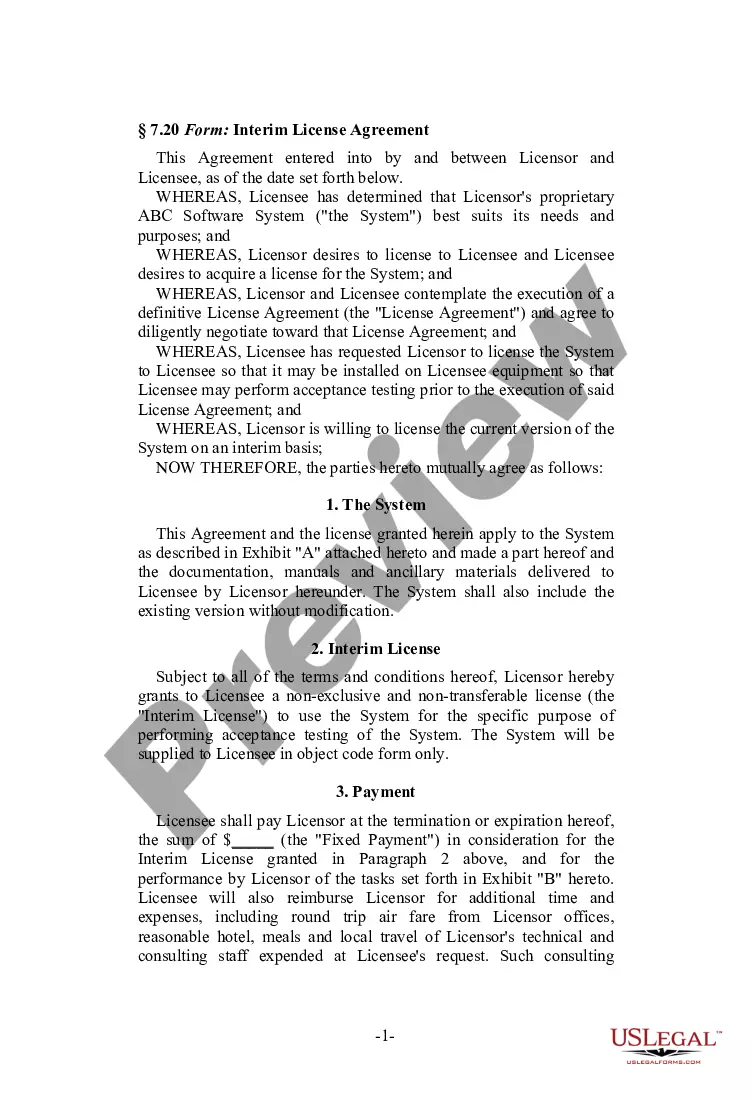
Get your form ready online
Our built-in tools help you complete, sign, share, and store your documents in one place.
Make edits, fill in missing information, and update formatting in US Legal Forms—just like you would in MS Word.
Download a copy, print it, send it by email, or mail it via USPS—whatever works best for your next step.
Sign and collect signatures with our SignNow integration. Send to multiple recipients, set reminders, and more. Go Premium to unlock E-Sign.
If this form requires notarization, complete it online through a secure video call—no need to meet a notary in person or wait for an appointment.
We protect your documents and personal data by following strict security and privacy standards.

Make edits, fill in missing information, and update formatting in US Legal Forms—just like you would in MS Word.

Download a copy, print it, send it by email, or mail it via USPS—whatever works best for your next step.

Sign and collect signatures with our SignNow integration. Send to multiple recipients, set reminders, and more. Go Premium to unlock E-Sign.

If this form requires notarization, complete it online through a secure video call—no need to meet a notary in person or wait for an appointment.

We protect your documents and personal data by following strict security and privacy standards.
Looking for another form?




How to fill out Technology Transfer Agreement?
Are you presently in a position where you require documents for both professional and personal purposes almost every day.
There are numerous legitimate document templates accessible online, but finding ones you can trust is challenging.
US Legal Forms offers thousands of document templates, including the North Carolina Technology Transfer Agreement, which are designed to comply with federal and state regulations.
Choose a convenient file format and download your copy.
Find all the document templates you have purchased in the My documents section. You can obtain an additional copy of the North Carolina Technology Transfer Agreement anytime if needed. Simply select the required form to download or print the document template. Use US Legal Forms, the largest collection of legitimate forms, to save time and prevent mistakes. The service offers properly crafted legal document templates that can be used for a variety of purposes. Create an account on US Legal Forms and start making your life a bit easier.
- If you are already familiar with the US Legal Forms website and have an account, simply Log In.
- Then, you can download the North Carolina Technology Transfer Agreement template.
- If you do not have an account and wish to start using US Legal Forms, follow these steps.
- Obtain the document you need and ensure it is for your correct city/state.
- Use the Review button to examine the form.
- Check the details to make sure you have selected the right document.
- If the document is not what you are looking for, use the Search area to find the form that meets your needs and requirements.
- Once you find the correct form, click Get now.
- Select the pricing plan you desire, provide the required information to create your account, and pay for your order using your PayPal or credit card.
Form popularity
FAQ
A technology transfer agreement is a legal contract used when a company, referred to as the licensor, licenses industrial or intellectual property rights to a licensee. Intellectual property subject to a technology transfer agreement can include: Patents. Utility models. Trademarks.
Technology transfer is the process by which knowledge,, intellectual property and capabilities developed at its centres/units and elsewhere, utilising ISRO's resources are transferred to external entities including industries in the public and private sector, academia and State I Cehtral Government organisations.
Technology transfer (TT) refers to the process of conveying results stemming from scientific and technological research to the market place and to wider society, along with associated skills and procedures, and is as such an intrinsic part of the technological innovation process.
Technology transfer is the movement of data, designs, inventions, materials, software, technical knowledge or trade secrets from one organisation to another or from one purpose to another. The technology transfer process is guided by the policies, procedures and values of each organisation involved in the process.
Technology Licensing is a contractual arrangement in which the licensor's Intellectual Property (IP) such as, patents, trademarks, service marks, copyrights, trade secrets, or other intellectual property may be transferred to a licensee for a specified period of time.
Technology transfer (TT) refers to the process of conveying results stemming from scientific and technological research to the market place and to wider society, along with associated skills and procedures, and is as such an intrinsic part of the technological innovation process.
It allows U.S. universities, small businesses and non-profits to retain title to their inventions. The government retains a right to use the technology. Previously, the government owned the intellectual property rights to these inventions funded by the government.
Examples of technology transfer can be found across virtually every scientific and industrial area, from pharmaceuticals and medical devices to alternative energy solutions, computing, transport, artificial intelligence, robotics, agriculture, aerospace, environmental improvements and many more.
TECH TRANSFER AGREEMENTSCooperative Research and Development Agreement (CRADA)Facility Use/Service Agreement (FUSA)License Agreement (LA)Material Transfer Agreement (MTA)Technical Assistance Agreement (TAA)
Another disadvantage of technology transfer is the number of workers who become jobless. Automation of many jobs will make human labor cheaper and more people will find it difficult to get a job. For example 'e-learning', it is a powerful delivery method. e-learning comes under online education.