North Carolina Judgment
Description
Get your form ready online
Our built-in tools help you complete, sign, share, and store your documents in one place.
Make edits, fill in missing information, and update formatting in US Legal Forms—just like you would in MS Word.
Download a copy, print it, send it by email, or mail it via USPS—whatever works best for your next step.
Sign and collect signatures with our SignNow integration. Send to multiple recipients, set reminders, and more. Go Premium to unlock E-Sign.
If this form requires notarization, complete it online through a secure video call—no need to meet a notary in person or wait for an appointment.
We protect your documents and personal data by following strict security and privacy standards.

Make edits, fill in missing information, and update formatting in US Legal Forms—just like you would in MS Word.

Download a copy, print it, send it by email, or mail it via USPS—whatever works best for your next step.

Sign and collect signatures with our SignNow integration. Send to multiple recipients, set reminders, and more. Go Premium to unlock E-Sign.

If this form requires notarization, complete it online through a secure video call—no need to meet a notary in person or wait for an appointment.

We protect your documents and personal data by following strict security and privacy standards.
Looking for another form?
How to fill out Judgment?
Are you presently in a location where you frequently require documents for either organizational or personal purposes throughout the day.
There is a multitude of legitimate document templates available online, yet finding reliable ones can be challenging.
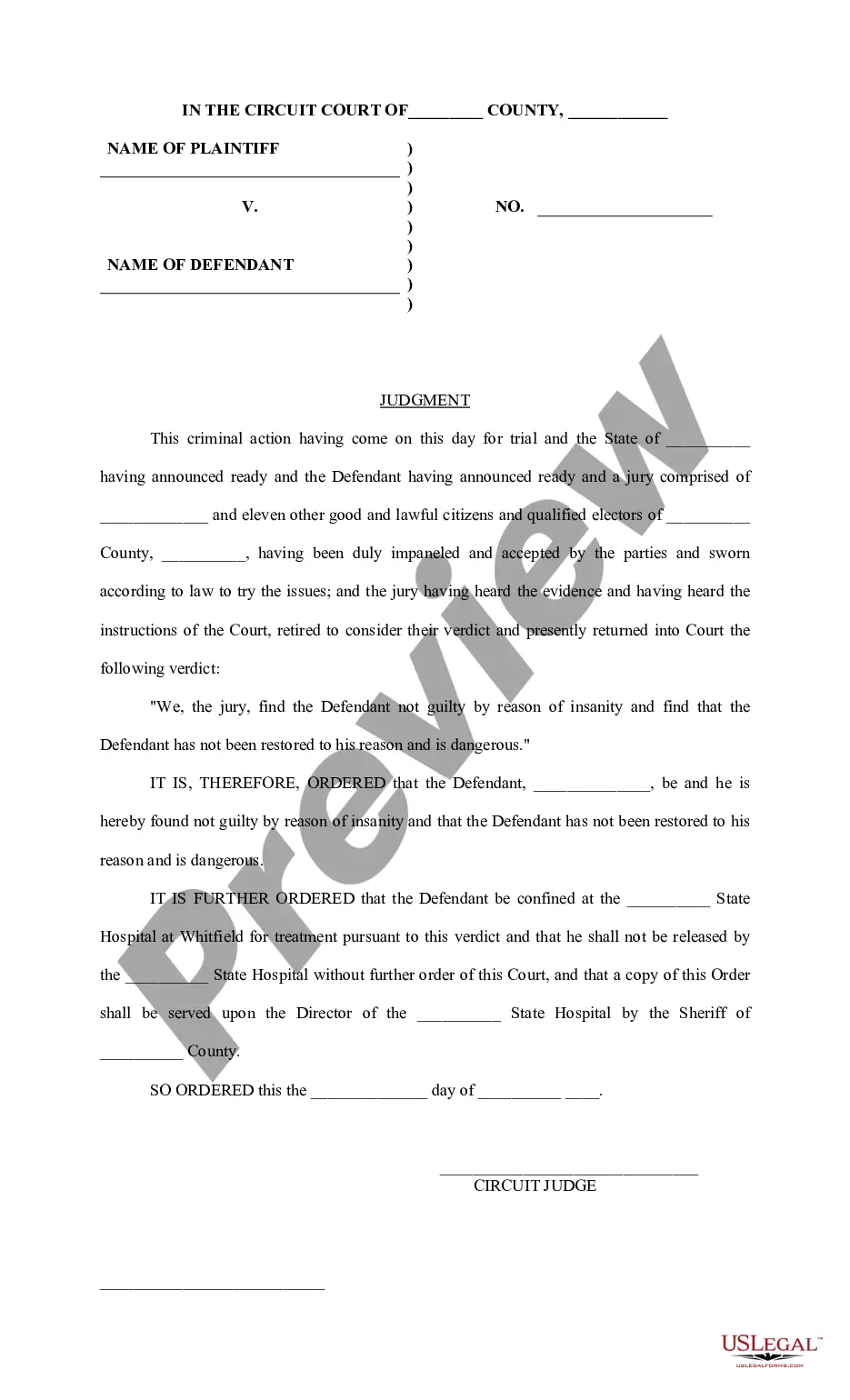
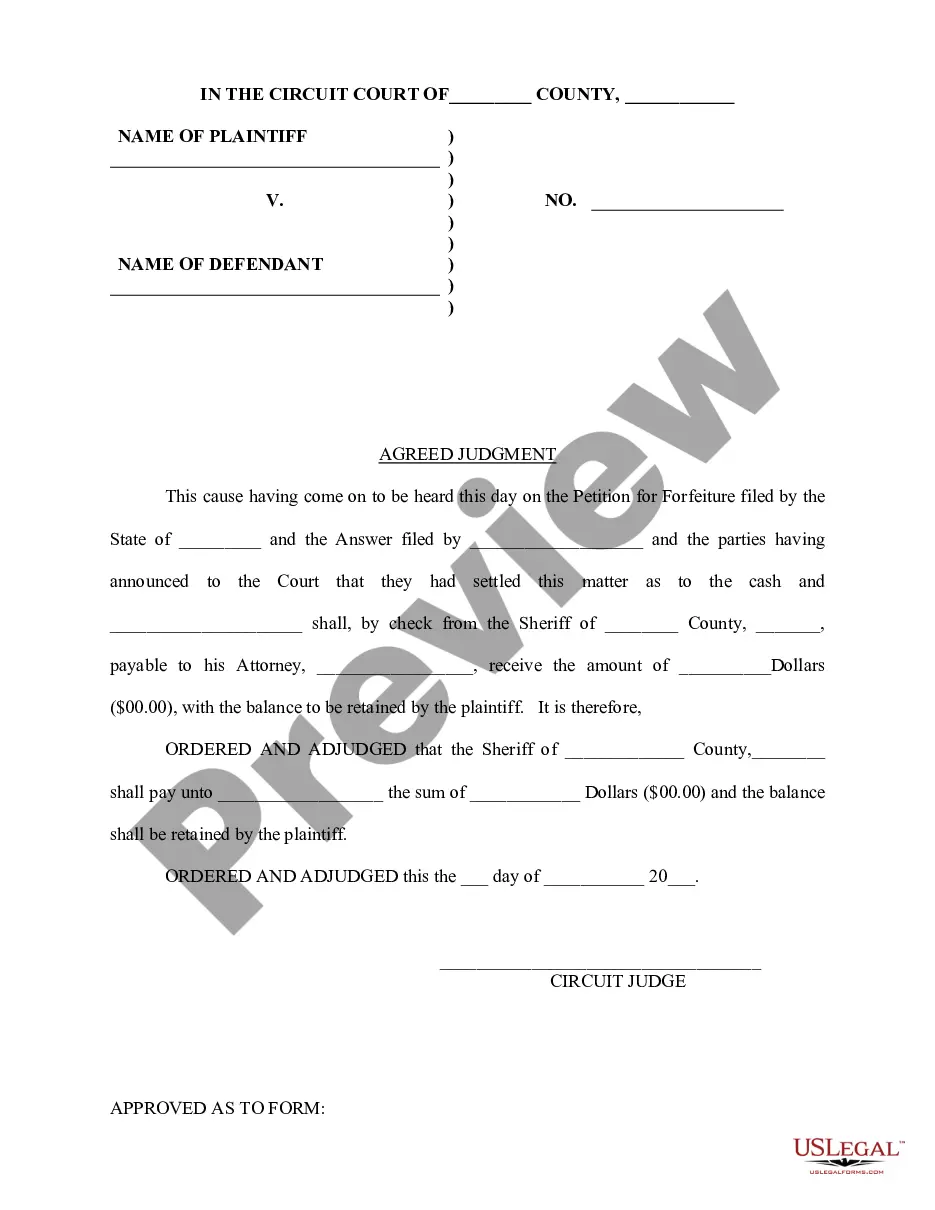
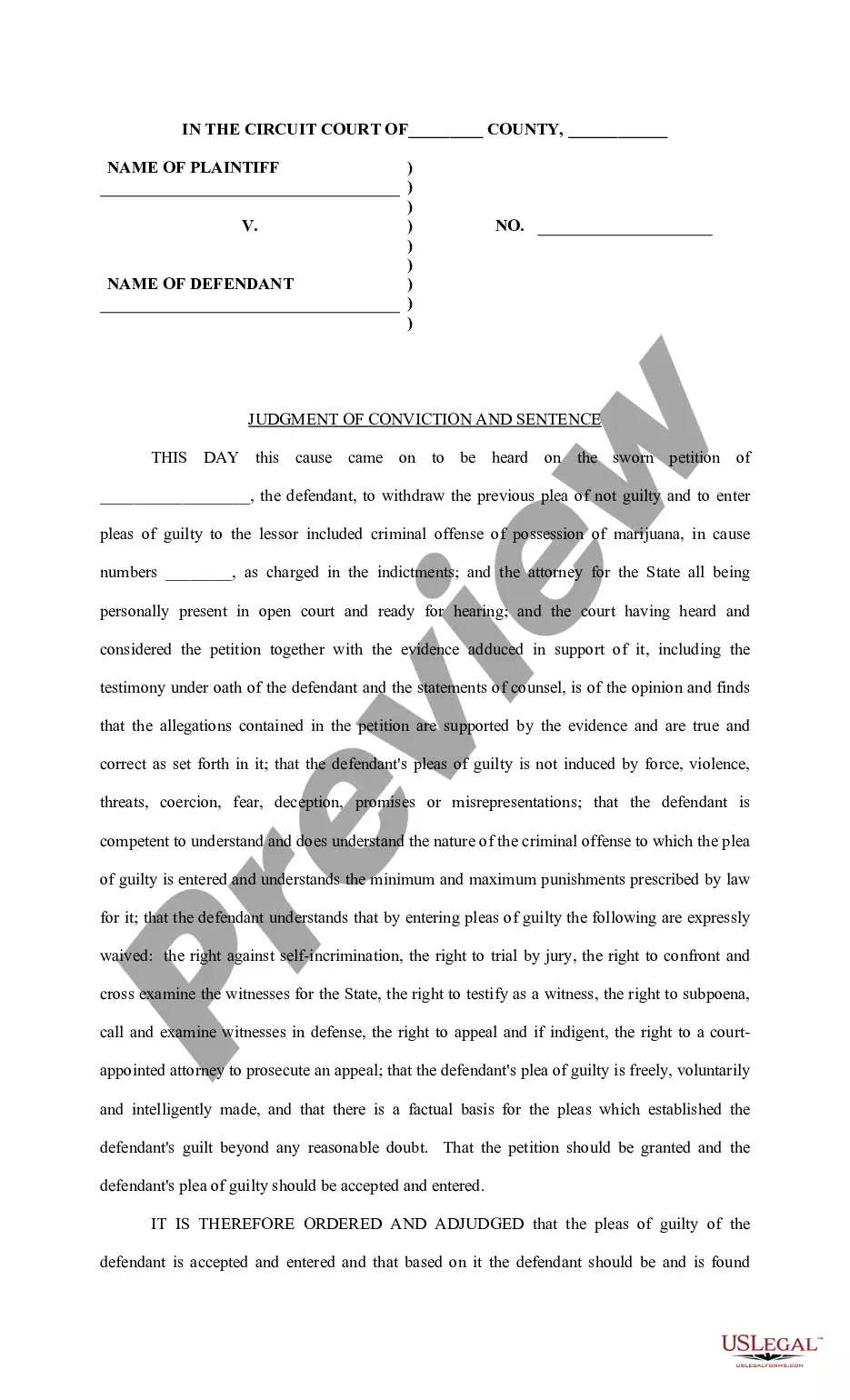
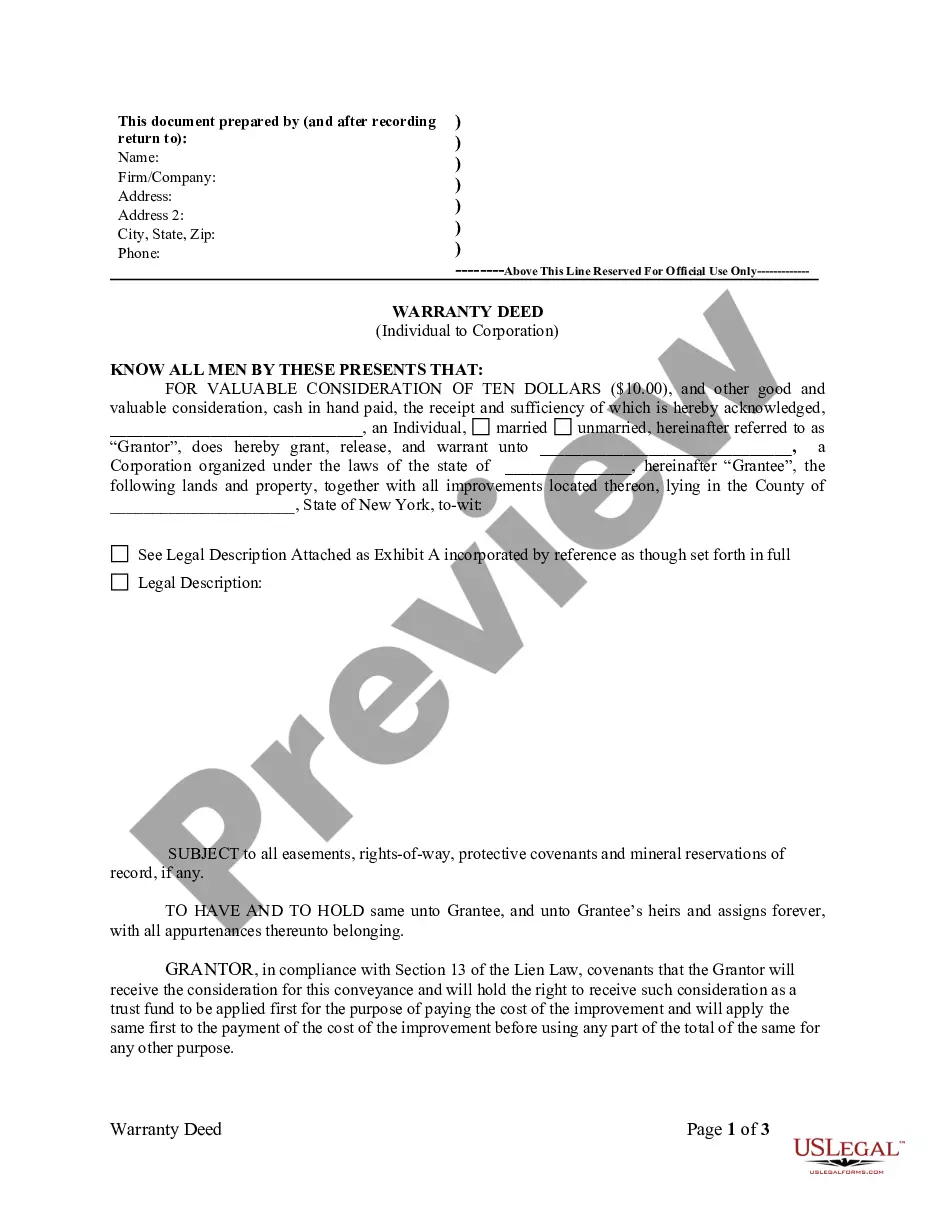
US Legal Forms offers thousands of template forms, such as the North Carolina Judgment, that are crafted to comply with both state and federal regulations.
Once you find the right form, click Get now.
Choose the pricing plan you prefer, fill in the required information to create your account, and complete your purchase using PayPal or a credit card.
- If you are already familiar with the US Legal Forms website and have an account, simply Log In.
- Then, you can download the North Carolina Judgment template.
- If you do not have an account and wish to use US Legal Forms, follow these steps.
- Select the form you need and verify that it is for the correct area/state.
- Use the Preview button to review the form.
- Check the details to confirm that you have selected the correct form.
- If the form is not what you're looking for, use the Research section to find the form that fits your needs and requirements.
Form popularity
FAQ
In North Carolina, a judgment is enforceable for 10 years from the date it was entered. After that point, it no longer can be enforced and is expired. Prior to the expiration of the judgment, the judgment creditor could seek to have it extended for another 10 years once.
In North Carolina a judgment accrues 8% interest from the time it is entered. Judgment can be enforced by execution/through Court process. A creditor with a judgment can attempt to use some of your property to pay the judgment. However, the creditor MUST use the Court system before getting access to your property.
Request a Public Record Criminal cases. Civil, special proceeding, or estates cases. Divorce judgments. Birth, marriage, divorce, or death certificates. ... Marriage license. Police reports. Real estate records or deeds. For media inquiries, view more information for members of the media.
So, what happens after a default judgment is issued? After your creditor has obtained a judgment against an individual (i.e. not a registered entity) defendant, that creditor can then serve out a Notice of Right to Claim exemption.
Divorce Certificates: NC Vital Records has copies of divorce records dating back to 1958. For records prior to 1958, contact the county clerk of court where the divorce was filed.
NCAOC offers online remote access to both criminal and civil information from all 100 North Carolina counties.
For Court Records (Criminal or civil cases, police reports or traffic citations) - contact NC Judicial Branch Services OR contact the Clerk of Court in the county where the citation was issued.
Information about criminal cases in the North Carolina court system can be accessed by visiting a public, self-service terminal located at a clerk of court's office in any county. You can use the terminal to search for cases by defendant name, case number, or victim or witness name.