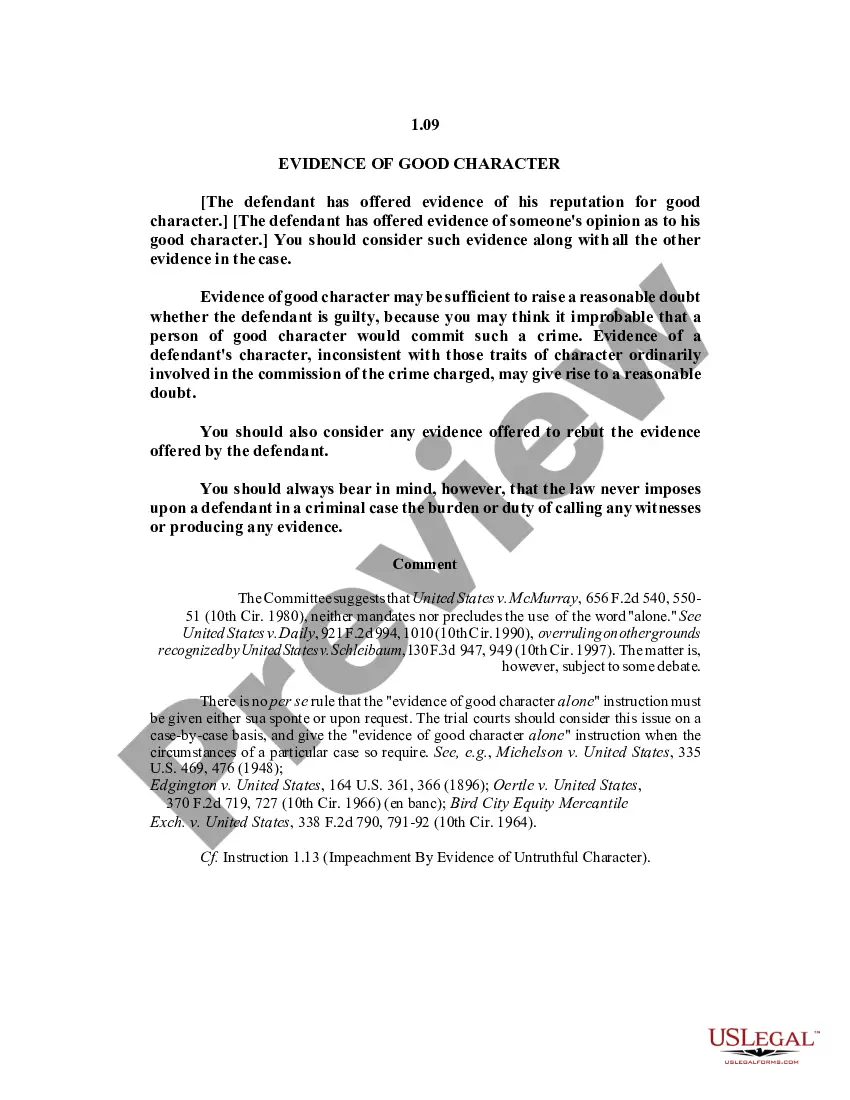
Montana Jury Instruction - Good Faith Defense To Charge Of Intent To Defraud
Description
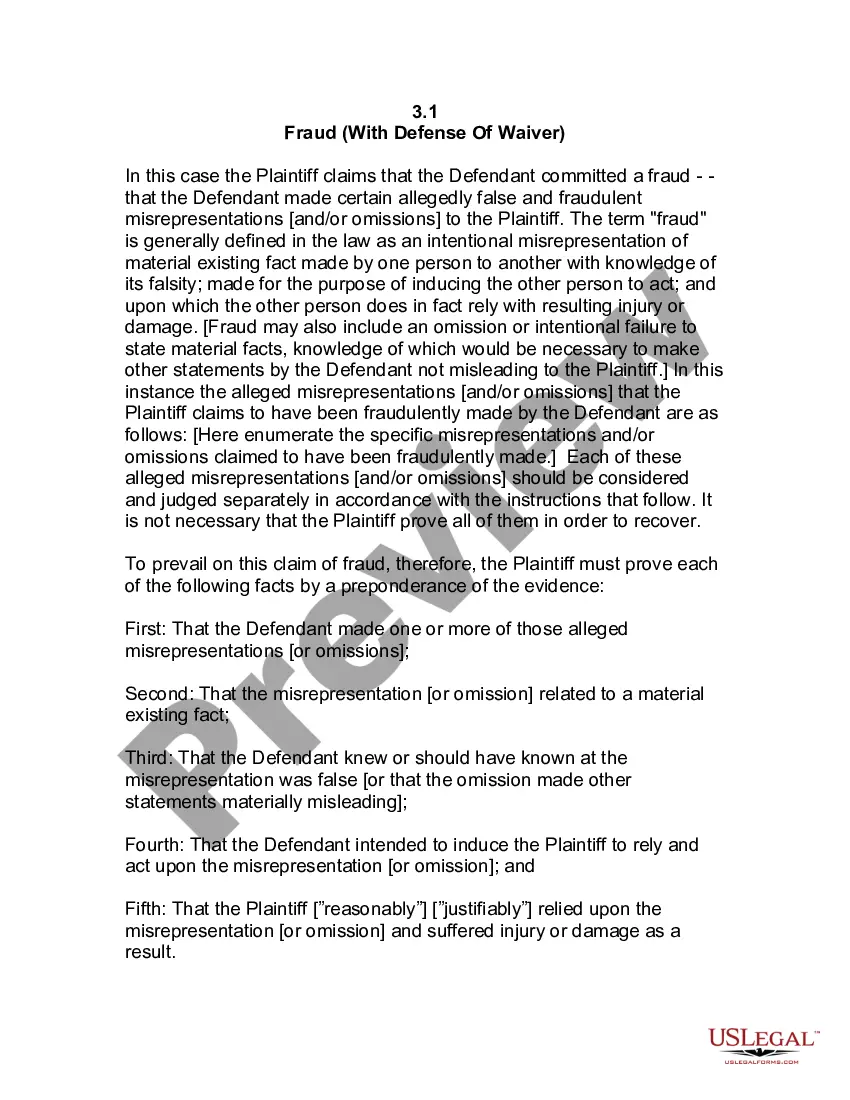
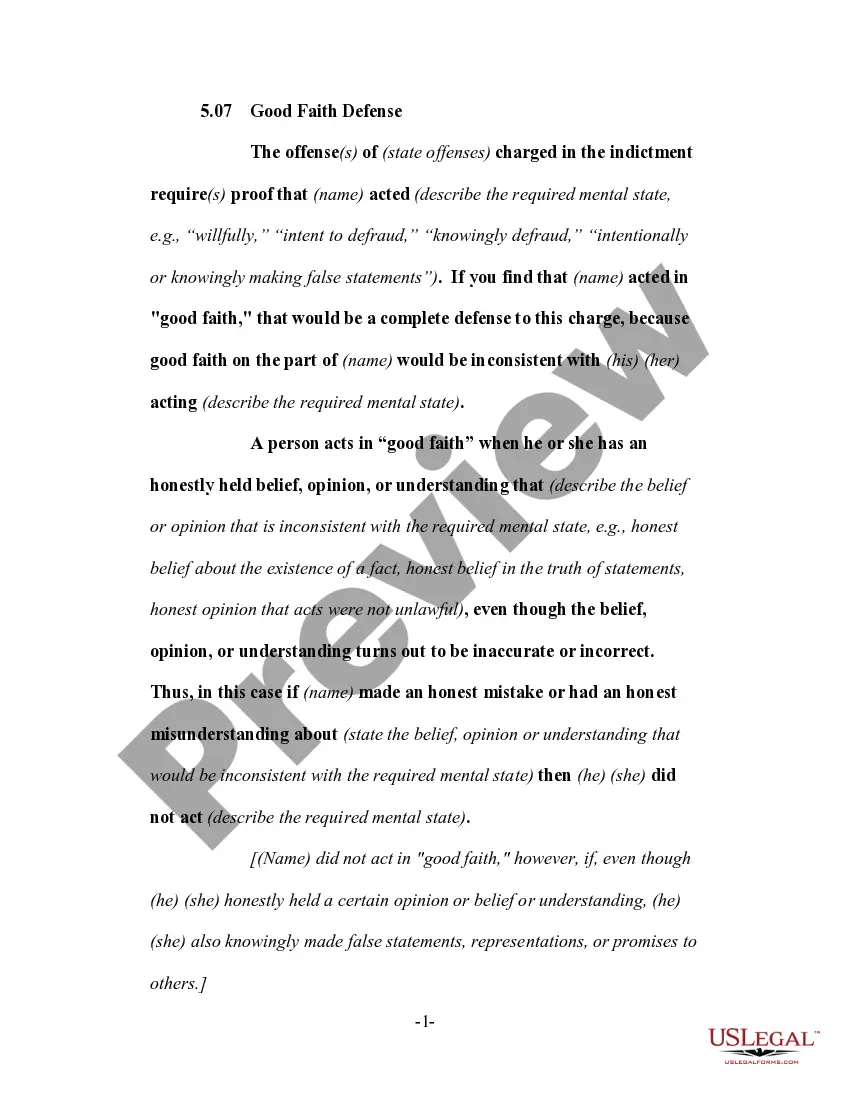
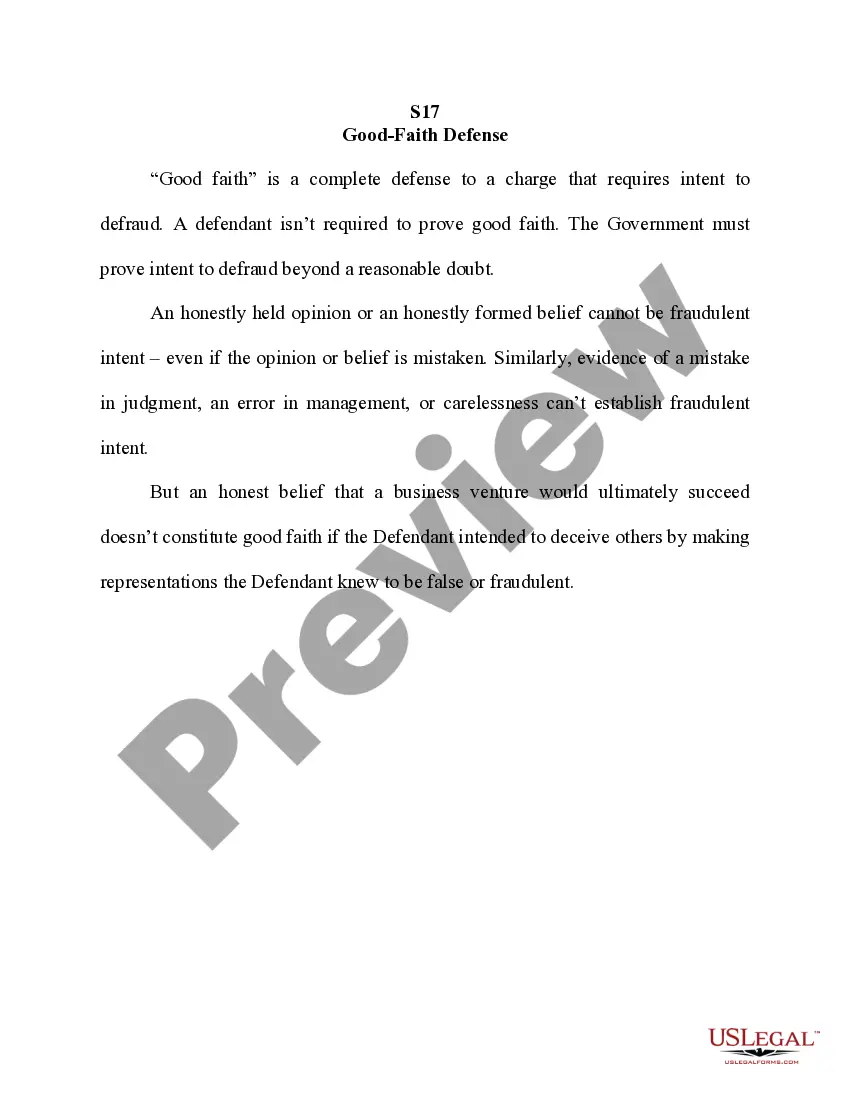
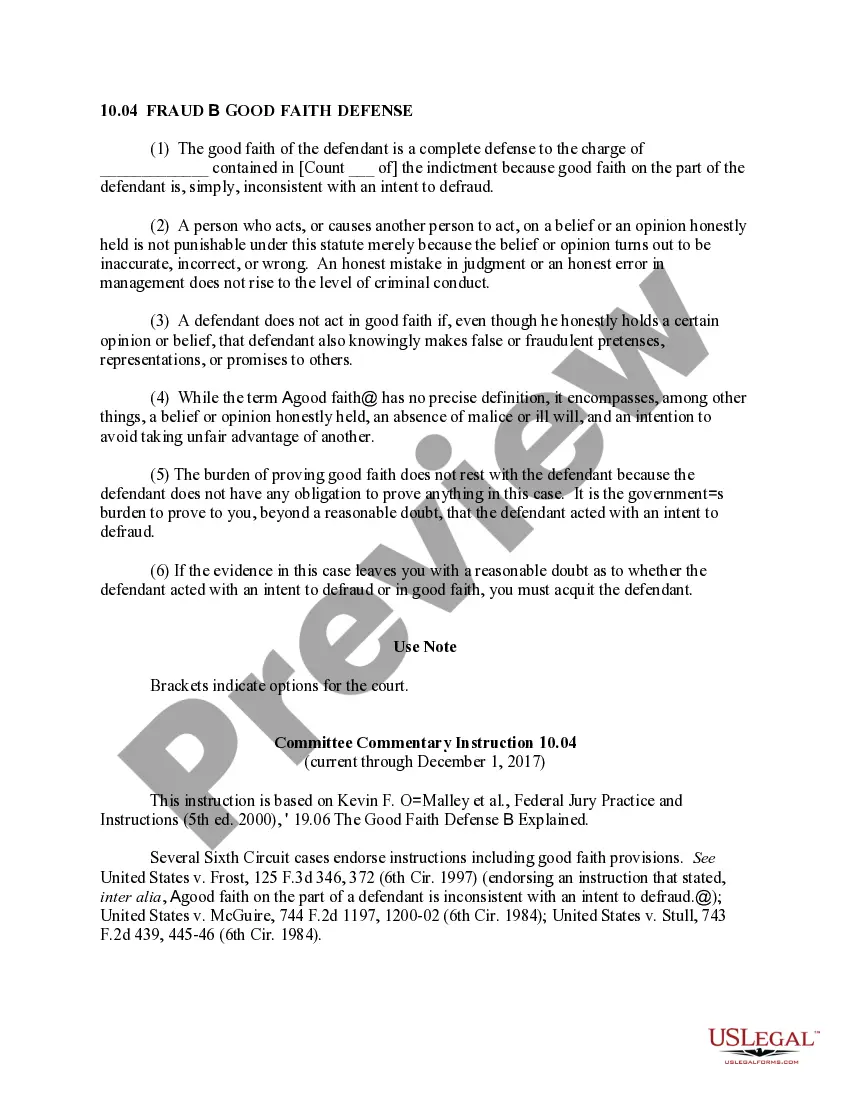
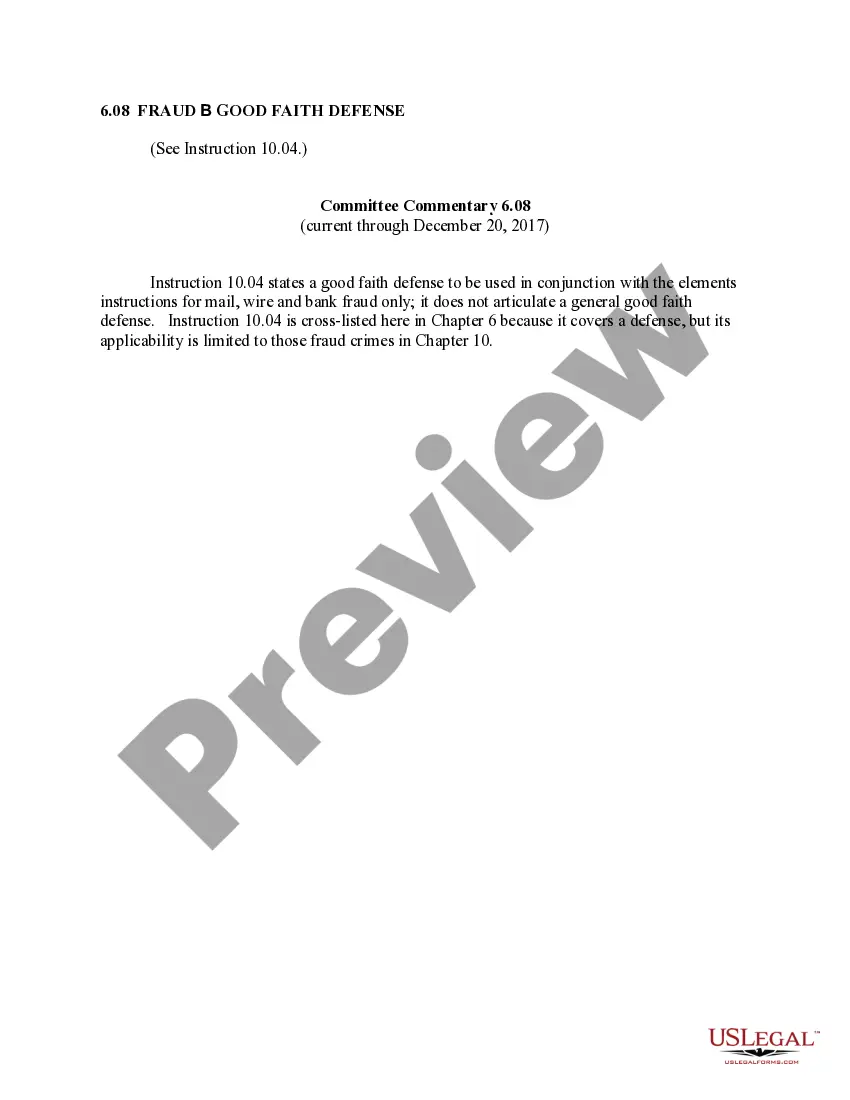
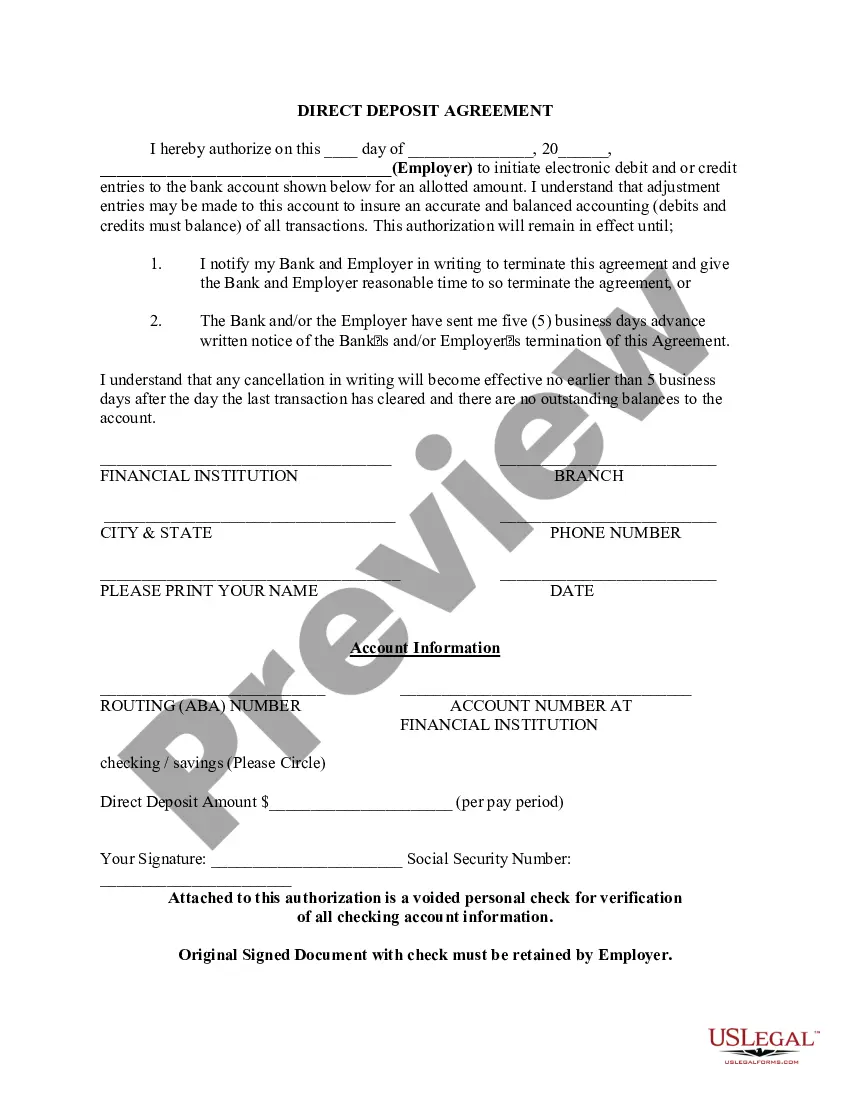
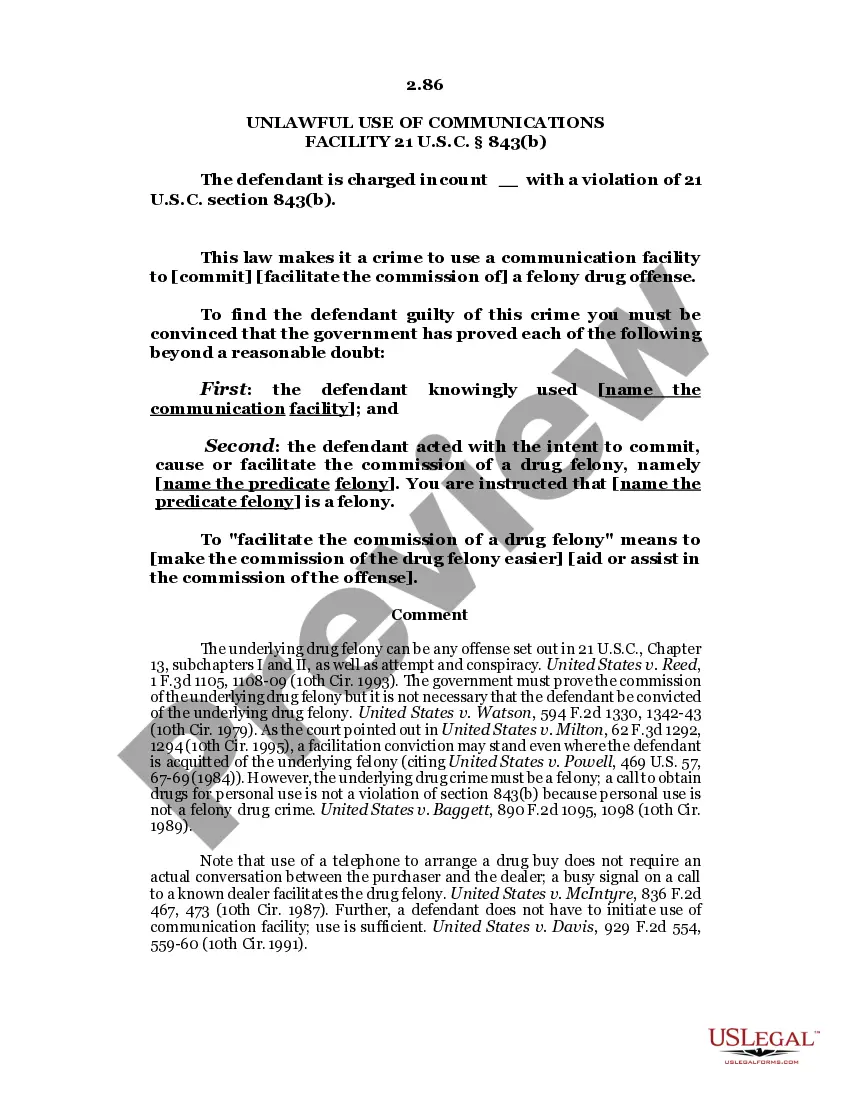
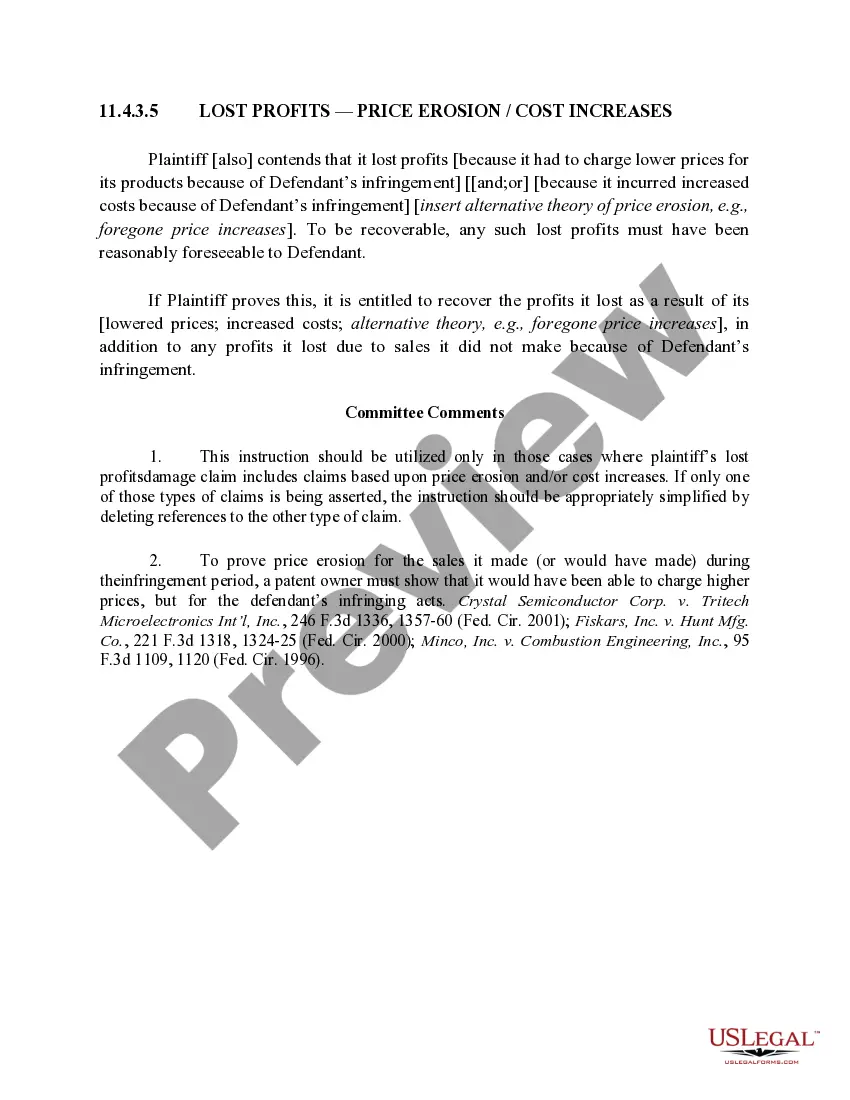
How to fill out Jury Instruction - Good Faith Defense To Charge Of Intent To Defraud?
Are you currently in a place in which you need files for possibly business or specific reasons almost every day time? There are a variety of authorized document web templates available online, but finding versions you can rely isn`t straightforward. US Legal Forms gives a large number of kind web templates, like the Montana Jury Instruction - Good Faith Defense To Charge Of Intent To Defraud, which are written to fulfill federal and state specifications.
If you are previously familiar with US Legal Forms internet site and also have an account, basically log in. After that, it is possible to download the Montana Jury Instruction - Good Faith Defense To Charge Of Intent To Defraud template.
Unless you offer an bank account and wish to begin to use US Legal Forms, adopt these measures:
- Discover the kind you require and ensure it is for your right area/state.
- Make use of the Preview key to review the form.
- See the explanation to ensure that you have chosen the correct kind.
- In case the kind isn`t what you are seeking, use the Search industry to obtain the kind that suits you and specifications.
- If you find the right kind, just click Acquire now.
- Pick the costs program you want, fill out the specified details to generate your bank account, and buy your order using your PayPal or charge card.
- Select a handy document file format and download your copy.
Locate all of the document web templates you possess purchased in the My Forms food list. You can aquire a more copy of Montana Jury Instruction - Good Faith Defense To Charge Of Intent To Defraud any time, if needed. Just click on the necessary kind to download or printing the document template.
Use US Legal Forms, the most extensive variety of authorized varieties, to conserve time as well as prevent faults. The support gives skillfully manufactured authorized document web templates that you can use for a variety of reasons. Generate an account on US Legal Forms and initiate creating your lifestyle a little easier.
Form popularity
FAQ
Acting purposely - The defendant had an underlying conscious object to act. Acting knowingly - The defendant is practically certain that the conduct will cause a particular result.
However, having a motive is not a required element of a crime. Purpose and Knowledge. The most culpable mental state under the modern approach is purpose, which means that the defendant consciously wanted a certain result to happen. ... Recklessness and Negligence. ... Strict Liability.
The Model Penal Code recognizes four different levels of mens rea: purpose (same as intent), knowledge, recklessness and negligence.
The Model Penal Code's criminal states of mind ranked in order of culpability are purposely, knowingly, recklessly, and negligently. Purposely is similar to specific intent to cause a particular result. Knowingly is awareness that results are practically certain to occur.
Knowingly: This means that the defendant was aware of their actions' consequences or that their conduct could constitute a certain act. For example, let's say someone got mad at another person for taking their parking spot. Angered, the individual walks up to the other person and punches and injures them.
The Model Penal Code explicitly defines four mental states (called ?culpability?) to be used in criminal codes (purposely, knowingly, recklessly, and negligently).
This means that the prosecution must convince the jury that there is no other reasonable explanation that can come from the evidence presented at trial. In other words, the jury must be virtually certain of the defendant's guilt in order to render a guilty verdict.
Common Law Mental States At common law, all crimes require the criminal act be committed with a ?guilty mind.? The level of one's ?guilty mind? resulted in three culpable mental states ranked in order of culpability: malice aforethought, specific intent, and general intent.