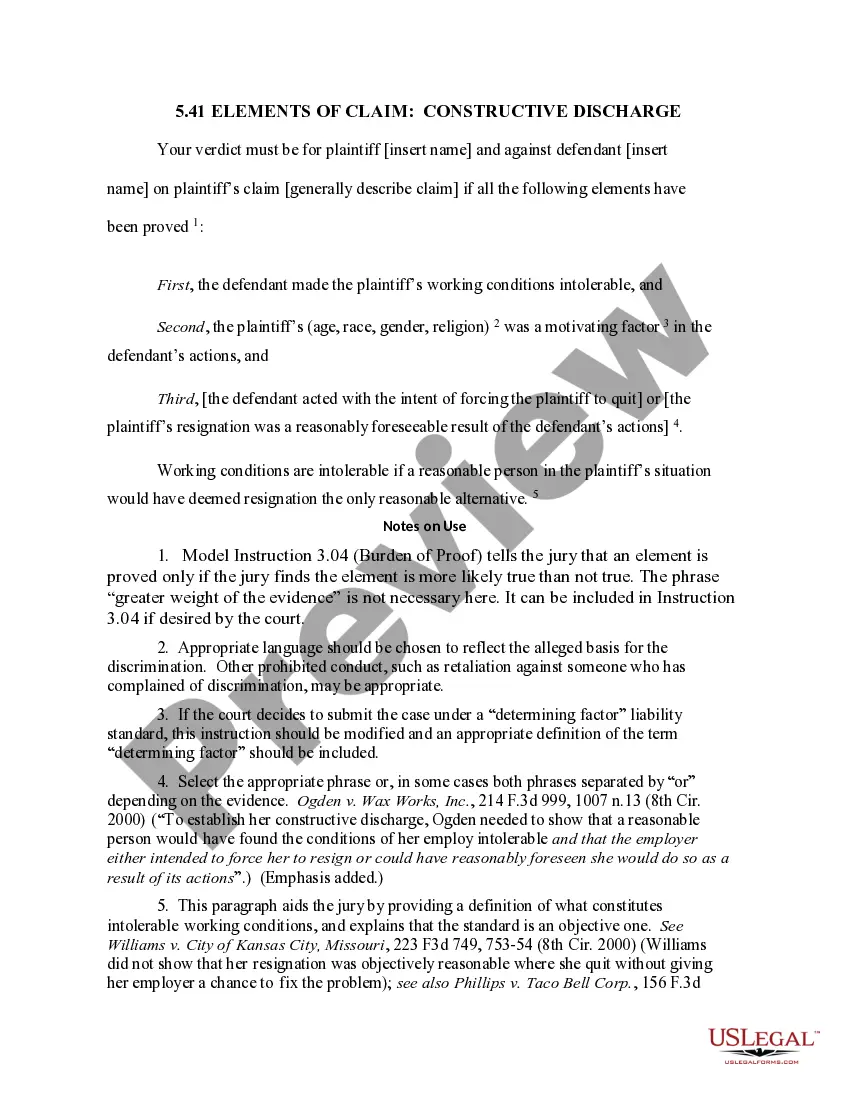
Montana Motion to Bar Introduction of Any Evidence Relating to Prior Convictions or Bad Acts
Description
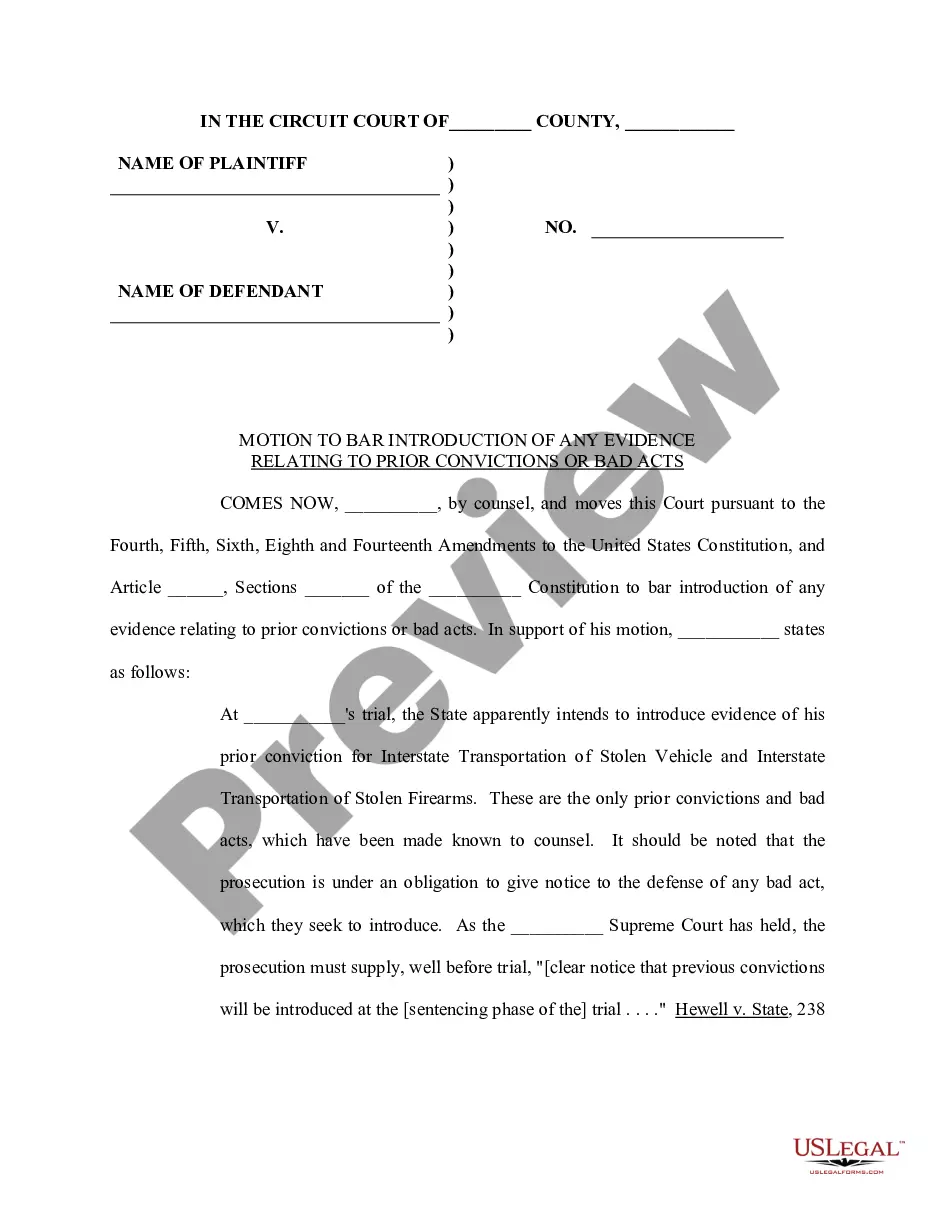
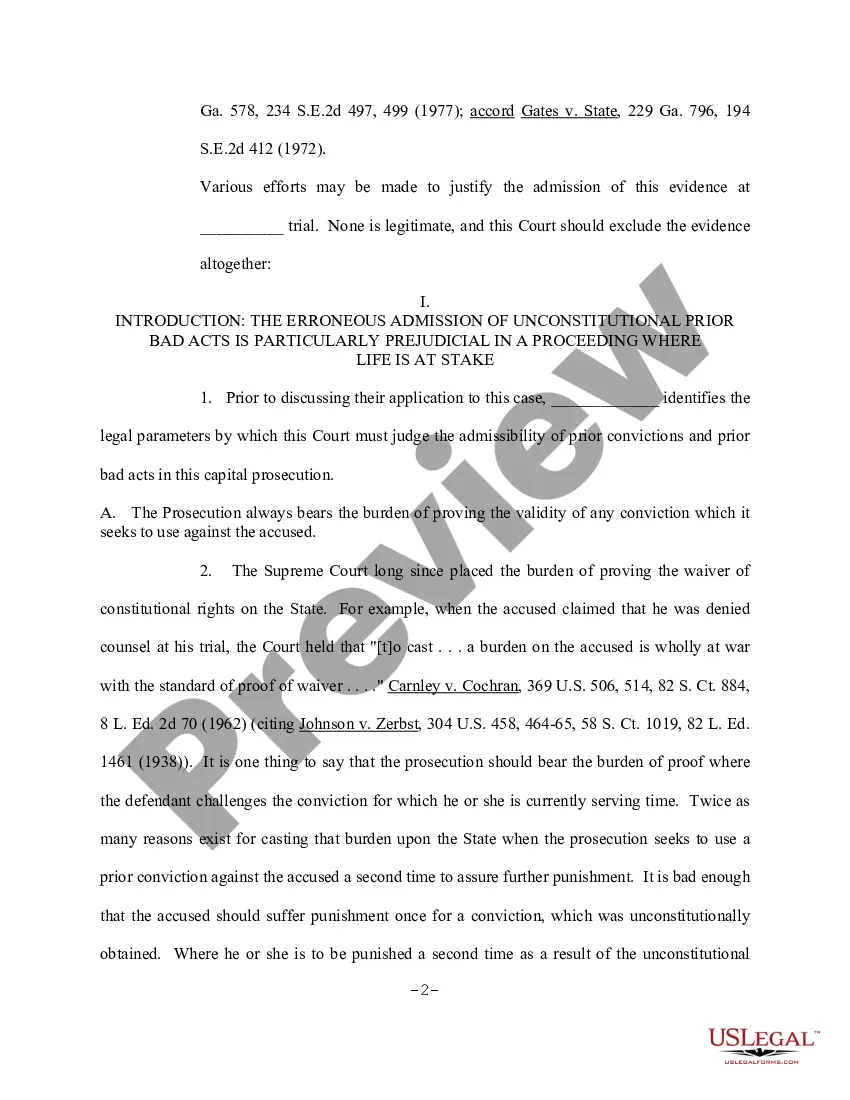
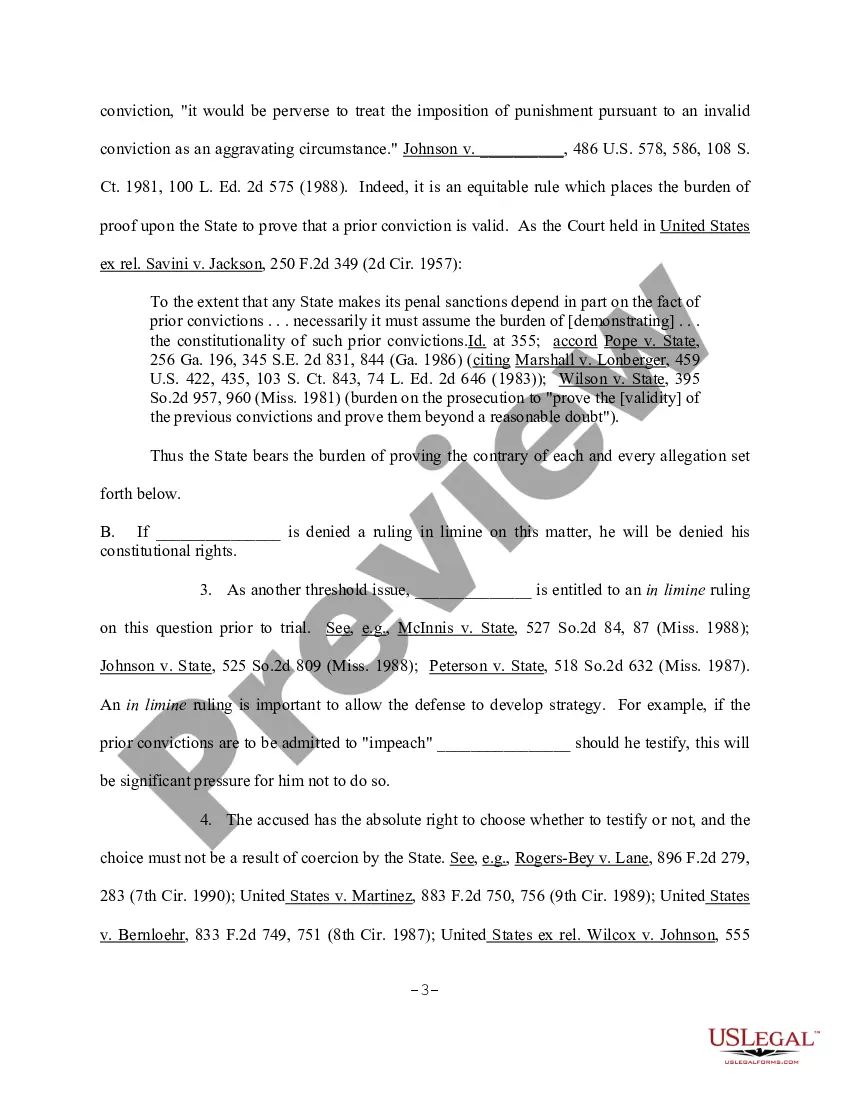
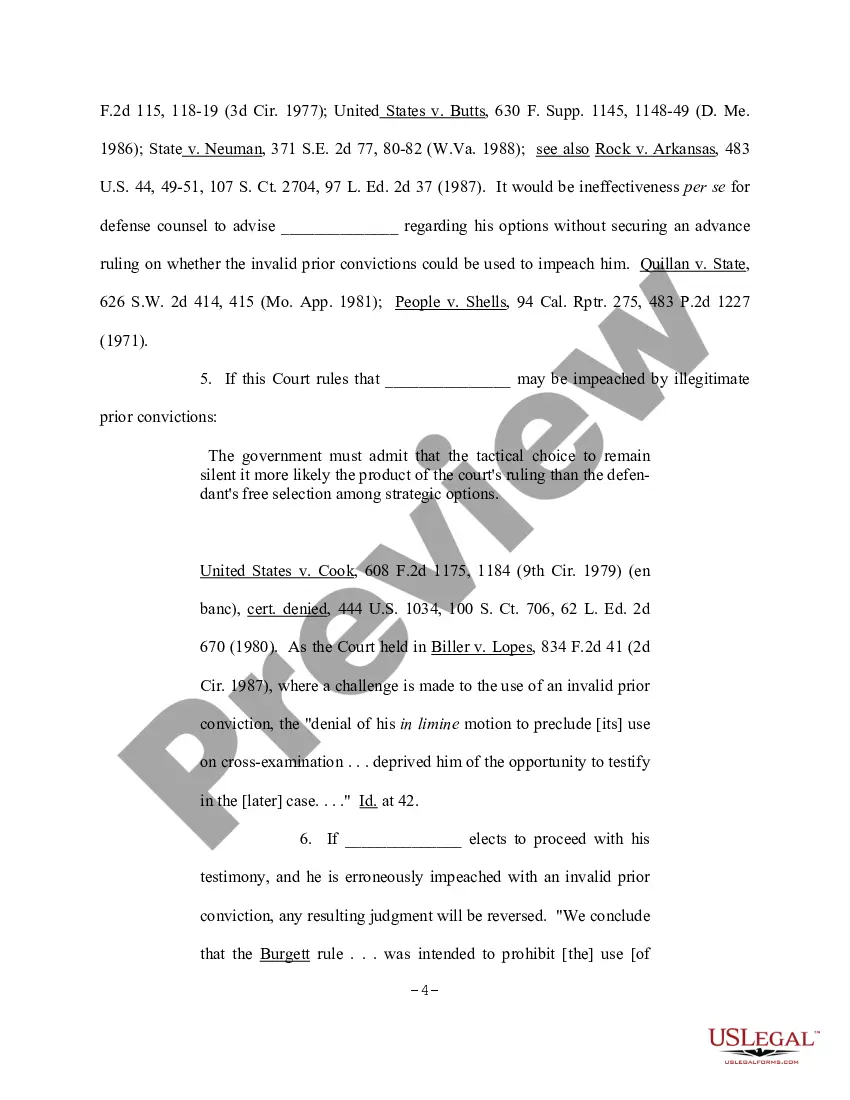
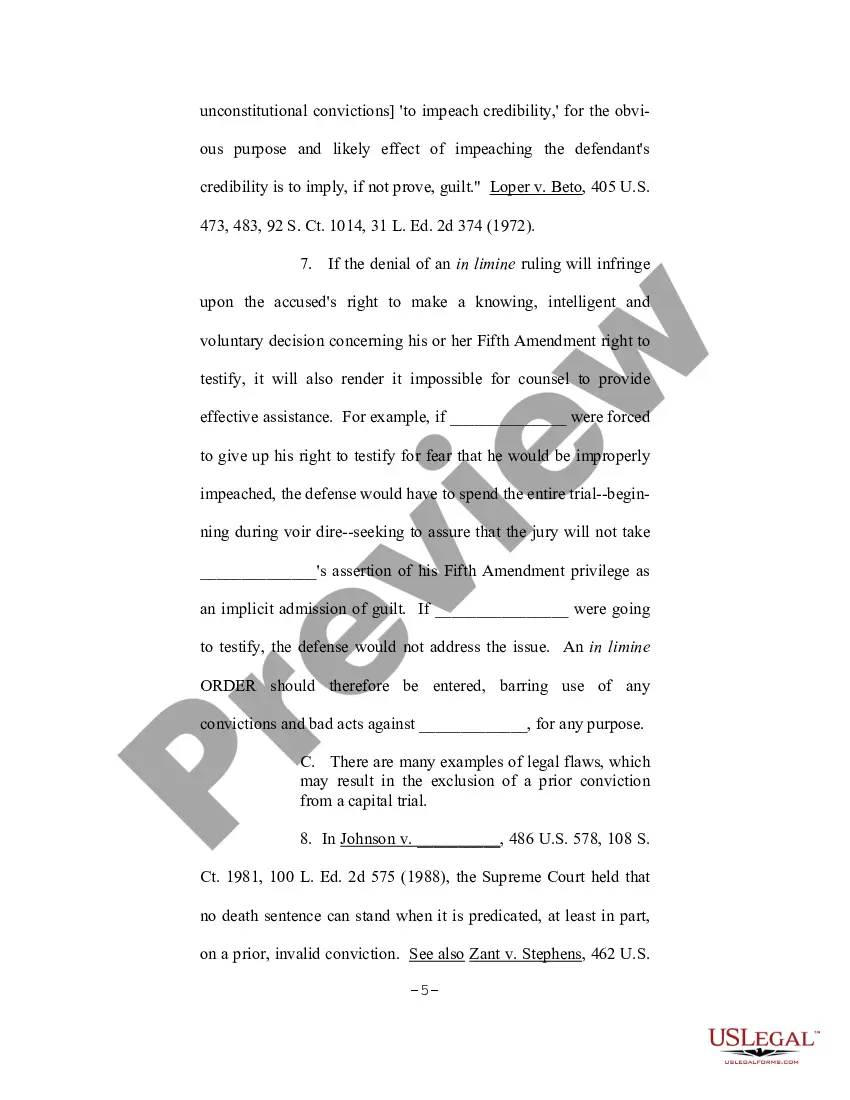
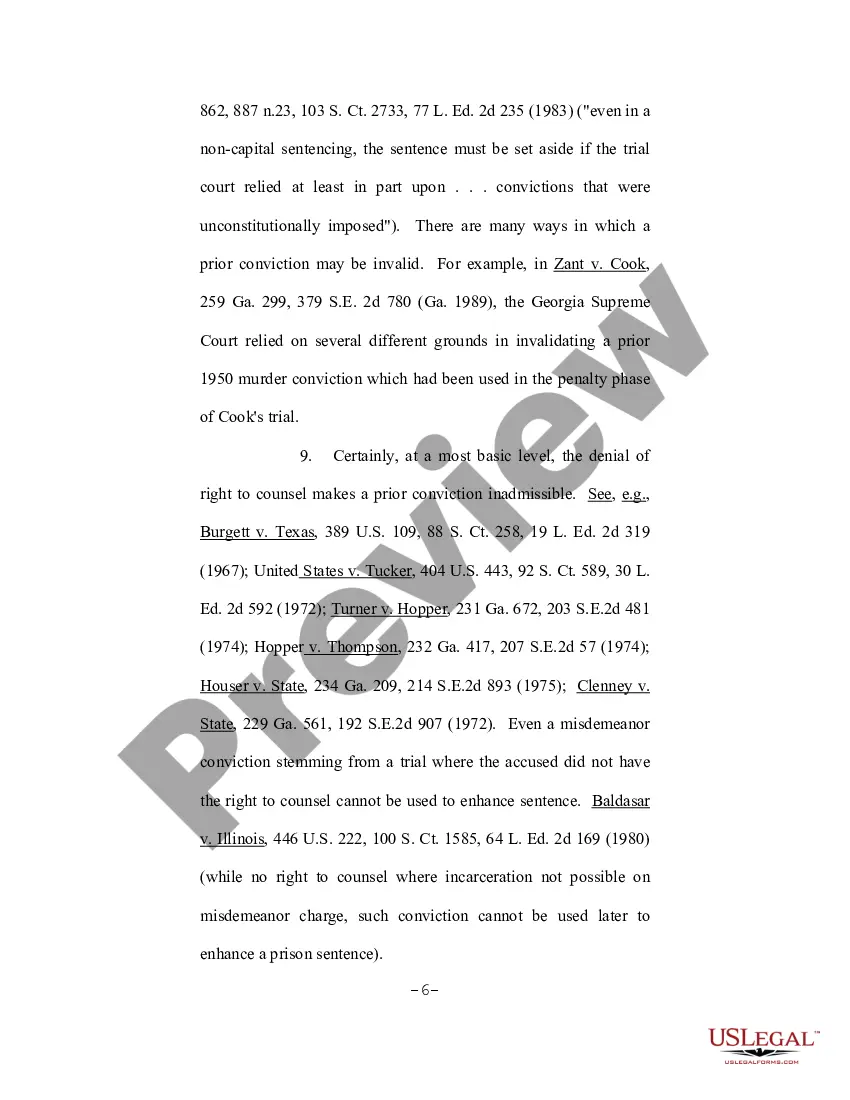
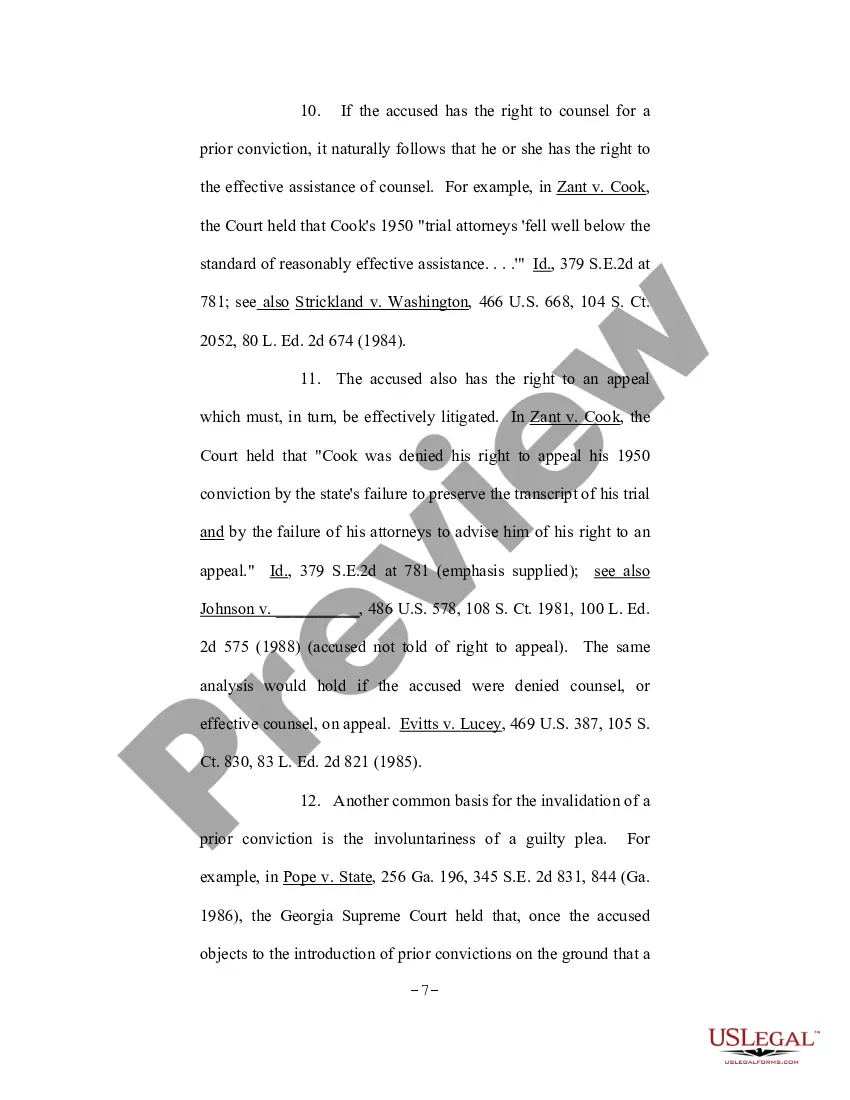
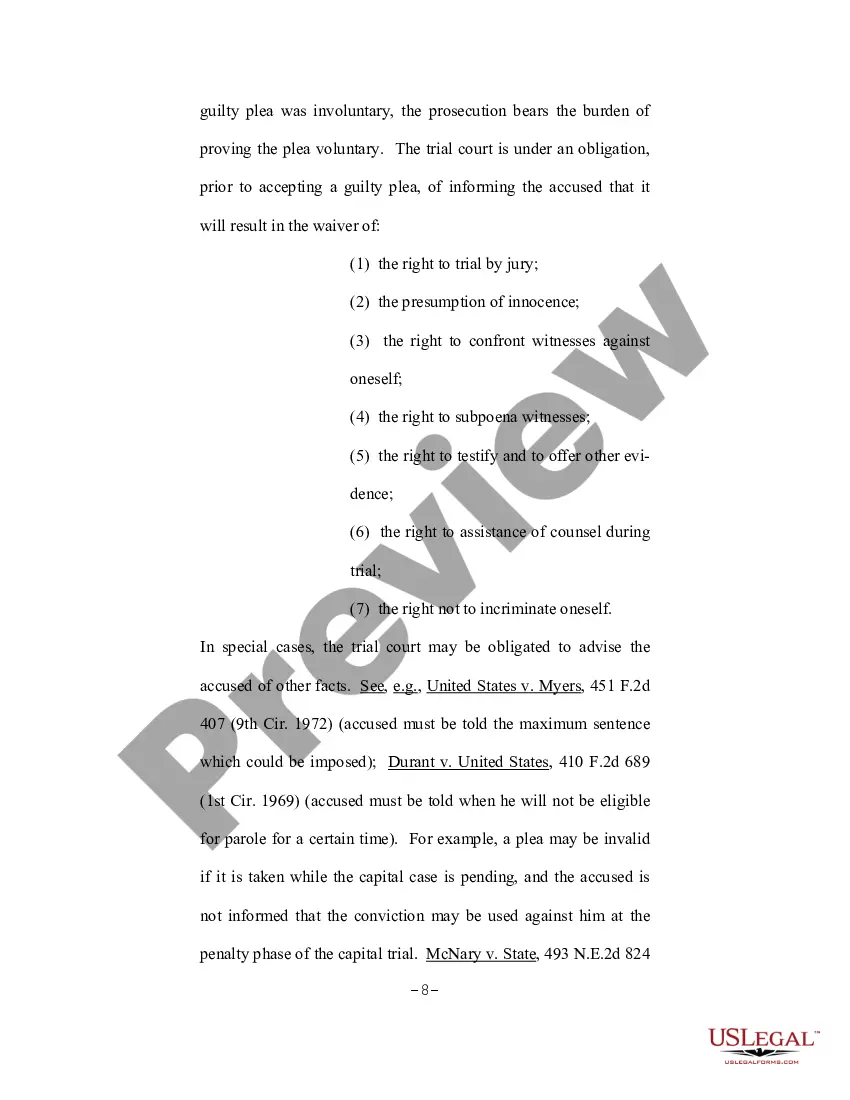
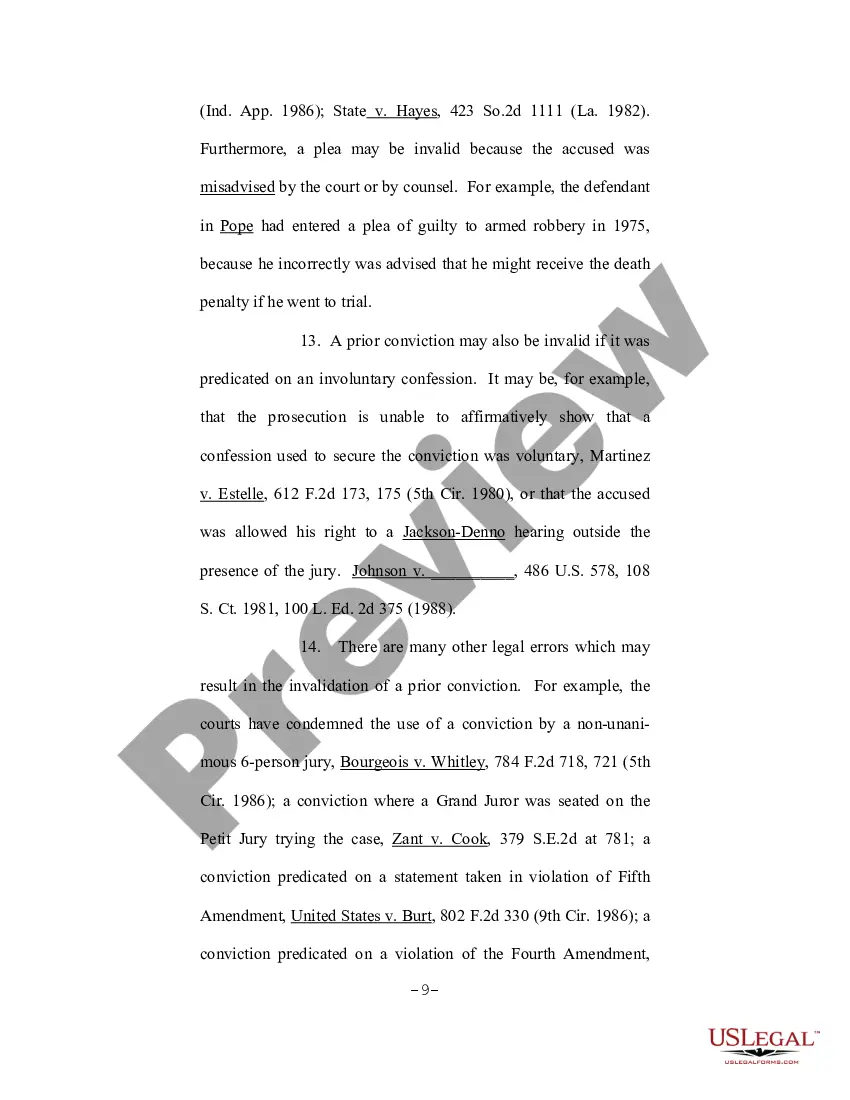
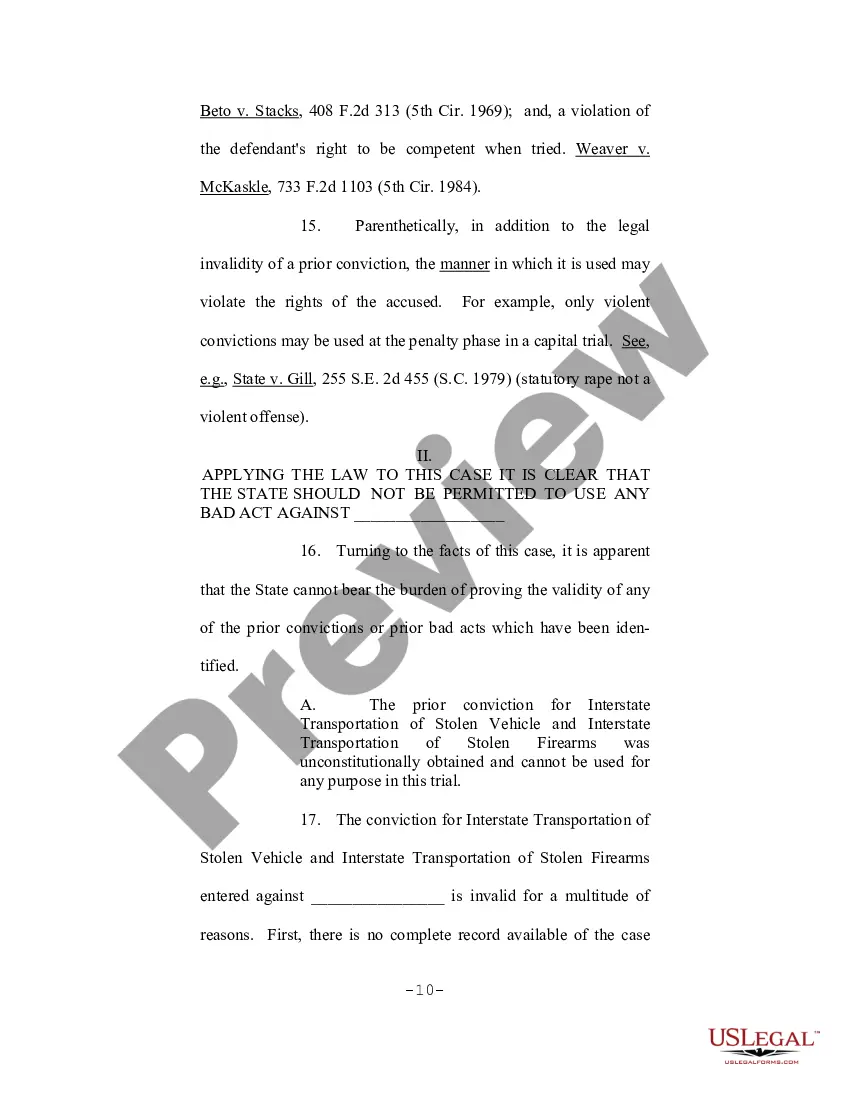

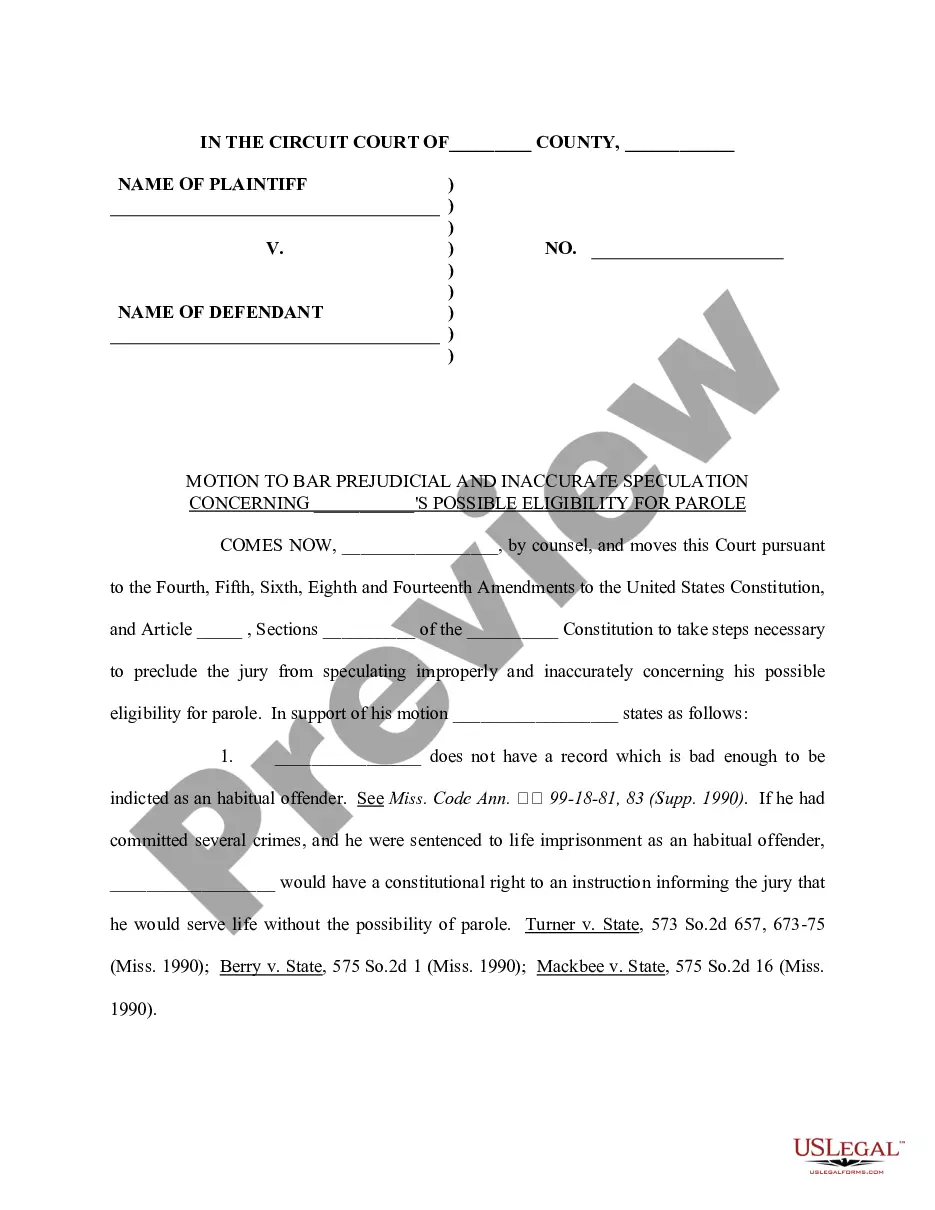
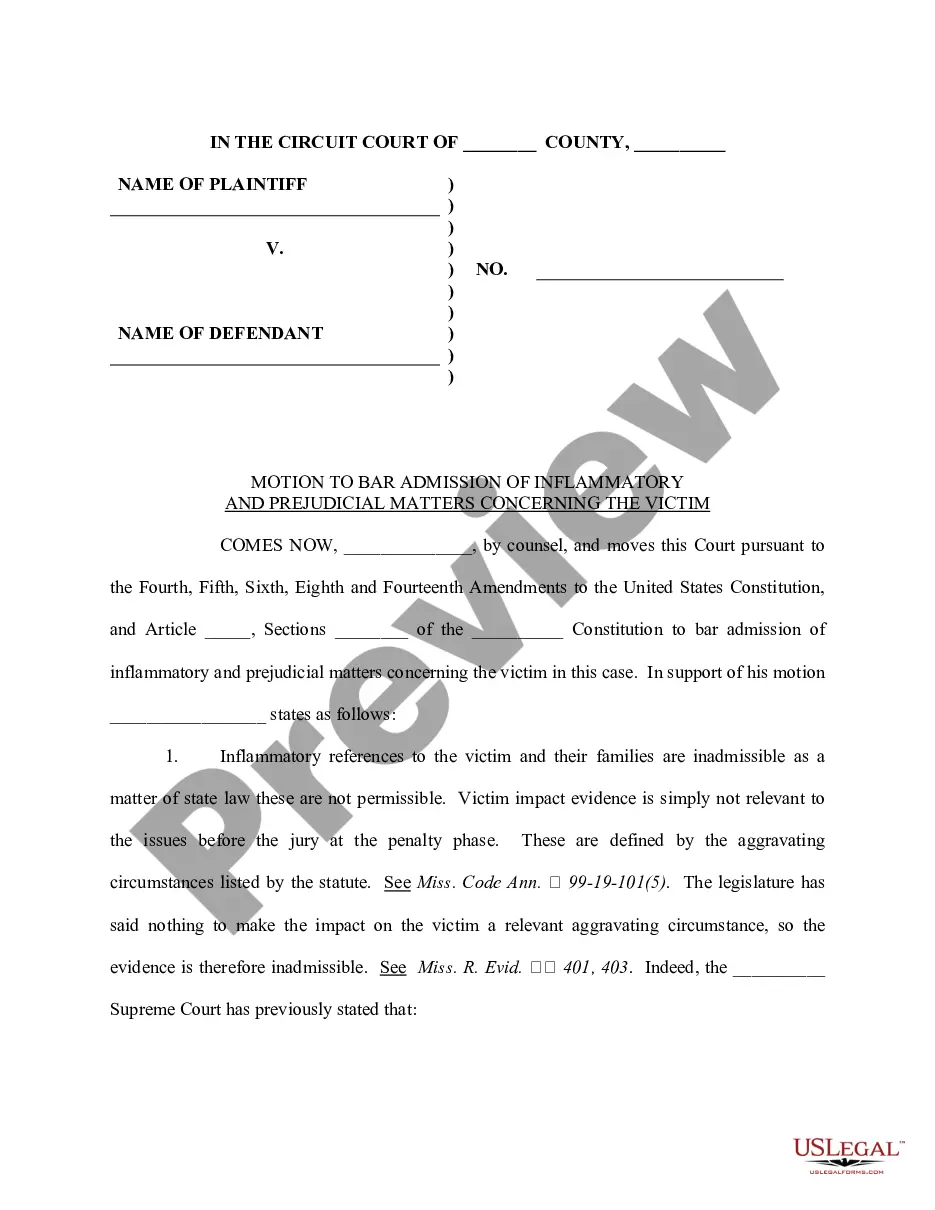
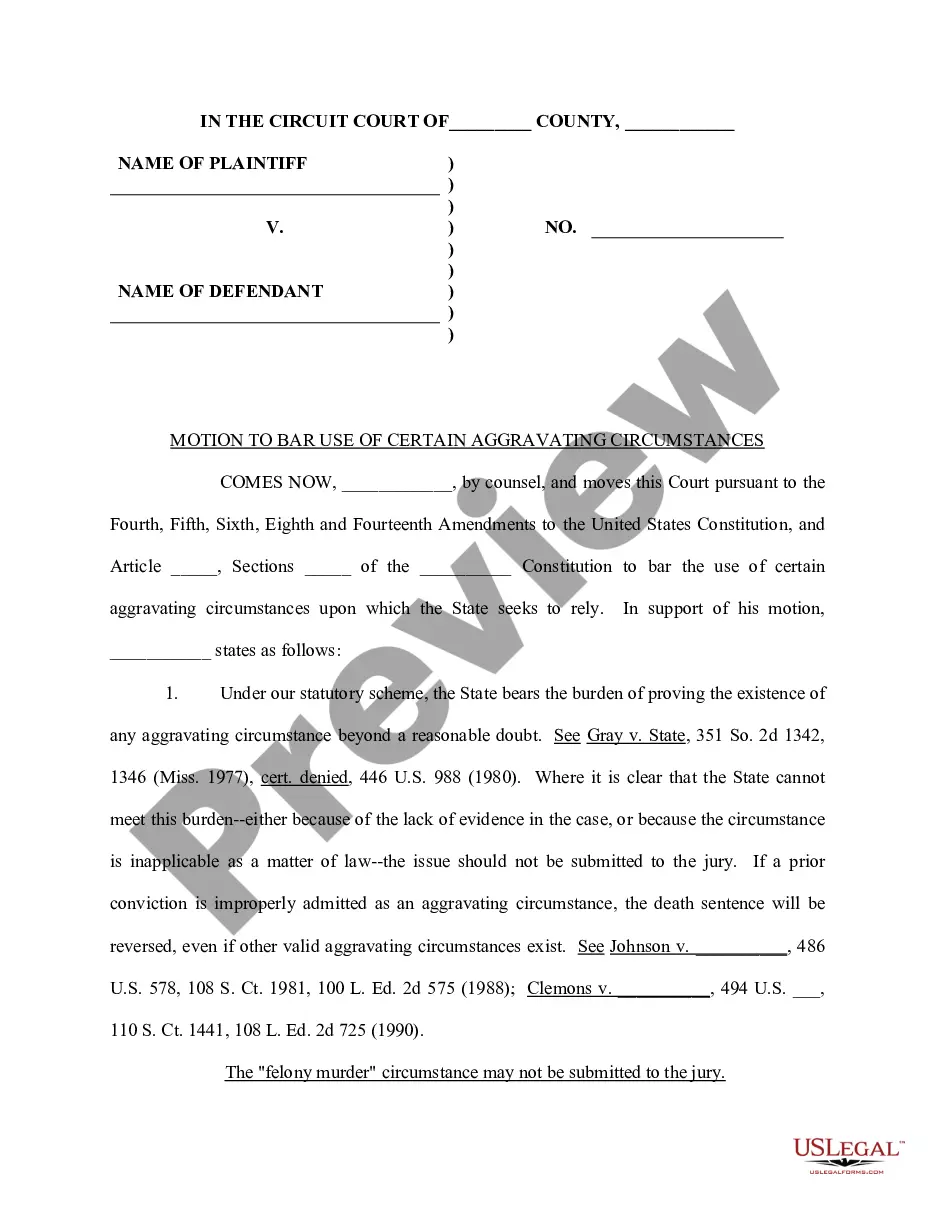
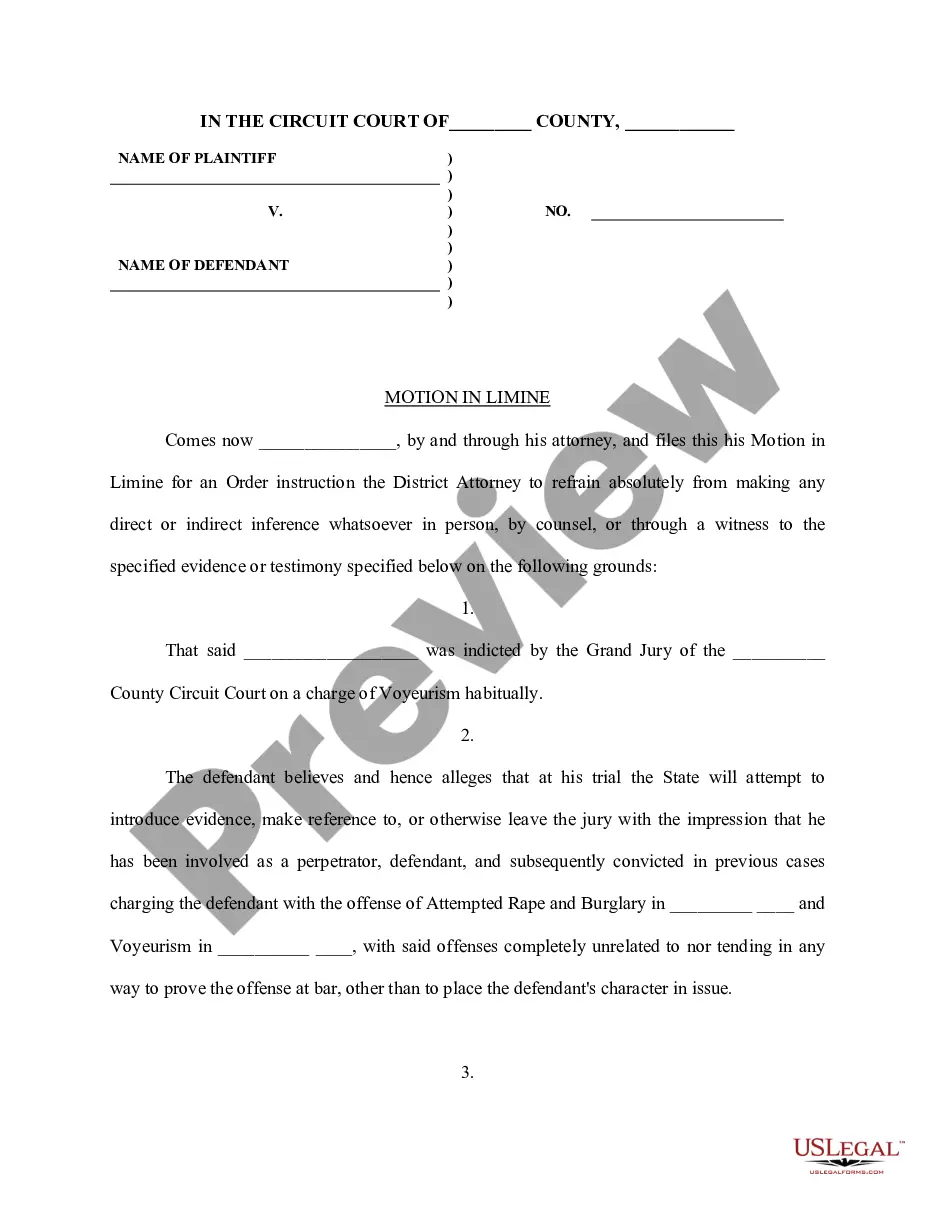
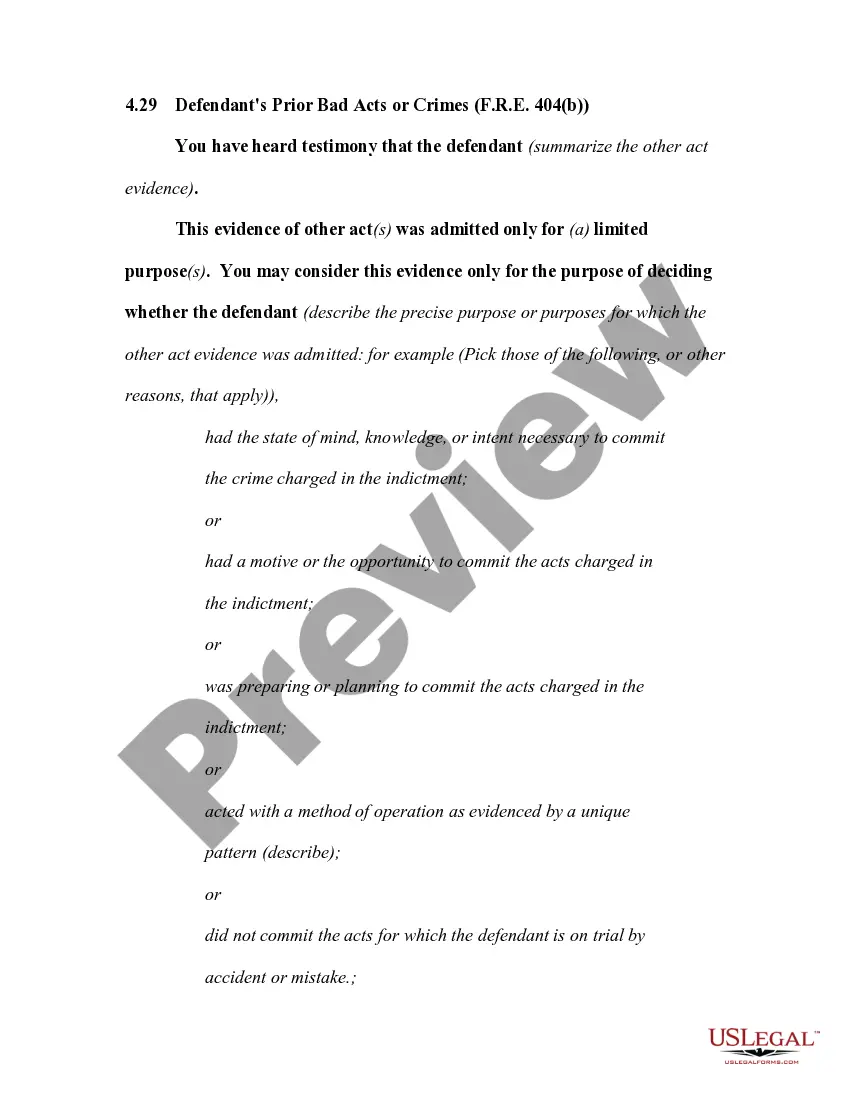
How to fill out Motion To Bar Introduction Of Any Evidence Relating To Prior Convictions Or Bad Acts?
Are you presently in a position where you frequently require documents for potential organizational or personal purposes? There are numerous legal document templates accessible online, but finding reliable versions can be challenging. US Legal Forms provides thousands of form templates, including the Montana Motion to Bar Introduction of Any Evidence Relating to Prior Convictions or Bad Acts, designed to meet federal and state requirements.
If you are already acquainted with the US Legal Forms website and possess an account, simply Log In. After that, you can download the Montana Motion to Bar Introduction of Any Evidence Relating to Prior Convictions or Bad Acts template.
If you do not have an account and wish to start using US Legal Forms, follow these steps: Find the form you need and ensure it is for the correct city/state. Use the Preview feature to review the document. Check the details to confirm you have chosen the correct form. If the form is not what you’re looking for, utilize the Search box to locate the form that suits your needs and requirements. If you discover the right form, click Acquire now. Select the pricing plan you prefer, enter the required information to create your account, and pay for your order using PayPal or Visa or Mastercard. Choose a convenient file format and download your copy.
Avoid altering or removing any HTML tags. Only synonymize plain text outside of the HTML tags.
- Find all the document templates you may have purchased in the My documents menu.
- You can obtain an additional copy of Montana Motion to Bar Introduction of Any Evidence Relating to Prior Convictions or Bad Acts at any time if necessary.
- Simply select the required form to download or print the document template.
- Utilize US Legal Forms, the most comprehensive collection of legal forms, to conserve time and prevent errors.
- The service provides properly crafted legal document templates that you can use for various purposes.
- Create an account on US Legal Forms and start making your life easier.
Form popularity
FAQ
Impeachment by evidence of conviction of crime. For the purpose of attacking the credibility of a witness, evidence that the witness has been convicted of a crime is not admissible. History: Ad.
(a) Reputation or Opinion Evidence. A witness's credibility may be attacked or supported by testimony about the witness's reputation for having a character for truthfulness or untruthfulness, or by testimony in the form of an opinion about that character.
Evidence of specific acts relevant to a witness's credibility is governed by Military Rule of Evidence 608 (b). That rule permits counsel to ask questions about specific acts of the witness that goes to their credibility or character for truthfulness. Extrinsic evidence of those acts is not permitted under this rule.
As submitted by the Court, Rule 611(b) provided: A witness may be cross-examined on any matter relevant to any issue in the case, including credibility. In the interests of justice, the judge may limit cross-examination with respect to matters not testified to on direct examination.
The credibility of a witness may be attacked or supported by evidence in the form of opinion or reputation, but subject to these limitations: (1) the evidence may refer only to character for truthfulness or untruthfulness, and (2) evidence of truthful character is admissible only after the character of the witness for ...
Federal Rule of Evidence 404(b) provides that prior act evidence ?is not admissible to prove the character of a person in order to show action in conformity therewith.? Evidence of prior bad acts usually cannot be admitted at trial to show the defendant's propensity to commit crimes similar to the offense in question.
Rule 104. Preliminary questions of admissibility. (a) Questions of admissibility generally. Preliminary questions concerning the qualification of a person to be a witness, the existence of a privilege, or the admissibility of evidence shall be determined by the court.
Evidence of a person's character or a trait of character is not admissible for the purpose of proving action in conformity therewith on a particular occasion, except: (1) Character of accused. Evidence of a pertinent trait of character offered by an accused, or by the prosecution to rebut the same.