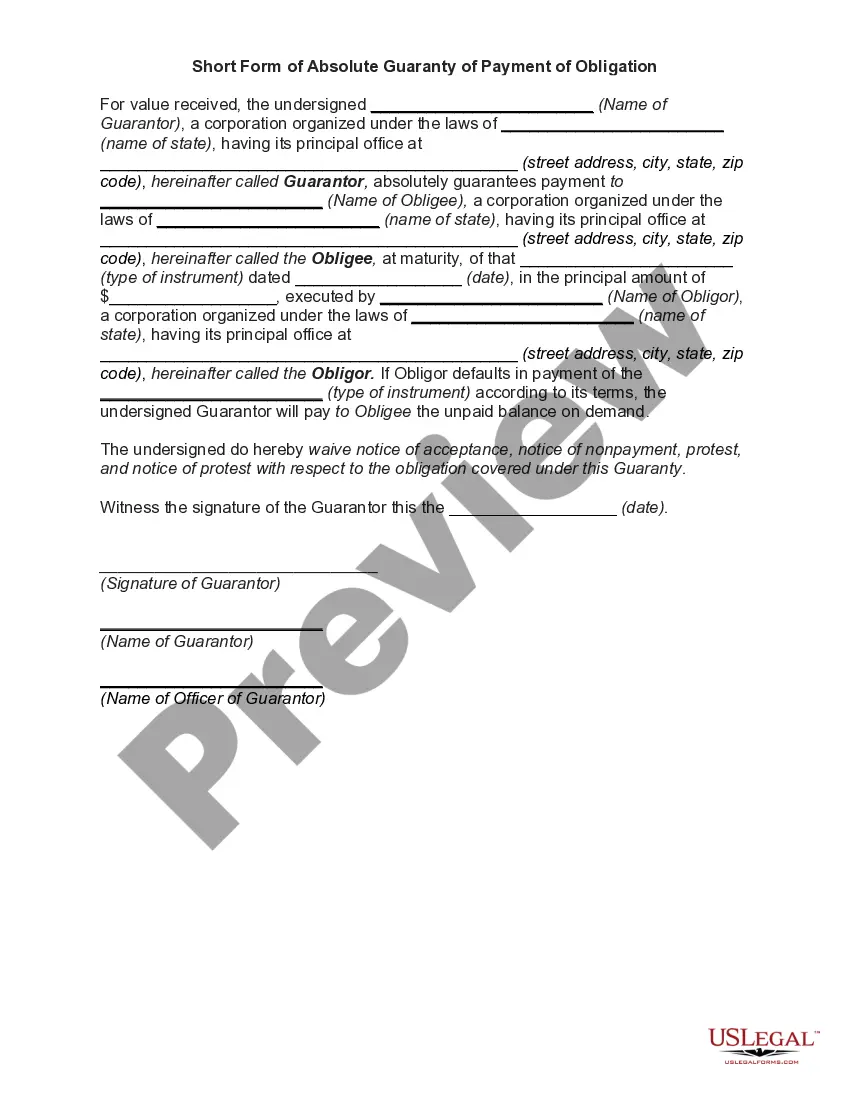
Montana Affidavit by an Attorney-in-Fact in the Capacity of an Executor of an Estate
Description
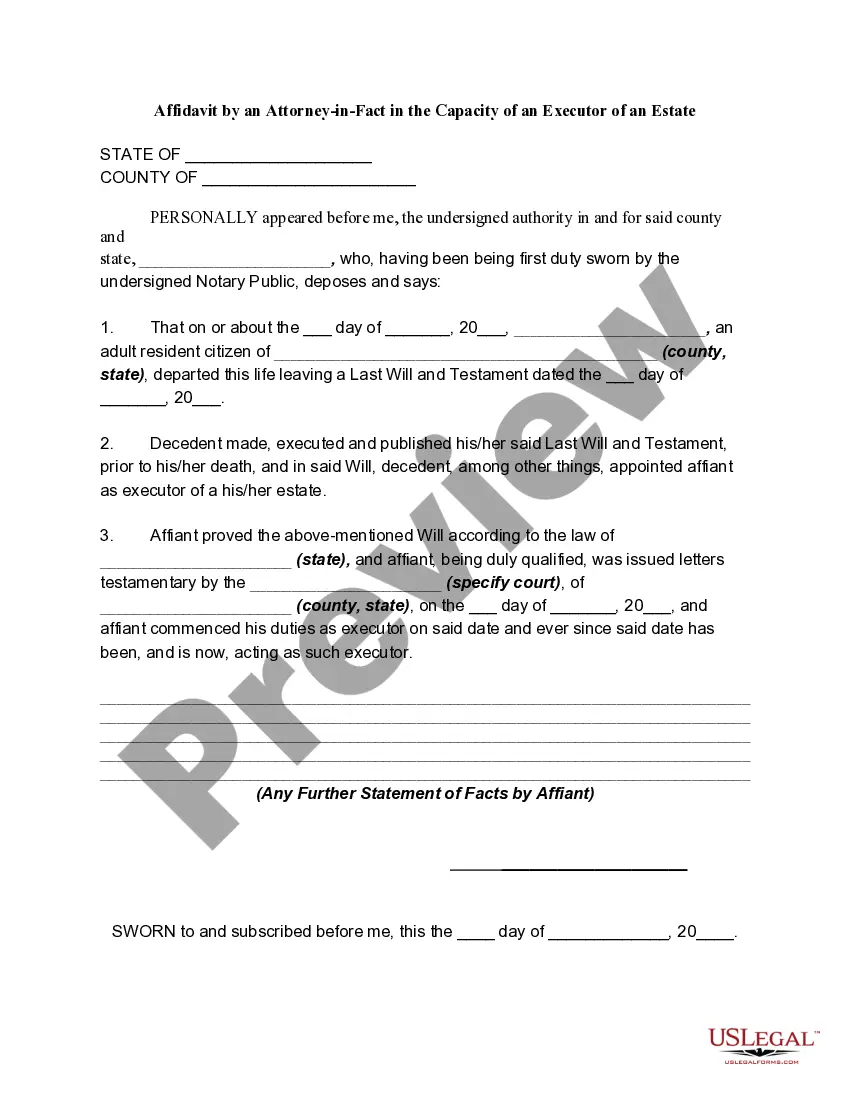

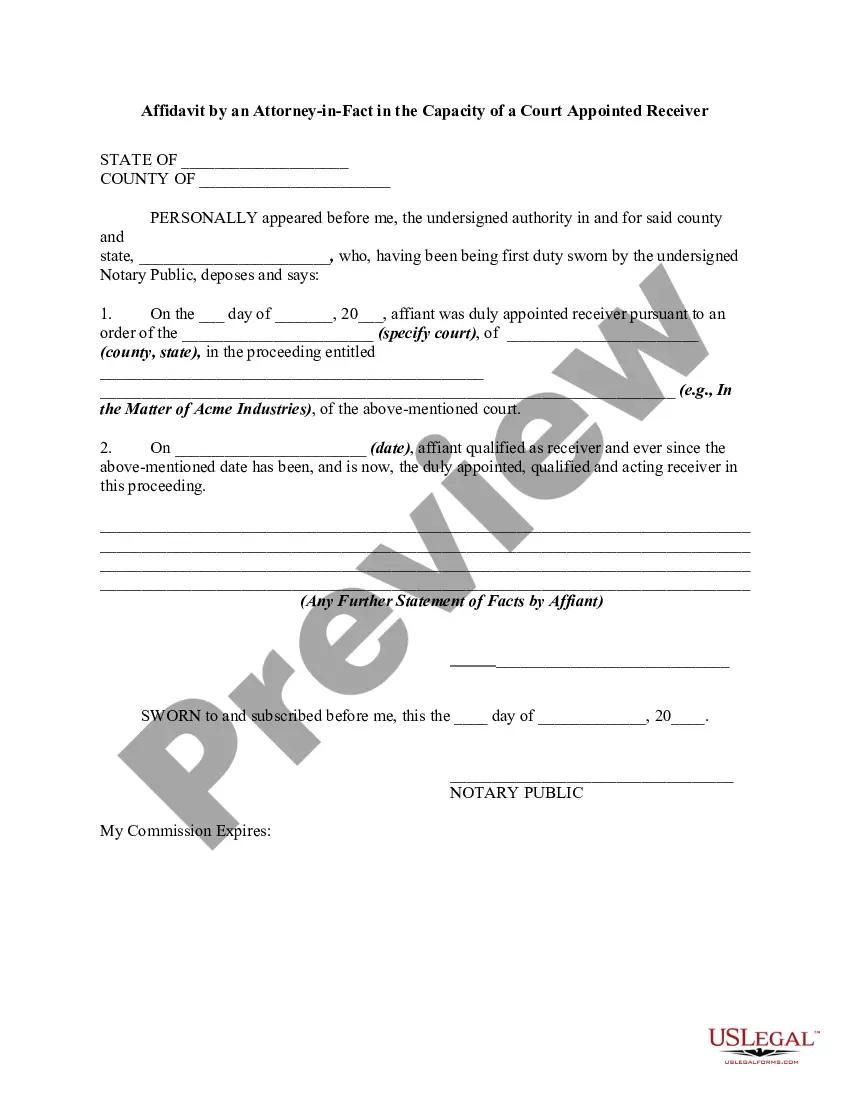
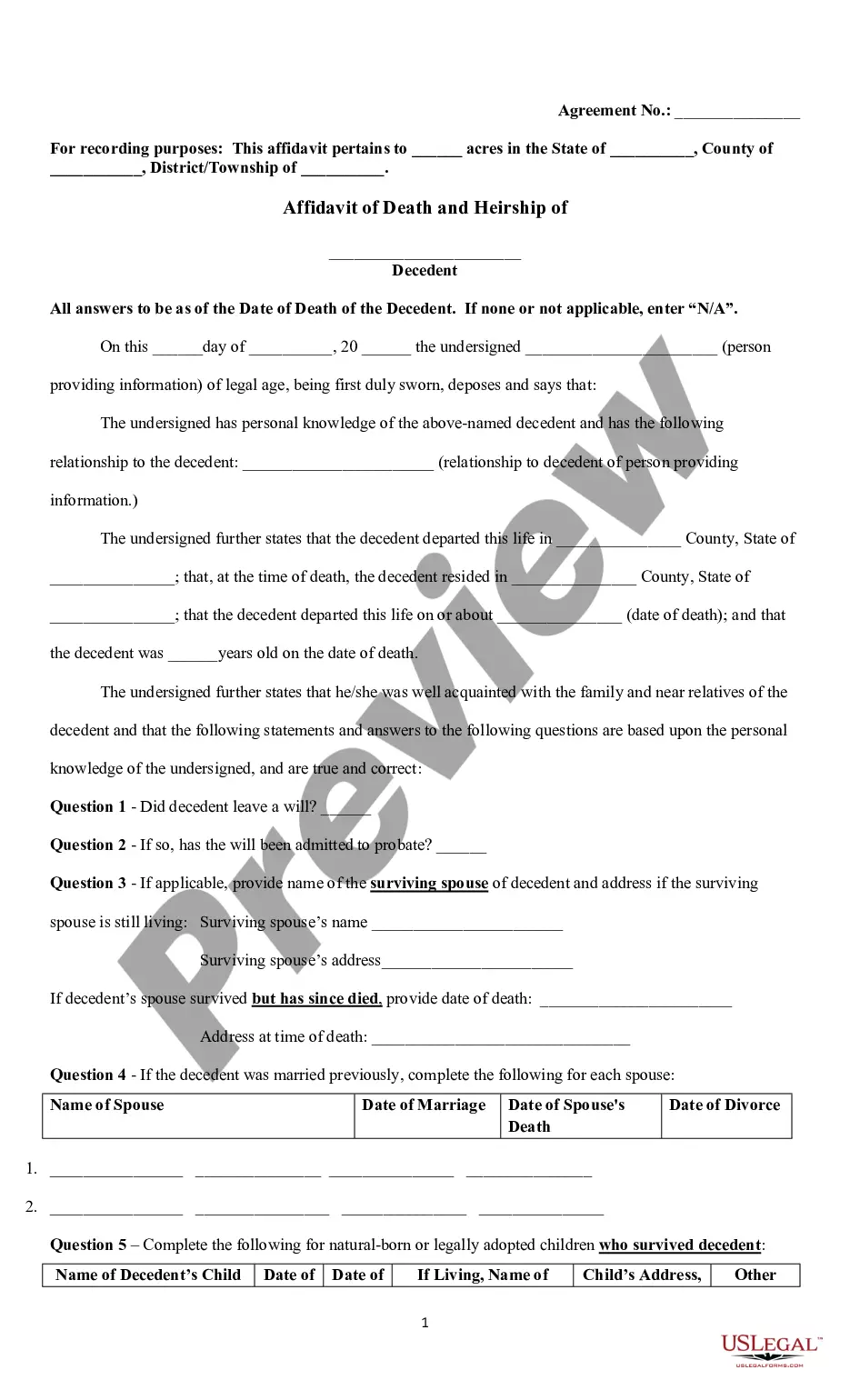
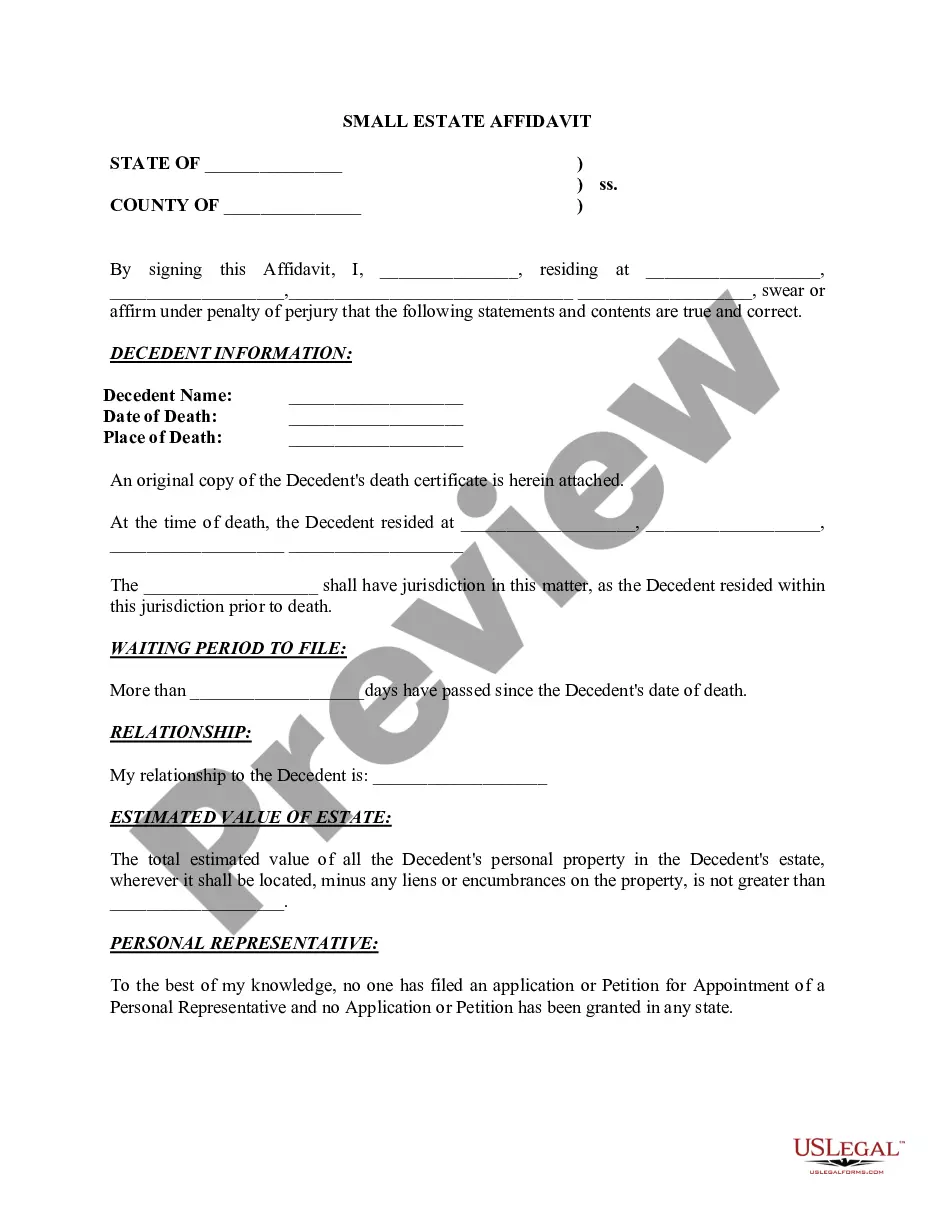


How to fill out Affidavit By An Attorney-in-Fact In The Capacity Of An Executor Of An Estate?
It is feasible to spend hours online searching for the appropriate legal document template that satisfies the state and federal stipulations you require. US Legal Forms offers a vast array of legal forms that are reviewed by professionals.
You can easily download or print the Montana Affidavit by an Attorney-in-Fact in the Role of an Executor of an Estate from their service.
If you already possess a US Legal Forms account, you can Log In and select the Acquire option. Subsequently, you can complete, modify, print, or sign the Montana Affidavit by an Attorney-in-Fact in the Role of an Executor of an Estate. Every legal document template you purchase is yours permanently. To obtain another copy of any purchased form, go to the My documents tab and click on the appropriate option.
Choose the format of your document and download it to your device. Make modifications to your document if necessary. You can complete, revise, sign, and print the Montana Affidavit by an Attorney-in-Fact in the Role of an Executor of an Estate. Obtain and print numerous document templates using the US Legal Forms website, which offers the largest selection of legal forms. Utilize professional and state-specific templates to address your business or personal needs.
- If you are using the US Legal Forms site for the first time, follow the straightforward instructions below.
- First, ensure you have selected the correct document template for the state/city of your choice. Review the form description to confirm you have chosen the right form.
- If available, utilize the Preview option to review the document template as well.
- If you wish to find another version of your form, use the Search field to locate the template that fits your needs and requirements.
- Once you have found the template you need, click Purchase now to proceed.
- Select the pricing plan you require, enter your details, and register for your account on US Legal Forms.
- Complete the transaction. You can use your credit card or PayPal account to pay for the legal document.
Form popularity
FAQ
The trustee has the power to do any of the following: (a) Subdivide or develop land. (b) Dedicate land to public use. (c) Make or obtain the vacation of plats and adjust boundaries. (d) Adjust differences in valuation on exchange or partition by giving or receiving consideration.
An executor of an estate helps file paperwork, close accounts, distribute assets of the deceased, deal with probate and any court filings and navigate family dynamics. Some of the tasks include: Locating critical documents, like the will, any trusts, deeds, vehicle titles, etc. Obtaining death certificates.
All three roles have different obligations. Generally, an executor administers the estate of the person who died, while a trustee administers a trust for the benefit of the named beneficiaries. A guardian makes decisions for minor children of the person who died or for an incapacitated adult.
If you have a trust and funded it with most of your assets during your lifetime, your successor Trustee will have comparatively more power than your Executor. ?Attorney-in-Fact,? ?Executor? and ?Trustee? are designations for distinct roles in the estate planning process, each with specific powers and limitations.
Montana law requires that a testator have ?testamentary capacity.? This means that the testator must have been at least 18 years old and must have been ?of sound mind? at the time that they made the will. In other words, the testator must not have been suffering from a mental incapacity.
Sometimes, it might make sense to name a single person as both the executor and trustee, or to make sure that both parties get along with each other since they'll likely have to work together to settle the estate.
Section 72-3-1101 of the Montana Code provides that after 30 days have elapsed since the decedent's death, any person indebted to the decedent shall make payment of the indebtedness to a person claiming to be the successor of the decedent upon being presented an affidavit made by or on behalf of the successor.
No, they can't. A will's executor cannot take everything in a settlement unless they are the sole beneficiary of that will.