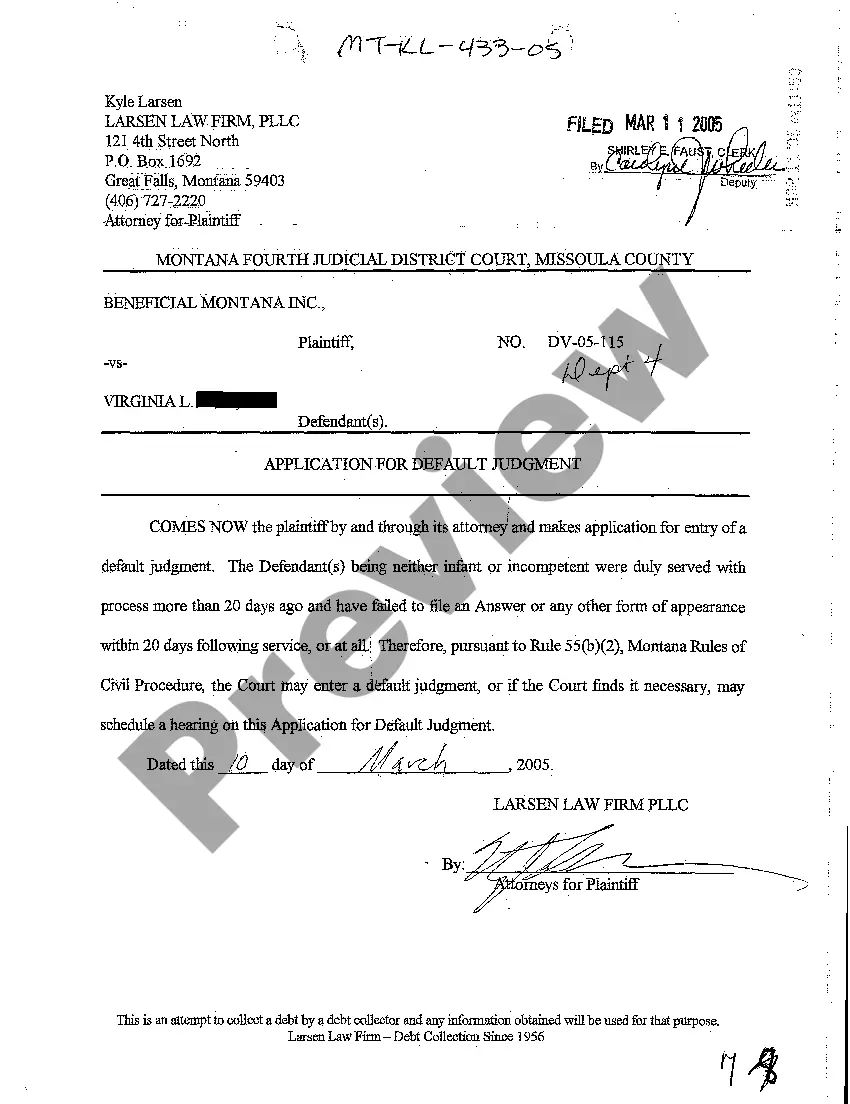
Montana Application for Default Judgment
Description
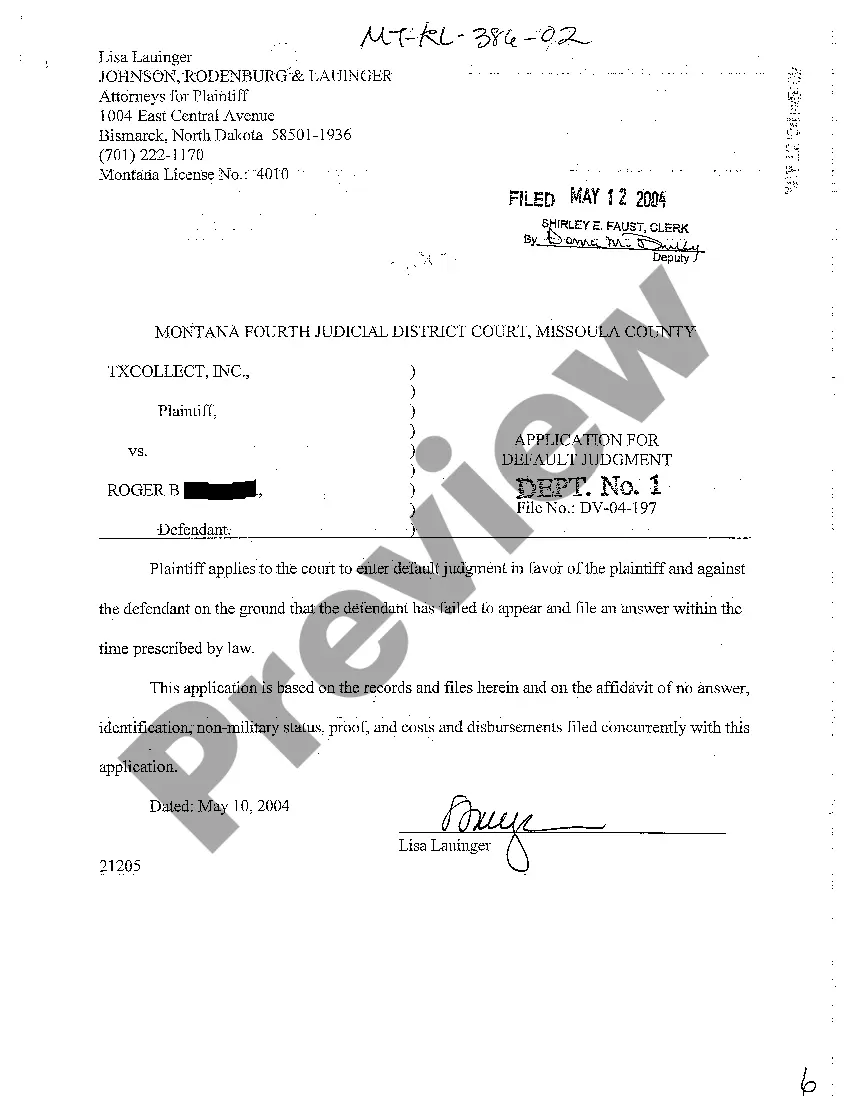
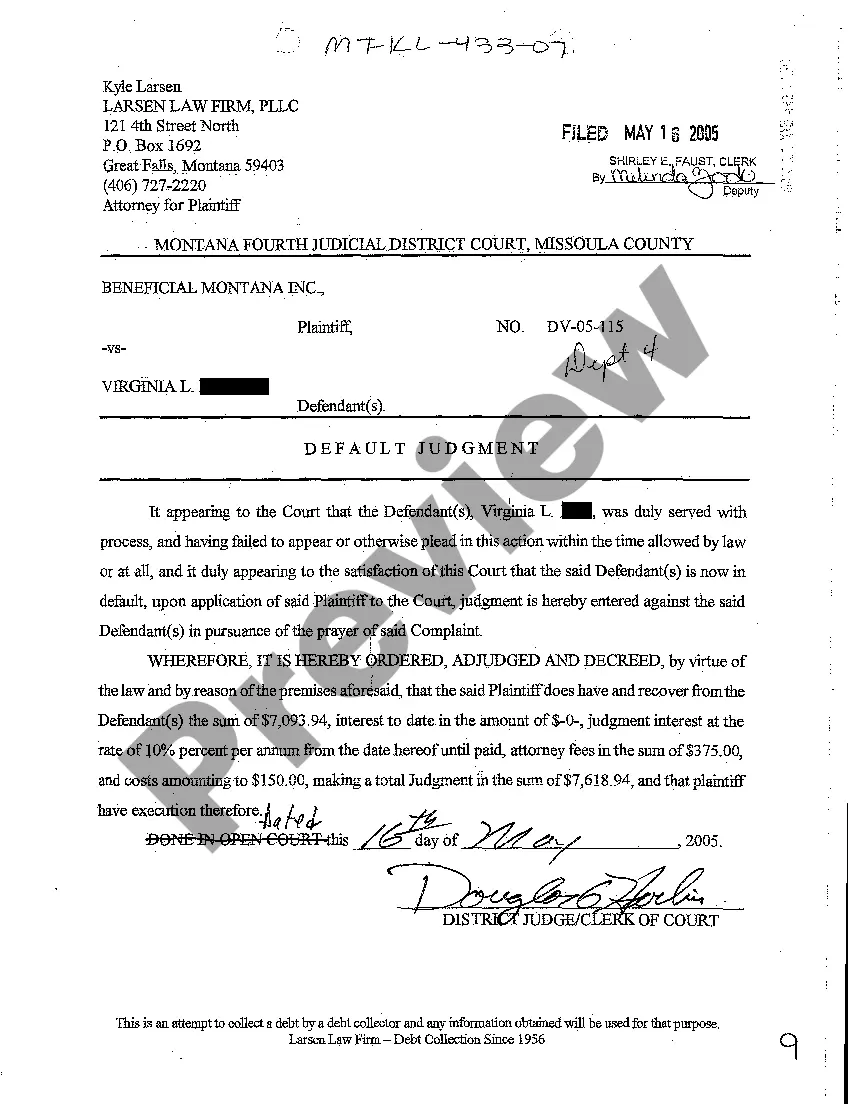
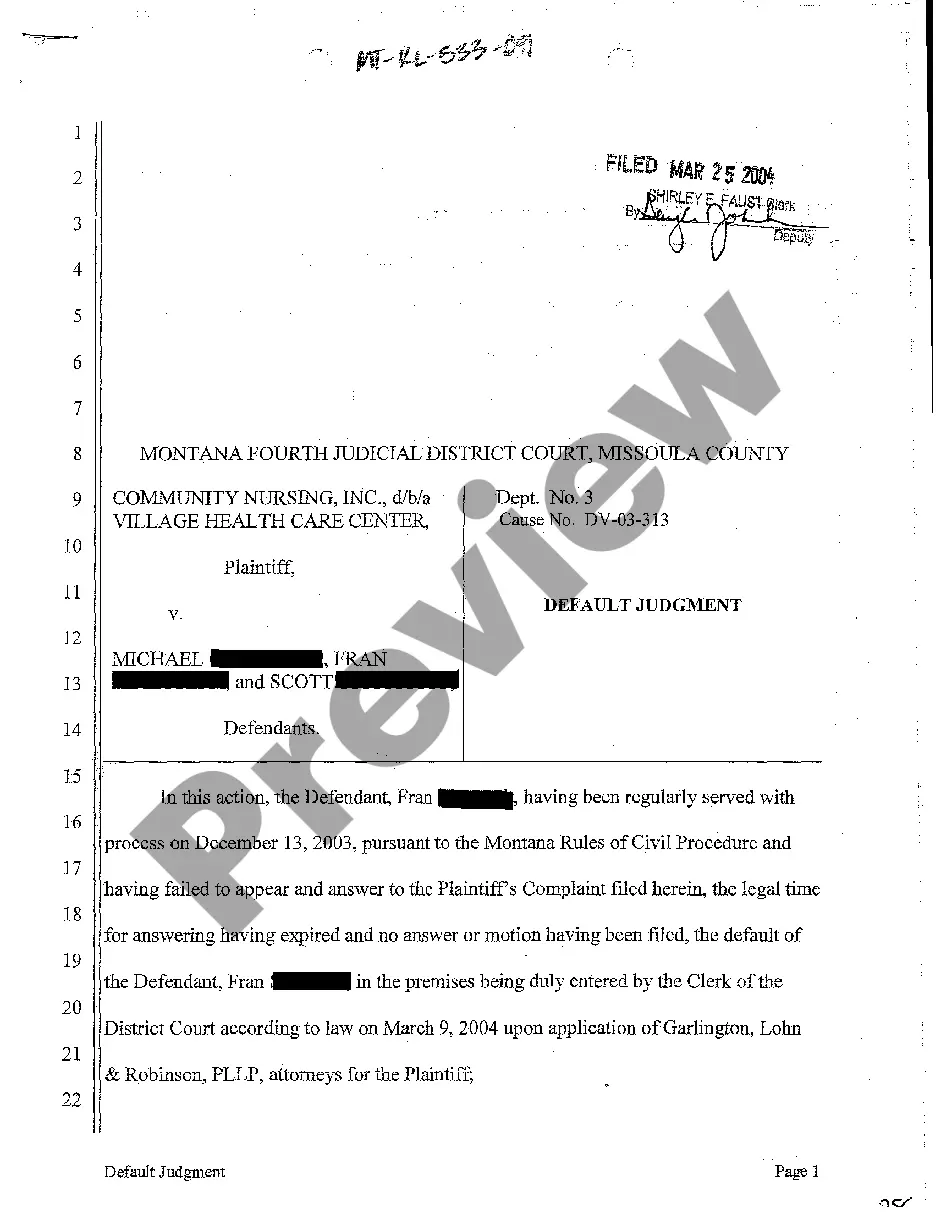
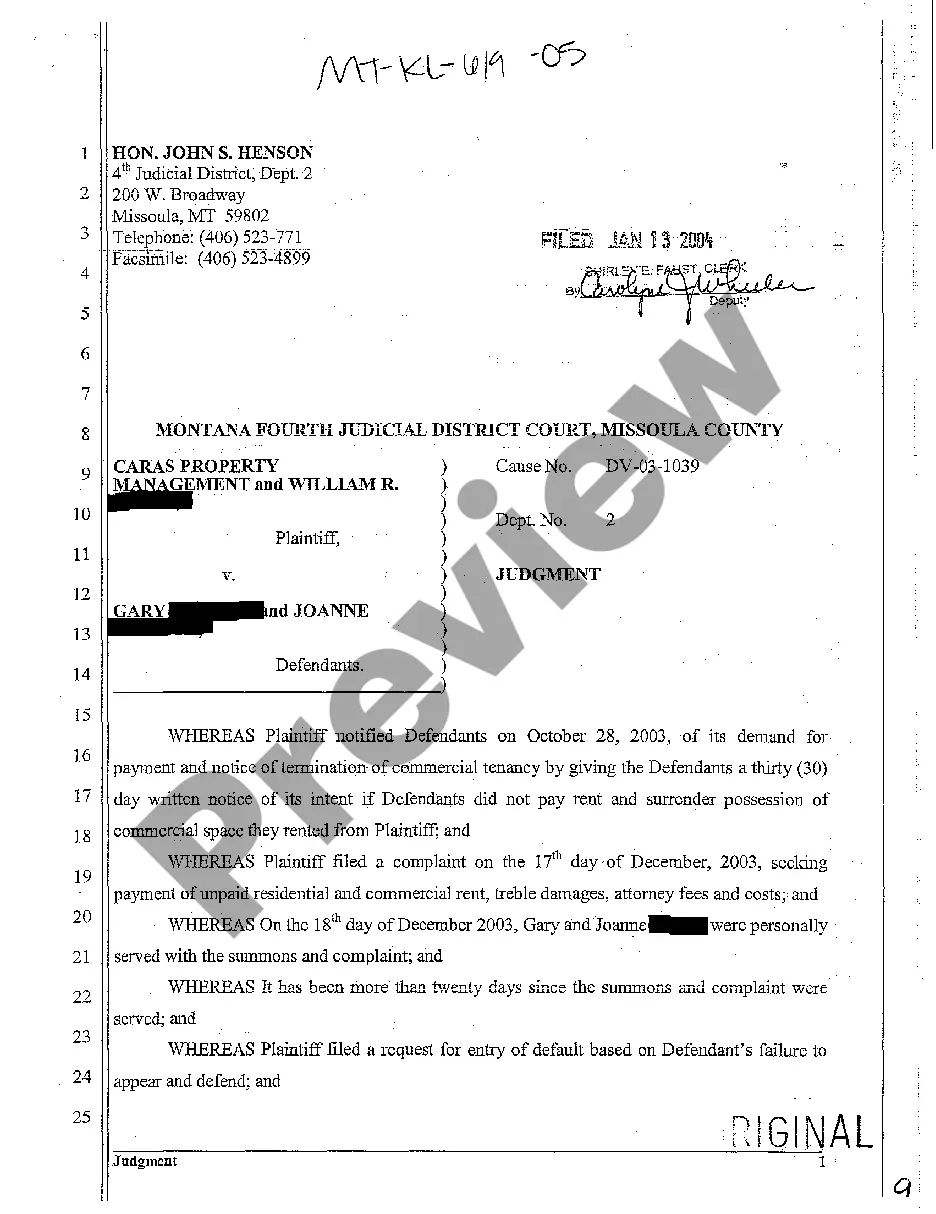

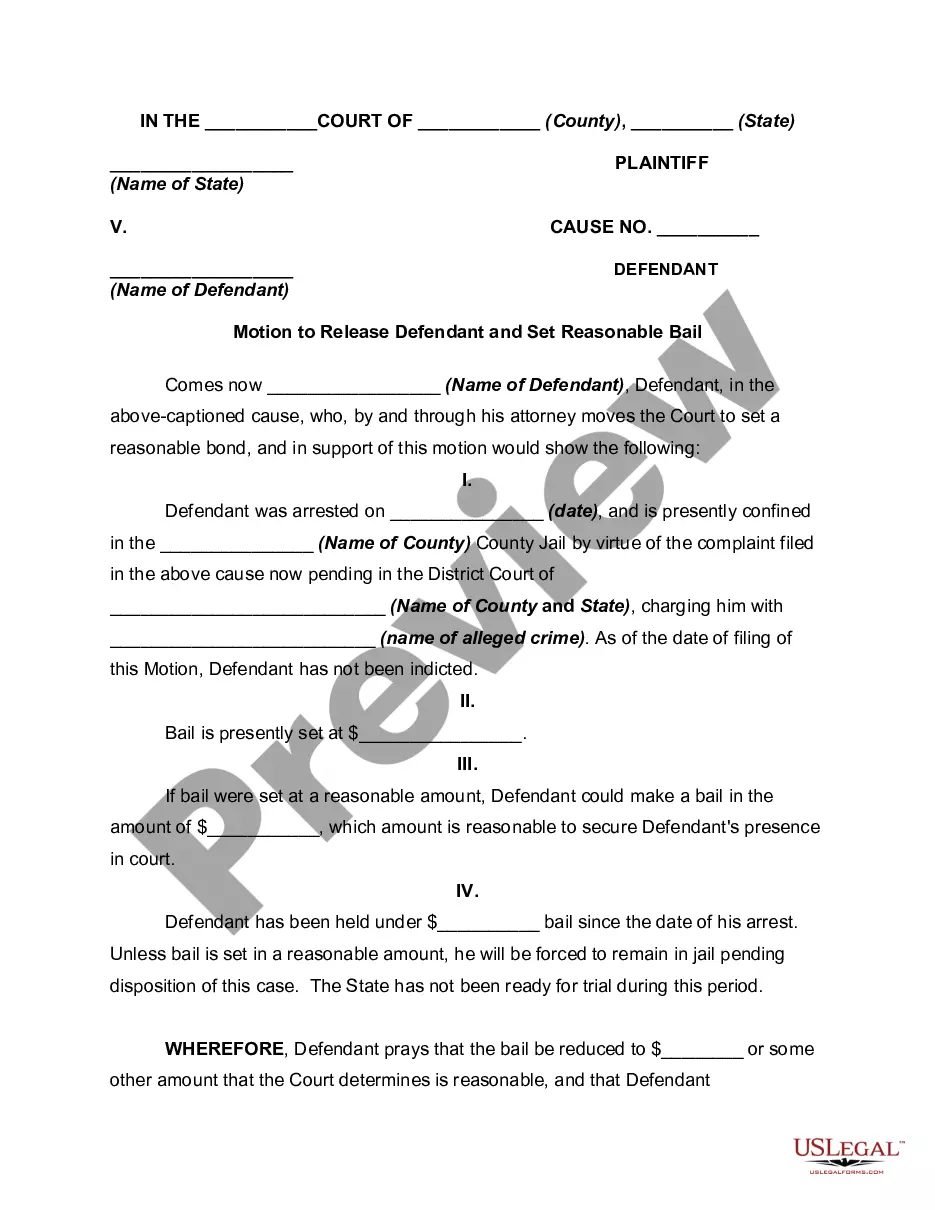
How to fill out Montana Application For Default Judgment?
Acquire a printable Montana Application for Default Judgment in just a few clicks from the most extensive collection of legal e-forms.
Locate, download, and print professionally crafted and certified samples on the US Legal Forms website. US Legal Forms has been the leading provider of economical legal and tax templates for US citizens and residents online since 1997.
After you’ve downloaded your Montana Application for Default Judgment, you can fill it out in any online editor or print it and complete it by hand. Utilize US Legal Forms to gain access to 85,000 professionally drafted, state-specific documents.
- Customers with an existing subscription must Log In directly to their US Legal Forms account, download the Montana Application for Default Judgment, and find it stored in the My documents section.
- Individuals without a subscription need to adhere to the following steps.
- Ensure your template complies with your state's regulations.
- If available, read the description of the form to learn more.
- If accessible, examine the document to view additional content.
- Once you are certain the template fulfills your needs, click Buy Now.
- Create a personal account.
- Choose a plan.
- Make payment via PayPal or credit card.
- Download the document in Word or PDF format.
Form popularity
FAQ
In summary, CPR 12.3 provides that the claimant may obtain judgment in default only if the defendant has not filed an acknowledgment of service or defence (as the case may be) and the relevant time for doing so has expired.
Entry of default refers to the process where the person making a claim in a case makes a request before a court of law stating that the party against whom they have made a claim have failed to furnish any meaningful response to the claimant's pleadings within the time allowed for that.
Typically, a court's rules governing enforcement of default judgments include procedures for wage garnishments, attachment of bank accounts and seizure of assets. The plaintiff can usually pursue more than one of these enforcement mechanisms simultaneously.
Accept the judgment. Settle the judgment for less. Challenge the judgment. Pursue debt relief.