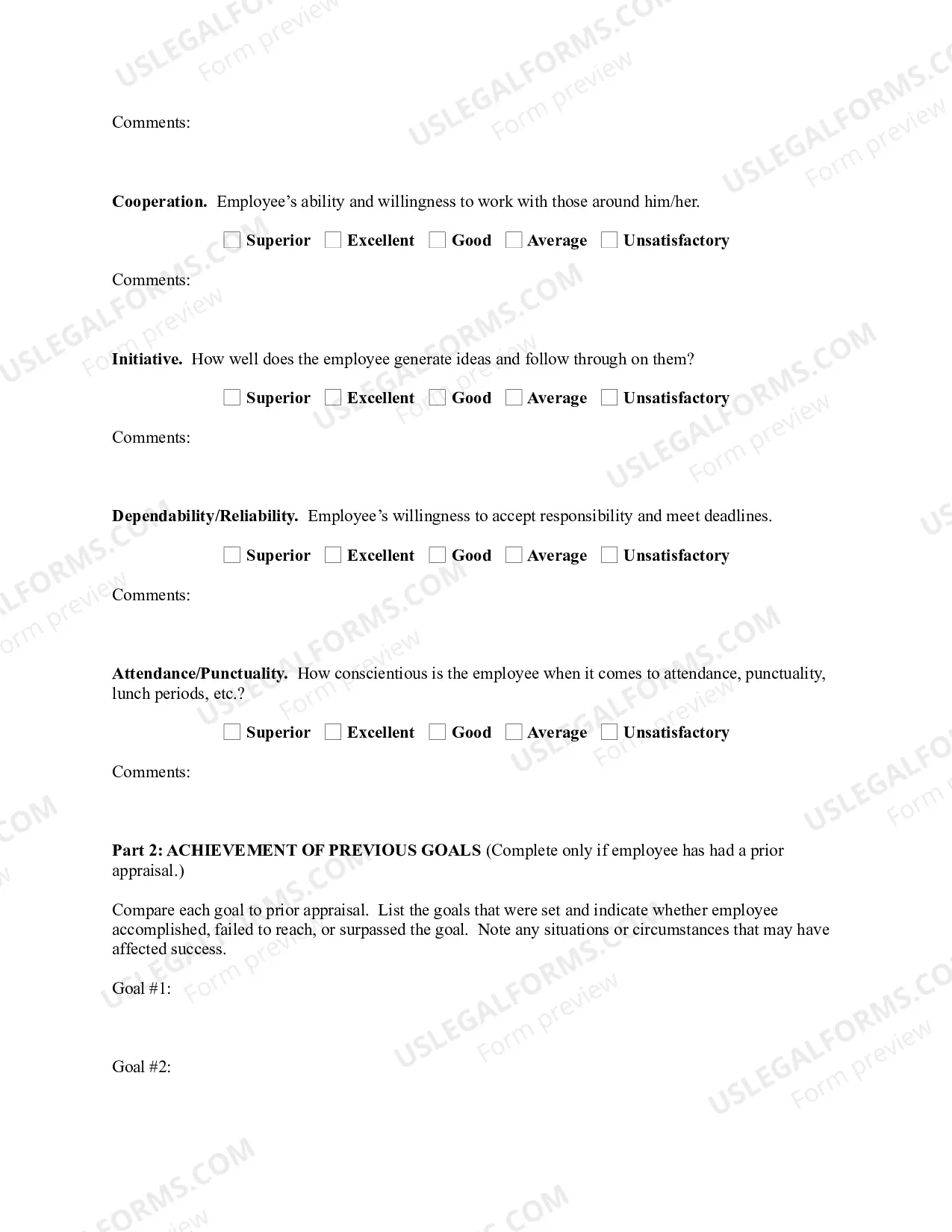
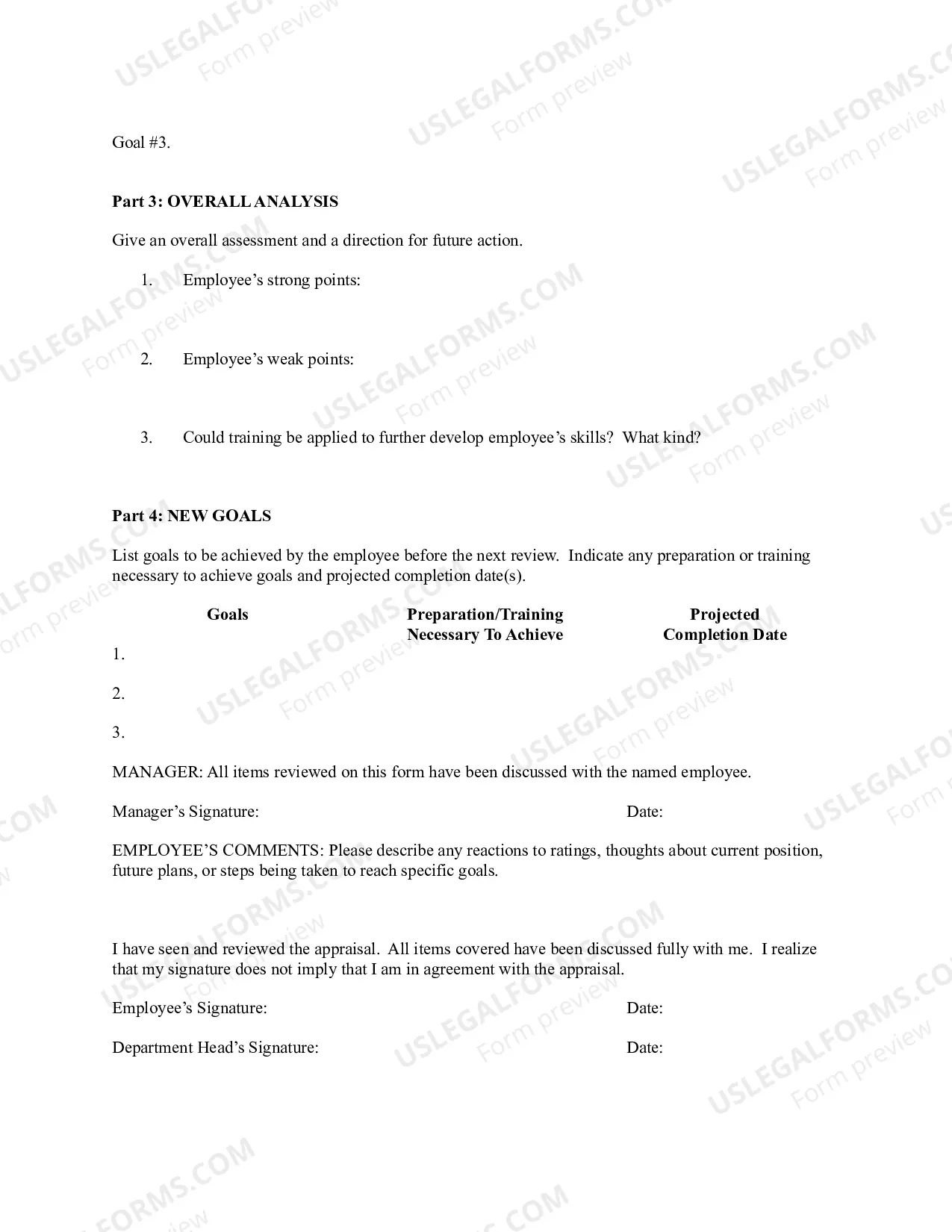
Mississippi Employee Evaluation Form for Teacher
Description
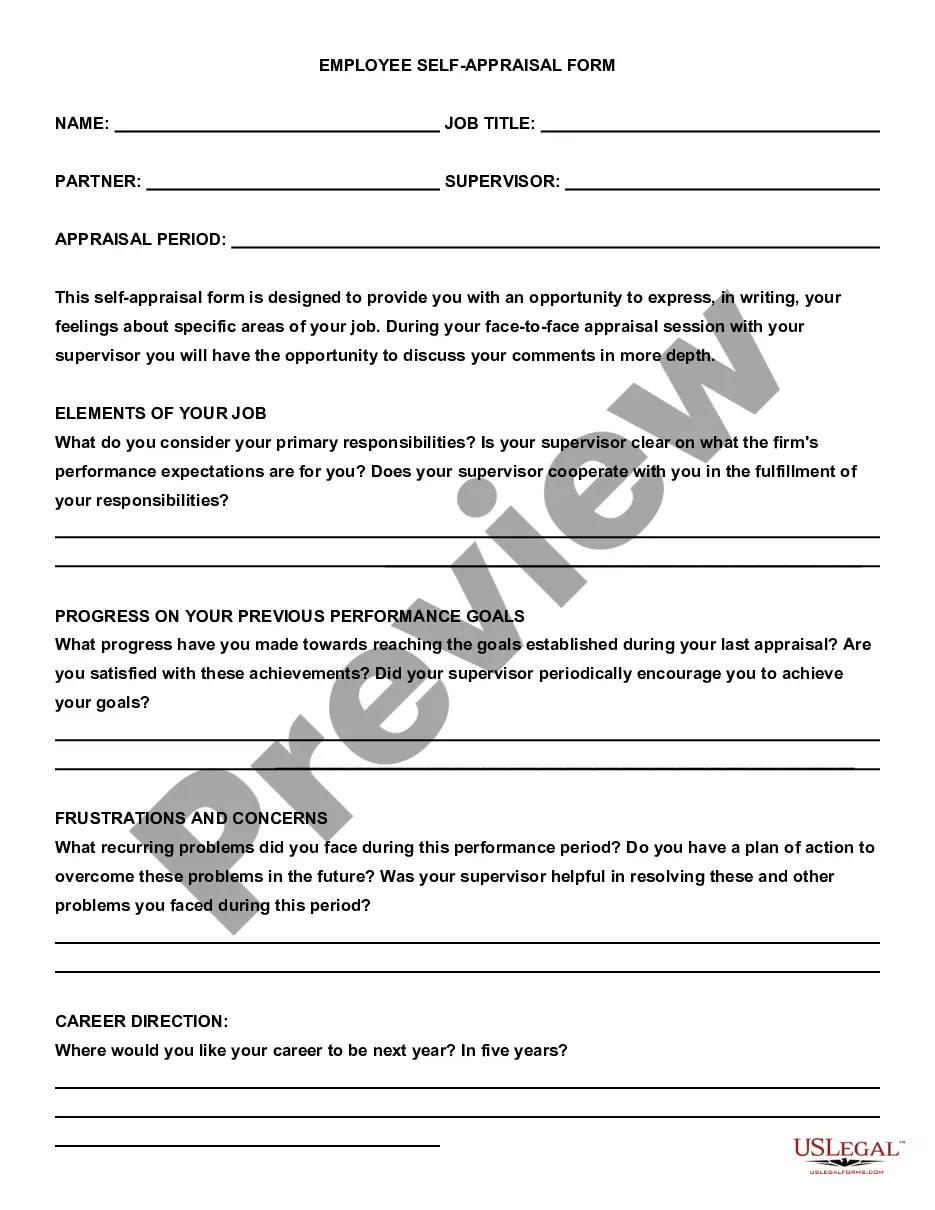
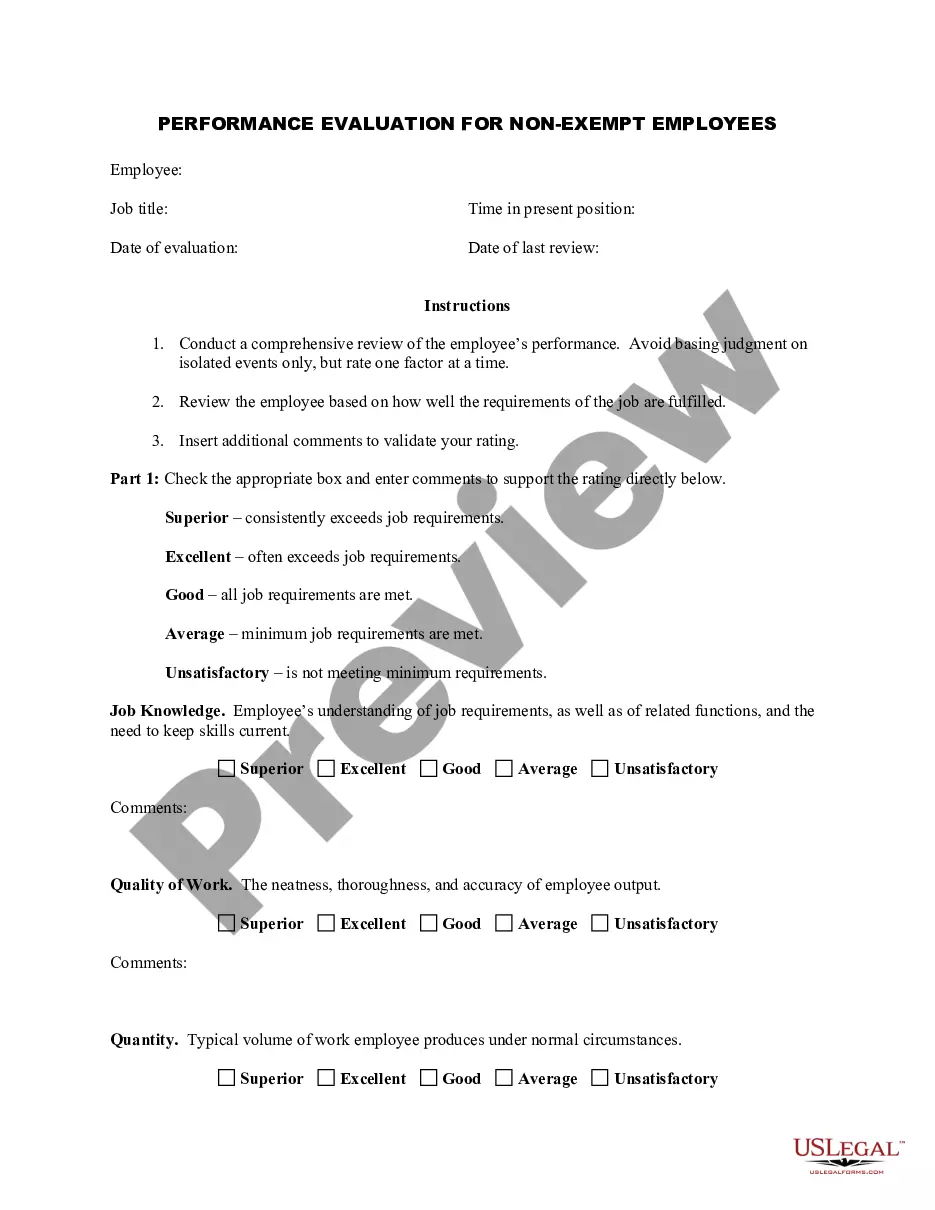
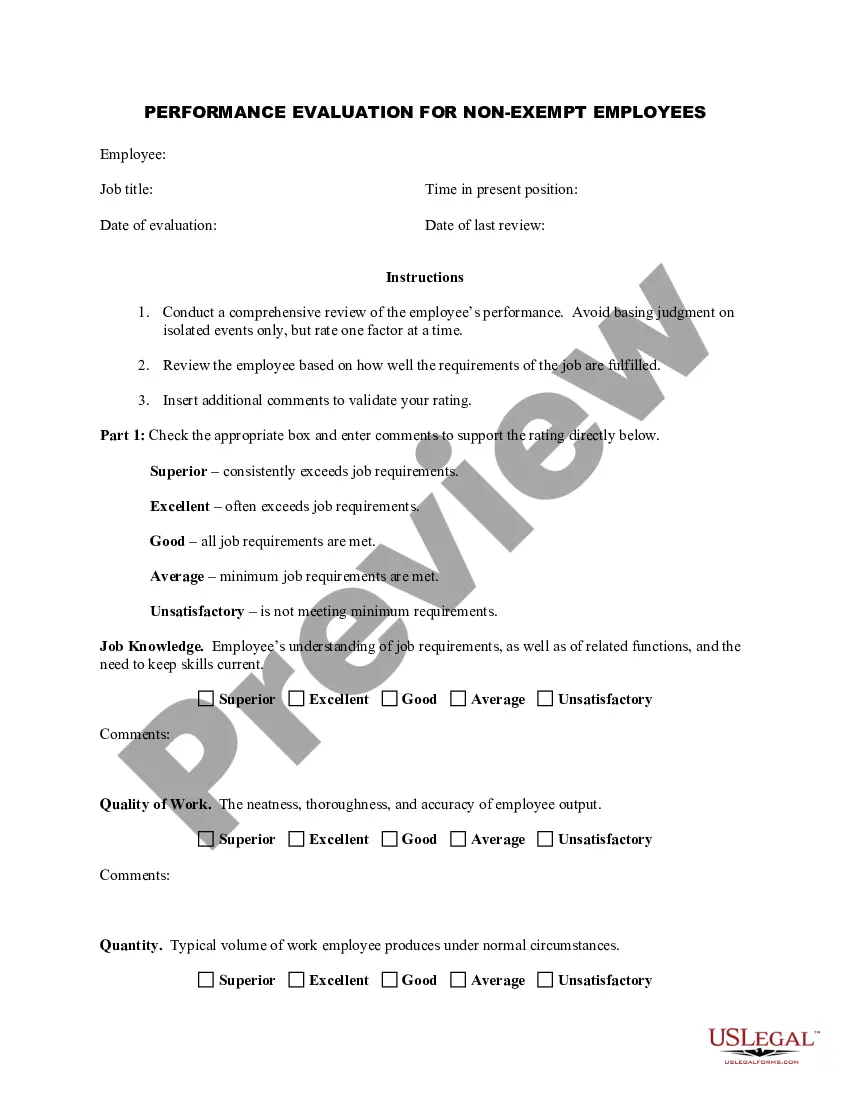
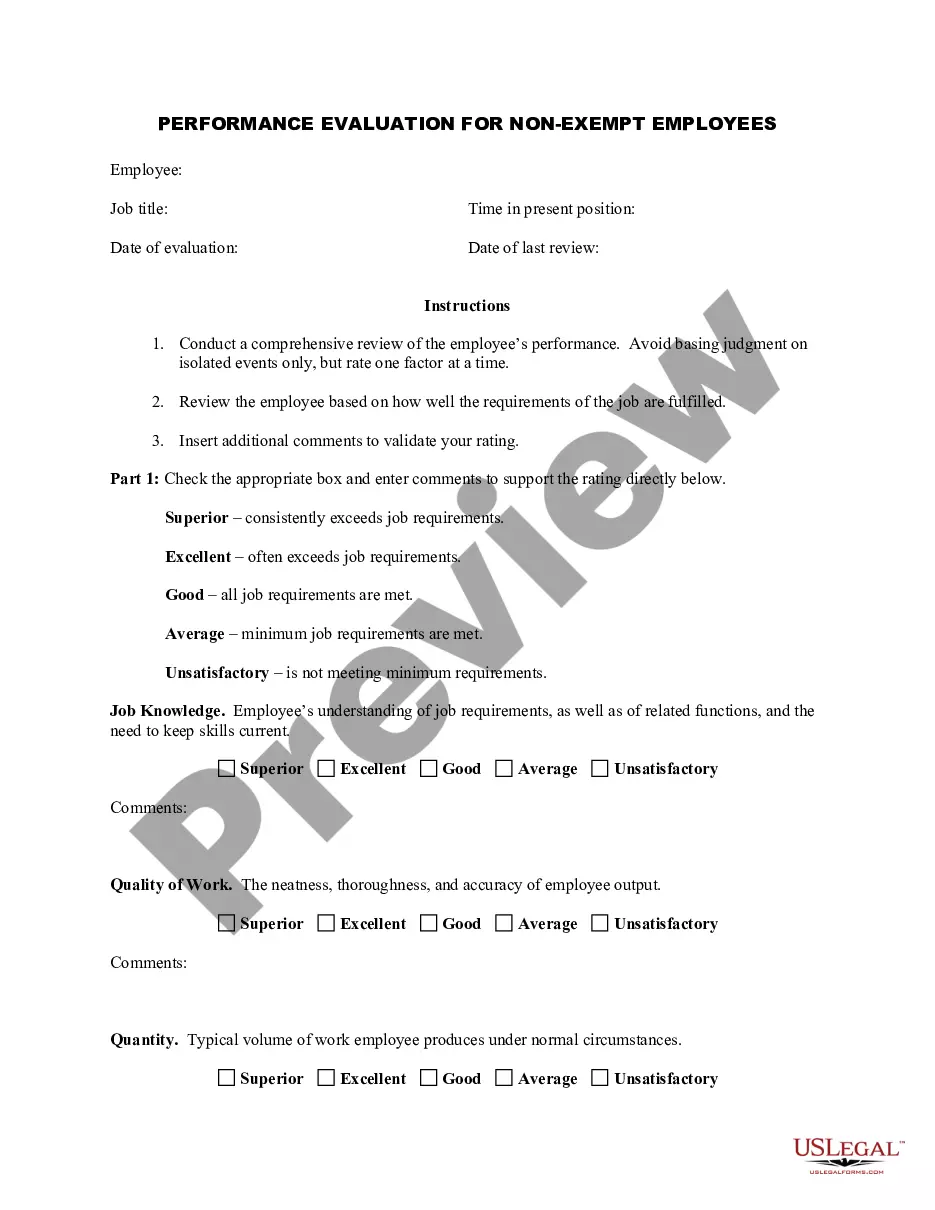
Get your form ready online
Our built-in tools help you complete, sign, share, and store your documents in one place.
Make edits, fill in missing information, and update formatting in US Legal Forms—just like you would in MS Word.
Download a copy, print it, send it by email, or mail it via USPS—whatever works best for your next step.
Sign and collect signatures with our SignNow integration. Send to multiple recipients, set reminders, and more. Go Premium to unlock E-Sign.
If this form requires notarization, complete it online through a secure video call—no need to meet a notary in person or wait for an appointment.
We protect your documents and personal data by following strict security and privacy standards.

Make edits, fill in missing information, and update formatting in US Legal Forms—just like you would in MS Word.

Download a copy, print it, send it by email, or mail it via USPS—whatever works best for your next step.

Sign and collect signatures with our SignNow integration. Send to multiple recipients, set reminders, and more. Go Premium to unlock E-Sign.

If this form requires notarization, complete it online through a secure video call—no need to meet a notary in person or wait for an appointment.

We protect your documents and personal data by following strict security and privacy standards.
Looking for another form?


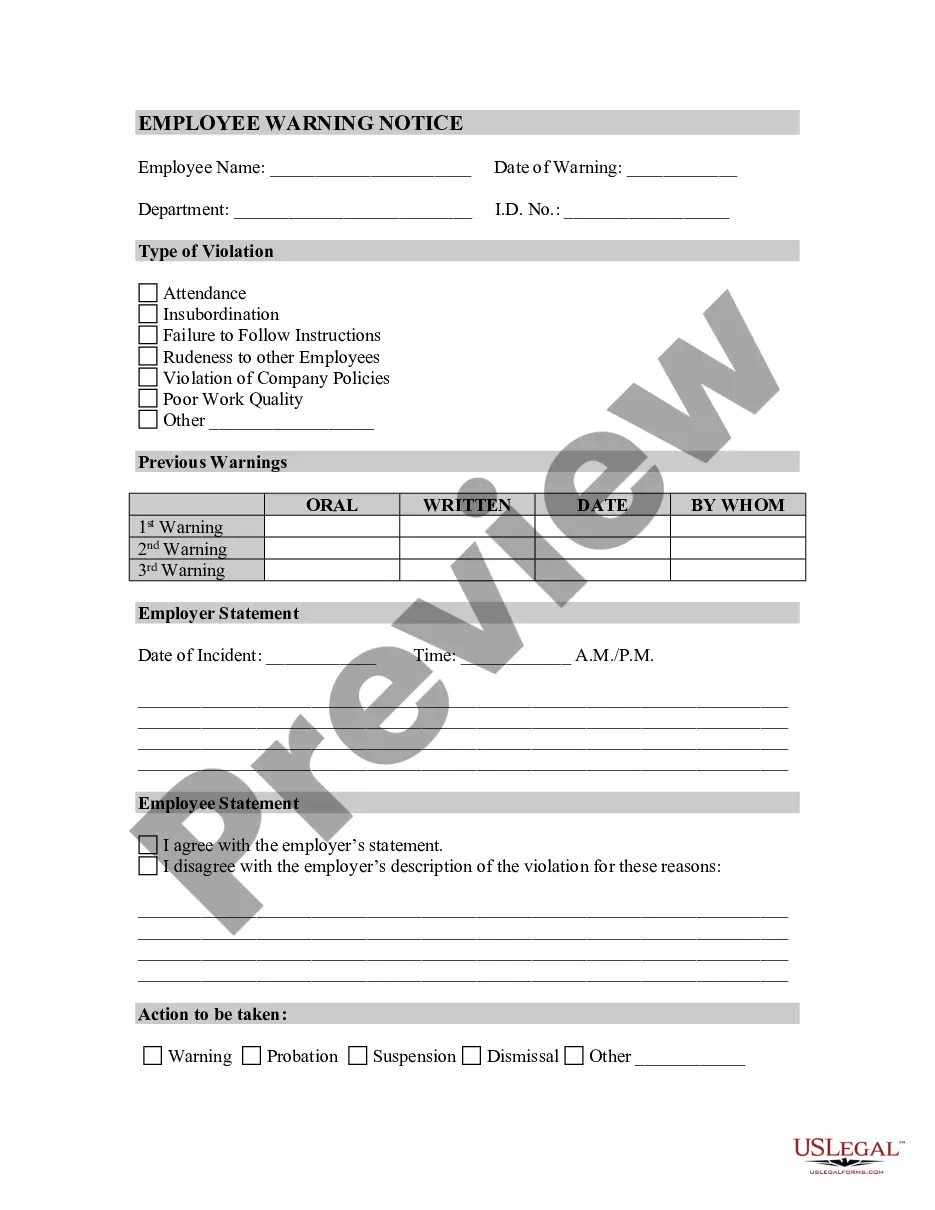


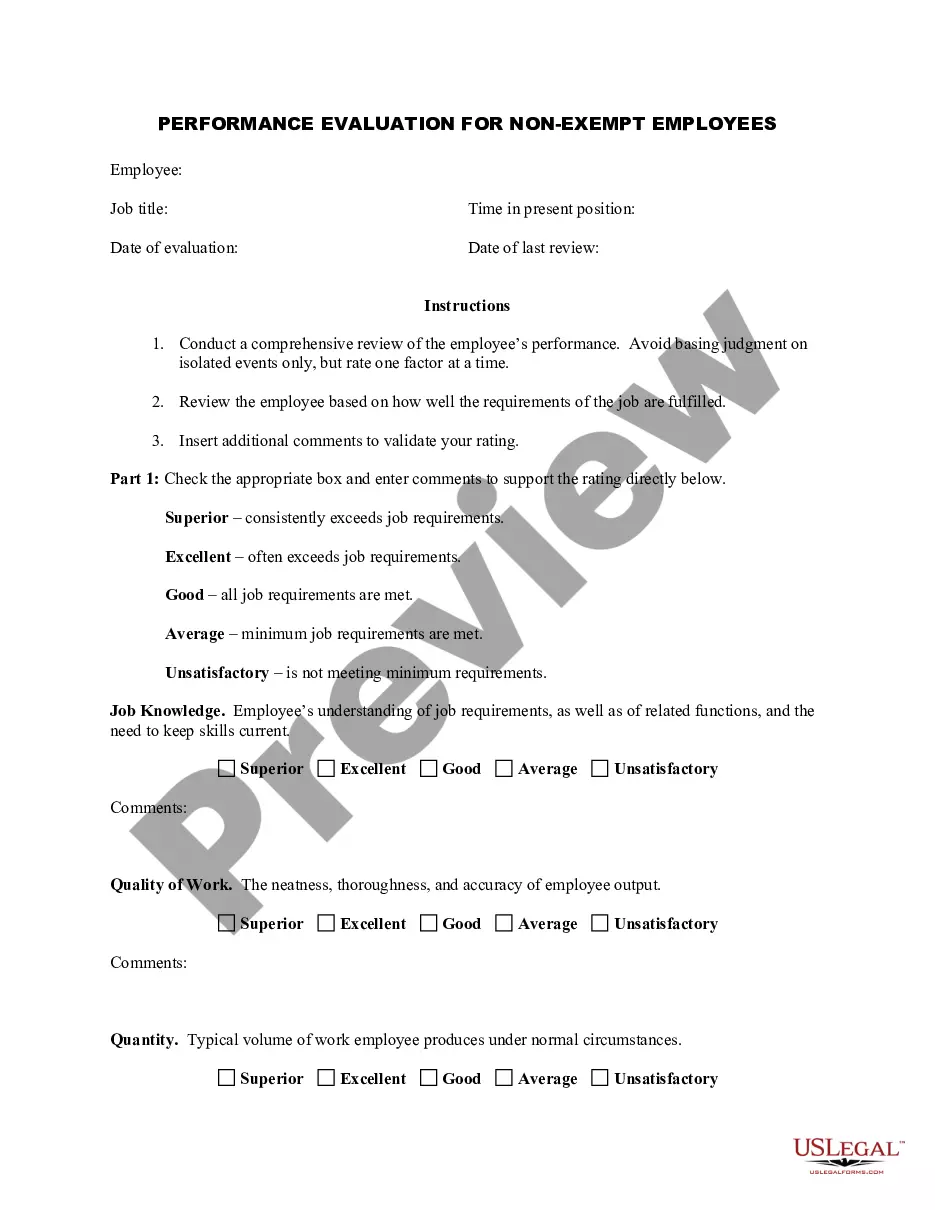
How to fill out Employee Evaluation Form For Teacher?
You can spend several hours online searching for the legal document template that meets the federal and state standards you require.
US Legal Forms offers a vast array of legal documents that are examined by experts.
You can indeed acquire or print the Mississippi Employee Assessment Form for Educators through my services.
If available, utilize the Review button to browse through the document template as well.
- If you have a US Legal Forms account, you may Log In and click the Download button.
- Subsequently, you can complete, modify, print, or sign the Mississippi Employee Assessment Form for Educators.
- Every legal document template you obtain is yours permanently.
- To obtain another copy of any purchased document, visit the My documents section and click the appropriate button.
- If you are using the US Legal Forms website for the first time, follow the simple instructions below.
- First, ensure you have selected the correct document template for the region/city you select.
- Examine the template description to confirm you have chosen the correct document.
Form popularity
FAQ
See AlsoUnderstand Your Evaluation Tool. Get out of the compliance mindset.Pre-Game With the Teacher.Visit Classrooms Early and Often.Observe EverythingNot Just the Teacher.Provide Immediate Feedback.Find a 'Root Cause'Give Teachers a Voice.Provide Opportunities to Improve and Grow.
Explain your relationship to the teacher, including details as to how long you have known the teacher in this capacity as well as outlining your history with the teacher if you have one. If, for example, you are a student writing an evaluation of a teacher who has instructed you in several courses, explain this.
Mississippi's evaluation, which was developed with the help of Vanderbilt University, looks at five areas of teaching: planning, assessment, instruction, learning environment and professional responsibilities.
BEFORE A TEACHER EVALUATIONChoose a topic wisely. Select a subject about which you feel passionate and well-versed.Test drive the lesson.Talk to your evaluator.Explain the scope and sequence.Consider classroom decor and seating.Move around.
Evaluations should include multi-faceted evidence of teacher practice, student learning, and professional contributions that are considered in an integrated fashion, in relation to one another and to the teaching context.
BEFORE A TEACHER EVALUATIONChoose a topic wisely. Select a subject about which you feel passionate and well-versed.Test drive the lesson.Talk to your evaluator.Explain the scope and sequence.Consider classroom decor and seating.Move around.
Teaching Evaluations on a 1-5 scale (1=poor, 2=fair, 3=good, 4=very good, 5=excellent) and to provide open-ended feedback about their discussion section leaders (preceptors).
Two of the most widely used measures of teacher effectiveness value-added models and classroom observationsare discussed. Then, other methodsprincipal evaluations, analyses of classroom artifacts, portfolios, self-reports of practice, and student evaluationsare examined.
Evaluation is typically based on one or more key questions the evaluator needs to pursue, and the collection and analysis of relevant data to help answer those questions. Results derived from the data then are used to inform decisions. We engage in random acts of evaluation every day.
Traditionally, teacher evaluation systems relied heavily on classroom observations conducted by principals or other school administrators, sometimes with the help of rubrics or checklists. Samples of students' work, teachers' records and lesson plans, and other relevant factors were also often taken into account.