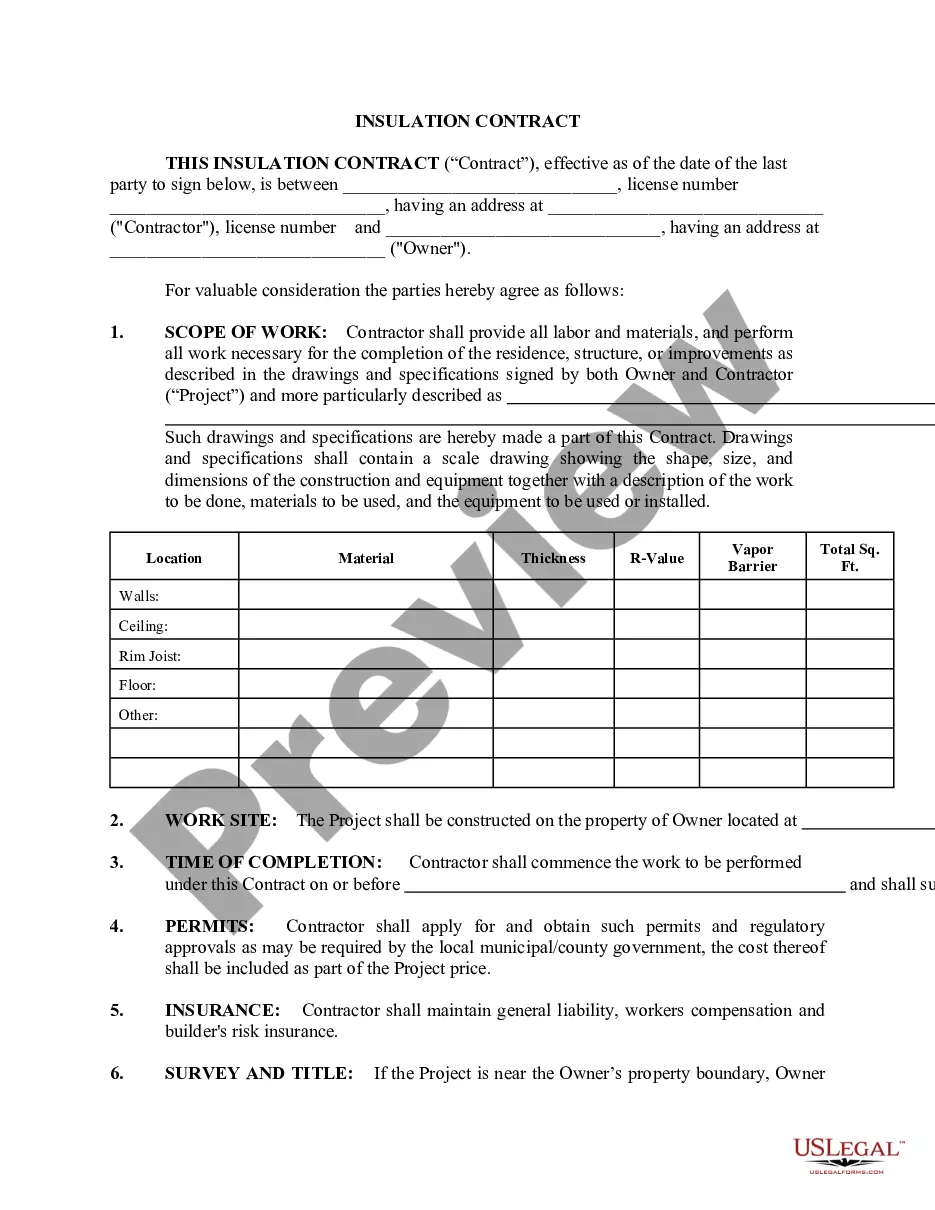
Mississippi Motion to Continue - Hearing on the Motion for Writ of Assistance Requesting Issuance of Subpoenas Duces Tecum Concerning Records Involving Minors
What this document covers
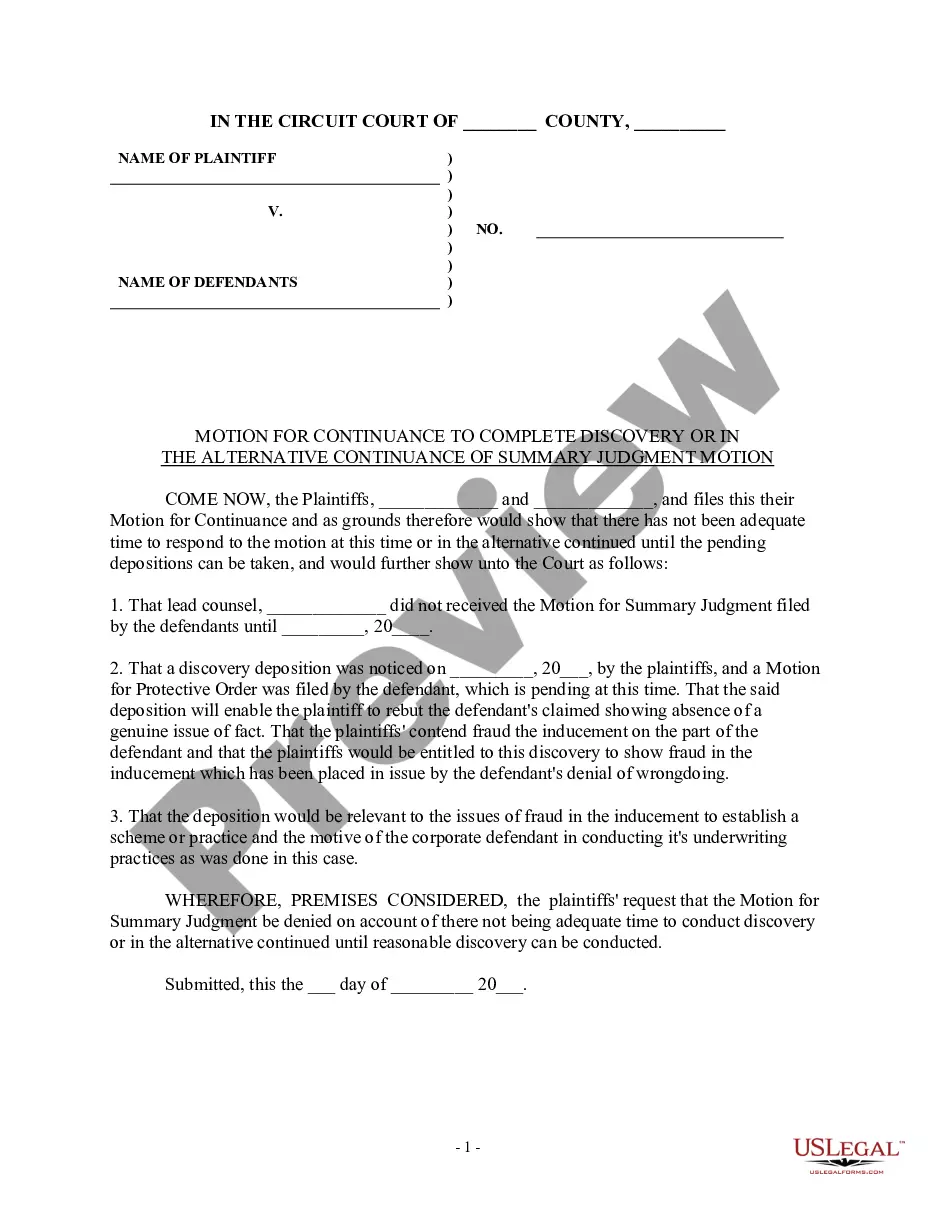
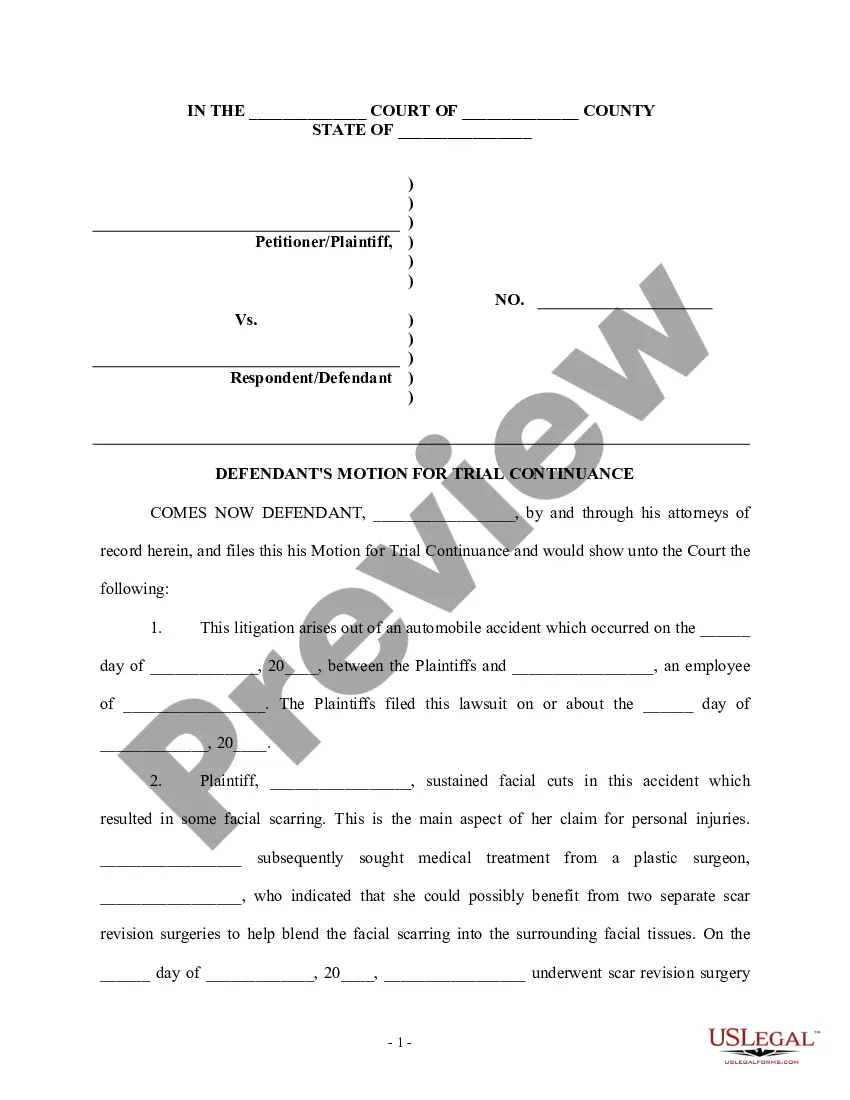
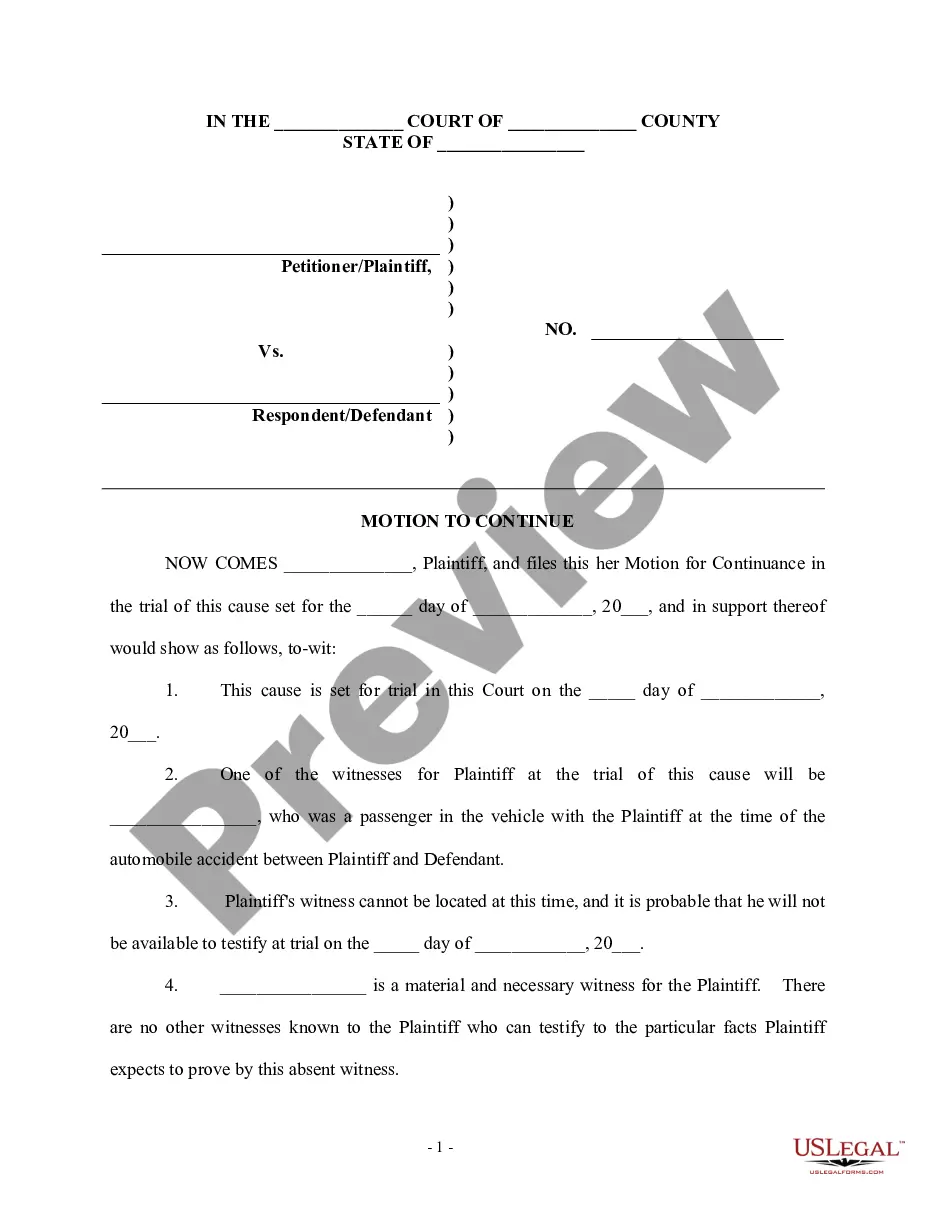
The Motion to Continue is a legal document that requests the postponement of a hearing related to the Motion for Writ of Assistance, specifically concerning subpoenas for records involving minors. This form serves as a formal request to the court, allowing for a delay in proceedings due to valid reasons, ensuring that all parties have adequate time to prepare for the hearing. It is unique in its specificity to cases involving minor children and related legal motions, setting it apart from general motion forms.
Form components explained
- Petitioner and respondent identification: Includes fields for names of the parties involved.
- Court details: Information regarding the court where the hearing is scheduled.
- Date and time of the original hearing: Specific to the date when the hearing was set before the motion for continuance.
- Explanation for the request: Reason for the continuance, including any scheduling conflicts of counsel.
- Requested new hearing date: Option to suggest a new date for the hearing.
- Signature lines: For the respondent and their attorney to sign the motion.

Common use cases
This form is used in situations where a party is unable to attend a scheduled court hearing regarding a Motion for Writ of Assistance and needs to request a postponement. Common scenarios include scheduling conflicts, emergencies, or situations where additional preparation is necessary to adequately present the case related to minors' records.
Who this form is for
- Respondents involved in a legal dispute related to the custody or welfare of minor children.
- Parties seeking to delay a court hearing to prepare more thoroughly for their case.
- Legal representatives of respondents who need to submit a professional request for postponement due to unavailability.
Completing this form step by step
- Identify the parties: Enter the names of the petitioner and respondent clearly at the top of the form.
- Fill in the court information: Provide the name of the court where the hearing is scheduled.
- Enter the original hearing details: Specify the original date and time of the hearing that is being postponed.
- State the reason for continuation: Clearly explain why a postponement is necessary, including any relevant details about scheduling conflicts.
- Propose a new date: Suggest a new date for the hearing that works for all parties involved.
- Sign and date the motion: Ensure that both the respondent and counsel sign where indicated and include the date at the bottom of the form.
Notarization requirements for this form
This form does not typically require notarization unless specified by local law. Always check your jurisdictionâs rules regarding notarization to ensure compliance with specific court requirements.
Get your form ready online
Our built-in tools help you complete, sign, share, and store your documents in one place.
Make edits, fill in missing information, and update formatting in US Legal Forms—just like you would in MS Word.
Download a copy, print it, send it by email, or mail it via USPS—whatever works best for your next step.
Sign and collect signatures with our SignNow integration. Send to multiple recipients, set reminders, and more. Go Premium to unlock E-Sign.
If this form requires notarization, complete it online through a secure video call—no need to meet a notary in person or wait for an appointment.
We protect your documents and personal data by following strict security and privacy standards.

Make edits, fill in missing information, and update formatting in US Legal Forms—just like you would in MS Word.

Download a copy, print it, send it by email, or mail it via USPS—whatever works best for your next step.

Sign and collect signatures with our SignNow integration. Send to multiple recipients, set reminders, and more. Go Premium to unlock E-Sign.

If this form requires notarization, complete it online through a secure video call—no need to meet a notary in person or wait for an appointment.

We protect your documents and personal data by following strict security and privacy standards.
Mistakes to watch out for
- Failing to provide a valid reason for the continuance, which may lead to the motion being denied.
- Not suggesting a specific new date for the hearing, resulting in ambiguity.
- Neglecting to sign the form, which invalidates the request.
- Submitting the motion too close to the original hearing date, limiting the opportunity for the court to consider it.
Why use this form online
- Immediate access: Download the form instantly, allowing you to begin the process without delay.
- Easy customization: Tailor the form to meet your specific situation easily.
- Expertly crafted: Forms created by licensed attorneys ensure legal accuracy and compliance.
Looking for another form?


Form popularity
FAQ
Rule 65 authorizes parties to seek temporary restraining orders (TROs) and preliminary injunctions in civil cases in which permanent injunctive relief or other relief is being sought.
The court may issue a preliminary injunction or a temporary restraining order only if the movant gives security in an amount that the court considers proper to pay the costs and damages sustained by any party found to have been wrongfully enjoined or restrained.
Before or after the commencement of the hearing of an application for a preliminary injunction, the court may order the trial of the action on the merits to be advanced and consolidated with the hearing of the application.
In lieu of participating in the oral examination, parties may serve written questions on the party taking the deposition, who shall propound them to the witness and See that the answers thereto are recorded verbatim.
Interrogatories may, without leave of court, be served upon the plaintiff after commencement of the action and upon any other party with or after service of the summons and complaint upon that party.
Rule 81 requires use of a special summons which commands that the defendant appear and defend at a specific time and place set by order of the court and informs him or her that no answer is necessary.
Rule 45(a)(1) provides that a subpoena shall command each person to whom it is directed to attend and give testimony, or to produce and permit inspection of evidence, or to permit inspection of premises, and provides further that a command to produce evidence or to permit inspection may be joined with a command to
A party moving for relief pursuant to Rule 60(b)(1) based upon fraud, misrepresentation or other misconduct of an adverse party must do so within six months after entry of the judgment and must prove the fraud, misrepresentation or other misconduct by clear and convincing evidence.