Mississippi Termination of Declaration of Covenants Conditions
Description
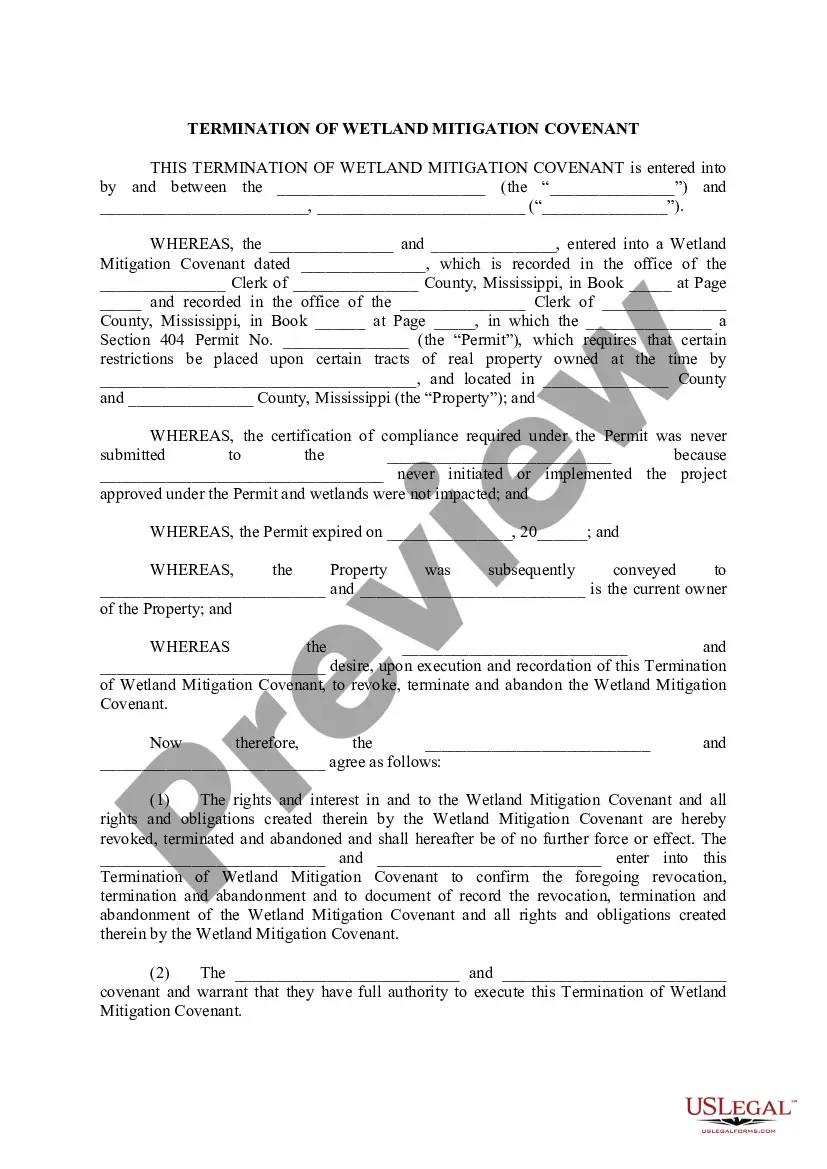
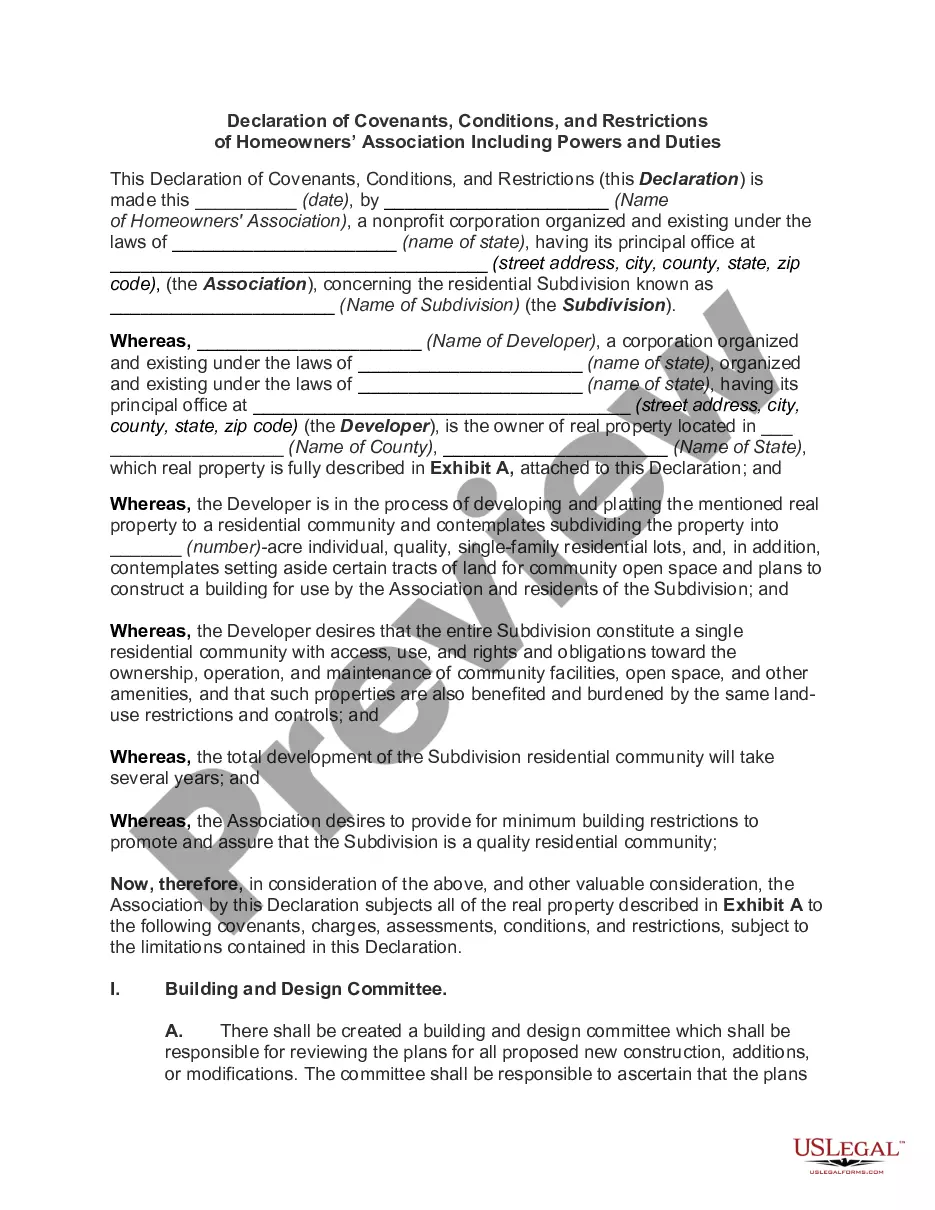
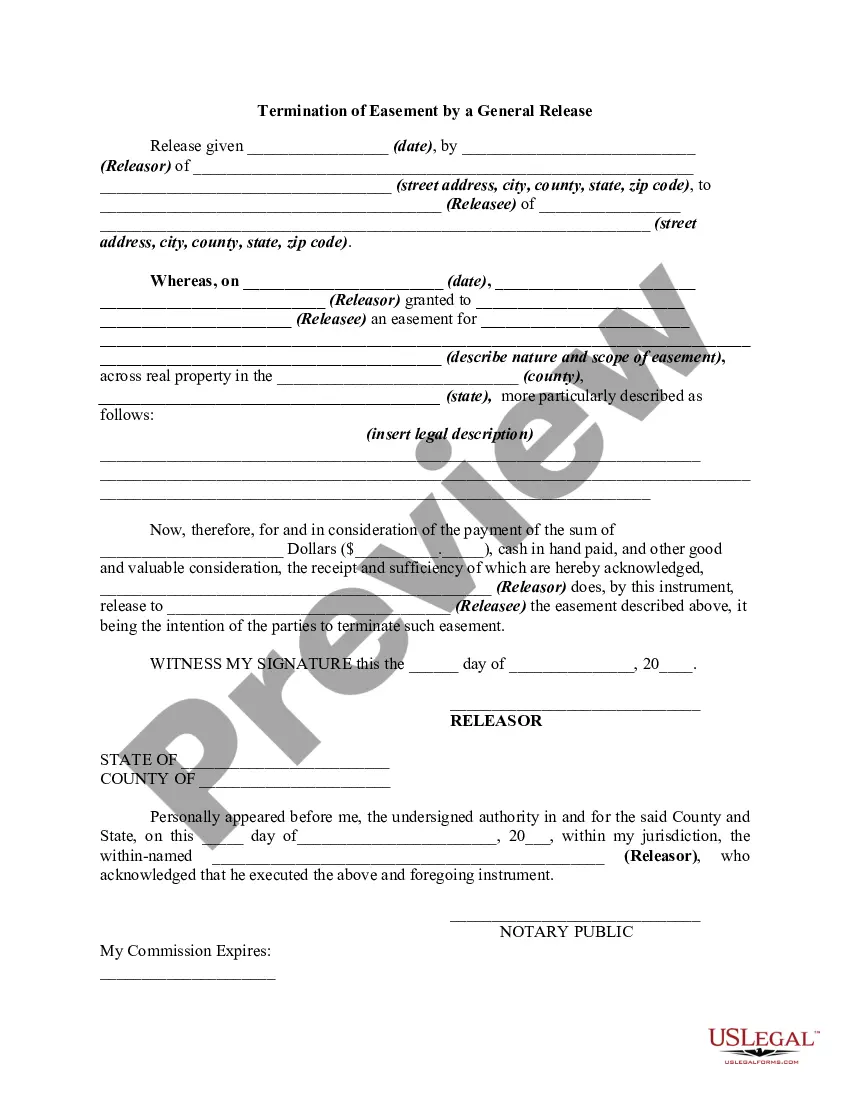
How to fill out Mississippi Termination Of Declaration Of Covenants Conditions?
Get a printable Mississippi Termination of Declaration of Covenants Conditions in just several mouse clicks from the most comprehensive catalogue of legal e-forms. Find, download and print professionally drafted and certified samples on the US Legal Forms website. US Legal Forms has been the Top provider of reasonably priced legal and tax templates for US citizens and residents on-line starting from 1997.
Users who have already a subscription, must log in straight into their US Legal Forms account, download the Mississippi Termination of Declaration of Covenants Conditions see it saved in the My Forms tab. Users who do not have a subscription must follow the tips listed below:
- Ensure your form meets your state’s requirements.
- If provided, look through form’s description to find out more.
- If offered, review the form to see more content.
- As soon as you’re confident the form suits you, just click Buy Now.
- Create a personal account.
- Select a plan.
- through PayPal or visa or mastercard.
- Download the form in Word or PDF format.
Once you’ve downloaded your Mississippi Termination of Declaration of Covenants Conditions, you may fill it out in any web-based editor or print it out and complete it manually. Use US Legal Forms to to access 85,000 professionally-drafted, state-specific files.
Form popularity
FAQ
CC&Rs, or the covenants, conditions, and restrictions, are rules that homeowners living in a certain area are required to abide by. They are also sometimes referred to as the association's governing documents.
Enforceability of Covenants As a result of a legal principle called privity of contract, the covenant will always be enforceable as between the original covenantor and covenantee, even after either or both have parted with the land in question.
If a neighbour threatens to breach a restrictive covenant binding on them you will probably want to obtain an injunction to prevent breach rather than simply claim monetary compensation.Generally only the owner of land which was, or was part of, the land intended to be benefited by the covenant, can enforce it.
CC&Rs are equitable servitudes and not a contract. An "equitable servitude" creates an obligation or encumbrance on land, enforceable in equity.Attorneys filing actions to enforce the CC&Rs often make the mistake of suing for breach of contract instead of breach of CC&Rs.
Legally, a properly recorded covenant (technically, a "restrictive deed covenant") is binding and enforceable. Even when covenants are not part of the contract and are instead signed among neighbors (such as a mutual compact), they are binding and may be litigated if breached.
Covenants, Conditions & Restrictions (CC&Rs) are limits and rules placed on a group of homes or condominium complex by a builder, developer, neighborhood association, or homeowners association.Learn about the pros and cons of buying a condo.
A covenant could be found to be unenforceable if it is ambiguous in its language or if it is contrary to any competition or discrimination laws for example.An application to the Lands Tribunal to have the covenant modified or discharged. Obtaining a Court declaration as to the enforceability of the covenant.
What happens if I breach a restrictive covenant? If you own a property and unknowingly (or otherwise) breach a restrictive covenant then you could be forced to undo any offending work (such as having to pull down an extension), pay a fee (often running into thousands of pounds) or even face legal action.
If the covenant is attached to the land it is said to 'run with the land'. That means it continues to apply to the land regardless of whether either the burdened or neighbouring lands have been sold on. This means a restrictive covenant can last indefinitely even if its purpose now seems obsolete.