Mississippi Complaint - Corporate Plaintiff
About this form
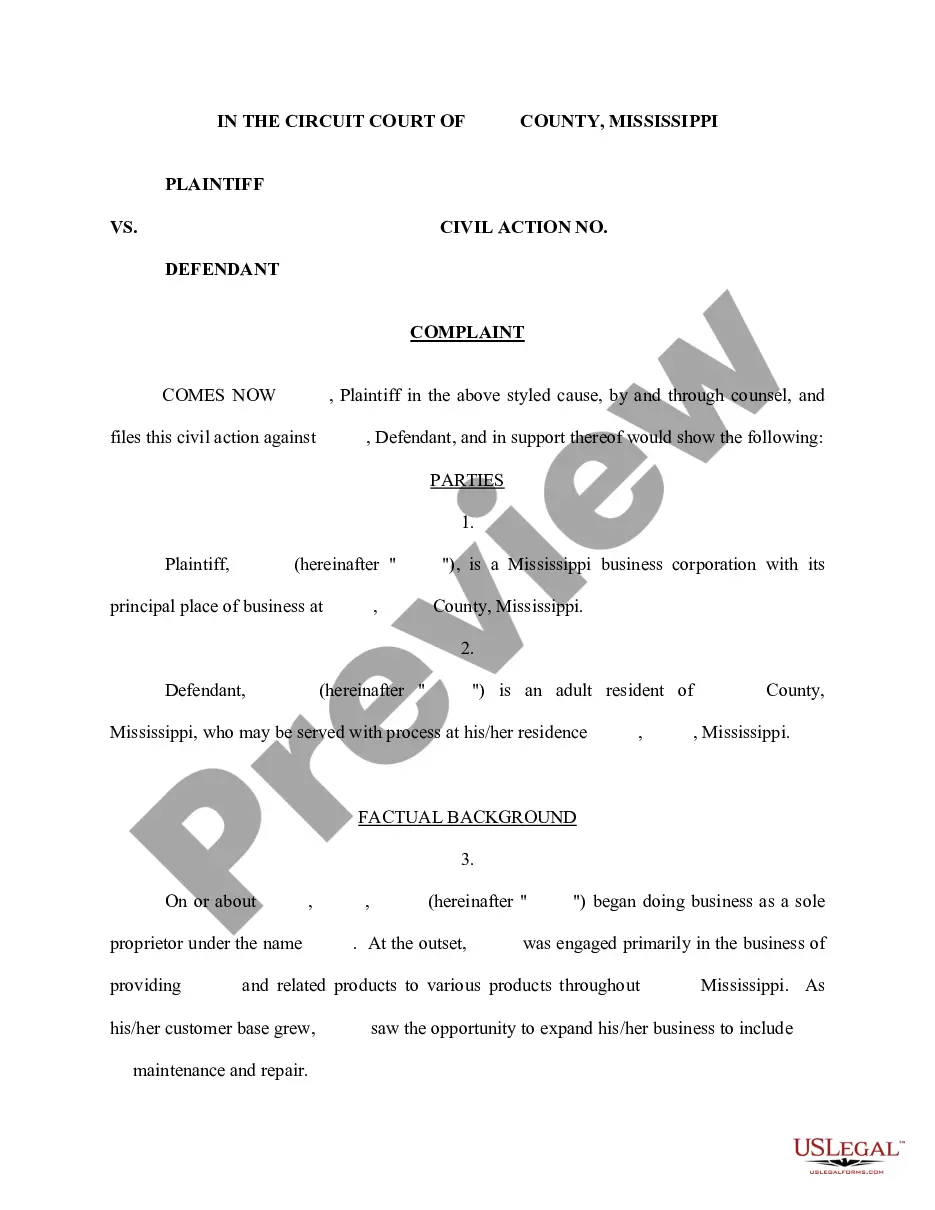
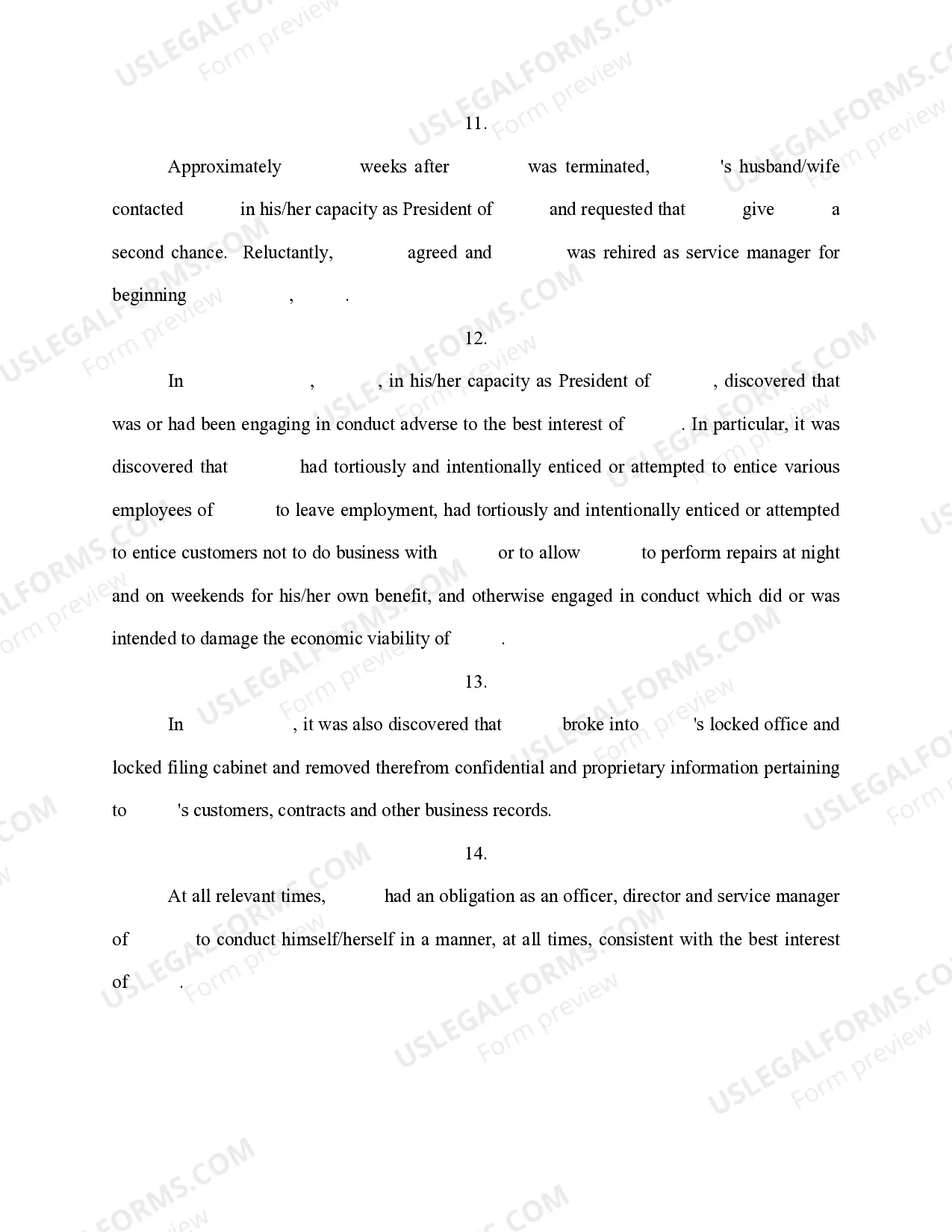
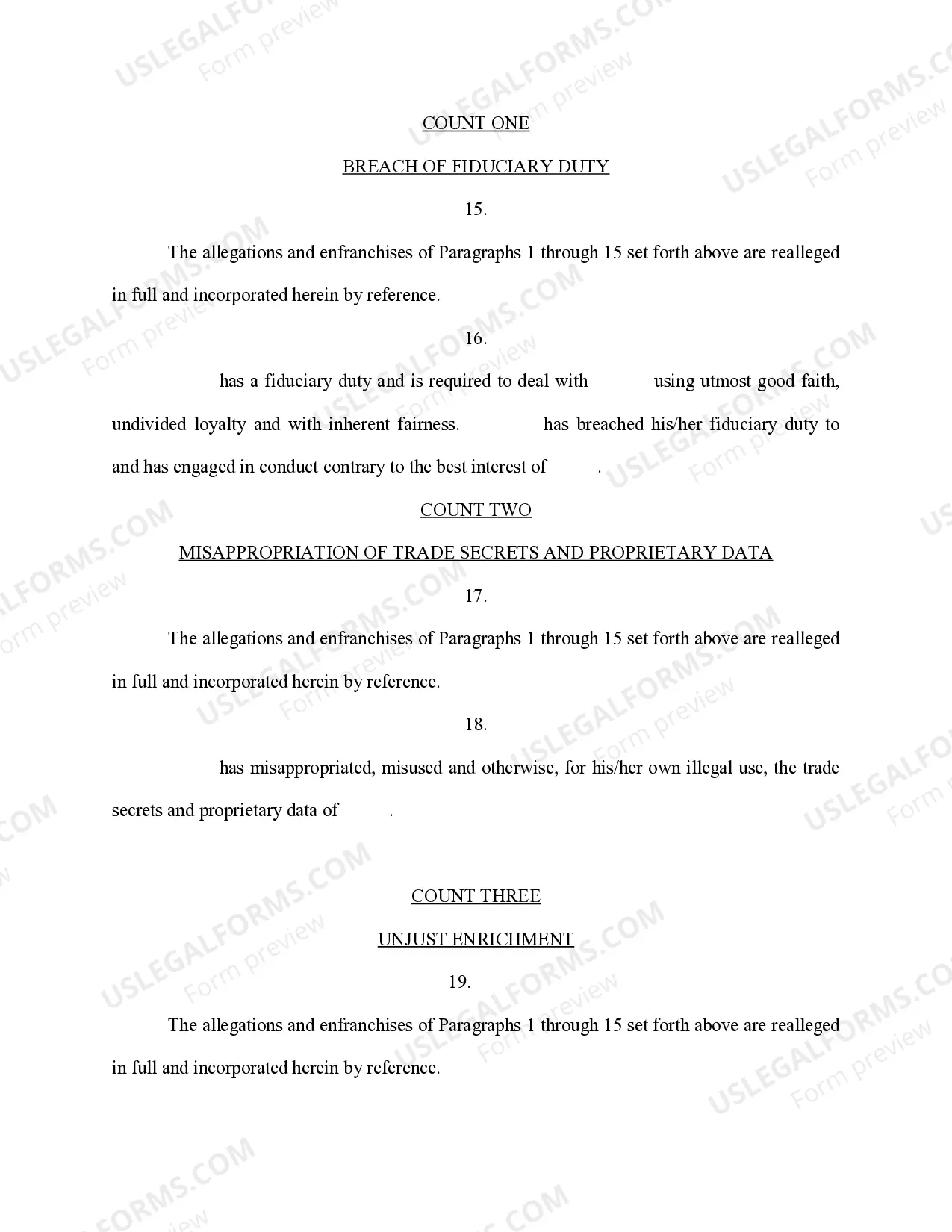
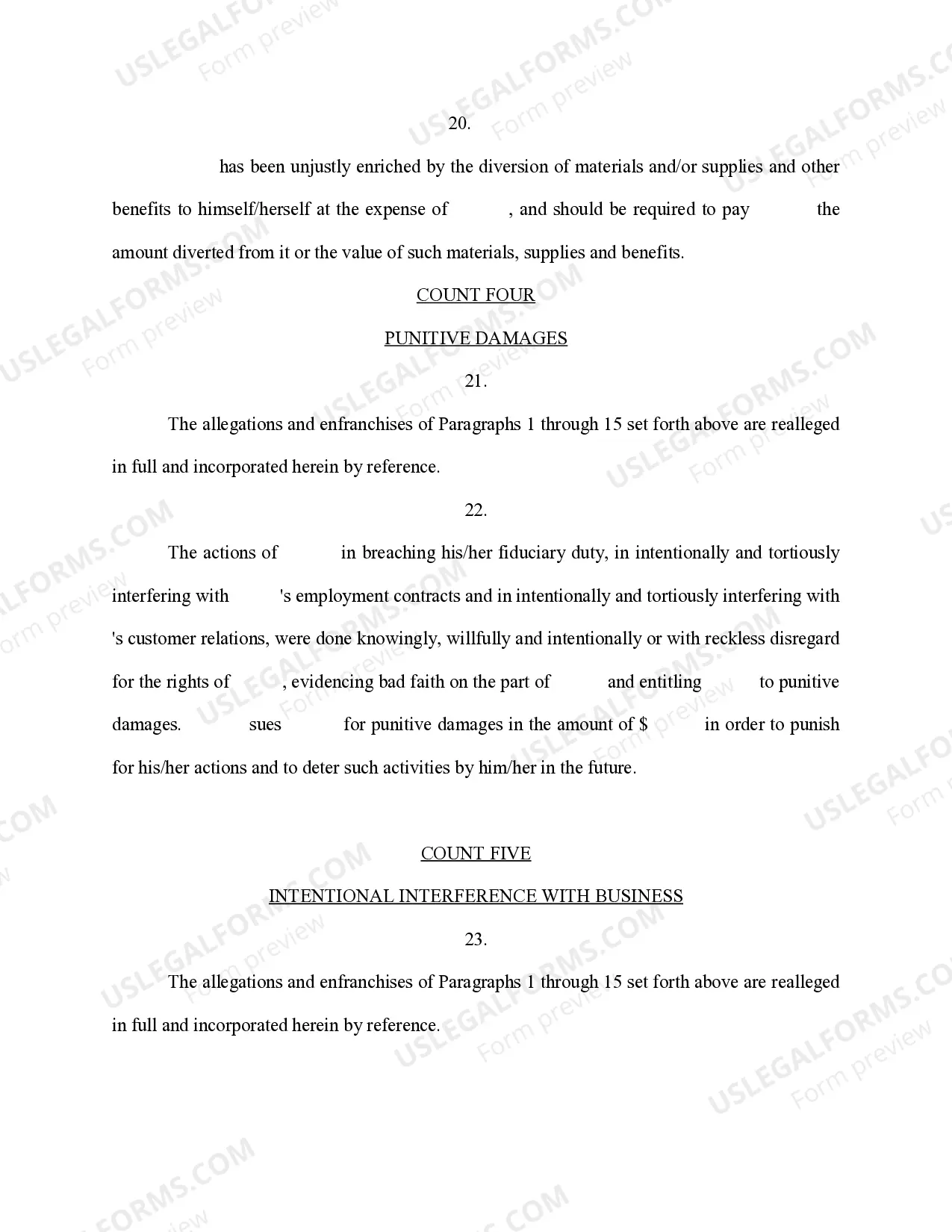
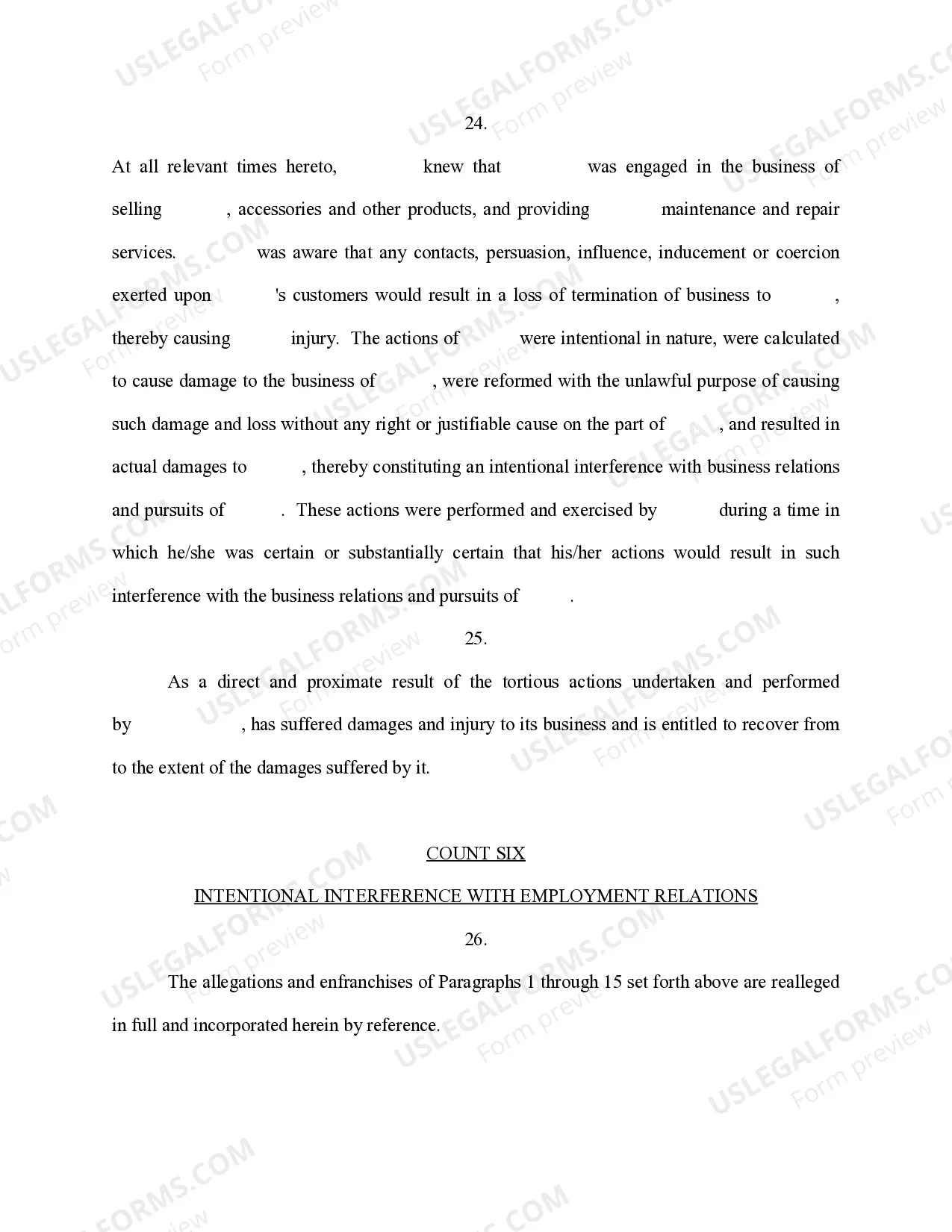
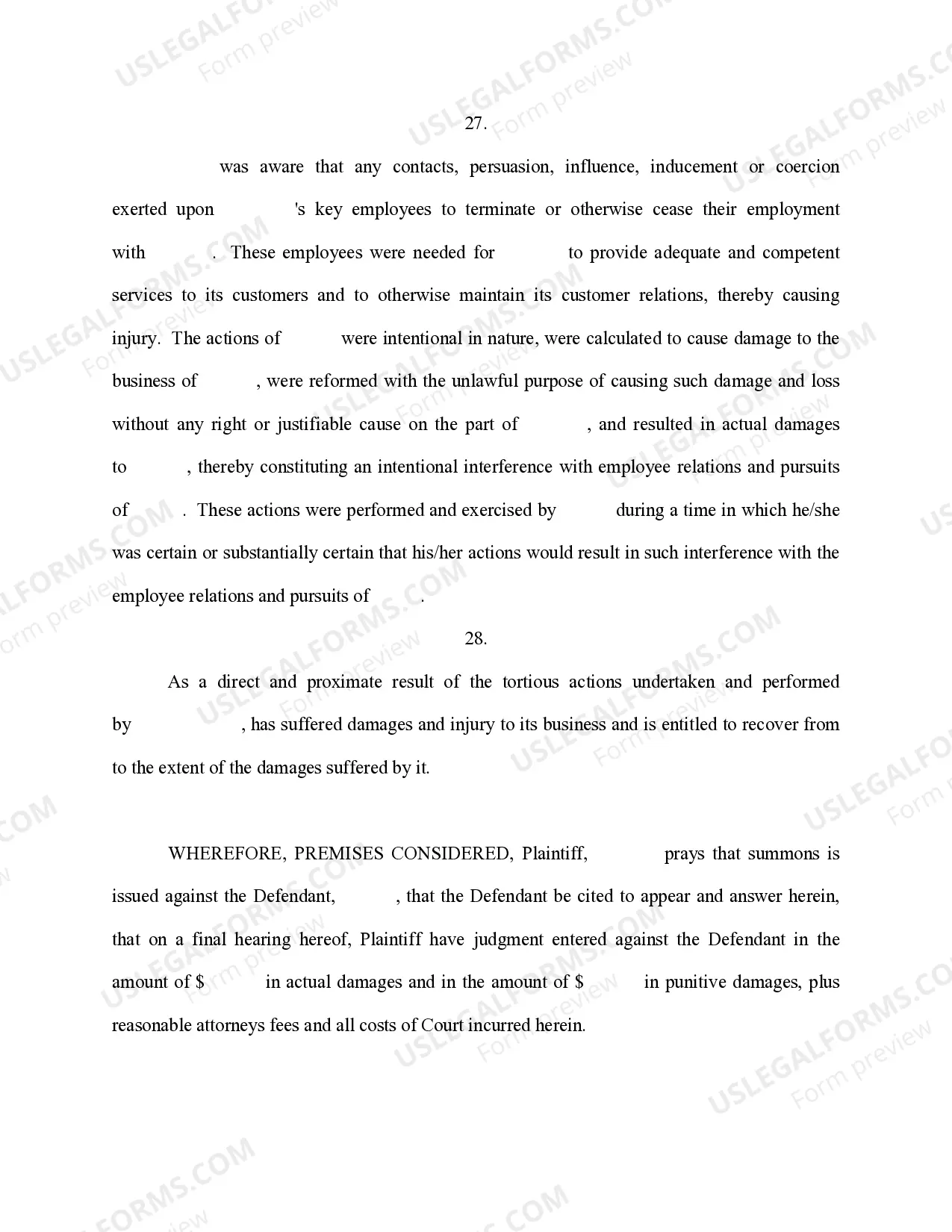
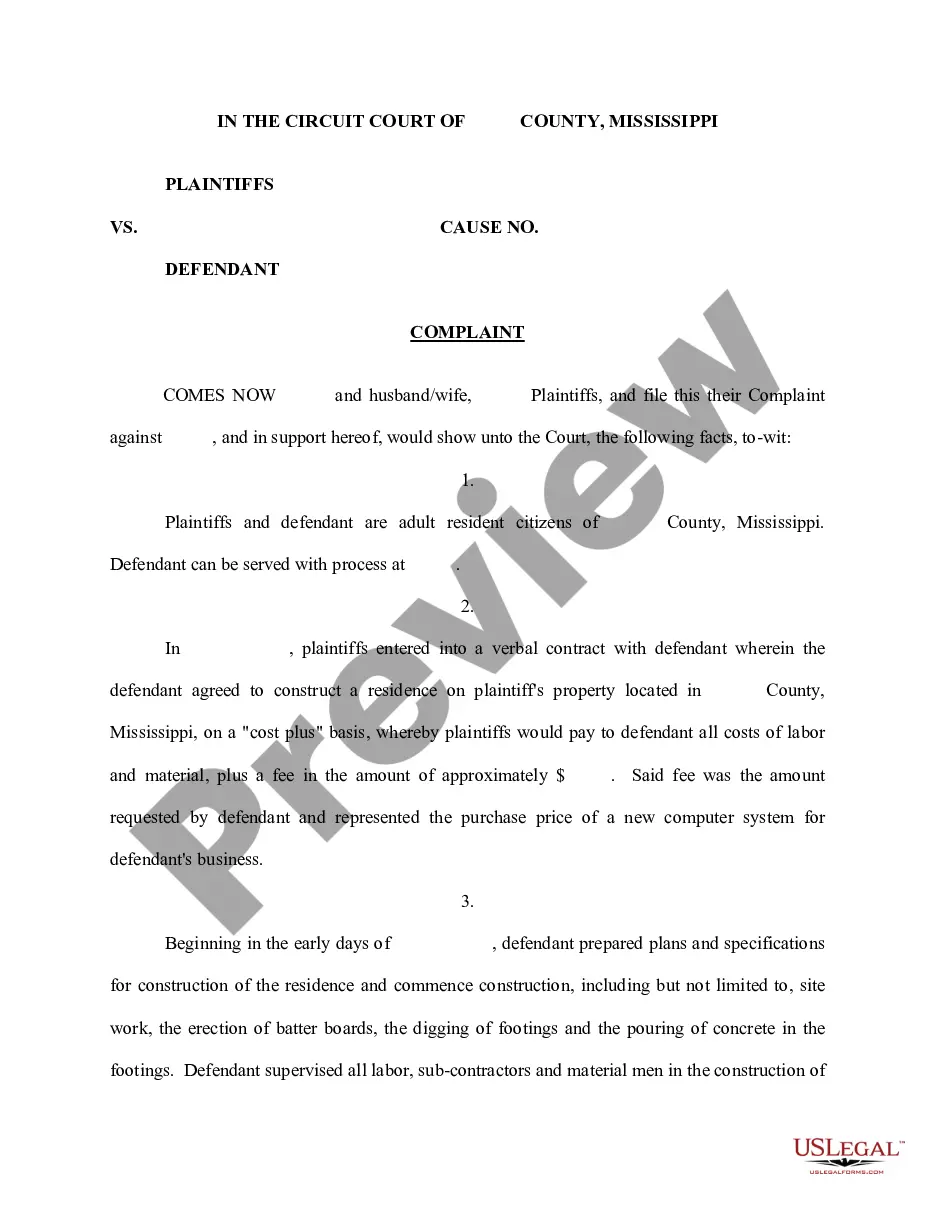
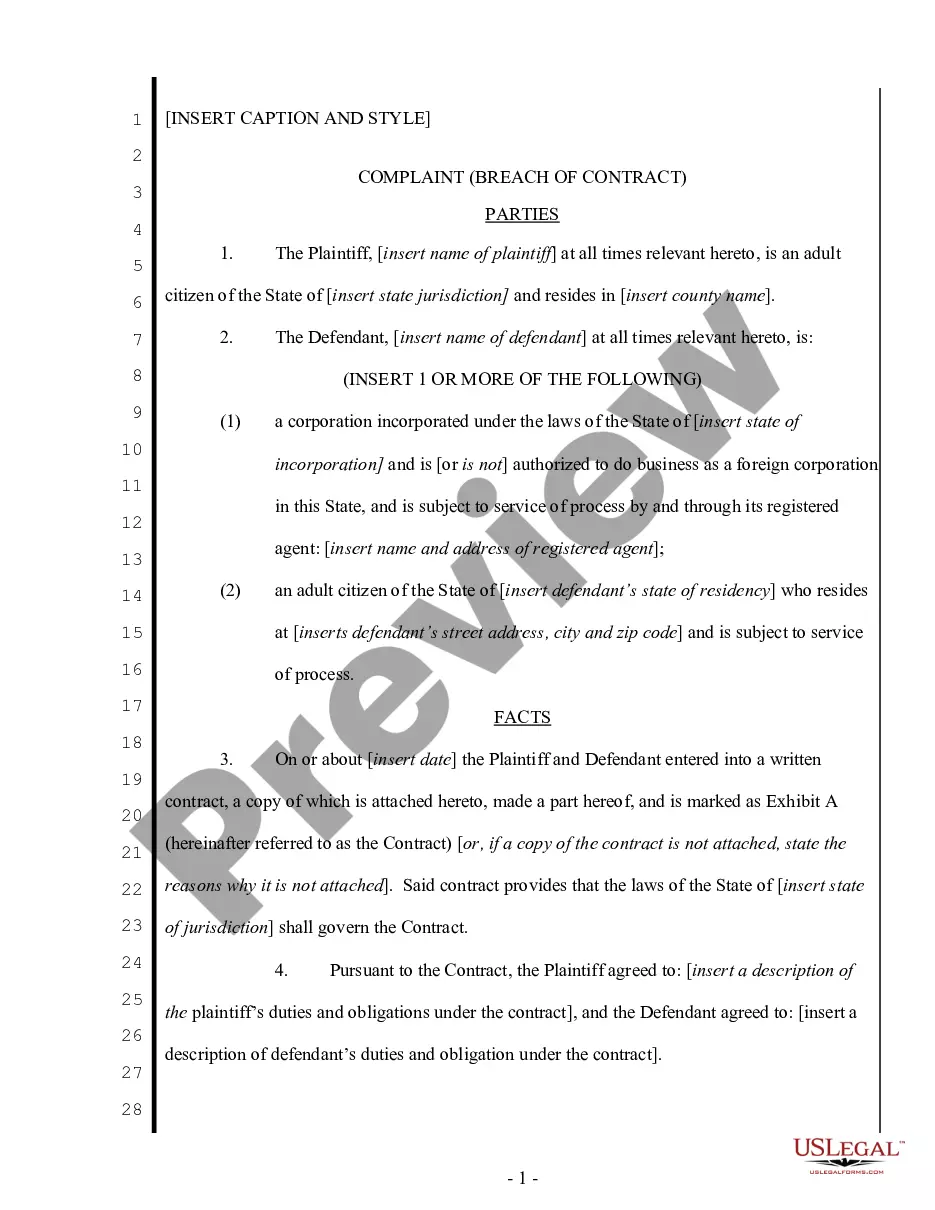
A Complaint - Corporate Plaintiff is a legal document filed to initiate a lawsuit on behalf of a corporation. This form specifically addresses situations where there has been a breach of fiduciary duties or misappropriation of trade secrets. It differs from other complaints in that it focuses on corporate actions, making it essential for corporations seeking to protect their interests in business conflicts.
Key components of this form
- Identification of the corporate plaintiff and defendant.
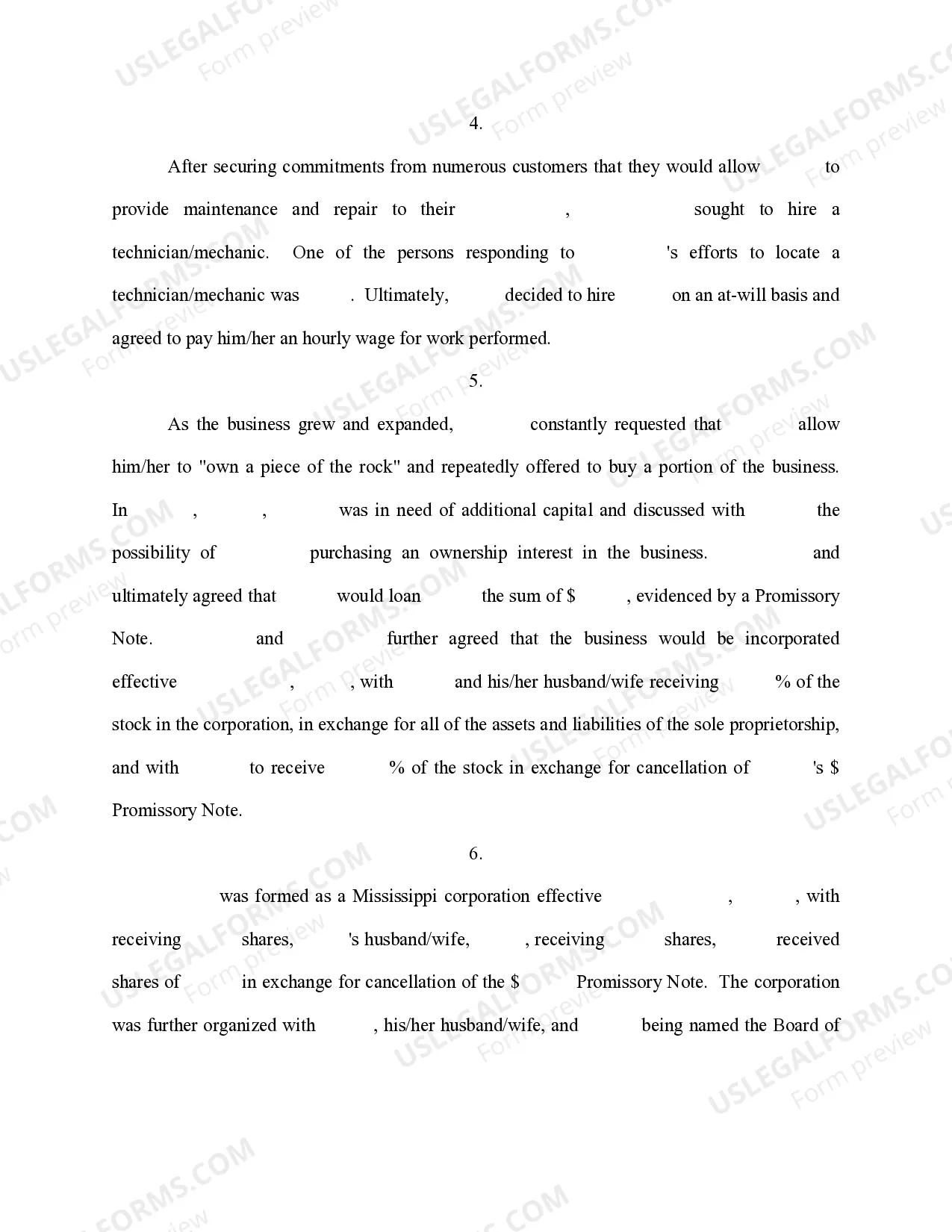
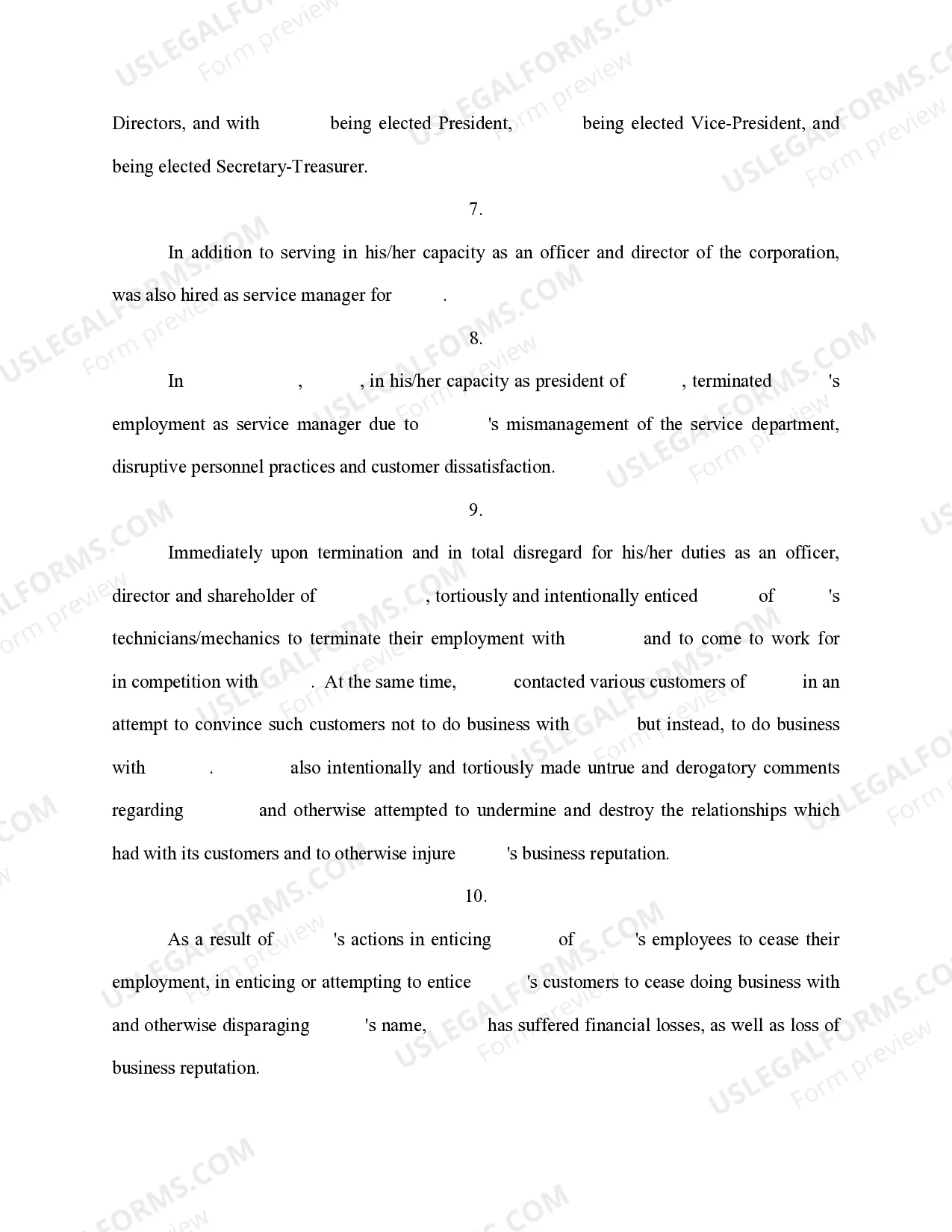
- Clear statement of facts regarding the fiduciary duty breach.
- Details of the misappropriation of trade secrets.
- Legal basis for the claims made in the complaint.
- Request for specific remedies or relief sought by the corporation.



Common use cases
This form should be used when a corporation believes it has suffered harm due to another party's actions that violated fiduciary duties or involved the theft of trade secrets. Common situations include disputes between business partners, allegations of unfair competition, or conflicts involving former employees who disclose confidential information.
Who this form is for
The following individuals or entities should use this form:
- Corporate attorneys representing a business entity.
- Business owners who believe their company has been wronged.
- Corporate compliance officers managing internal disputes.
Steps to complete this form
Follow these steps to accurately fill out the Complaint - Corporate Plaintiff form:
- Enter the names and addresses of the plaintiff corporation and the defendant.
- Summarize the relevant facts that led to the legal dispute.
- Specify the breach of fiduciary duties and how they occurred.
- Describe how trade secrets were misappropriated by the defendant.
- Include a section outlining the remedies or relief sought by the plaintiff.
Notarization requirements for this form
Notarization is not commonly needed for this form. However, certain documents or local rules may make it necessary. Our notarization service, powered by Notarize, allows you to finalize it securely online anytime, day or night.
Get your form ready online
Our built-in tools help you complete, sign, share, and store your documents in one place.
Make edits, fill in missing information, and update formatting in US Legal Forms—just like you would in MS Word.
Download a copy, print it, send it by email, or mail it via USPS—whatever works best for your next step.
Sign and collect signatures with our SignNow integration. Send to multiple recipients, set reminders, and more. Go Premium to unlock E-Sign.
If this form requires notarization, complete it online through a secure video call—no need to meet a notary in person or wait for an appointment.
We protect your documents and personal data by following strict security and privacy standards.

Make edits, fill in missing information, and update formatting in US Legal Forms—just like you would in MS Word.

Download a copy, print it, send it by email, or mail it via USPS—whatever works best for your next step.

Sign and collect signatures with our SignNow integration. Send to multiple recipients, set reminders, and more. Go Premium to unlock E-Sign.

If this form requires notarization, complete it online through a secure video call—no need to meet a notary in person or wait for an appointment.

We protect your documents and personal data by following strict security and privacy standards.
Common mistakes to avoid
- Failing to include all relevant parties involved in the dispute.
- Vague descriptions of the fiduciary duties breached.
- Neglecting to specify the exact trade secrets involved.
- Omitting the request for specific relief or remedies.
Advantages of online completion
- Convenience of downloading and filling out the form at your own pace.
- Editability allows for easy modifications as needed.
- Access to templates drafted by licensed attorneys ensures reliability.
Looking for another form?
Form popularity
FAQ
Contact the clerk's office of the court where the lawsuit was filed. You'll find a phone number and address for the clerk's office on your summons. The clerk will be able to tell you exactly what documents you should file with your answer and whether any filing fee is required.
The plaintiff must give you responses to your request for admissions within 30 days. You do not need to do anything if you do not get a response. The plaintiff has 30 days to deny or object to the statements.
Provide the name of the court at the top of the Answer. You can find the information on the summons. List the name of the plaintiff on the left side. Write the case number on the right side of the Answer. Address the Judge and discuss your side of the case. Ask the judge to dismiss the case.
When drafting an answer, one must: (1) follow the local, state, and federal court rules; (2) research the legal claims in the adversary's complaint; (3) respond to the adversary's factual allegations; and (4) assert affirmative defenses, counterclaims, cross-claims, or third-party claims, if applicable.
By definition, lawsuit refers to the legal process (that is, the court case) by which a court of law makes a decision on an alleged wrong (as exhibited in the statement "a complex lawsuit that may take years to resolve"), whereas complaint refers to the initial document, or pleading, submitted by a plaintiff against a
Read the summons and make sure you know the date you must answer by. Read the complaint carefully. Write your answer. Sign and date the answer. Make copies for the plaintiff and yourself. Mail a copy to the plaintiff. File your answer with the court by the date on the summons.
A plaintiff starts a civil action by filing a pleading called a complaint. A complaint must state all of the plaintiff's claims against the defendant, and must also specify what remedy the plaintiff wants. After receiving the complaint, the defendant must respond with an answer.
Comply With the Relevant Federal, State, and Local Rules. Research Before Writing. Allege Subject Matter Jurisdiction, Personal Jurisdiction, and Venue. Draft Concise and Plain Statement of the Facts. Draft Separate Counts for Each Legal Claim. Plead Facts With Particularity Where Necessary.
A complaint is the first document filed with a court to begin a lawsuit. It is a formal legal document that asserts the plaintiff's view of the facts and the legal reasons that the plaintiff believes it has a claim against the defendant.