Mississippi Amended Answer to Garnishment Re Bankruptcy
About this form
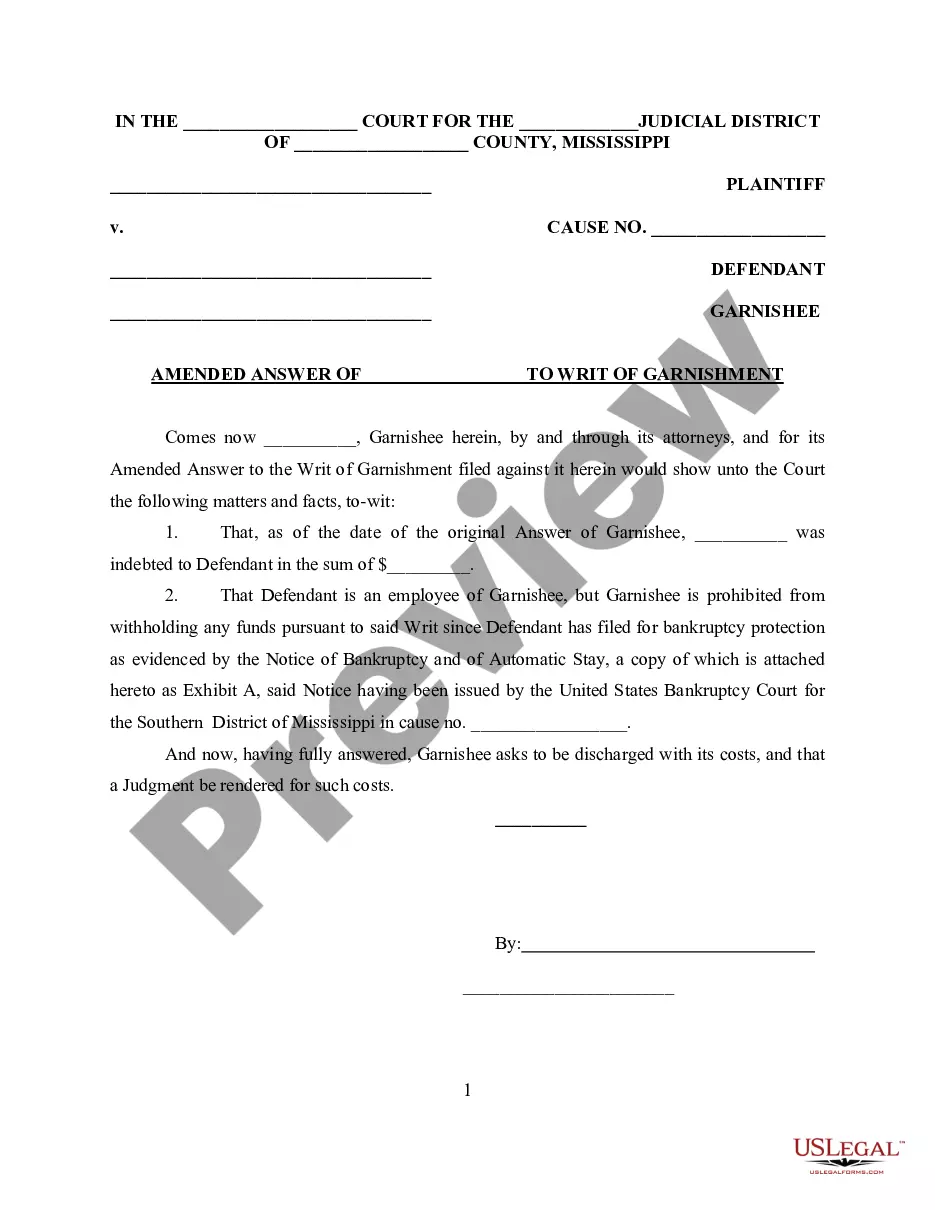
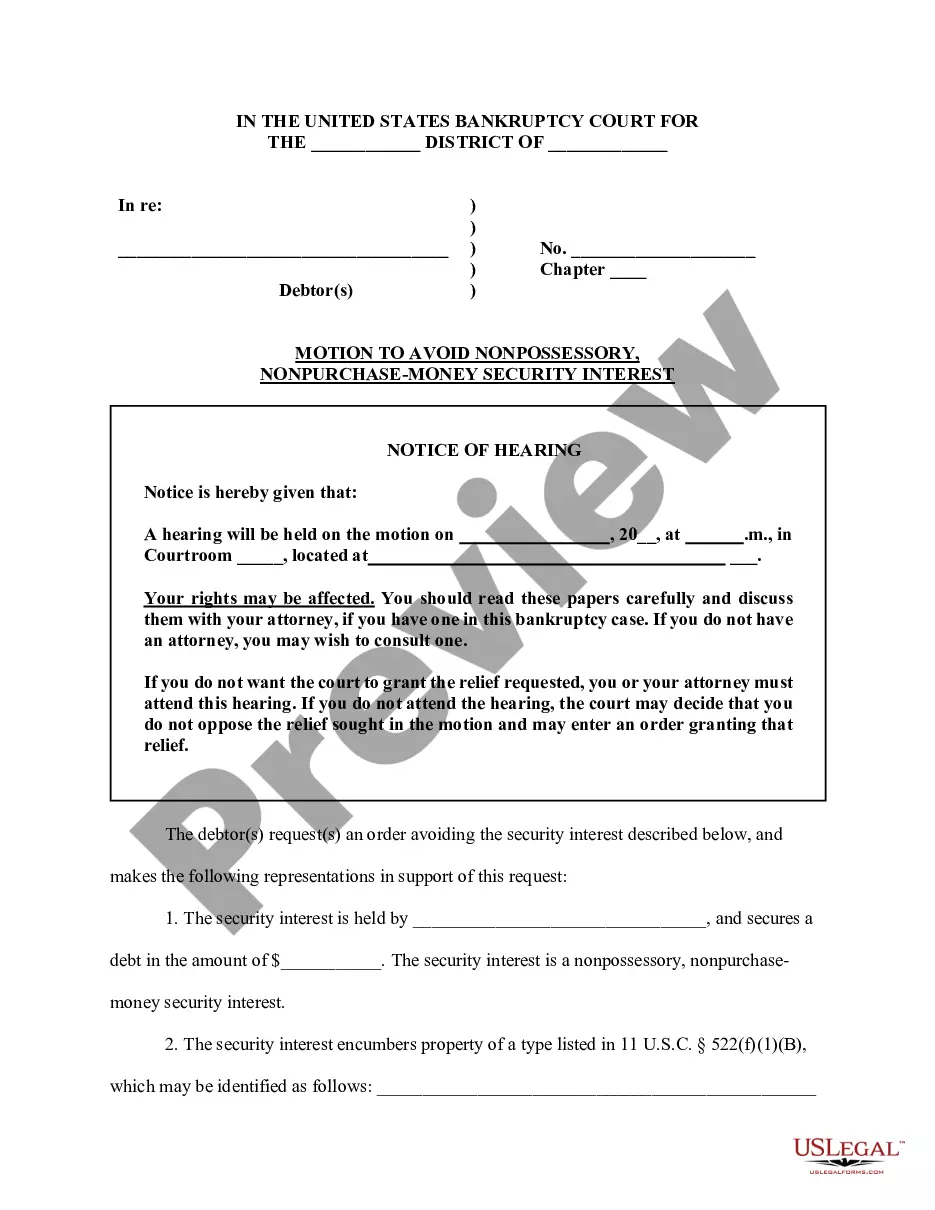
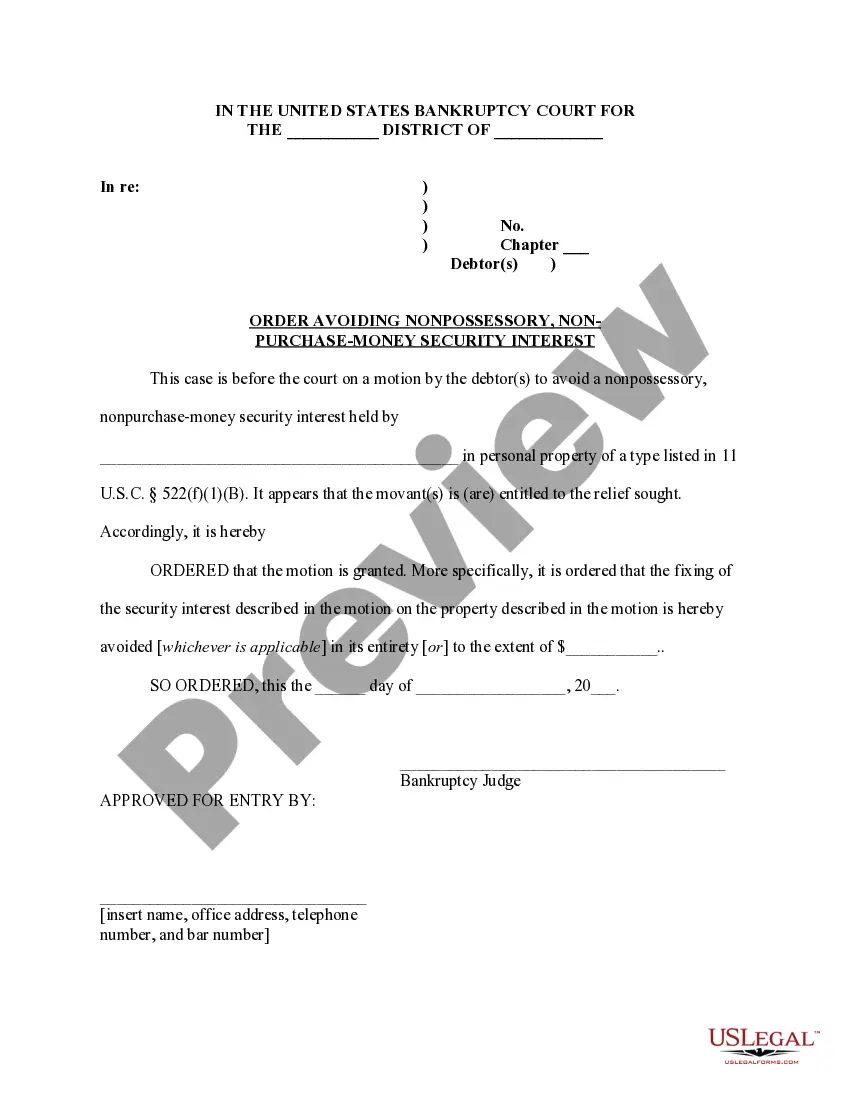
The Amended Answer to Garnishment Re Bankruptcy is a legal document used in a garnishment proceeding associated with bankruptcy cases. This form allows a garnishee, typically the entity that owes money to the defendant, to officially amend their previous response to a writ of garnishment, particularly in light of the defendant's bankruptcy filing. This form clarifies the garnishee's obligations and highlights that they are unable to withhold funds due to the automatic stay provided under bankruptcy law.
Key components of this form
- Heading with county, plaintiff, defendant, and cause number information.
- Identification of the garnishee and the initial amount owed to the defendant.
- Reference to the bankruptcy filing and the notice of automatic stay.
- Request for discharge from the garnishment obligation and recovery of costs.
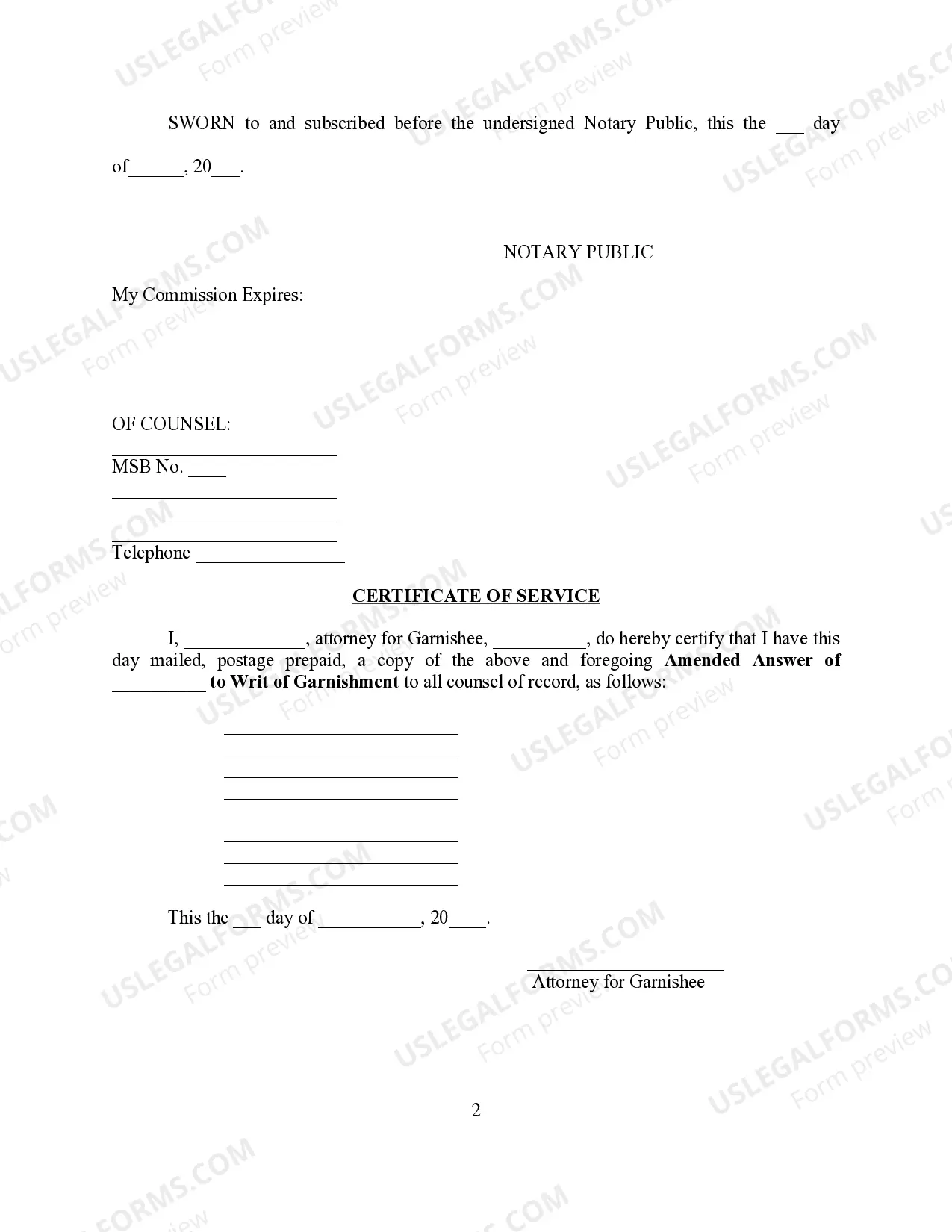
- Certification of service to all relevant parties.
Situations where this form applies
This form is necessary when a garnishee needs to respond to a writ of garnishment that has been put on hold due to the defendant's bankruptcy filing. It is used primarily in situations where the garnishee had previously acknowledged a debt to the defendant and must update their response to reflect the defendant's legal status under bankruptcy protections.
Who this form is for
Eligibility for this form includes:
- Garnishees who owe money to a defendant that has filed for bankruptcy.
- Attorneys representing garnishees in garnishment proceedings.
- Individuals or entities seeking to clarify their legal obligations in relation to a bankruptcy case.
How to prepare this document
- Identify the parties involved, including the garnishee, plaintiff, and defendant.
- Fill in the cause number and relevant details specific to the garnishment case.
- State the amount owed to the defendant at the time of the original answer.
- Attach and reference the notice of bankruptcy, indicating the automatic stay.
- Sign and date the document, ensuring certification of service to all other parties.
Notarization guidance
This document requires notarization to meet legal standards. US Legal Forms provides secure online notarization powered by Notarize, allowing you to complete the process through a verified video call, available 24/7.
Get your form ready online
Our built-in tools help you complete, sign, share, and store your documents in one place.
Make edits, fill in missing information, and update formatting in US Legal Forms—just like you would in MS Word.
Download a copy, print it, send it by email, or mail it via USPS—whatever works best for your next step.
Sign and collect signatures with our SignNow integration. Send to multiple recipients, set reminders, and more. Go Premium to unlock E-Sign.
If this form requires notarization, complete it online through a secure video call—no need to meet a notary in person or wait for an appointment.
We protect your documents and personal data by following strict security and privacy standards.

Make edits, fill in missing information, and update formatting in US Legal Forms—just like you would in MS Word.

Download a copy, print it, send it by email, or mail it via USPS—whatever works best for your next step.

Sign and collect signatures with our SignNow integration. Send to multiple recipients, set reminders, and more. Go Premium to unlock E-Sign.

If this form requires notarization, complete it online through a secure video call—no need to meet a notary in person or wait for an appointment.

We protect your documents and personal data by following strict security and privacy standards.
Typical mistakes to avoid
- Failing to attach the notice of bankruptcy, which is essential for supporting the amended answer.
- Not updating the amount owed, leading to discrepancies in responses.
- Omitting signatures or the notary certification, which may invalidate the document.
Benefits of using this form online
- Convenience of immediate access and download from any device.
- Editability allows for customization specific to your situation without starting from scratch.
- Reliability, as forms are prepared by licensed attorneys with expertise in the field.
Looking for another form?

Form popularity
FAQ
If you review your three credit reports and you find information about your judgment, you can file a credit dispute to have it removed. The fastest and easiest way to file a dispute is to do it online with each credit reporting agency directly. You can also file your disputes by mail and over the phone.
You can stop a garnishment by paying the debt in full. You can stop a wage garnishment by asking the court to order installment payments in your case. Read Getting an Installment Payment Plan to learn more. Objecting to a garnishment will stop it until the objection is decided.
If it's already started, you can try to challenge the judgment or negotiate with the creditor. But, they're in the driver's seat, and if they don't allow you to stop a garnishment by agreeing to make voluntary payments, you can't really force them to. You can, however, stop the garnishment by filing a bankruptcy case.
If you are served with a garnishment summons, do not ignore these documents because they do not directly involve a debt that you owe. Instead, you should immediately freeze any payments to the debtor, retain the necessary property, and provide the required written disclosure.
In general terms, to attempt to have a wage garnishment ended, modified or reversed, you have the following options. First, you could attempt to negotiate a monthly payment agreement with the creditor/collector.Third, you could file an appeal with the court if you do not agree with the garnishment.
In most states, employers answer a writ of garnishment by filling out the paperwork attached to the judgment and returning it to the creditor or the creditor's attorney.
What you can do about wage garnishment.You have to be legally notified of the garnishment. You can file a dispute if the notice has inaccurate information or you believe you don't owe the debt. Some forms of income, such as Social Security and veterans benefits, are exempt from garnishment as income.
Respond to the Creditor's Demand Letter. Seek State-Specific Remedies. Get Debt Counseling. Object to the Garnishment. Attend the Objection Hearing (and Negotiate if Necessary) Challenge the Underlying Judgment. Continue Negotiating.