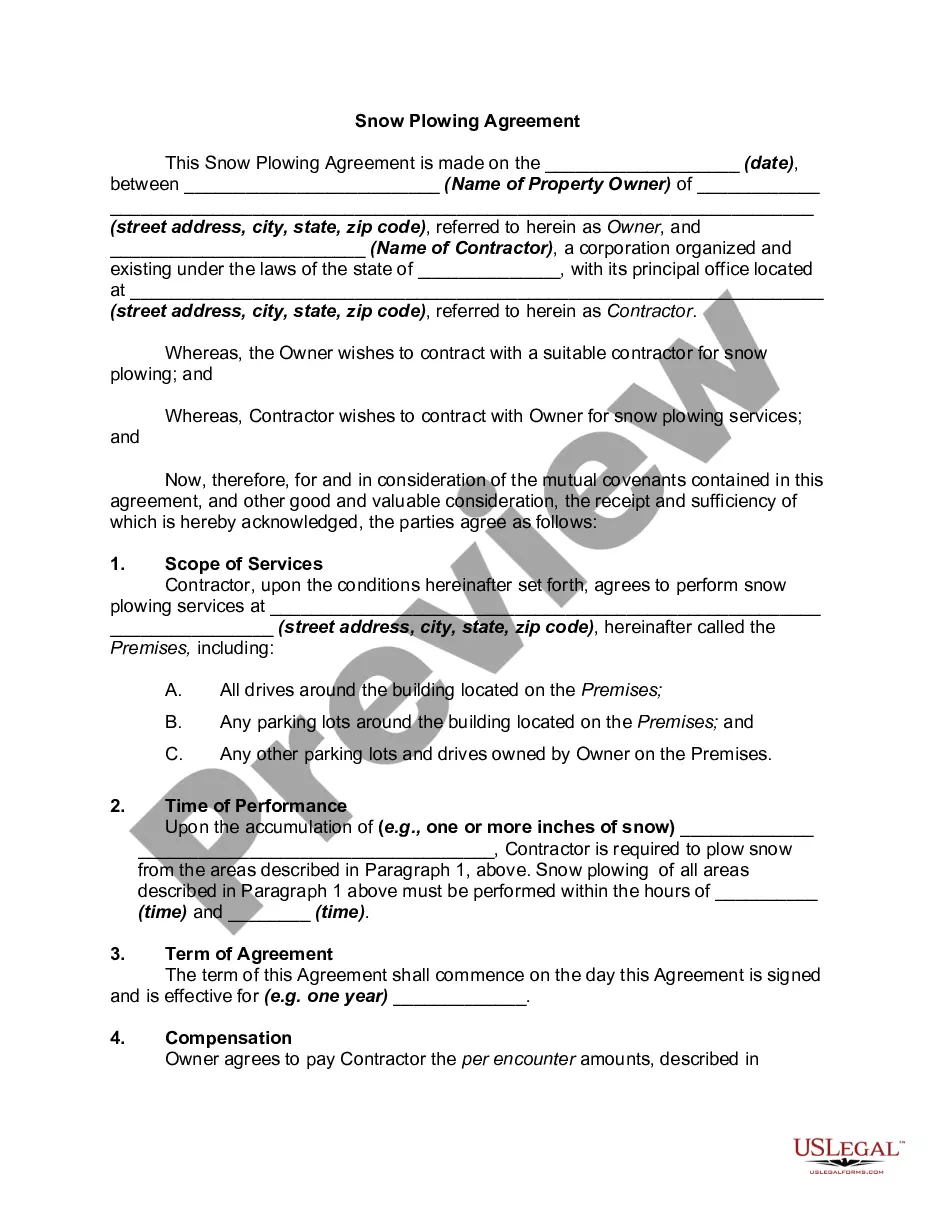
Missouri Employee Lending Agreement
Description

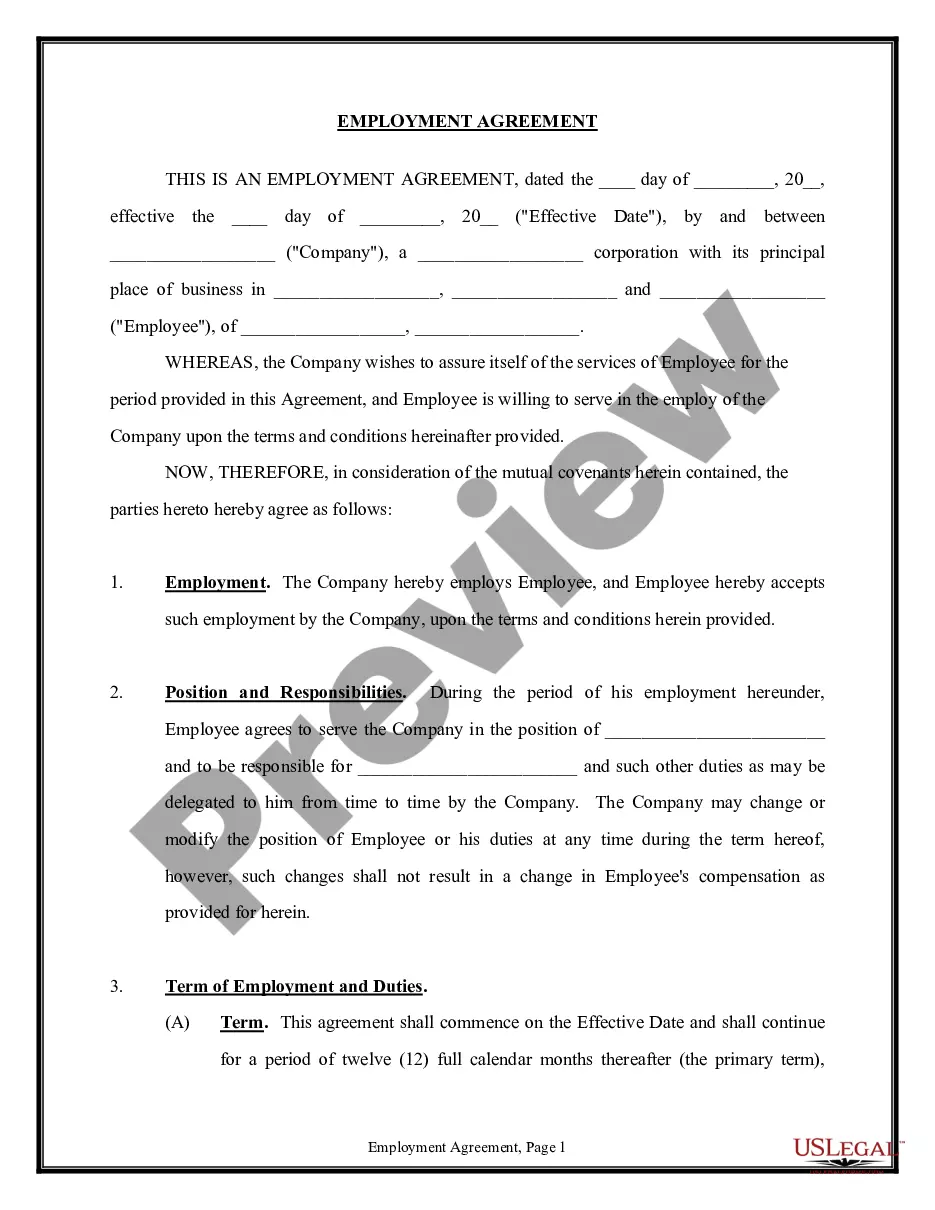
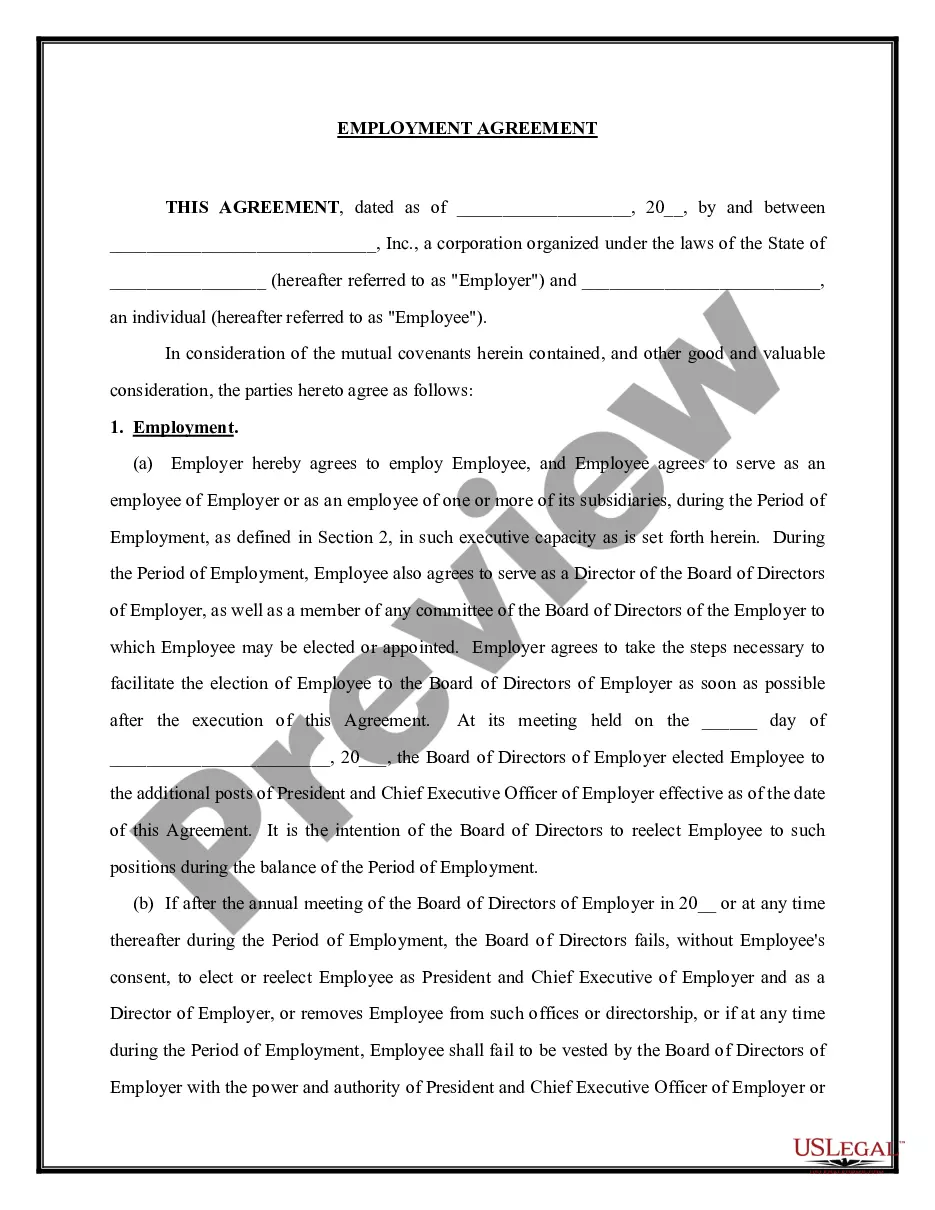
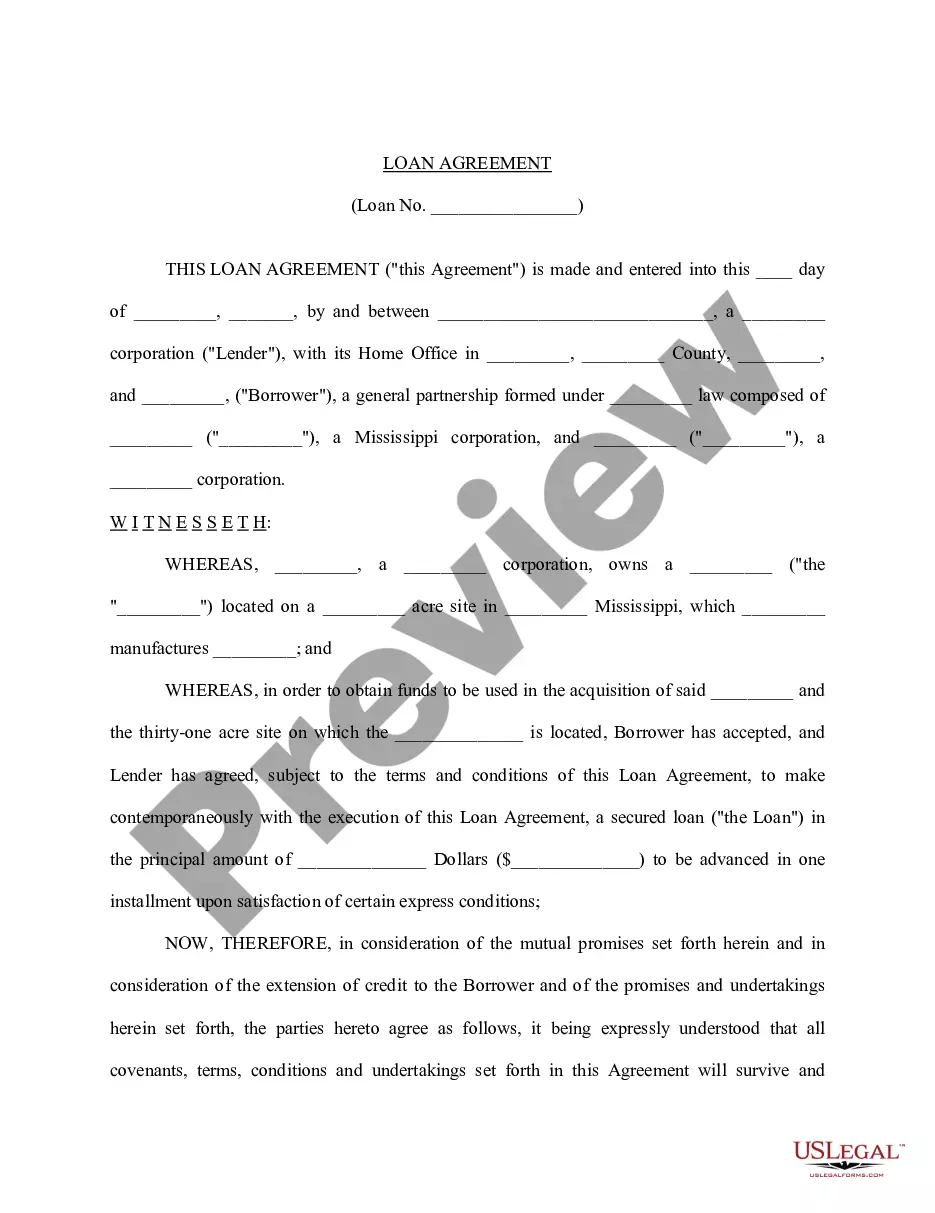
Get your form ready online
Our built-in tools help you complete, sign, share, and store your documents in one place.
Make edits, fill in missing information, and update formatting in US Legal Forms—just like you would in MS Word.
Download a copy, print it, send it by email, or mail it via USPS—whatever works best for your next step.
Sign and collect signatures with our SignNow integration. Send to multiple recipients, set reminders, and more. Go Premium to unlock E-Sign.
If this form requires notarization, complete it online through a secure video call—no need to meet a notary in person or wait for an appointment.
We protect your documents and personal data by following strict security and privacy standards.

Make edits, fill in missing information, and update formatting in US Legal Forms—just like you would in MS Word.

Download a copy, print it, send it by email, or mail it via USPS—whatever works best for your next step.

Sign and collect signatures with our SignNow integration. Send to multiple recipients, set reminders, and more. Go Premium to unlock E-Sign.

If this form requires notarization, complete it online through a secure video call—no need to meet a notary in person or wait for an appointment.

We protect your documents and personal data by following strict security and privacy standards.
Looking for another form?





How to fill out Employee Lending Agreement?
Have you found yourself in a situation where you require documents for possible organization or specific purposes almost every day.
There are numerous valid document templates accessible online, but obtaining reliable types is not straightforward.
US Legal Forms provides a vast array of template designs, such as the Missouri Employee Lending Agreement, which are crafted to satisfy federal and state regulations.
Select the pricing plan you prefer, complete the required information to create your account, and process the payment using your PayPal or credit card.
Choose a suitable file format and download your copy. Access all the document templates you have purchased in the My documents menu. You can obtain another copy of the Missouri Employee Lending Agreement at any time, if needed. Click the desired document to download or print the template.
- If you are already familiar with the US Legal Forms website and have an account, simply Log In.
- Afterwards, you can download the Missouri Employee Lending Agreement template.
- If you do not have an account and wish to start using US Legal Forms, follow these steps.
- Find the document you need and ensure it is for the correct city/county.
- Utilize the Review button to evaluate the form.
- Read the description to confirm that you have selected the correct document.
- If the document is not what you're seeking, use the Search bar to locate the form that meets your needs and requirements.
- Once you have obtained the appropriate document, click Get now.
Form popularity
FAQ
To obtain a Missouri tax ID number, you can apply online through the Missouri Department of Revenue's website. You may need to provide your business information and specific details about your operations. This process is crucial for businesses, especially when considering agreements like a Missouri Employee Lending Agreement. Once you have your tax ID, ensure you comply with all state regulations for your business.
Remote work for a Missouri employer performed outside Missouri typically isn’t subject to Missouri state income tax. However, local tax laws in the state where you work may apply. It's important to keep informed about both Missouri tax laws and the tax laws in your work location. For a detailed understanding, consulting your tax advisor or reviewing resources like the Missouri Employee Lending Agreement can be beneficial.
Missouri is an at-will employee state. This means an employer may terminate an employee at any time and for any reason (with a few limited exceptions, discussed below) unless the employee had a written employment contract.
While Missouri appellate courts had previously recognized the public policy exception to the at-will employment doctrine, the Missouri Supreme Court had not addressed the viability of such a cause of action or the parameters under which the cause of action could be brought.
Missouri law requires that final wages be paid to an employee upon the end or termination of employment. An employer who fails to pay final wages is in violation of Missouri Statute 290.110 RSMo. Section 290.110 requires that that all final wages be paid without any deductions.
Missouri also has "right to work" laws that prohibit union membership as a condition of employment. Like most states, Missouri labor laws require at least a minimum wage payment, prohibit discrimination, and allow employees to take leave from work when necessary.
Missouri is an at-will employment state.
Employment in Missouri follows the at-will statute, which upholds that an employer may fire an employee for no reason, but not for an unlawful reason. For instance, your employer may not fire you because you refuse to violate the law in carrying out your job duties.
Typically these claims arise when an employee: 1) refuses to engage in an illegal activity; 2) blows the whistle on illegal activity; or 3) exercises his or her workers' compensation rights. An employee cannot bring a wrongful termination claim simply because he or she was terminated.
Missouri is not a right-to-work state. In fact, in a referendum, 67.5 percent of voters opposed the law, according to The New York Times.