Missouri Employee Confidentiality Agreement
Description

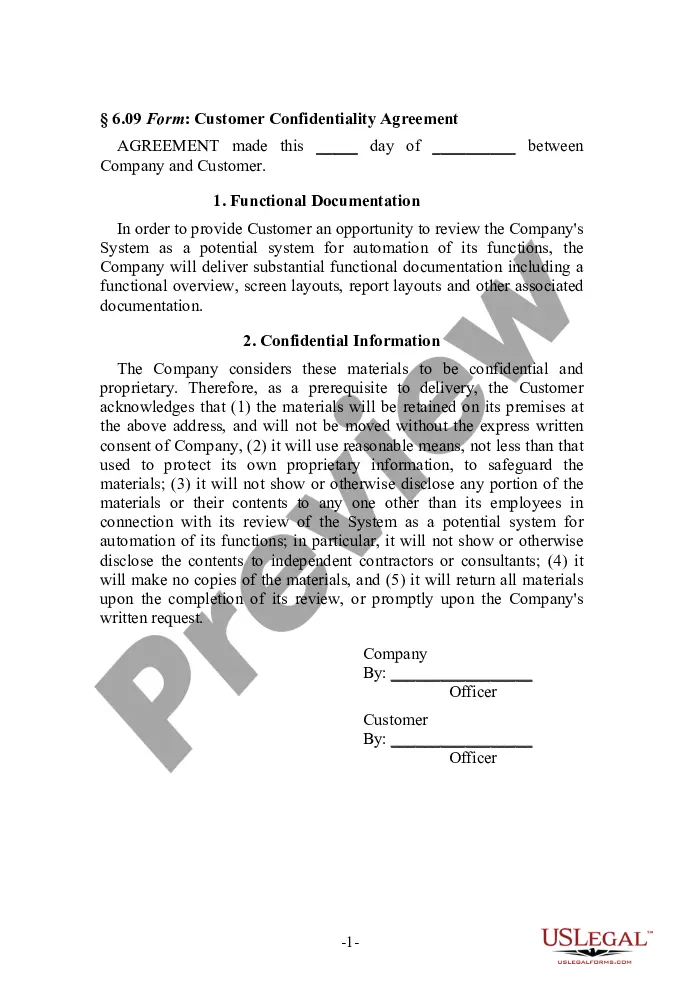
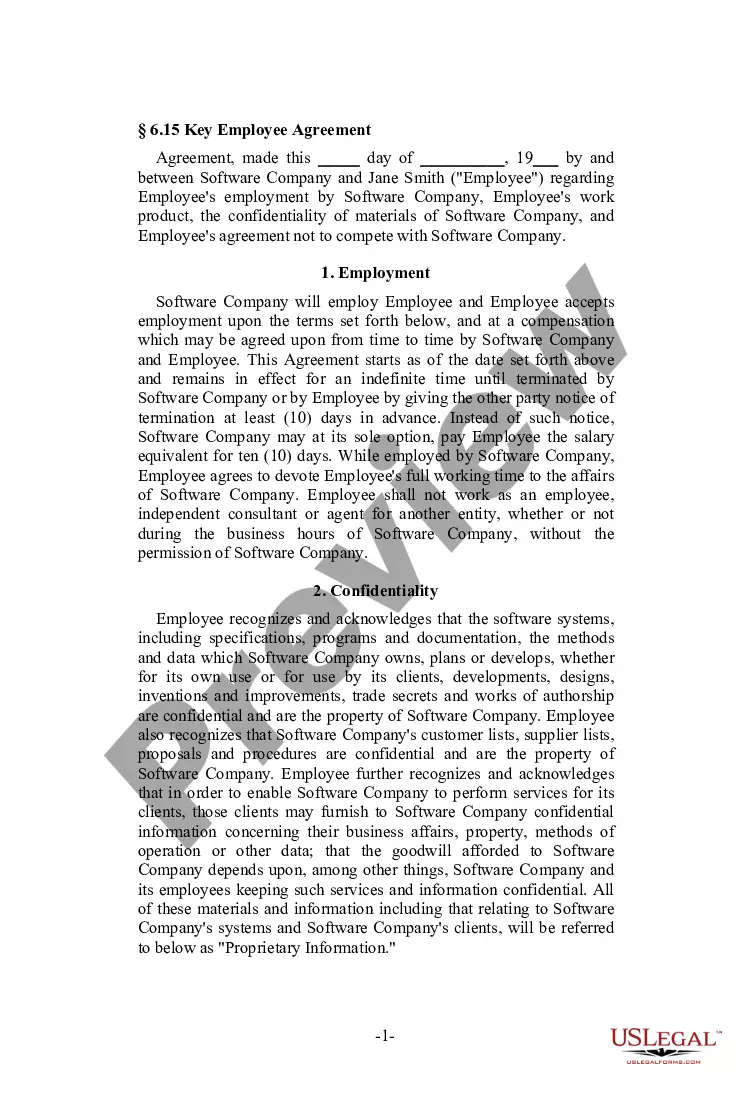
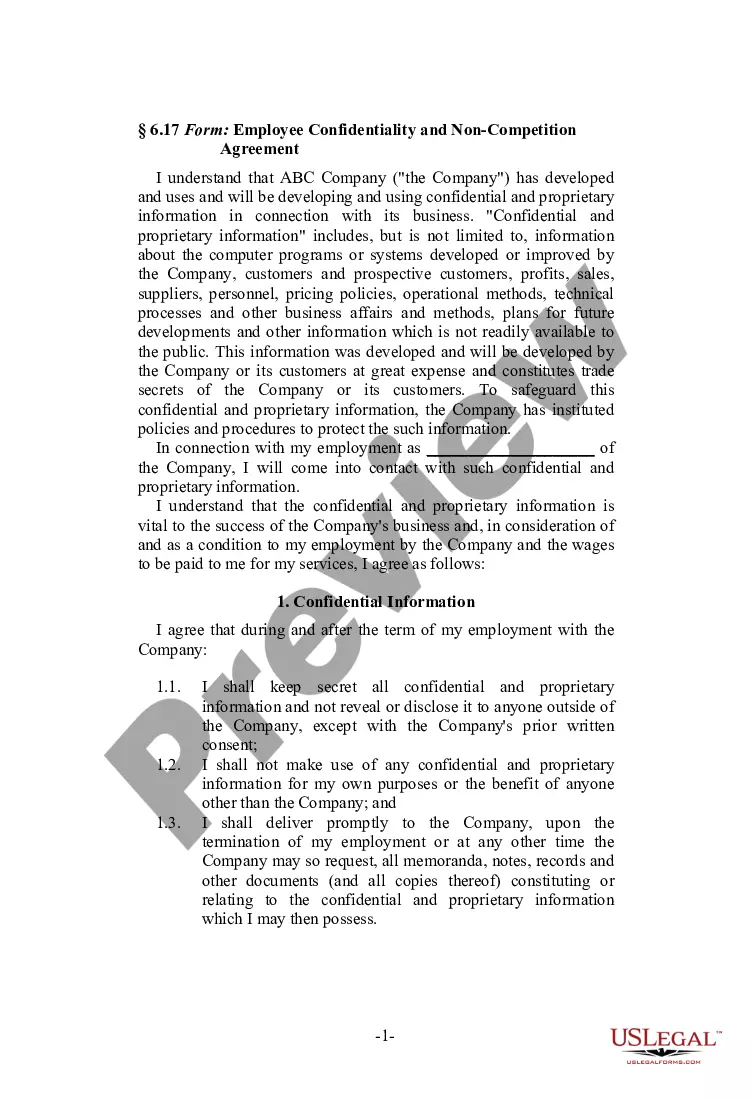
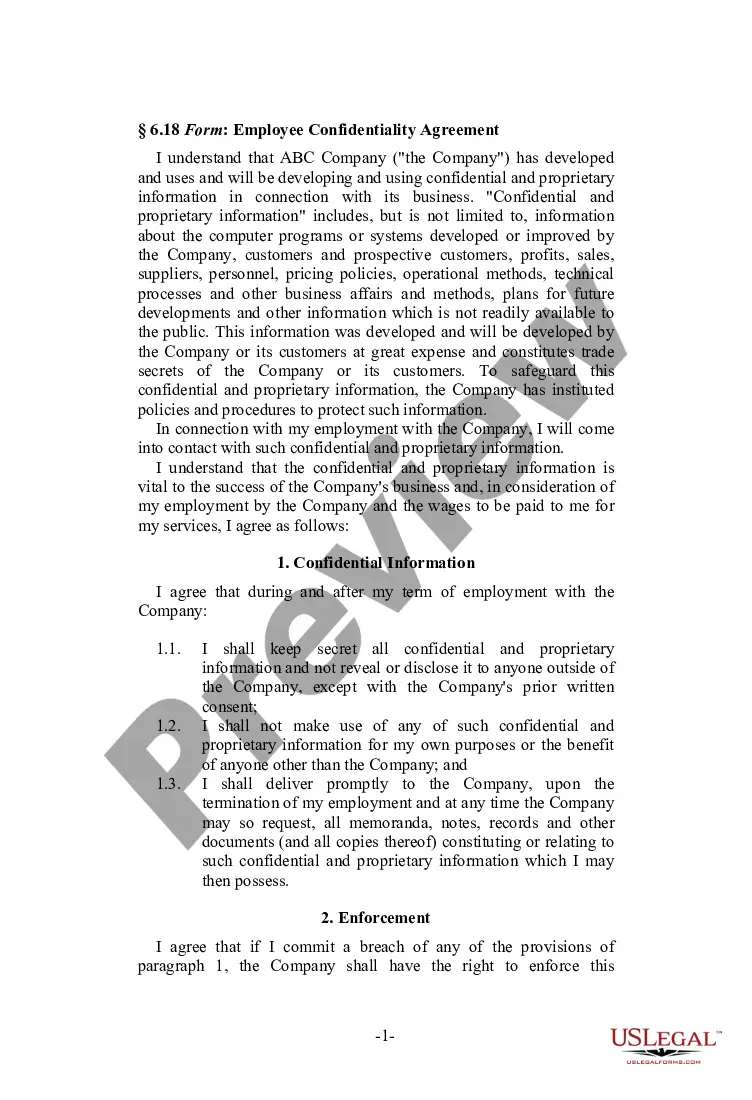
Get your form ready online
Our built-in tools help you complete, sign, share, and store your documents in one place.
Make edits, fill in missing information, and update formatting in US Legal Forms—just like you would in MS Word.
Download a copy, print it, send it by email, or mail it via USPS—whatever works best for your next step.
Sign and collect signatures with our SignNow integration. Send to multiple recipients, set reminders, and more. Go Premium to unlock E-Sign.
If this form requires notarization, complete it online through a secure video call—no need to meet a notary in person or wait for an appointment.
We protect your documents and personal data by following strict security and privacy standards.

Make edits, fill in missing information, and update formatting in US Legal Forms—just like you would in MS Word.

Download a copy, print it, send it by email, or mail it via USPS—whatever works best for your next step.

Sign and collect signatures with our SignNow integration. Send to multiple recipients, set reminders, and more. Go Premium to unlock E-Sign.

If this form requires notarization, complete it online through a secure video call—no need to meet a notary in person or wait for an appointment.

We protect your documents and personal data by following strict security and privacy standards.
Looking for another form?
How to fill out Employee Confidentiality Agreement?
Selecting the finest valid document template can be somewhat challenging.
Of course, there are numerous templates accessible online, but how do you retrieve the authentic form you require.
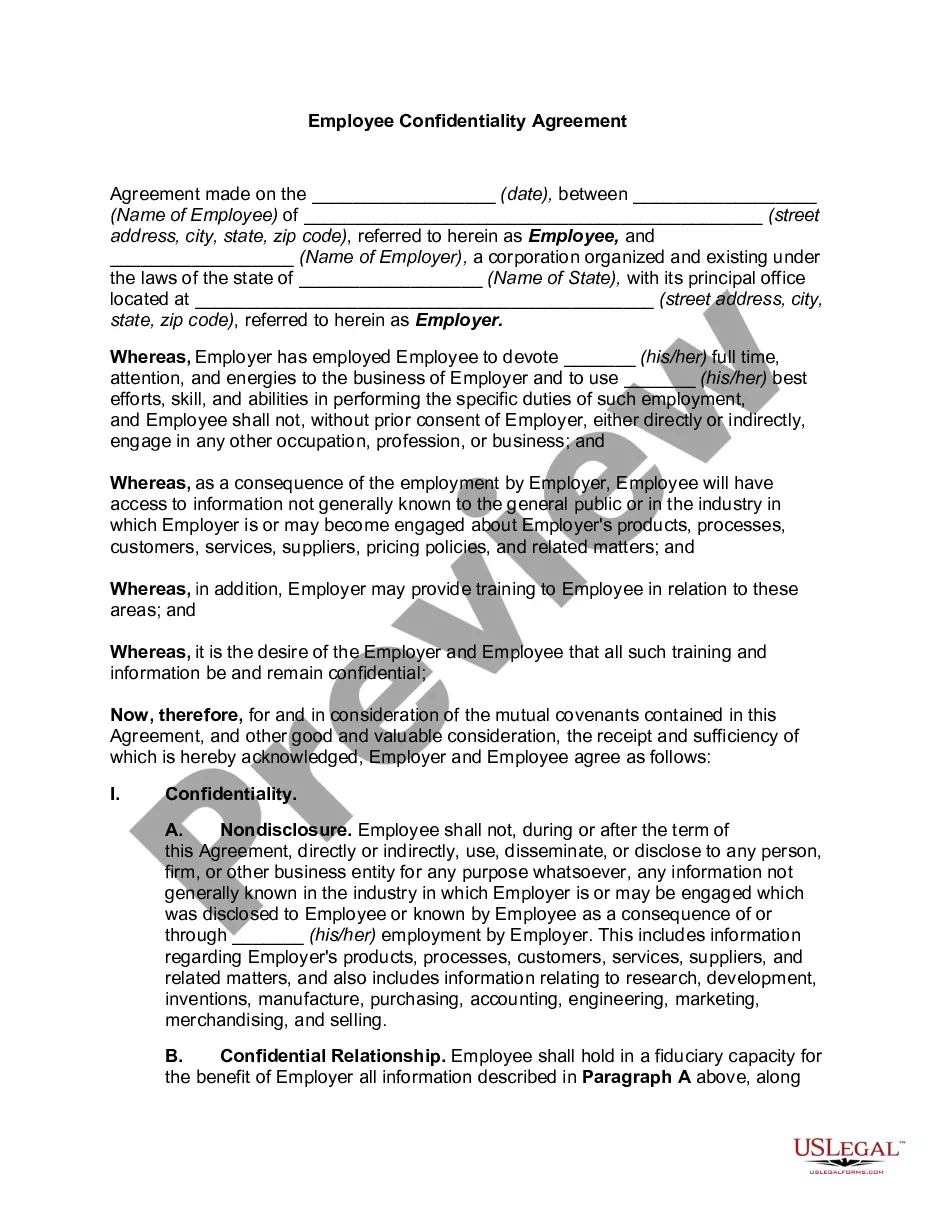
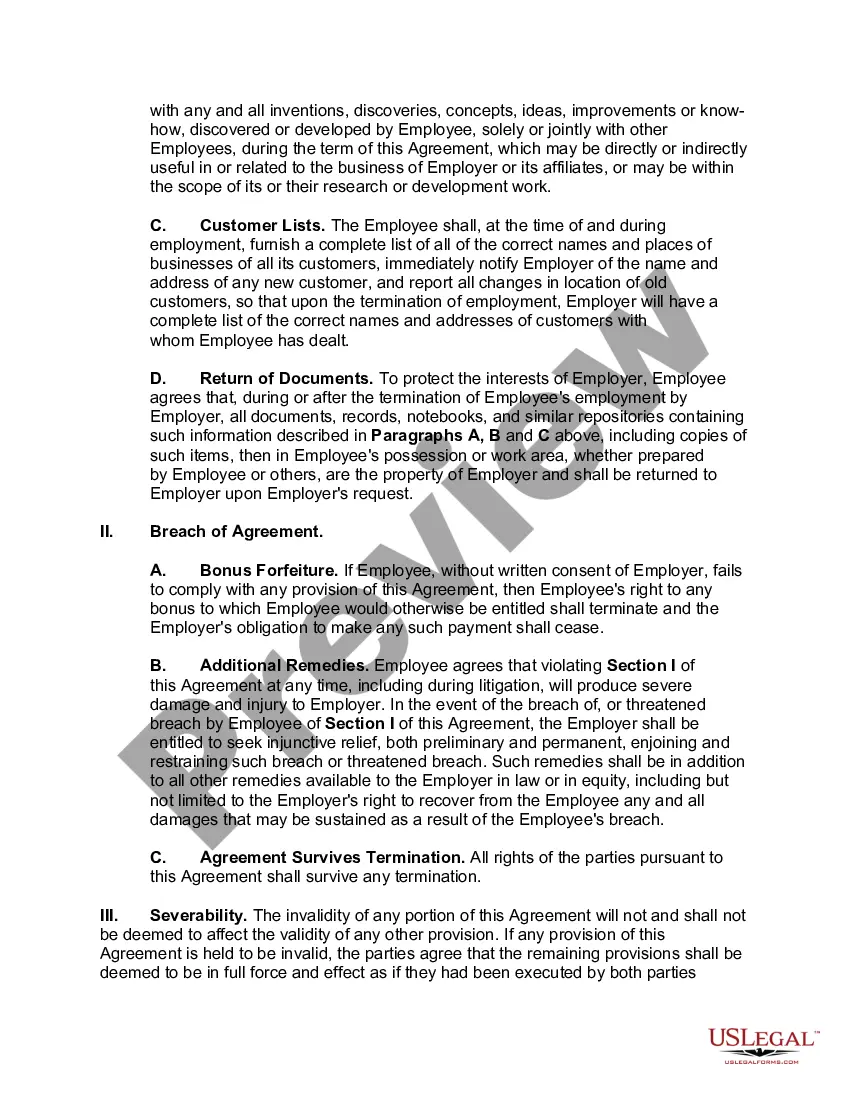
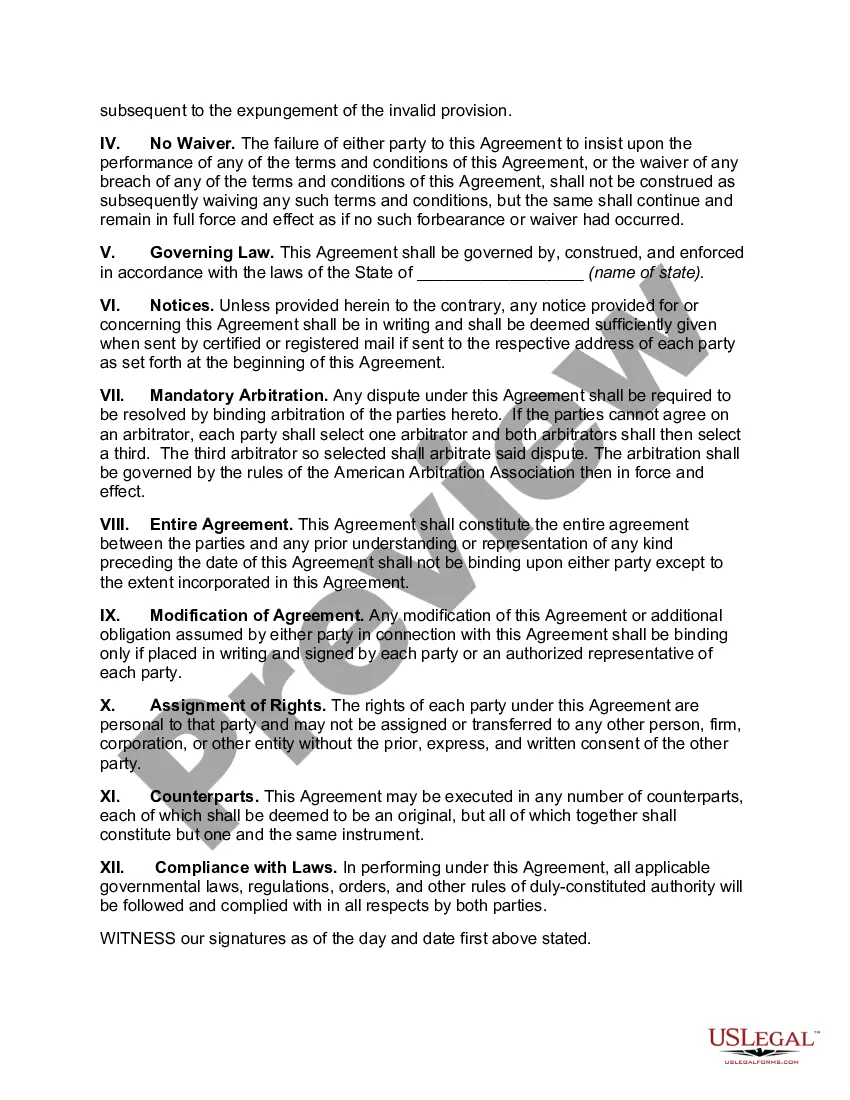
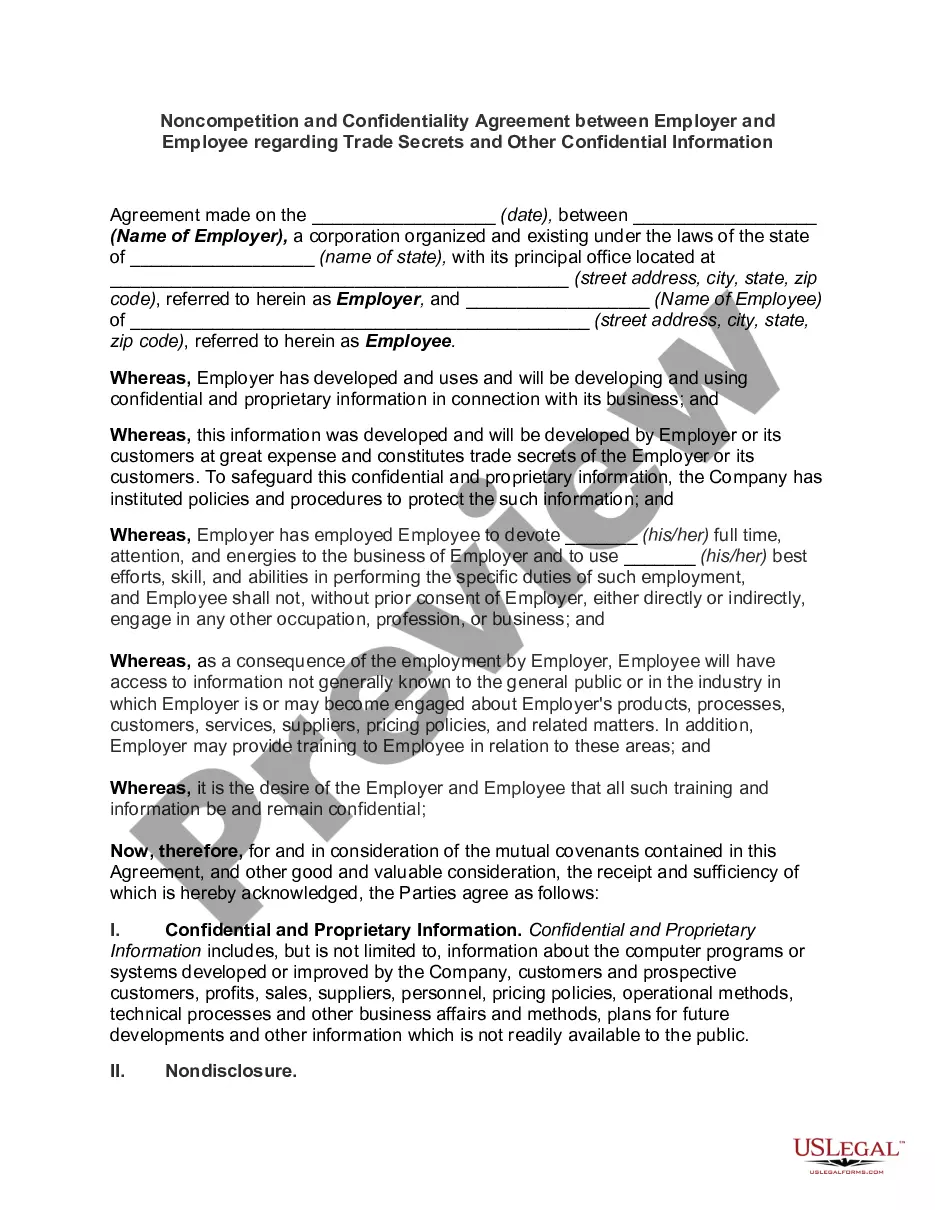
Utilize the US Legal Forms website. This service offers thousands of templates, including the Missouri Employee Confidentiality Agreement, which you can utilize for various business and personal needs.
First, ensure you have selected the correct form for your city/county. You can review the form using the Preview button and read the form details to confirm it is the right fit for you.
- All forms are reviewed by experts and meet local and federal standards.
- If you are already registered, Log In to your account and click the Download button to get the Missouri Employee Confidentiality Agreement.
- Use your account to browse the legal forms you have purchased previously.
- Visit the My documents section of your account to obtain an additional copy of the document you need.
- If you are a new user of US Legal Forms, here are simple steps for you to follow.
Form popularity
FAQ
Since NDAs are civil contracts, breaking one isn't technically a crime. However, it could come with severe financial penalties. Violating an NDA leaves you open to lawsuits from your employer, and you could be required to pay financial damages and possibly associated legal costs.
Your employees have the right to know which records are stored about them and their use, along with how confidentially they're kept. They're also entitled to know the connection between storing this information and how it assists with training and development requirements in the workplace.
How to terminate the NDARead the Duration clauses. Good NDAs will have two different terms of duration.Read the termination clause. Like any other relationship, business partnerships can come to an early end unexpectedly.Read the Return of Information clause.
An employee confidentiality agreement, or non-disclosure agreement or an NDA, makes it crystal clear to an employee that he or she cannot under any circumstance, with the exception of prior written approval, disclose company secrets.
Employees have the right to keep private facts about themselves confidential and the right to some degree of personal space. An employer that discloses private facts or lies about an employee may be held accountable in a civil action for invasion of privacy or defamation.
Disclosure of Employees' Personal InformationEmployers are prohibited from disclosing the personal information of their employees without prior authorization. Failure to keep this information confidential may constitute a breach of confidentiality.
A confidentiality agreement is a legally binding contract that states two parties will not share or profit from confidential information. A business usually gives a confidentiality agreement to an employee or contractor to make sure its trade secrets or proprietary information remains private.
A confidentiality agreement is a written legal contract between an employer and an employee. The confidentiality agreement lays out binding terms and conditions that prohibit the employee from disclosing company confidential and proprietary information.
Generally, confidentiality agreements are enforceable when they meet the general requirements of a contract.
Confidential information is generally defined as information disclosed to an individual employee or known to that employee as a consequence of the employee's employment at a company. This information isn't generally known outside the company or is protected by law.