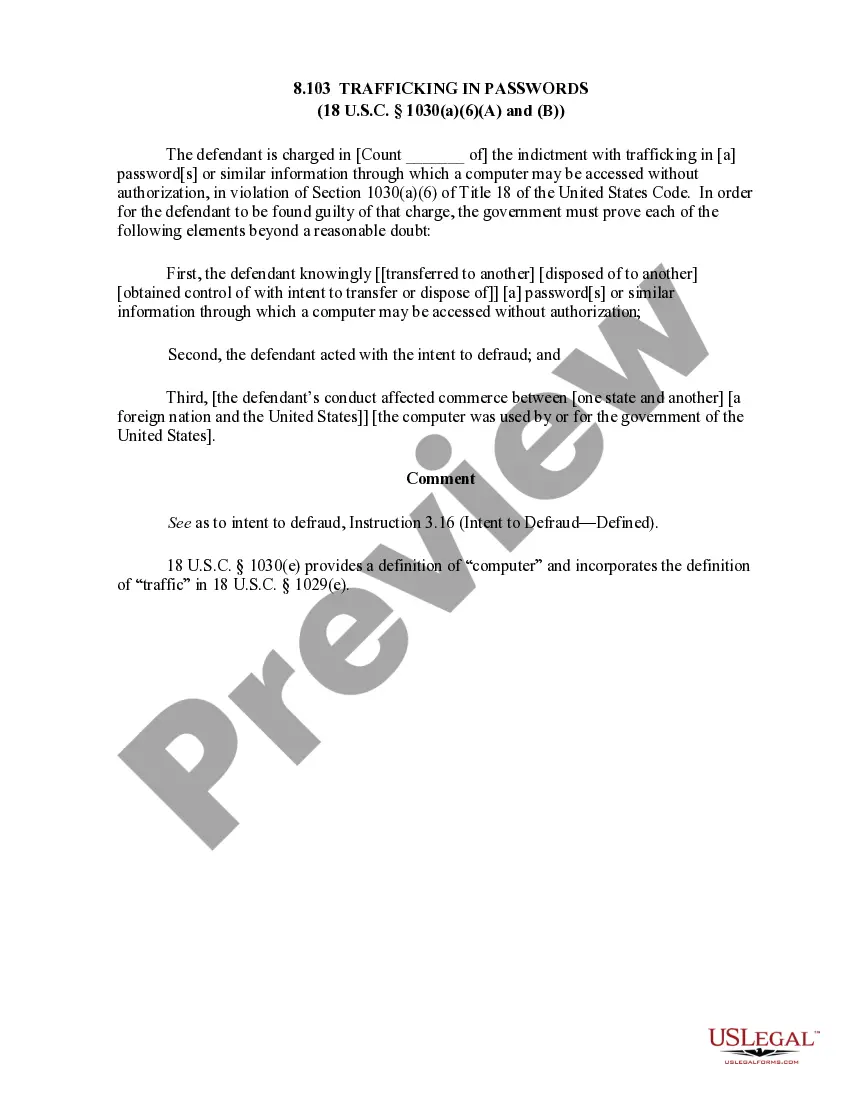
Federal Pro Se [Non-prisoner] Complaint Form:
** THIS IS NOT A FEDERAL PRO SE COMPLAINT FORM *****
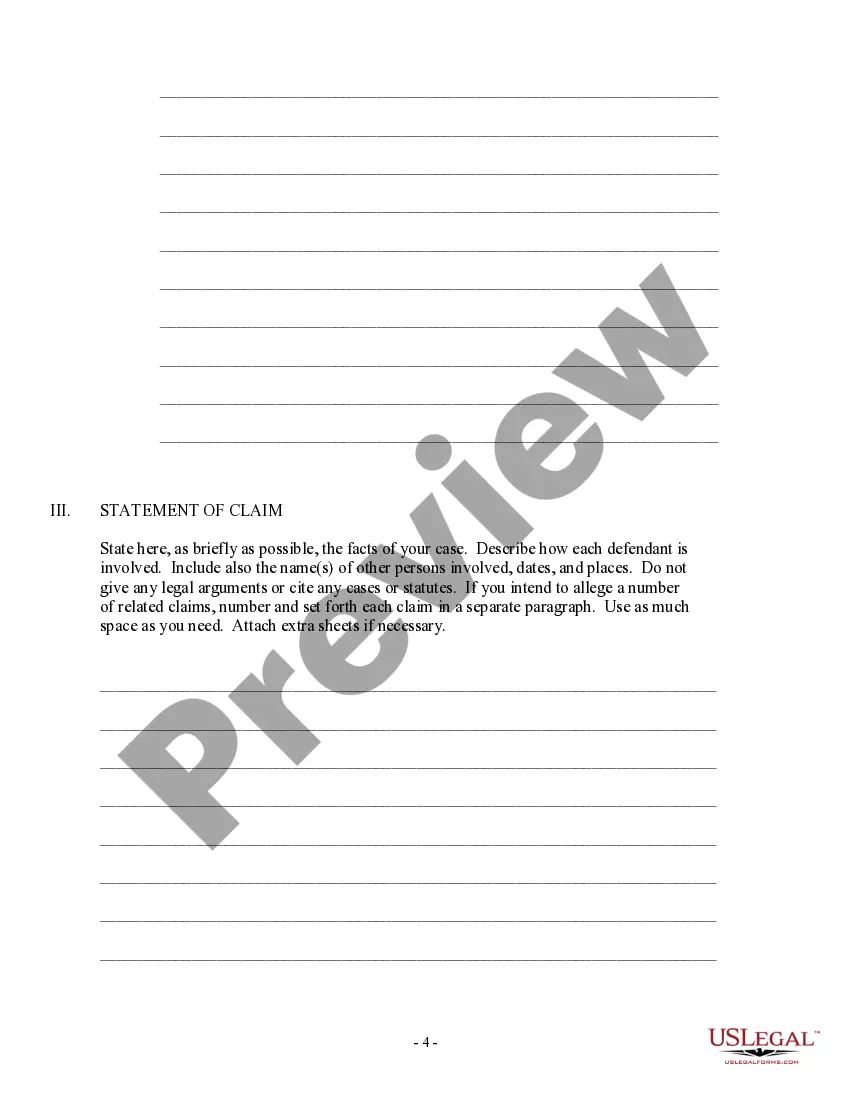
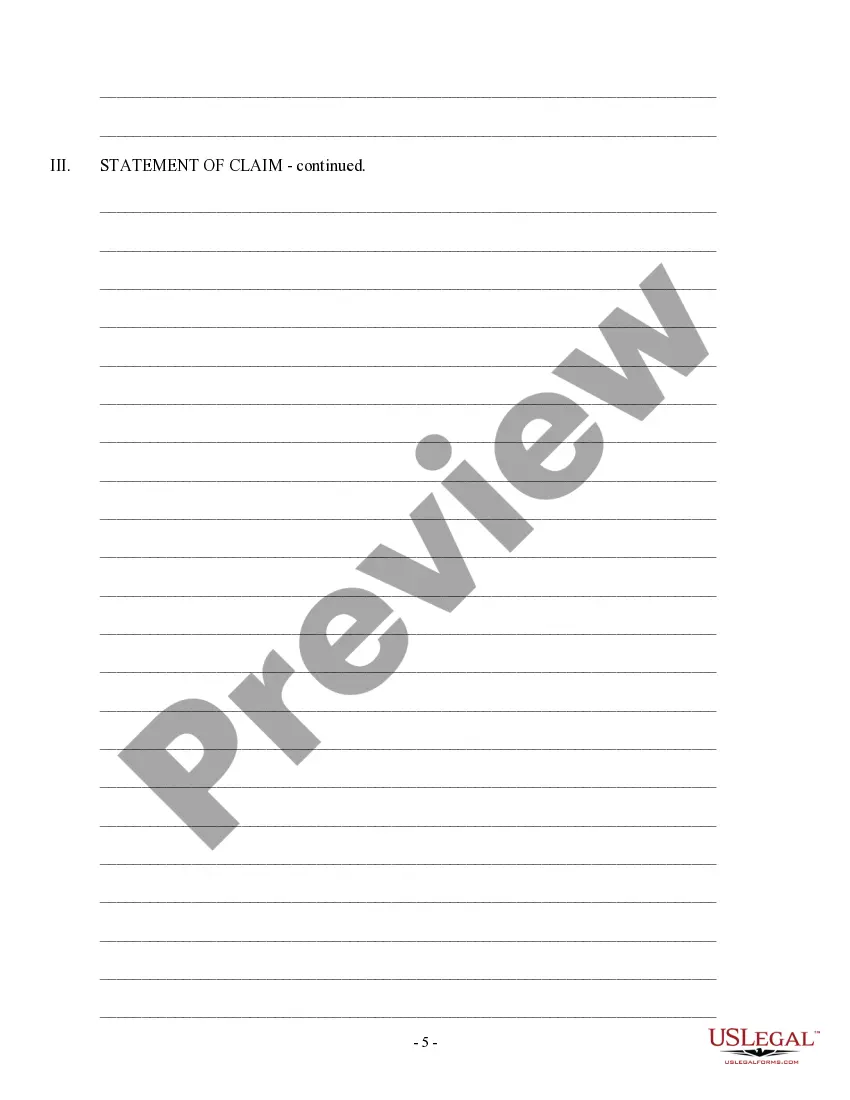
Missouri Federal Pro Se - Non-Prisoner - Complaint Form
Category:
State:
Multi-State
Control #:
US-01991
Format:
Word;
Rich Text
Instant download
Description
Free preview
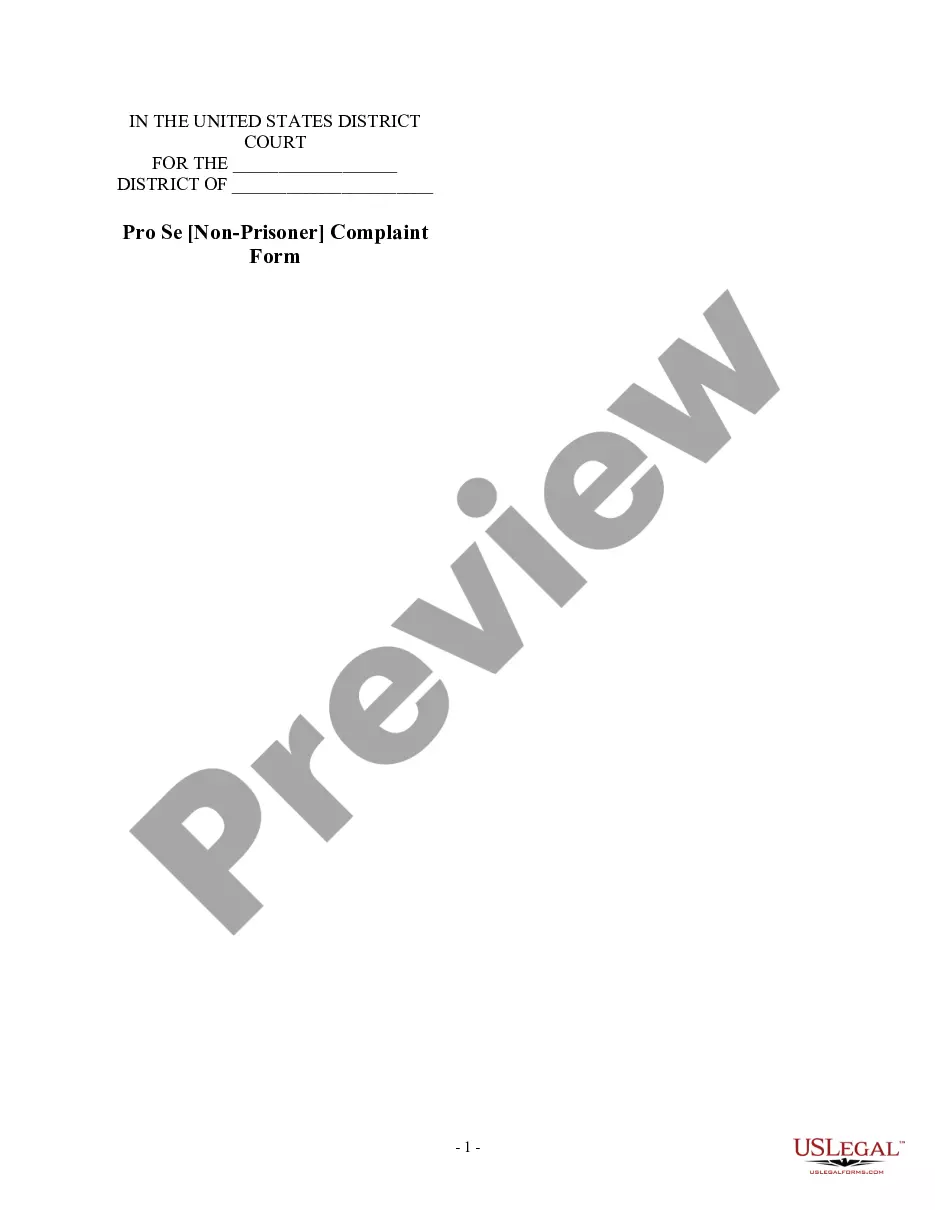
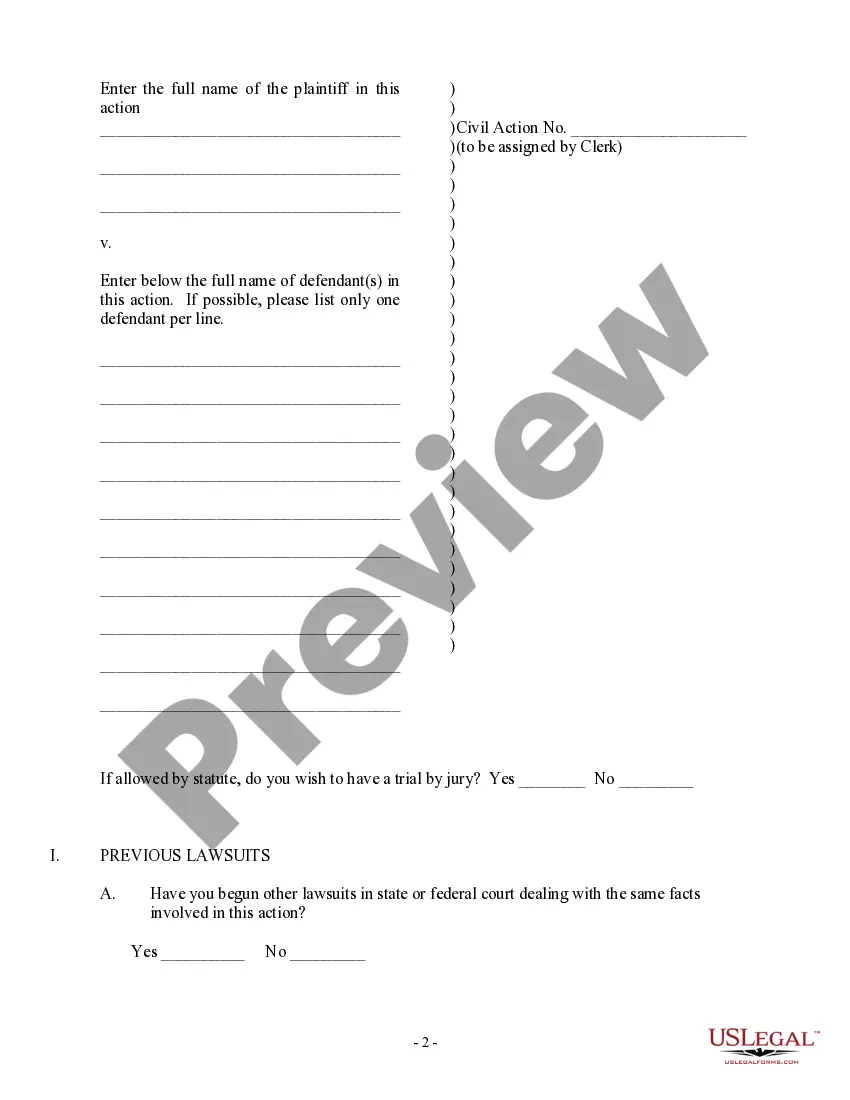
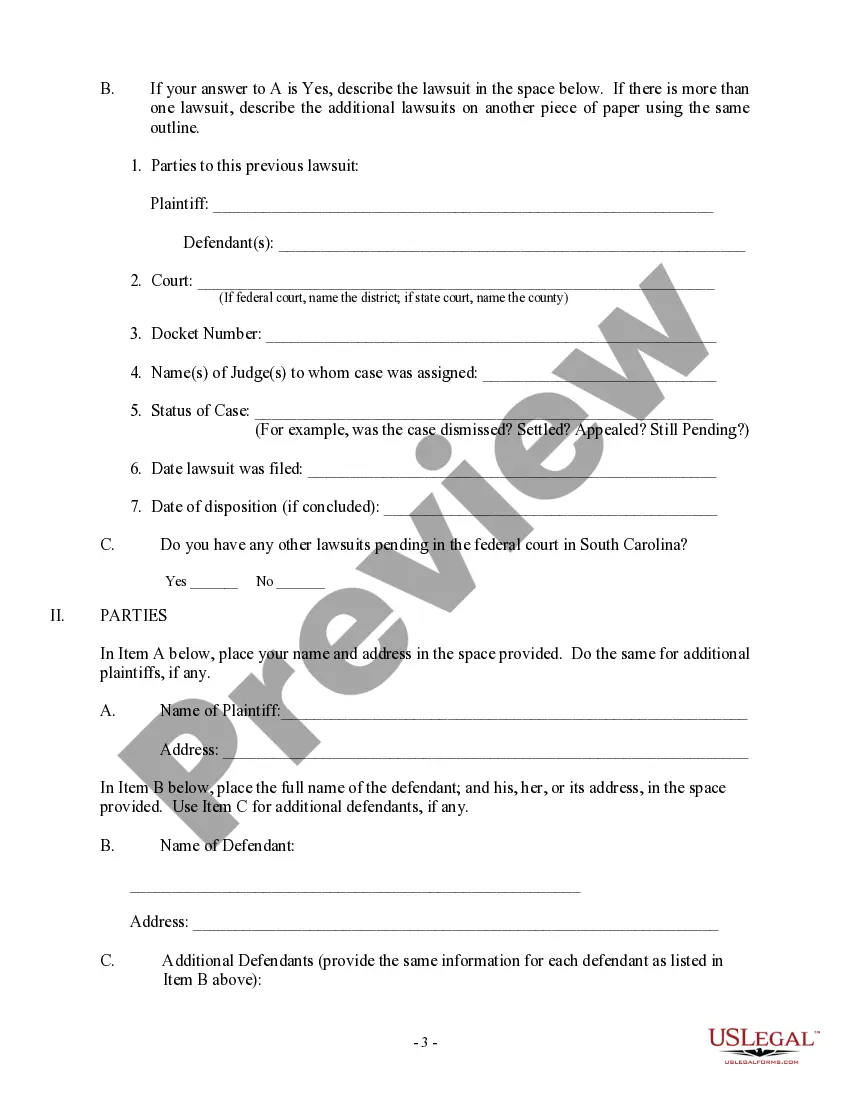
Get your form ready online
Our built-in tools help you complete, sign, share, and store your documents in one place.
Built-in online Word editor
Make edits, fill in missing information, and update formatting in US Legal Forms—just like you would in MS Word.
Export easily
Download a copy, print it, send it by email, or mail it via USPS—whatever works best for your next step.
E-sign your document
Sign and collect signatures with our SignNow integration. Send to multiple recipients, set reminders, and more. Go Premium to unlock E-Sign.
Notarize online 24/7
If this form requires notarization, complete it online through a secure video call—no need to meet a notary in person or wait for an appointment.
Store your document securely
We protect your documents and personal data by following strict security and privacy standards.

Make edits, fill in missing information, and update formatting in US Legal Forms—just like you would in MS Word.

Download a copy, print it, send it by email, or mail it via USPS—whatever works best for your next step.

Sign and collect signatures with our SignNow integration. Send to multiple recipients, set reminders, and more. Go Premium to unlock E-Sign.

If this form requires notarization, complete it online through a secure video call—no need to meet a notary in person or wait for an appointment.

We protect your documents and personal data by following strict security and privacy standards.
Looking for another form?



How to fill out Federal Pro Se - Non-Prisoner - Complaint Form?
Selecting the appropriate authorized document template may pose challenges. Naturally, there is a plethora of designs accessible online, but how can you find the authorized form you require? Utilize the US Legal Forms website. The service offers numerous templates, including the Missouri Federal Pro Se - Non-Prisoner - Complaint Form, suitable for both business and personal needs. All forms are evaluated by professionals and comply with state and federal regulations.
If you are currently registered, Log In to your account and click the Download button to obtain the Missouri Federal Pro Se - Non-Prisoner - Complaint Form. Use your account to search for the legal forms you have previously purchased. Navigate to the My documents section of your account to retrieve another copy of the document you need.
If you are a new user of US Legal Forms, here are simple steps for you to follow: First, ensure you have selected the correct form for your city/region. You can review the form using the Review option and examine the form details to ensure it is suitable for you. If the form does not meet your requirements, utilize the Search field to find the appropriate form. Once you are confident the form is correct, click the Purchase now button to obtain the form. Choose the pricing plan you need and enter the necessary information. Create your account and complete the payment for the order using your PayPal account or credit card. Select the file format and download the legal document template to your device. Complete, modify, print, and sign the acquired Missouri Federal Pro Se - Non-Prisoner - Complaint Form.
- US Legal Forms is the largest collection of legal forms available with various document templates.
- Utilize the service to obtain professionally-created paperwork that meets state regulations.
- Ensure you are selecting the correct form for your specific needs.
- Examine the form thoroughly before proceeding with the purchase.
- Easily manage your forms through your online account.
- Payment options include PayPal and credit card for convenience.
Form popularity
FAQ
You must fill out the Application for a Pro Se Summons form and submit it to the clerk in the county where you are suing, along with payment of the court fee. The fee must be paid by cash, certified check, money order or bank check. Personal checks will not be accepted.
Federal courts are authorized to hear only civil cases that involve one or more of the following: Questions regarding the Constitution. Questions of federal law (as opposed to state law) A dispute among residents of different states with an amount in controversy of more than $75,000.
The most common complaint involves allegations of color of law violations. Another common complaint involves racial violence, such as physical assaults, homicides, verbal or written threats, or desecration of property.
The types of civil cases that can be brought in the Federal courts are speci- fied in Article III of the United States Consti tution. These include: Cases arising under the United Sta tes Constitution, Federal statutes, and treaties.
As a result, civil rights cases can include some or all of the following: Freedom from excessive force by police or other law enforcement. Freedom from unreasonable searches or seizures by police or other law enforcement. Freedom from false arrest by police or other law enforcement.
The Court requires a civil cover sheet (available from the Clerk's Office) and a complaint that includes an original signature and your address. You must also either pay the filing fee or request the Court to allow you to file the case without paying the filing fee.
An official copy of the summons and petition must be sent immediately to a defendant's last known address, and it must include a copy of the Missouri Process Service, as well as the summons itself. The return receipt must be signed by the recipient only when the letter is sent by registered or certified mail.
Civil rights are rights that citizens have to ensure political and social freedom and equality. An individual citizen can sue a government employee for violating their civil rights under 42 U.S.C. § 1983, also known as the Civil Rights Act of 1871, a federal law.