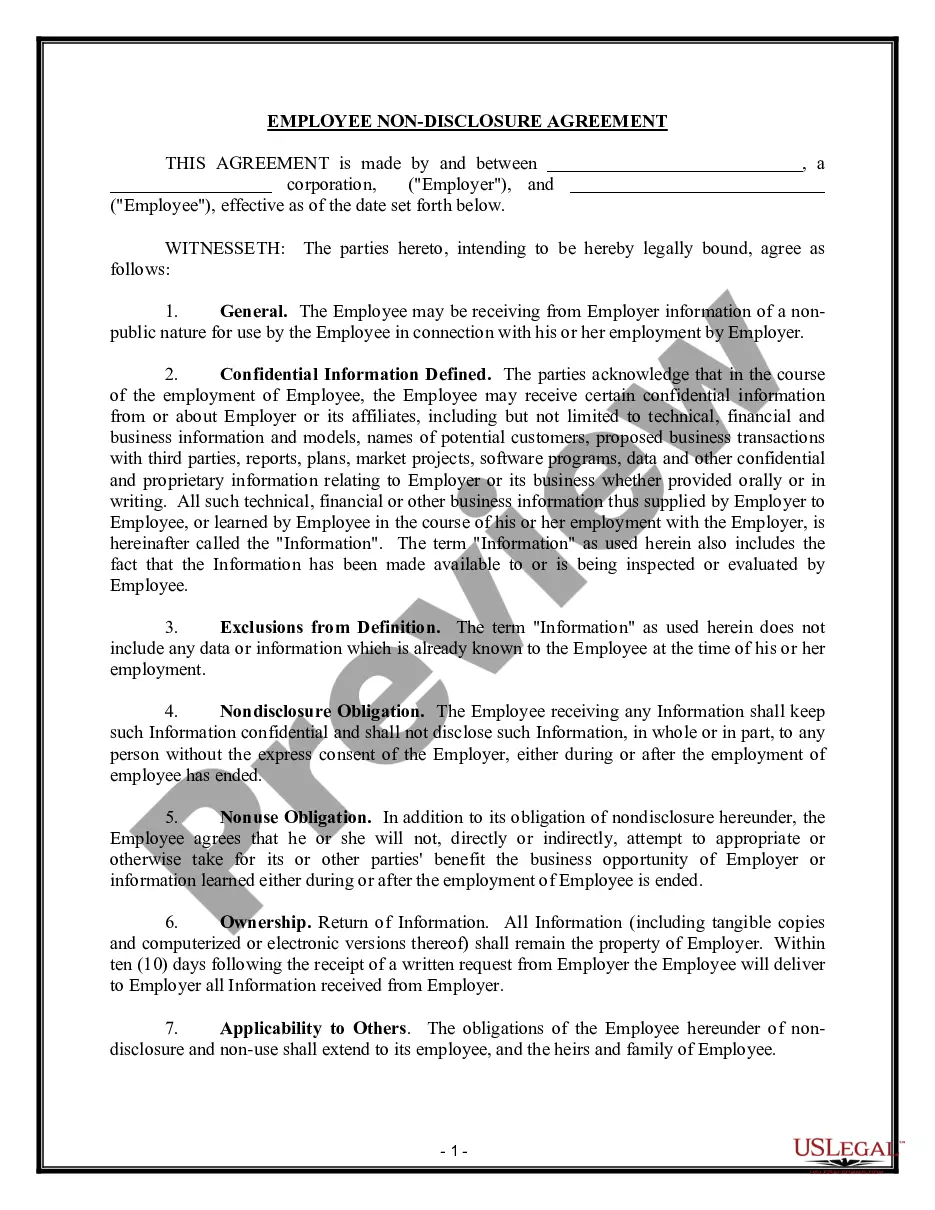
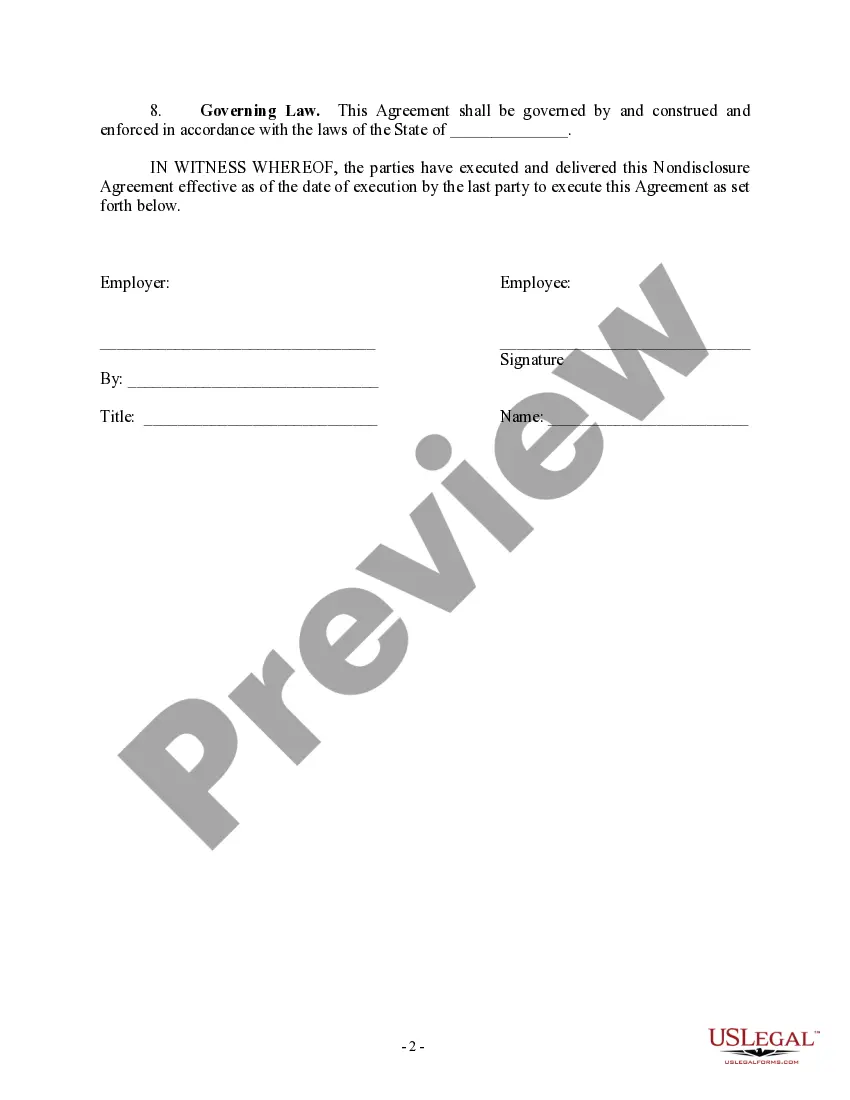
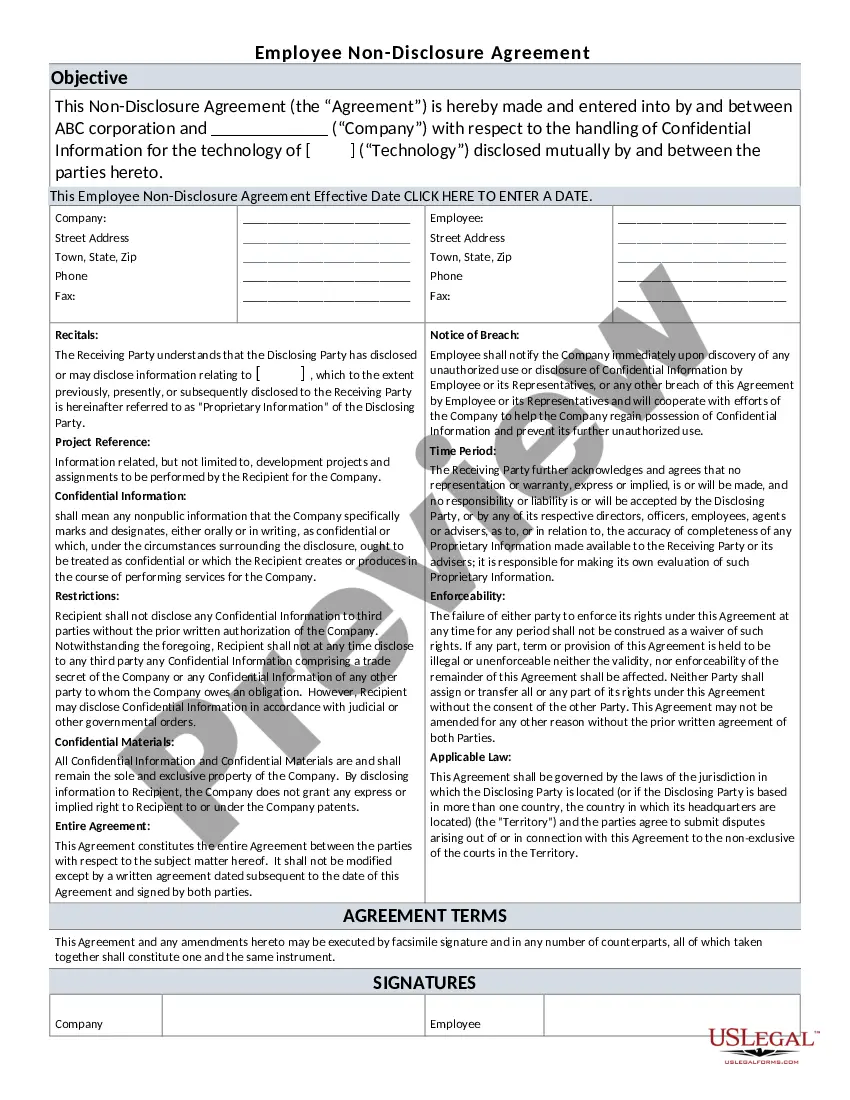
The employee may be receiving from the employer information of a non-public nature for use by the employee in connection with his or her employment. The employee receiving any information will keep such information confidential and agrees not to disclose such information, in whole or in part, to any person without the express consent of the employer, either during or after the employment of the employee has ended. In addition to its obligation of nondisclosure, the employee agrees that he or she will not, directly or indirectly, attempt to appropriate or otherwise take for its or other parties' benefit the business opportunity of employer or information learned either during or after the employment of employee is ended.
Missouri Employee Nondisclosure Agreement
State:
Multi-State
Control #:
US-00502
Format:
Word;
Rich Text
121 downloads
Description
Free preview
Get your form ready online
Our built-in tools help you complete, sign, share, and store your documents in one place.
Built-in online Word editor
Make edits, fill in missing information, and update formatting in US Legal Forms—just like you would in MS Word.
Export easily
Download a copy, print it, send it by email, or mail it via USPS—whatever works best for your next step.
E-sign your document
Sign and collect signatures with our SignNow integration. Send to multiple recipients, set reminders, and more. Go Premium to unlock E-Sign.
Notarize online 24/7
If this form requires notarization, complete it online through a secure video call—no need to meet a notary in person or wait for an appointment.
Store your document securely
We protect your documents and personal data by following strict security and privacy standards.

Make edits, fill in missing information, and update formatting in US Legal Forms—just like you would in MS Word.

Download a copy, print it, send it by email, or mail it via USPS—whatever works best for your next step.

Sign and collect signatures with our SignNow integration. Send to multiple recipients, set reminders, and more. Go Premium to unlock E-Sign.

If this form requires notarization, complete it online through a secure video call—no need to meet a notary in person or wait for an appointment.

We protect your documents and personal data by following strict security and privacy standards.
Looking for another form?
How to fill out Employee Nondisclosure Agreement?
You can spend hours online trying to locate the legal document format that meets the state and federal criteria you require. US Legal Forms offers thousands of legal documents that are reviewed by professionals. You can obtain or create the Missouri Employee Nondisclosure Agreement from our platform.
If you already possess a US Legal Forms account, you may Log In and then click the Download button. After that, you can complete, modify, print, or sign the Missouri Employee Nondisclosure Agreement. Each legal document format you purchase is yours forever. To obtain another copy of the purchased form, visit the My documents tab and click the relevant button.
If you're accessing the US Legal Forms site for the first time, follow the simple instructions below: First, ensure you have selected the correct document format for the state/city of your choice. Review the form description to confirm you have selected the appropriate document. If available, utilize the Review button to examine the document format as well.
- If you want to find another version of your document, use the Lookup section to locate the format that suits your needs and requirements.
- Once you have identified the format you want, click on Buy now to proceed.
- Select the pricing plan you prefer, enter your credentials, and register for your account on US Legal Forms.
- Complete the purchase. You can use your credit card or PayPal account to buy the legal document.
- Choose the format of your document and download it to your device.
- Make modifications to your document if possible. You can complete, modify, sign, and print the Missouri Employee Nondisclosure Agreement.
- Download and print thousands of document templates using the US Legal Forms site, which provides the largest collection of legal forms. Utilize professional and state-specific templates to address your business or personal needs.
Form popularity
FAQ
In 2019, California passed Bill 311, also known as the Silenced No More Act, limiting non-disclosure agreements. ing to Bill 311, employers cannot include clauses in non-disclosure agreements and severance agreements that restrict employees from disclosing information about mistreatment in the workplace.
Generally speaking, non-disclosure agreements are enforceable in Missouri as long as the agreements meet the requirements of a legally binding contract.
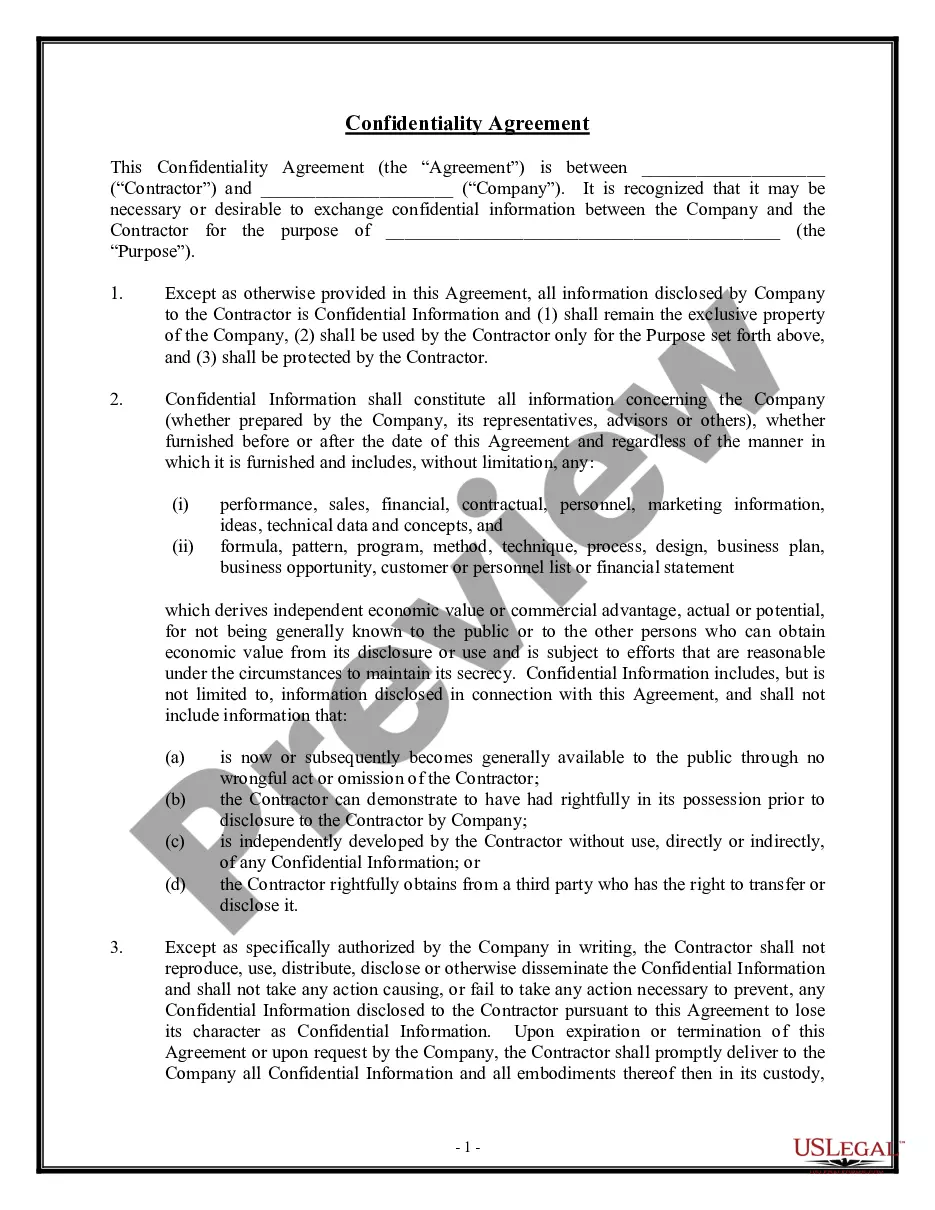
To enforce a non-disclosure agreement, the employer seeking enforcement must demonstrate that the information at issue qualifies as trade secret or confidential information. The NDA should specify the exchange and type of confidential information that cannot be disclosed.
Different industries may have different requirements, and government agencies may have more stringent requirements on keeping sensitive information private. In this area, an NDA may also detail applicable state law or laws that apply to the agreement and which party pays attorney fees in the case of a dispute.
Pursuing a Lawsuit After Filing an NDA If an employee has been the victim of discrimination or harrassment, they should be able to file a lawsuit to seek financial compensation for resulting damages, even if they previously signed an NDA.
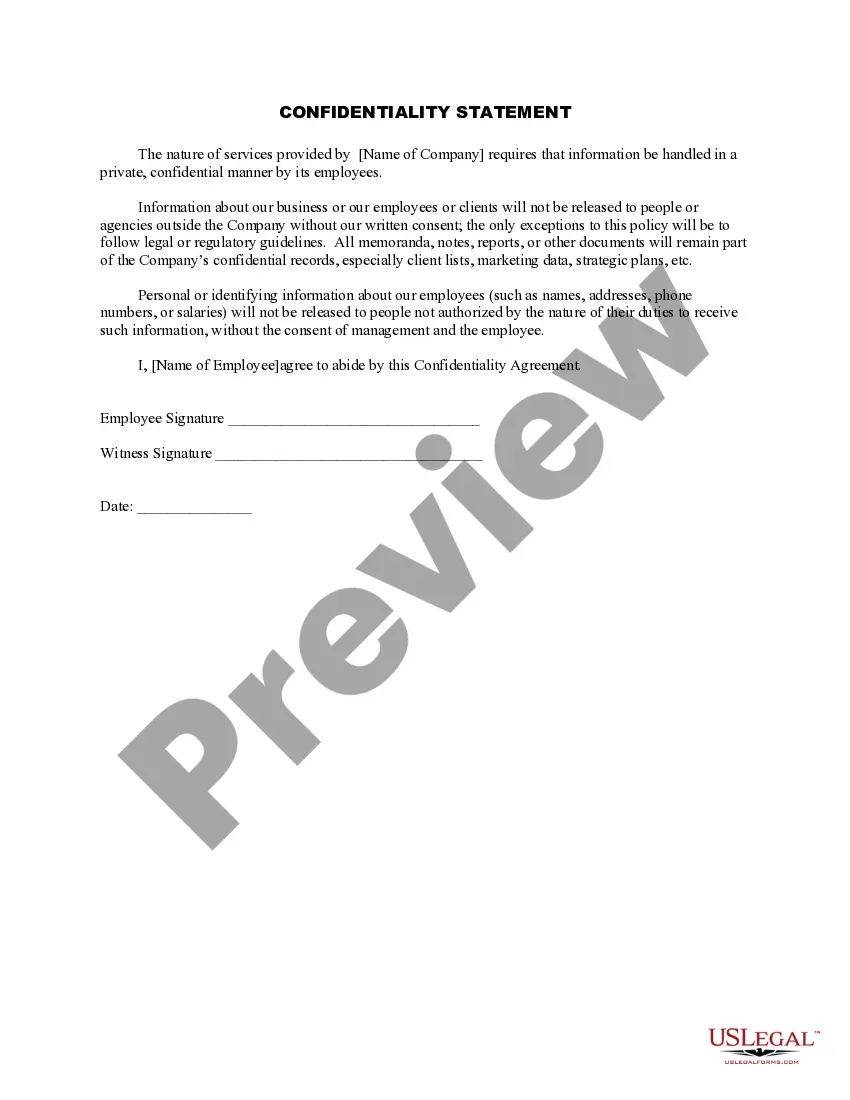
An employee confidentiality agreement, or non-disclosure agreement or an ?NDA,? makes it crystal clear to an employee that he or she cannot under any circumstance, with the exception of prior written approval, disclose company secrets.
In California today, NDAs still carry validity and soundness in court so long as they are executed precisely, legally, and firmly; however, there are some circumstances in which an NDA may not be upheld due to SB820 and the expansions formed in SB331 (discussed above).
All parties must agree that the information shared is protected from further disclosure. There are several reasons why an NDA might be unenforceable, however. If the NDA is too broad, the information under the NDA is not actually confidential, or if the agreement requires the employee to do something illegal.