Minnesota Offer of Judgment
What is this form?
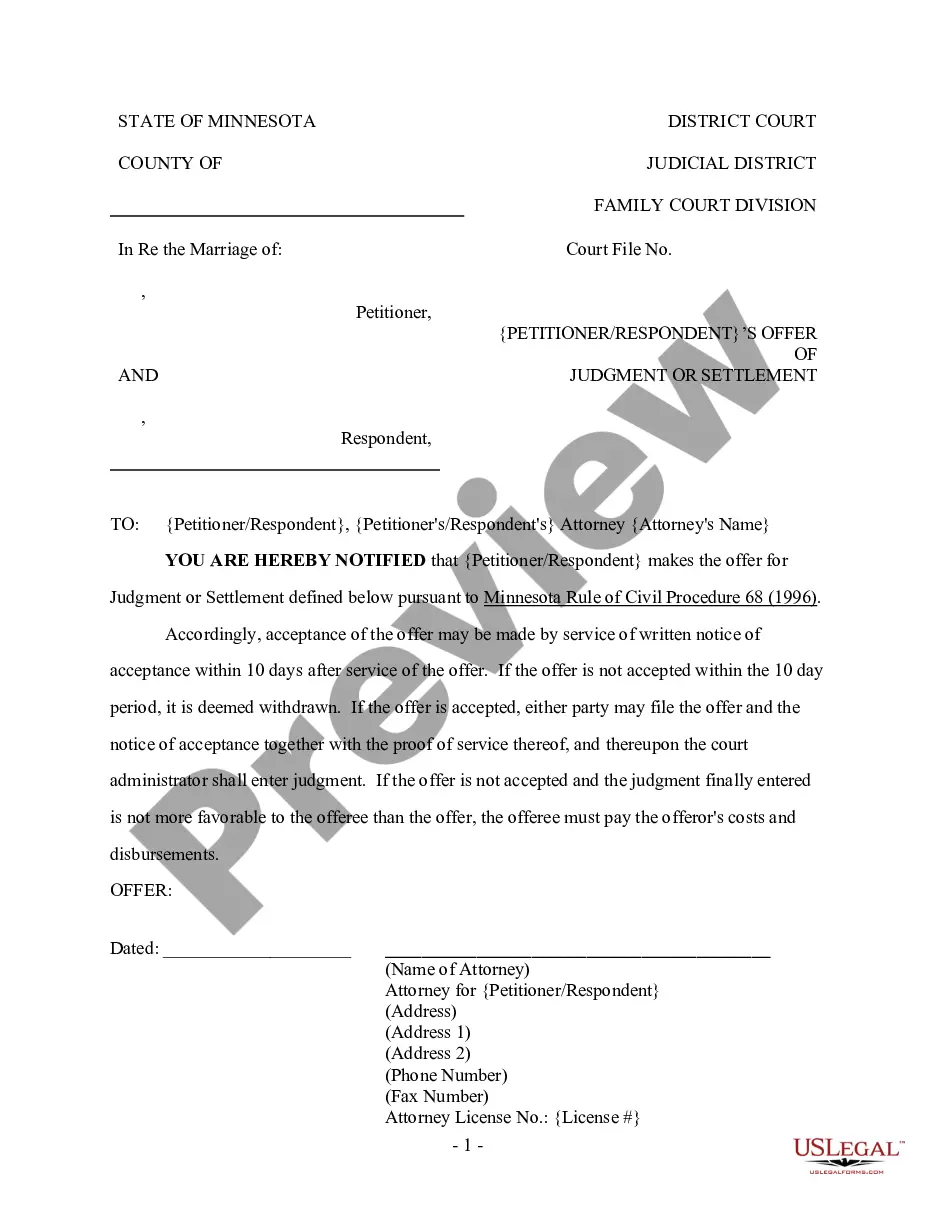
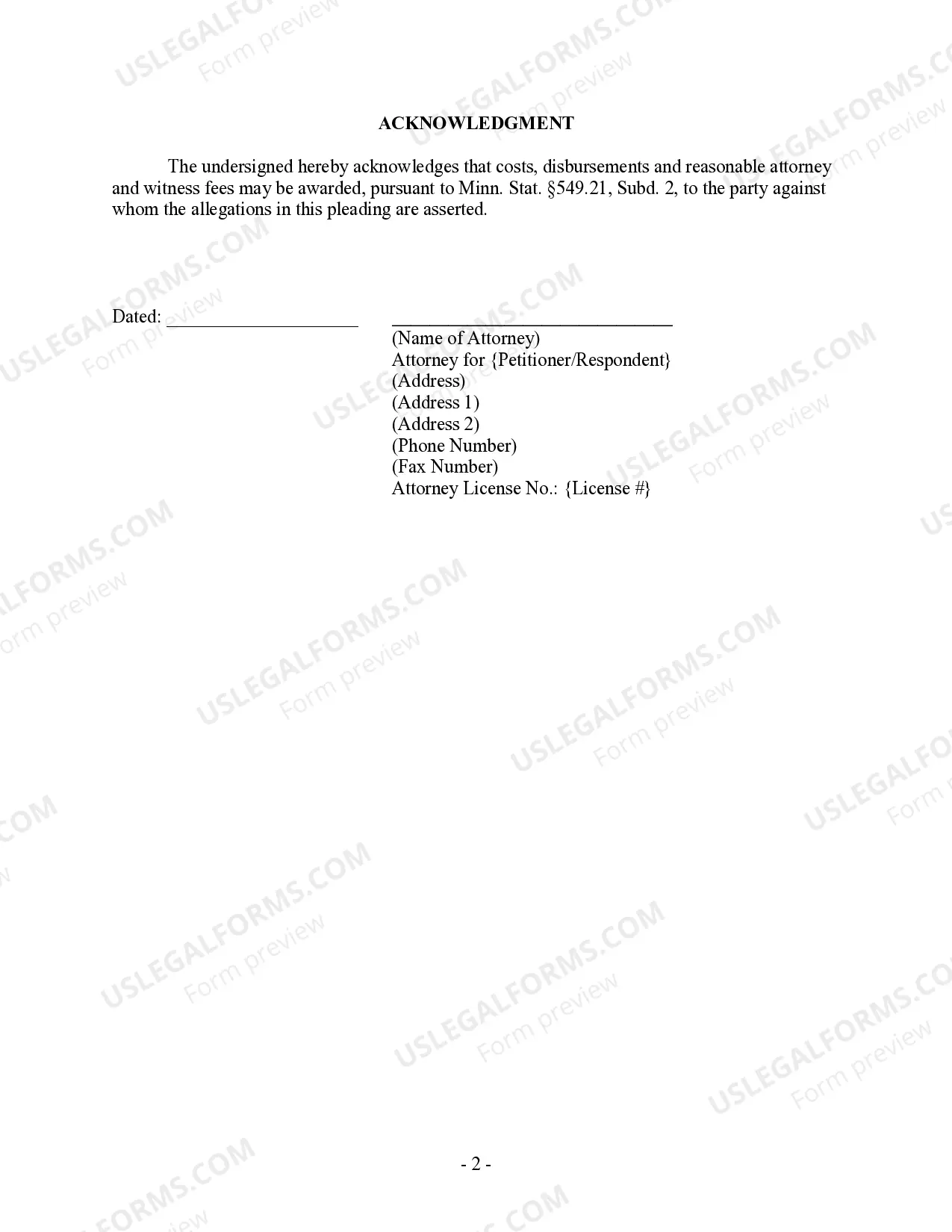
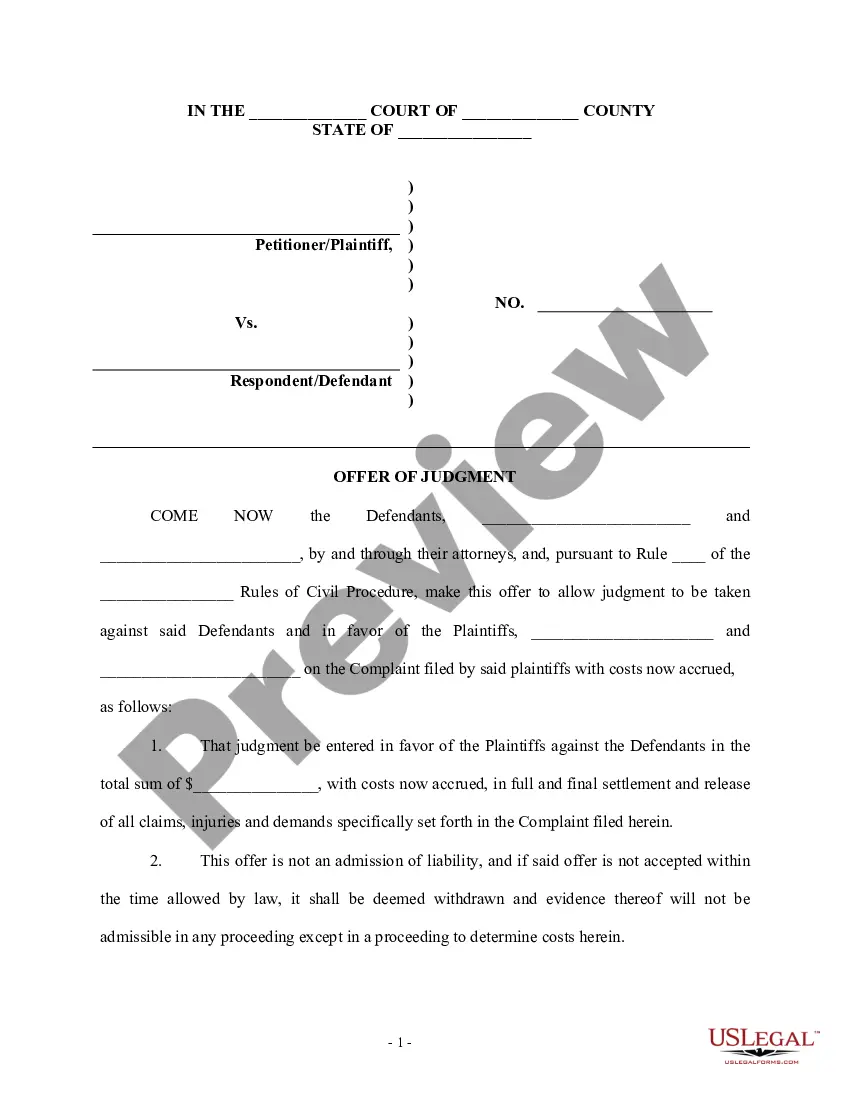
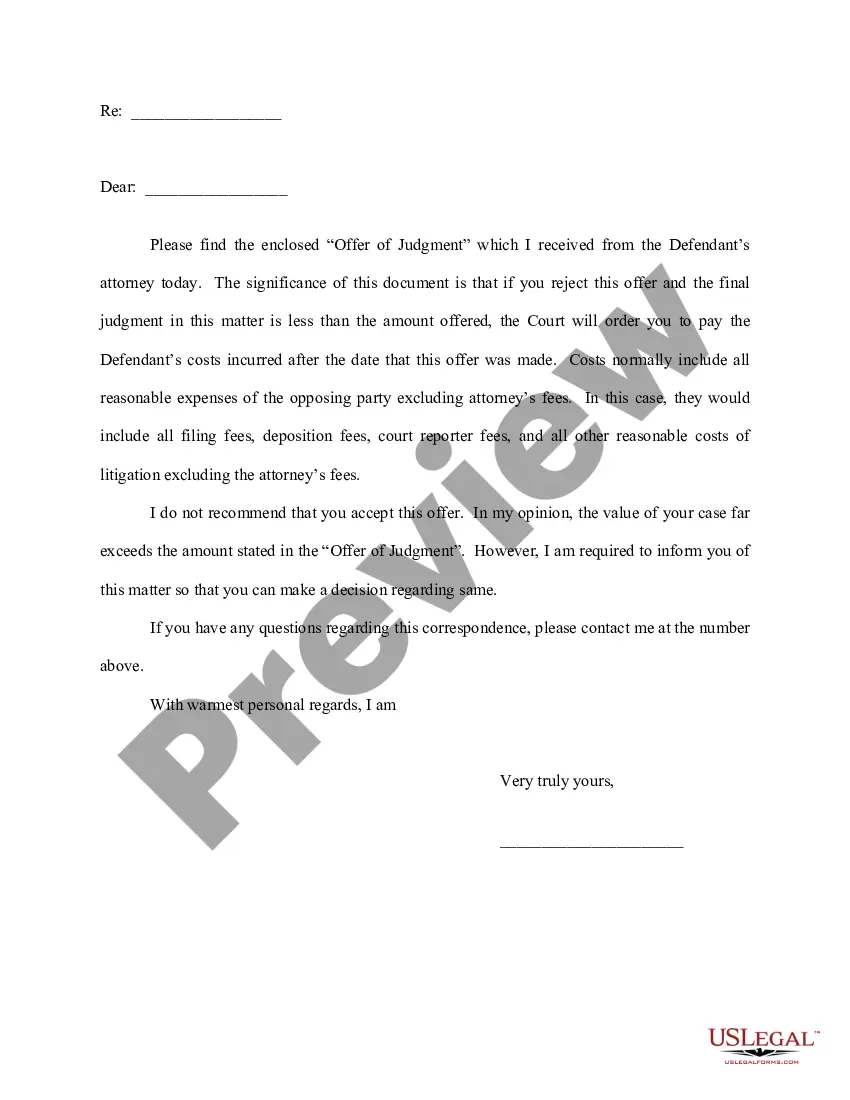
The Offer of Judgment is a legal document that allows one party to propose a settlement or judgment in a lawsuit. It is governed by Minnesota Rule of Civil Procedure 68, enabling the notifying party to present an offer for resolution. If the receiving party does not accept the offer within ten days, it is automatically withdrawn. This form distinguishes itself from other settlement agreements by establishing a timeline for acceptance and potentially affecting the allocation of costs in a subsequent judgment.
Form components explained
- Notification of the offer to the opposing party.
- Timeframe for acceptance set at ten days.
- Conditions stating that failure to accept may result in the withdrawal of the offer.
- Instructions for filing the acceptance with the court.
- Provisions regarding the recovery of costs if the judgment is not more favorable than the offer.
When this form is needed
This form is used when a party in a civil lawsuit wishes to propose a formal offer to settle the case without proceeding to trial. It is particularly useful when both parties seek to resolve their dispute efficiently and avoid the uncertainties of a court judgment. You may consider using this form if you have reached a point in litigation where an amicable resolution could save time and legal expenses.
Who needs this form
- Petitioners initiating a lawsuit who wish to offer a settlement.
- Respondents defending against claims and considering settlement options.
- Attorneys representing parties in civil litigation in Minnesota.
How to prepare this document
- Identify the parties involved by entering the names of the petitioner and respondent.
- Include the attorney's information, including name, address, and contact details.
- Clearly state the offer of judgment or settlement terms.
- Specify the date of the offer.
- Ensure both parties acknowledge the potential consequences of acceptance or rejection by signing the document.
Is notarization required?
This form usually doesn’t need to be notarized. However, local laws or specific transactions may require it. Our online notarization service, powered by Notarize, lets you complete it remotely through a secure video session, available 24/7.
Get your form ready online
Our built-in tools help you complete, sign, share, and store your documents in one place.
Make edits, fill in missing information, and update formatting in US Legal Forms—just like you would in MS Word.
Download a copy, print it, send it by email, or mail it via USPS—whatever works best for your next step.
Sign and collect signatures with our SignNow integration. Send to multiple recipients, set reminders, and more. Go Premium to unlock E-Sign.
If this form requires notarization, complete it online through a secure video call—no need to meet a notary in person or wait for an appointment.
We protect your documents and personal data by following strict security and privacy standards.

Make edits, fill in missing information, and update formatting in US Legal Forms—just like you would in MS Word.

Download a copy, print it, send it by email, or mail it via USPS—whatever works best for your next step.

Sign and collect signatures with our SignNow integration. Send to multiple recipients, set reminders, and more. Go Premium to unlock E-Sign.

If this form requires notarization, complete it online through a secure video call—no need to meet a notary in person or wait for an appointment.

We protect your documents and personal data by following strict security and privacy standards.
Common mistakes
- Not providing enough detail in the offer, which may lead to confusion or disputes.
- Failing to sign the document or obtain signatures from both parties.
- Overlooking the ten-day acceptance period, leading to the automatic withdrawal of the offer.
Benefits of completing this form online
- Ease of access to downloadable templates that can be completed quickly.
- The form can be edited to reflect specific circumstances or agreements.
- Reliable legal language drafted by licensed attorneys ensures compliance with legal standards.
Looking for another form?
Form popularity
FAQ
Offers of judgment work by allowing a party to propose a settlement before a trial begins, which can help resolve disputes efficiently. When a Minnesota offer of judgment is accepted, the case typically concludes without further litigation, saving time and costs for both parties. If the offer is rejected and the final judgment is less favorable than the offer, the rejecting party may face penalties, including paying the other party's legal costs. For more guidance on this process, consider exploring resources on US Legal Forms, which can assist you in understanding your options.
To serve an offer of judgment in Minnesota, first, prepare the written offer in accordance with Minnesota rules. Then, deliver the offer directly to the opposing party or their attorney, ensuring you keep a record of this transaction. It is crucial to provide a copy to the court as well, as this helps establish the timeline and compliance with legal procedures. Utilizing platforms like US Legal Forms can simplify this process, providing you with templates that meet all necessary requirements.
To docket a judgment in Minnesota, you need to file the judgment with the court that issued it. This process involves submitting the appropriate forms along with any required fees. Once filed, the judgment becomes a public record, allowing for enforcement actions if necessary. Utilizing resources like US Legal Forms can simplify the steps involved in docketing a judgment effectively.
The motion for judgment on offer of judgment is a legal request made in Minnesota courts. It allows a party to ask the court to enter a judgment based on an offer that was presented and not accepted by the other party. This process can help expedite resolution and minimize litigation costs. Understanding how the Minnesota Offer of Judgment works can empower you to take strategic steps in your legal proceedings.
The downside of an offer of judgment includes the risk of financial liability if the offer is rejected and the final judgment is not more favorable. Additionally, accepting an offer may result in less compensation than one could potentially receive at trial. This decision requires careful consideration, as it can impact the case's outcome and your financial responsibilities. Utilizing resources from US Legal Forms can provide you with valuable insights to weigh your options effectively.
The offer of judgment rule in Minnesota, outlined in the Minnesota Rules of Civil Procedure, allows parties to make a written offer to settle their case before trial. If the offer is not accepted, it can impact the recovery of costs and attorney fees if the final judgment is less favorable than the offer. This rule encourages parties to consider settlement seriously and can lead to more efficient case resolutions. Familiarizing yourself with this rule can be advantageous, especially when planning your legal strategy.
The key difference between an offer of judgment and an offer of settlement lies in their legal implications. An offer of judgment is a formal court document that can affect costs and fees if rejected, while an offer of settlement is a more informal proposal that doesn’t carry the same legal weight. Both aim to resolve disputes, but understanding their distinct consequences can help you choose the best strategy for your case. Using platforms like US Legal Forms, you can find resources that clarify these concepts.
An offer of judgment works by allowing one party to propose a settlement amount to the other party, which they can choose to accept or reject. If the offer is accepted, the court will enter judgment based on the agreed amount, resolving the dispute quickly. If the offer is rejected and the final judgment is less favorable than the offer, the rejecting party may be liable for certain costs. This process emphasizes the importance of making informed decisions during litigation.
An offer of judgment in Minnesota is a formal proposal made by one party in a lawsuit to resolve the case before it goes to trial. This offer allows the plaintiff or defendant to accept a specific amount in settlement, which can be beneficial in avoiding lengthy court proceedings. If the offer is accepted, the case concludes, and both parties can avoid the uncertainty of a trial. Understanding this process can help you navigate your legal options more effectively.
In Minnesota, you can file an offer of judgment at any time after the lawsuit has been initiated. This offers you a strategic way to settle the case without going to trial. By filing a Minnesota Offer of Judgment, you present the opposing party with a formal settlement proposal, which may lead them to reconsider their position. It is a beneficial tool, especially if you believe your case is strong and want to encourage a resolution.