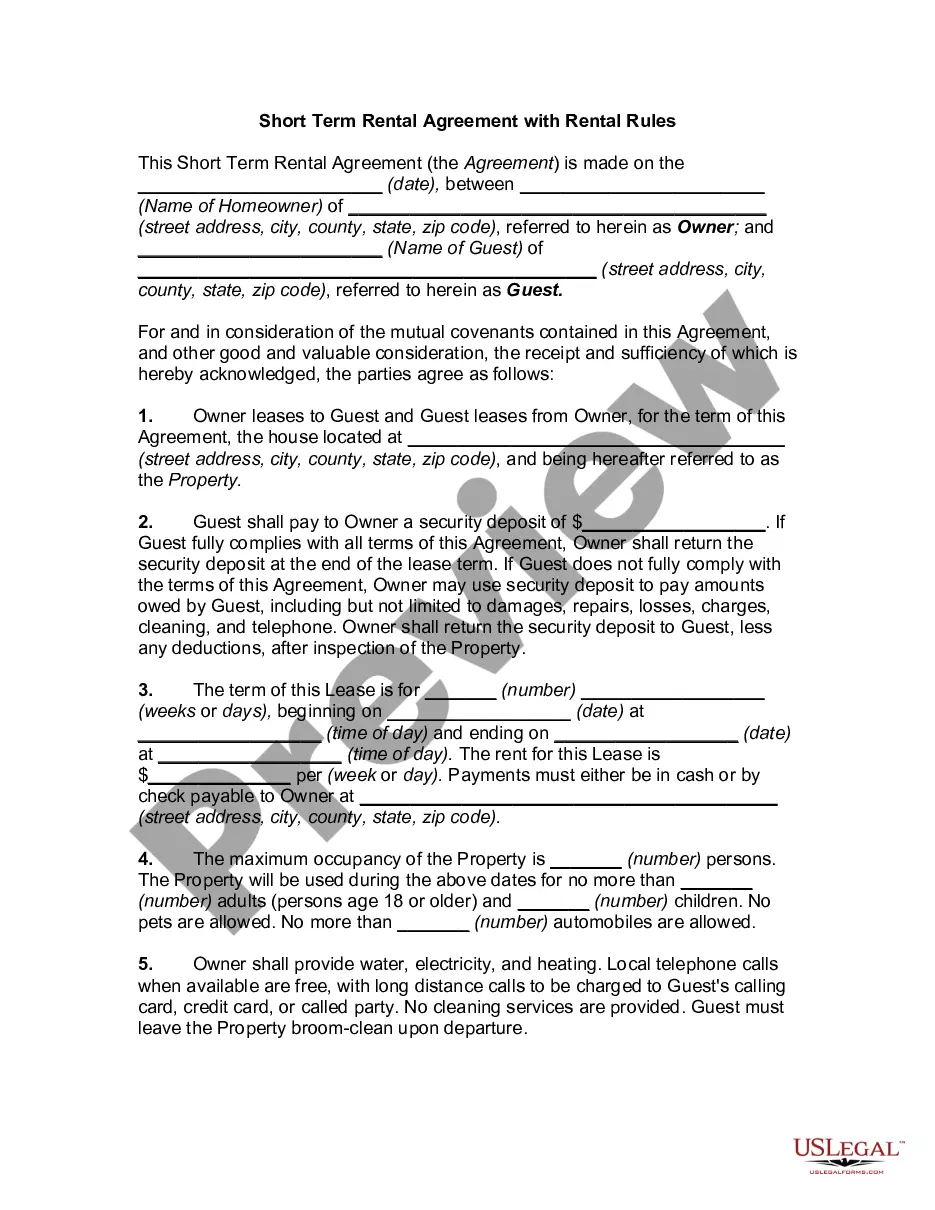
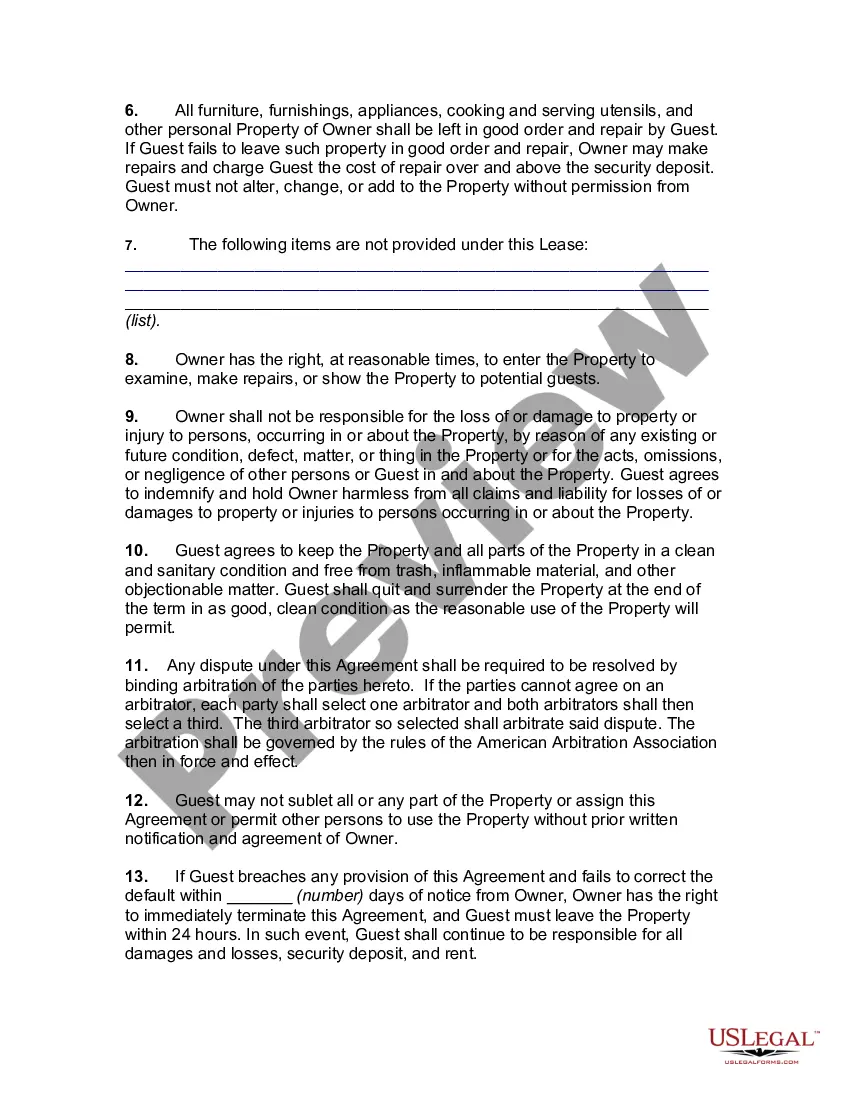
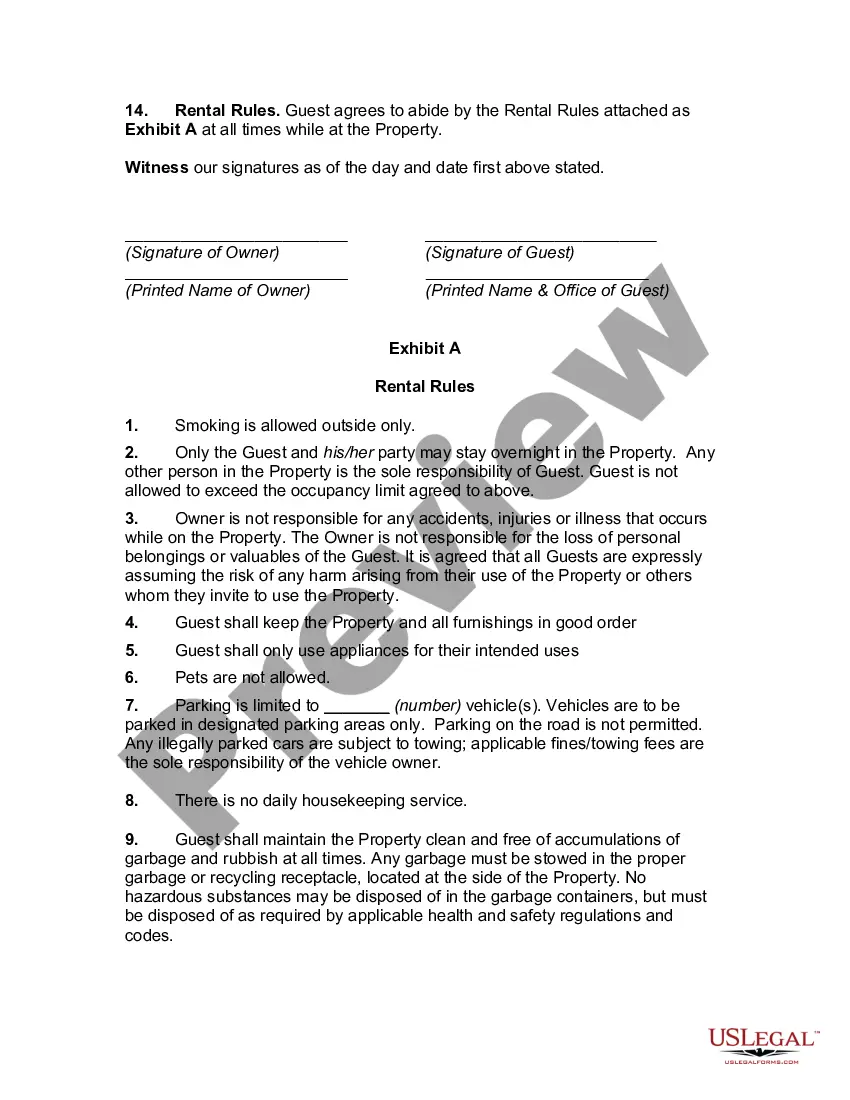
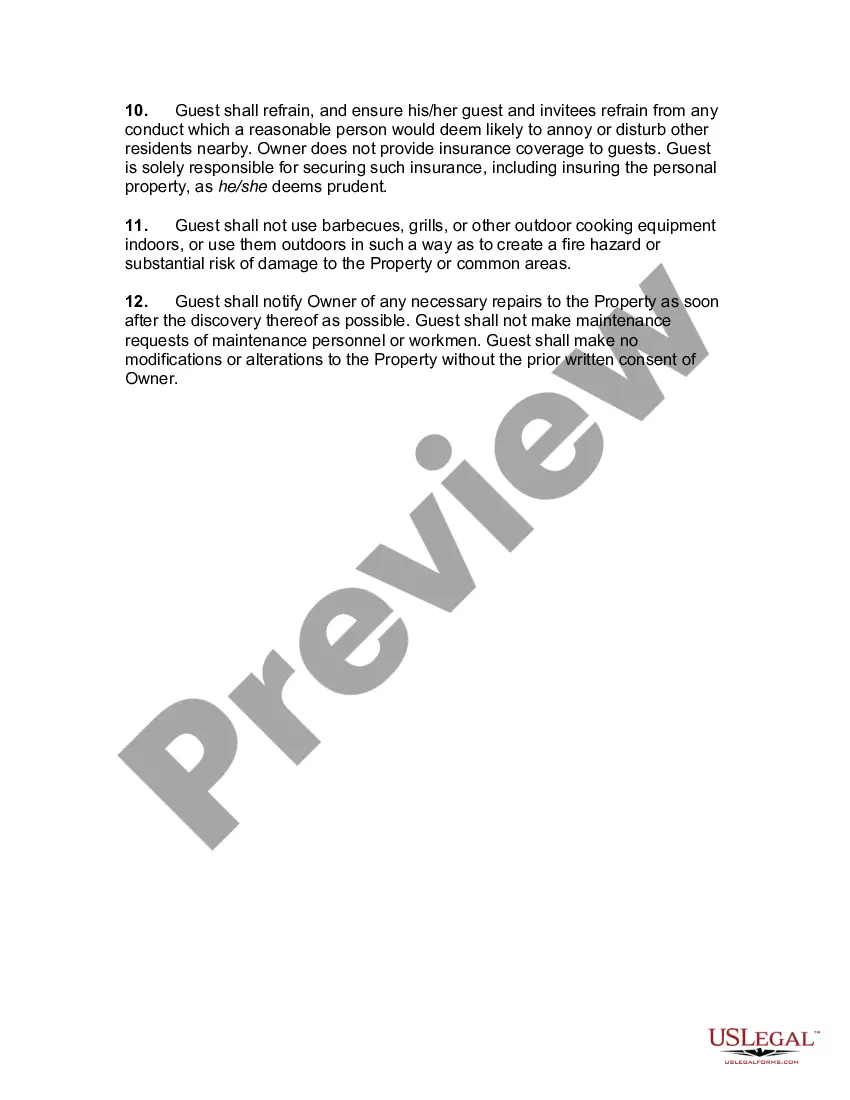
Michigan Short Term Rental Agreement with Rental Rules
Description
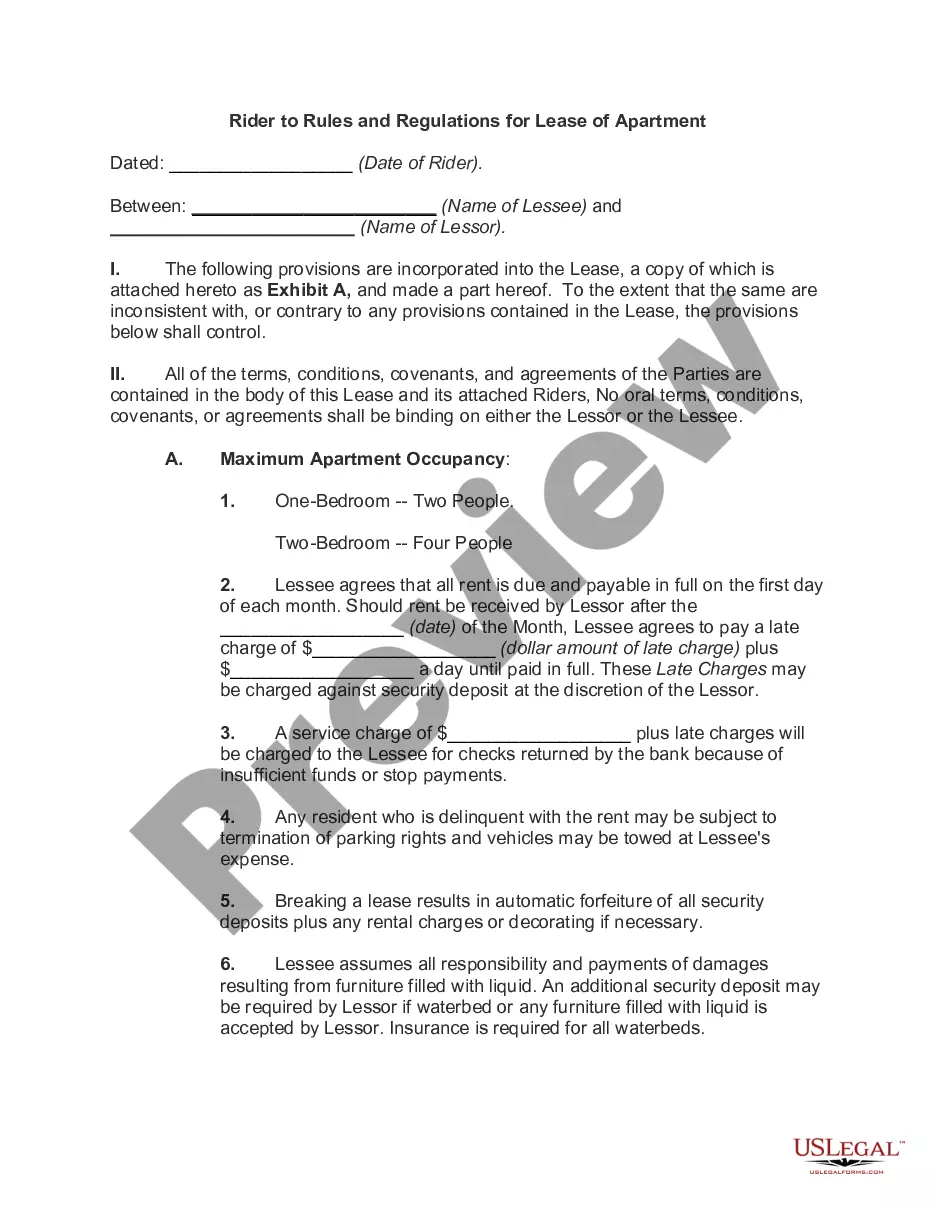
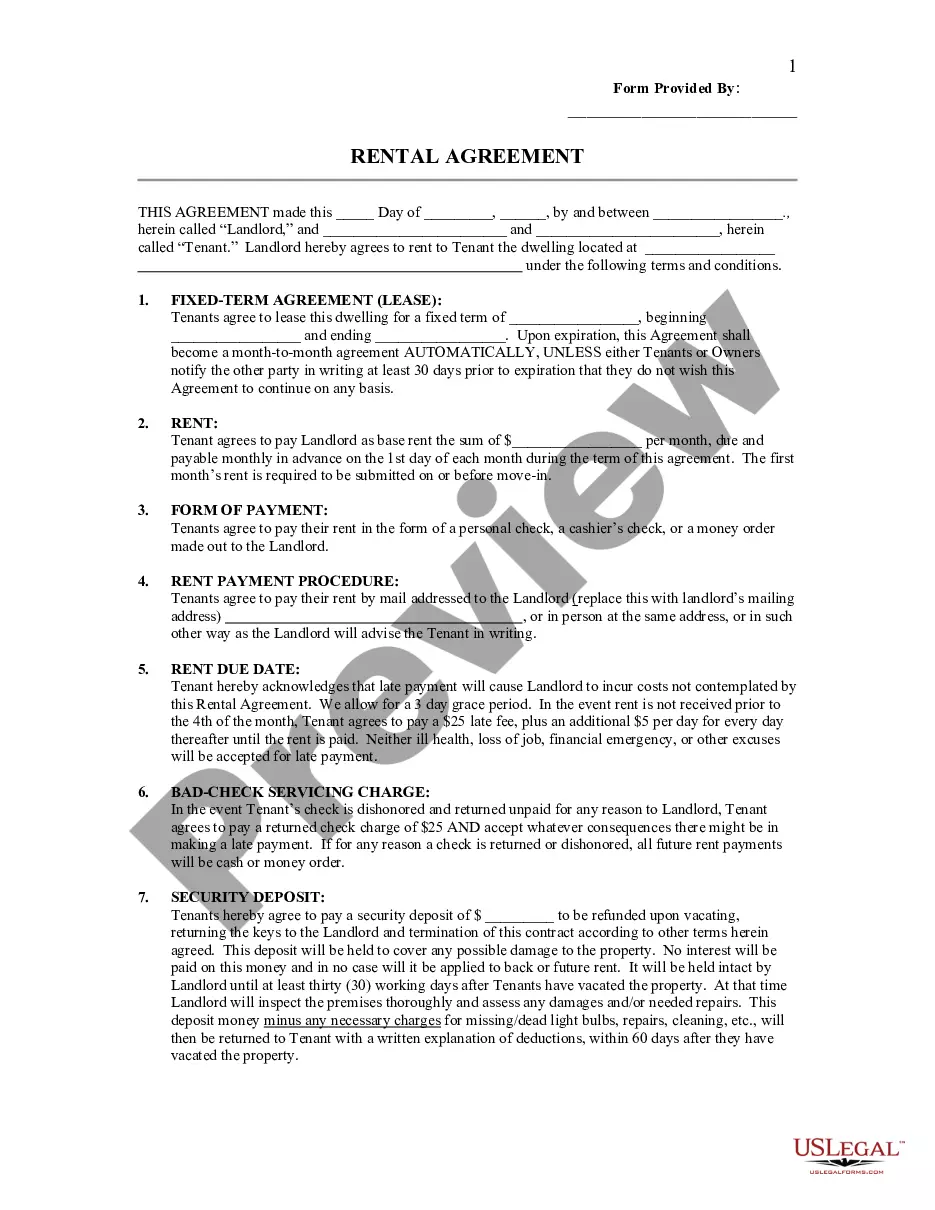
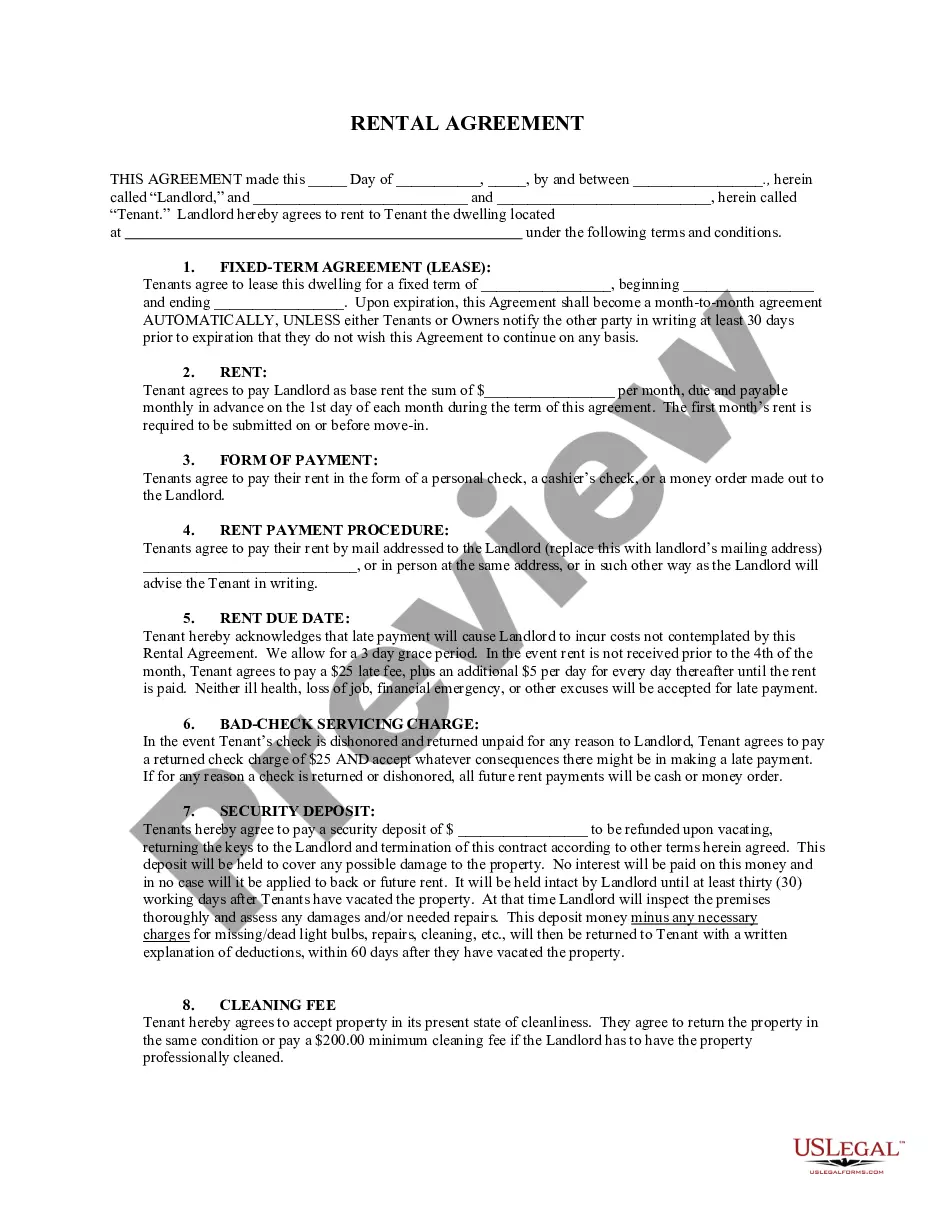
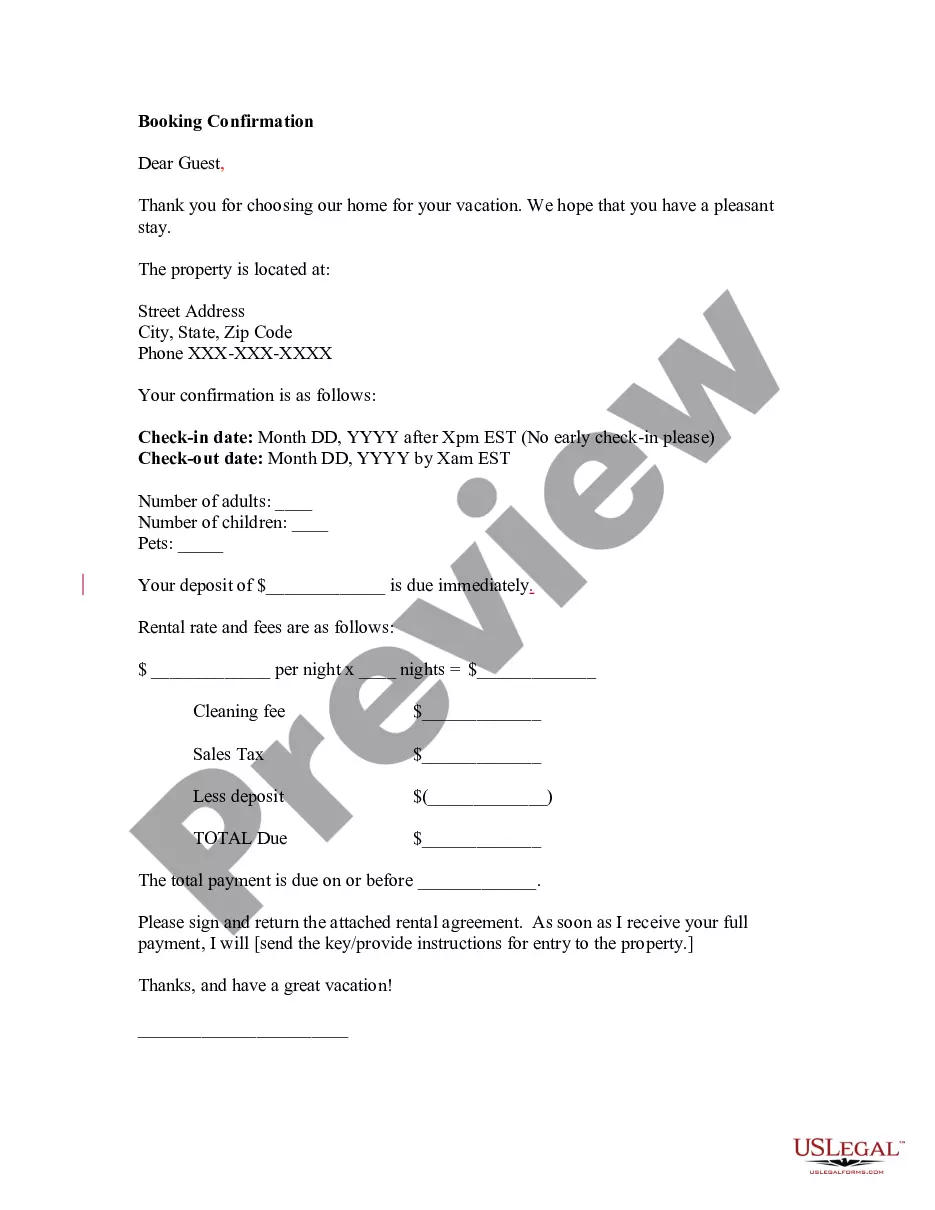
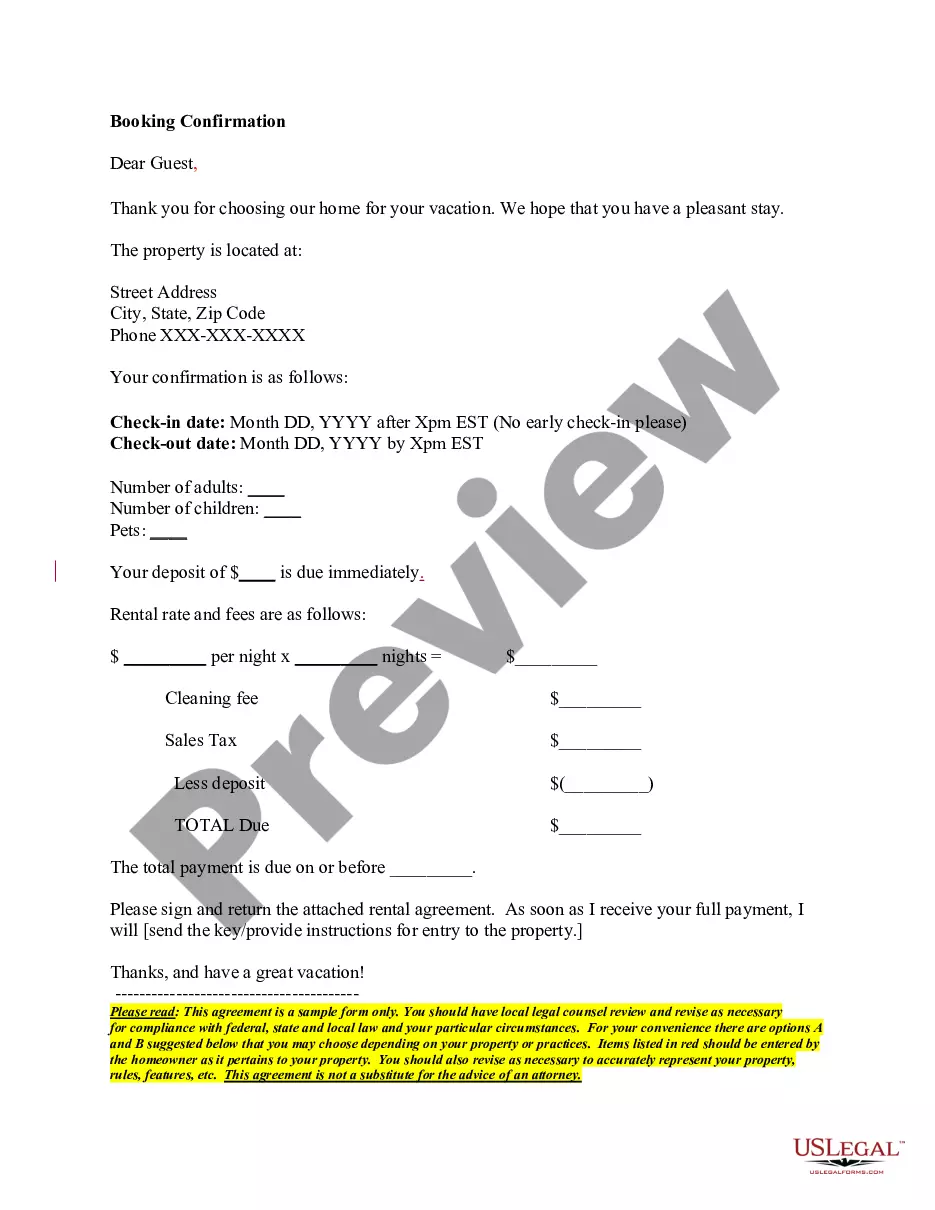
Get your form ready online
Our built-in tools help you complete, sign, share, and store your documents in one place.
Make edits, fill in missing information, and update formatting in US Legal Forms—just like you would in MS Word.
Download a copy, print it, send it by email, or mail it via USPS—whatever works best for your next step.
Sign and collect signatures with our SignNow integration. Send to multiple recipients, set reminders, and more. Go Premium to unlock E-Sign.
If this form requires notarization, complete it online through a secure video call—no need to meet a notary in person or wait for an appointment.
We protect your documents and personal data by following strict security and privacy standards.

Make edits, fill in missing information, and update formatting in US Legal Forms—just like you would in MS Word.

Download a copy, print it, send it by email, or mail it via USPS—whatever works best for your next step.

Sign and collect signatures with our SignNow integration. Send to multiple recipients, set reminders, and more. Go Premium to unlock E-Sign.

If this form requires notarization, complete it online through a secure video call—no need to meet a notary in person or wait for an appointment.

We protect your documents and personal data by following strict security and privacy standards.
Looking for another form?
How to fill out Short Term Rental Agreement With Rental Rules?
If you're seeking exhaustive, obtain, or print legal document templates, utilize US Legal Forms, the premier collection of legal forms available online.
Take advantage of the site's straightforward and user-friendly search feature to find the documents you require.
Various templates for corporate and personal purposes are organized by categories and states, or keywords.
Step 4. Once you have found the form you need, click the Purchase now button. Choose your preferred pricing plan and enter your details to register for an account.
Step 5. Complete the transaction. You may use your credit card or PayPal account to finalize the purchase.
- Utilize US Legal Forms to acquire the Michigan Short Term Rental Agreement with Rental Regulations in just a few clicks.
- If you are a current user of US Legal Forms, sign in to your account and select the Acquire option to obtain the Michigan Short Term Rental Agreement with Rental Regulations.
- You can also access forms you previously downloaded in the My documents section of your account.
- If you are using US Legal Forms for the first time, follow the steps below.
- Step 1. Ensure you have selected the form for your appropriate city/state.
- Step 2. Use the Review option to examine the contents of the form. Don't forget to read the details.
- Step 3. If you are not satisfied with the form, utilize the Search area at the top of the screen to find other versions of the legal form template.
Form popularity
FAQ
Things To Look For In Rental AgreementStandard and Reasonable Terms. One of the most important things to look for in a rental agreement is possibly the simplest: Standard and reasonable lease terms.Early Termination Policy.Subletting.Security Deposit.Late Payments and Fees.Move-out Notice Procedures.
Any guest staying in the property more than two weeks in any six-month period will be considered a tenant, rather than a guest, and must be added in the lease agreement. Landlord may also increase the rent at any such time that a new tenant is added to the lease or premise.
When you rent your home, you are a tenant. As a tenant, you have the right to live in the home. You also have responsibilities, such as paying rent. This article gives an overview of the various rights and responsibilities you have as a residential tenant.
You can only end your fixed term tenancy early if your agreement says you can or by getting your landlord to agree to end your tenancy. If your agreement says you can end your fixed term tenancy early, this means you have a 'break clause'. Your tenancy agreement will tell you when the break clause can apply.
Main Parts of a Lease AgreementNames of tenants. Include the first and last name of all tenants who will be residing in the premises.Lease Term. What is the length of time that the lease is valid?Payment of Rent.Deposits.Fees, Fines, Charges.Responsibilities.Access to Premises.Use.More items...
Michigan House Passes Short-Term Rental Legislation in Late-Night Session. In the early morning hours of Wednesday, October 27, 2021, the Michigan House of Representatives passed House Bill 4722 (HB 4722), which significantly limits how local governments may regulate short-term rentals.
Currently, the minimum length of an assured shorthold tenancy (AST) is six months, and most residential tenancies seem to be granted for either six months or a year - although there is nothing to stop the parties agreeing a longer term.
An AST should include all of the following details:Full names of all parties (adults only if a family is moving in) who will be living in the property.The address of the property.Start date and end date (if there is one) of the tenancy agreement.More items...
Any guest residing at the property for more than 14 days in a six-month period or spending more than 7 nights consecutively will be considered a tenant. This person must be added to the lease agreement. Landlord may increase the rent any time a new tenant is added to the lease.
A guest who won't leave is technically a trespasser -- unless, that is, the police think he's a tenant. This situation can quickly become complicated. Houseguests who have overstayed their welcomes are technically trespassing, which is a crime.