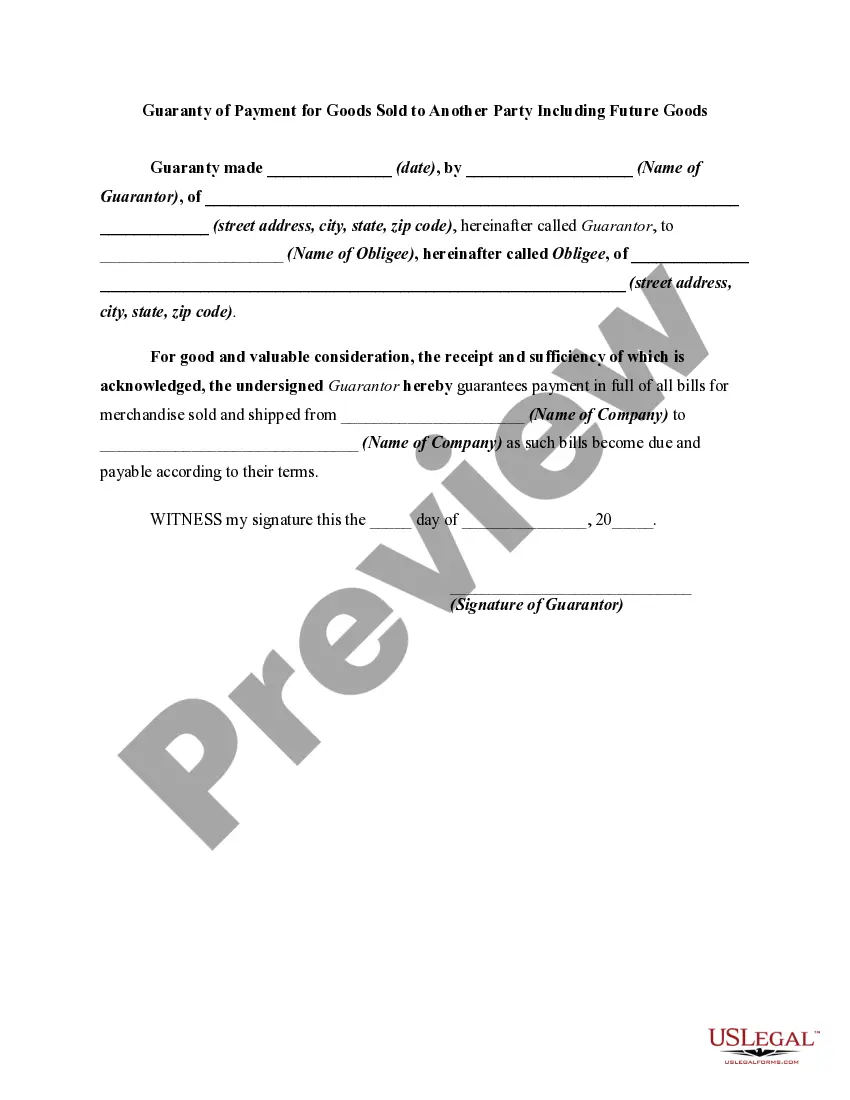
Michigan Co-Branding Agreement
Description
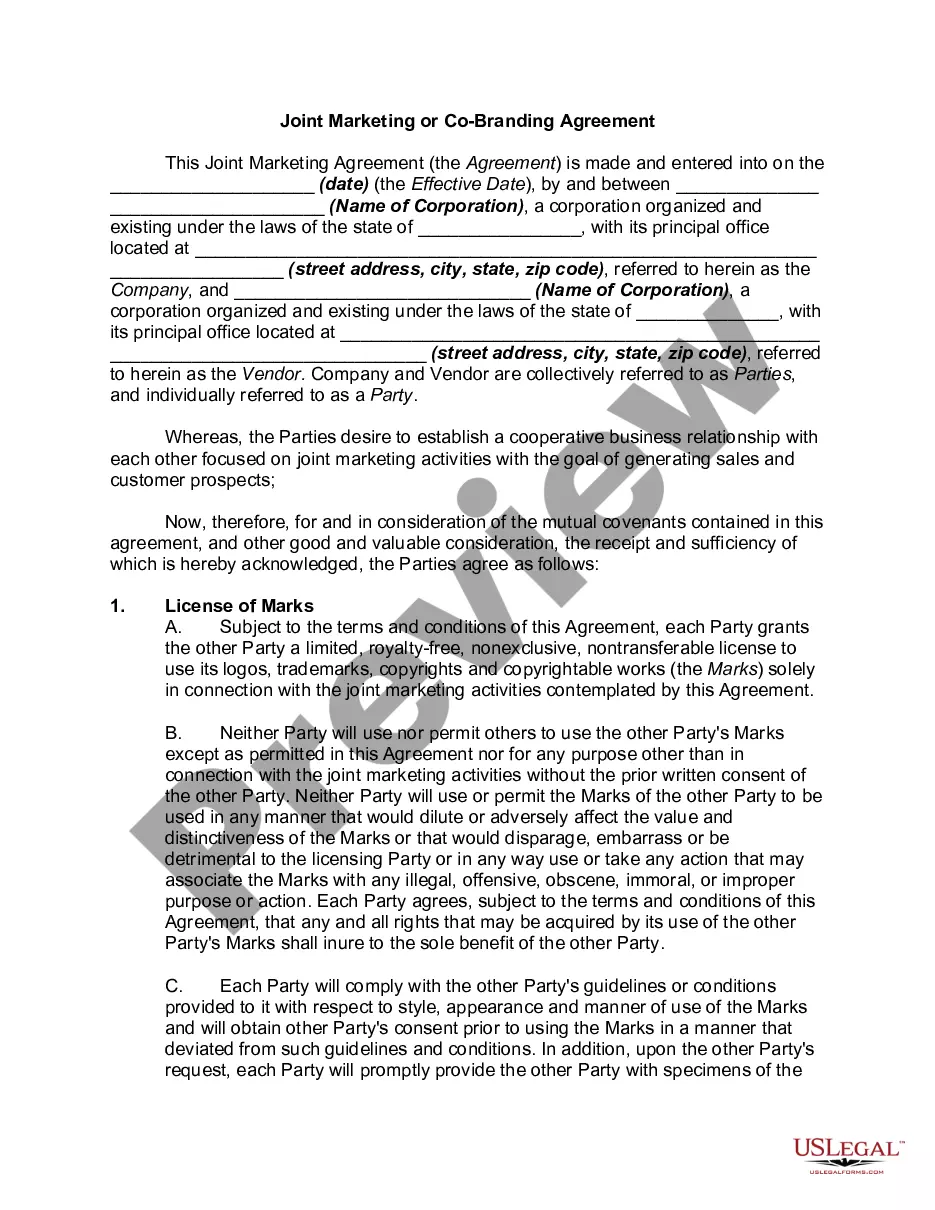
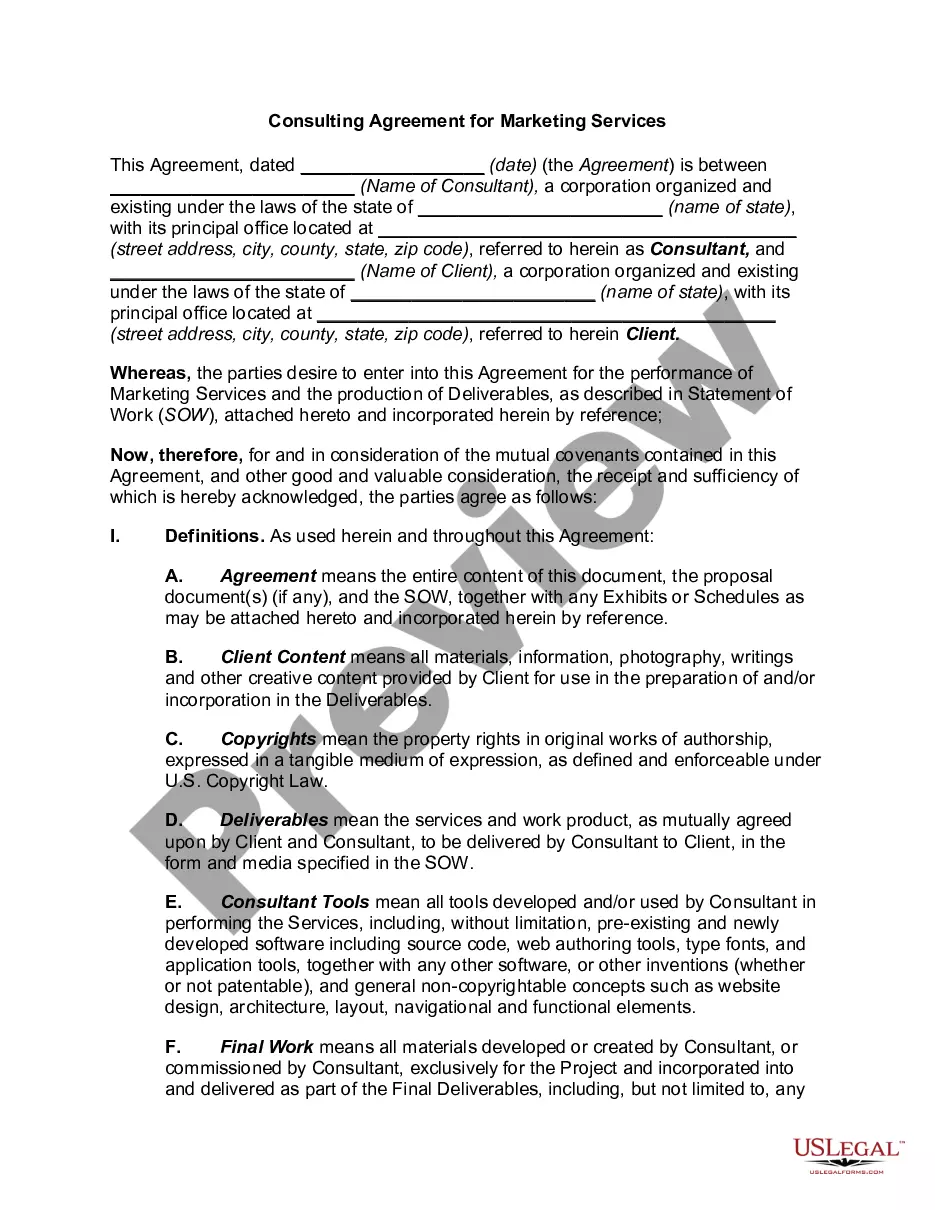
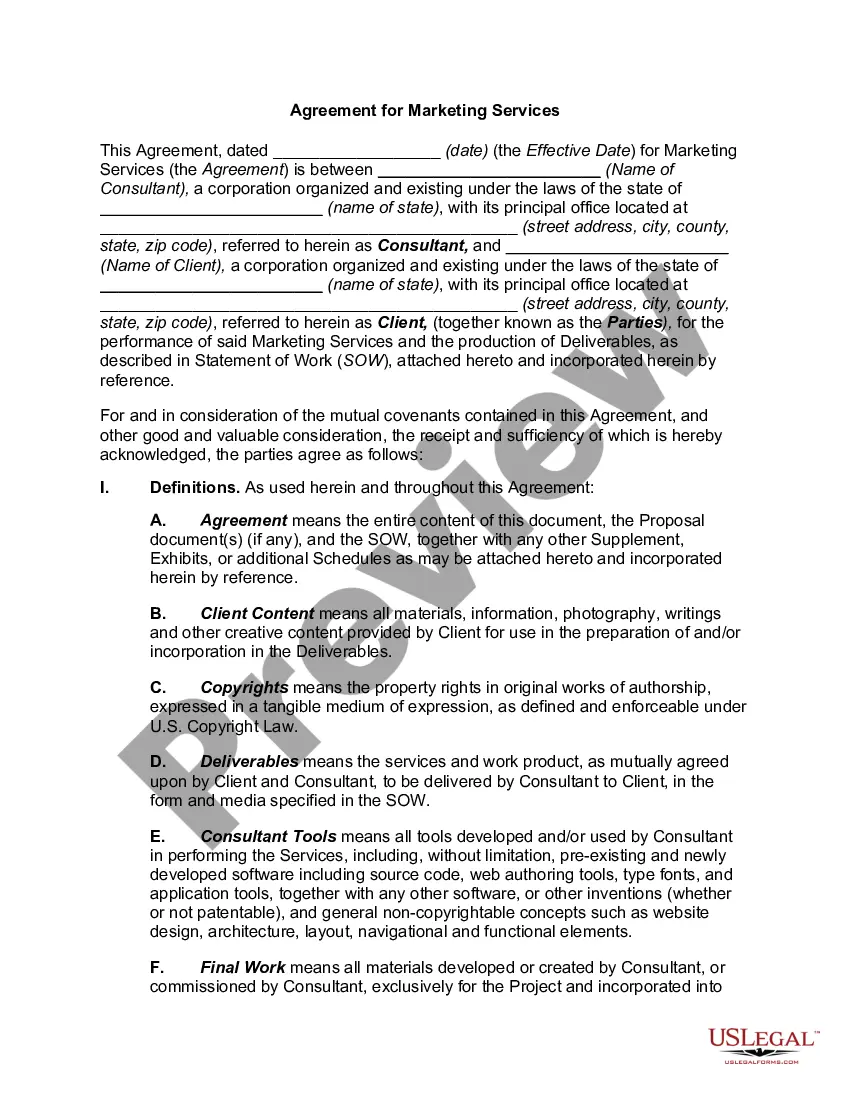
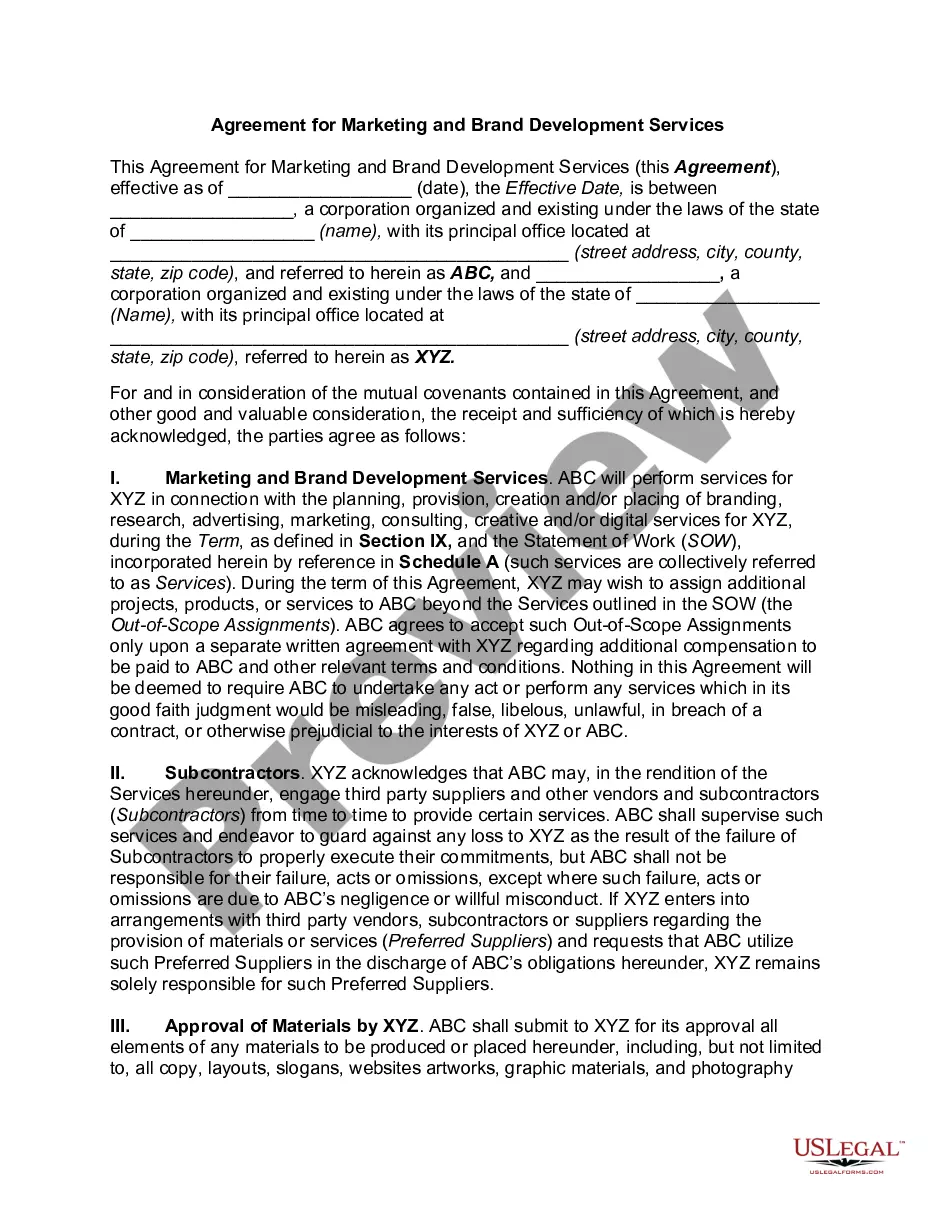
Get your form ready online
Our built-in tools help you complete, sign, share, and store your documents in one place.
Make edits, fill in missing information, and update formatting in US Legal Forms—just like you would in MS Word.
Download a copy, print it, send it by email, or mail it via USPS—whatever works best for your next step.
Sign and collect signatures with our SignNow integration. Send to multiple recipients, set reminders, and more. Go Premium to unlock E-Sign.
If this form requires notarization, complete it online through a secure video call—no need to meet a notary in person or wait for an appointment.
We protect your documents and personal data by following strict security and privacy standards.

Make edits, fill in missing information, and update formatting in US Legal Forms—just like you would in MS Word.

Download a copy, print it, send it by email, or mail it via USPS—whatever works best for your next step.

Sign and collect signatures with our SignNow integration. Send to multiple recipients, set reminders, and more. Go Premium to unlock E-Sign.

If this form requires notarization, complete it online through a secure video call—no need to meet a notary in person or wait for an appointment.

We protect your documents and personal data by following strict security and privacy standards.
Looking for another form?



How to fill out Co-Branding Agreement?
If you need to obtain, download, or print official document templates, utilize US Legal Forms, the largest repository of legal forms available online.
Take advantage of the site’s straightforward and user-friendly search to locate the documents you require.
Various forms for business and personal purposes are sorted by categories and titles, or keywords.
Step 4. Once you've found the form you want, click on the Purchase now button. Choose the pricing plan you prefer and enter your details to create an account.
Step 5. Complete the transaction. You can use your credit card or PayPal to finalize the purchase.
- Use US Legal Forms to find the Michigan Co-Branding Agreement in just a few clicks.
- If you are already a US Legal Forms customer, Log In to your account and select the Download button to get the Michigan Co-Branding Agreement.
- You can also access forms that you've previously saved in the My documents section of your account.
- If you are using US Legal Forms for the first time, follow the guidelines below.
- Step 1. Ensure you have selected the form appropriate for your city/state.
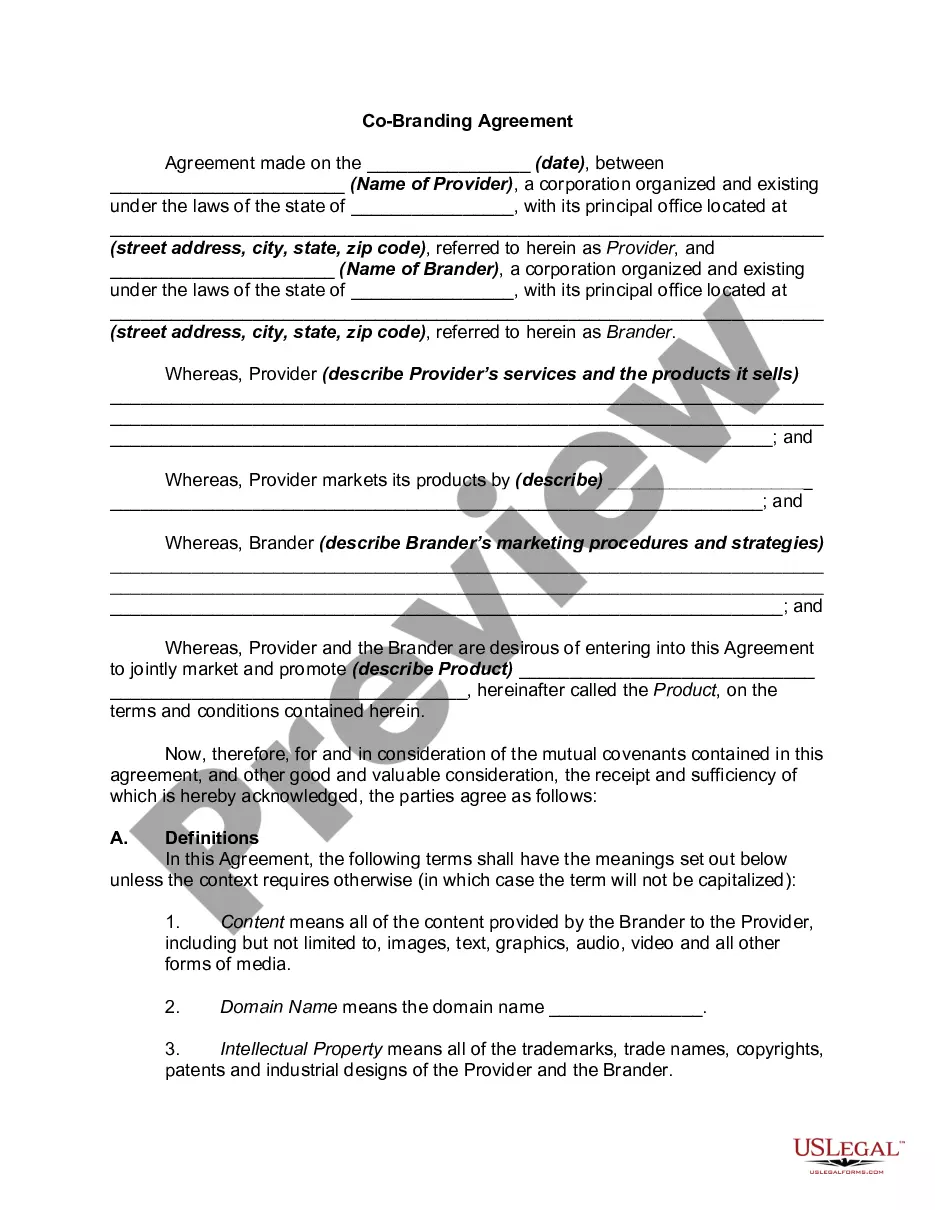
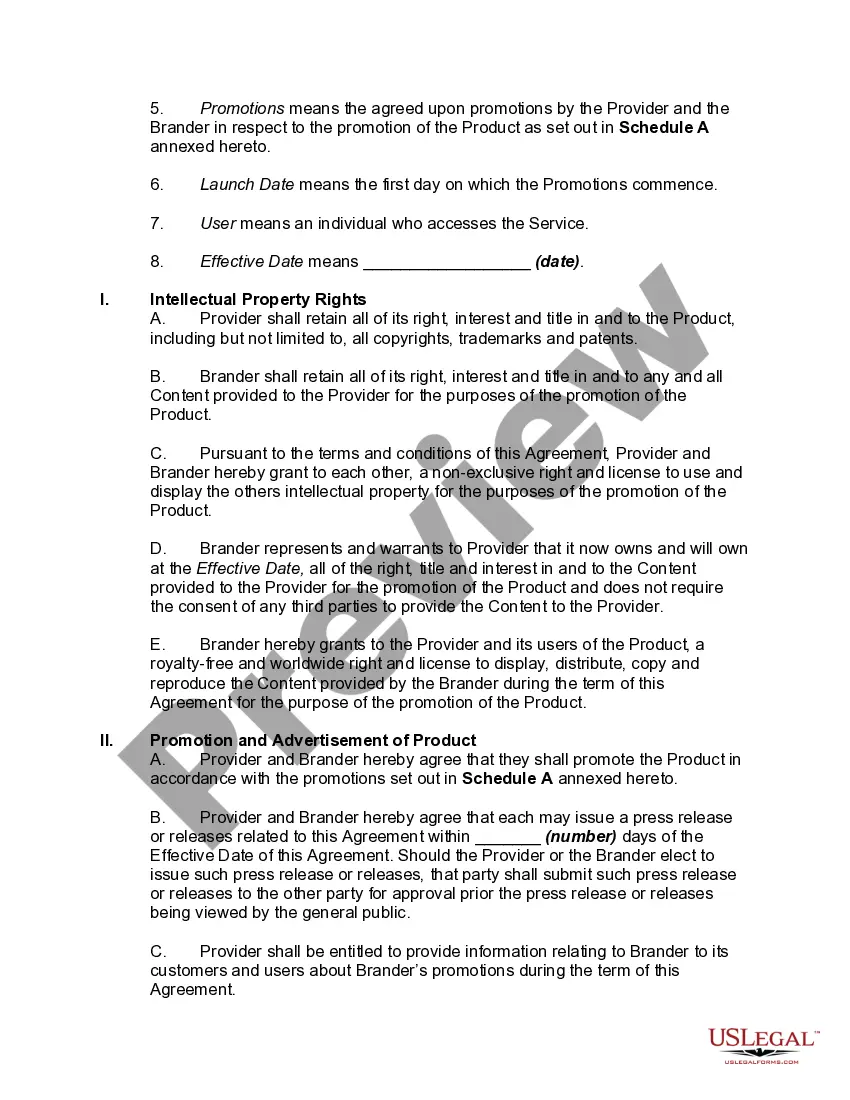
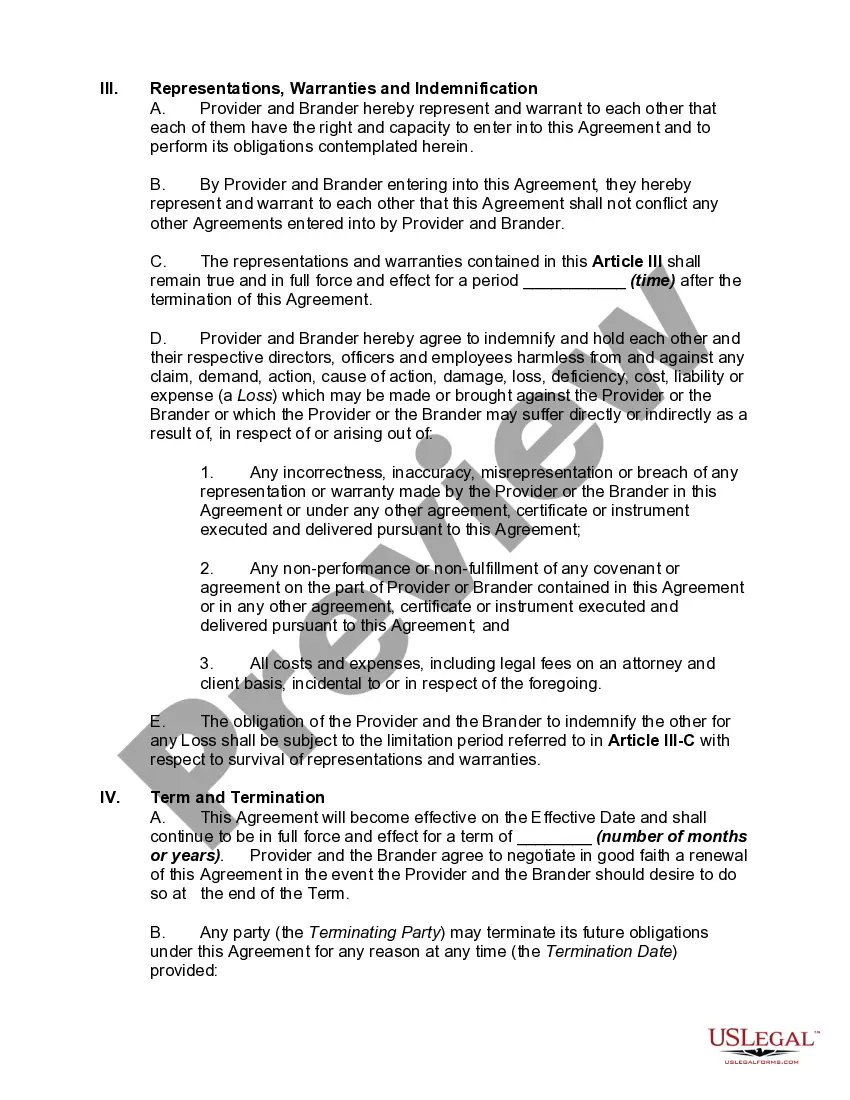
- Step 2. Use the Preview option to review the form's content. Don't forget to read the details.
- Step 3. If you are not satisfied with the form, utilize the Search box at the top of the screen to find other versions of the legal form template.
Form popularity
FAQ
Co-branding involves creating a product or service that features the identities of two or more brands, while a partnership may encompass a broader business relationship. In a Michigan Co-Branding Agreement, the focus is specifically on shared branding in a product offering. A partnership could include joint ventures or resource sharing beyond just marketing. Understanding these differences is key to navigating business relationships effectively.
Co-branding can be an excellent strategy for businesses looking to enhance visibility and attract new customers. A Michigan Co-Branding Agreement allows brands to combine strengths and reach broader audiences, benefiting from each other’s reputation. However, it's essential to carefully consider potential risks and ensure that the partnership aligns with your brand's values. Evaluating these factors will help you make informed decisions.
While co-branding can improve brand reach, it also has disadvantages. One drawback is the potential for brand dilution, where a partner's negative association could affect your brand. Another concern is loss of control over your brand's image due to shared marketing efforts. Understanding these risks is crucial; proper guidance like that offered by uslegalforms can help you mitigate them effectively.
Co-branding involves partnership between brands to create a unique product that leverages the strengths of both. For example, consider a Michigan Co-Branding Agreement between a popular coffee chain and a local bakery, where both brands come together to offer a special pastry that features the coffee chain's blend. This collaboration attracts customers from both brands, increasing sales and brand loyalty. Working with uslegalforms can help you draft this type of agreement effectively.
branding agreement is a strategic partnership between two or more brands to create a product or service that showcases each brand's strengths. In a Michigan CoBranding Agreement, businesses collaborate to enhance visibility and market presence. This arrangement benefits all parties by combining resources and customer bases. Understanding the specifics of such an agreement can empower your business decisions.
Brand collaboration focuses on the creative aspects of joint marketing efforts, while a partnership involves a deeper legal and operational relationship between entities. In a collaboration, brands may work together on specific campaigns or products without sharing profits or responsibilities in the same way a partnership would. When formalizing such relationships, a Michigan Co-Branding Agreement can provide essential structure and clarity.
Co-branding refers to a marketing strategy where two or more brands collaborate to create a product or service that benefits from the strengths of each brand. This partnership aims to increase brand recognition, leverage shared customer bases, and create unique consumer offerings. A well-crafted Michigan Co-Branding Agreement is vital to outlining the roles of each brand in this collaborative effort.
While both partnership and co-branding involve collaboration, they differ significantly. A partnership entails shared responsibilities, profits, and liabilities between parties working towards a common goal. On the other hand, co-branding focuses on the joint marketing efforts of independently owned brands to enhance visibility and reach while retaining their individual identities. Understanding this distinction can help when structuring a Michigan Co-Branding Agreement.
When engaging in co-branding, it is essential to consider brand compatibility and the potential impact on each brand's reputation. Additionally, clear communication regarding branding strategies and consumer expectations must be established. The Michigan Co-Branding Agreement should address these points to minimize misunderstandings and protect both brands' interests.
Co-branding involves collaboration between two brands to create a new product or service that leverages both identities for mutual benefit. Start by identifying compatible brands with shared values and target audiences. Next, develop a joint marketing strategy that highlights the strengths of both brands, while ensuring the Michigan Co-Branding Agreement outlines the roles, responsibilities, and profit-sharing arrangements clearly.