Michigan Quitclaim Deed from Trust to an Individual
Understanding this form
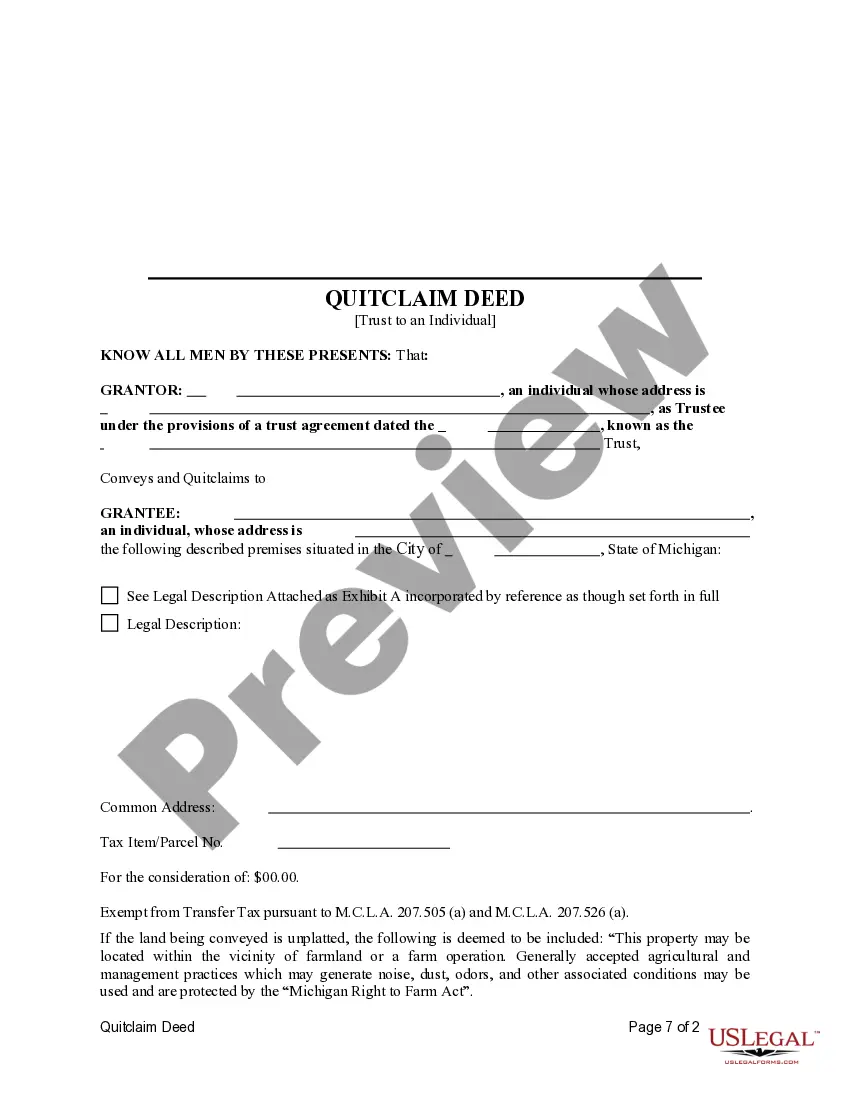
The Quitclaim Deed from Trust to an Individual is a legal document used to transfer property from a trust to an individual. In this scenario, the trustee, acting on behalf of the trust, conveys the property to the grantee without any warranties or guarantees regarding the title. This form is particularly useful for facilitating property transfers when the trust is ready to distribute assets to beneficiaries or individuals, differentiating it from more formal deeds that require additional covenants or guarantees.
Form components explained
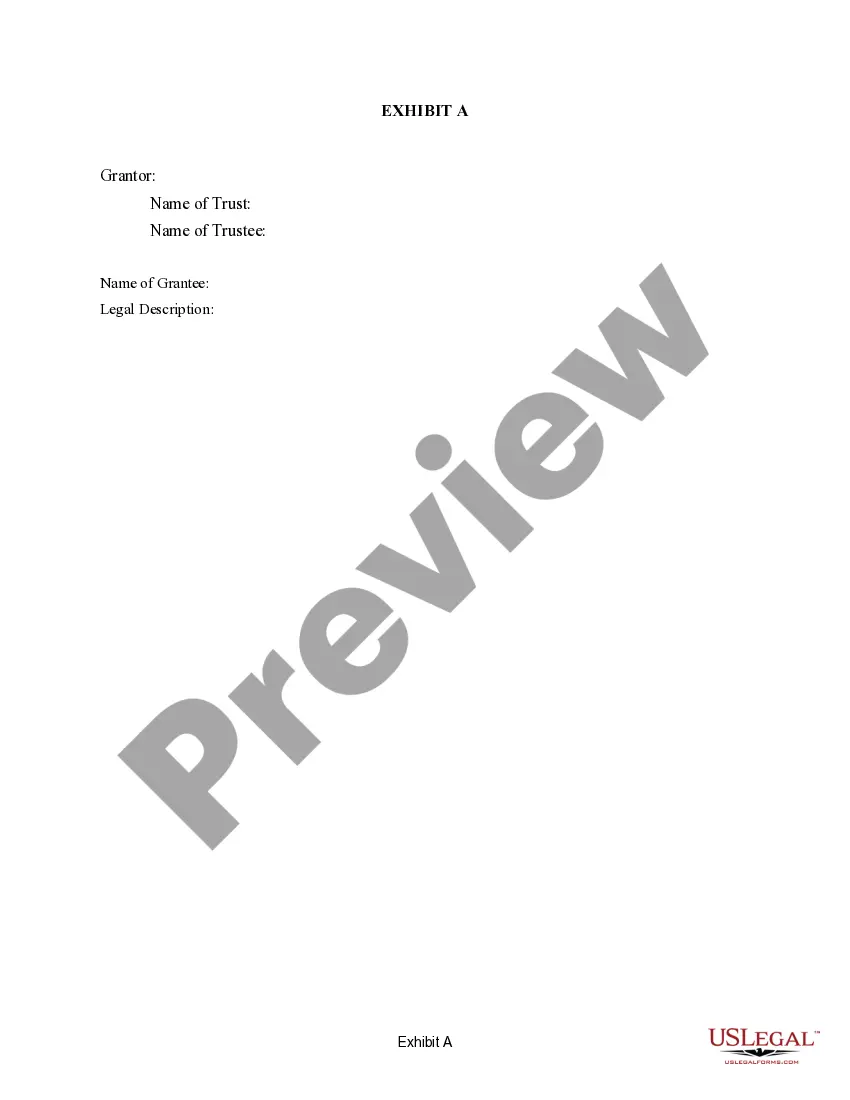
- Identification of the Grantor (trustee) and Grantee (individual receiving the property).
- Description of the property being transferred.
- Statement indicating the nature of the conveyance (quitclaim).
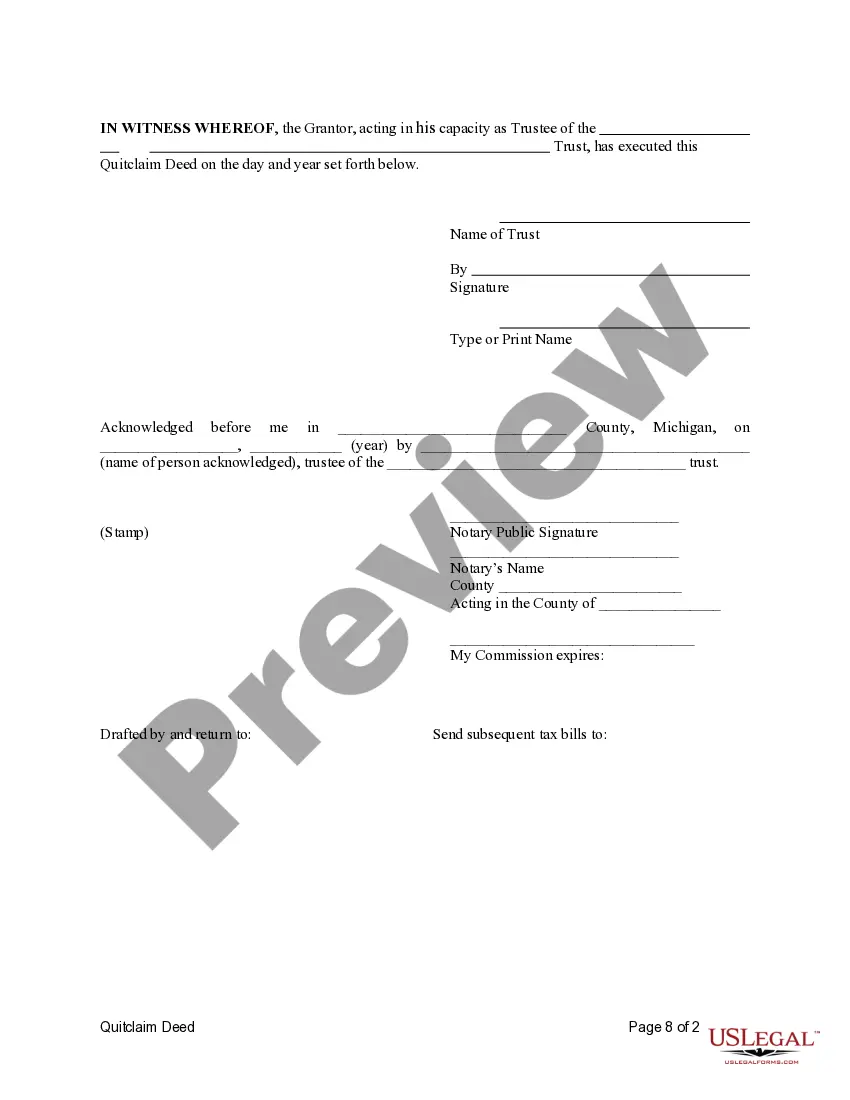
- Signature lines for all parties involved.
- Notary acknowledgment section, if applicable.





When to use this document
This form should be used when a trust wishes to transfer ownership of property to a designated individual. Situations may include distributing property to beneficiaries after the trust's assets have been evaluated, handling property transfers during estate planning, or simplifying ownership transfers without the need for warranties. It is particularly pertinent when immediate ownership is desired and no title insurance is required.
Who this form is for
- Trustees acting on behalf of a trust.
- Individuals receiving property from a trust.
- Estate planners looking to simplify property transfers.
- Beneficiaries of a trust wanting to finalize ownership of transferred assets.
Instructions for completing this form
- Identify the parties involved: the trustee (grantor) and the individual (grantee).
- Describe the property clearly, including its legal description and address.
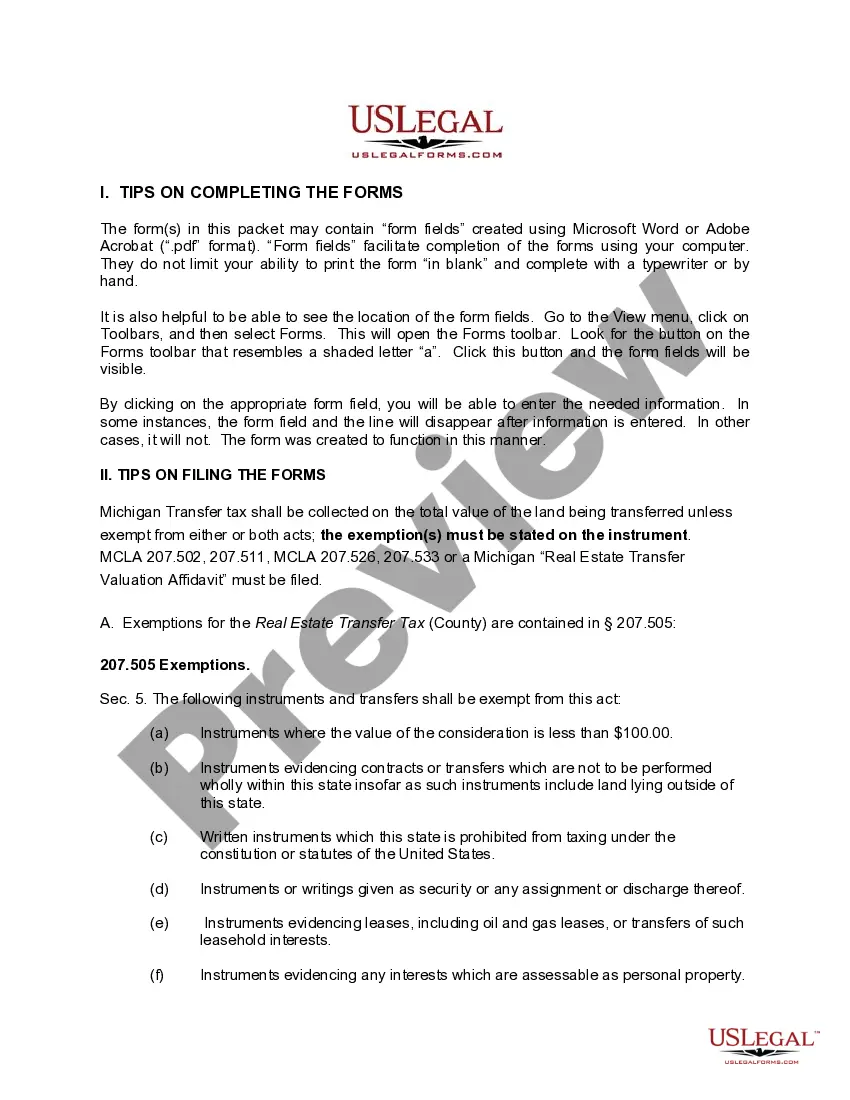
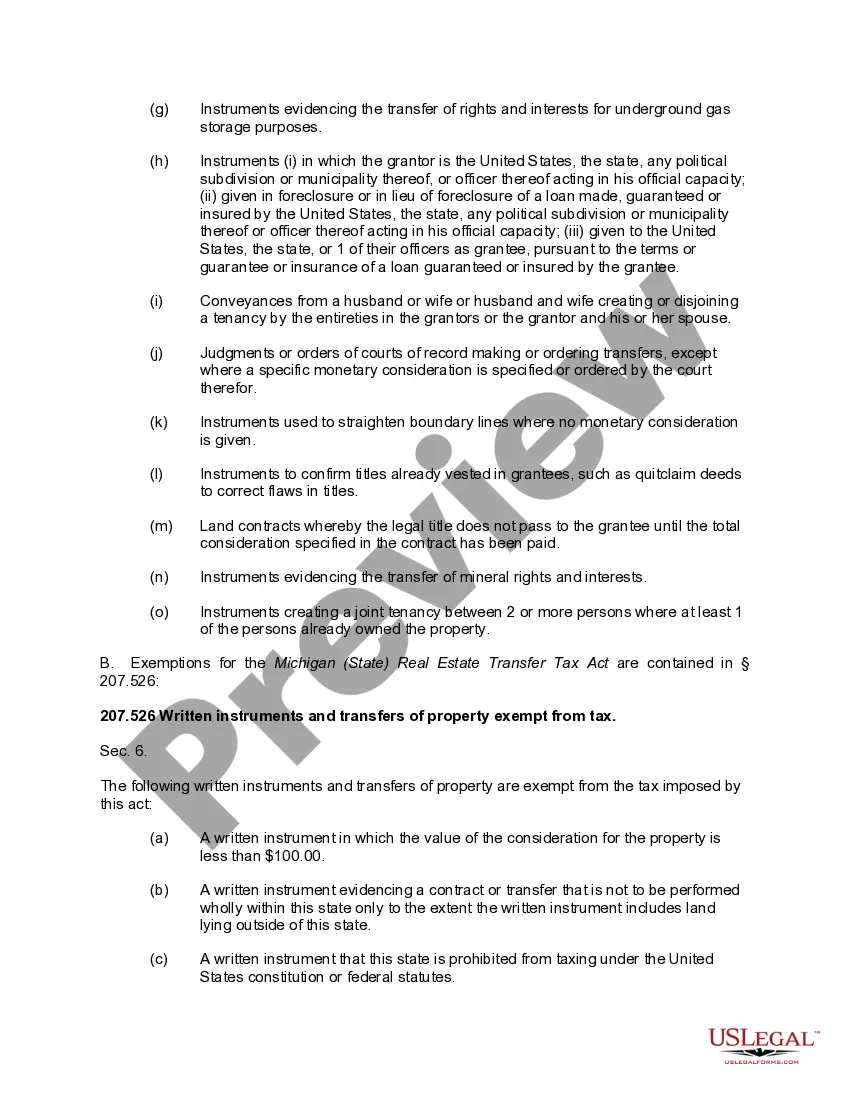
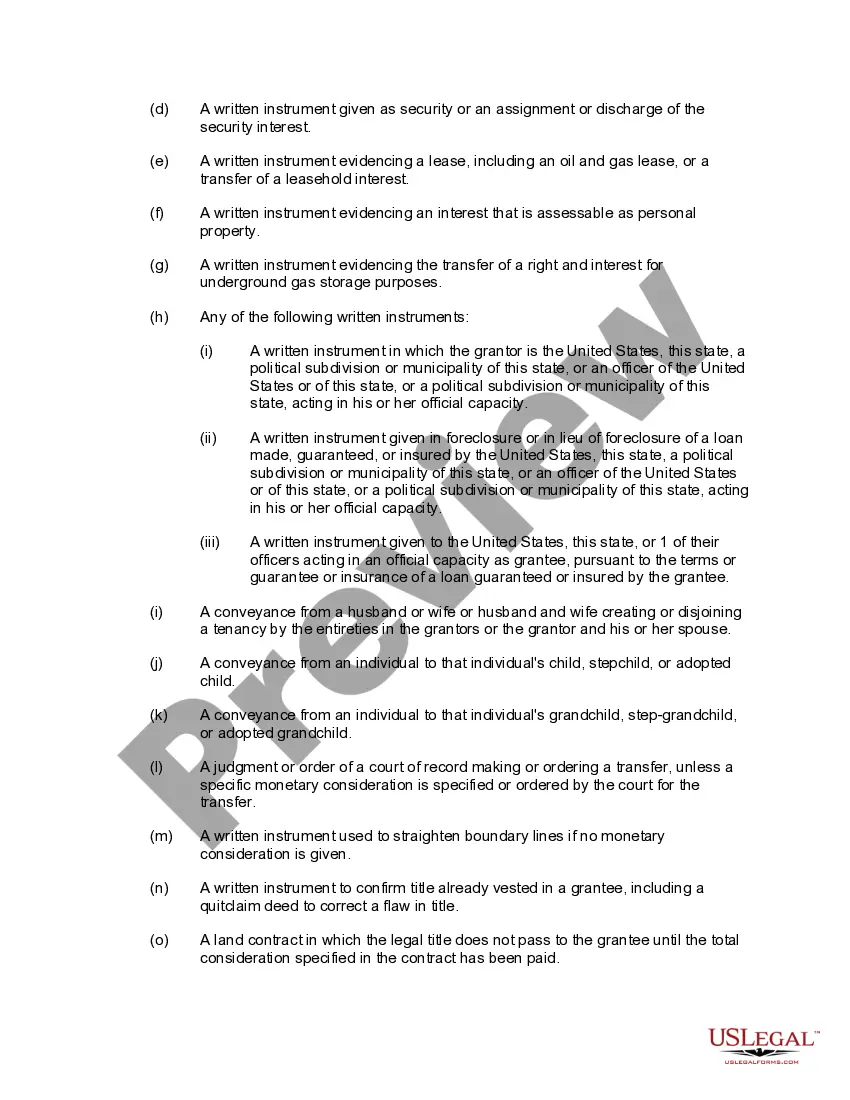
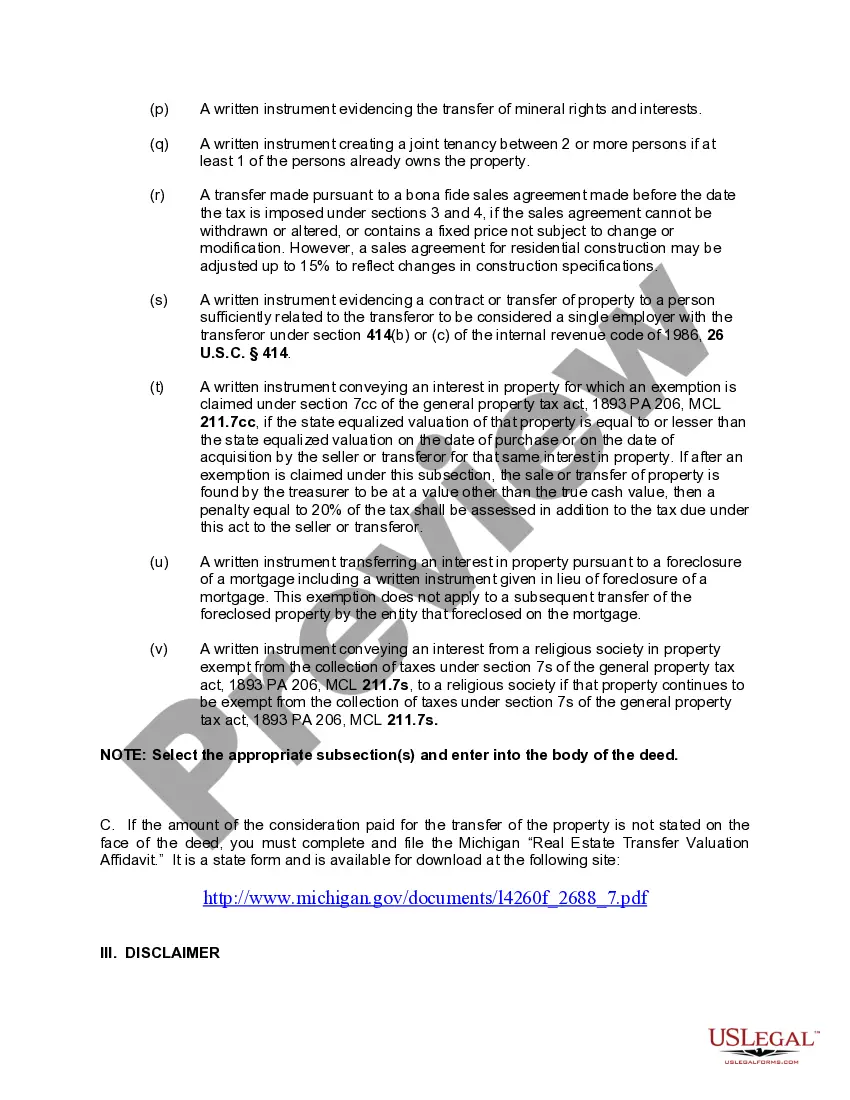
- Specify any exemptions related to transfer taxes, if applicable.
- Sign and date the form according to the requirements for the grantor and grantee.
- If required, ensure the document is notarized and filed with the appropriate authorities.
Is notarization required?
This document requires notarization to meet legal standards. US Legal Forms provides secure online notarization powered by Notarize, allowing you to complete the process through a verified video call, available 24/7.
Get your form ready online
Our built-in tools help you complete, sign, share, and store your documents in one place.
Make edits, fill in missing information, and update formatting in US Legal Forms—just like you would in MS Word.
Download a copy, print it, send it by email, or mail it via USPS—whatever works best for your next step.
Sign and collect signatures with our SignNow integration. Send to multiple recipients, set reminders, and more. Go Premium to unlock E-Sign.
If this form requires notarization, complete it online through a secure video call—no need to meet a notary in person or wait for an appointment.
We protect your documents and personal data by following strict security and privacy standards.

Make edits, fill in missing information, and update formatting in US Legal Forms—just like you would in MS Word.

Download a copy, print it, send it by email, or mail it via USPS—whatever works best for your next step.

Sign and collect signatures with our SignNow integration. Send to multiple recipients, set reminders, and more. Go Premium to unlock E-Sign.

If this form requires notarization, complete it online through a secure video call—no need to meet a notary in person or wait for an appointment.

We protect your documents and personal data by following strict security and privacy standards.
Common mistakes
- Failing to include a clear legal description of the property.
- Not completing the necessary tax exemption sections.
- Omitting signatures from either the grantor or grantee.
- Neglecting to notarize the document where required.
Benefits of completing this form online
- Convenience of completing the form digitally from anywhere.
- Ability to edit and save information before finalizing.
- Access to expert-drafted templates ensuring legal compliance.
- Quick download and immediate usability of the form.
What to keep in mind
- The Quitclaim Deed from Trust to an Individual effectively transfers property ownership from a trust to an individual.
- Careful attention to detail is vital when completing this form to avoid errors.
- Always check local regulations to ensure compliance with tax and filing requirements.
- Using a secure online platform for form completion offers convenience and legal assurance.
Looking for another form?
Form popularity
FAQ
California Property TaxesTransferring real property to yourself as trustee of your own revocable living trust -- or back to yourself -- does not trigger a reassessment for property tax purposes. (Cal. Rev. & Tax Code § 62(d).)
When you're ready to transfer trust real estate to the beneficiary who is named in the trust document to receive it, you'll need to prepare, sign, and record a deed. That's the document that transfers title to the property from you, the trustee, to the new owner.
A quitclaim deed can be used to transfer property from a trust, but a Special Warranty Deed seems to be a more common way to do this.
But you might be wondering if an owner can transfer a deed to another person without a real estate lawyer. The answer is yes. Parties to a transaction are always free to prepare their own deeds.A quitclaim deed, for example, is far simpler than a warranty deed.
In the context of a California mortgage transaction, a trust deed also transfer ownership. Only this time, the title is being placed in the hands of a third-party trustee, who holds the property on behalf of the lender and the homeowner-borrower until the mortgage is paid.
Yes, a quit claim deed supercedes the trust. The only thing that can be done is to file a suit in court challenging the deed as the product of fraud and undue influence. A court action like that will cost thousands of dollars, but might be worth it if the house was owned free and clear.
Step 1: Download the MI quitclaim deed form. Step 2: Add the name and address of the preparer under Prepared By on the first line of the document. Step 3: Add the return address under After Recording Return To. This is typically the name and address of the grantee, but it could be a different party.
To use a Quitclaim Deed to add someone to a property deed or title, you would need to create a Quitclaim Deed and list all of the current owners in the grantor section. In the grantee section, you would list all of the current owners as well as the person you would like to add.
The Quit Claim Deed form uses the terms of Grantor (Seller or Owner of said property) and Grantee (Buyer of said property) for the two parties involved. First, the parties must fill in the date. Then, write in the name of the county and state in which the property is located.