Maine Confidentiality and Nonuse Agreement Including Protection of Confidential Information of Former Clients and Third Parties
Description

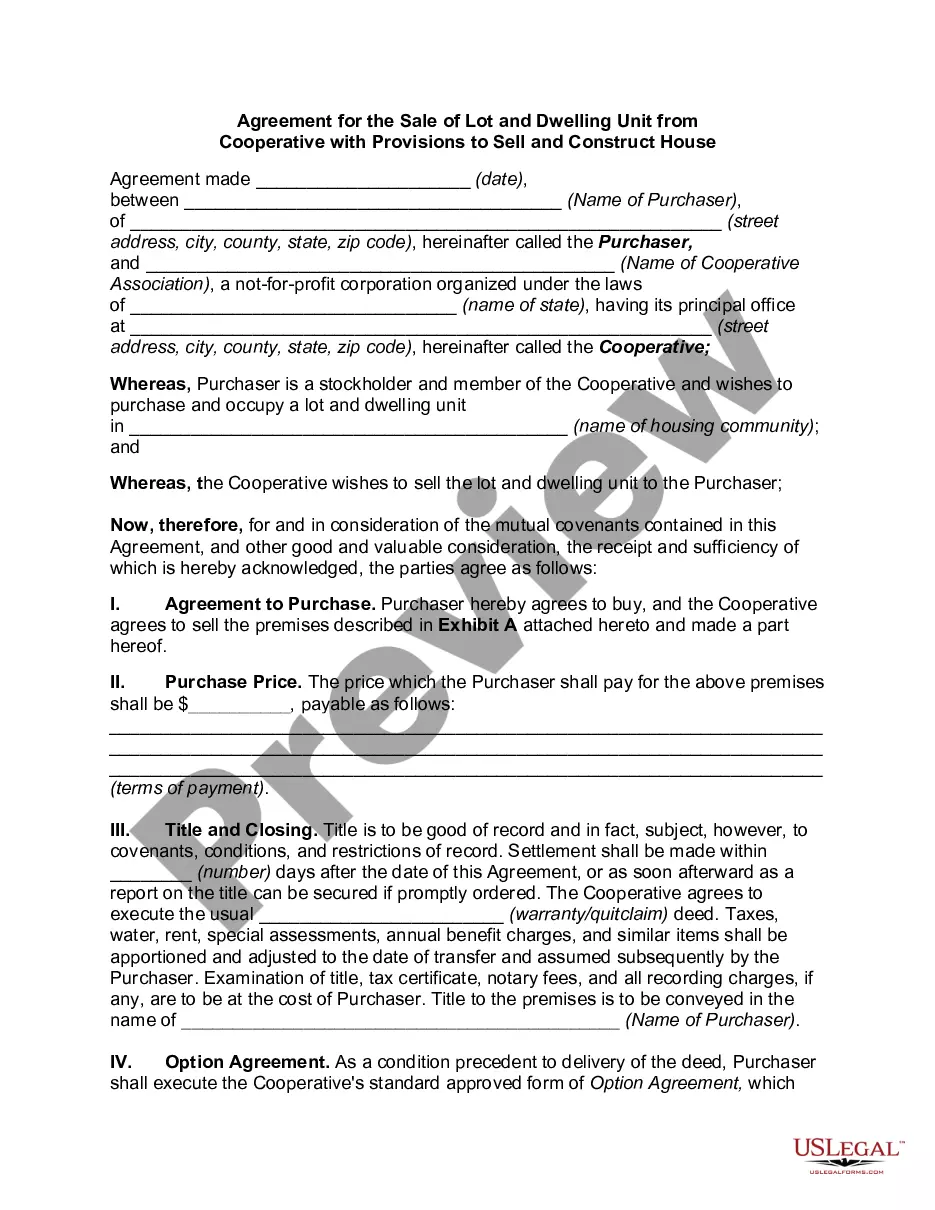
How to fill out Confidentiality And Nonuse Agreement Including Protection Of Confidential Information Of Former Clients And Third Parties?
US Legal Forms - one of the largest collections of legal documents in the United States - offers a vast selection of legal document templates that you can download or print.
By utilizing the website, you can discover thousands of forms for business and personal purposes, categorized by types, states, or keywords.
You can find the latest versions of forms such as the Maine Confidentiality and Nonuse Agreement Including Protection of Confidential Information of Former Clients and Third Parties within moments.
If the form does not meet your needs, utilize the Search field at the top of the screen to find one that does.
Once you are satisfied with the form, confirm your choice by clicking the Purchase now button. Then, select the payment plan you prefer and provide your details to register for an account.
- If you have a monthly subscription, Log In and download the Maine Confidentiality and Nonuse Agreement Including Protection of Confidential Information of Former Clients and Third Parties from the US Legal Forms library.
- The Download button will appear on every form you view.
- You can access all previously obtained forms in the My documents tab of your account.
- If you are using US Legal Forms for the first time, here are some simple steps to help you get started.
- Ensure you have selected the correct form for your city/county.
- Click the Review button to examine the form’s details.
Form popularity
FAQ
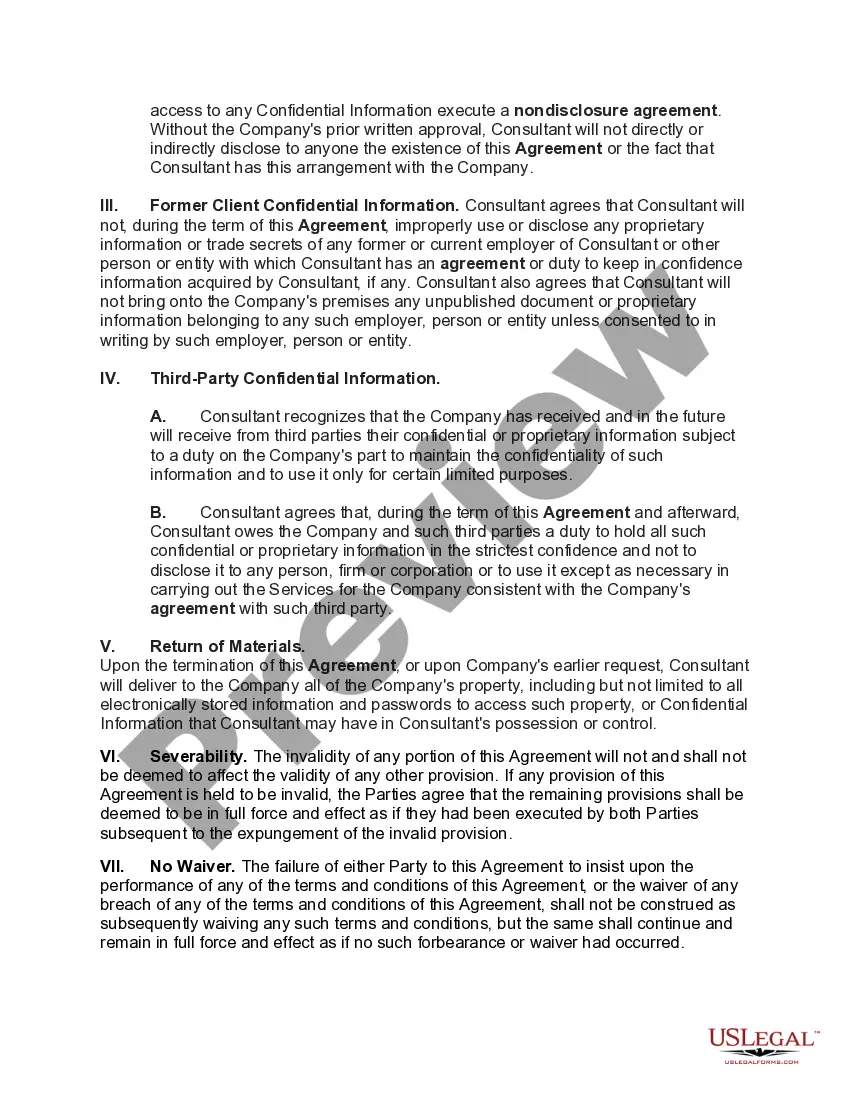
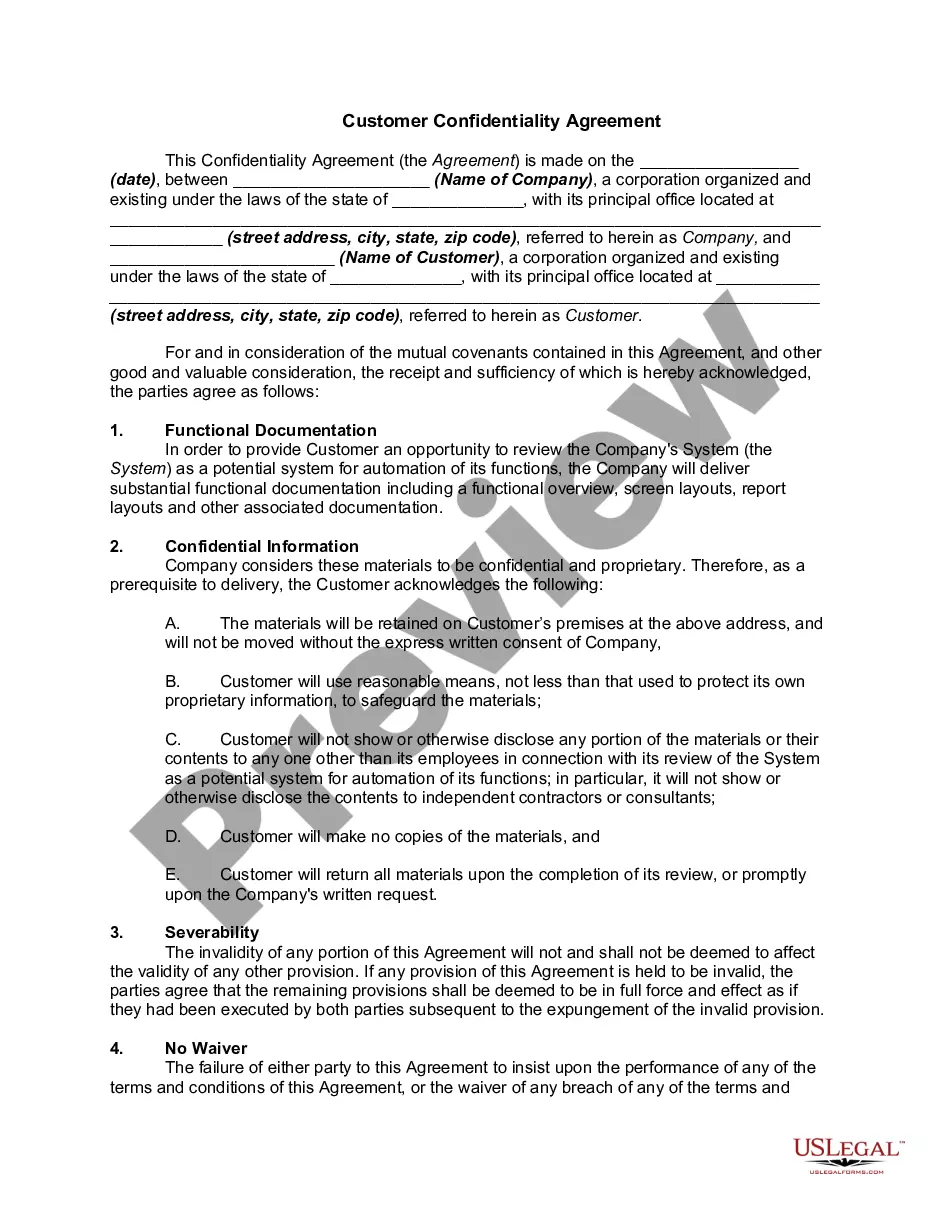
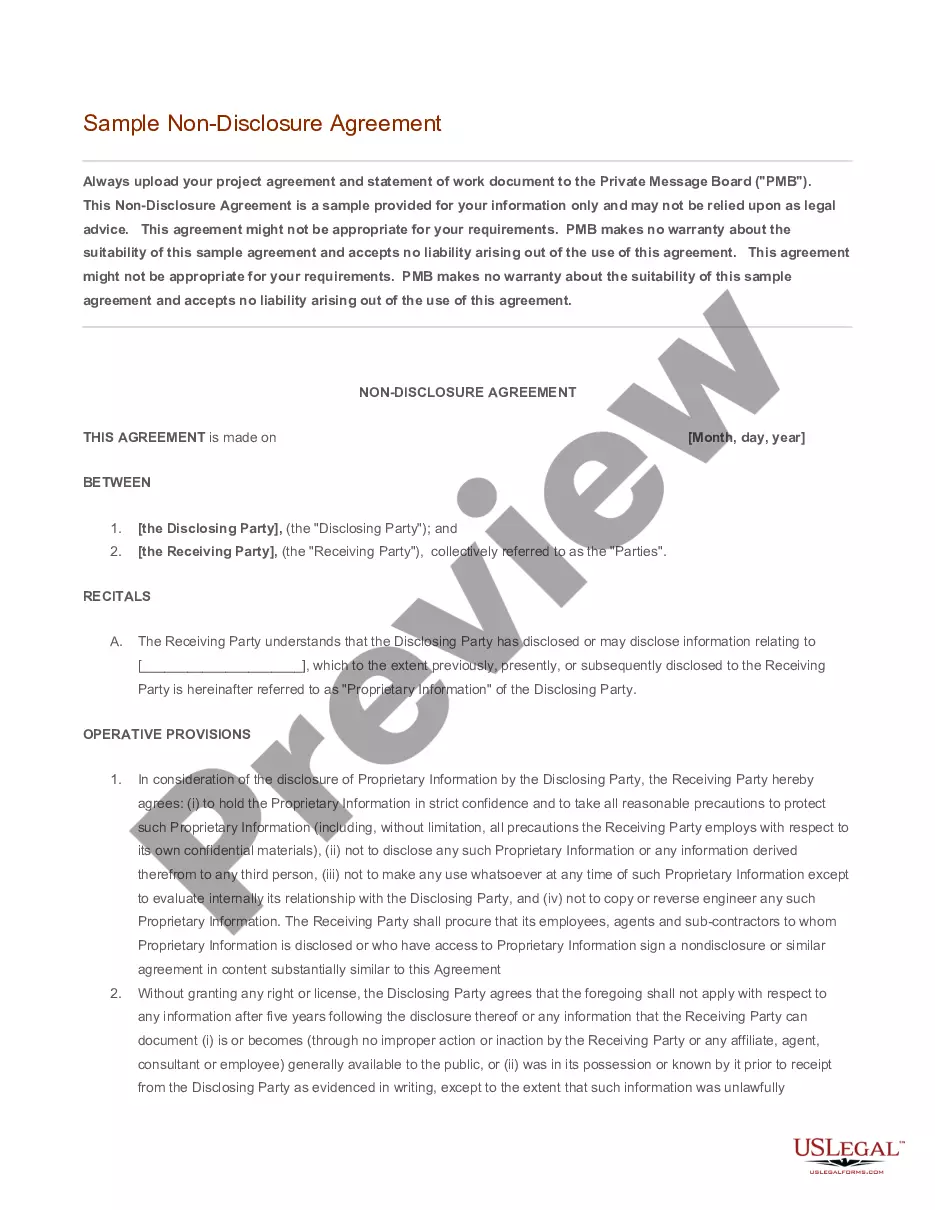
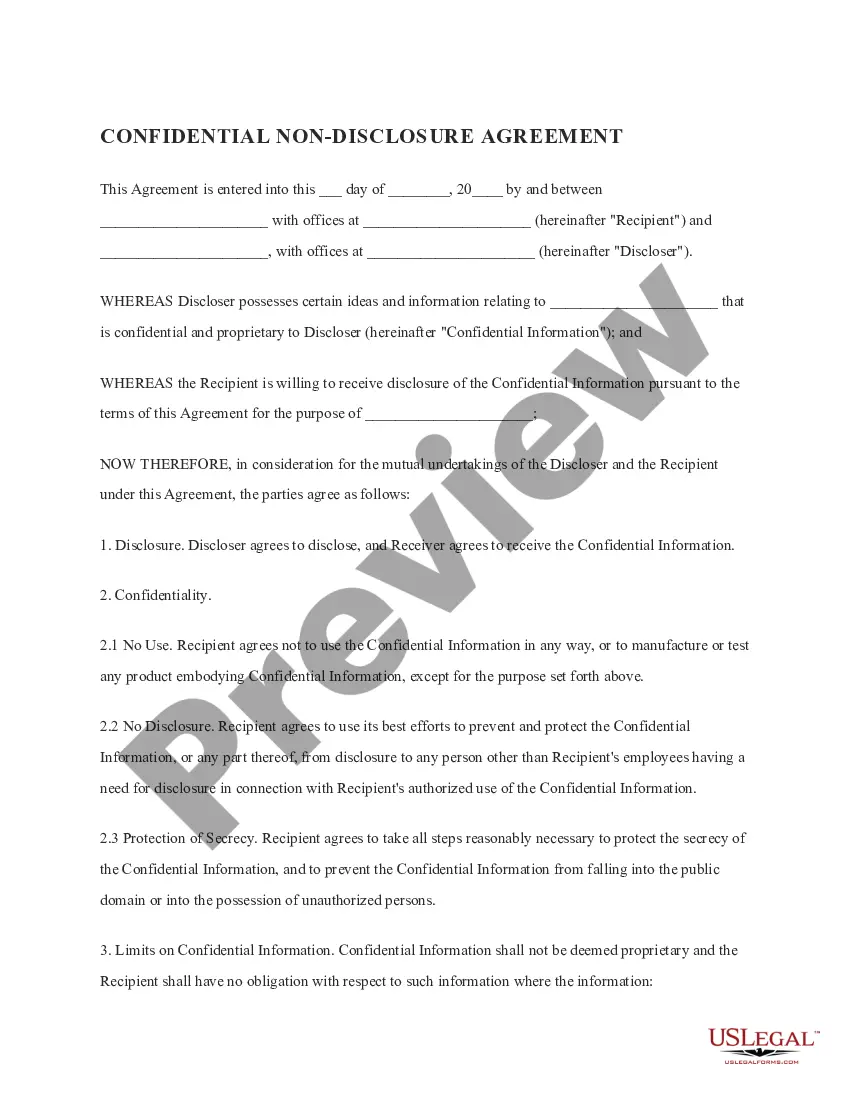
A confidentiality and non-disclosure agreement policy sets the framework for how confidential information should be treated between parties. This policy outlines the responsibilities regarding the sharing and safeguarding of sensitive data, like that found in the Maine Confidentiality and Nonuse Agreement Including Protection of Confidential Information of Former Clients and Third Parties. By codifying these expectations, businesses can create a culture of trust and security. Utilizing platforms such as uslegalforms can help you develop and implement a robust agreement policy tailored to your needs.
A confidentiality clause is often a part of a larger agreement, while a non-disclosure agreement (NDA) stands alone as a contract focused on protecting confidential information. Both play a key role in the Maine Confidentiality and Nonuse Agreement Including Protection of Confidential Information of Former Clients and Third Parties, but they serve different purposes. The confidentiality clause binds parties to secrecy within a broader context, whereas an NDA establishes clear expectations for the handling of confidential information. Understanding these differences helps you make informed decisions.
An example of a NDA violation occurs when a party shares confidential information, such as proprietary business data or client information, without permission. This breach can have serious legal consequences, highlighting the importance of the Maine Confidentiality and Nonuse Agreement Including Protection of Confidential Information of Former Clients and Third Parties. Violating an NDA undermines trust and can result in financial harm. Therefore, understanding the implications of a NDA violation is crucial for all parties involved.
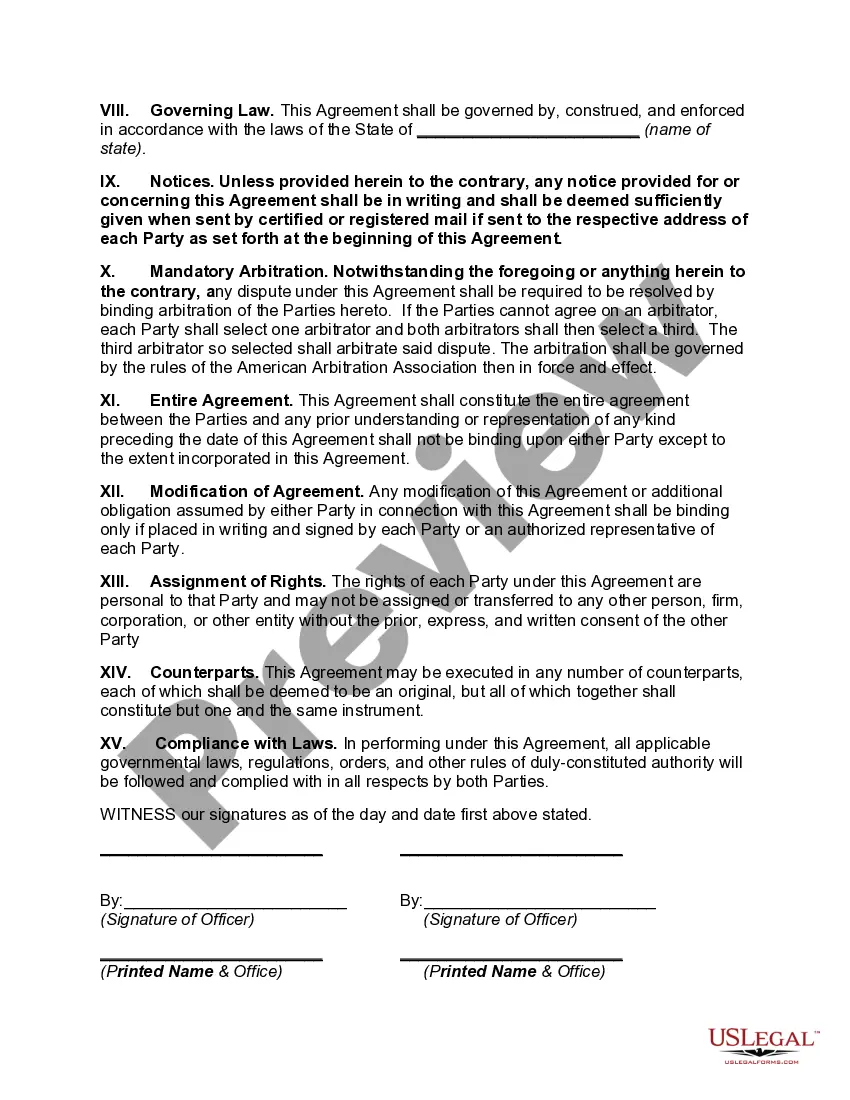
The non-disclosure of confidential information clause is a key component of the Maine Confidentiality and Nonuse Agreement Including Protection of Confidential Information of Former Clients and Third Parties. This clause prevents parties from disclosing sensitive information to unauthorized individuals. It is essential for protecting business secrets and client data. By using this clause, you ensure that your confidential information remains secure.
An example of third-party information could be a client’s proprietary technology that your business learns about during collaboration. If that client has shared sensitive data with you, it is crucial to protect that information to maintain trust and comply with any legal obligations. The Maine Confidentiality and Nonuse Agreement Including Protection of Confidential Information of Former Clients and Third Parties can help safeguard such information effectively.
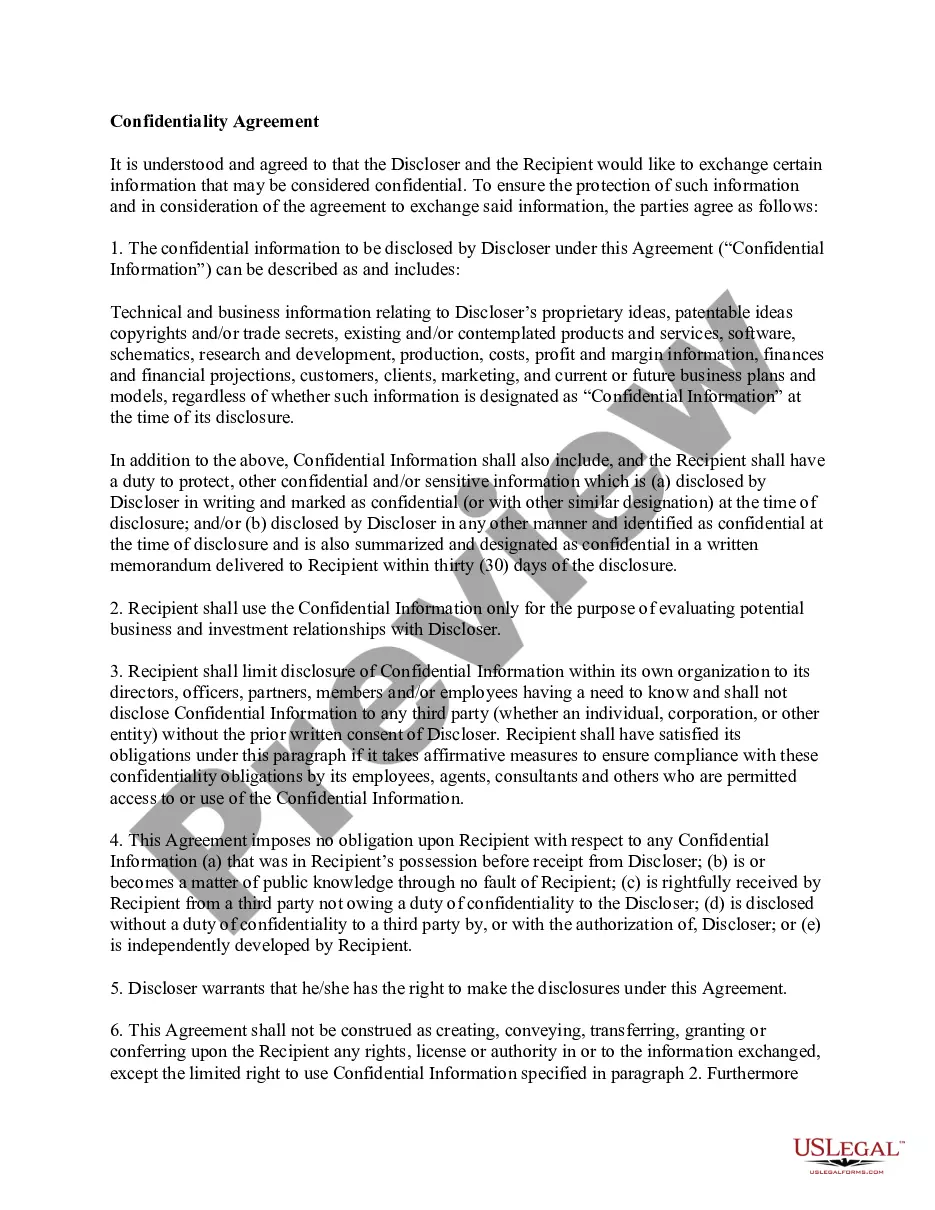
Confidential information can include any information not publicly available that gives a business or individual a competitive advantage. Examples can include customer lists, marketing strategies, product specifications, or even internal policies. By understanding what constitutes confidential information, parties can ensure they adequately protect their interests under the Maine Confidentiality and Nonuse Agreement Including Protection of Confidential Information of Former Clients and Third Parties.
Confidential information of third parties refers to sensitive data that belongs to individuals or entities not directly involved in the agreement. This can include trade secrets or business strategies shared by partners, clients, or suppliers. It's essential to include provisions protecting third-party information in the Maine Confidentiality and Nonuse Agreement Including Protection of Confidential Information of Former Clients and Third Parties to prevent unauthorized disclosure.
Confidential information can be categorized into three main types: personal information, proprietary information, and financial information. Personal information includes data such as names, addresses, and social security numbers. Proprietary information may encompass trade secrets, business plans, or product designs, while financial information can include bank details and revenue records.
The confidentiality clause in the Maine Confidentiality and Nonuse Agreement Including Protection of Confidential Information of Former Clients and Third Parties requires both parties to maintain secrecy. This clause defines the types of information deemed confidential and mandates that neither party disclose this information without permission. It also specifies the obligations for how information should be handled and the penalties for breaches.
disclosure of confidential information agreement, often referred to as an NDA, is a legal contract that protects sensitive information. This agreement ensures that the parties involved do not disclose or misuse confidential information shared during their relationship. The Maine Confidentiality and Nonuse Agreement Including Protection of Confidential Information of Former Clients and Third Parties serves this purpose well, as it clearly outlines what can and cannot be shared.