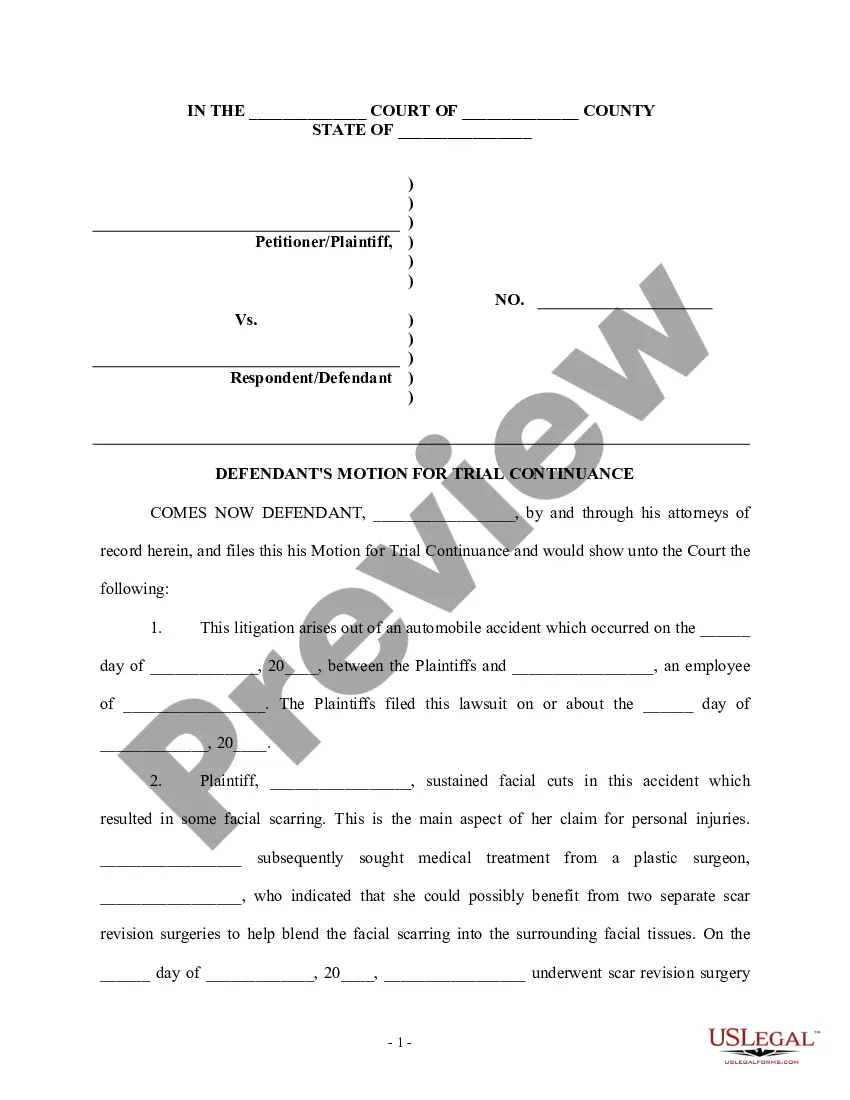
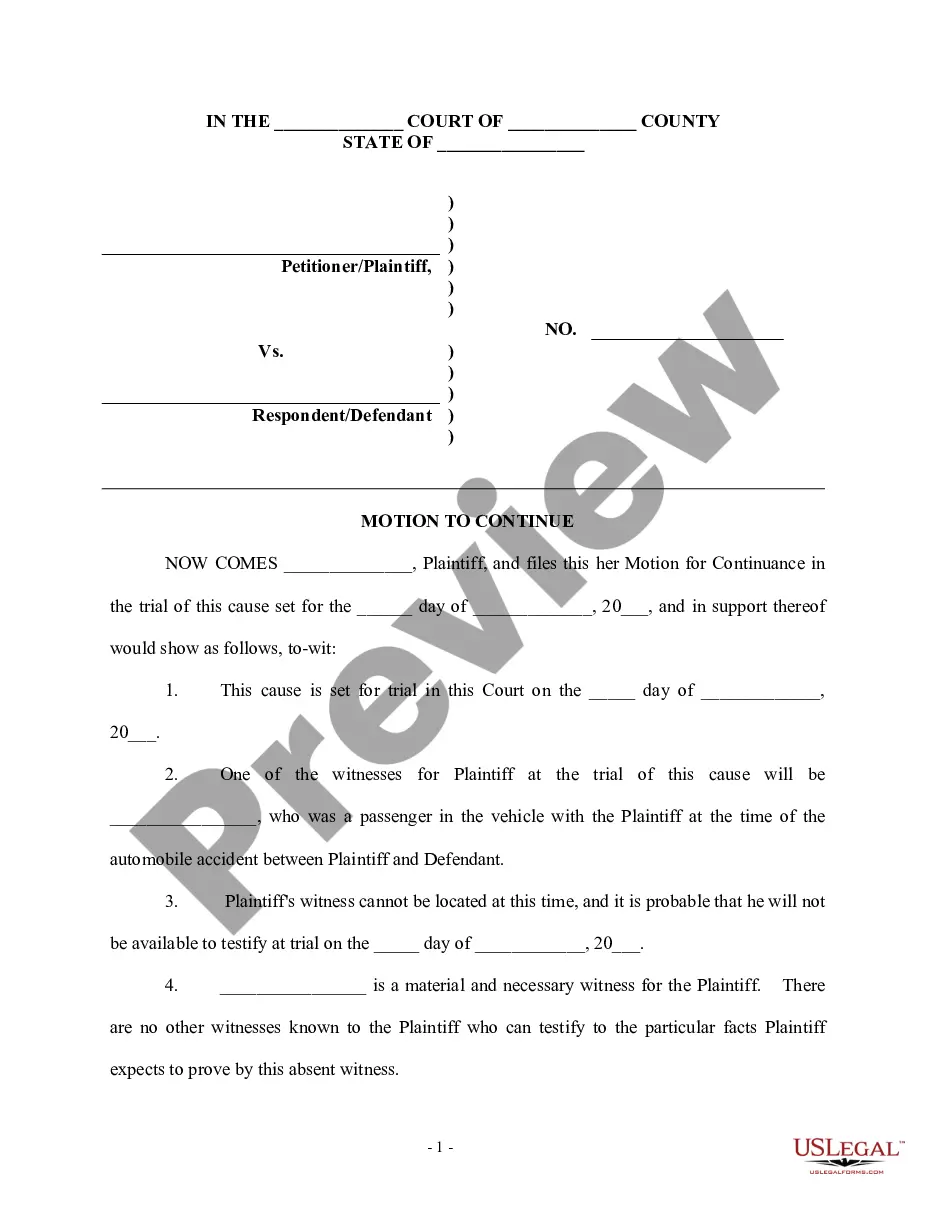
Maine Motion for Continuance
Description
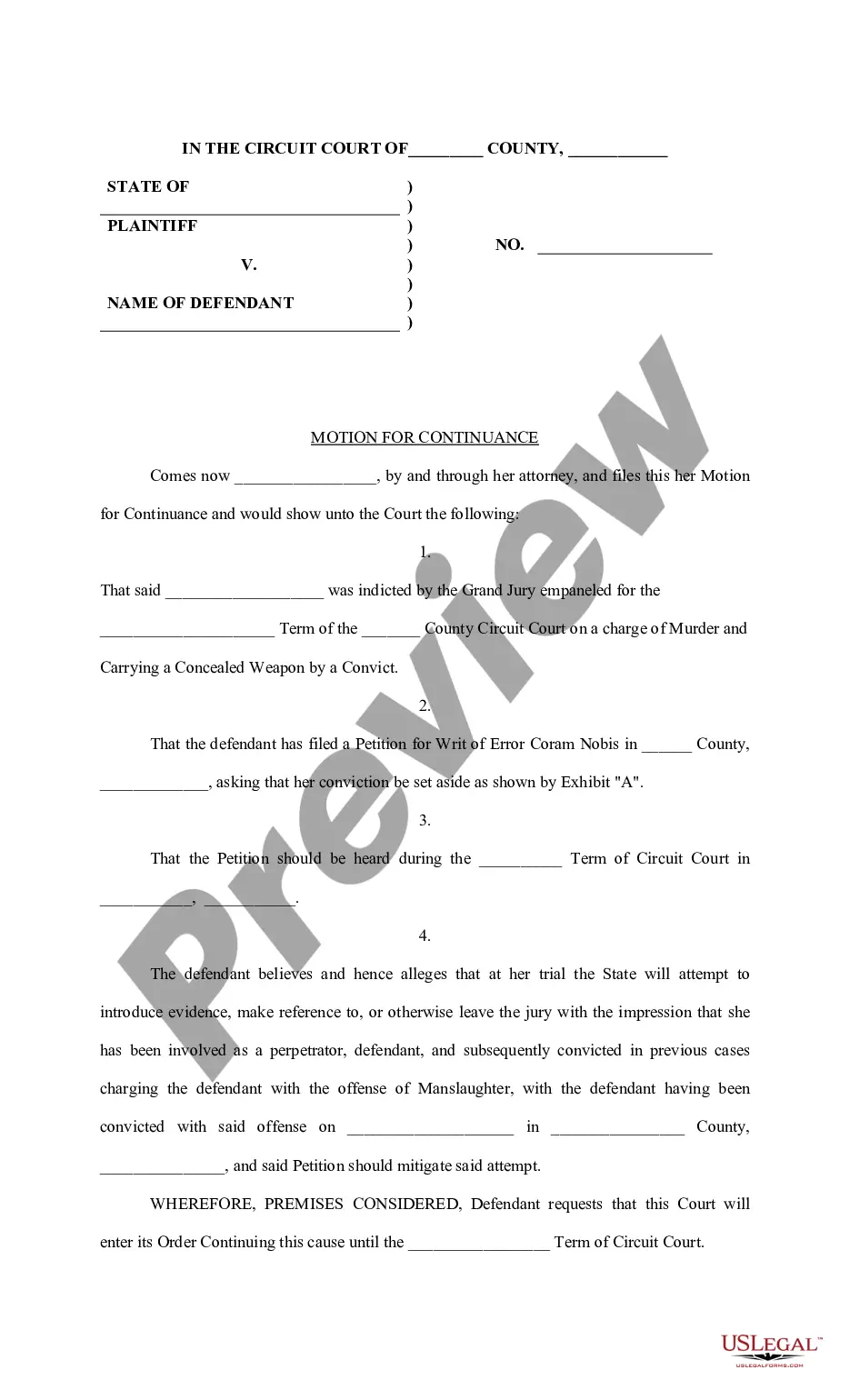
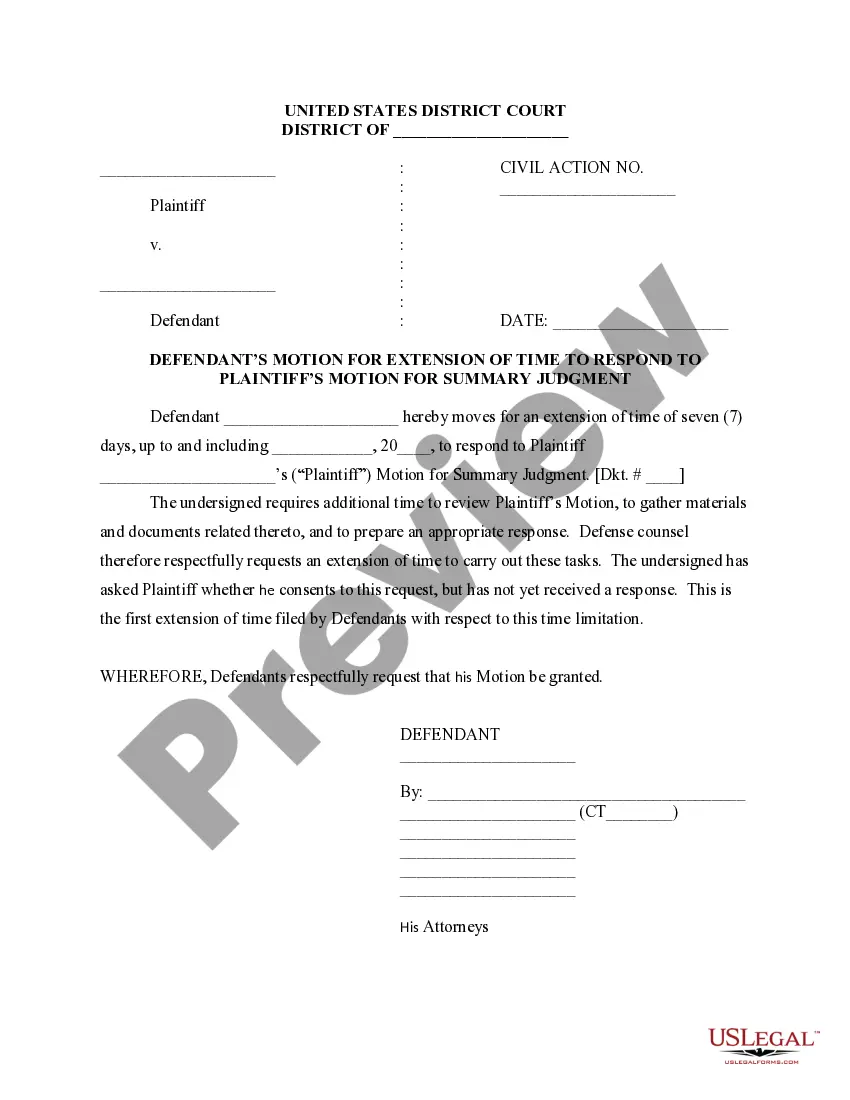
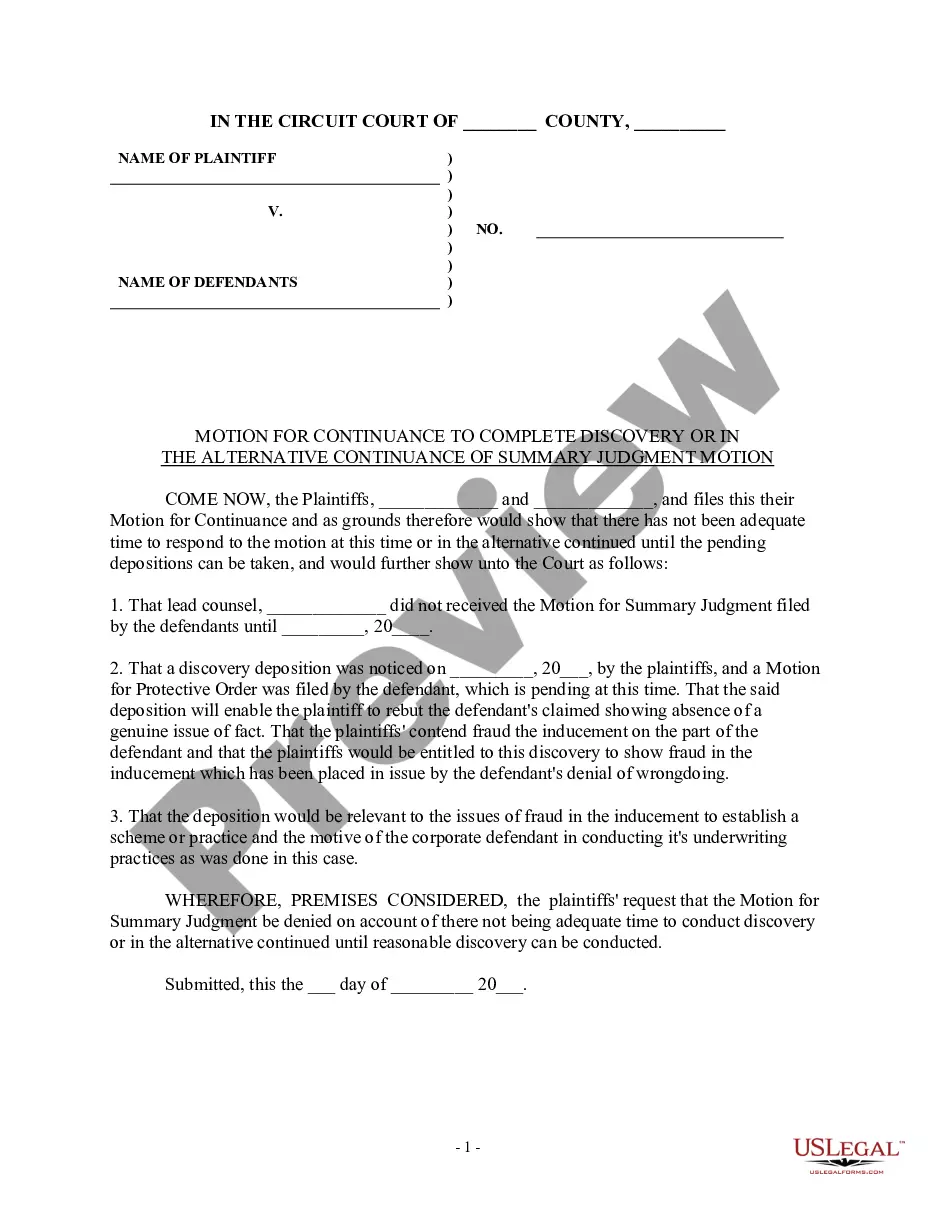
Get your form ready online
Our built-in tools help you complete, sign, share, and store your documents in one place.
Make edits, fill in missing information, and update formatting in US Legal Forms—just like you would in MS Word.
Download a copy, print it, send it by email, or mail it via USPS—whatever works best for your next step.
Sign and collect signatures with our SignNow integration. Send to multiple recipients, set reminders, and more. Go Premium to unlock E-Sign.
If this form requires notarization, complete it online through a secure video call—no need to meet a notary in person or wait for an appointment.
We protect your documents and personal data by following strict security and privacy standards.

Make edits, fill in missing information, and update formatting in US Legal Forms—just like you would in MS Word.

Download a copy, print it, send it by email, or mail it via USPS—whatever works best for your next step.

Sign and collect signatures with our SignNow integration. Send to multiple recipients, set reminders, and more. Go Premium to unlock E-Sign.

If this form requires notarization, complete it online through a secure video call—no need to meet a notary in person or wait for an appointment.

We protect your documents and personal data by following strict security and privacy standards.
Looking for another form?
How to fill out Motion For Continuance?
Are you in a location where you frequently require documentation for either business or personal purposes? There are numerous legal document templates available online, but locating versions you can trust isn't straightforward. US Legal Forms offers a vast array of form templates, such as the Maine Motion for Continuance, that are designed to comply with federal and state regulations.
If you are already familiar with the US Legal Forms website and have an account, simply sign in. After that, you can download the Maine Motion for Continuance template.
If you do not have an account and want to start using US Legal Forms, follow these instructions: Find the form you need and ensure it is for the appropriate city/region. Utilize the Preview button to examine the form. Review the description to confirm that you have selected the correct document. If the form isn't what you seek, use the Search field to find the form that meets your needs and specifications. Once you obtain the correct form, click Get now. Select the pricing plan you prefer, fill in the necessary details to create your account, and pay for the order using your PayPal or credit card. Choose a convenient file format and download your copy.
- Access all the document templates you have purchased in the My documents menu. You can get an additional copy of the Maine Motion for Continuance at any time, if necessary. Just select the required form to download or print the document template.
- Utilize US Legal Forms, one of the largest collections of legal documents, to save time and avoid mistakes. The service offers properly crafted legal document templates that can be utilized for various purposes. Create your account on US Legal Forms and start making your life a bit easier.
Form popularity
FAQ
Rule 80B(m) is amended to clarify that an order of remand from the Superior Court to the governmental agency is not a final judgment from which an appeal lies, absent special circumstances. The amendment is not intended to change the law governing final judgments, moot issues or the preservation of issues for appeal.
If you have been served with court papers in a divorce or parental rights and responsibilities case, you may file a written response (called an "answer") within 21 days of when you received the papers. Your answer or response may include a ?counterclaim? (a claim against the plaintiff).
Whenever a judgment debtor or any other person fails to comply with any court order entered pursuant to this chapter, except an order against a judgment debtor issued for failure to comply with a disclosure subpoena, the judgment creditor may file a motion with the court to hold that person in contempt.
If an application is made to produce the information under Rule 26(g), the party resisting discovery bears the initial burden to show the court that the information is not, in fact, "reasonably accessible because of undue burden or expense." The requesting party must then show "good cause" why the information should be ...
A motion for a continuance order shall be made immediately after the cause or ground becomes known. The motion must specify (1) the cause or ground for the request, (2) when the cause or ground for the request became known, and (3) whether the motion is opposed.
Continuance is what a court may grant to delay proceedings until a later date. Parties in a suit or the judge themselves may wish to have a continuance granted in order to prepare for proceedings.