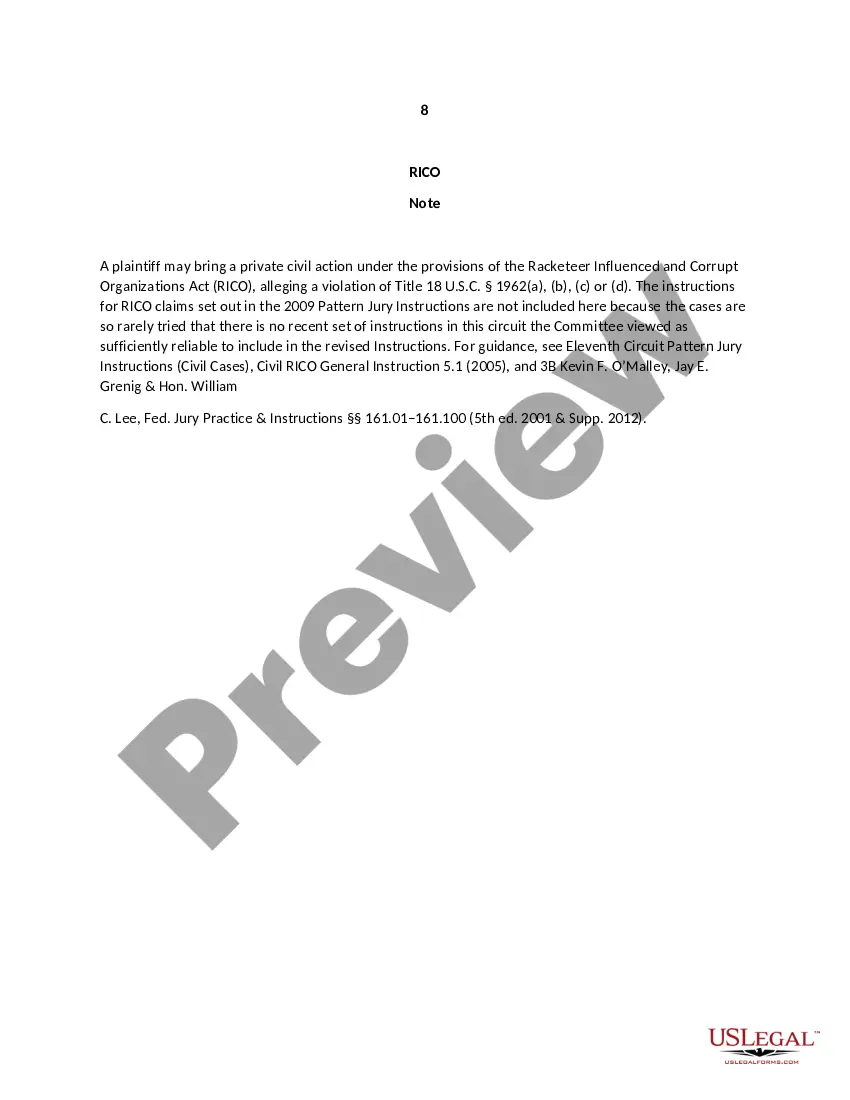
Maine Guide for Protecting Deceased Persons from Identity Theft
Description
Get your form ready online
Our built-in tools help you complete, sign, share, and store your documents in one place.
Make edits, fill in missing information, and update formatting in US Legal Forms—just like you would in MS Word.
Download a copy, print it, send it by email, or mail it via USPS—whatever works best for your next step.
Sign and collect signatures with our SignNow integration. Send to multiple recipients, set reminders, and more. Go Premium to unlock E-Sign.
If this form requires notarization, complete it online through a secure video call—no need to meet a notary in person or wait for an appointment.
We protect your documents and personal data by following strict security and privacy standards.

Make edits, fill in missing information, and update formatting in US Legal Forms—just like you would in MS Word.

Download a copy, print it, send it by email, or mail it via USPS—whatever works best for your next step.

Sign and collect signatures with our SignNow integration. Send to multiple recipients, set reminders, and more. Go Premium to unlock E-Sign.

If this form requires notarization, complete it online through a secure video call—no need to meet a notary in person or wait for an appointment.

We protect your documents and personal data by following strict security and privacy standards.
Looking for another form?



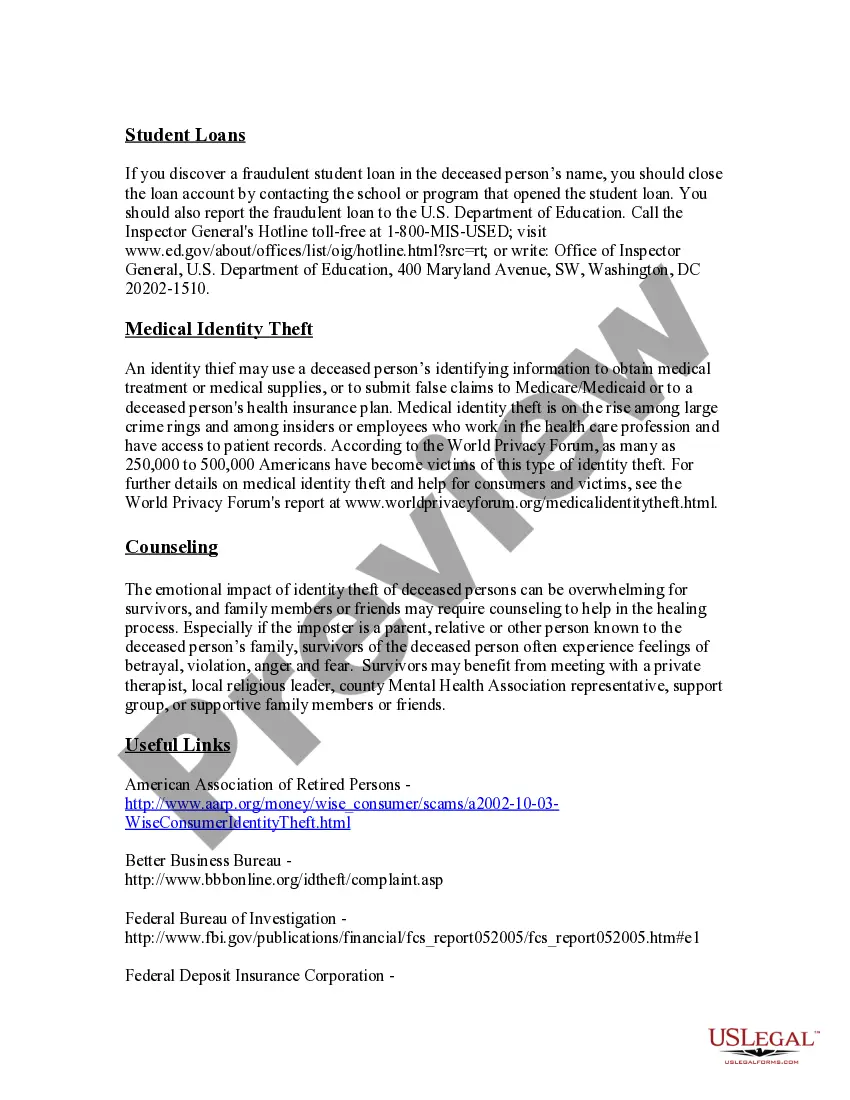
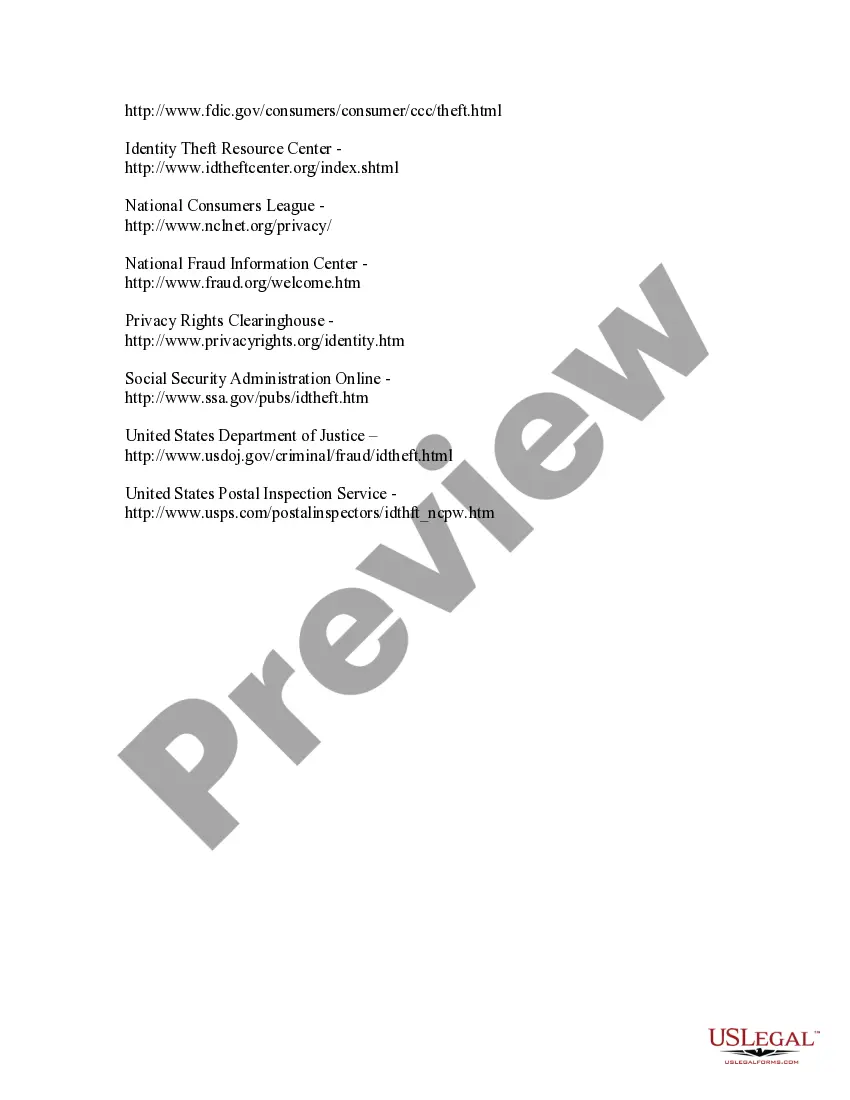
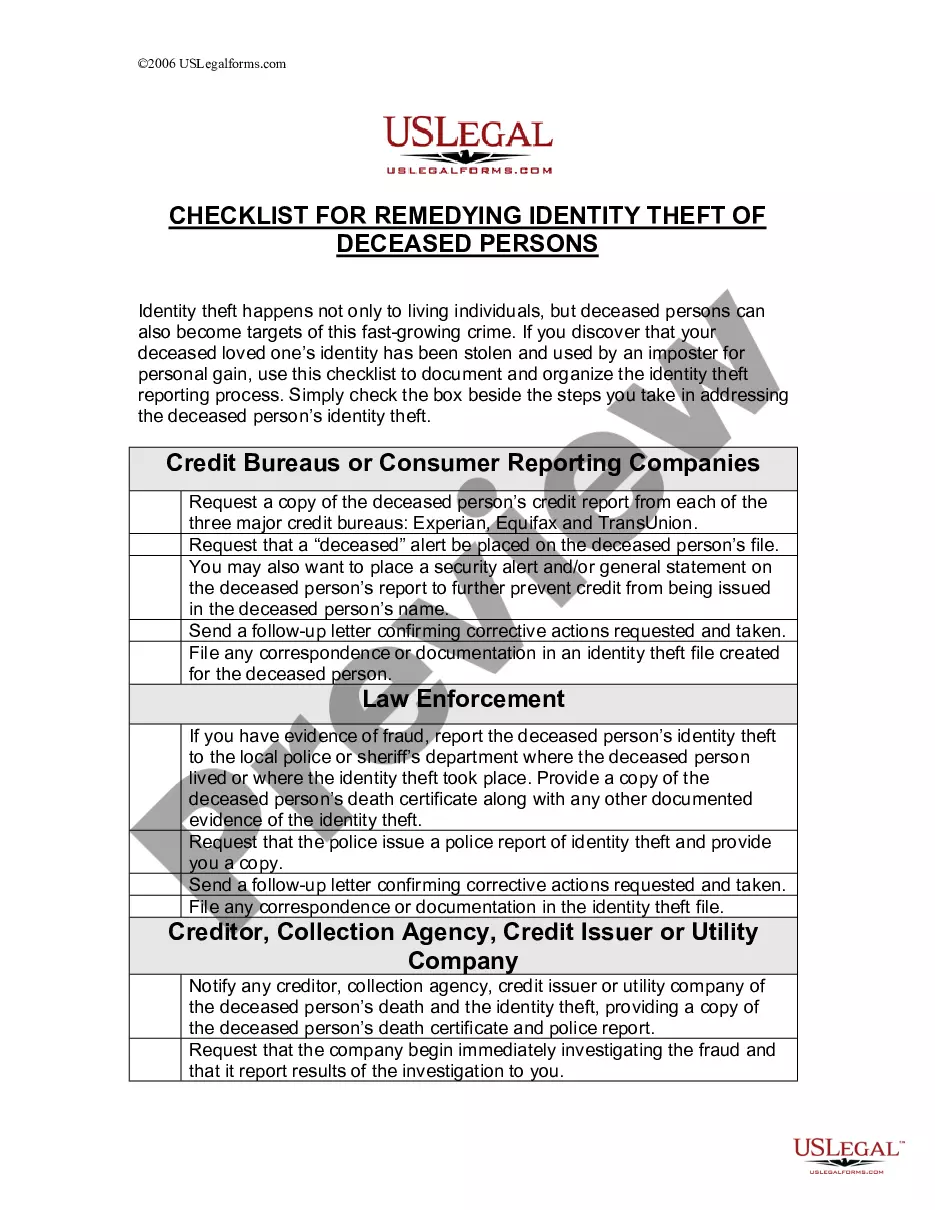
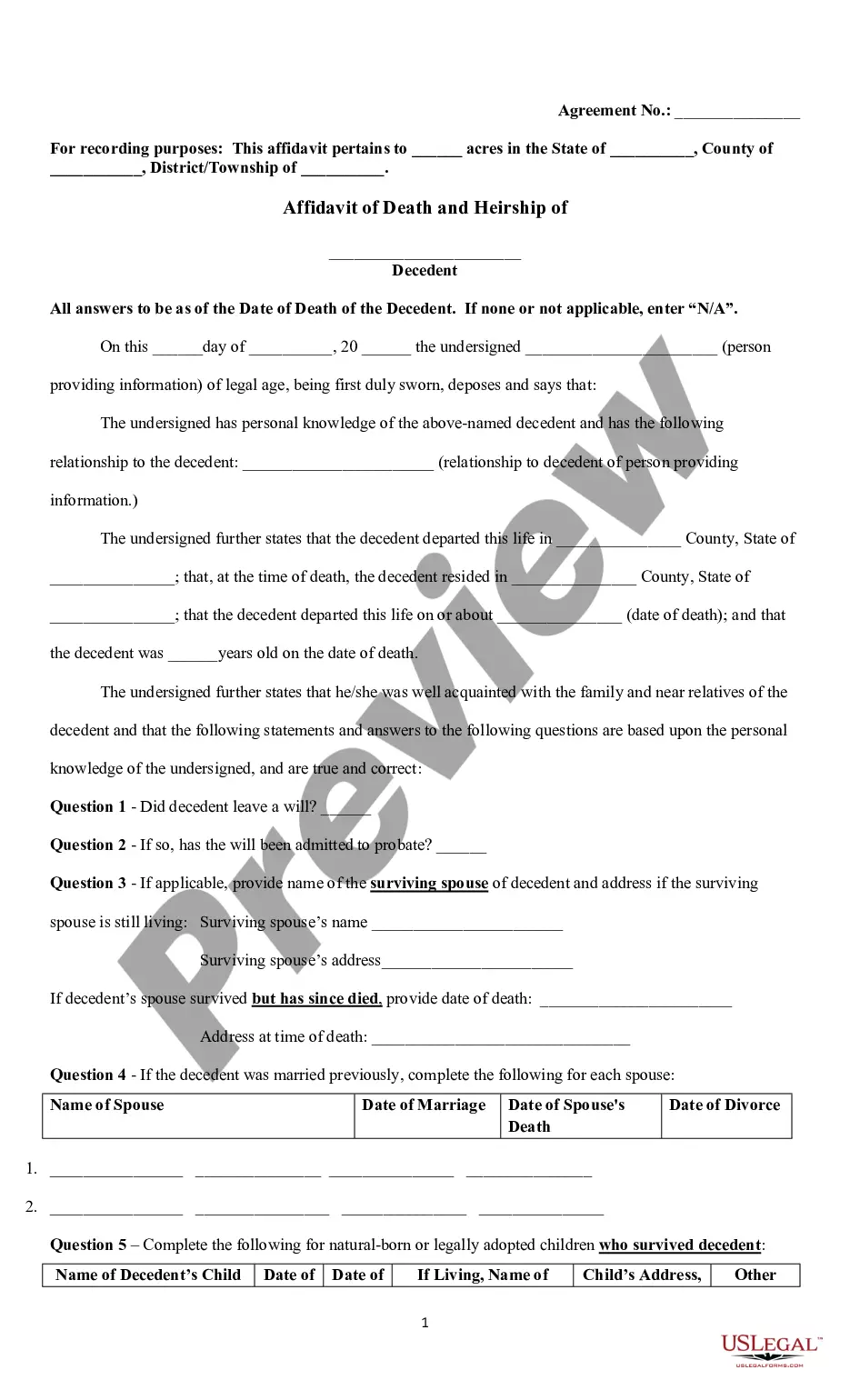
How to fill out Guide For Protecting Deceased Persons From Identity Theft?
Have you found yourself in a scenario where you need to obtain documents for either business or personal reasons nearly every workday.
There are numerous legal document templates available online, but locating reliable versions can be challenging.
US Legal Forms offers a vast array of form templates, including the Maine Guide for Safeguarding Deceased Individuals from Identity Theft, which can be tailored to meet both federal and state requirements.
Choose the pricing plan you prefer, complete the required information to create your account, and place an order using your PayPal or credit card.
Select a convenient format and download your copy. Access all the document templates you have purchased in the My documents section. You can obtain an additional copy of the Maine Guide for Safeguarding Deceased Individuals from Identity Theft at any time if needed. Click on the desired form to download or print the document template. Use US Legal Forms, the most extensive collection of legal forms, to save time and avoid errors. The service provides professionally crafted legal document templates that you can utilize for various purposes. Create an account on US Legal Forms and start simplifying your life.
- If you are already familiar with the US Legal Forms website and possess an account, simply Log In.
- Afterwards, you can download the Maine Guide for Safeguarding Deceased Individuals from Identity Theft template.
- If you do not have an account and wish to start using US Legal Forms, follow these steps.
- Locate the form you need and ensure it is for the appropriate city/state.
- Utilize the Preview feature to review the document.
- Read the description to confirm you have selected the correct form.
- If the form isn’t what you’re seeking, use the Search field to find the document that meets your requirements.
- Once you find the correct form, click Get now.
Form popularity
FAQ
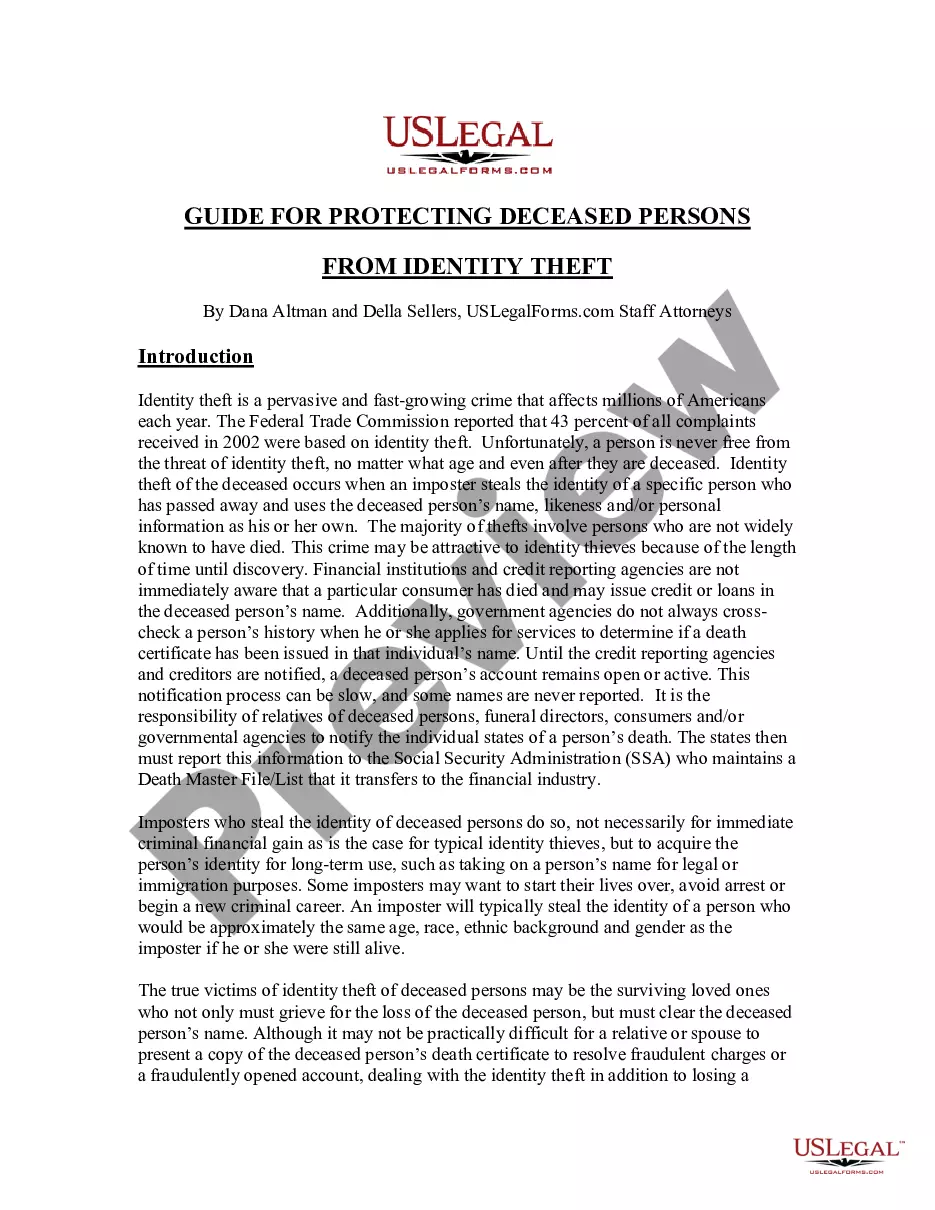
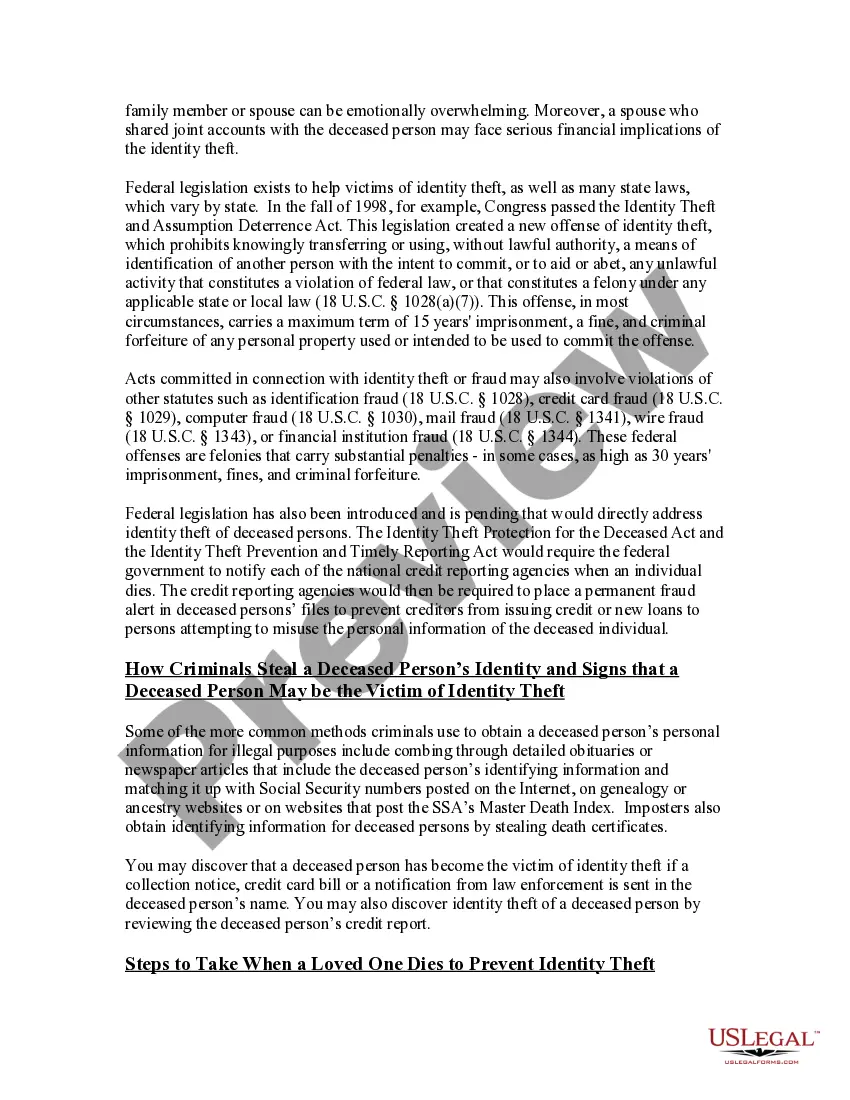
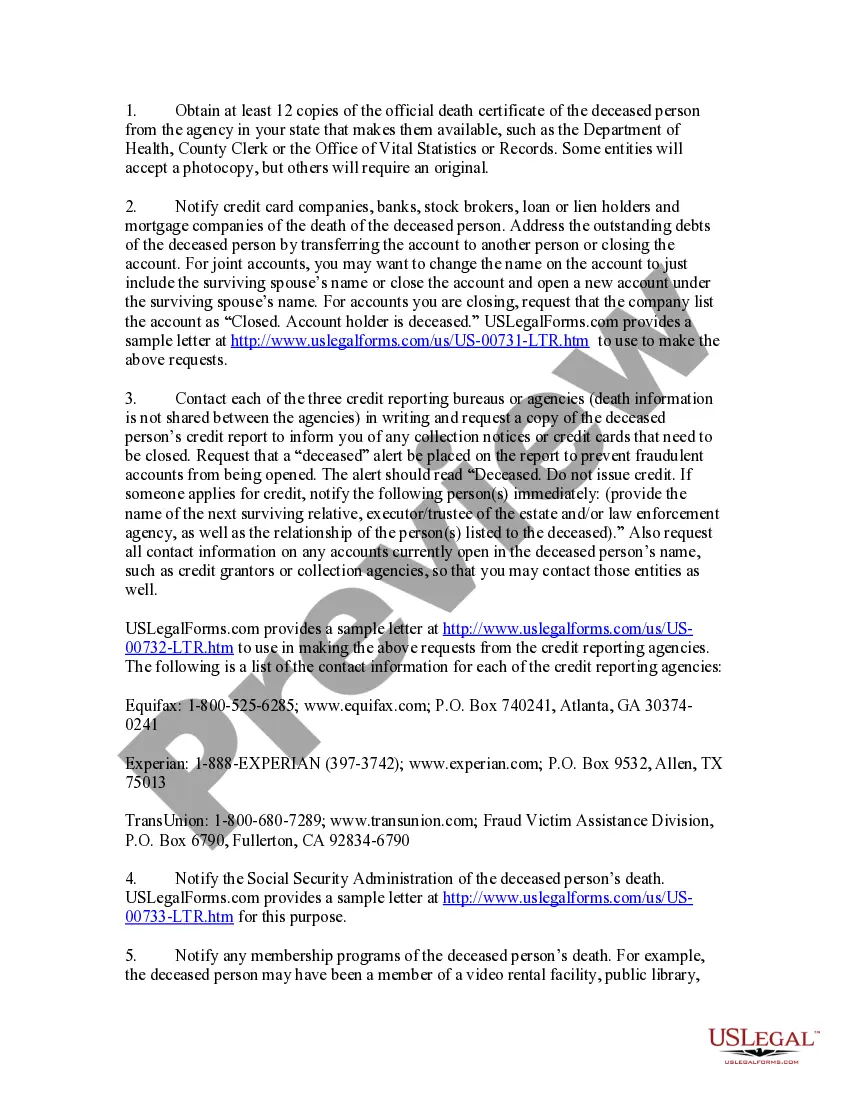
Follow these tips to reduce the risk of a deceased person from having their identity stolen: Send copies of the death certificate to each credit reporting bureau, asking them to put a ?deceased alert? on the credit reports. Review the deceased taxpayer's credit report for questionable credit card activity.
Although family members are not personally responsible for the debts of their deceased loved ones, it may take an effort to resolve the situation if a loved one's identity is stolen. You and your family can take action to prevent identity theft from happening.
Identity theft can happen to anyone, but you can reduce the risk of becoming a victim by taking some simple steps to protect your personal information. Keep Your Personal Information Secure. ... Monitor Your Credit Reports, Bank and Credit Accounts. ... Ask Questions Before You Share Your Information.
How to protect yourself from identity theft Avoid sharing personal information on social media. ... Don't access personal accounts over unsecured wireless networks. ... Protect your accounts with strong passwords and multifactor authentication.
Even after someone dies, it's still possible for criminals to use their information to illegally open credit cards, apply for loans, file fraudulent tax returns, and buy goods and services. In some cases, thieves intentionally steal the identity of someone who has died ? a practice known as ghosting.
Identity theft can victimize the dead. Identity thieves can strike even after death. An identity thief's use of a deceased person's Social Security number may create problems for family members.
Here are some steps you can take to prevent identity theft after someone you care about has passed away. Be mindful about expressions of grief online. Ensure social media accounts are properly shut down. Contact financial institutions and credit bureaus. Notify the federal government of the death.
Identity theft happens when someone uses your personal or financial information without your permission. It can damage your credit status and cost you time and money.