Maryland Software as a Service Subscription Agreement
Description

Get your form ready online
Our built-in tools help you complete, sign, share, and store your documents in one place.
Make edits, fill in missing information, and update formatting in US Legal Forms—just like you would in MS Word.
Download a copy, print it, send it by email, or mail it via USPS—whatever works best for your next step.
Sign and collect signatures with our SignNow integration. Send to multiple recipients, set reminders, and more. Go Premium to unlock E-Sign.
If this form requires notarization, complete it online through a secure video call—no need to meet a notary in person or wait for an appointment.
We protect your documents and personal data by following strict security and privacy standards.

Make edits, fill in missing information, and update formatting in US Legal Forms—just like you would in MS Word.

Download a copy, print it, send it by email, or mail it via USPS—whatever works best for your next step.

Sign and collect signatures with our SignNow integration. Send to multiple recipients, set reminders, and more. Go Premium to unlock E-Sign.

If this form requires notarization, complete it online through a secure video call—no need to meet a notary in person or wait for an appointment.

We protect your documents and personal data by following strict security and privacy standards.
Looking for another form?
How to fill out Software As A Service Subscription Agreement?
Selecting the appropriate legitimate document format can be quite a challenge.
It goes without saying, there are plenty of website templates accessible online, but how can you locate the valid type you need.
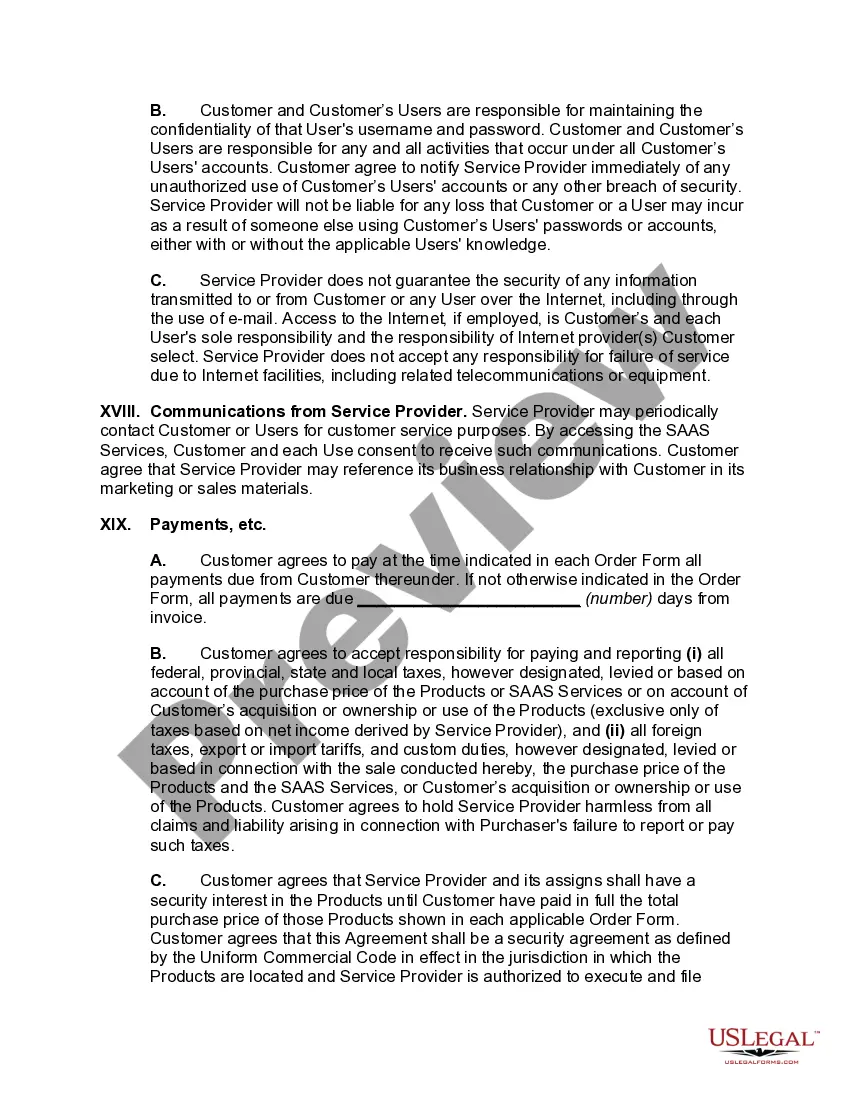
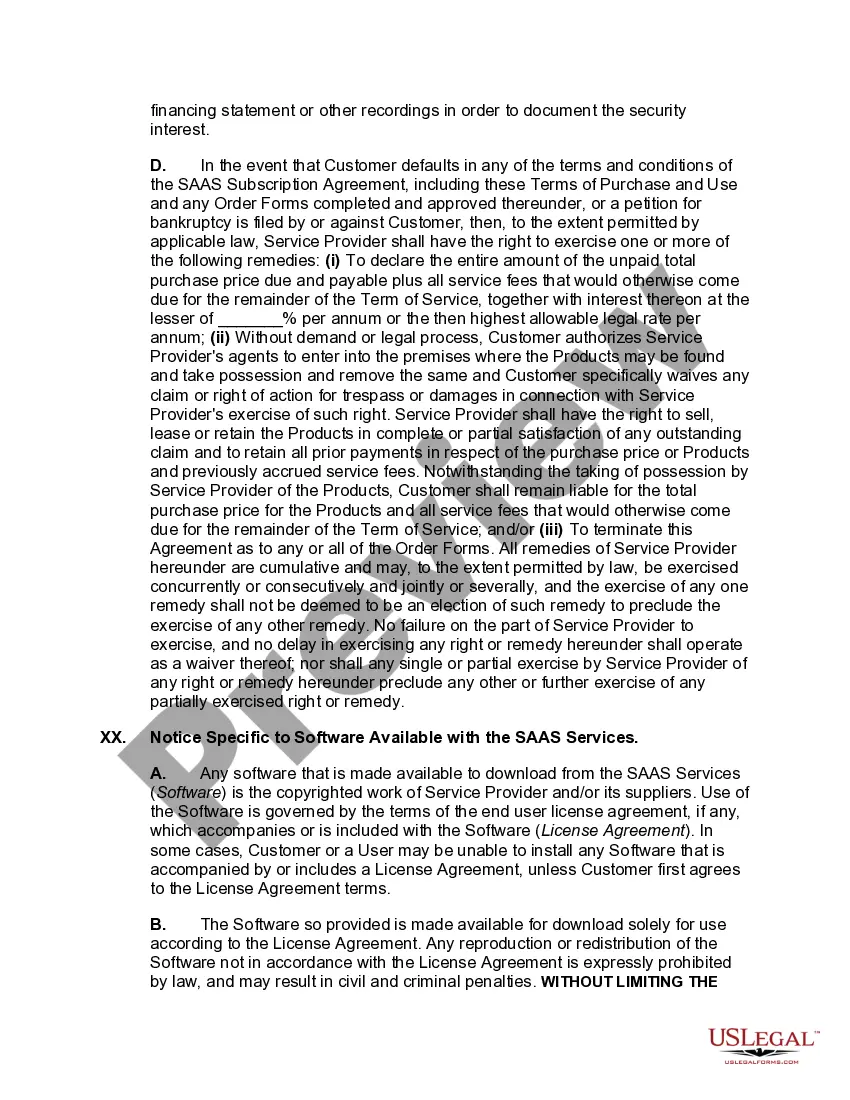
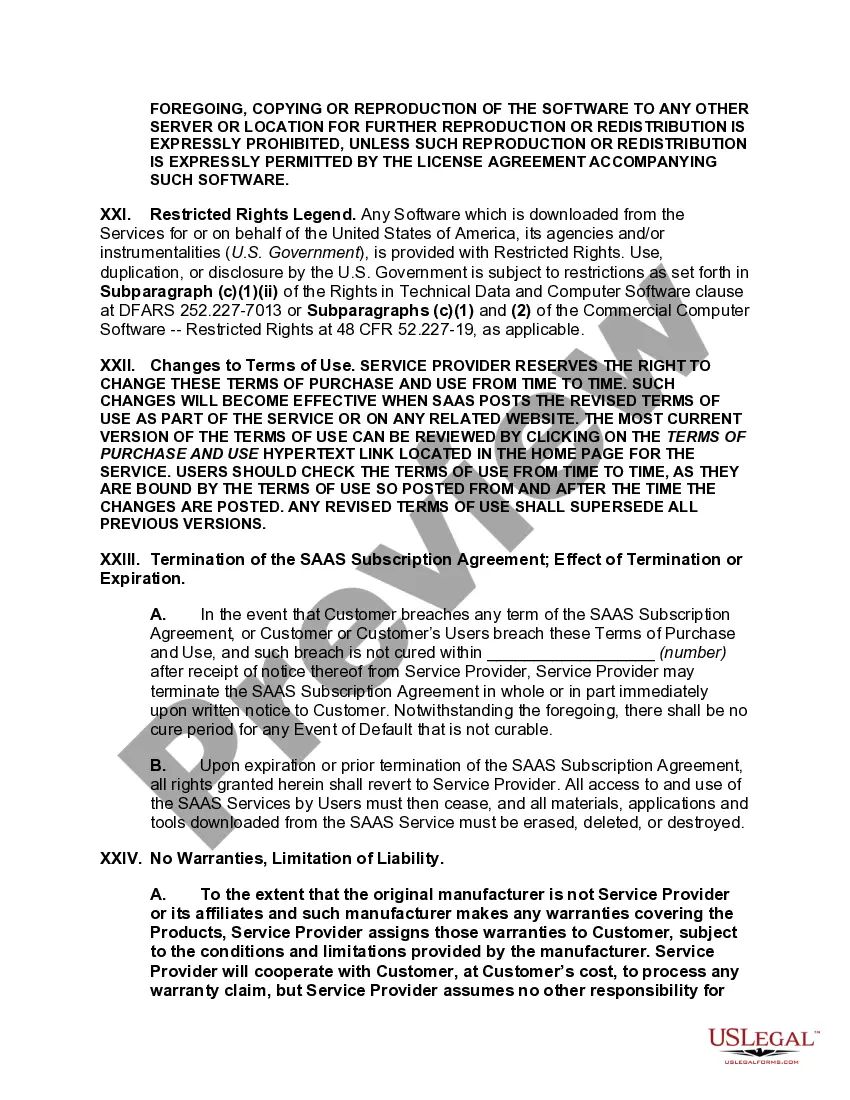
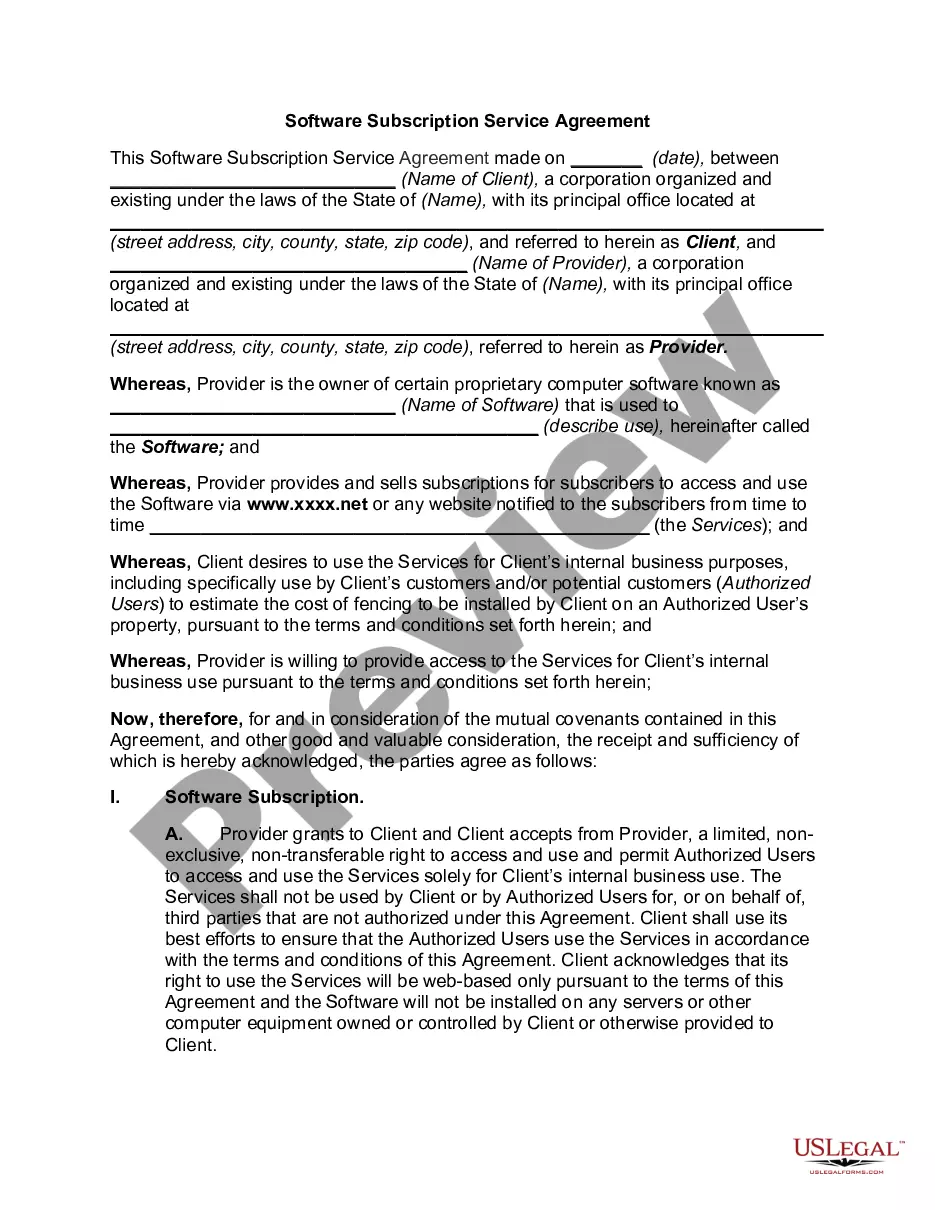
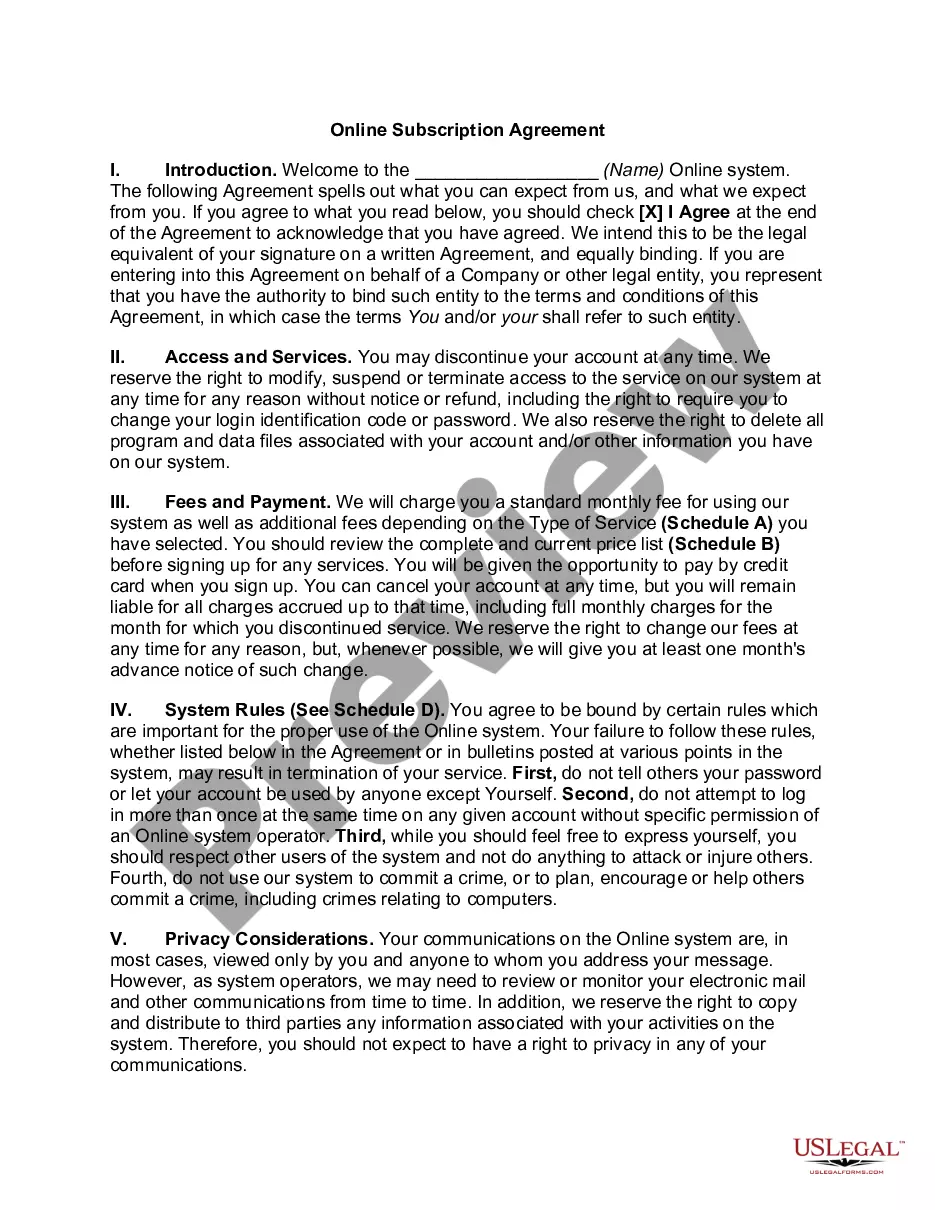
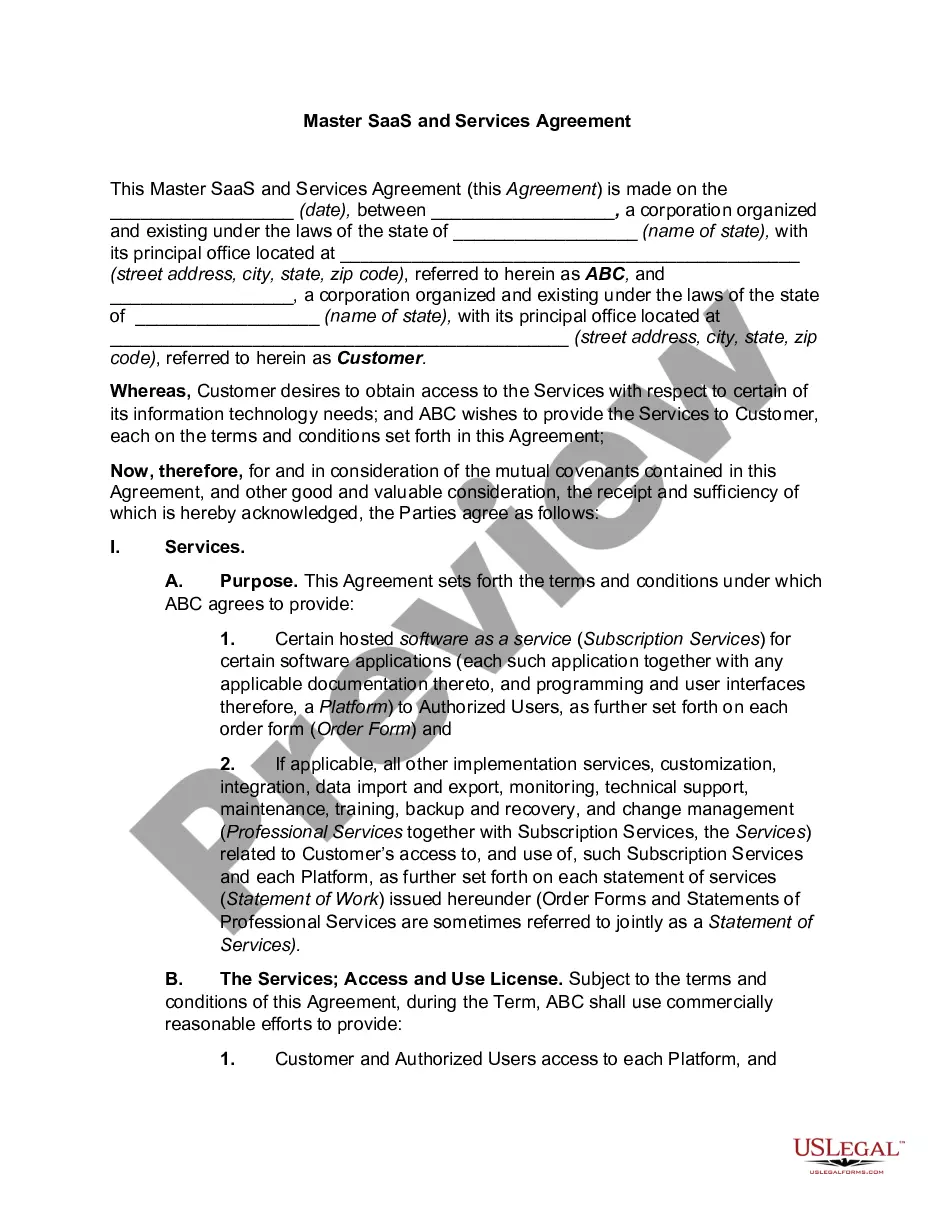
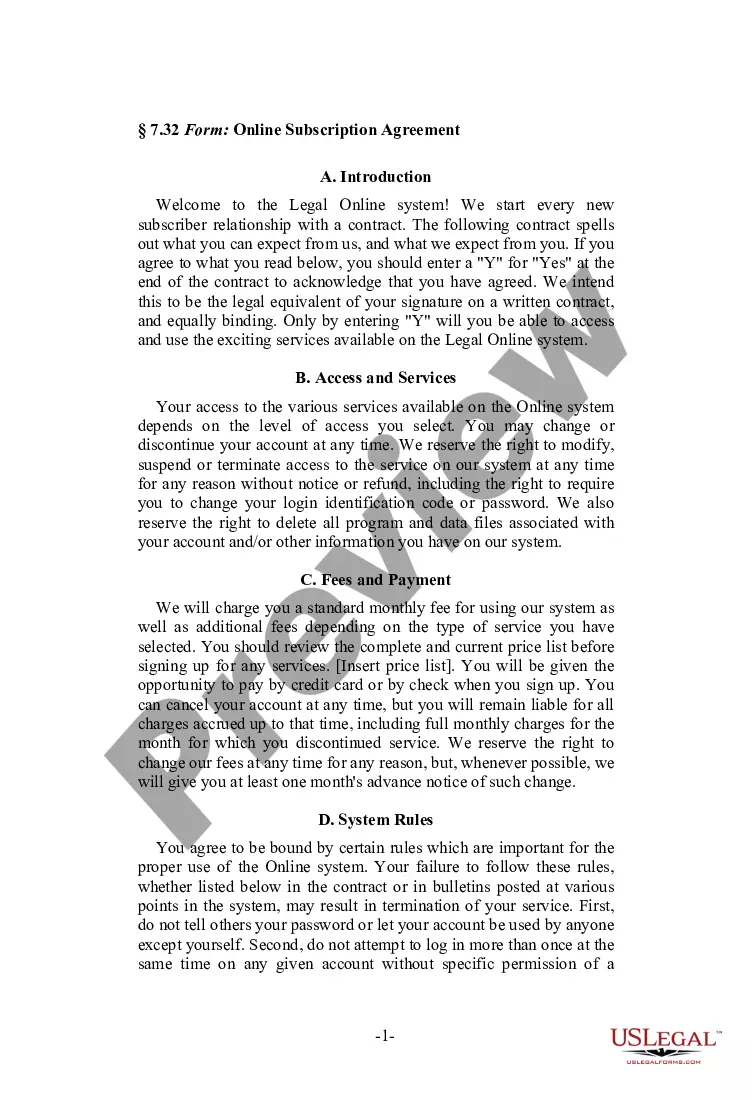
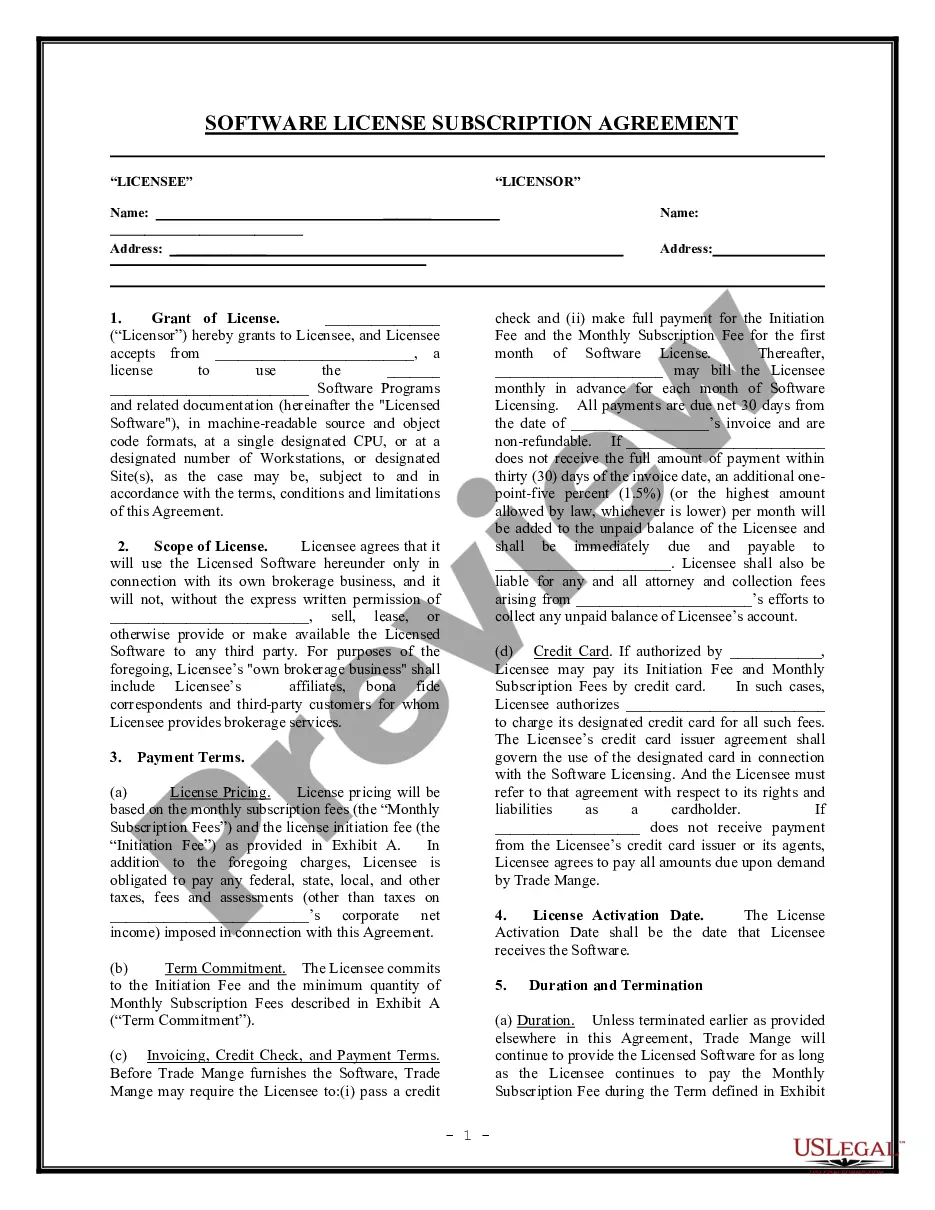
Utilize the US Legal Forms site. The platform offers a vast collection of templates, including the Maryland Software as a Service Subscription Agreement, which can be used for both business and personal purposes.
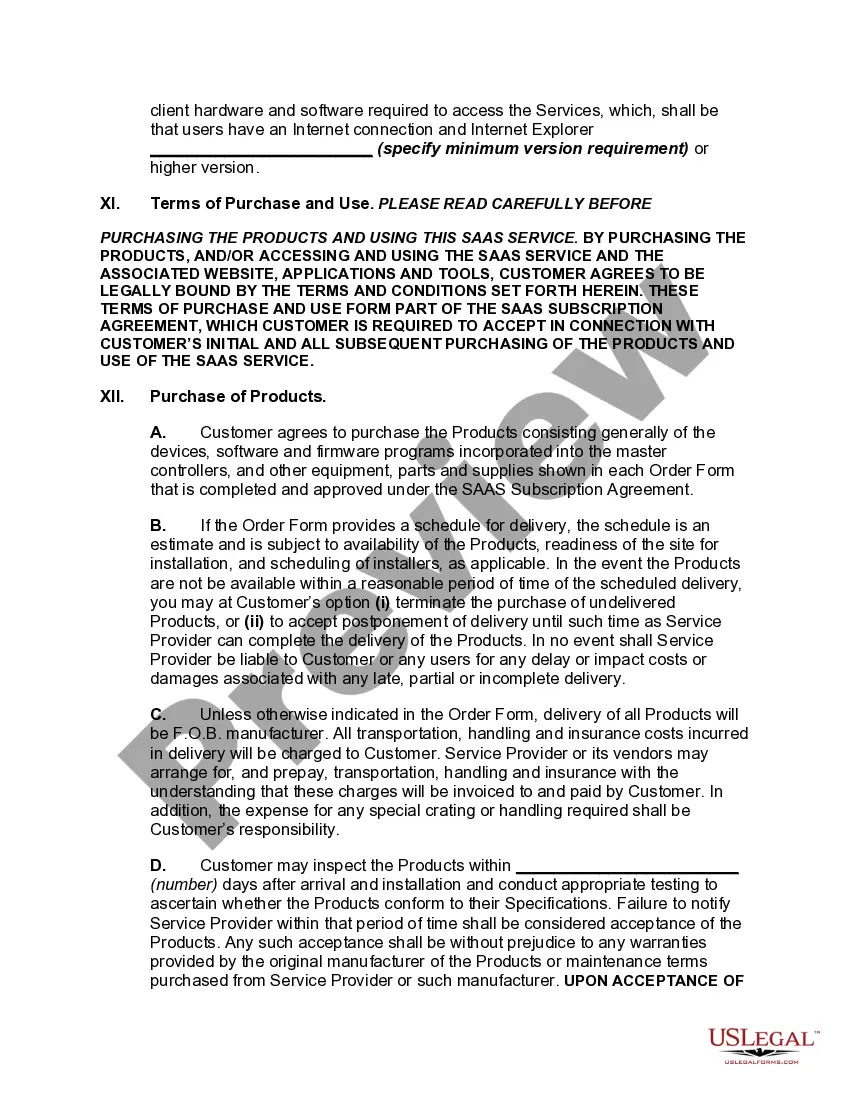
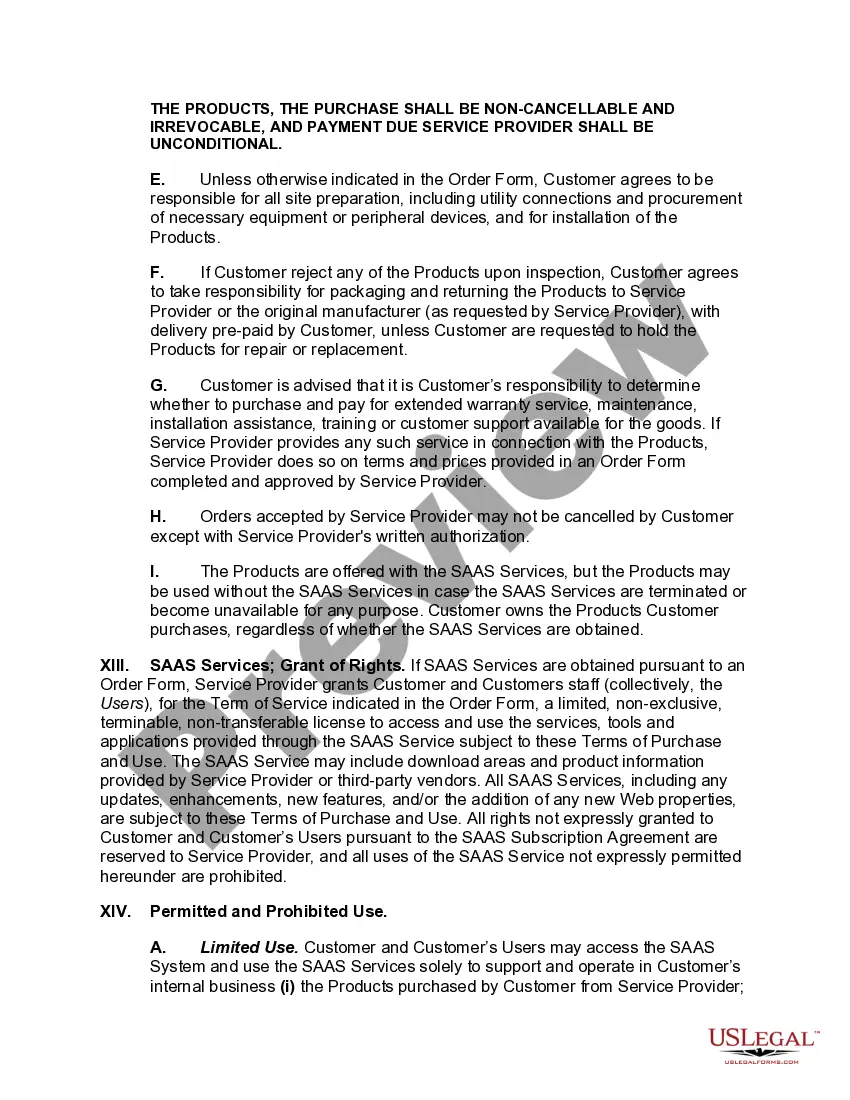
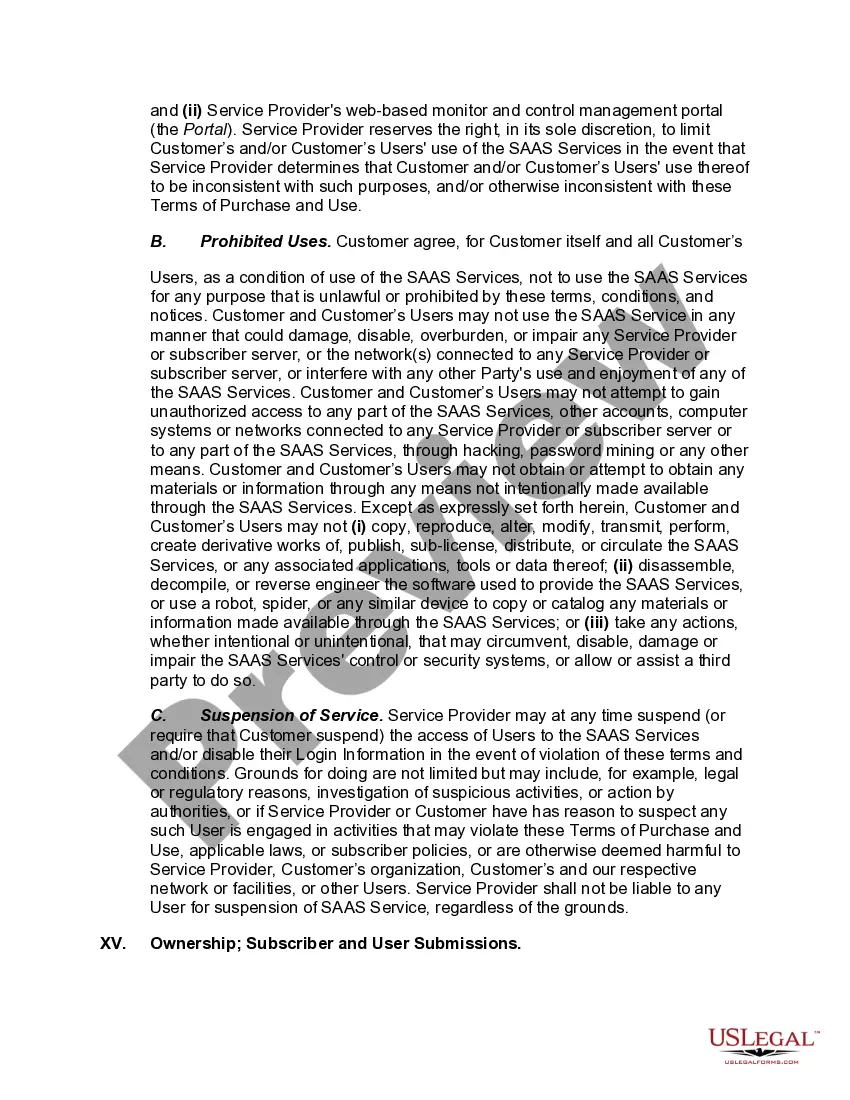
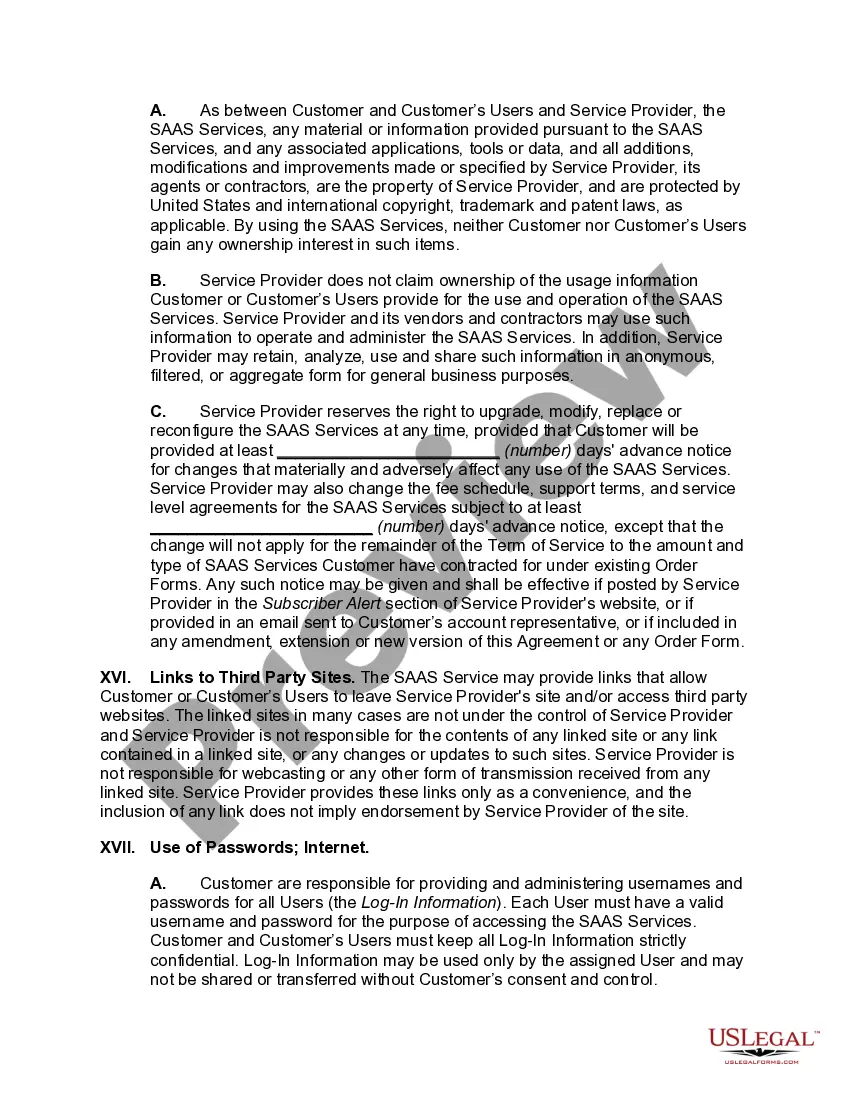
First, ensure that you have selected the correct form for your region/state. You can review the form using the Preview button and read the form details to ensure it is the right one for you.
- All templates are reviewed by professionals and comply with local and national regulations.
- If you are already registered, Log In to your account and click the Download button to acquire the Maryland Software as a Service Subscription Agreement.
- Use your account to browse through the legal templates you have previously purchased.
- Go to the My documents section of your account to obtain an additional copy of the document you need.
- If you are a new user of US Legal Forms, here are some basic guidelines for you to follow.
Form popularity
FAQ
Does California require sales tax on Downloadable Custom Software? California does not require sales tax on downloadable custom software.
Only two states Tennessee and Vermont have specific statutes in place to address SaaS transactions and sales tax.
In most states, where services aren't taxable, SaaS also isn't taxable. Other states, like Washington, consider SaaS to be an example of tangible software and thus taxable. Just like with anything tax related, each state has made their own rules and laws.
Effective March 14, 2021, Maryland's 6% sales and use tax on digital goods now applies to the following (non-exclusive) digital products if obtained or delivered by electronic means: E-books, newspapers, magazines, periodicals, or any other publication.
Subscription products are an indirect transaction. The customer pays a subscription fee that covers the cost of goods. The thing to be mindful of is that the products are subject to sales tax. So you have to tax the goods through the monthly subscription fee.
The hottest topic in the State & Local Tax community has been the emergence of tax laws surrounding the taxability of Software as a Service or more commonly known as SaaS. In March 2021, Maryland's Office of the Comptroller issued guidance on digital products and streaming tax, declaring that SaaS is taxable.
Requirements for prewritten software are still subject to sales and use tax regardless of the method of delivery (whether with a physical medium, downloadable or accessed via the Internet) or if possession or control is given.
Only two states Tennessee and Vermont have specific statutes in place to address SaaS transactions and sales tax.
Additionally, software subscriptions services are considered tangible property and are subject to sales and use taxes.
Automation can make collecting and remitting sales tax for SaaS easier. As of November 2021, over 20 states have deemed SaaS to be taxable. It's inevitable that more states will find precedence to tax it, as it could be a lucrative way for cash-strapped states to collect revenue.