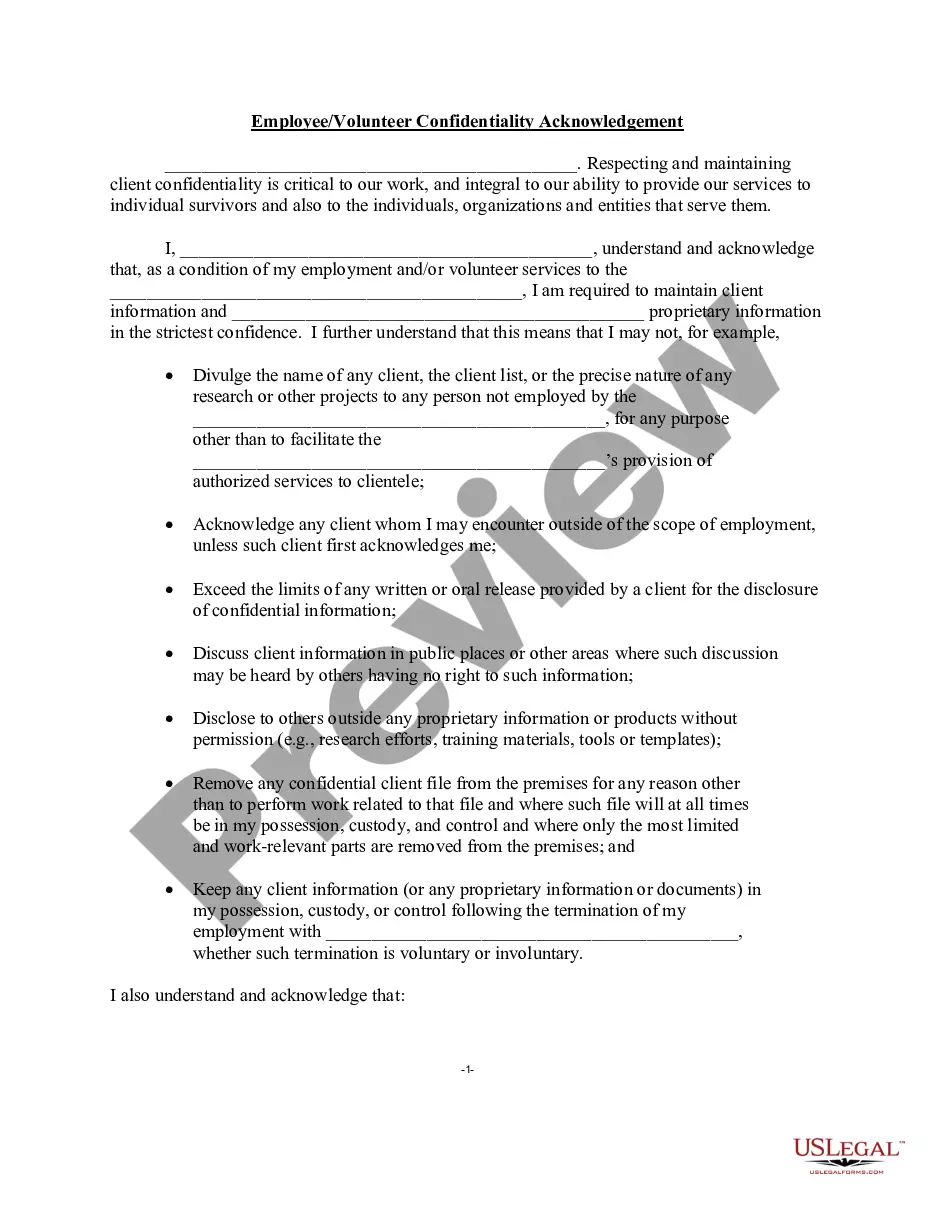
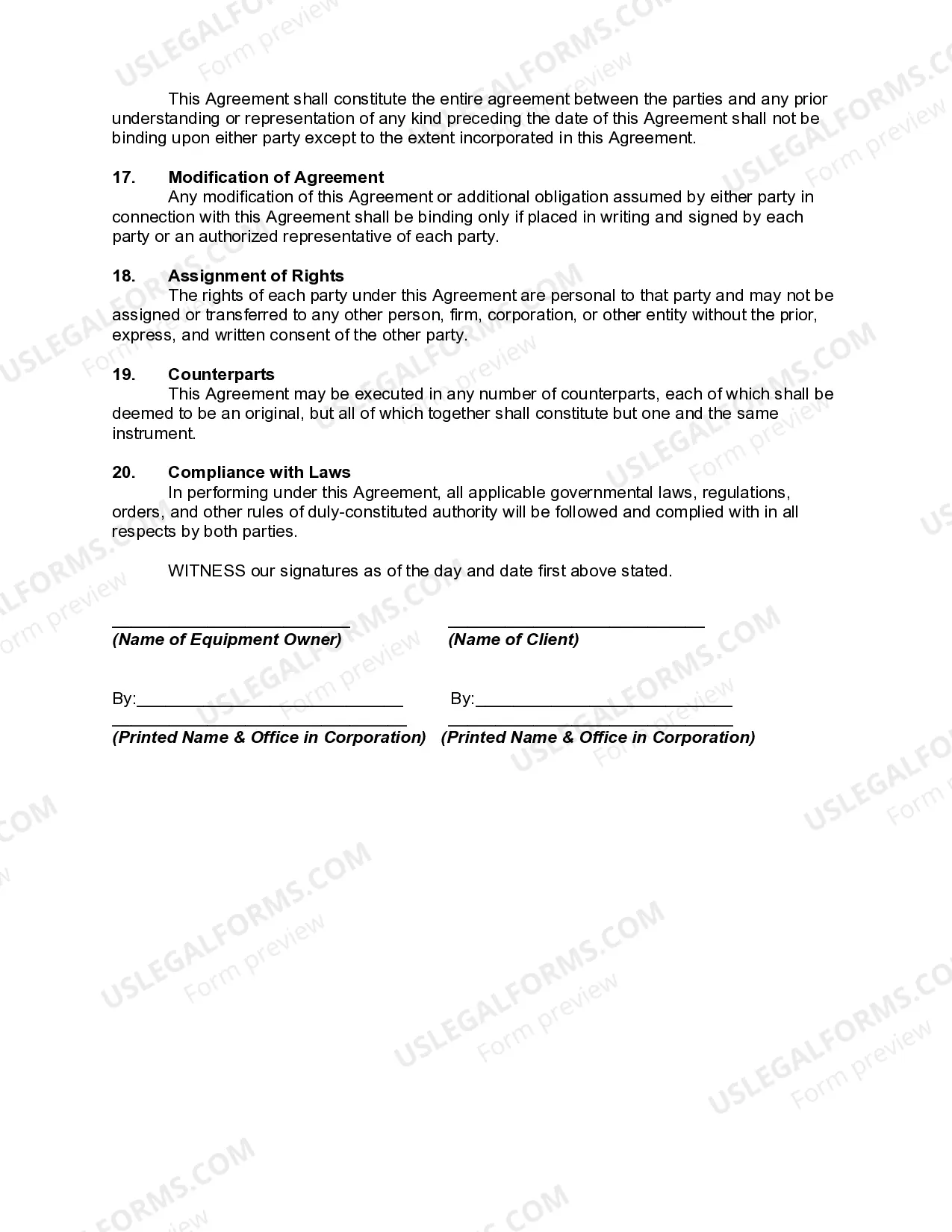
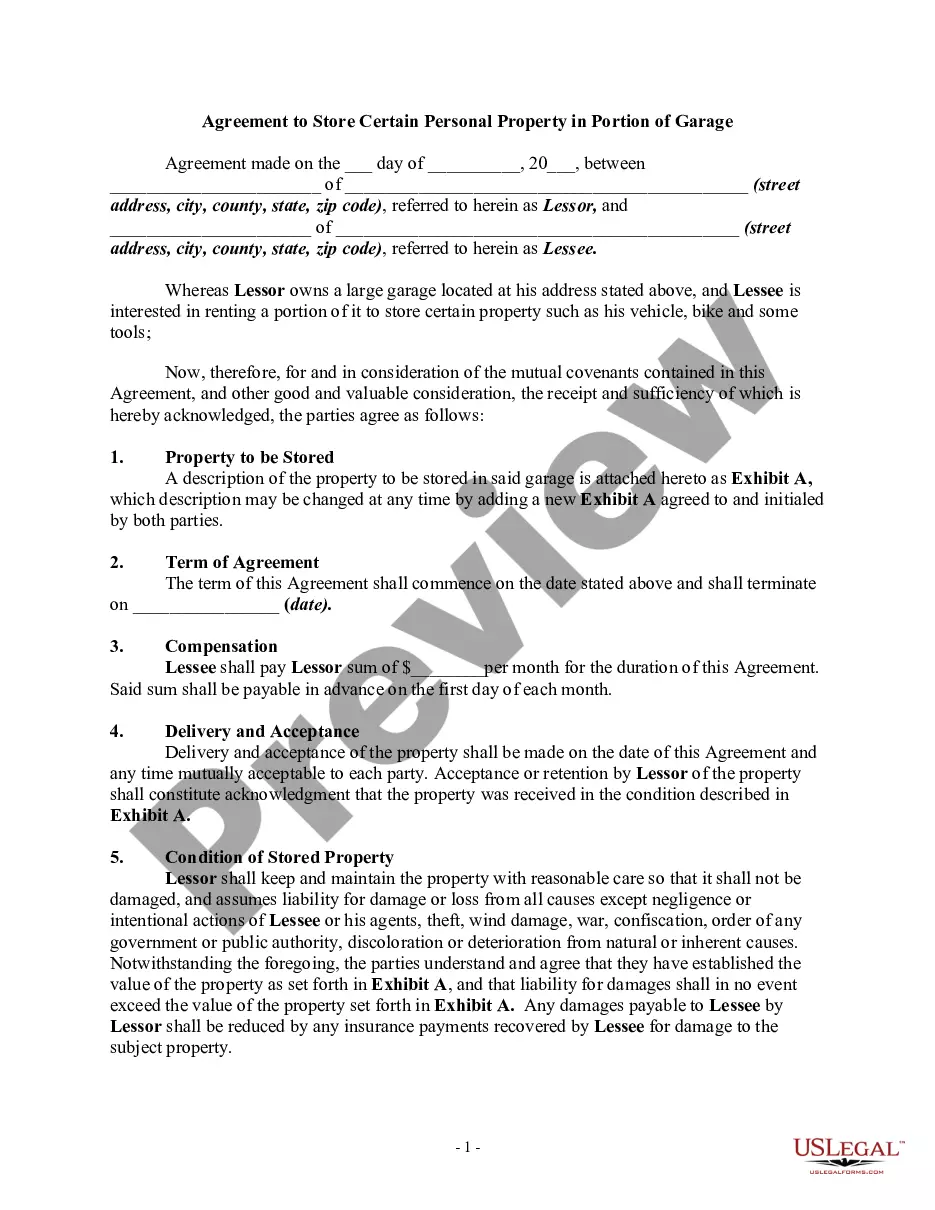
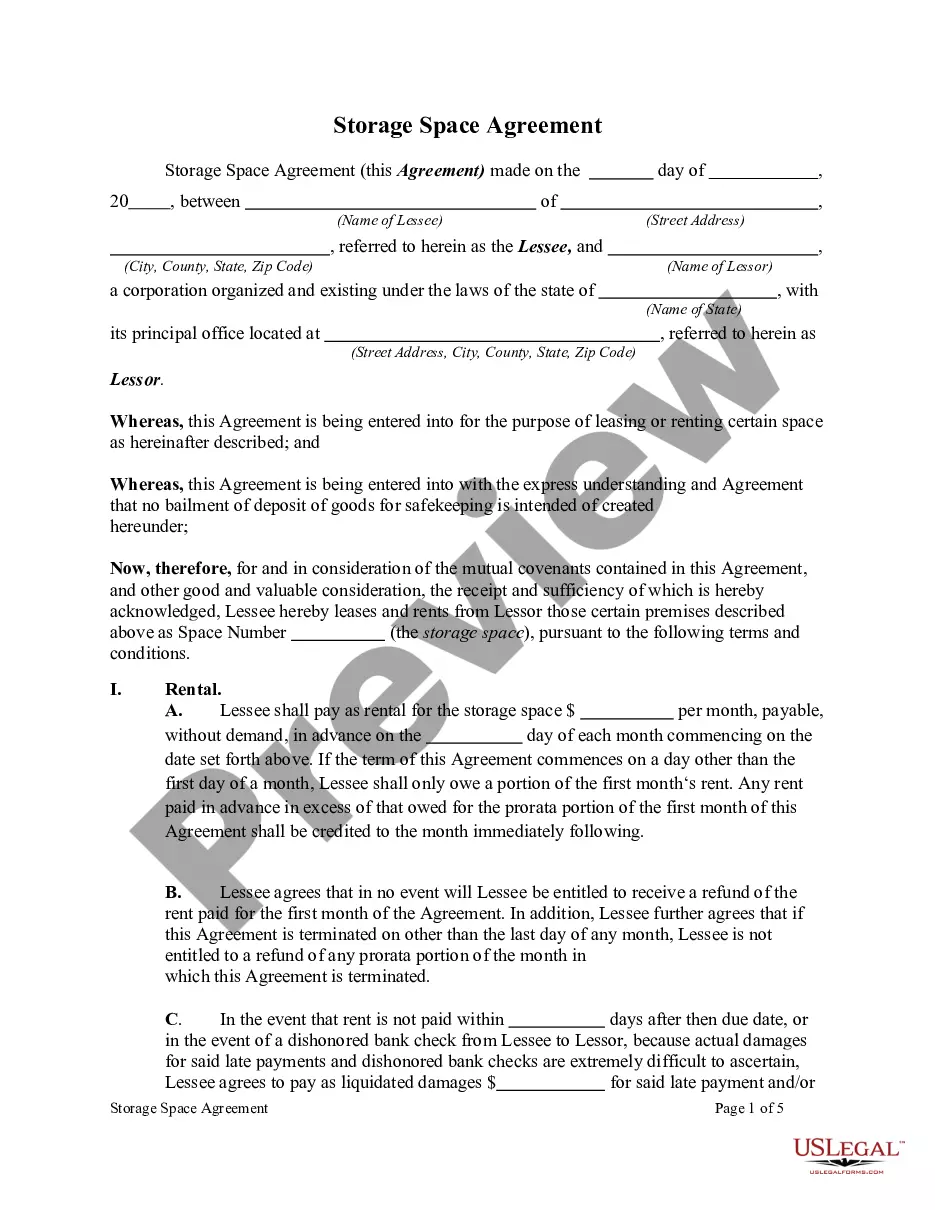
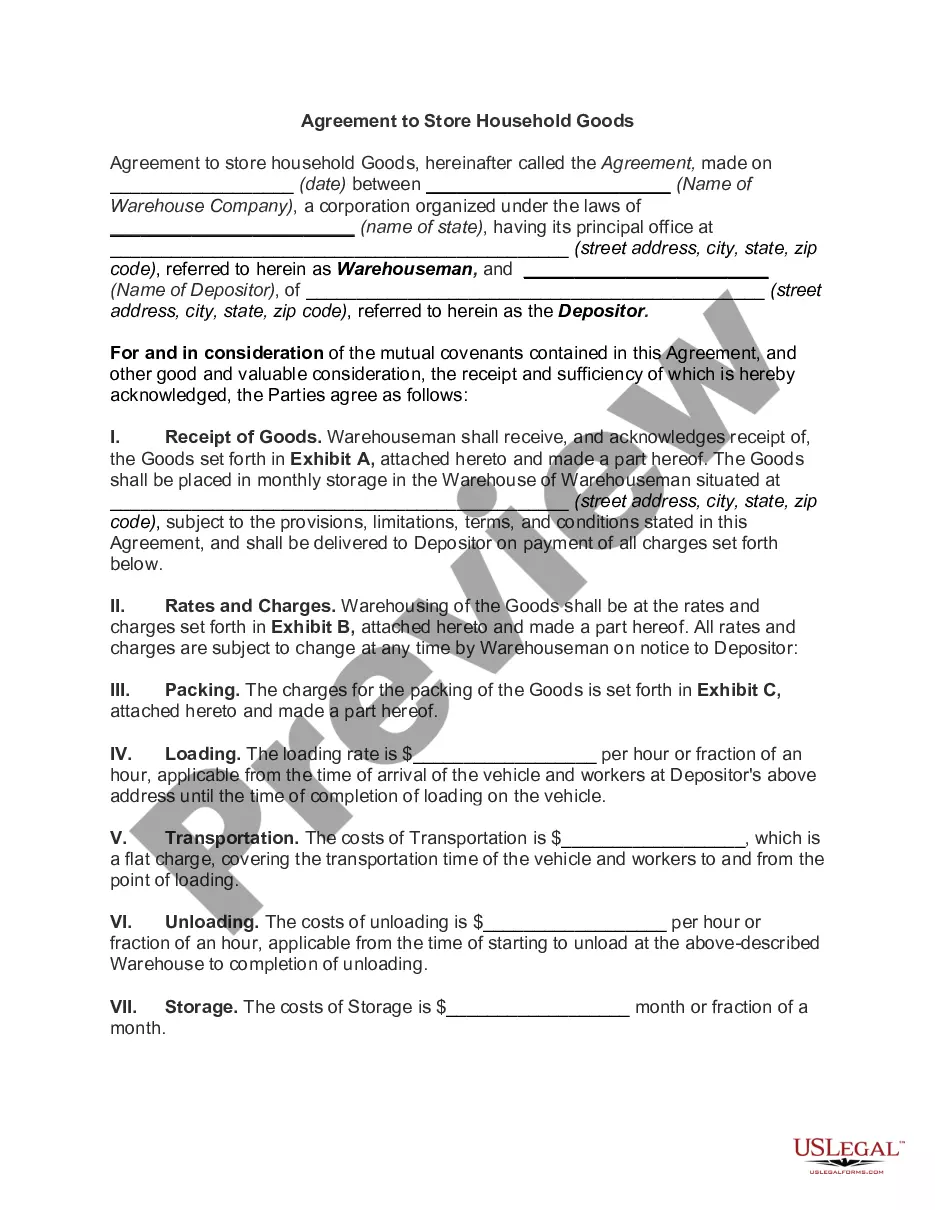
Maryland Equipment Placement Agreement
Description
Get your form ready online
Our built-in tools help you complete, sign, share, and store your documents in one place.
Make edits, fill in missing information, and update formatting in US Legal Forms—just like you would in MS Word.
Download a copy, print it, send it by email, or mail it via USPS—whatever works best for your next step.
Sign and collect signatures with our SignNow integration. Send to multiple recipients, set reminders, and more. Go Premium to unlock E-Sign.
If this form requires notarization, complete it online through a secure video call—no need to meet a notary in person or wait for an appointment.
We protect your documents and personal data by following strict security and privacy standards.

Make edits, fill in missing information, and update formatting in US Legal Forms—just like you would in MS Word.

Download a copy, print it, send it by email, or mail it via USPS—whatever works best for your next step.

Sign and collect signatures with our SignNow integration. Send to multiple recipients, set reminders, and more. Go Premium to unlock E-Sign.

If this form requires notarization, complete it online through a secure video call—no need to meet a notary in person or wait for an appointment.

We protect your documents and personal data by following strict security and privacy standards.
Looking for another form?



How to fill out Equipment Placement Agreement?
US Legal Forms - one of the largest collections of legal documents in the U.S. - provides a broad selection of legal document templates you can purchase or create.
By utilizing the site, you can find thousands of documents for business and personal use, organized by type, state, or keywords. You can locate the latest versions of documents such as the Maryland Equipment Placement Agreement within moments.
If you already have an account, Log In and obtain the Maryland Equipment Placement Agreement from the US Legal Forms library. The Download button will appear on every document you view. You can access all previously downloaded documents in the My documents section of your account.
Complete the transaction. Use your credit card or PayPal account to finalize the purchase.
Select the format and download the document onto your device. Edit. Fill out, modify, print, and sign the downloaded Maryland Equipment Placement Agreement. Each template you add to your account has no expiration date and is yours indefinitely. Therefore, if you wish to download or print another copy, simply navigate to the My documents section and click on the document you need. Access the Maryland Equipment Placement Agreement with US Legal Forms, the most extensive collection of legal document templates. Utilize a multitude of professional and state-specific templates that meet your business or personal requirements and specifications.
- Ensure you have selected the appropriate document for your city/county.
- Click the Preview button to review the document's details.
- Check the document summary to confirm you have chosen the right one.
- If the document does not meet your requirements, use the Search box at the top of the page to find one that does.
- When you are satisfied with the document, confirm your selection by clicking the Purchase now button.
- Next, choose the payment plan you prefer and provide your details to register for an account.
Form popularity
FAQ
An equipment placement agreement details the terms under which equipment is provided for use by another party, often in a specific location. This agreement covers aspects like duration, costs, maintenance, and liability. Utilizing a Maryland Equipment Placement Agreement ensures both parties are protected and have a clear understanding of their rights and responsibilities.
An agreement for the use of equipment defines how and when someone may use the equipment provided by another party. It typically includes conditions on maintenance and responsibilities during the rental period. A well-crafted Maryland Equipment Placement Agreement ensures that both the equipment provider and user understand their responsibilities, minimizing potential conflicts.
An equipment agreement is a contractual document specifying the terms under which equipment is rented or leased. This agreement includes details on maintenance, usage rights, and ownership at the end of the contract. A Maryland Equipment Placement Agreement can streamline this process, ensuring both parties have a clear understanding of their obligations.
Exiting an equipment lease agreement typically requires negotiation with the leasing company. Review the lease terms, as they may specify conditions for termination. Additionally, a Maryland Equipment Placement Agreement might offer specific exit clauses or options for lease termination, helping you navigate the process more smoothly.
In Maryland, while an operating agreement is not legally required for all business entities, it is highly recommended. This document provides governance for the business and helps establish rules among members. If your business uses a Maryland Equipment Placement Agreement, including an operating agreement can enhance clarity and protect all parties involved.
A company equipment agreement outlines the terms for using equipment owned by a business. This document helps clarify responsibilities, maintenance, and acceptable use of the equipment. In Maryland, a well-structured Equipment Placement Agreement can protect both the company and the user, ensuring clear expectations and reducing potential disputes.
Compensation for Placement AgentsThe placement agent is compensated upon the successful placement of the fund with the investor(s) introduced by the agent. The agent's compensation, around 2% to 2.5%, is typically a percentage of new money raised for the fund.
Placement agents usually expect to be compensated based on the percentage of new money raised. Terms vary but around 2.5% is the norm. Fee usually financed over 1-2 years. Internal investor relations becoming more common.
Placement refers to the sale of securities to a group of investors, either on a public or private level. A public offering would typically involve registering with the Securities and Exchange Commission, while a private placement is exempt from registering.
First Placement means the first instance that a child in the custody, temporary custody or guardianship of the Director is placed in the charge of a foster parent, and does not include a subsequent placement.