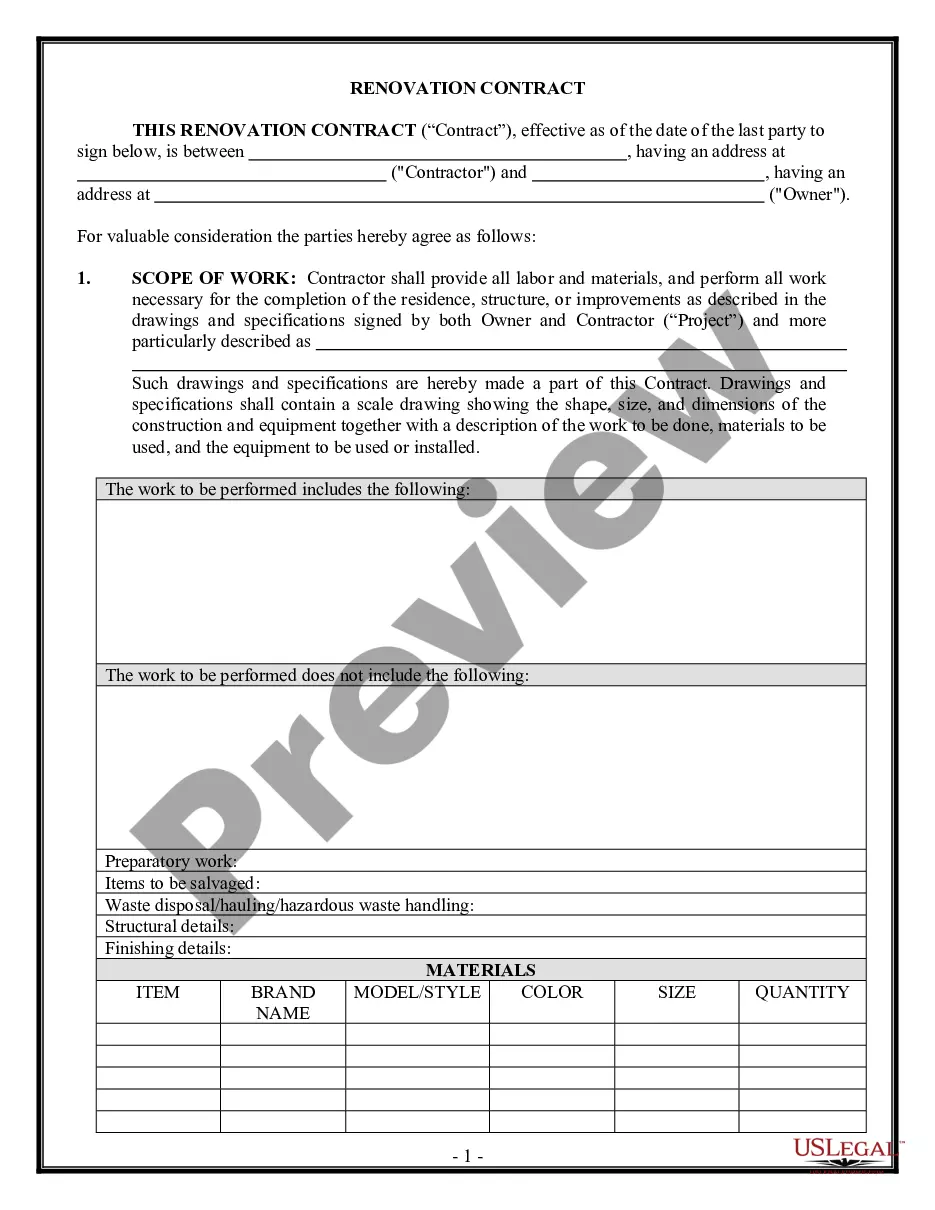
Maryland Wedding Ceremony Agreement
Understanding this form
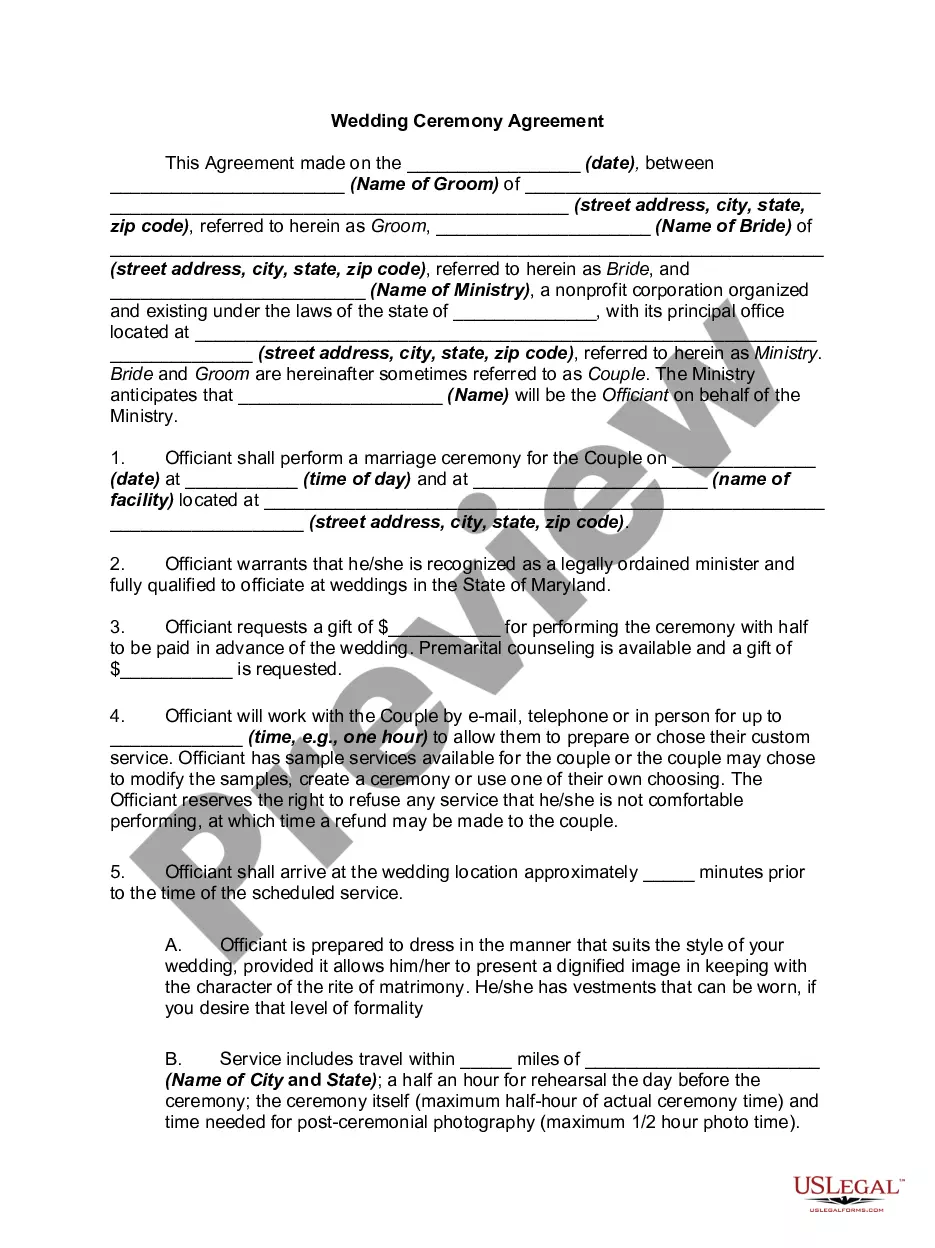
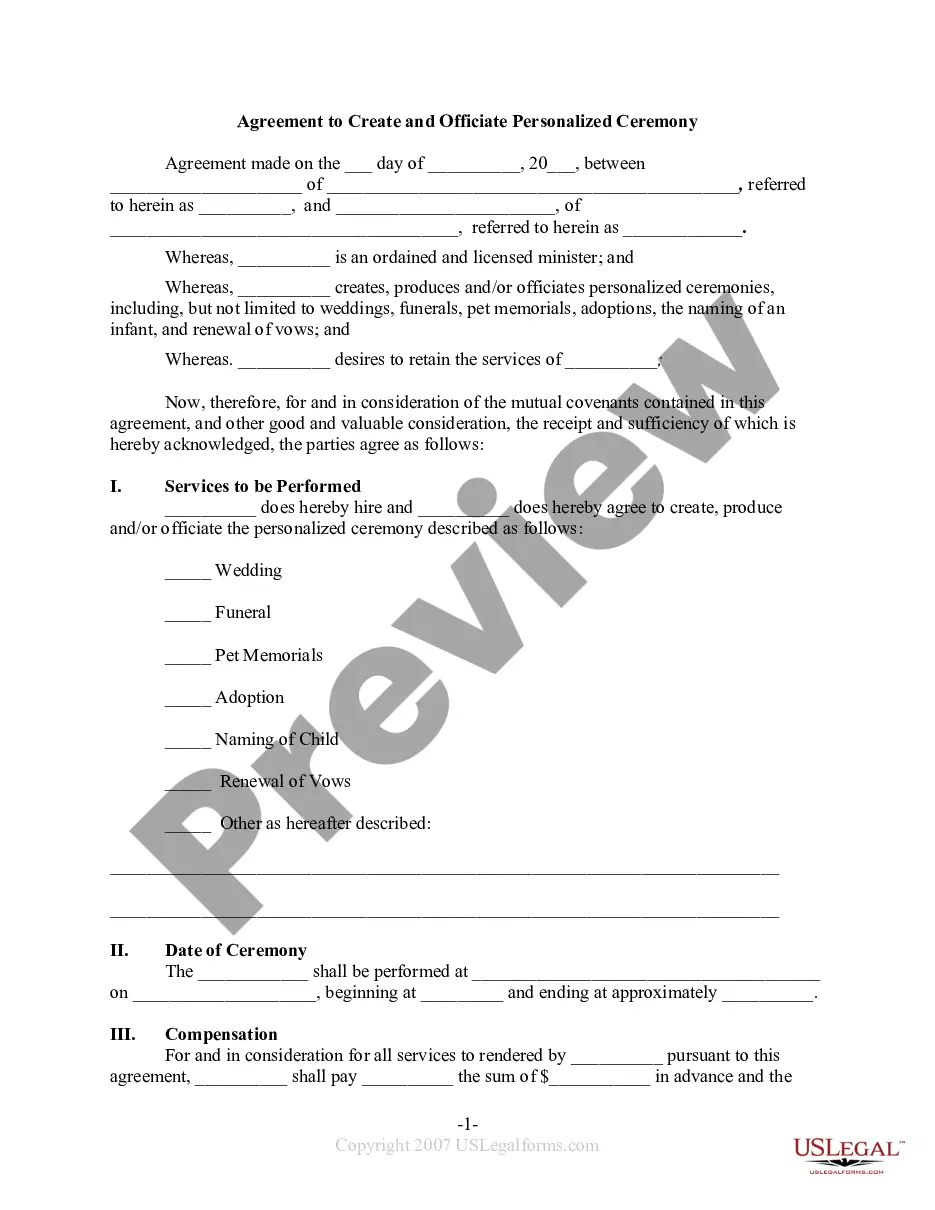
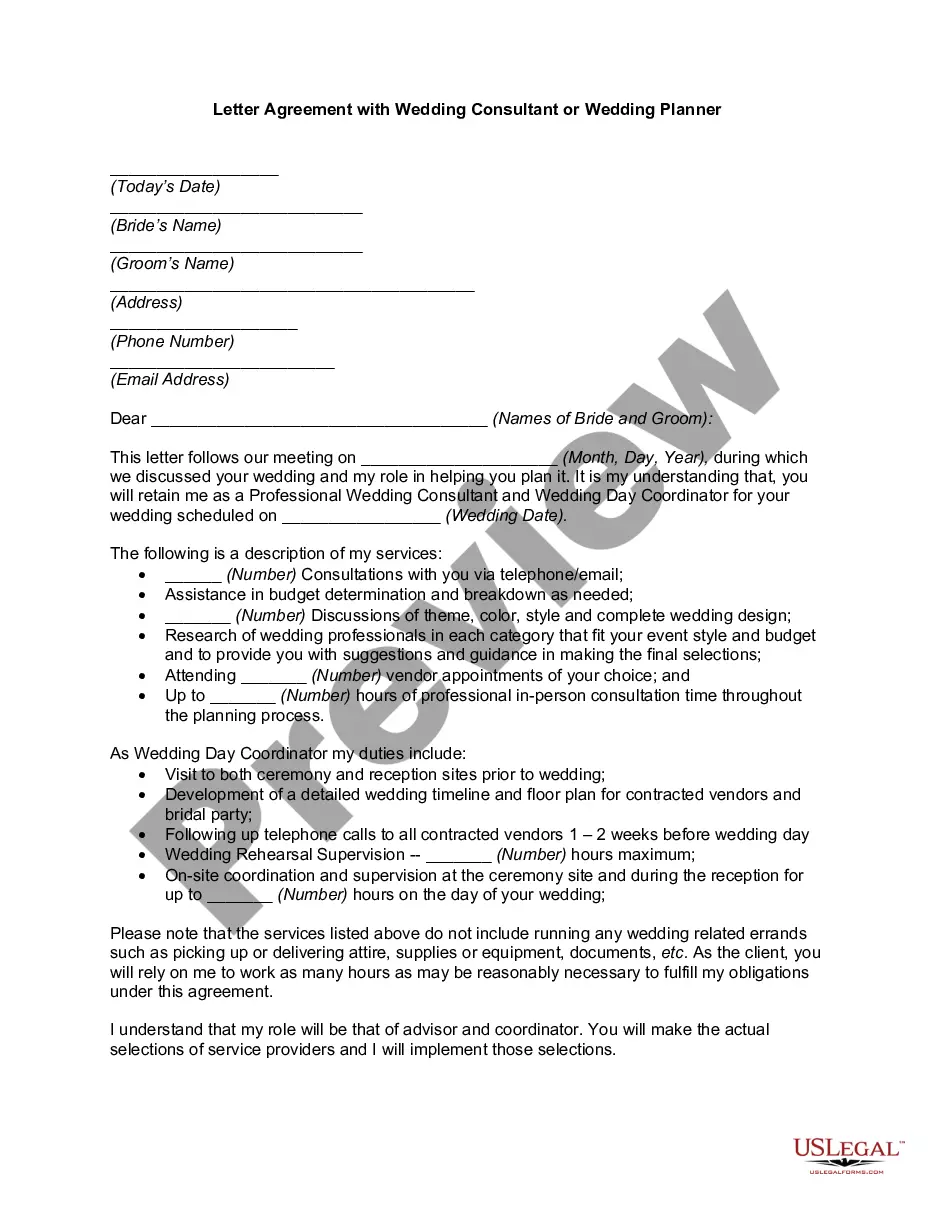
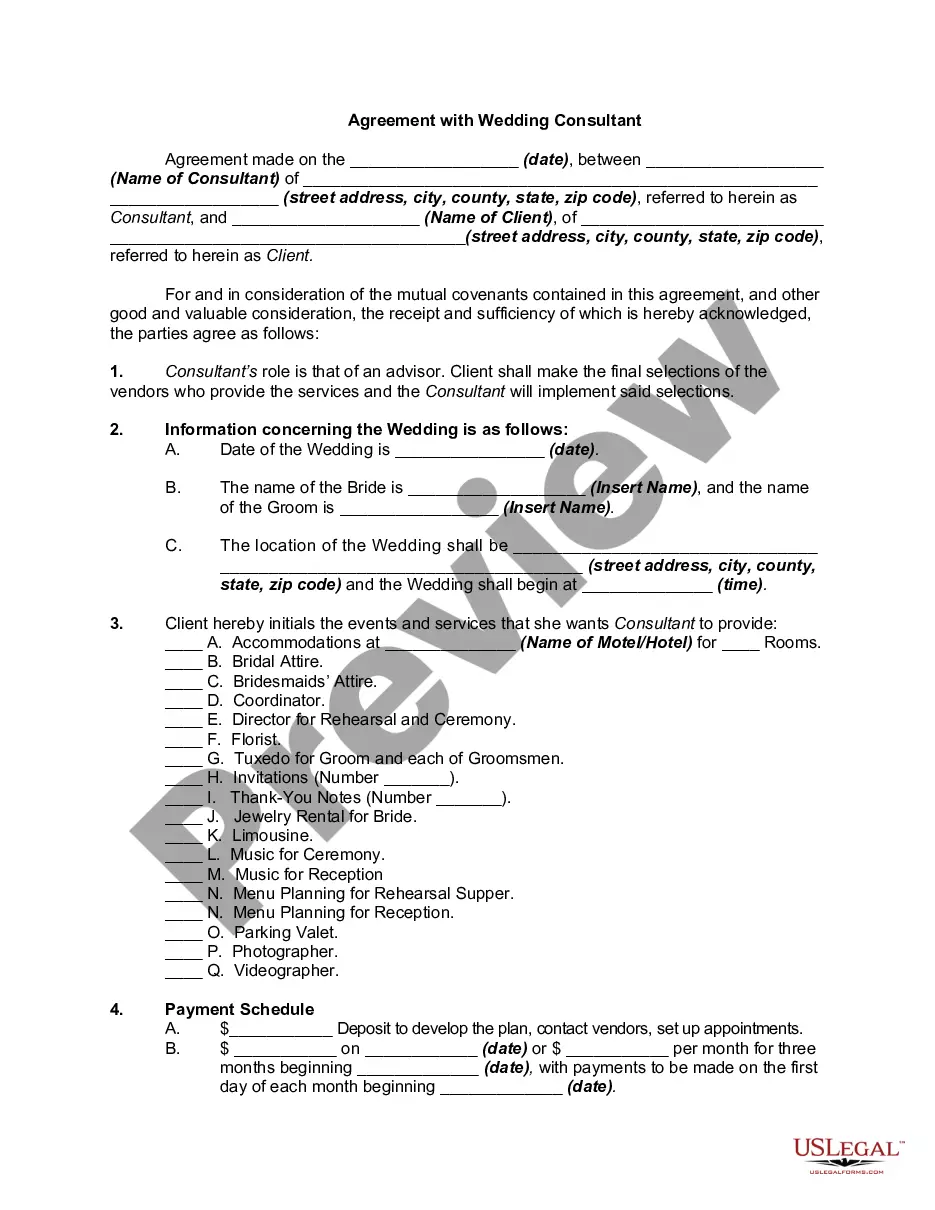
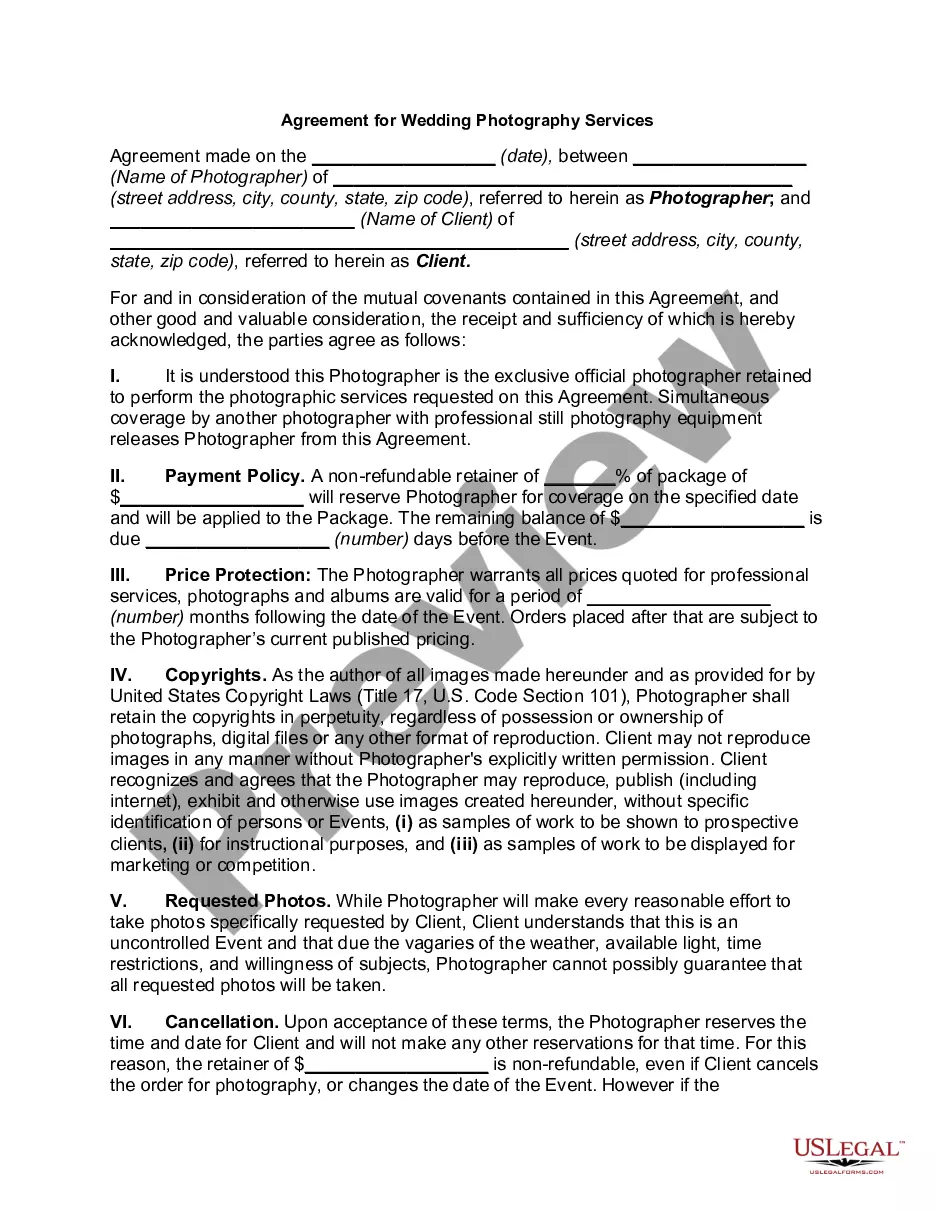
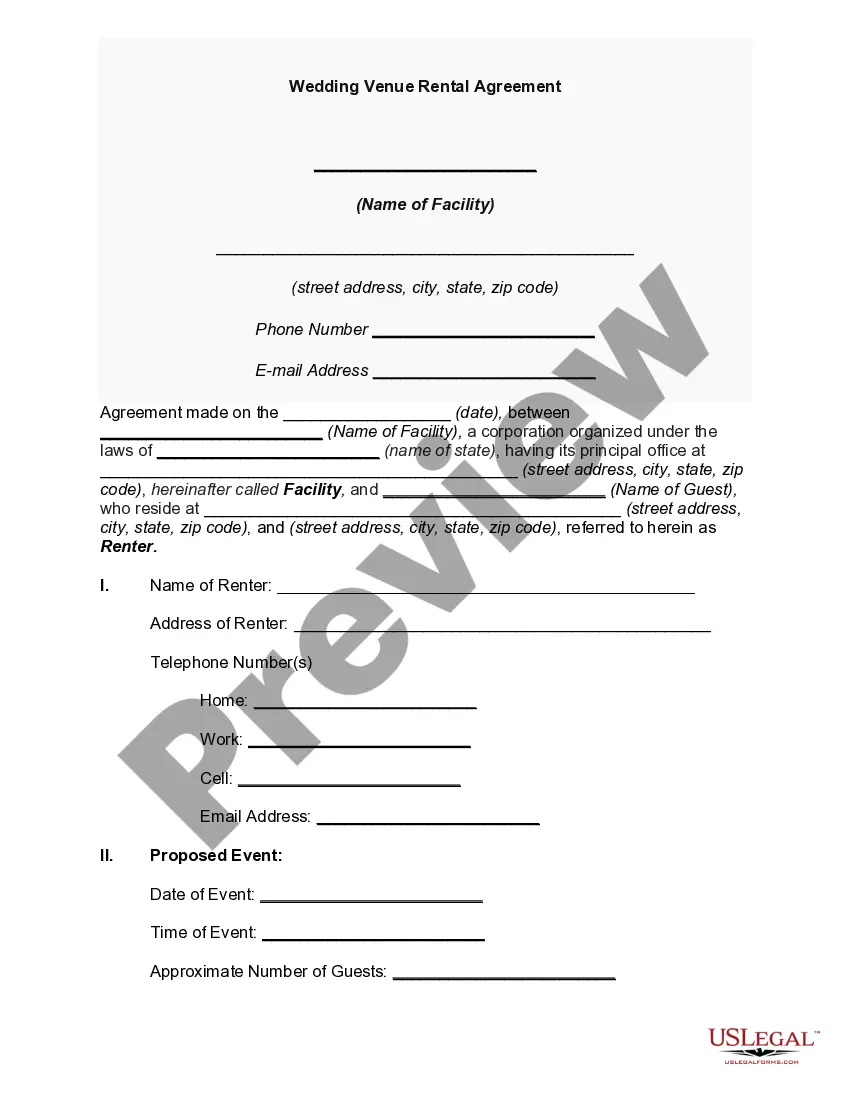
The Wedding Ceremony Agreement is a legal document that outlines the terms and conditions under which a wedding ceremony will be conducted. It is specific to Maryland, where it's essential for couples to formalize their agreement with the officiant. This form ensures that all parties are clear on their responsibilities, expectations, and any financial arrangements involved. Unlike general contracts, this agreement is tailored for wedding ceremonies, making it unique in its intention and structure.
Main sections of this form
- Date and details of the ceremony.
- Names and addresses of the couple and officiant.
- Officiant's qualifications and responsibilities.
- Financial arrangements for the officiant's services.
- Provisions regarding the couple's valid marriage license.
- Arbitration terms for resolving disputes.


When to use this document
This form should be used when a couple in Maryland is planning their wedding ceremony and needs a clear agreement with their officiant regarding the terms of the service. It is particularly important to have this form if the couple desires specific adaptations to the ceremony, wishes to establish payment terms, or wants to ensure compliance with Maryland's legal requirements for marriages.
Who should use this form
This form is intended for:
- Couples planning their wedding ceremony in Maryland.
- Officiants looking to formalize their commitment to conducting the ceremony.
- Ministries or organizations that provide officiant services for weddings.
How to prepare this document
- Fill in the date of the agreement at the top of the form.
- Provide the full names and addresses of the couple and the officiant.
- Specify the date, time, and location of the wedding ceremony.
- Detail the officiantâs fees and any additional financial arrangements for premarital counseling.
- Ensure both parties sign and date the agreement after completion.
Does this form need to be notarized?
This form does not typically require notarization unless specified by local law. However, having notarized signatures could strengthen the legal standing of the agreement in case of disputes.
Get your form ready online
Our built-in tools help you complete, sign, share, and store your documents in one place.
Make edits, fill in missing information, and update formatting in US Legal Forms—just like you would in MS Word.
Download a copy, print it, send it by email, or mail it via USPS—whatever works best for your next step.
Sign and collect signatures with our SignNow integration. Send to multiple recipients, set reminders, and more. Go Premium to unlock E-Sign.
If this form requires notarization, complete it online through a secure video call—no need to meet a notary in person or wait for an appointment.
We protect your documents and personal data by following strict security and privacy standards.

Make edits, fill in missing information, and update formatting in US Legal Forms—just like you would in MS Word.

Download a copy, print it, send it by email, or mail it via USPS—whatever works best for your next step.

Sign and collect signatures with our SignNow integration. Send to multiple recipients, set reminders, and more. Go Premium to unlock E-Sign.

If this form requires notarization, complete it online through a secure video call—no need to meet a notary in person or wait for an appointment.

We protect your documents and personal data by following strict security and privacy standards.
Mistakes to watch out for
- Failing to obtain a valid marriage license before the ceremony.
- Not providing complete contact information for all parties involved.
- Neglecting to sign the agreement, which may lead to disputes.
- Assuming verbal agreements with the officiant are sufficient; written documentation is essential.
Benefits of completing this form online
- Immediate access to the form allows for quick planning.
- Editable templates can be customized to meet specific needs.
- Peace of mind knowing the form is created by licensed attorneys.
- Convenient download means you can complete and print at home.
Legal use & context
- The Wedding Ceremony Agreement is legally binding once signed by both parties.
- It outlines the rights and responsibilities of each party during the marriage ceremony.
- Inclusion of terms can help prevent misunderstandings related to the officiantâs obligations.
What to keep in mind
- The Wedding Ceremony Agreement is essential for formalizing wedding plans in Maryland.
- Clear terms help ensure all parties are aligned on expectations and responsibilities.
- Obtaining a valid marriage license is a prerequisite for the ceremony.
Looking for another form?

Form popularity
FAQ
When it comes to wedding ceremonies, there's a general outline that's usually followed: Processional, welcome, readings, vows, kiss, pronouncement, recessionalyou're married!
The requirements are pretty simple, says Diane Smith-Hoban, executive director of non-denominational officiant group Journeys of the Heart: A legal ceremony includes a signed, state-issued marriage license and "an exchange of promises"-which leaves you plenty of flexibility to create a wedding ceremony that's as unique
According to Maryland state law, any official of a religious order or body authorized by the rules and customs of that order or body to perform a marriage ceremony can legally officiate a wedding.
Wedding VowsOfficiant: Please face each other as you declare these vows to one another. ________, you may start. Bride: I, ________, take you, ________ to be my wedded husband. I promise to stay by your side through good and bad times, for richer or poorer, in sickness and in health.
Start with Structure. A traditional wedding script often sticks to the same basic structure, guiding the timing and momentum of the ceremony. Simplicity in Storytelling. Make it About the Couple. Keep Your Audience in Mind. Run it by a Proofreader.
Once you and your partner have made promises to each other in the form of vows, there's another part of the ceremonythe declaration of intent. Especially if you are writing your own vows, it's important to keep in mind that the declaration of intent is legally required to pronounce you married.
Ceremonies can be performed by an official of a religious order (such as an ordained minister), the Clerk of the Circuit Court, a deputy clerk designated by the county administrative circuit court judge, a judge. See Family Law 2-406 for further detail. Maryland does not require celebrants to register with the state.
'I, (name), take you, (name), to be my wife, to have and to hold from this day forward, for better for worse, for richer for poorer, in sickness and in health, to love and to cherish, till death us do part, according to God's holy law.
Usually, the last thing the officiant says is, "I present to you Mr./Mrs. and Mrs./Mr. (last name)," if one party is changing their name or, "I present to you the newly married couple, (name) and (name)," if they are not.