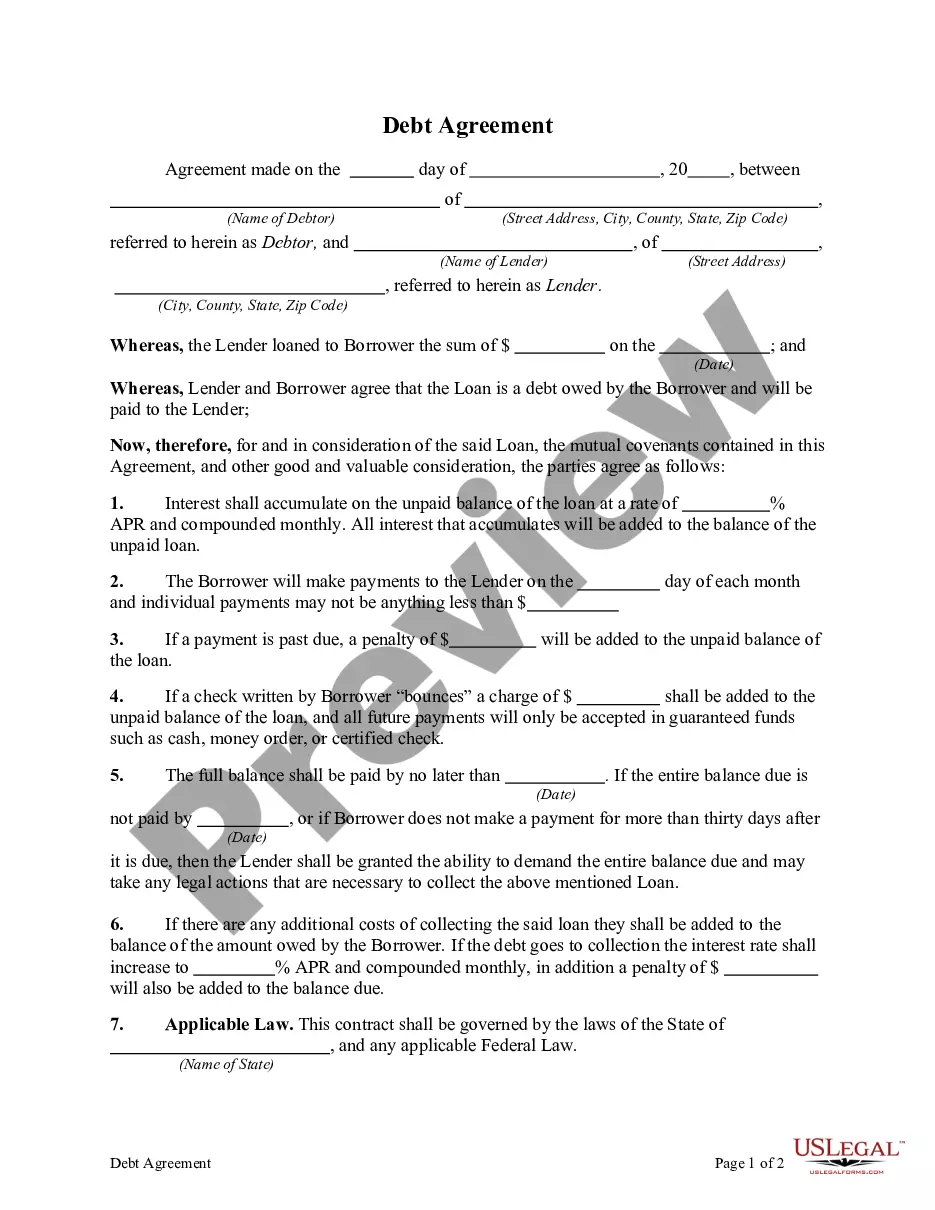
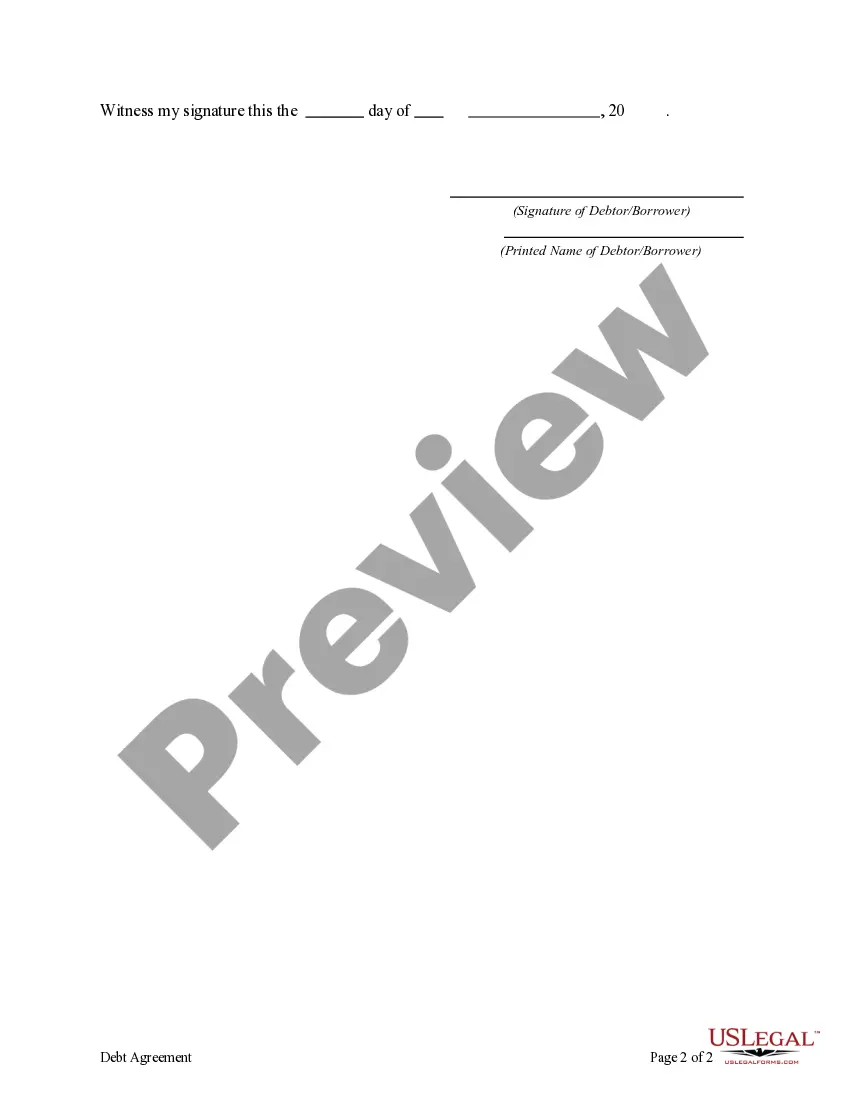
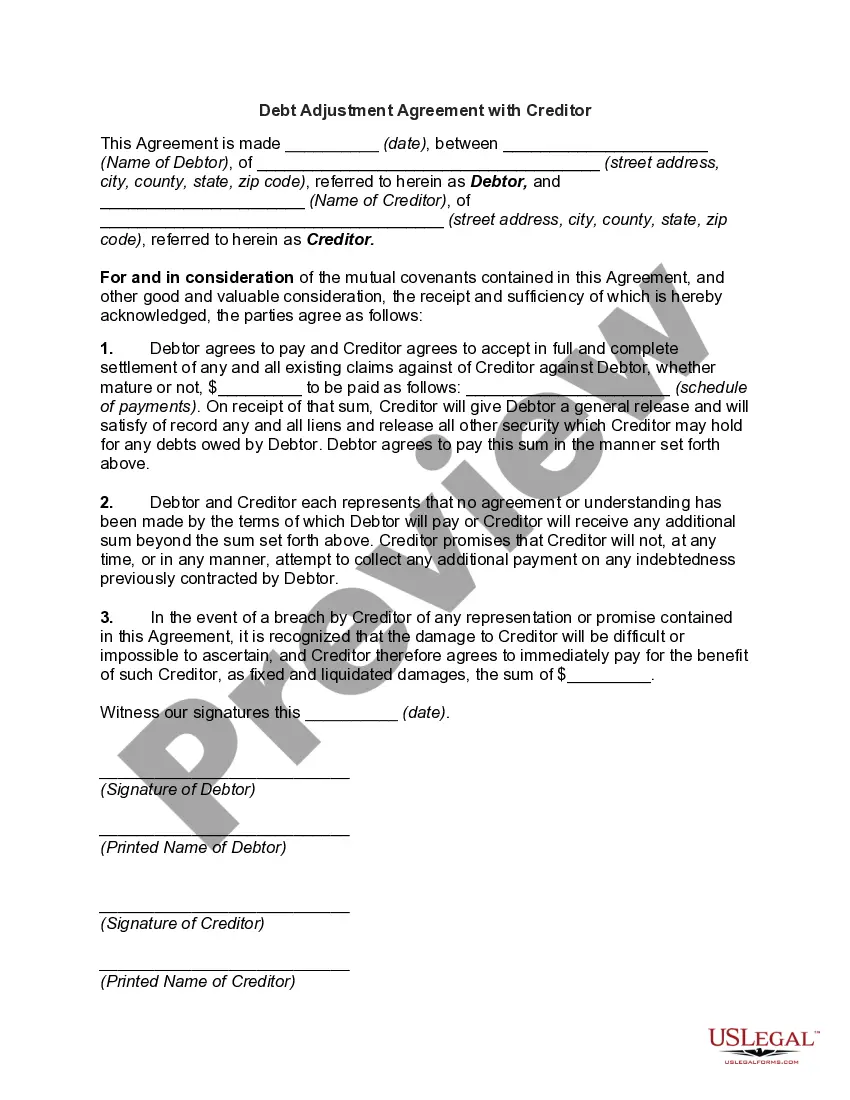
Massachusetts Debt Agreement
Description
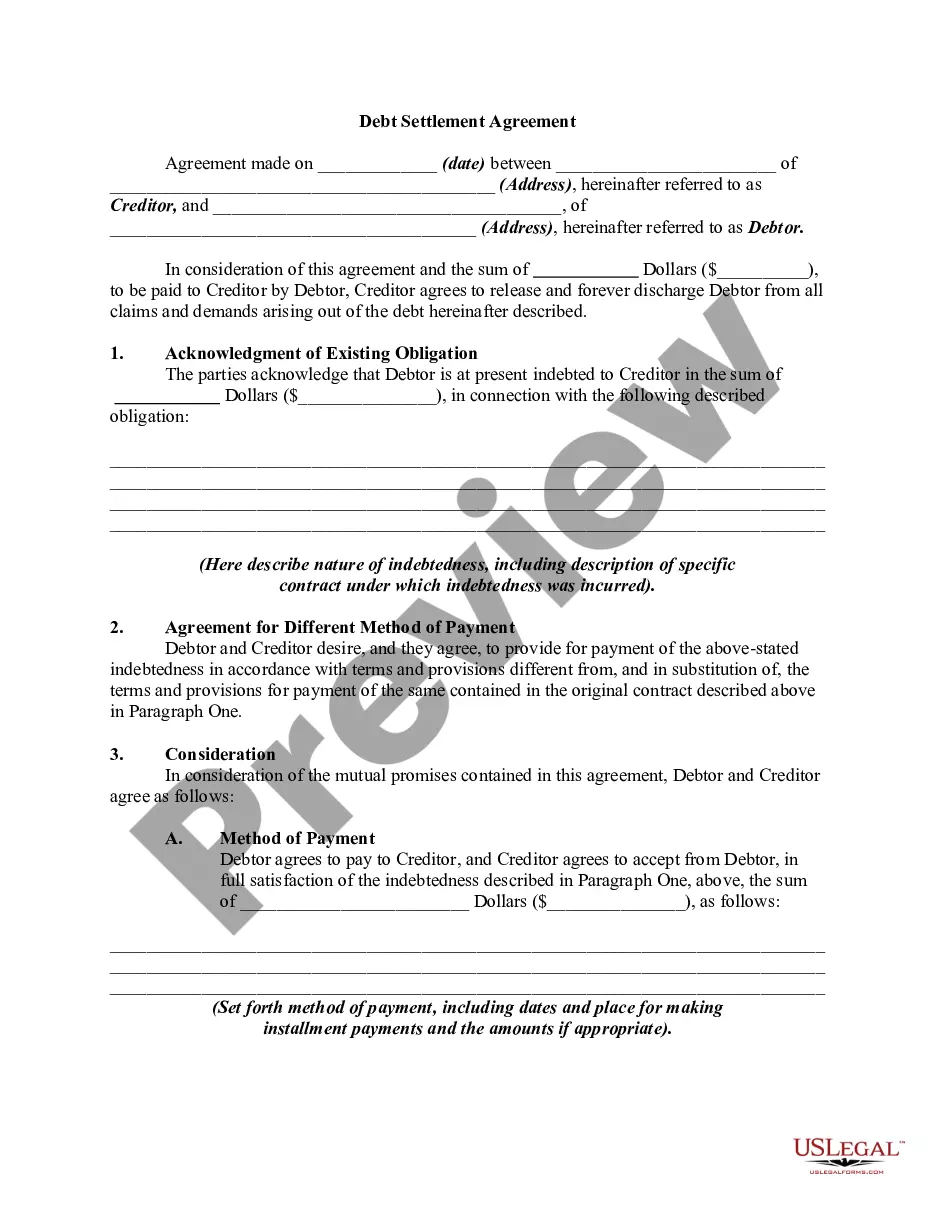
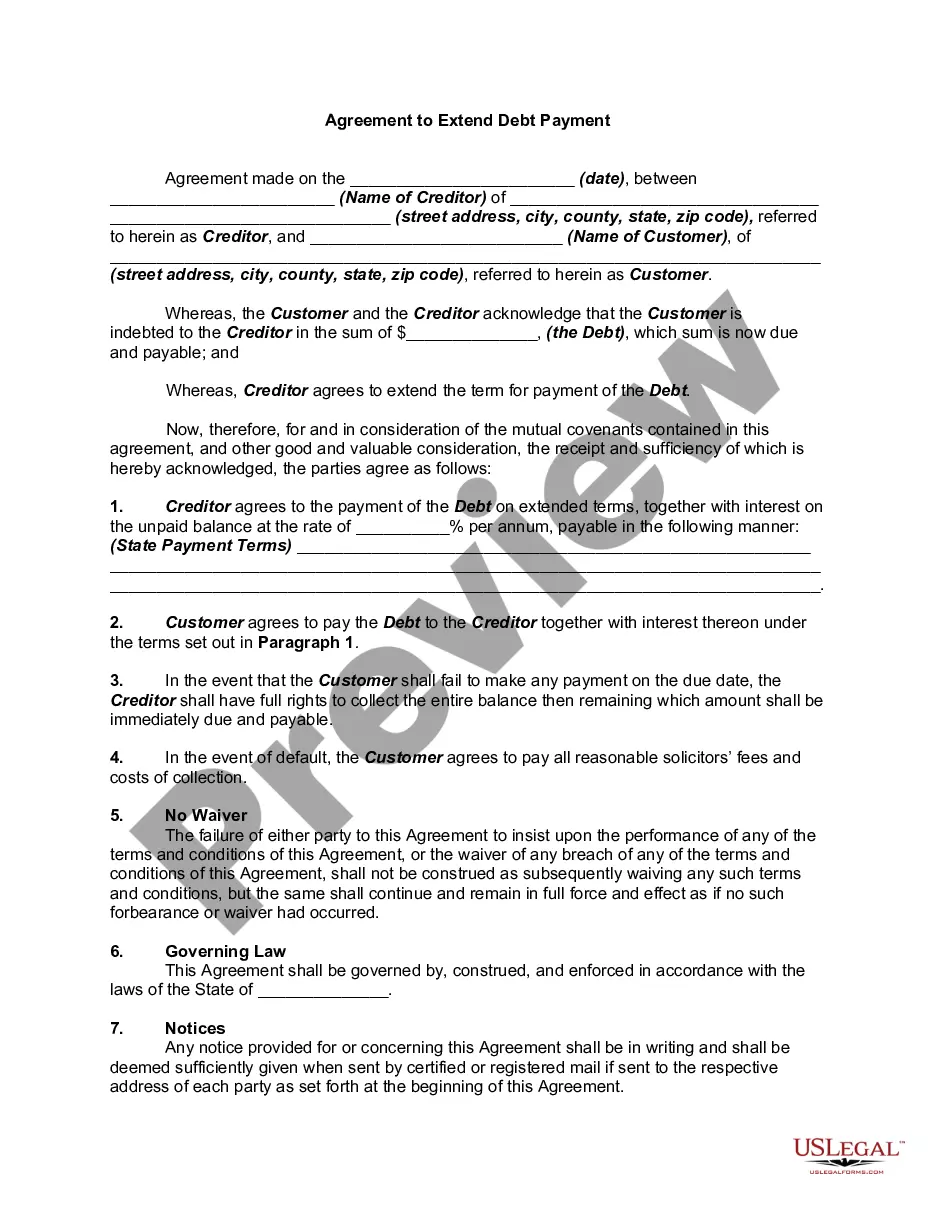
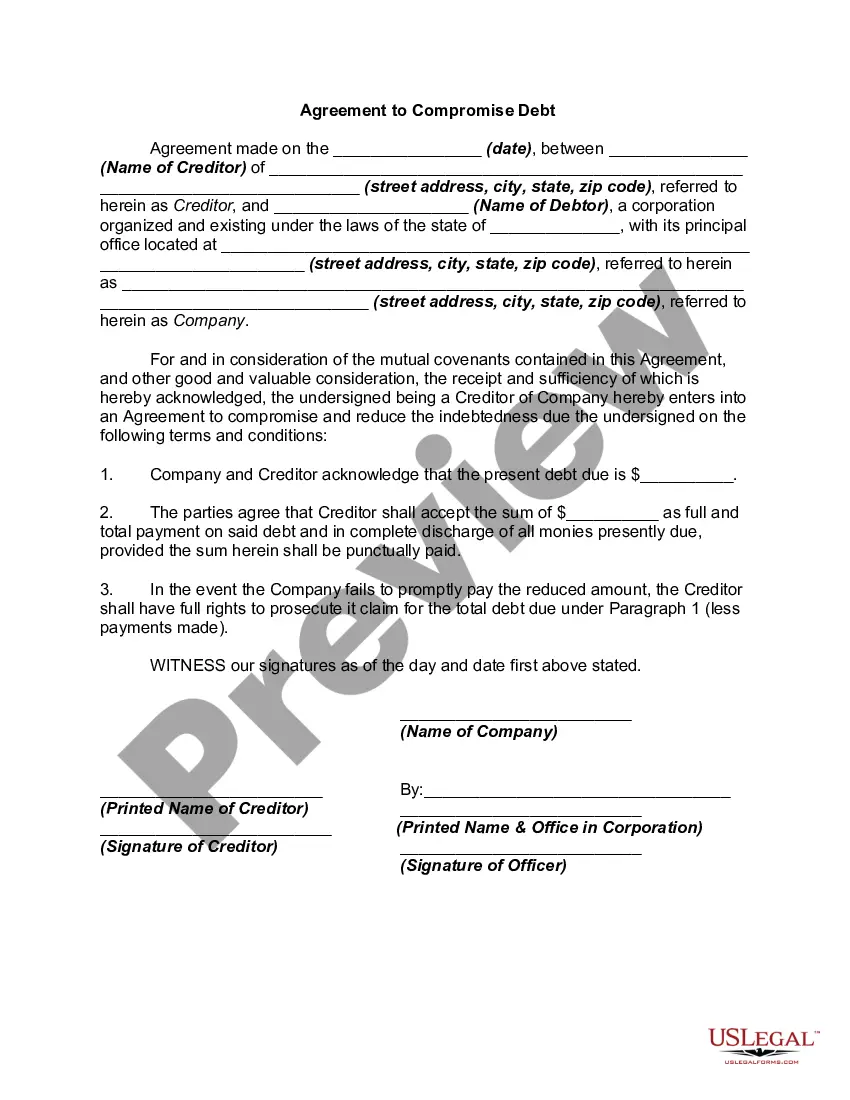
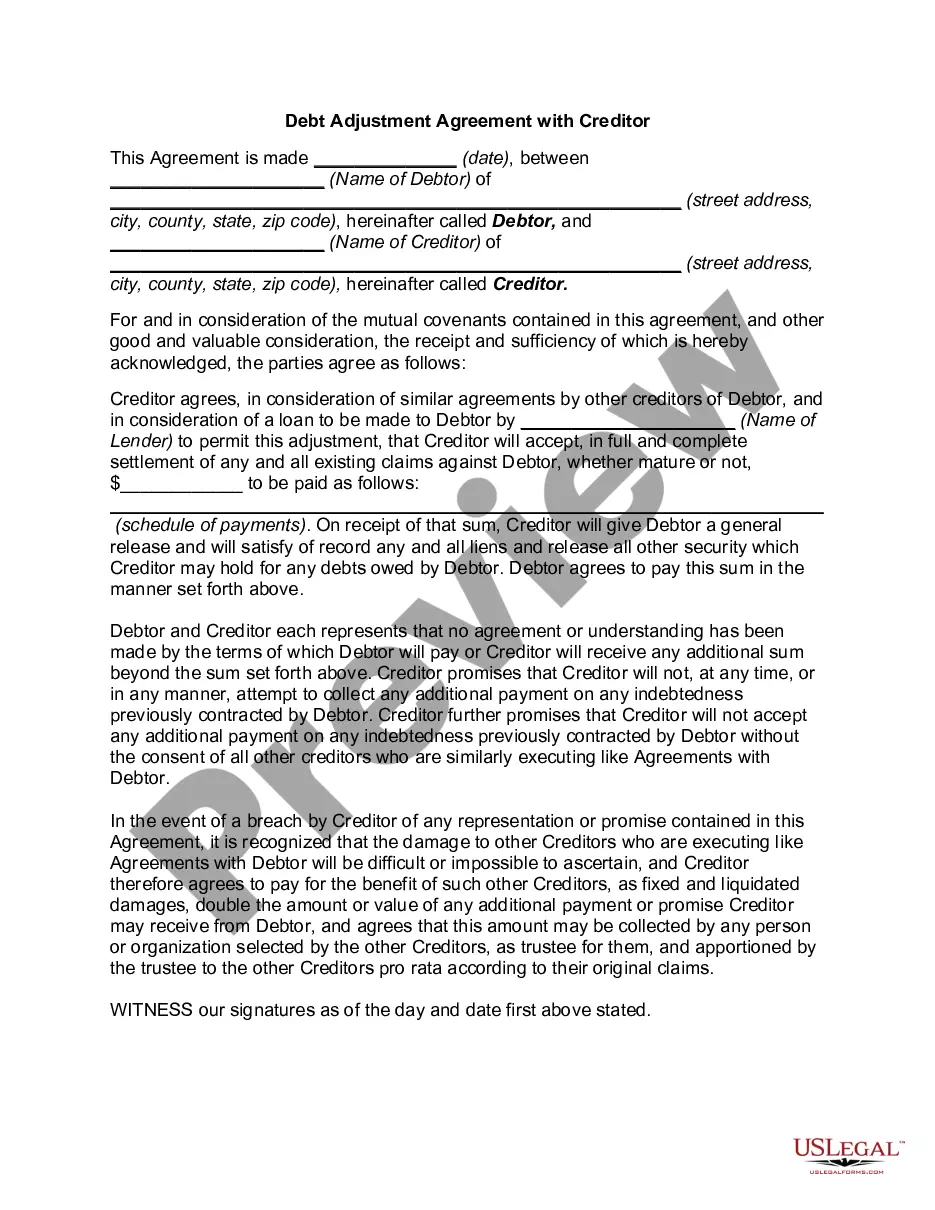
Get your form ready online
Our built-in tools help you complete, sign, share, and store your documents in one place.
Make edits, fill in missing information, and update formatting in US Legal Forms—just like you would in MS Word.
Download a copy, print it, send it by email, or mail it via USPS—whatever works best for your next step.
Sign and collect signatures with our SignNow integration. Send to multiple recipients, set reminders, and more. Go Premium to unlock E-Sign.
If this form requires notarization, complete it online through a secure video call—no need to meet a notary in person or wait for an appointment.
We protect your documents and personal data by following strict security and privacy standards.

Make edits, fill in missing information, and update formatting in US Legal Forms—just like you would in MS Word.

Download a copy, print it, send it by email, or mail it via USPS—whatever works best for your next step.

Sign and collect signatures with our SignNow integration. Send to multiple recipients, set reminders, and more. Go Premium to unlock E-Sign.

If this form requires notarization, complete it online through a secure video call—no need to meet a notary in person or wait for an appointment.

We protect your documents and personal data by following strict security and privacy standards.
Looking for another form?


How to fill out Debt Agreement?
You can spend hours online searching for the legal document template that meets your state and federal requirements.
US Legal Forms offers thousands of legal templates that have been reviewed by experts.
You can download or print the Massachusetts Debt Agreement from this service.
If available, utilize the Preview option to review the document template as well.
- If you possess a US Legal Forms account, you can Log In and click the Download option.
- After that, you can fill out, edit, print, or sign the Massachusetts Debt Agreement.
- Each legal document template you obtain is yours permanently.
- To get an additional copy of any acquired form, navigate to the My documents tab and click the corresponding option.
- If you are using the US Legal Forms site for the first time, follow the simple instructions below.
- First, make sure you have chosen the correct document template for your preferred county/city.
- Examine the type outline to confirm you have selected the correct form.
Form popularity
FAQ
After seven years without making payments, the debt will likely remain on your credit report but becomes uncollectible legally. At this point, creditors may stop pursuing collection through the courts, but they may still contact you for repayment. Knowing this can help inform your financial decisions moving forward. Exploring a Massachusetts Debt Agreement can aid in settling any remaining debts.
In Massachusetts, a 10-year-old debt is typically considered uncollectible due to the six-year statute of limitations. However, if you acknowledge the debt or make a payment, it may reset the collection clock. Understanding your rights can empower you in financial discussions. Always consider using a Massachusetts Debt Agreement for a structured approach to managing older debts.
To obtain a debt agreement in Massachusetts, you'll first need to assess your financial situation and gather relevant documentation. Next, consider reaching out to your creditors to negotiate terms that suit both parties. If you need assistance, platforms like US Legal Forms can provide resources and templates for drafting a clear Massachusetts Debt Agreement.
A debt in Massachusetts usually becomes uncollectible after six years, according to state law. This applies to various types of debts, including loans and credit card balances. Knowing this timeframe can help you better navigate your financial situation. Seeking advice through a Massachusetts Debt Agreement can be beneficial in resolving outstanding debts.
In Massachusetts, a debt typically becomes uncollectible after six years. This timeframe is defined by the statute of limitations for most credit accounts. Once this period passes, creditors can no longer take legal action to collect the debt. This makes understanding Massachusetts Debt Agreements crucial for managing your financial obligations.
The penalty for paying Massachusetts taxes late can include interest charges and additional fines. These penalties can accumulate quickly, which may increase your total debt. To avoid these consequences, consider establishing a Massachusetts Debt Agreement to manage your tax payments on time and minimize financial strain.
Setting up a payment plan for Massachusetts taxes involves filling out the appropriate application forms and submitting them to the Department of Revenue. You might need to discuss your financial situation and propose a monthly payment amount that works for you. Using a Massachusetts Debt Agreement can assist you in outlining your obligations clearly and avoiding misunderstandings.
To set up a payment plan if you owe Massachusetts taxes, you need to complete the necessary forms provided by the Massachusetts Department of Revenue. It's essential to gather your financial documentation to show your payment capacity. Consider a Massachusetts Debt Agreement to help structure your payments in a feasible manner and avoid complications.
Yes, Massachusetts may settle for less on certain sales tax liabilities under specific circumstances. If you can demonstrate financial hardship or dispute the amount owed, negotiating a settlement can be a successful strategy. Engaging in a Massachusetts Debt Agreement can facilitate this negotiation and help you reach a favorable outcome.
In Massachusetts, a debt judgment remains valid for 20 years from the date it is issued. During this period, creditors can take actions to collect the debt, including garnishing wages or placing liens on property. However, you may still have options, like pursuing a Massachusetts debt agreement, to address the judgment before it becomes a more significant financial burden. Staying informed about your rights can help you navigate these situations effectively.