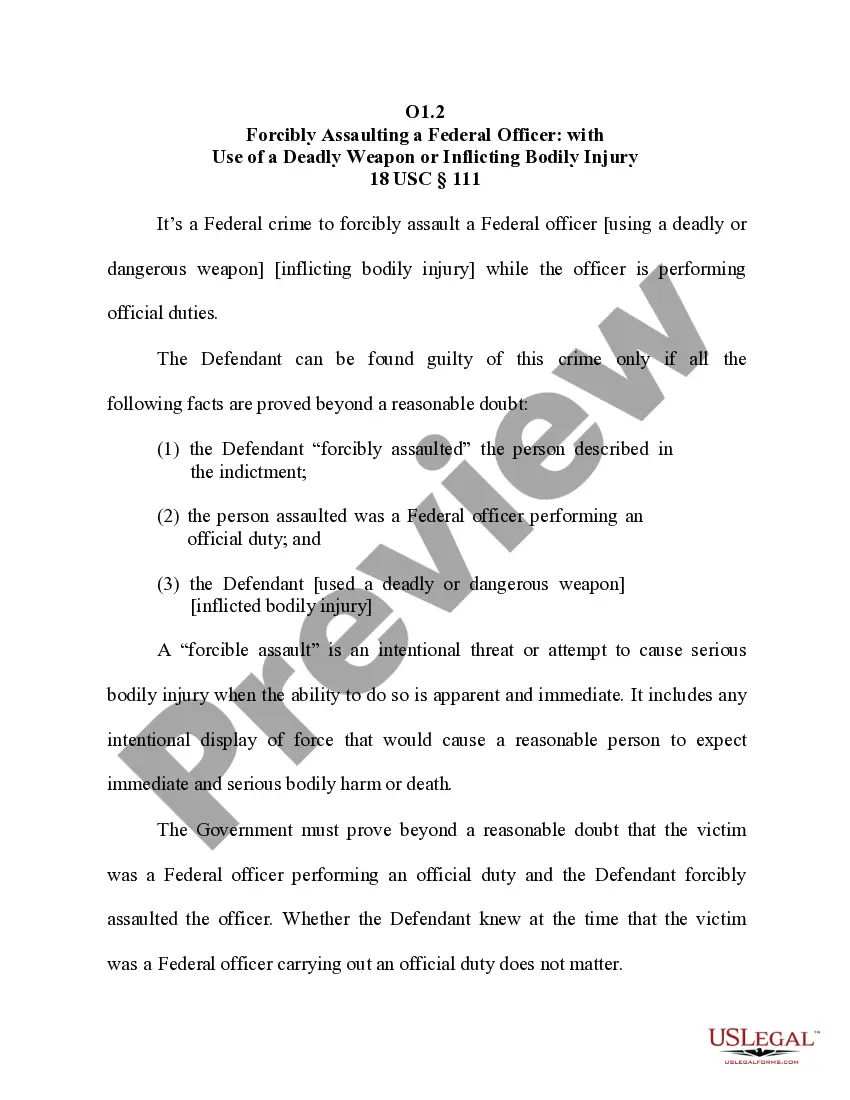
Massachusetts Complaint for Malicious Prosecution, False Imprisonment, Abuse of Process
Description



Get your form ready online
Our built-in tools help you complete, sign, share, and store your documents in one place.
Make edits, fill in missing information, and update formatting in US Legal Forms—just like you would in MS Word.
Download a copy, print it, send it by email, or mail it via USPS—whatever works best for your next step.
Sign and collect signatures with our SignNow integration. Send to multiple recipients, set reminders, and more. Go Premium to unlock E-Sign.
If this form requires notarization, complete it online through a secure video call—no need to meet a notary in person or wait for an appointment.
We protect your documents and personal data by following strict security and privacy standards.

Make edits, fill in missing information, and update formatting in US Legal Forms—just like you would in MS Word.

Download a copy, print it, send it by email, or mail it via USPS—whatever works best for your next step.

Sign and collect signatures with our SignNow integration. Send to multiple recipients, set reminders, and more. Go Premium to unlock E-Sign.

If this form requires notarization, complete it online through a secure video call—no need to meet a notary in person or wait for an appointment.

We protect your documents and personal data by following strict security and privacy standards.
Looking for another form?







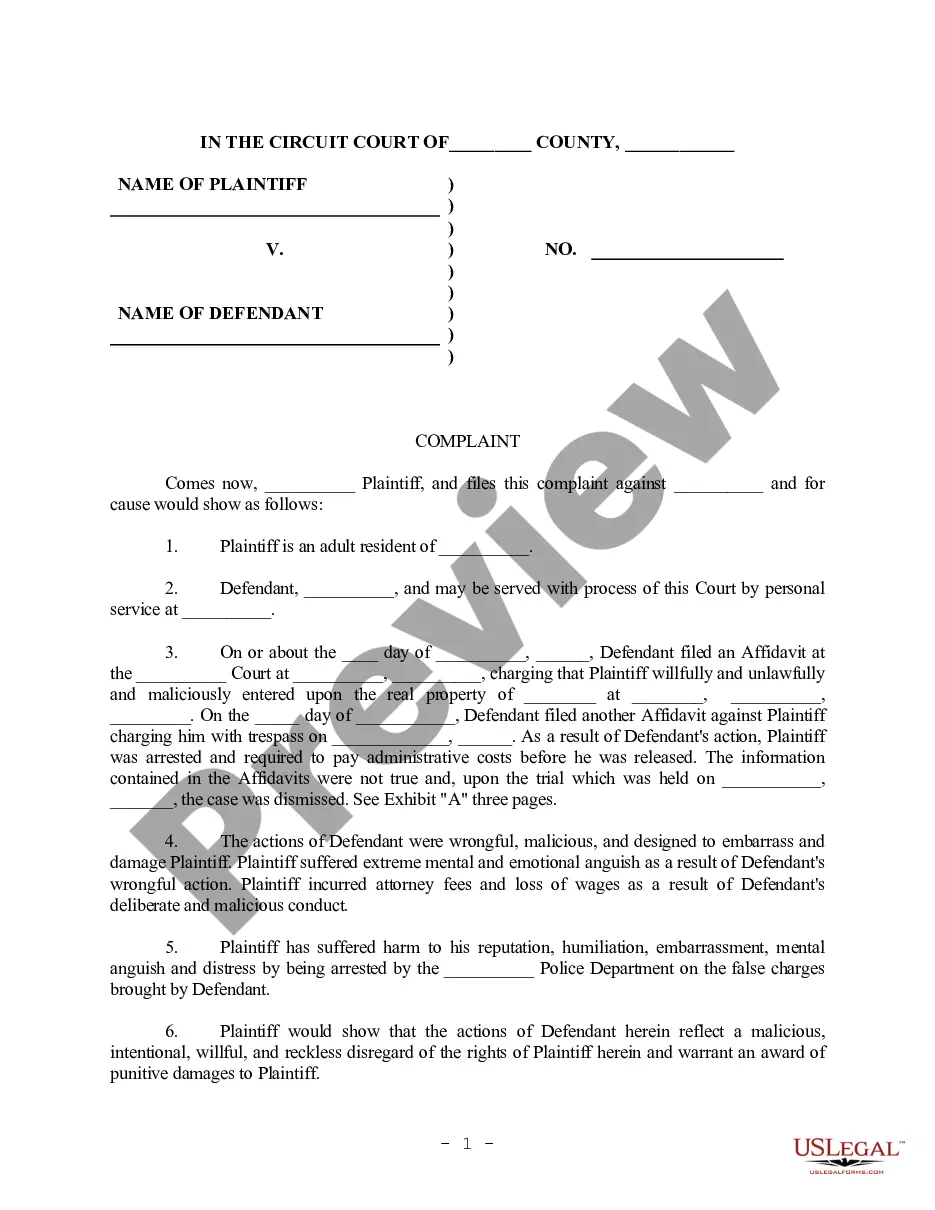
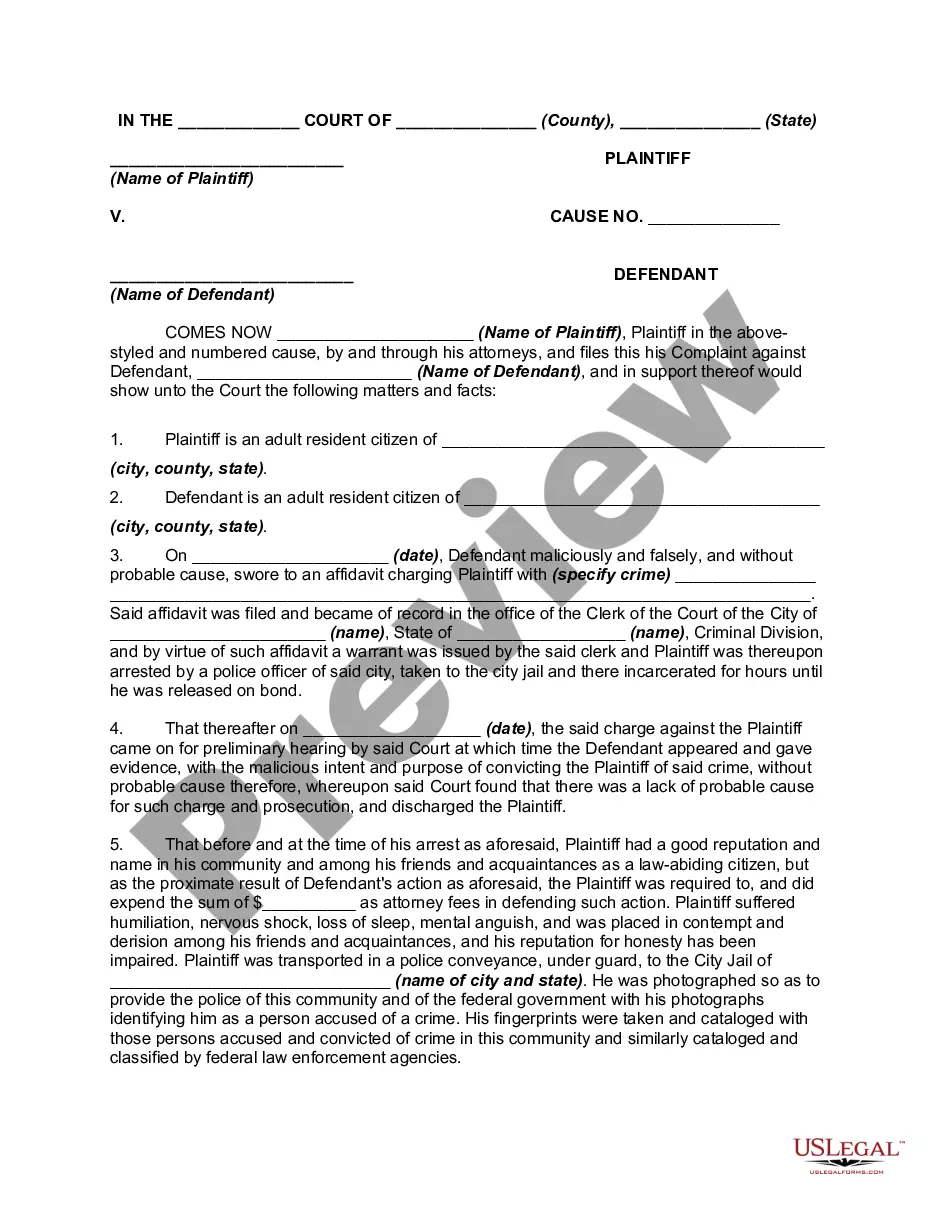
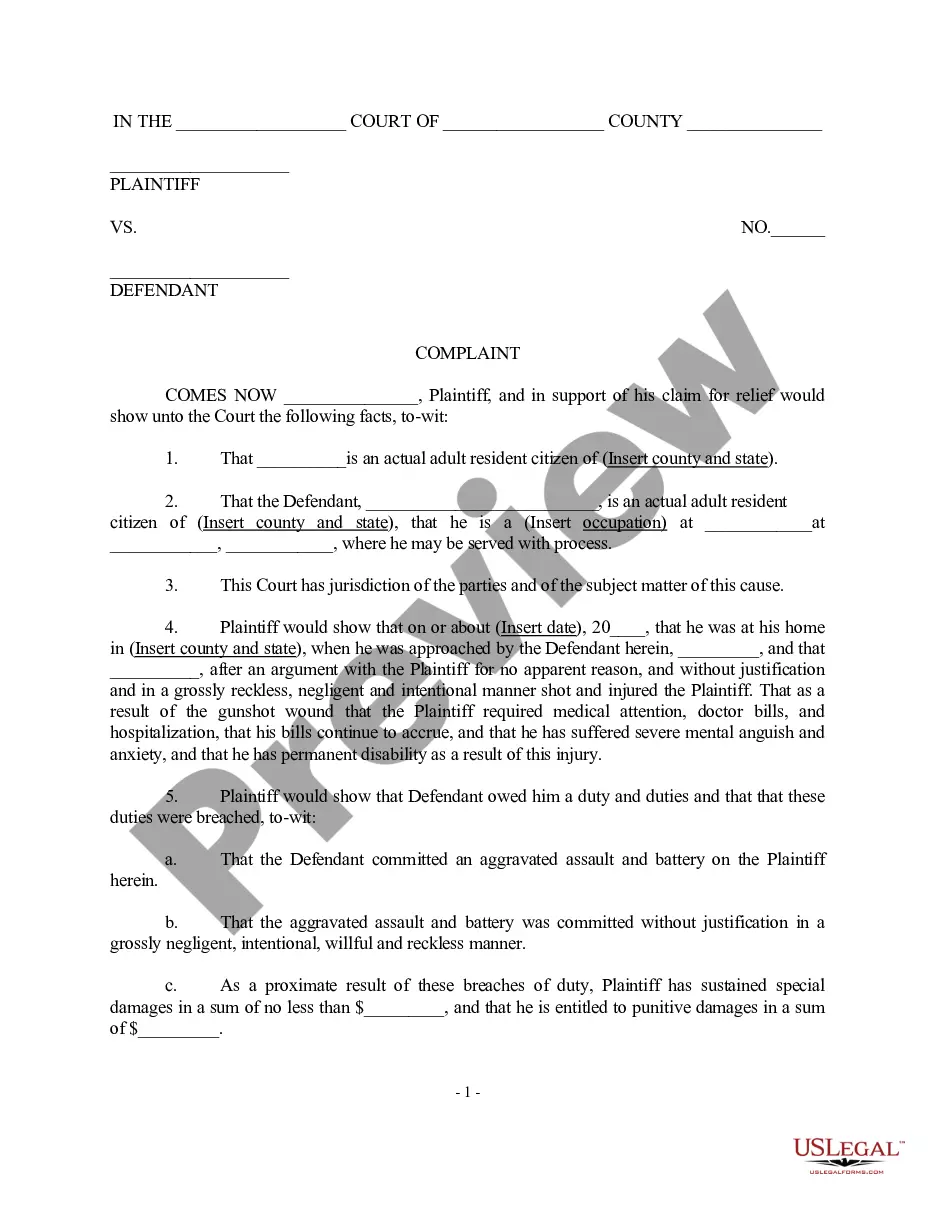
How to fill out Complaint For Malicious Prosecution, False Imprisonment, Abuse Of Process?
US Legal Forms - one of the most prominent collections of official documents in the United States - provides a variety of official document templates available for download or printing. By utilizing the website, you can access thousands of forms for business and personal purposes, organized by categories, states, or keywords. You can find the latest types of documents such as the Massachusetts Complaint for Malicious Prosecution, False Imprisonment, Abuse of Process in just a few minutes.
If you already have an account, Log In and retrieve the Massachusetts Complaint for Malicious Prosecution, False Imprisonment, Abuse of Process from the US Legal Forms collection. The Download button will appear on every form you view. You can access all previously downloaded forms in the My documents section of your account.
If you are using US Legal Forms for the first time, here are simple guidelines to help you get started: Ensure you have selected the correct form for your area/region. Click the Preview button to review the form's content. Read the form description to confirm that you have chosen the right form. If the form does not meet your requirements, use the Search box at the top of the screen to find one that does. If you are satisfied with the form, confirm your choice by clicking the Buy now button. Then, select the payment plan you wish and provide your details to register for an account. Process the transaction. Use a credit card or PayPal account to complete the payment. Choose the format and download the form to your device. Make modifications. Fill out, edit, print, and sign the downloaded Massachusetts Complaint for Malicious Prosecution, False Imprisonment, Abuse of Process. Every template you add to your account has no expiration date and is yours permanently. So, if you need to download or print another copy, simply go to the My documents section and click on the form you need.
With US Legal Forms, you can efficiently handle all your document needs in one place.
Start using US Legal Forms today to simplify your legal documentation process.
- Access the Massachusetts Complaint for Malicious Prosecution, False Imprisonment, Abuse of Process with US Legal Forms, one of the largest collections of official document templates.
- Utilize a vast number of professional and state-specific templates that meet your business or personal requirements and preferences.
- Find the latest forms quickly and efficiently.
- Download or print forms as needed without worrying about expiration.
- Easily manage your forms with a user-friendly account interface.
- Enjoy access to a comprehensive library of legal documents.
Form popularity
FAQ
If there is a reasonable means of escape from the area, the area is not bounded. However, if the means of escaping will result in the risk of physical harm to the detainee, then the area is bounded. Further, threatening to harm the detainee's family if the detainee leaves would also result in the area being bounded.
The essential elements of the tort of abuse of process are that: "(1) `process' was used; (2) for an ulterior or illegitimate purpose; (3) resulting in damage." Jones v.
Abuse of process has been described as misusing a "criminal or civil process against another party for a purpose different than the proceeding's intended purposes" and thereby causing the party damages (e.g., arrest, seizure of property, or economic injury).
The prima facie case for battery contains 4 components: The defendant acts. The defendant intends to cause contact with the victim. The defendant's contact with the victim is harmful or offensive. The defendant's contact causes the victim to suffer a contact that is harmful or offensive.
Malicious prosecution This is a violation of a person's civil rights to liberty and due process under the Fourteenth Amendment. Essentially, malicious prosecution is a baseless accusation brought against someone in order to harass or intimidate them ? an arrest without probable cause.
Elements of the crime intentionally detained, restrained, or confined another person; the restraint made the victim stay or go somewhere for a period of time; victim did not give their consent and was harmed; the conduct was a significant factor in causing victim's harm.
(1) To make the actor liable for false imprisonment, the other's confinement within the boundaries fixed by the actor must be complete. (2) The confinement is complete although there is a reasonable means of escape, unless the other knows of it.
Elements of the crime intentionally detained, restrained, or confined another person; the restraint made the victim stay or go somewhere for a period of time; victim did not give their consent and was harmed; the conduct was a significant factor in causing victim's harm.