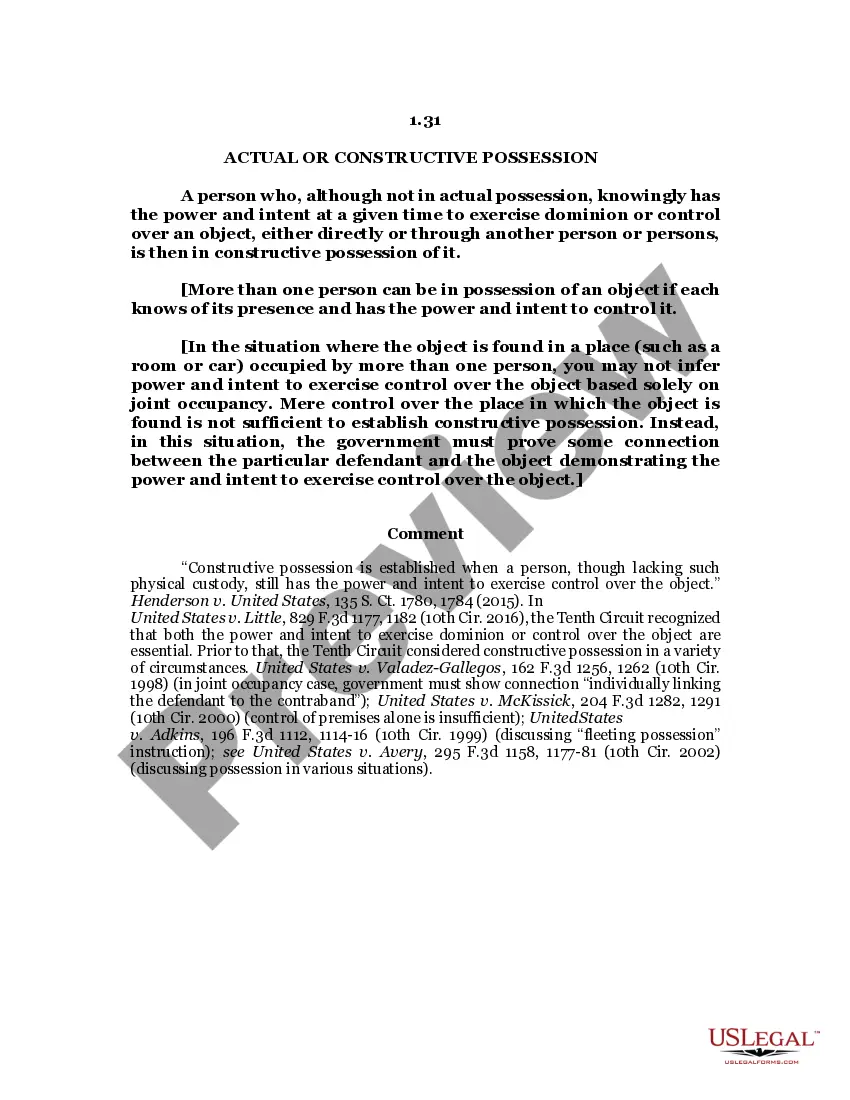
Massachusetts Sample Letter for Alleged Payments Due from Defendant
Description
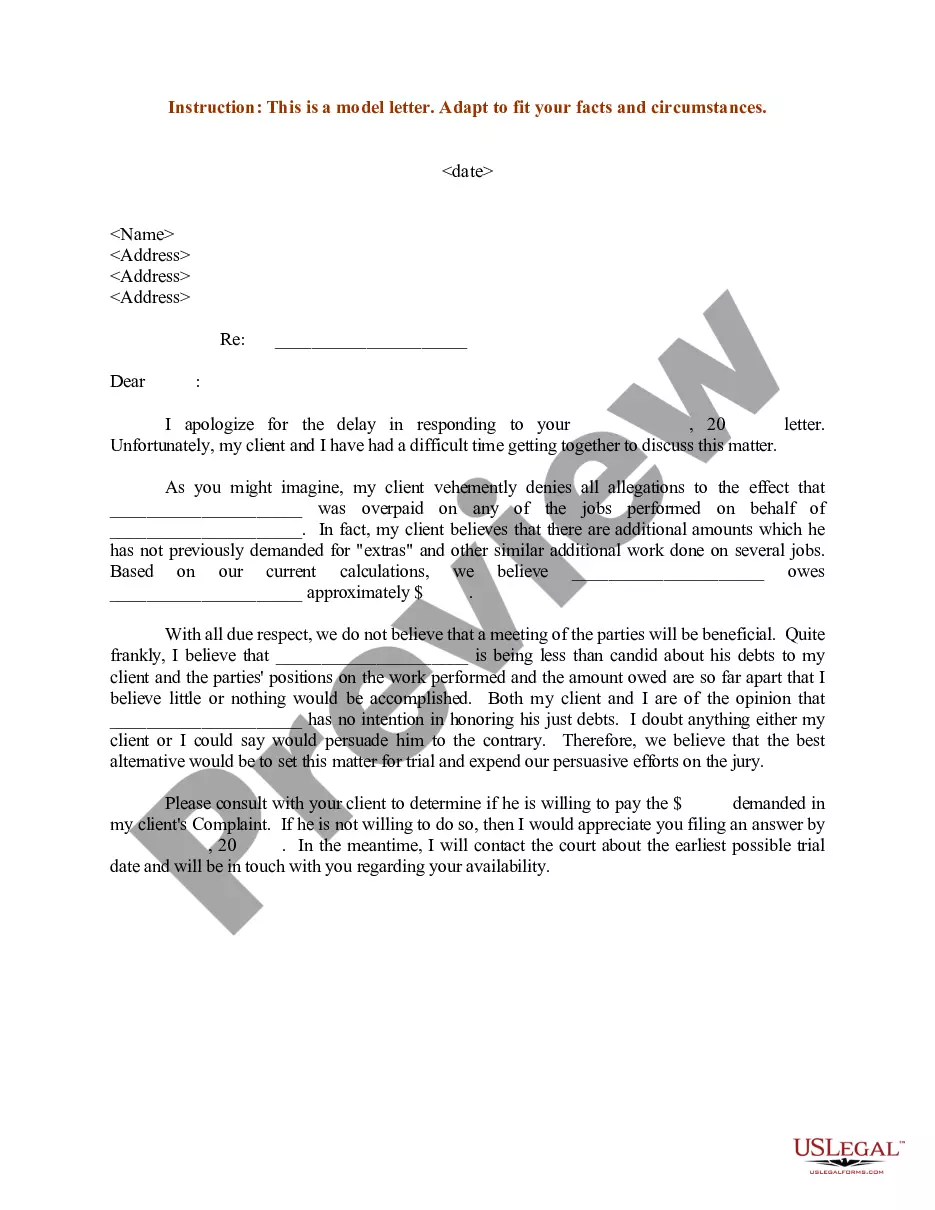
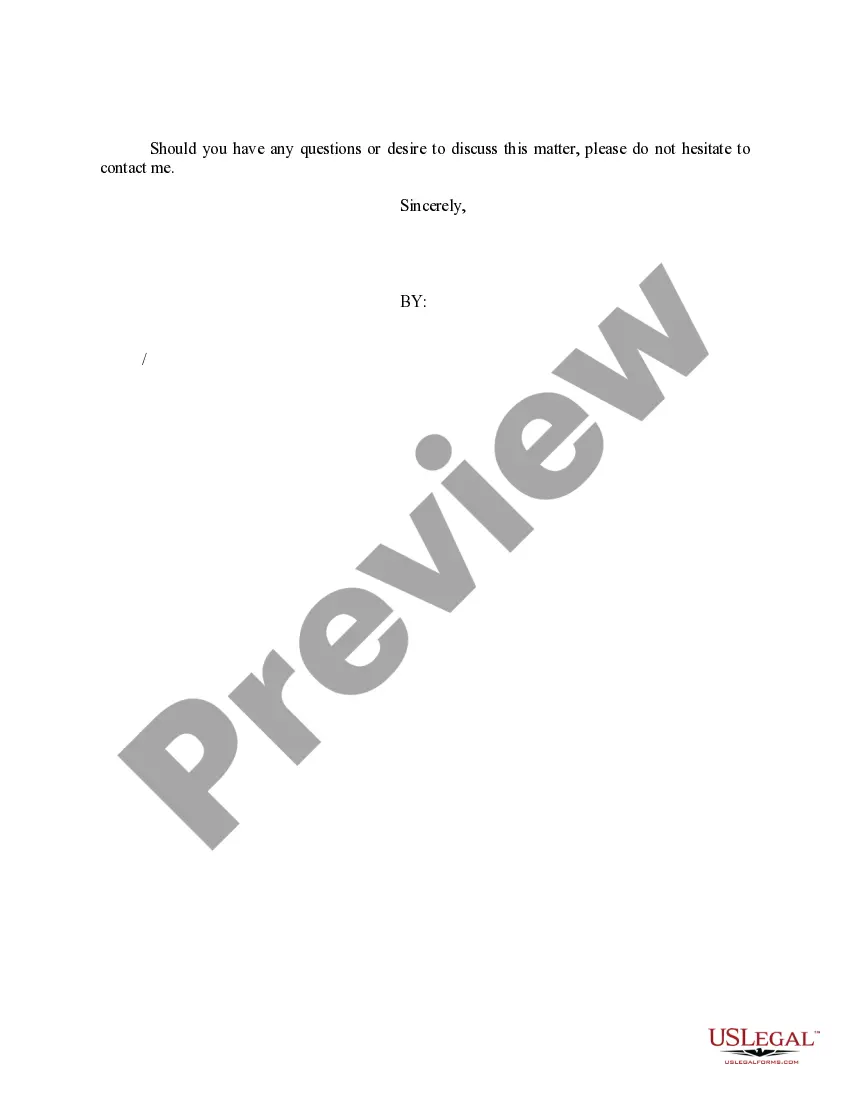
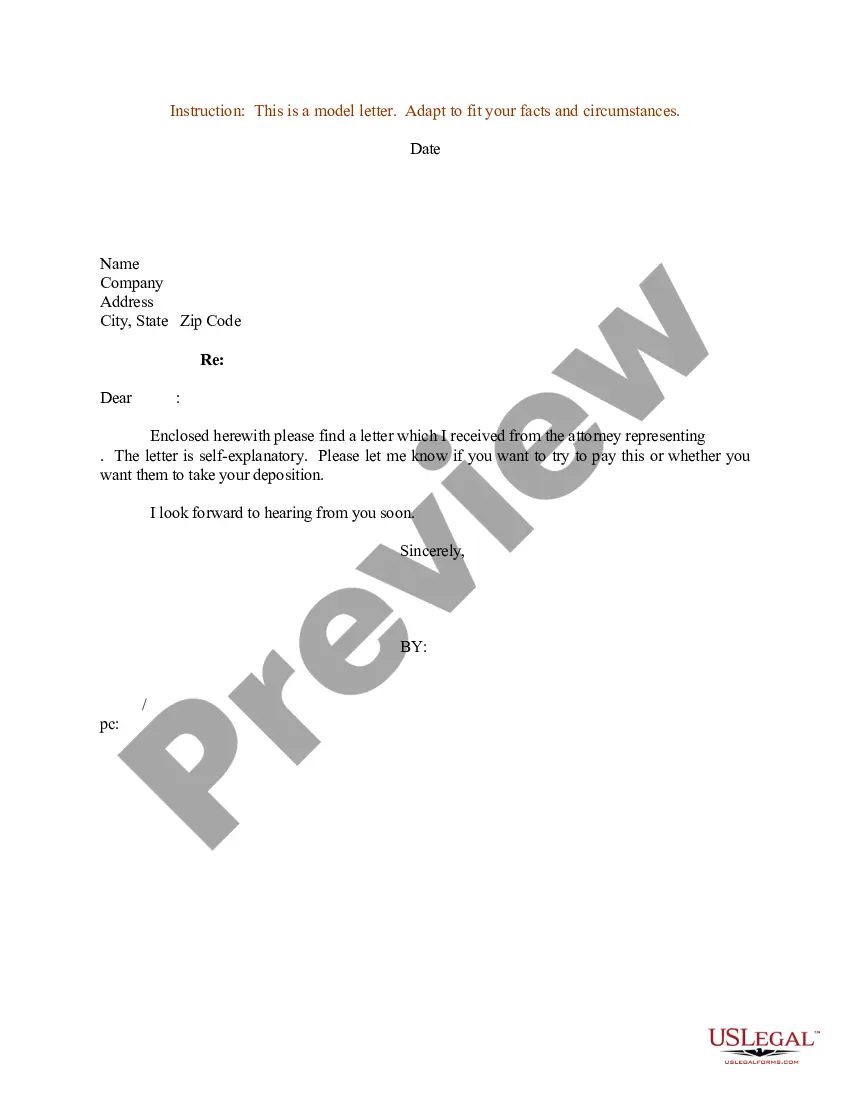
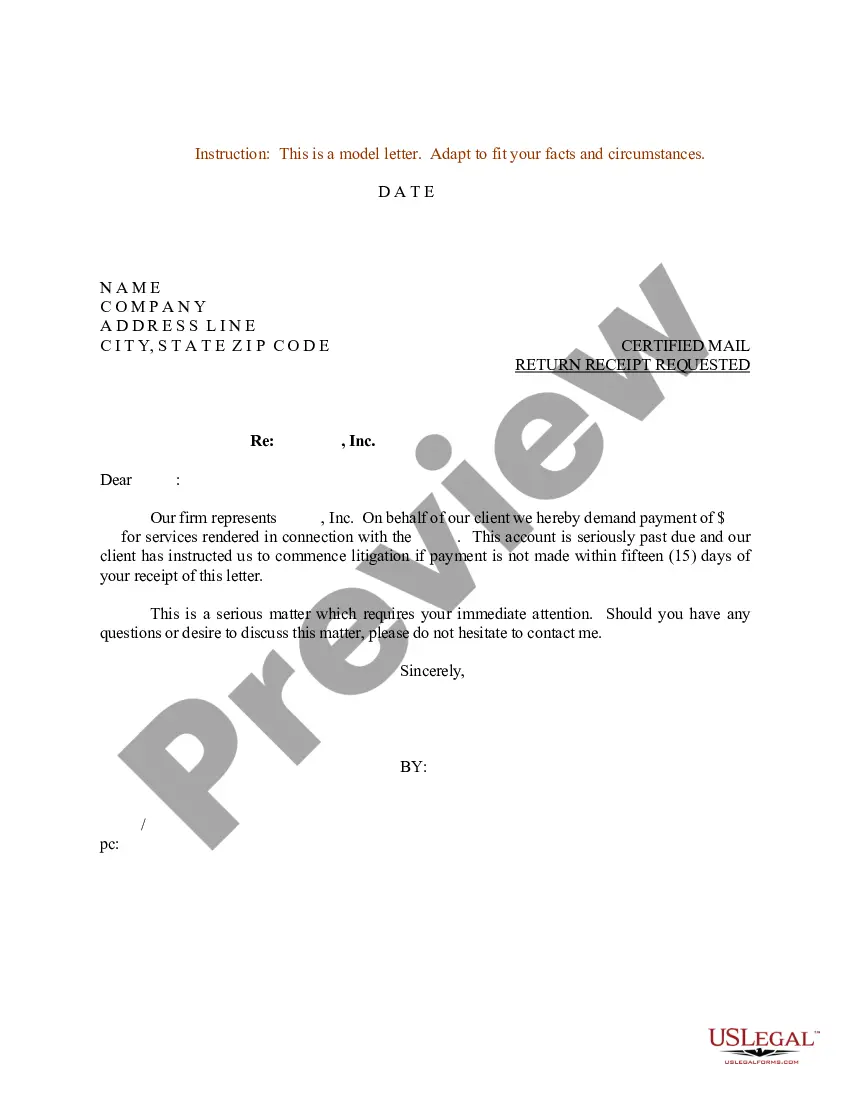
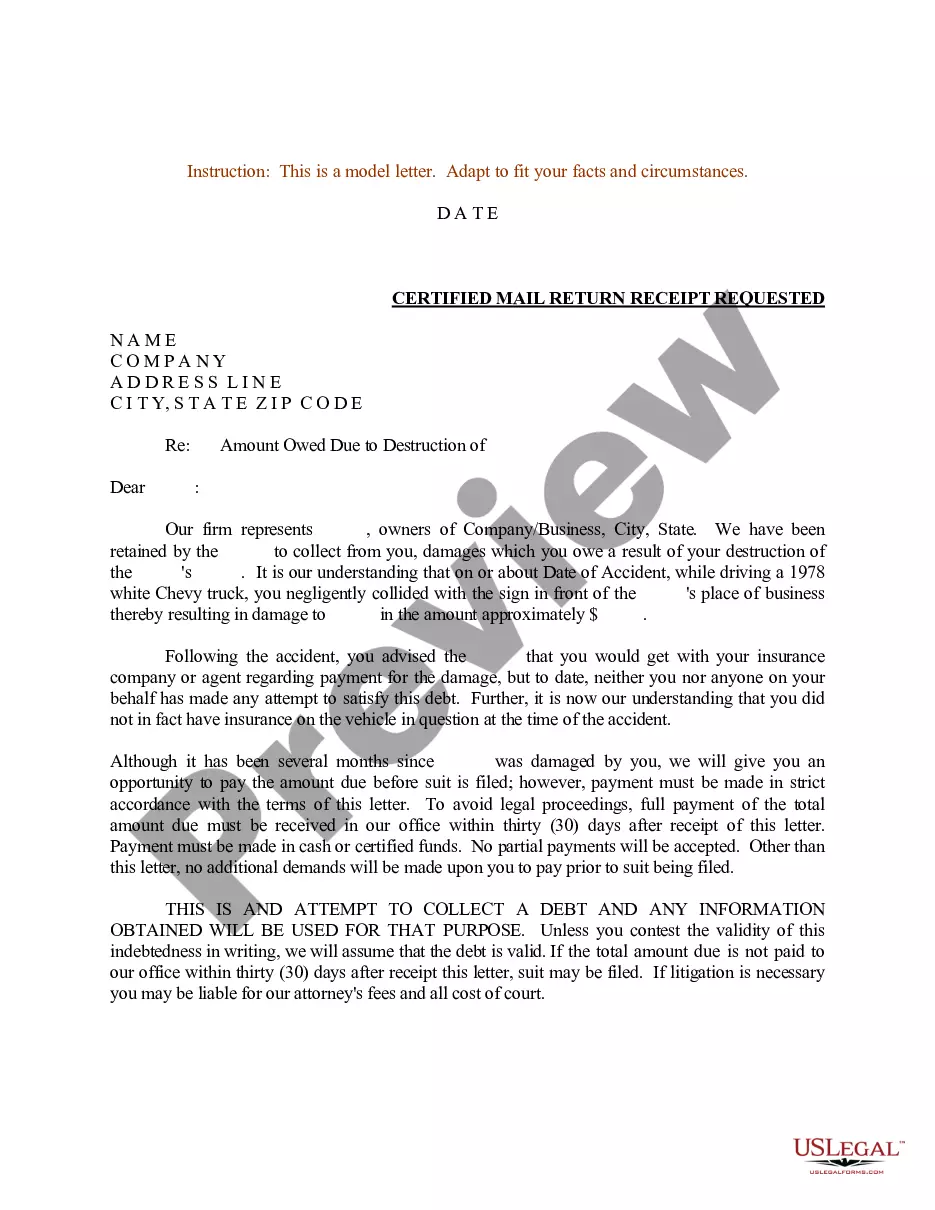
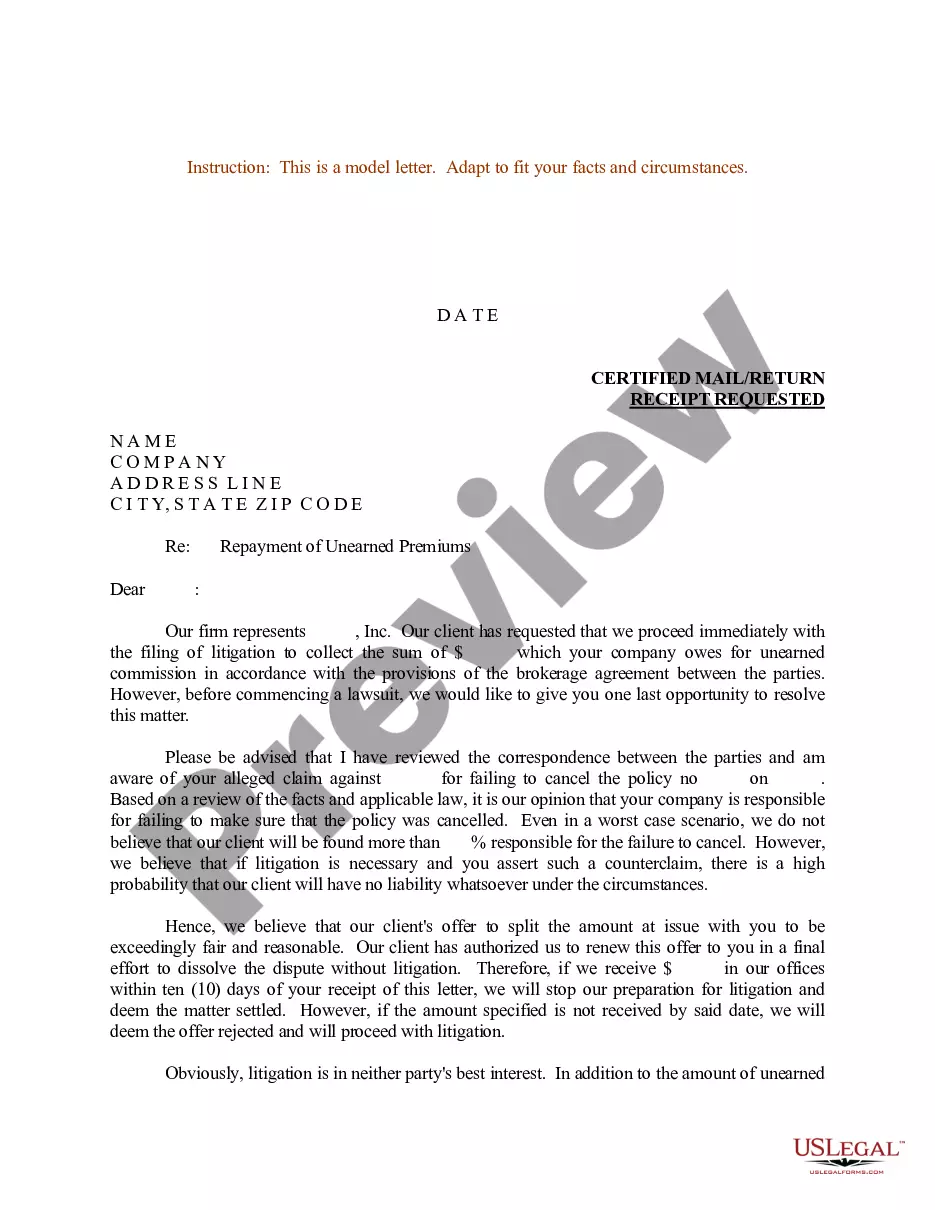
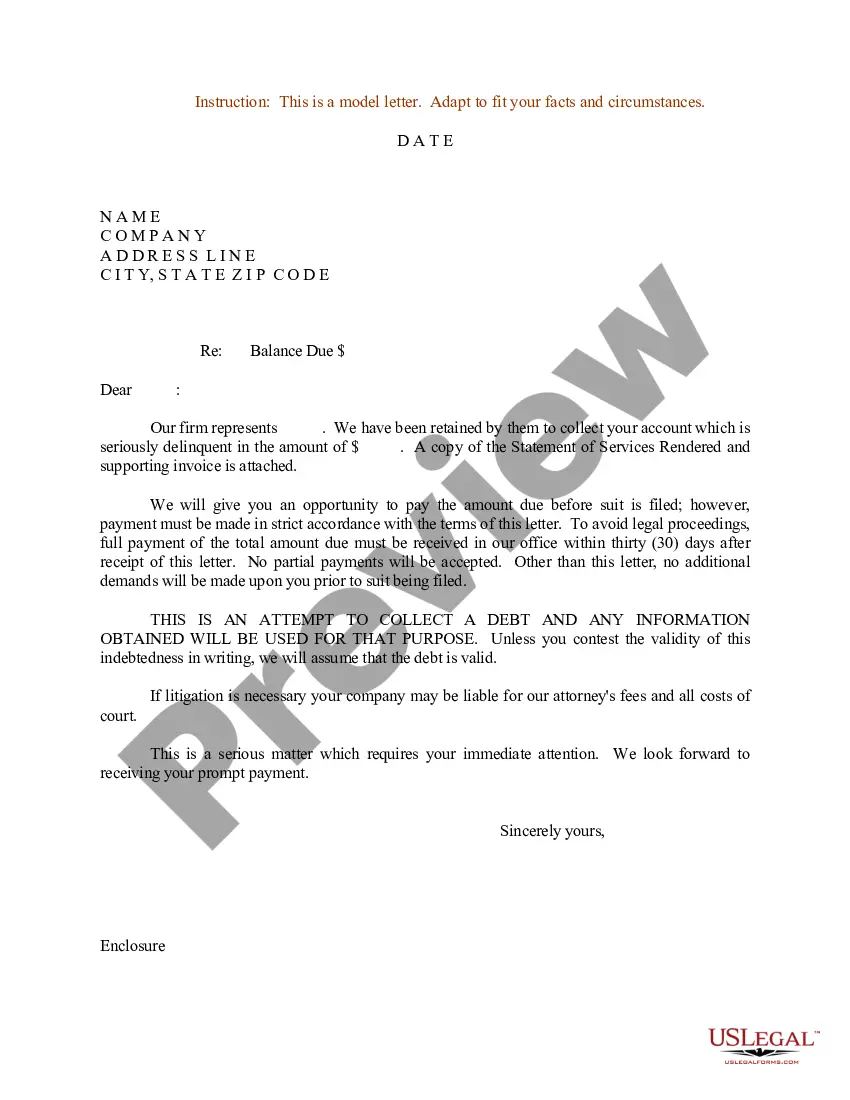
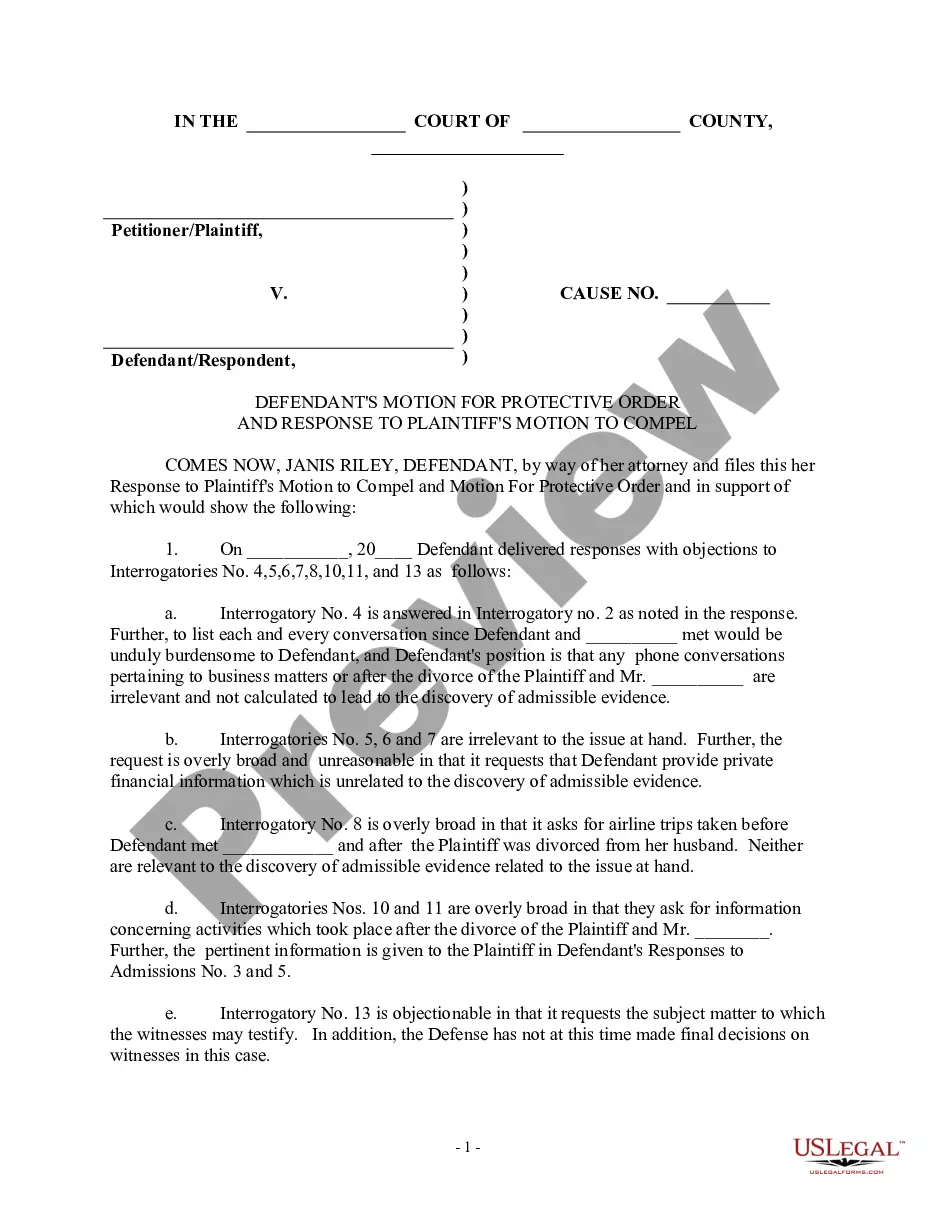
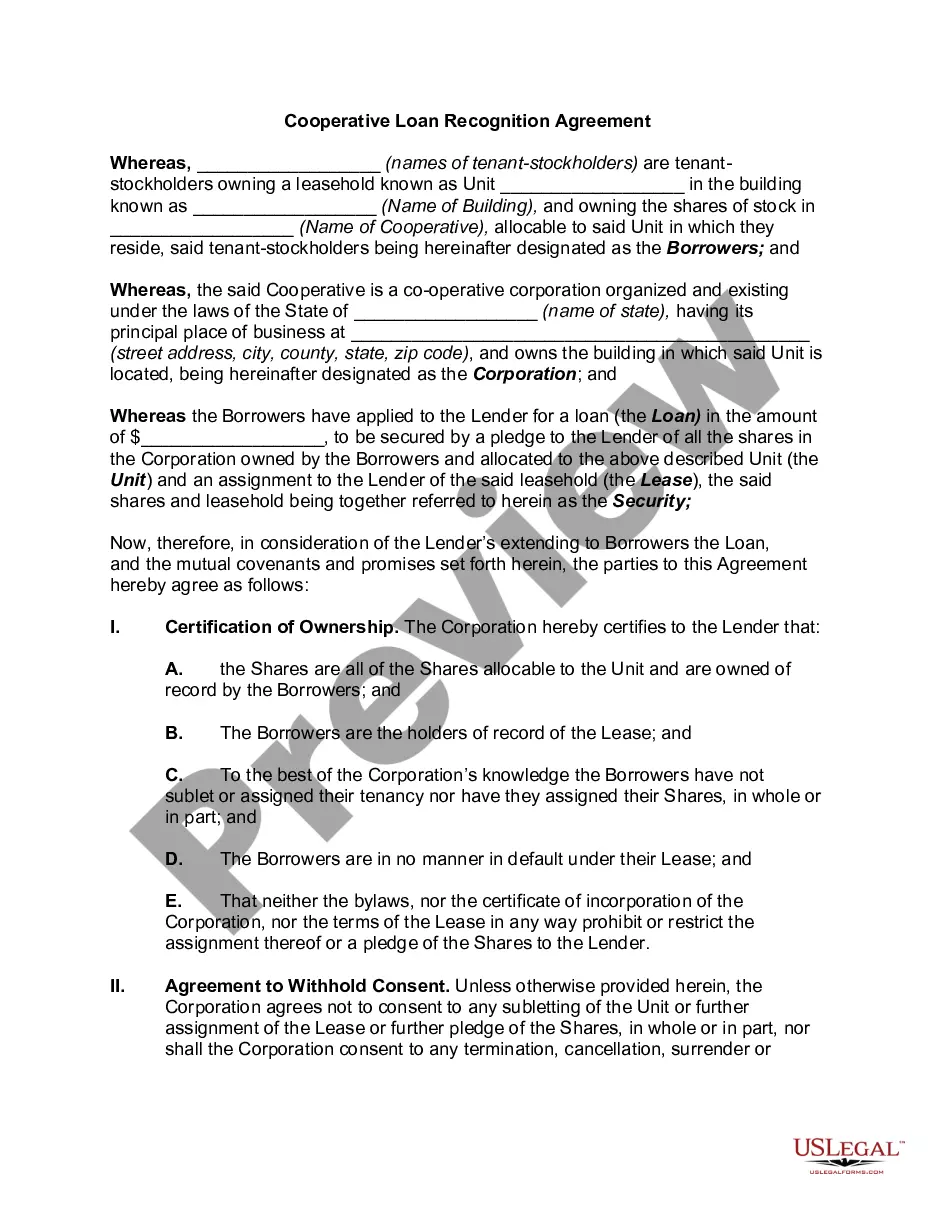
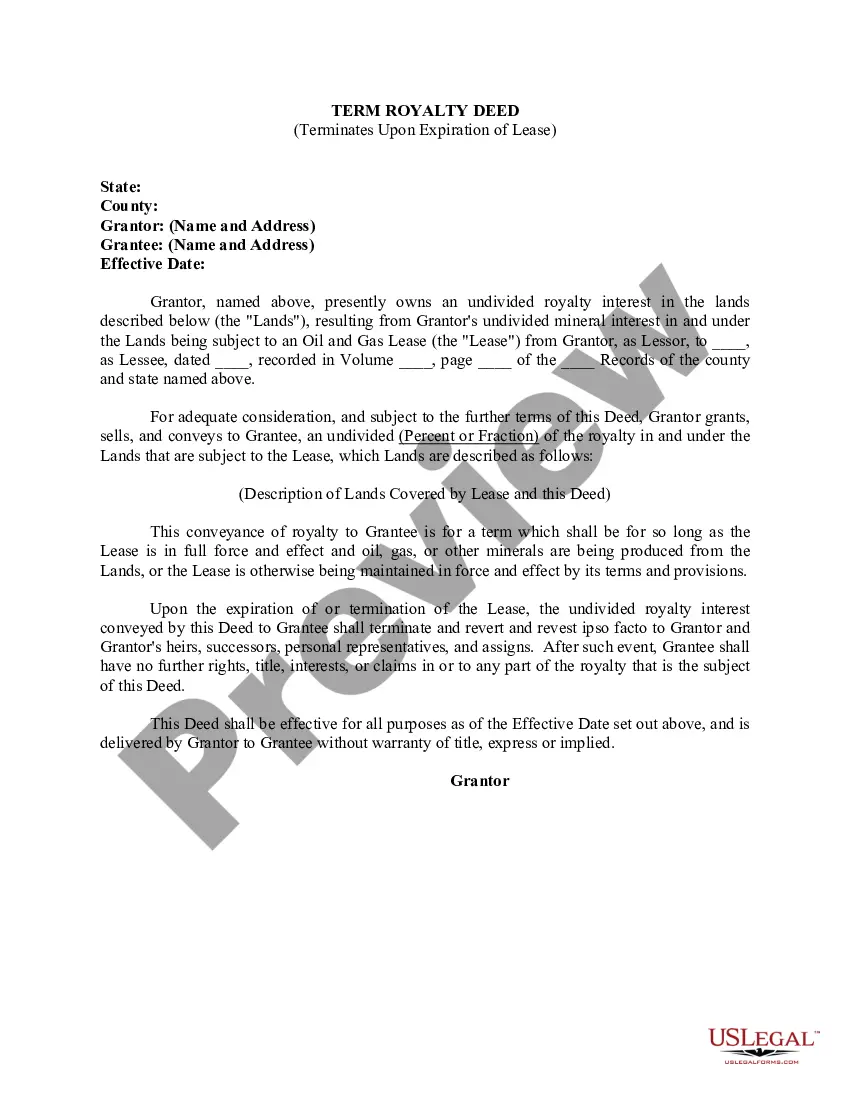
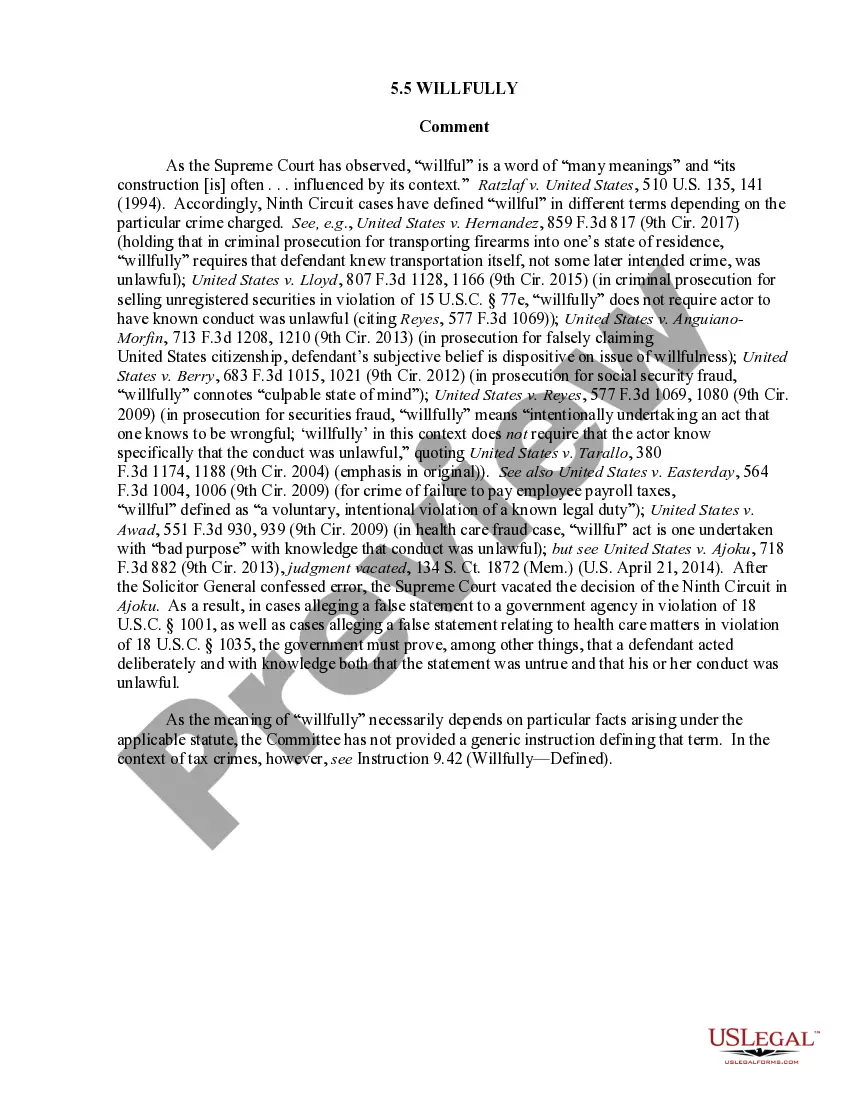
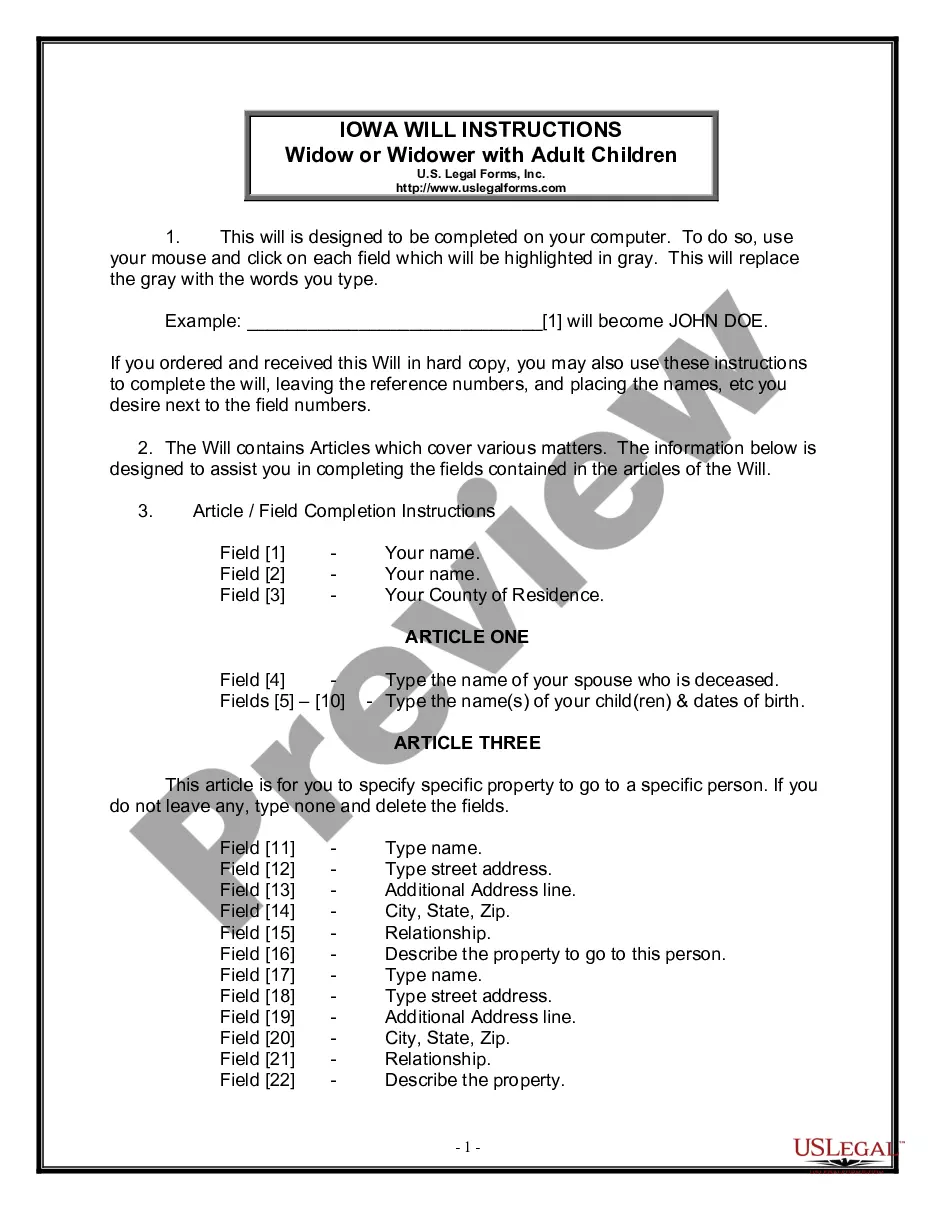
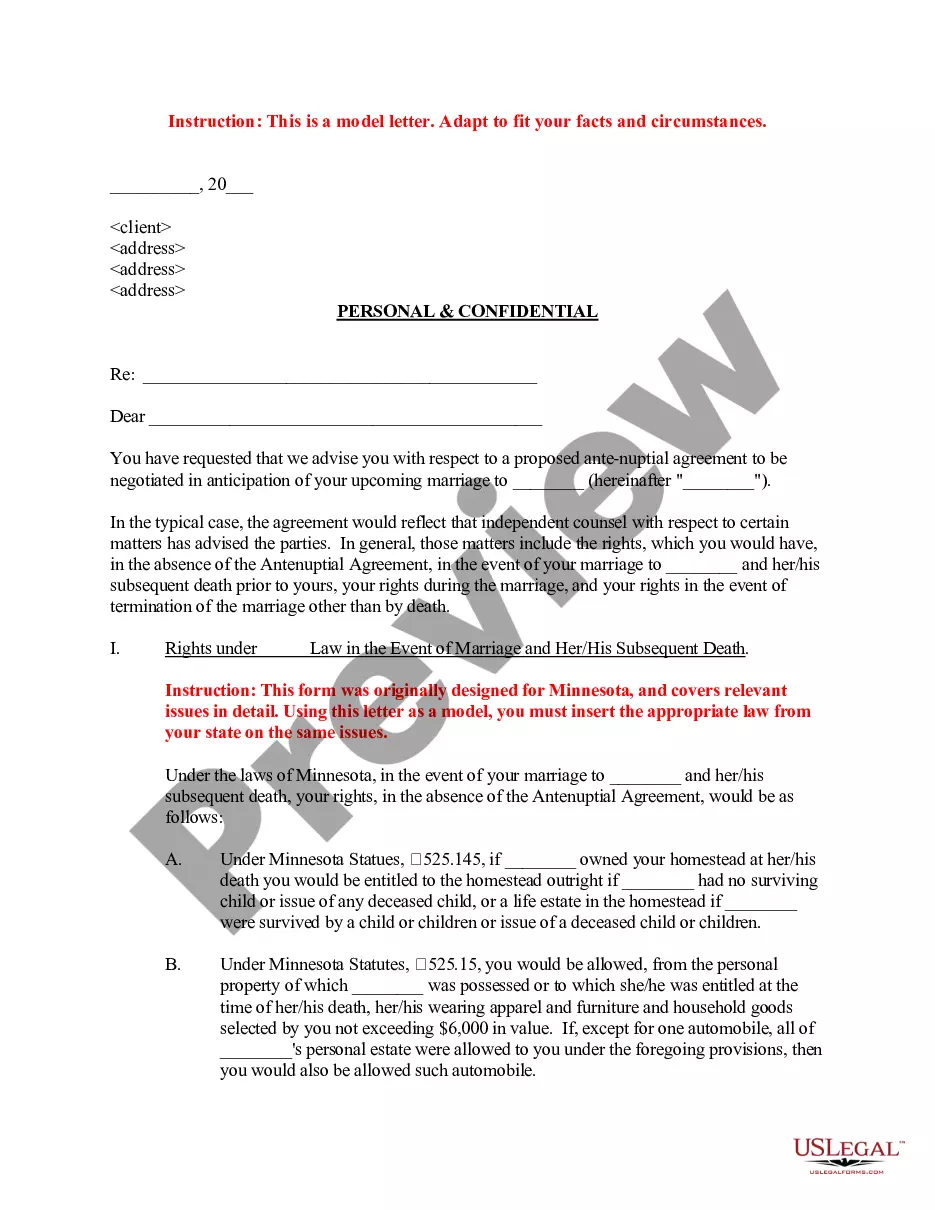
How to fill out Sample Letter For Alleged Payments Due From Defendant?
Selecting the finest legal document template can be quite challenging. Naturally, there are numerous online templates accessible on the web, but how will you acquire the legal form you require? Utilize the US Legal Forms website. The service provides a multitude of templates, such as the Massachusetts Sample Letter for Alleged Payments Due from Defendant, which you can use for business and personal needs. All of the forms are reviewed by experts and comply with state and federal regulations.
If you are already a registered user, Log In to your account and click the Download button to obtain the Massachusetts Sample Letter for Alleged Payments Due from Defendant. Use your account to browse through the legal forms you have purchased previously. Navigate to the My documents tab in your account and download another copy of the document you need.
If you are a new user of US Legal Forms, here are simple instructions for you to follow: First, ensure you have selected the correct form for your specific area/region. You can review the form using the Preview button and read the form description to confirm it is suitable for you. If the form does not meet your requirements, use the Search feature to find the appropriate form. Once you are confident that the form is right, click the Buy now button to purchase the form. Choose the payment plan you prefer and enter the required details. Create your account and complete the transaction using your PayPal account or credit card. Select the file format and download the legal document template for your use. Finally, complete, modify, print, and sign the received Massachusetts Sample Letter for Alleged Payments Due from Defendant.
Make the most of US Legal Forms to streamline your legal documentation process and ensure you have the correct forms for any situation.
- US Legal Forms is the largest repository of legal forms where you can find a variety of document templates.
- Utilize the service to obtain professionally-crafted documents that meet state requirements.
- Ensure compliance with legal standards while accessing necessary forms.
- Simplify your document creation process with user-friendly templates.
- Access a wide array of legal forms tailored to your needs.
- Benefit from expert-reviewed documents for personal and business utilization.
Form popularity
FAQ
Filing a Chapter 93A Complaint in Massachusetts Be sent to the business at least thirty (30) days prior to the filing of an actual lawsuit; State that the claimant is a "consumer" - someone who engages in commerce for primarily personal, family, or household purposes; Identify the claimant's full name and address;
What must a plaintiff show to sue for malicious prosecution? To sue for malicious prosecution, you must show that criminal or civil proceedings were initiated against you or continued without probable cause and that the case against you terminated in your favor.
Your demands are unreasonable or too high. You included threats or disparaging language in your demand letter. Your case is complex, and the other person needs more time to consider your demands. They think the issue will go away on its own, and you won't take legal action.
In the words of the California Supreme Court: "The malicious commencement of a civil proceeding is actionable because it harms the individual against whom the claim is made, and also because it threatens the efficient administration of justice.
(c) In this section: (1) The term "abuse or threatened abuse of law or legal process" means the use or threatened use of a law or legal process, whether administrative, civil, or criminal, in any manner or for any purpose for which the law was not designed, in order to exert pressure on another person to cause that ...
For example, in a case where a former employer sought to bring criminal charges to its employee to recover stolen money, while knowing that the employee was not responsible for the theft, the court held the employer liable for abuse of process for initiating criminal charges while knowing that the charges were ...
The essential elements of the tort of abuse of process are that: "(1) `process' was used; (2) for an ulterior or illegitimate purpose; (3) resulting in damage." Jones v. Brockton Public Markets, Inc., 340 N.E.2d 484, 485 (Mass.
The demand letter serves three basic functions: It provides notice and information to business about the nature of the consumer's claim, It encourages business to negotiate a settlement rather than go to court, and. It controls the number of money damages a consumer may ultimately recover.