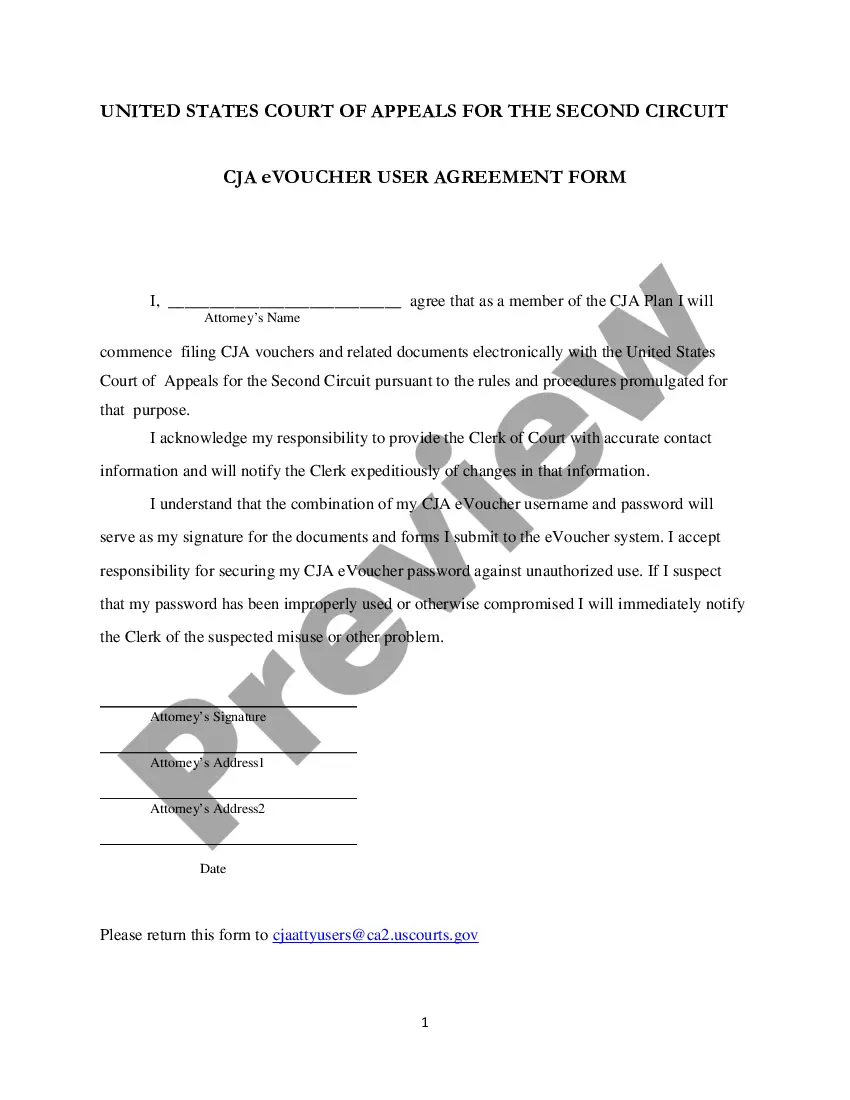
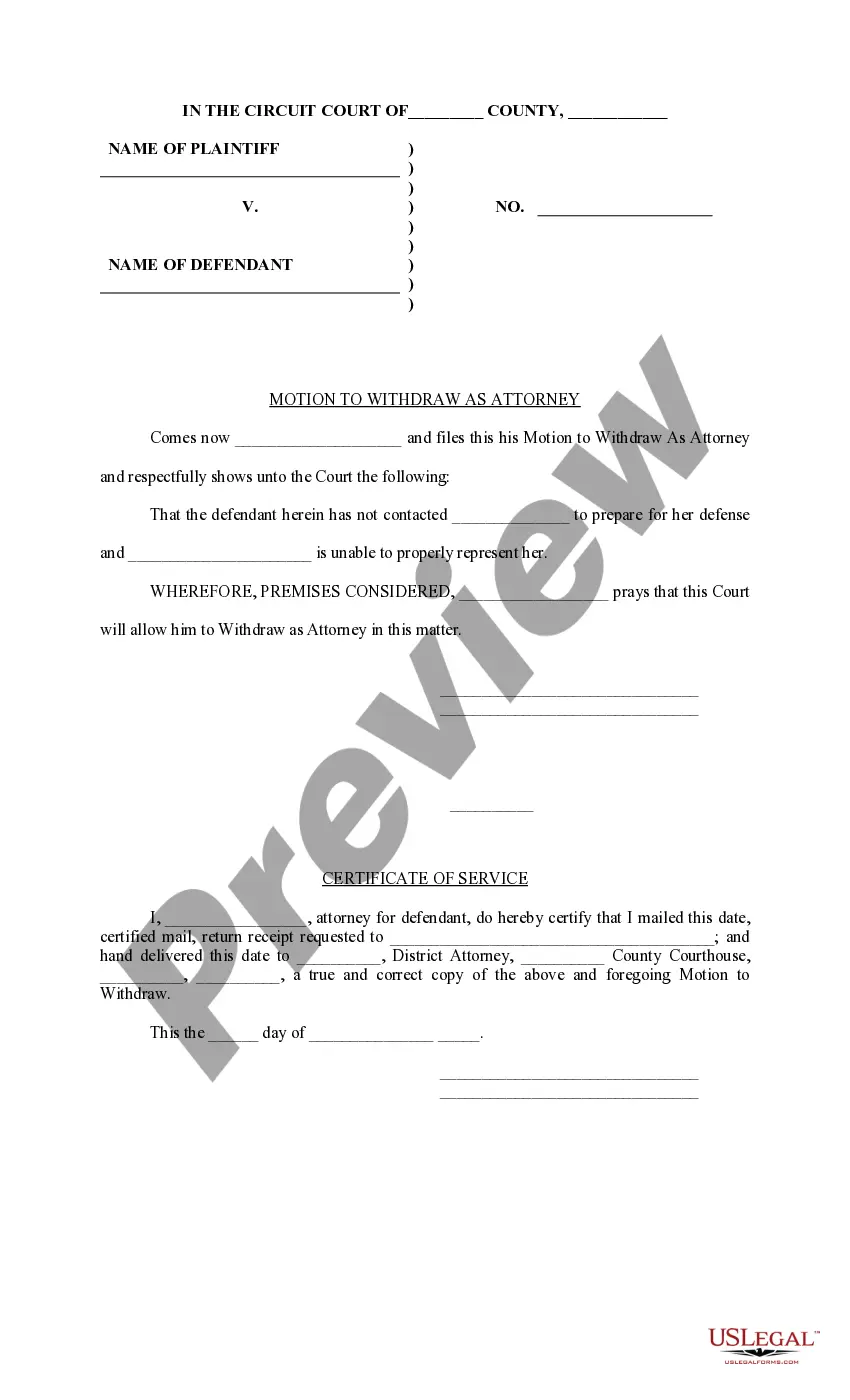
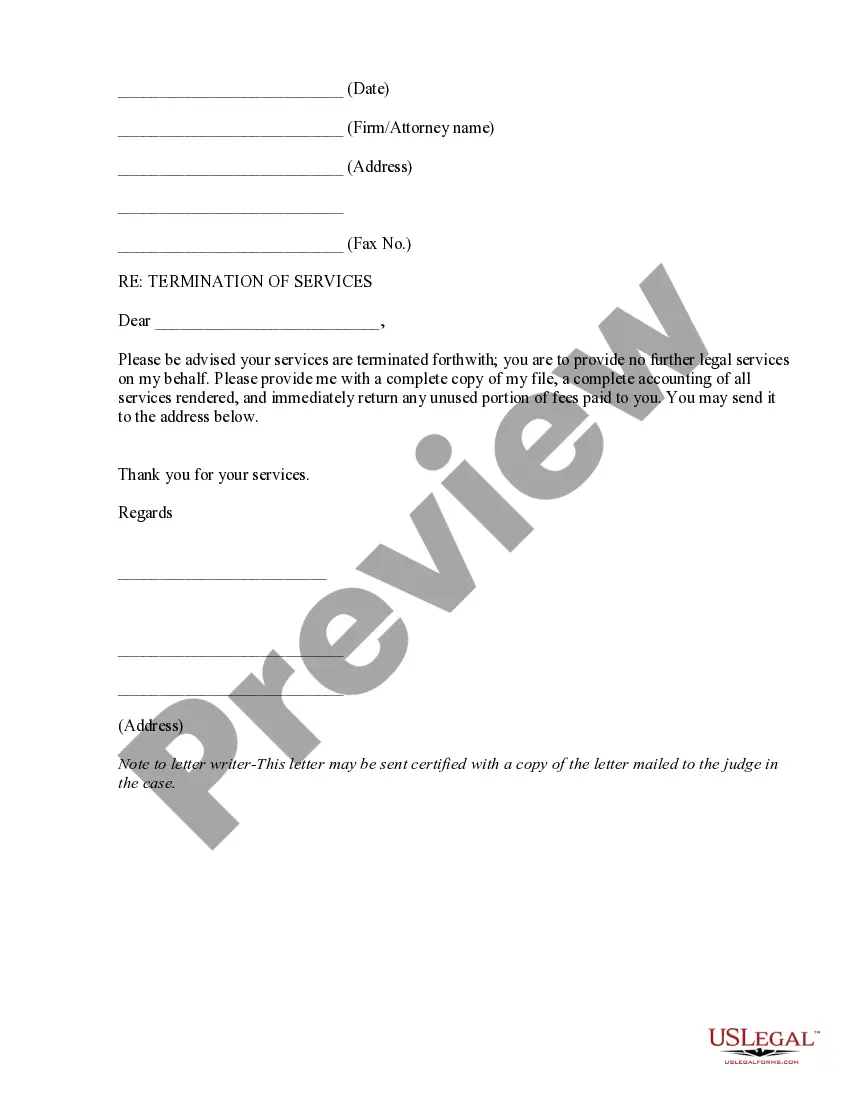
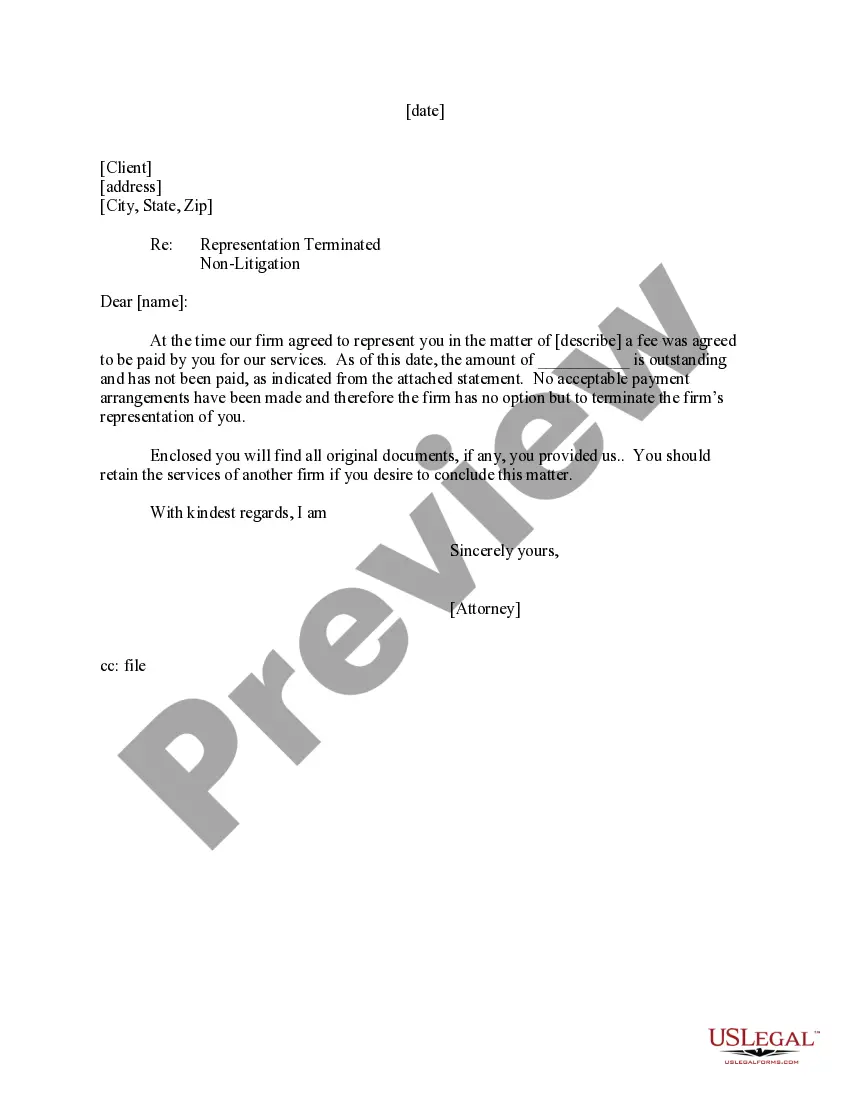
Massachusetts Motion to Withdraw as Attorney
Description
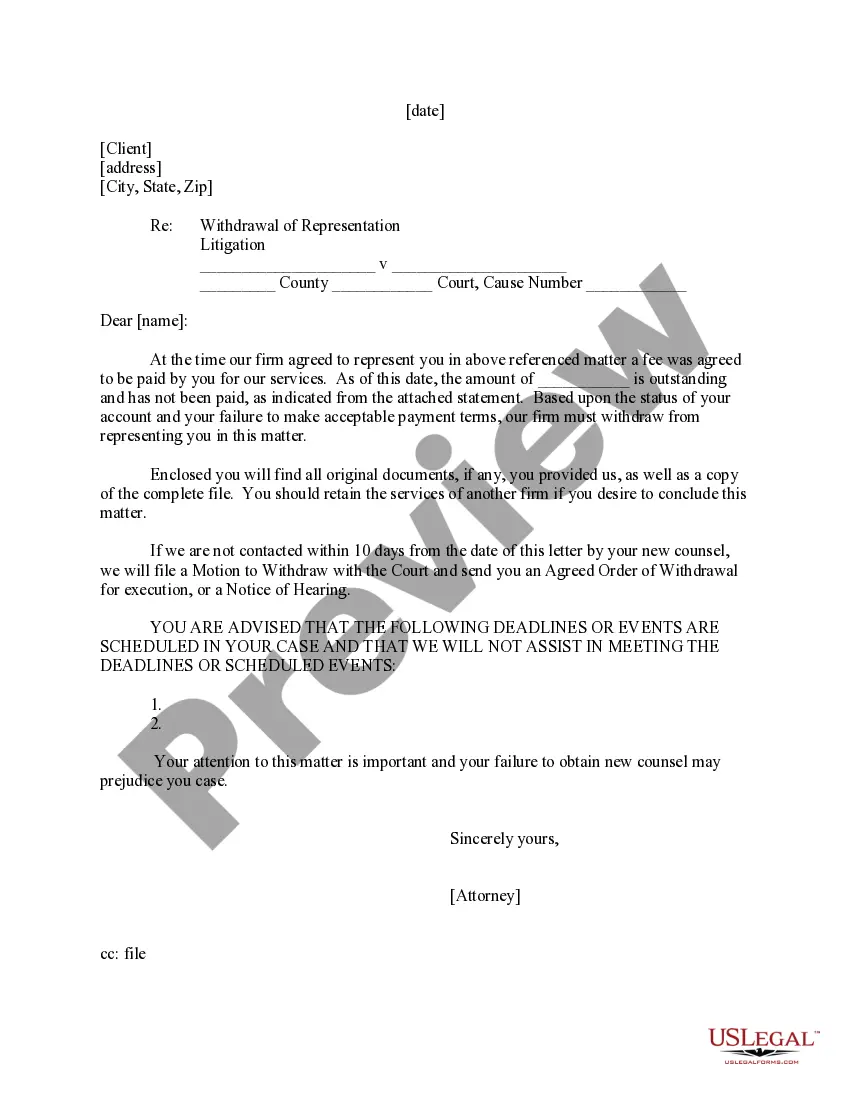
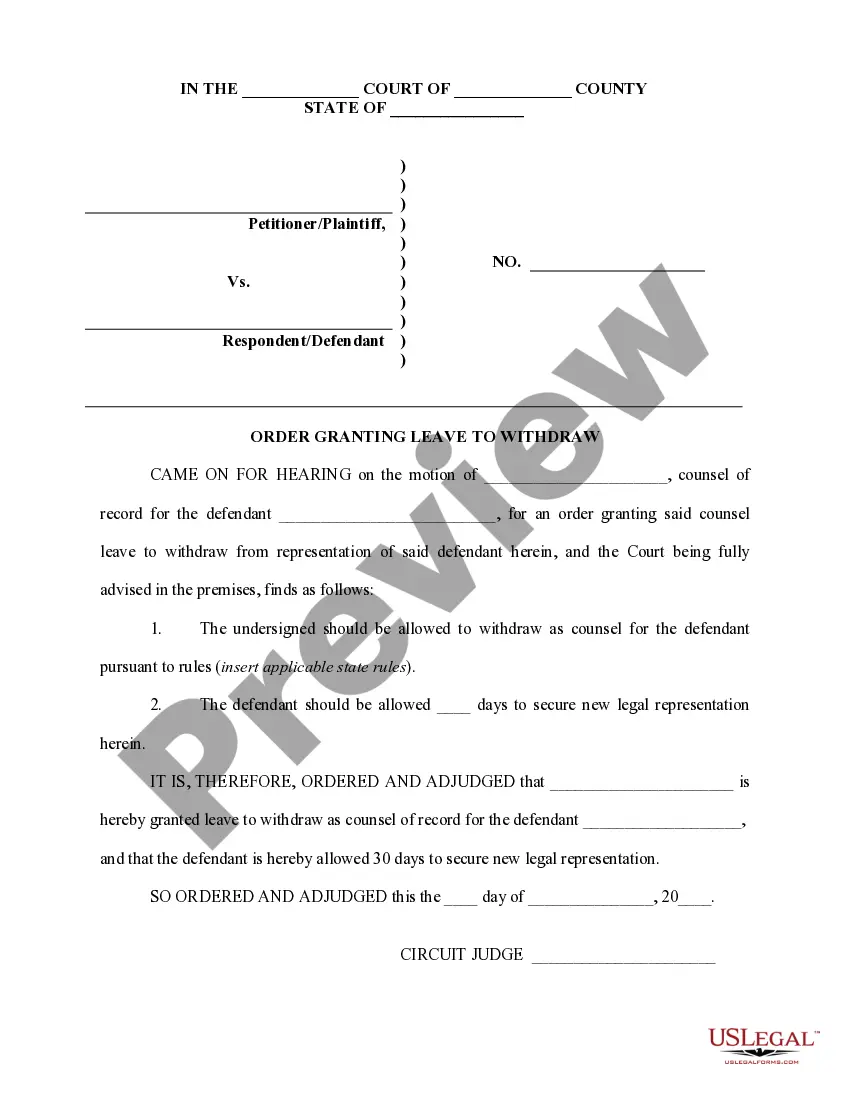
Get your form ready online
Our built-in tools help you complete, sign, share, and store your documents in one place.
Make edits, fill in missing information, and update formatting in US Legal Forms—just like you would in MS Word.
Download a copy, print it, send it by email, or mail it via USPS—whatever works best for your next step.
Sign and collect signatures with our SignNow integration. Send to multiple recipients, set reminders, and more. Go Premium to unlock E-Sign.
If this form requires notarization, complete it online through a secure video call—no need to meet a notary in person or wait for an appointment.
We protect your documents and personal data by following strict security and privacy standards.

Make edits, fill in missing information, and update formatting in US Legal Forms—just like you would in MS Word.

Download a copy, print it, send it by email, or mail it via USPS—whatever works best for your next step.

Sign and collect signatures with our SignNow integration. Send to multiple recipients, set reminders, and more. Go Premium to unlock E-Sign.

If this form requires notarization, complete it online through a secure video call—no need to meet a notary in person or wait for an appointment.

We protect your documents and personal data by following strict security and privacy standards.
Looking for another form?
How to fill out Motion To Withdraw As Attorney?
You can spend time online searching for the valid documents template that fulfills the state and federal requirements you need.
US Legal Forms offers a vast array of valid forms that are reviewed by professionals.
You can easily download or print the Massachusetts Motion to Withdraw as Attorney from our service.
If available, use the Preview button to view the document template as well. If you wish to find another version of the form, use the Search section to locate the template that suits your needs and requirements. Once you have identified the template you want, click Get now to proceed. Choose the pricing plan you prefer, enter your details, and register for your account on US Legal Forms. Complete the transaction. You can use your credit card or PayPal account to pay for the legal form. Select the format of the document and download it to your device. Make adjustments to your document if necessary. You can complete, modify, sign, and print the Massachusetts Motion to Withdraw as Attorney. Obtain and print numerous document layouts using the US Legal Forms website, which offers the largest selection of valid forms. Utilize professional and state-specific layouts to address your business or personal needs.
- If you already possess a US Legal Forms account, you can Log In and click the Obtain button.
- After that, you can complete, modify, print, or sign the Massachusetts Motion to Withdraw as Attorney.
- Every valid document template you obtain is yours permanently.
- To get another copy of any purchased form, go to the My documents tab and click the appropriate button.
- If you are using the US Legal Forms website for the first time, follow the simple steps below.
- First, ensure that you have chosen the correct document template for the county/city of your choice.
- Review the form description to confirm you have selected the correct form.
Form popularity
FAQ
6 Reasons Why an Attorney May Decline Your Case Financial Risks. Attorneys charge for time spent on a case. ... Conflict of Interest. Every attorney takes a code of ethics when practicing law. ... Expertise. ... Allotted Time. ... Client Reputation. ... Strengths and Weakness In Your Case.
Under Rule 1.16(a), lawyers are required to either decline to represent a client, or to withdraw, when the representation would result in a violation of the rules of professional conduct or other law; the lawyer's physical or mental condition materially impairs their ability to represent client; or the lawyer has been ...
Rule 1.16 - Declining or Terminating Representation (a) Except as stated in paragraph (c), a lawyer shall not represent a client or, where representation has commenced, shall withdraw from the representation of a client if: (1) the representation will result in violation of the rules of professional conduct or other ...
Two of the most common reasons why attorneys end representation is because of disputes regarding money and conflicts between the lawyer and the client. Lawsuits, especially those that require a hearing or trial are very expensive. Most people never anticipate needing an attorney, so they don't plan or save for it.
No attorney shall become bail or surety in any criminal proceeding in which he is employed, or in any civil action or proceeding whatever in this court except as an endorser for costs.
The Rules of Professional Conduct of the State Bar of California (?Rules of Conduct?) specify three circumstances under which an attorney must terminate a client relationship: (1) where the attorney knows or reasonably should know that a client is bringing an action, conducting a defense, asserting a position in ...
Rule 41(b)(2) provides for involuntary dismissal upon motion of the defendant on one of two grounds: (1) failure to comply with the rules or any order of the court; or (2) in an action tried without a jury, if, upon the facts and the law, the plaintiff has shown no right to relief.
Model Rule 1.16(b) and similar rules in many states impose additional limits on a lawyer's ability to withdraw, permitting withdrawal when: the client persists in a criminal or fraudulent course of action; the client has used the lawyer's services to perpetrate a crime or fraud;