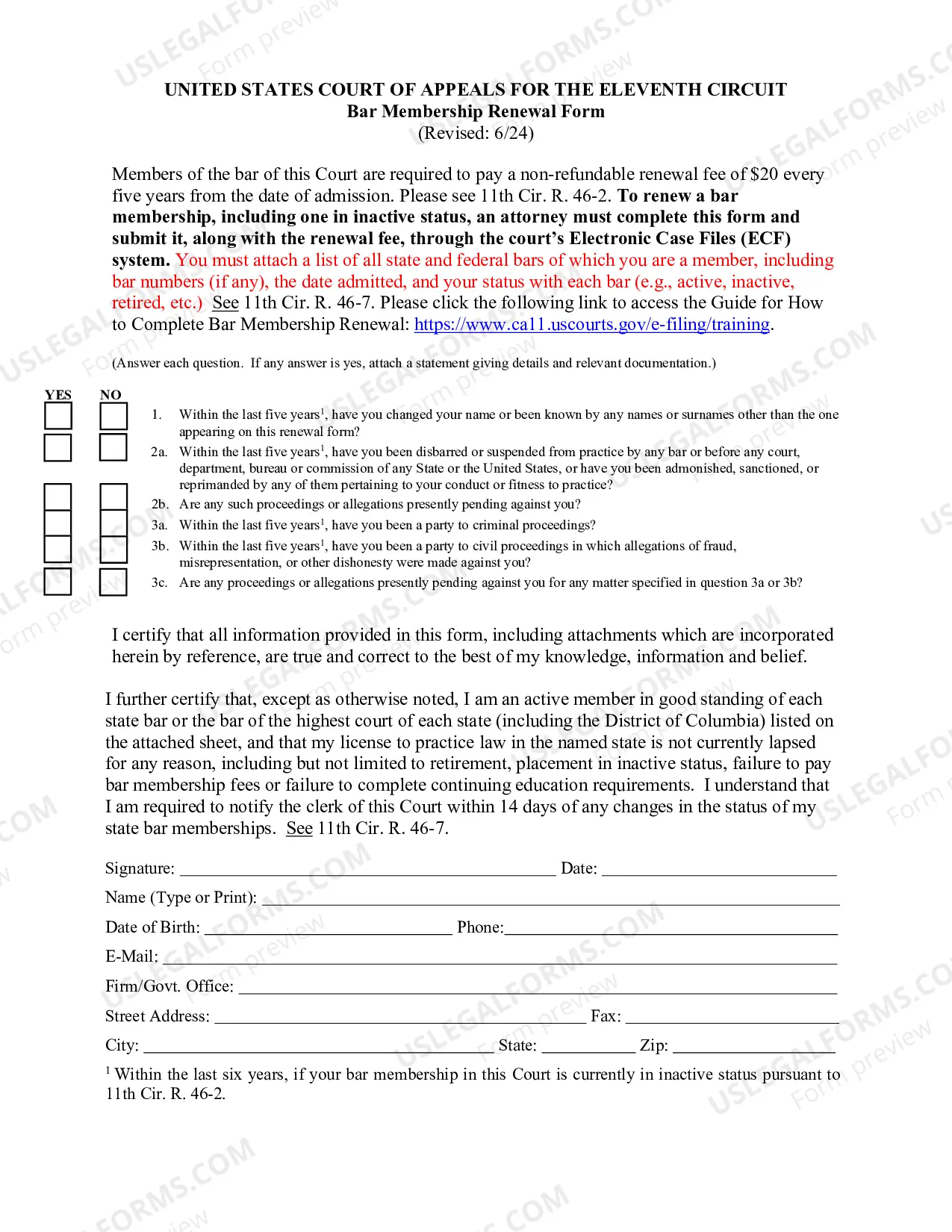
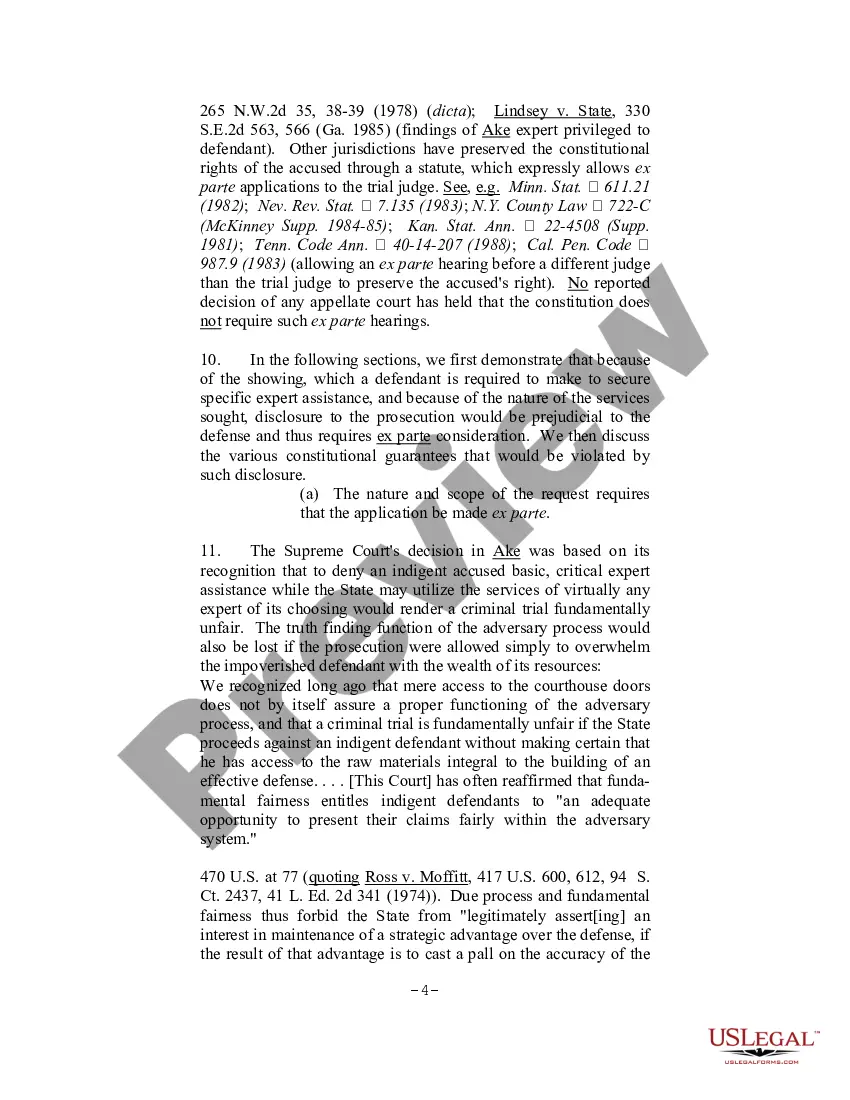
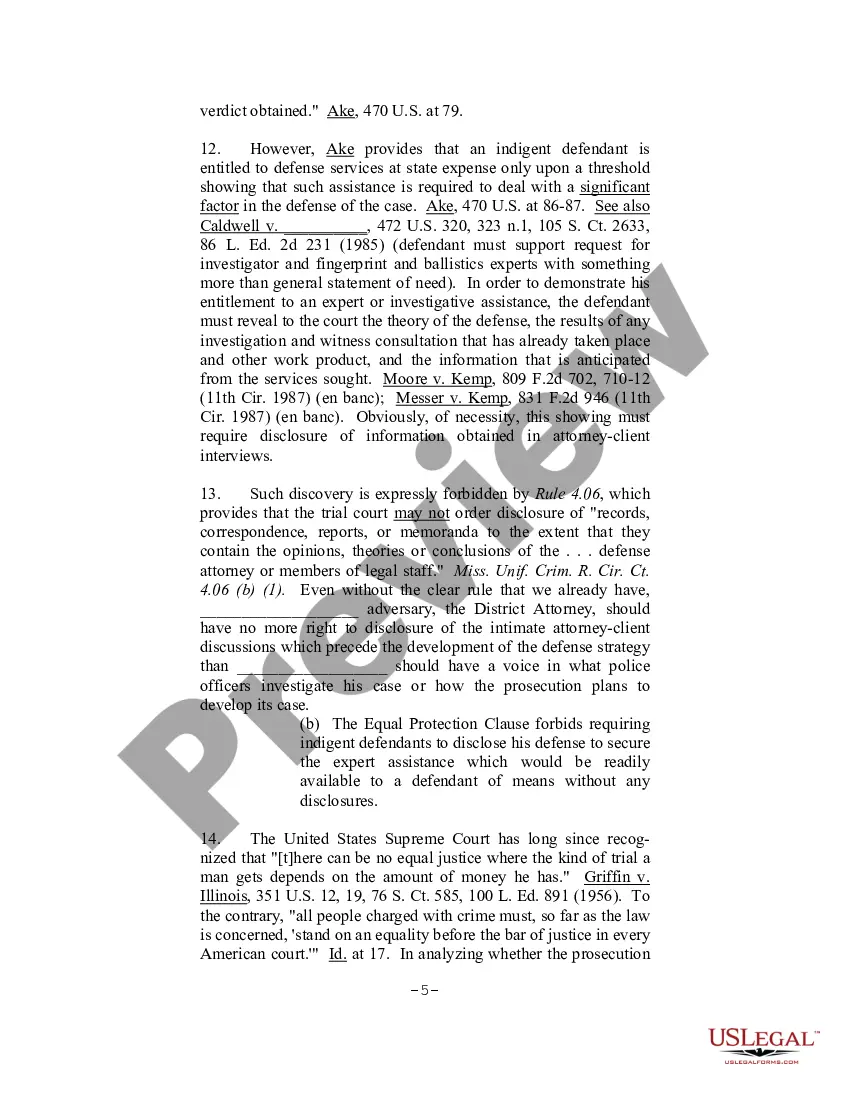
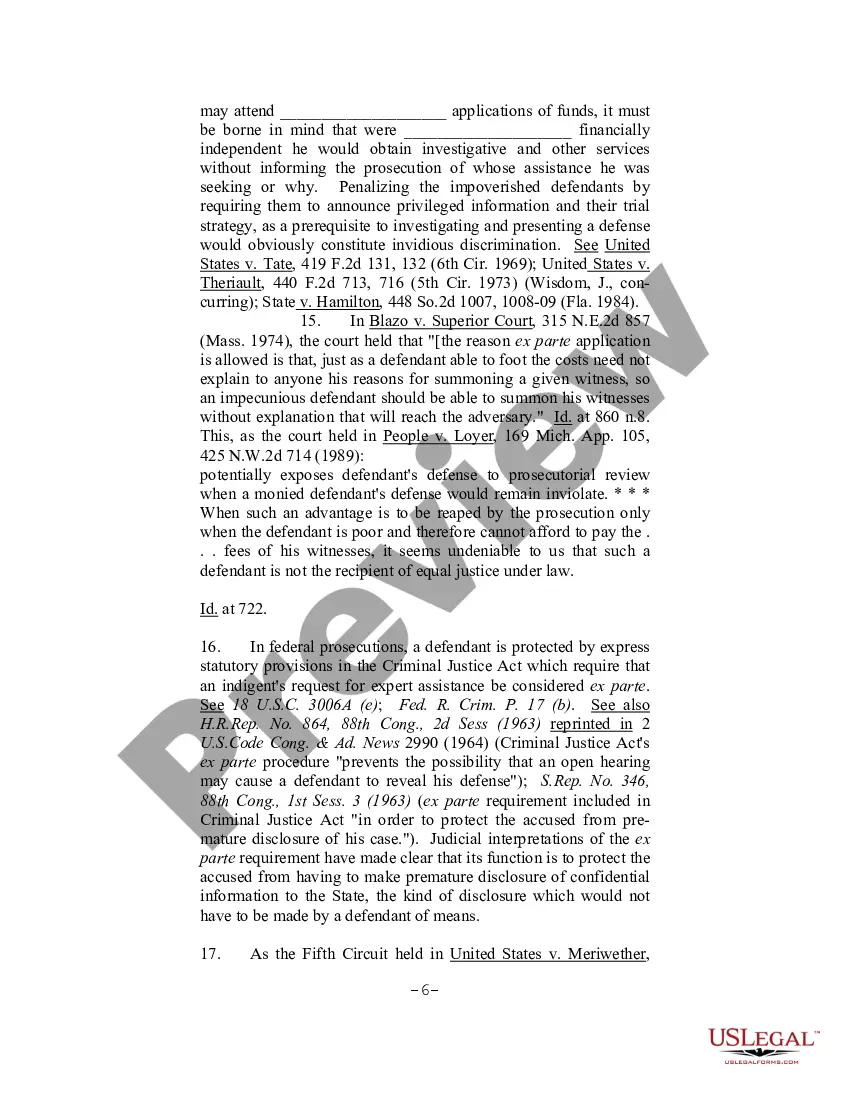
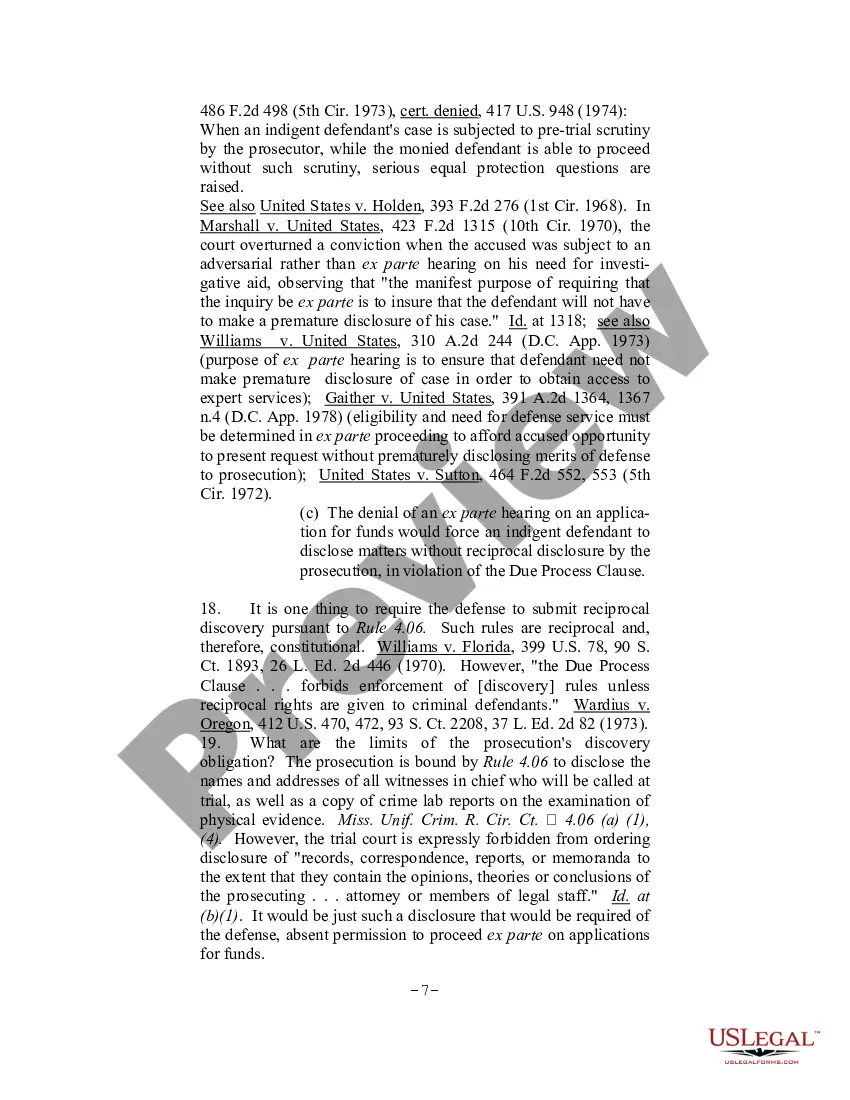
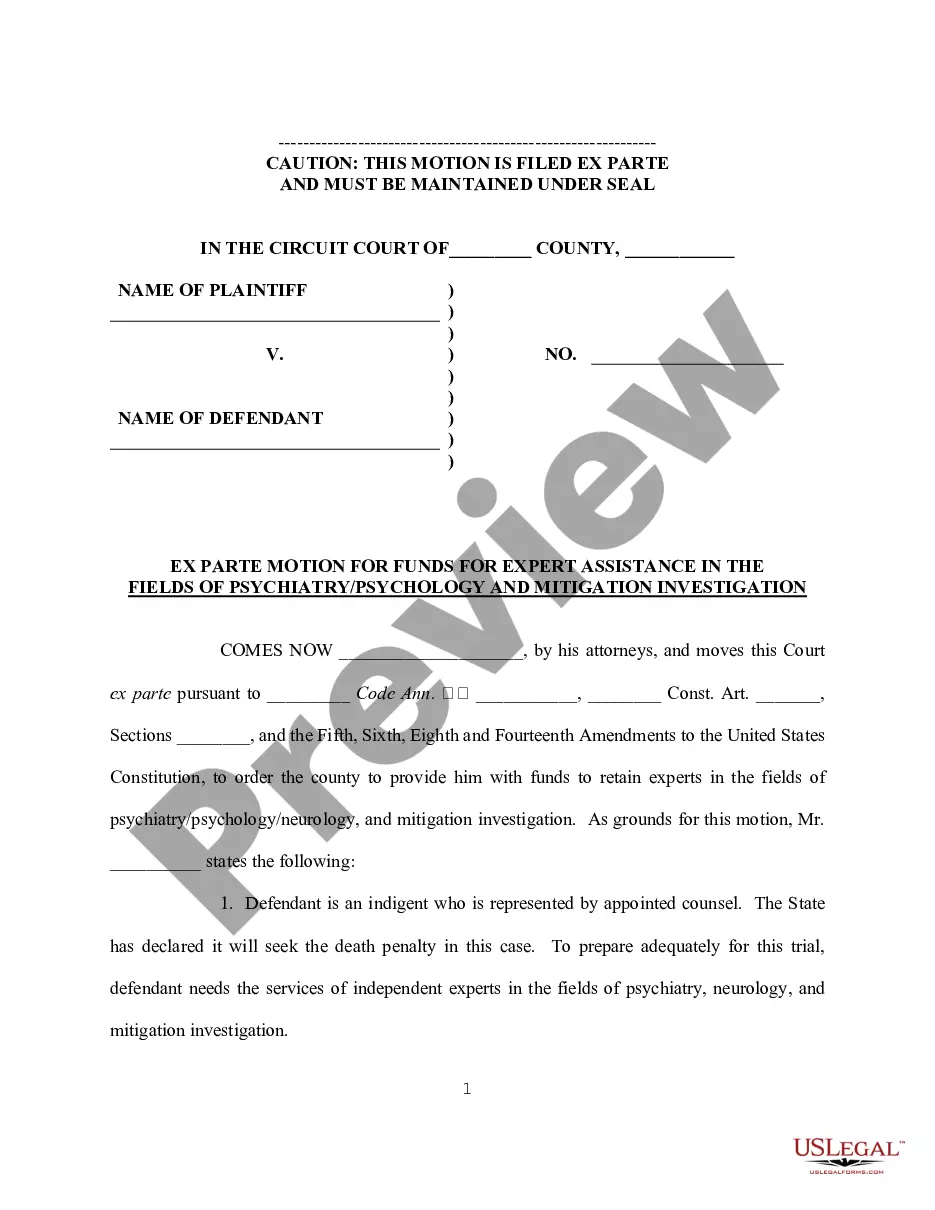
Massachusetts Motion for Permission to Proceed Ex Parte on Applications for Funds
Description

Get your form ready online
Our built-in tools help you complete, sign, share, and store your documents in one place.
Make edits, fill in missing information, and update formatting in US Legal Forms—just like you would in MS Word.
Download a copy, print it, send it by email, or mail it via USPS—whatever works best for your next step.
Sign and collect signatures with our SignNow integration. Send to multiple recipients, set reminders, and more. Go Premium to unlock E-Sign.
If this form requires notarization, complete it online through a secure video call—no need to meet a notary in person or wait for an appointment.
We protect your documents and personal data by following strict security and privacy standards.

Make edits, fill in missing information, and update formatting in US Legal Forms—just like you would in MS Word.

Download a copy, print it, send it by email, or mail it via USPS—whatever works best for your next step.

Sign and collect signatures with our SignNow integration. Send to multiple recipients, set reminders, and more. Go Premium to unlock E-Sign.

If this form requires notarization, complete it online through a secure video call—no need to meet a notary in person or wait for an appointment.

We protect your documents and personal data by following strict security and privacy standards.
Looking for another form?
How to fill out Motion For Permission To Proceed Ex Parte On Applications For Funds?
Selecting the correct legal document format can be quite a challenge. Clearly, there are numerous templates available online, but how can you find the legal form you need? Use the US Legal Forms website. The service offers a vast array of templates, such as the Massachusetts Motion for Permission to Proceed Ex Parte on Applications for Funds, which can be utilized for business and personal purposes. All the forms are reviewed by professionals and comply with federal and state requirements.
If you are already registered, Log In to your account and click on the Download button to retrieve the Massachusetts Motion for Permission to Proceed Ex Parte on Applications for Funds. Use your account to search through the legal forms you have purchased previously. Visit the My documents tab of your account and download another copy of the document you need.
If you are a new user of US Legal Forms, here are simple instructions for you to follow: First, ensure you have selected the correct form for your jurisdiction/state. You may review the form using the Review button and examine the form outline to confirm this is the right one for you. If the form does not meet your requirements, utilize the Search field to find the appropriate form. Once you are confident that the form is correct, select the Get Now button to obtain the form. Choose the pricing plan you prefer and fill in the necessary information. Create your account and pay for the transaction using your PayPal account or credit card. Select the file format and download the legal document format to your device. Complete, edit, print, and sign the acquired Massachusetts Motion for Permission to Proceed Ex Parte on Applications for Funds.
US Legal Forms is the premier repository of legal templates where you can find various document formats. Use the service to obtain well-crafted documents that comply with state requirements.
- Selecting the correct legal document format can be quite a challenge.
- Clearly, there are numerous templates available online, but how can you find the legal form you need.
- If you are already registered, Log In to your account and click on the Download button.
- If you are a new user of US Legal Forms, here are simple instructions for you to follow.
- Ensure you have selected the correct form for your jurisdiction/state.
- Complete, edit, print, and sign the acquired document.
Form popularity
FAQ
The lien is a legal charge to take ownership of the defendant's property to satisfy a debt. The writ of attachment allows the lien to be exercised should the plaintiff successfully obtain a judgment against the defendant. There are several different types of attachment.
For example, a court might attach part of a defendant's bank account to prevent her from transferring all of her money to an off-shore account. In all but the most exceptional cases, courts must hold a hearing and follow other procedural safeguards before ordering attachment as a provisional remedy.
Rule 12 - Defenses and Objections-When and How Presented-By Pleading or Motion-Motion for Judgment on Pleadings (a) When Presented. (1) After service upon him of any pleading requiring a responsive pleading, a party shall serve such responsive pleading within 20 days unless otherwise directed by order of the court.
All civil motions shall be governed, where applicable, by Superior Court Rules 9A through 9E. Any criminal motion must be in writing and filed before being placed upon a list for hearing, unless otherwise ordered by the court, or otherwise provided for under Superior Court Rule 61.
Attachment is a legal term referring to the action of seizing property in anticipation of a favorable ruling for a plaintiff who claims to be owed money by the defendant. Attachment is a preliminary procedure; the seizure may prove unwarranted if the court rules in favor of the defendant.
A writ of attachment is a form of prejudgment process in which the court orders the seizure or attachment of property specifically described in the writ. Such property is seized and maintained in the custody of a designated official, usually the U.S. Marshal, under order and supervision of the court.
Massachusetts General Law enables the Sheriff's Department to attach real property through Writs of Attachment issued by the Superior of District Courts. These attachments are made by a Deputy Sheriff who records the attachments at the Registry of Deeds.
In representing a client, a lawyer shall not communicate about the subject of the representation with a person the lawyer knows to be represented by another lawyer in the matter, unless the lawyer has the consent of the other lawyer or is authorized to do so by law or a court order.