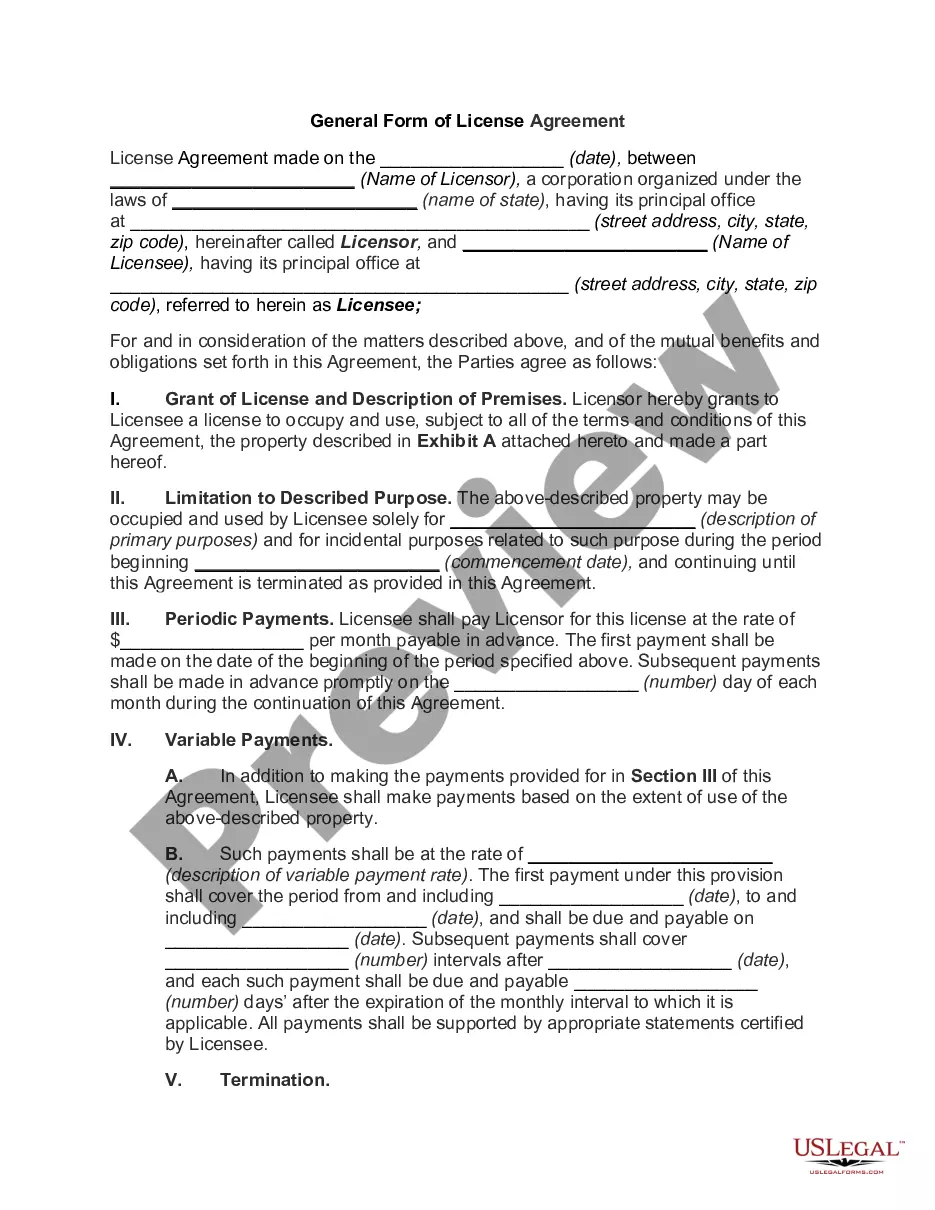
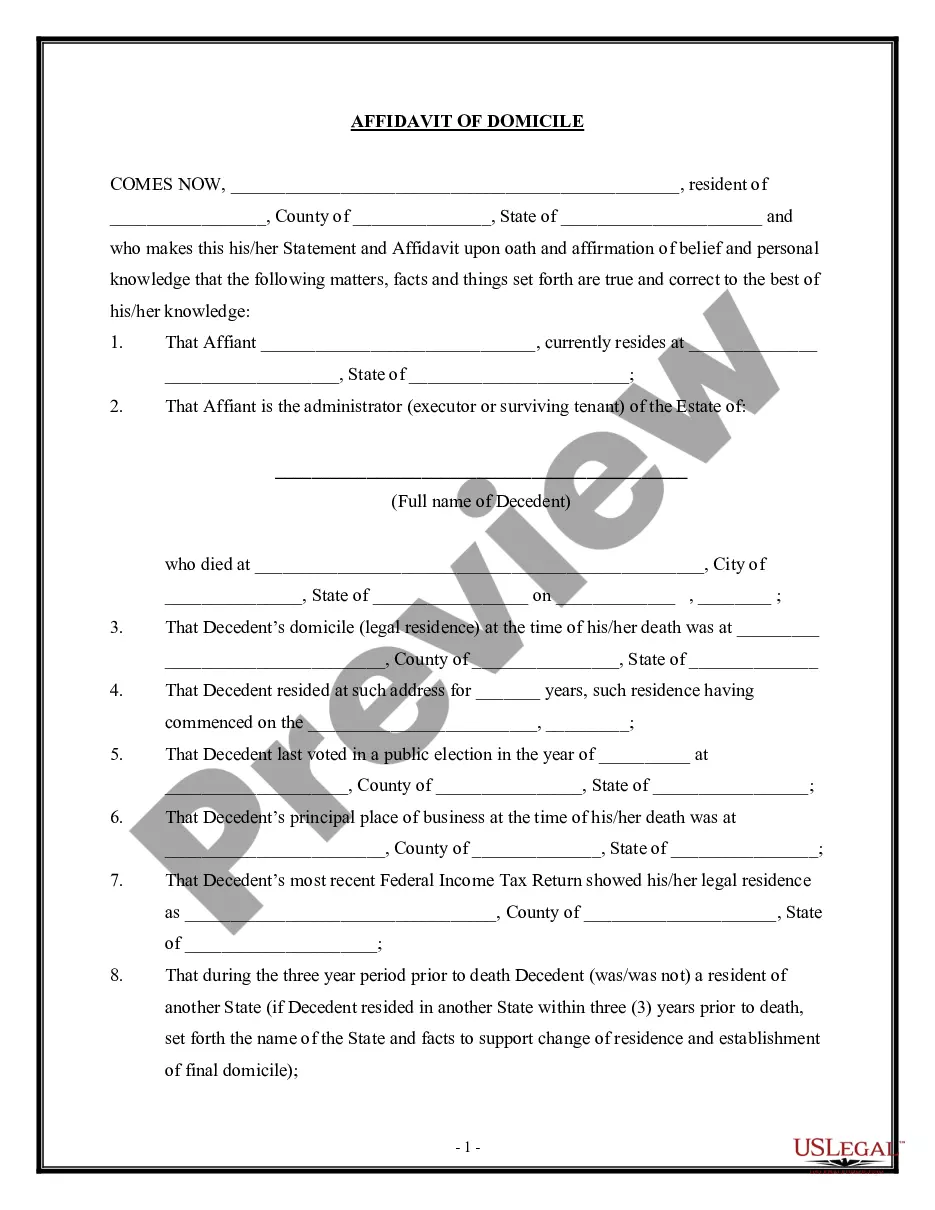
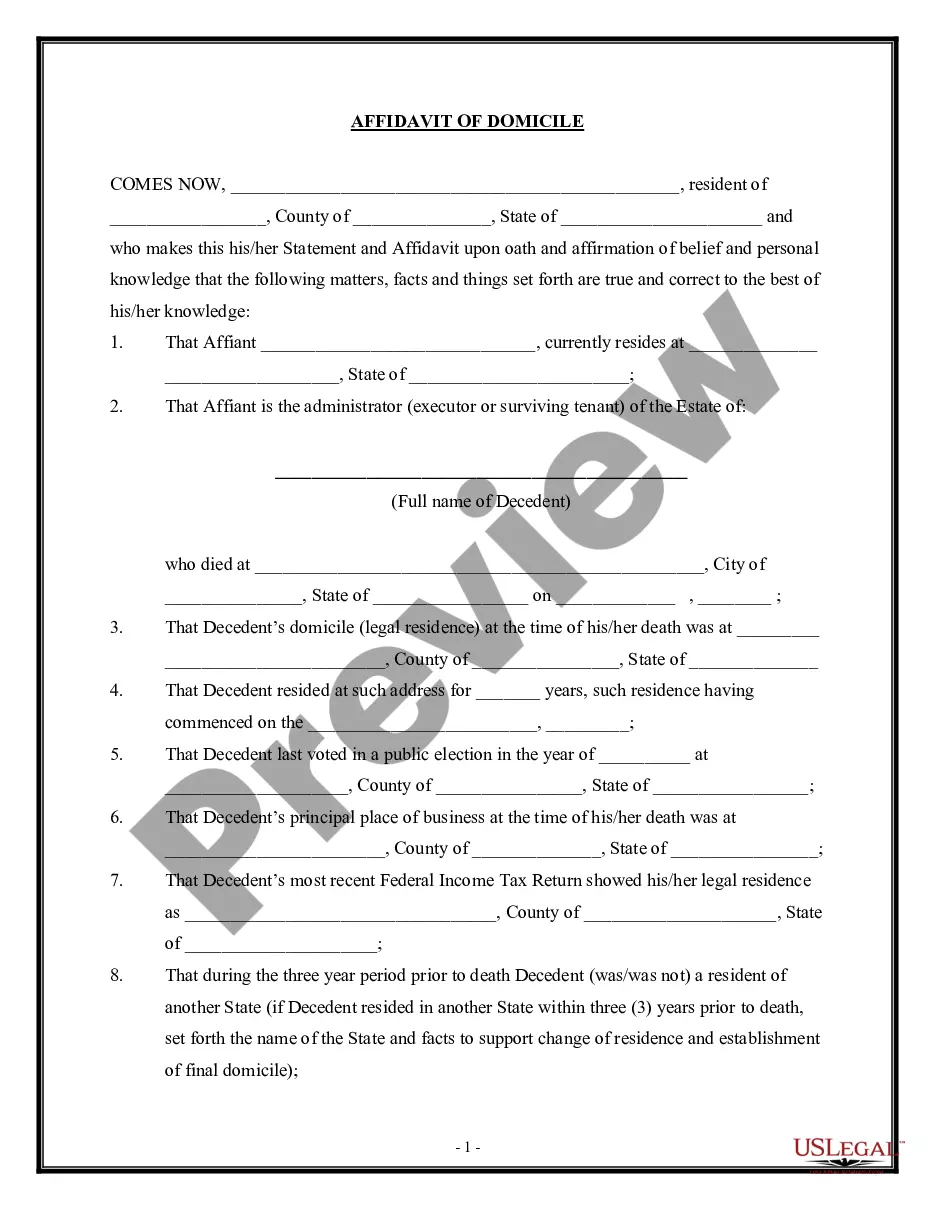
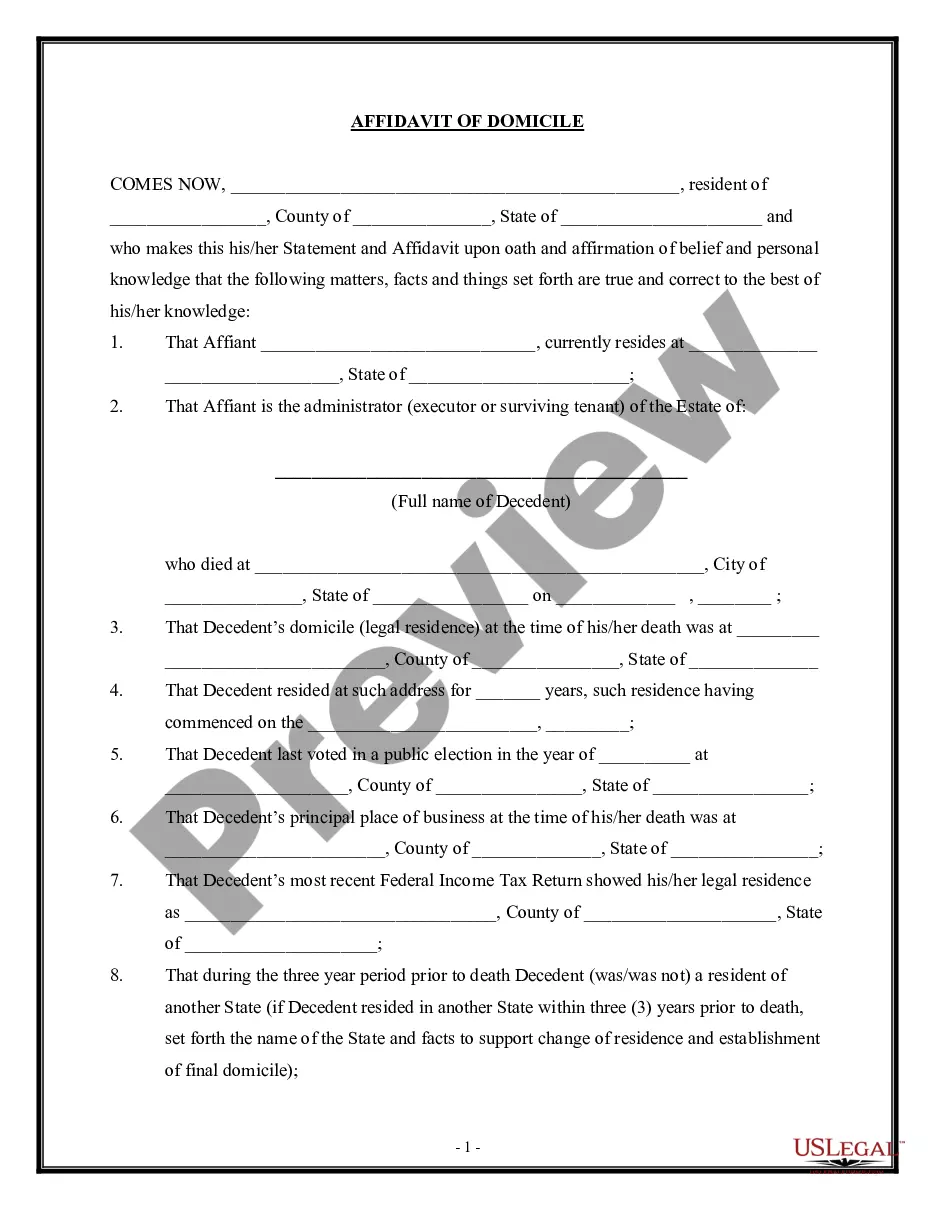
Massachusetts Affidavit of Domicile
Description
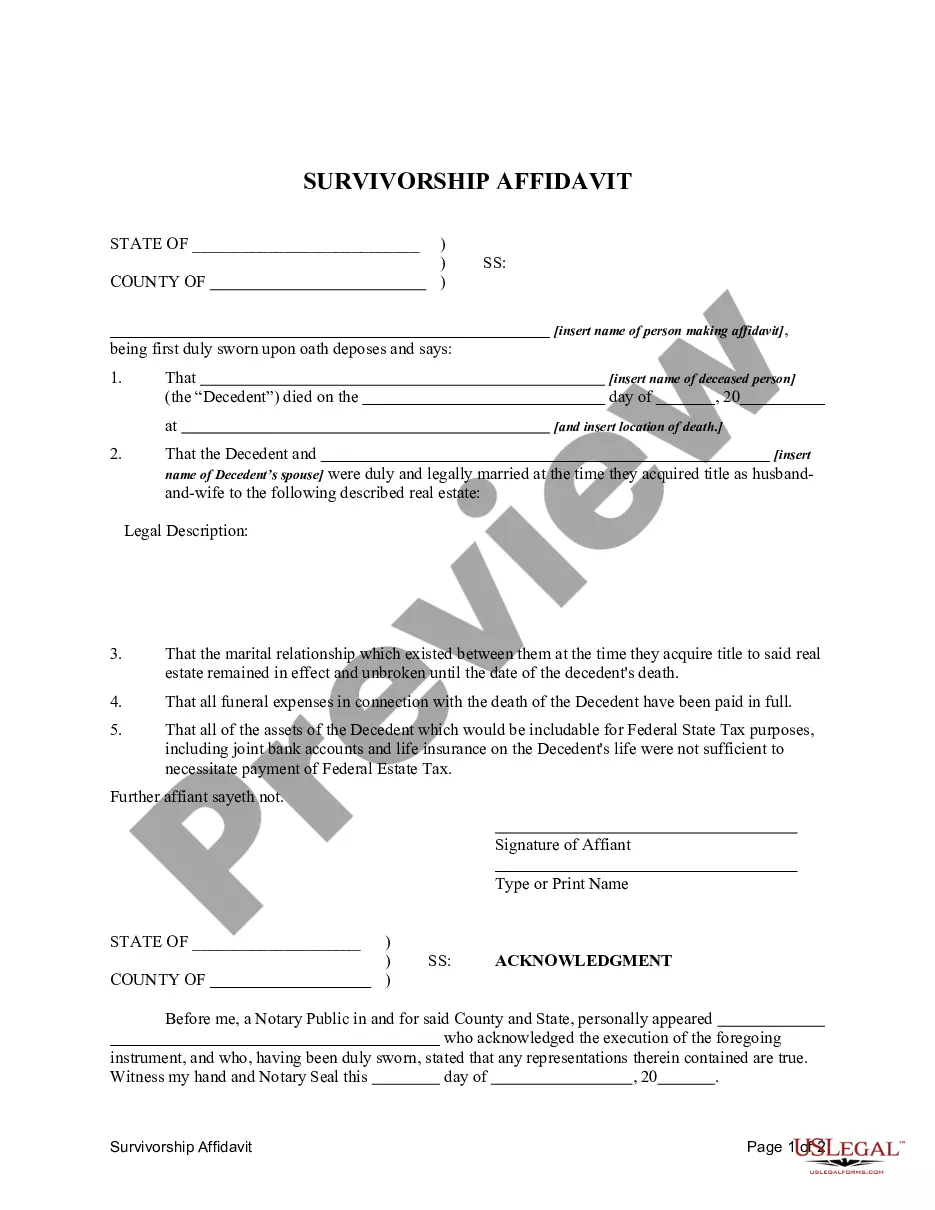
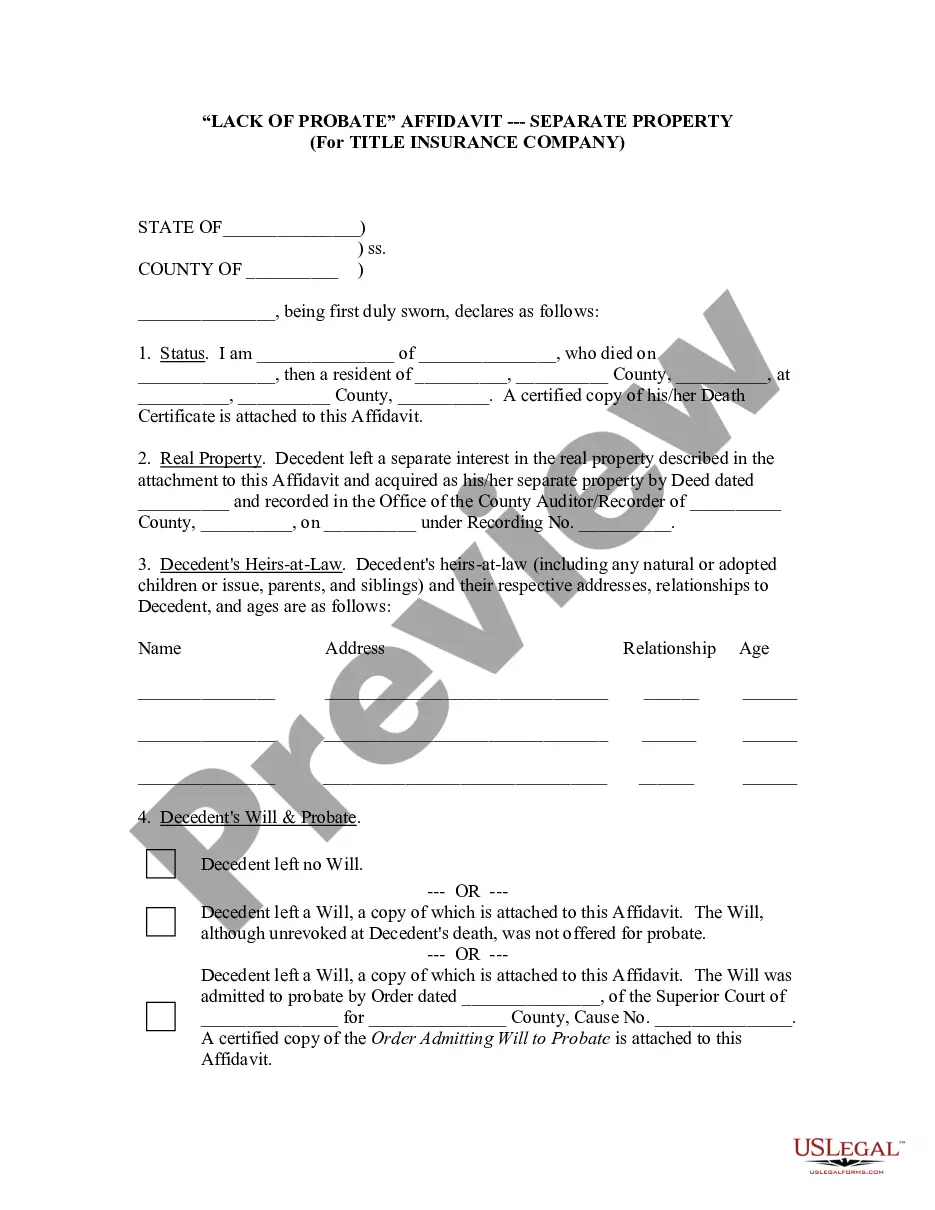
Get your form ready online
Our built-in tools help you complete, sign, share, and store your documents in one place.
Make edits, fill in missing information, and update formatting in US Legal Forms—just like you would in MS Word.
Download a copy, print it, send it by email, or mail it via USPS—whatever works best for your next step.
Sign and collect signatures with our SignNow integration. Send to multiple recipients, set reminders, and more. Go Premium to unlock E-Sign.
If this form requires notarization, complete it online through a secure video call—no need to meet a notary in person or wait for an appointment.
We protect your documents and personal data by following strict security and privacy standards.

Make edits, fill in missing information, and update formatting in US Legal Forms—just like you would in MS Word.

Download a copy, print it, send it by email, or mail it via USPS—whatever works best for your next step.

Sign and collect signatures with our SignNow integration. Send to multiple recipients, set reminders, and more. Go Premium to unlock E-Sign.

If this form requires notarization, complete it online through a secure video call—no need to meet a notary in person or wait for an appointment.

We protect your documents and personal data by following strict security and privacy standards.
Looking for another form?
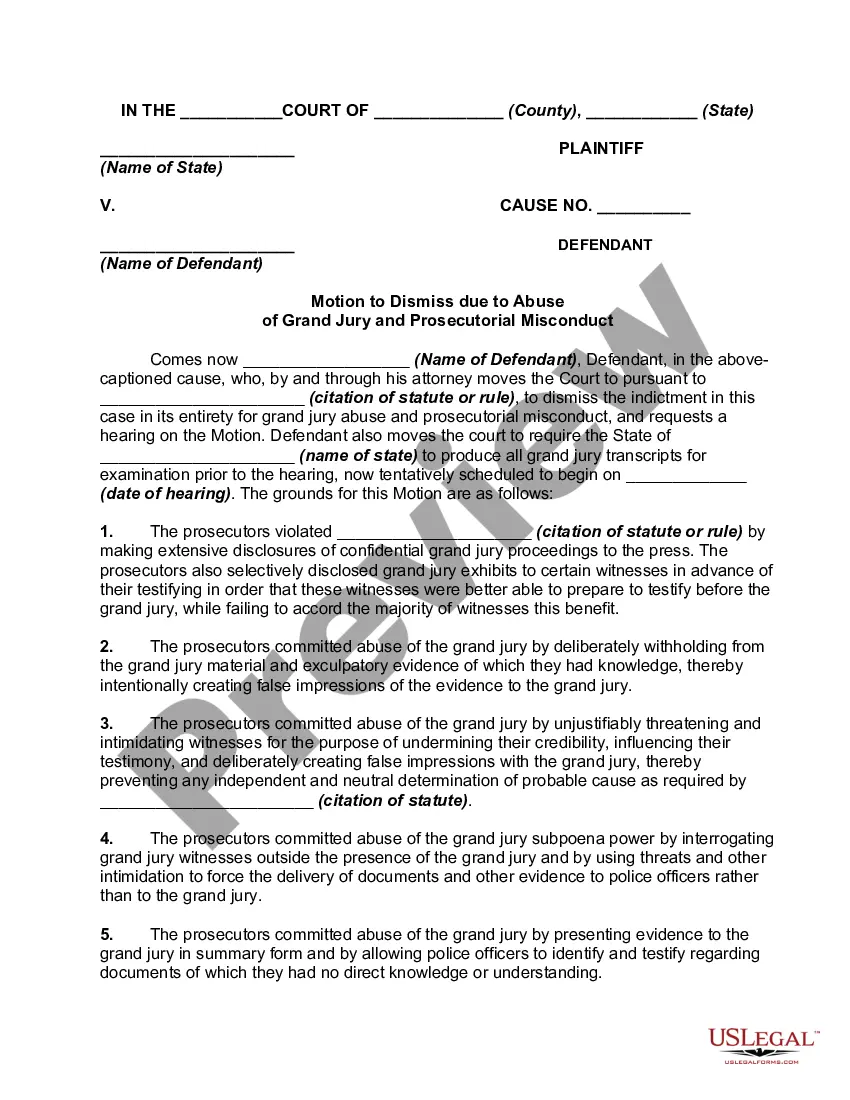
How to fill out Affidavit Of Domicile?
You can spend hours online searching for the legal document template that meets the state and federal specifications you require.
US Legal Forms offers thousands of legal templates that are assessed by experts.
You can easily download or print the Massachusetts Affidavit of Domicile from my service.
If available, use the Preview button to view the document format as well. If you wish to find an alternative version of the form, use the Search box to locate the template that fits your needs and requirements.
- If you already possess a US Legal Forms account, you may Log In and then click the Obtain button.
- After that, you may complete, modify, print, or sign the Massachusetts Affidavit of Domicile.
- Every legal document template you purchase is yours permanently.
- To obtain another copy of the purchased form, visit the My documents section and click the corresponding button.
- If you are using the US Legal Forms website for the first time, follow the simple instructions below.
- First, ensure that you have selected the correct document template for your county/city of preference.
- Check the form details to confirm you have chosen the correct template.
Form popularity
FAQ
In Massachusetts, any individual who meets the legal criteria for declaring their domicile can complete an Affidavit of Domicile. This typically includes residents who can provide proof of their primary residence. However, if you are unsure about your situation or need assistance, USLegalForms offers resources that can help you navigate the process effectively and ensure compliance with state laws.
Filling out a Massachusetts Affidavit of Domicile requires careful attention to detail. Begin by entering your personal information, including name and address. Then, provide specific details that establish your domicile, such as how long you have lived at the address and any relevant legal considerations. Finally, ensure you sign and date the document in front of a notary to complete the process.
To write a Massachusetts Affidavit of Domicile, start with a clear title at the top of the document. Include your full name, address, and a declaration of your domicile status. Follow with a statement detailing the facts that support your claim of domicile, and conclude with your signature and date. For additional guidance, consider using resources from USLegalForms, which provides templates and instructions tailored to your needs.
Filling out a Massachusetts Affidavit of Domicile involves several key steps. First, clearly state your name, address, and the purpose of the affidavit. Next, provide a detailed description of your domicile, including dates and any relevant circumstances. Finally, sign the affidavit in front of a notary, ensuring all information is accurate and truthful.
Yes, a Massachusetts Affidavit of Domicile must be notarized to be legally valid. Notarization helps verify the identity of the signer and confirms that the document was signed willingly. This process adds an essential layer of authenticity, making it more credible for legal and financial matters. Therefore, if you are preparing an affidavit, ensure you have it notarized to meet Massachusetts requirements.
As part of the probate process, letters testamentary are issued by your state's probate court. To obtain the document, you need a copy of the will and the death certificate, which are then filed with the probate court along with whatever letters testamentary forms the court requires as part of your application.
When the probate court appoints a personal representative, it issues a document called "Letters." This document is proof of the personal representative's legal authority to collect and manage estate property. The personal representative is entitled to collect a reasonable fee for the work performed for the estate.
A Massachusetts small estate affidavit is a legal document used to present a claim on the estate or part of the estate of a deceased loved one.
An Affidavit of Heirship is a legal document used to establish the legal heirs of a person who died ?intestate?, which means without a will. This affidavit is typically used when the deceased person owned real estate and who can inherit the property needs clarifying.
The estate must meet these requirements to qualify for voluntary administration: The deceased person must have been a Massachusetts resident at the time of death. The estate can't contain any real estate. The assets left by the deceased must be valued at $25,000 or less (one vehicle can be excluded from this).