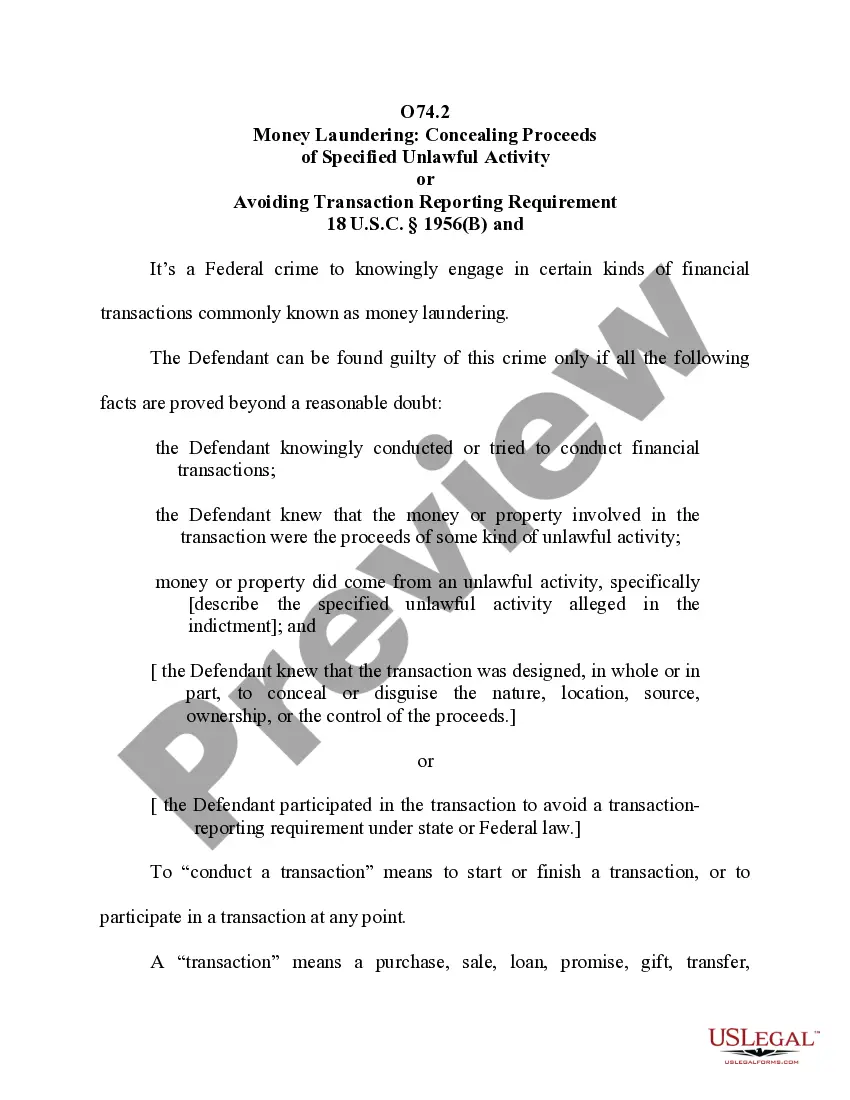
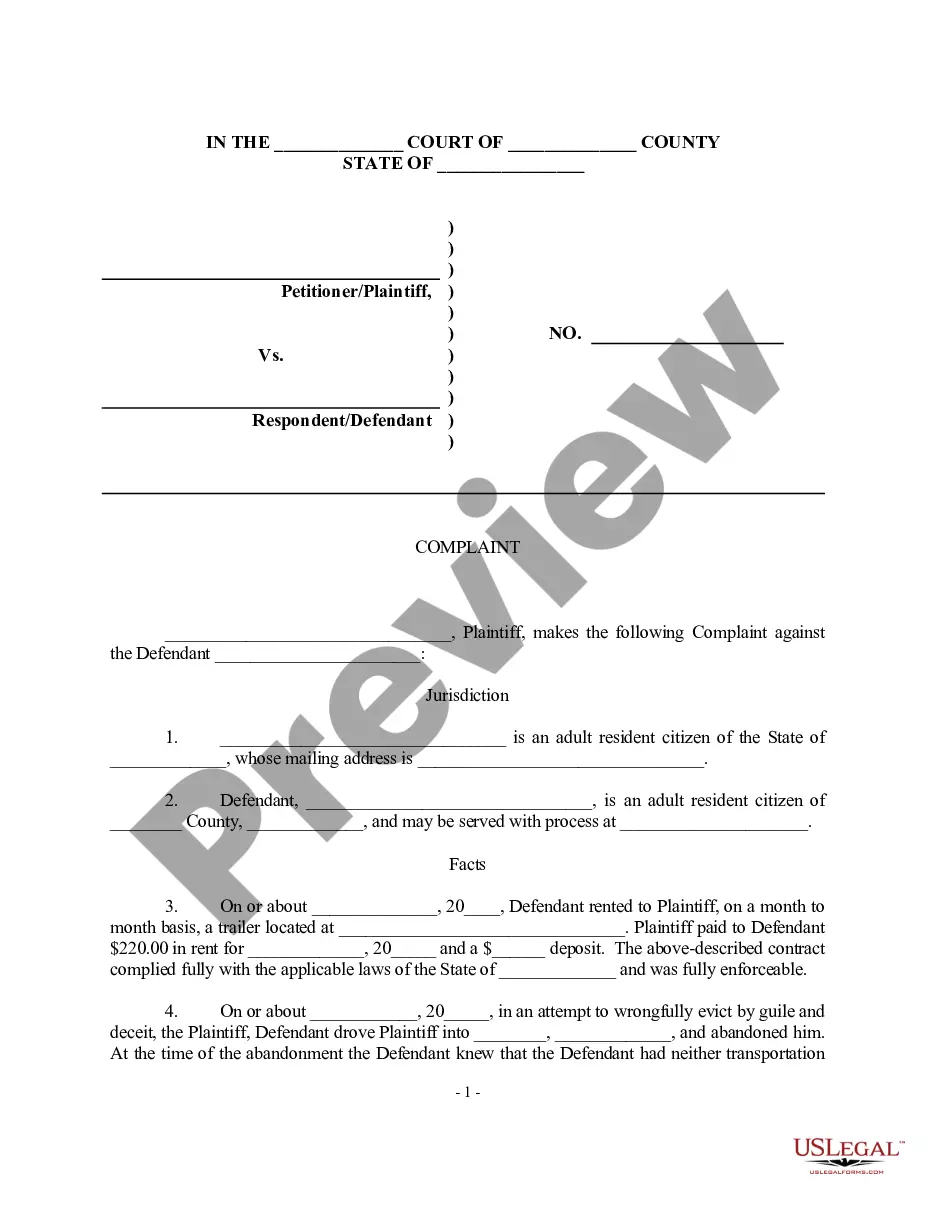
Louisiana Complaint - Lessor Failure to Return Security Deposit
Description
Get your form ready online
Our built-in tools help you complete, sign, share, and store your documents in one place.
Make edits, fill in missing information, and update formatting in US Legal Forms—just like you would in MS Word.
Download a copy, print it, send it by email, or mail it via USPS—whatever works best for your next step.
Sign and collect signatures with our SignNow integration. Send to multiple recipients, set reminders, and more. Go Premium to unlock E-Sign.
If this form requires notarization, complete it online through a secure video call—no need to meet a notary in person or wait for an appointment.
We protect your documents and personal data by following strict security and privacy standards.

Make edits, fill in missing information, and update formatting in US Legal Forms—just like you would in MS Word.

Download a copy, print it, send it by email, or mail it via USPS—whatever works best for your next step.

Sign and collect signatures with our SignNow integration. Send to multiple recipients, set reminders, and more. Go Premium to unlock E-Sign.

If this form requires notarization, complete it online through a secure video call—no need to meet a notary in person or wait for an appointment.

We protect your documents and personal data by following strict security and privacy standards.
Looking for another form?

How to fill out Complaint - Lessor Failure To Return Security Deposit?
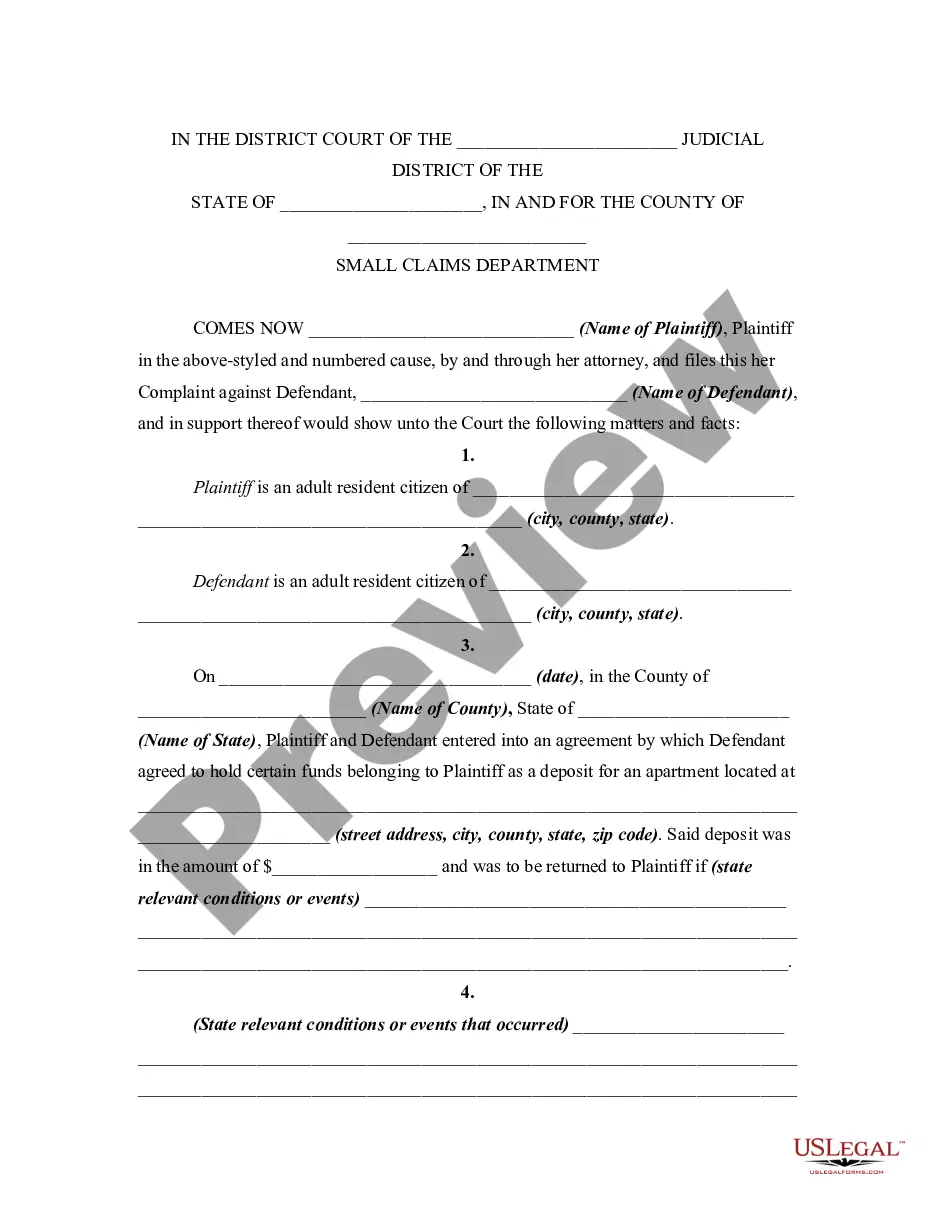
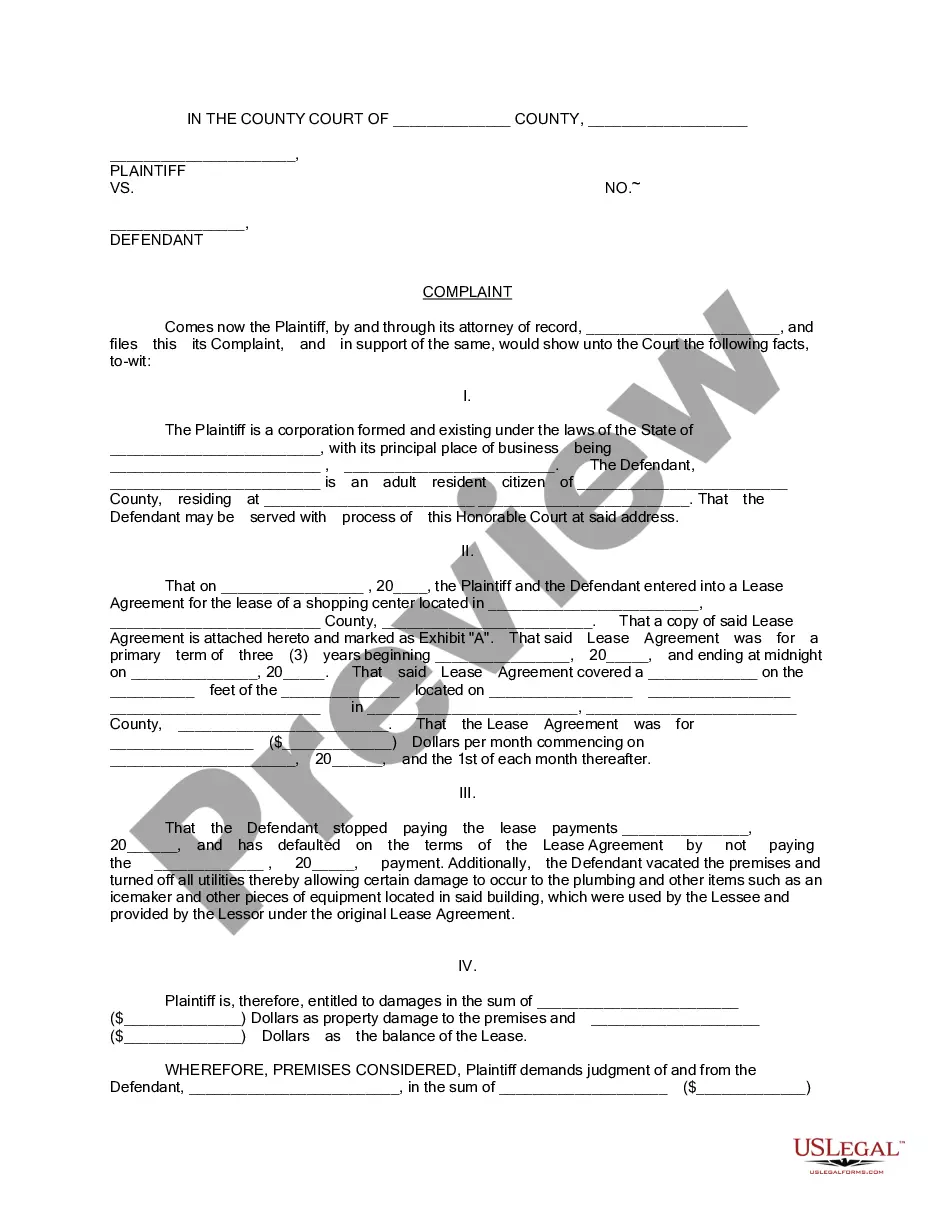
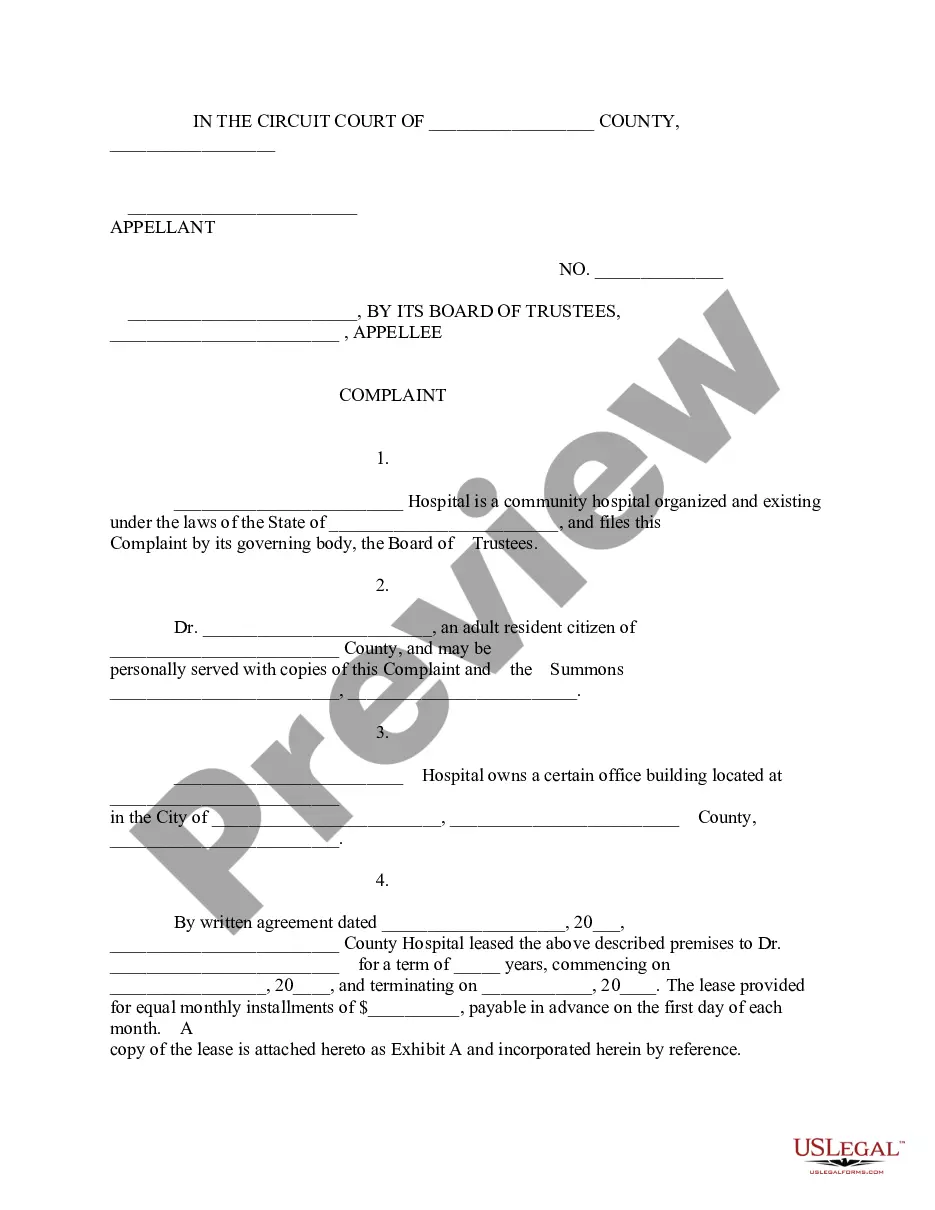
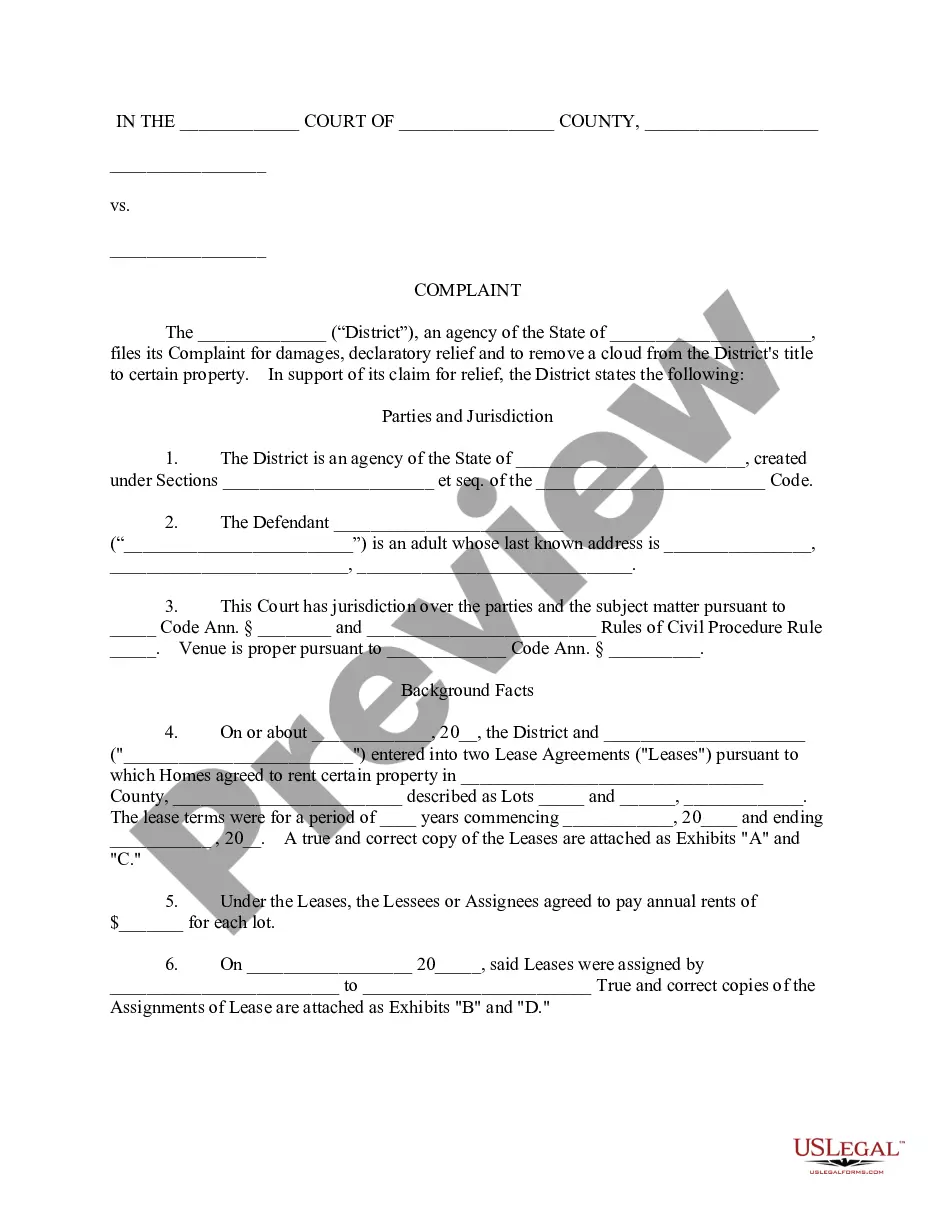
US Legal Forms - one of the largest collections of legal documents in the United States - offers a broad selection of legal form templates that you can download or print. By using the website, you can access thousands of forms for business and personal purposes, organized by categories, states, or keywords. You can find the latest versions of forms like the Louisiana Complaint - Lessor Failure to Return Security Deposit in just moments.
If you have a subscription, Log In and download the Louisiana Complaint - Lessor Failure to Return Security Deposit from the US Legal Forms library. The Download option will be visible on each form you view. You can access all previously downloaded forms in the My documents section of your account.
To utilize US Legal Forms for the first time, here are straightforward steps to help you get started: Make sure you have chosen the correct form for your city/region. Select the Preview option to review the content of the form. Check the form description to ensure you have selected the right form. If the form does not meet your requirements, use the Search area at the top of the screen to find one that does. If you are satisfied with the form, confirm your choice by clicking the Purchase now button. Then, choose the payment plan you prefer and provide your details to register for the account. Process the transaction. Use your credit card or PayPal account to complete the transaction. Select the format and download the form to your device. Make changes. Fill out, edit, and print and sign the downloaded Louisiana Complaint - Lessor Failure to Return Security Deposit. Every template you add to your account has no expiration date and belongs to you permanently. Therefore, to download or print another copy, simply go to the My documents section and click on the form you need.
US Legal Forms provides a user-friendly platform for obtaining legal documents.
Explore a vast library of legal templates to suit various needs.
- Access the Louisiana Complaint - Lessor Failure to Return Security Deposit with US Legal Forms, one of the most comprehensive collections of legal document templates.
- Utilize thousands of professional and state-specific templates that fulfill your business or personal needs and requirements.
- No expiration date for templates added to your account.
- Download or print multiple copies easily.
- Organized by categories, states, or keywords for convenience.
- Instant access to the latest versions of forms.
Form popularity
FAQ
If the owner is not returning the security deposit in India, the tenant can follow these steps: Send a legal notice to the owner asking for the return of the security deposit. If the owner still does not return the security deposit, file a case in the civil court for the recovery of the security deposit.
Not Refunding the Security Deposit Letter Template You submitted a security deposit totaling, [Security Deposit Total Amount], for your lease term beginning in [Lease Start Date] and ending [Lease Term End Date]. As a result of [Provide Reason], your security deposit will not be refunded in full.
What to Include in a Security Deposit Demand Letter the address of your rental and the dates you rented from. how much you paid for a security deposit. why you are entitled to a return of a portion or all of the deposit. the state laws that require a return of the deposit in a timely manner.
The letter should state whether the deposit is being returned in full, partially returned, or not returned at all. It should also explain the reason for any deductions. For example, if the landlord deducts money for damages, they should specify what those damages are.
How to write a security deposit return letter Landlord's name and contact information. Tenant's name and contact information. Date of the letter. Amount of security deposit being returned to the tenant. Breakdown of any deductions made from the security deposit, including an explanation for each deduction.
Security Deposit Refund in Louisiana In Louisiana, a landlord is required to return a tenant's security deposit within one month of the termination of the lease or the tenant moving out, whichever occurs last.
If you paid a deposit at the start of your tenancy, you have the right to get it back at the end. Your landlord or letting agent can only take money off if there's a good reason - for example if you've damaged the property. You'll need to contact your landlord at the end of your tenancy and ask them for your deposit.
If your landlord fails to return the deposit or withholds an unreasonable amount without a valid explanation, you may need to take legal action. Consult an attorney or explore your options such as filing a lawsuit in small claims court.