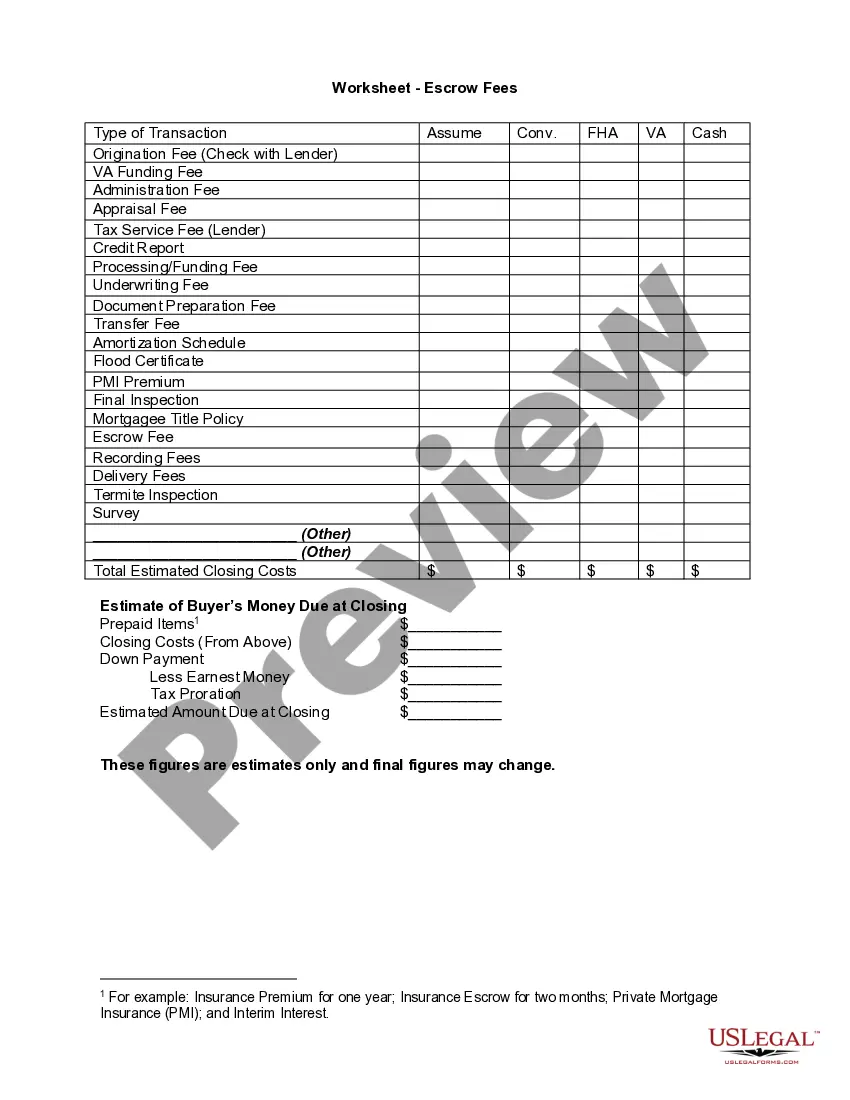
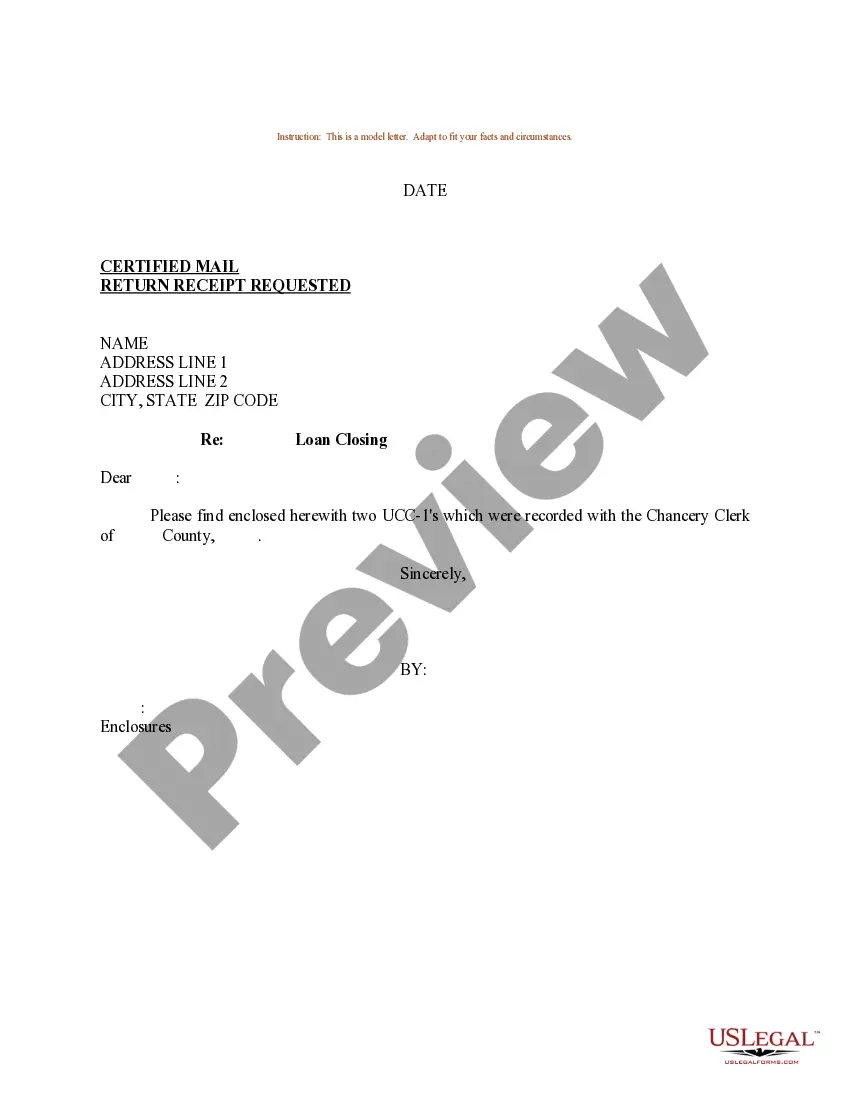
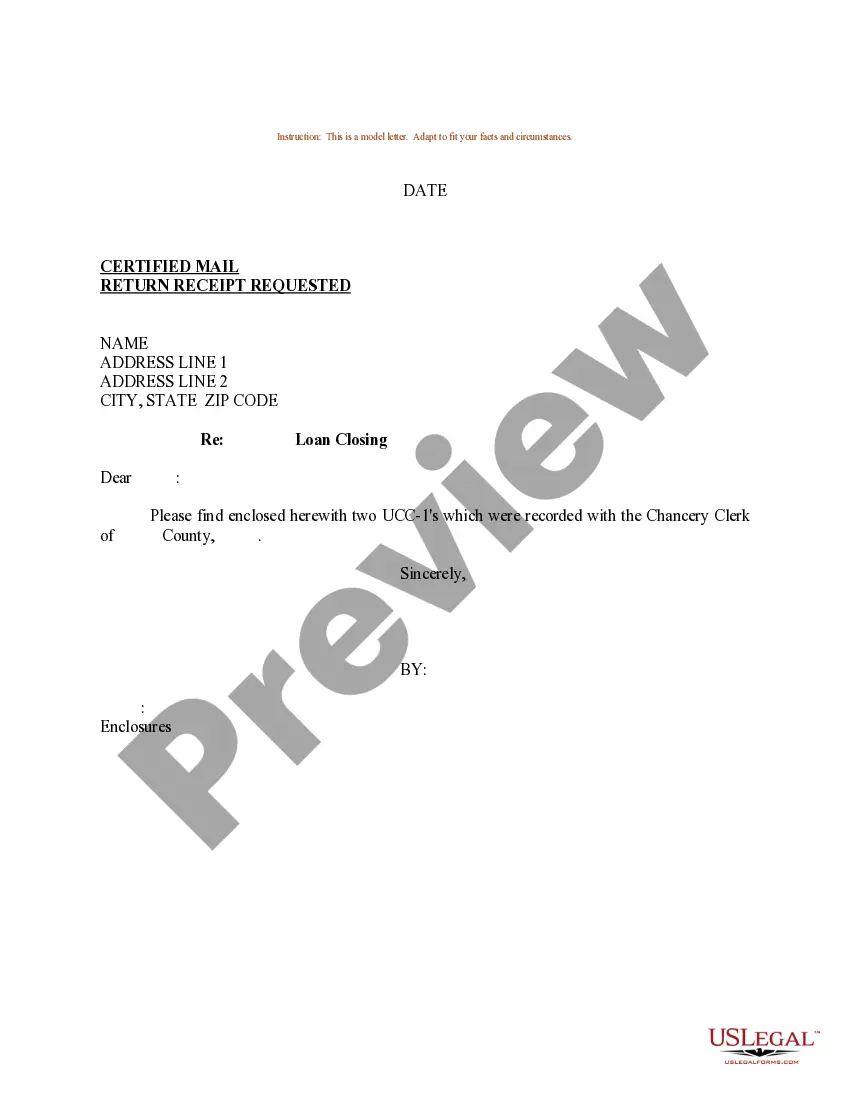
Louisiana UCC-1 for Real Estate
Description
Get your form ready online
Our built-in tools help you complete, sign, share, and store your documents in one place.
Make edits, fill in missing information, and update formatting in US Legal Forms—just like you would in MS Word.
Download a copy, print it, send it by email, or mail it via USPS—whatever works best for your next step.
Sign and collect signatures with our SignNow integration. Send to multiple recipients, set reminders, and more. Go Premium to unlock E-Sign.
If this form requires notarization, complete it online through a secure video call—no need to meet a notary in person or wait for an appointment.
We protect your documents and personal data by following strict security and privacy standards.

Make edits, fill in missing information, and update formatting in US Legal Forms—just like you would in MS Word.

Download a copy, print it, send it by email, or mail it via USPS—whatever works best for your next step.

Sign and collect signatures with our SignNow integration. Send to multiple recipients, set reminders, and more. Go Premium to unlock E-Sign.

If this form requires notarization, complete it online through a secure video call—no need to meet a notary in person or wait for an appointment.

We protect your documents and personal data by following strict security and privacy standards.
Looking for another form?





How to fill out UCC-1 For Real Estate?
Are you presently situated in a position where you frequently require documents for either business or personal purposes almost every day.
There are numerous legal document templates available online, but finding reliable versions is not straightforward.
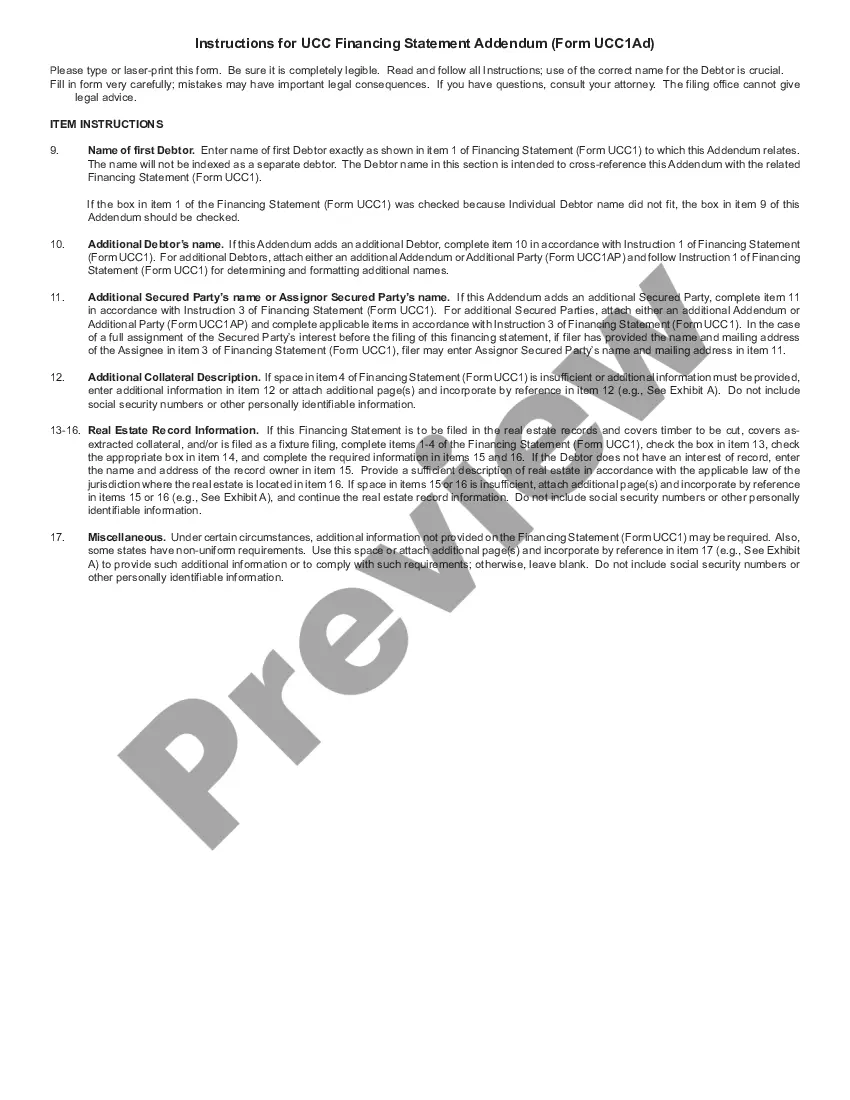
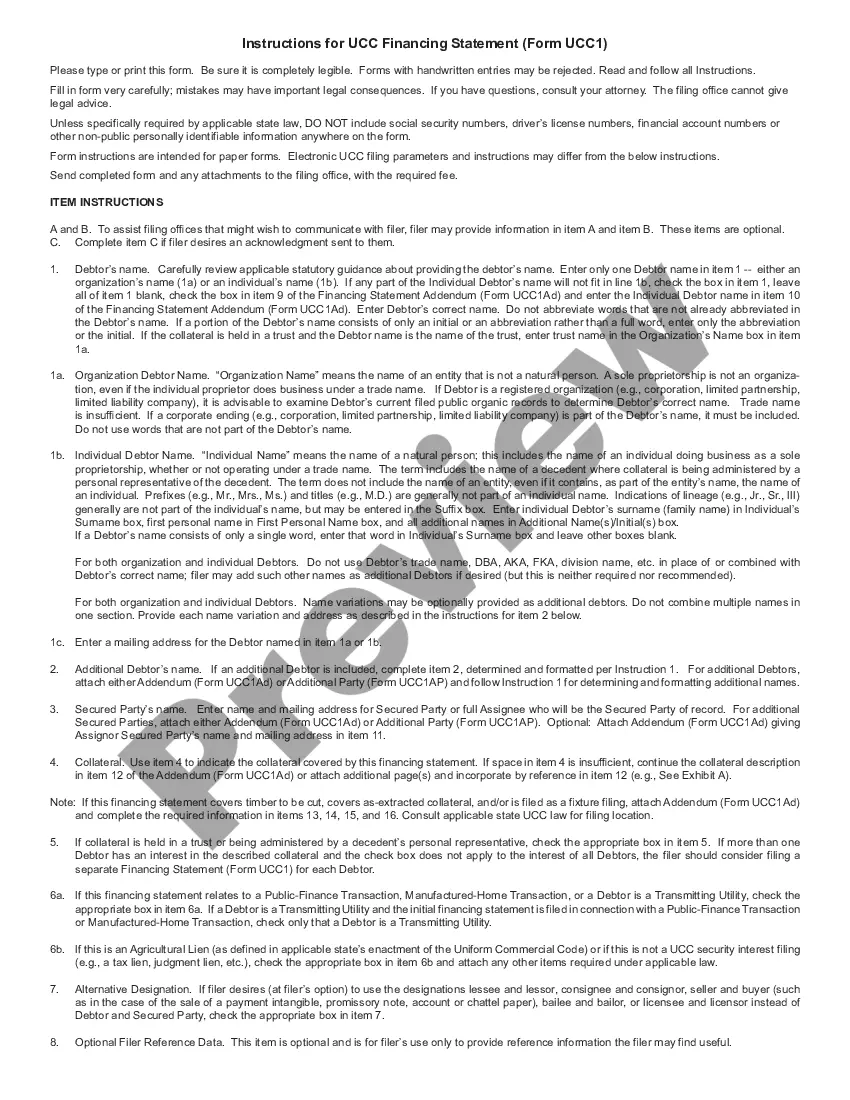
US Legal Forms offers thousands of form templates, such as the Louisiana UCC-1 for Real Estate, designed to comply with state and federal regulations.
Utilize US Legal Forms, the most extensive collection of legal forms, to save time and avoid mistakes.
The service offers well-crafted legal document templates that you can use for various purposes. Create an account on US Legal Forms and start simplifying your life.
- If you are already familiar with the US Legal Forms website and have an account, simply Log In.
- After that, you can download the Louisiana UCC-1 for Real Estate template.
- If you do not have an account and want to start using US Legal Forms, follow these steps.
- Select the form you require and ensure it matches the correct city/state.
- Utilize the Review button to check the form.
- Read the description to verify that you have selected the right document.
- If the form isn't what you're seeking, use the Lookup field to find the form that suits your needs and criteria.
- Once you locate the appropriate form, click Get now.
- Choose the pricing plan you want, provide the necessary information to create your account, and pay for the transaction using your PayPal or credit card.
- Select a preferred document format and download your copy.
- Access all the document templates you have purchased in the My documents menu.
- You may obtain another copy of the Louisiana UCC-1 for Real Estate at any time, if required. Just click the needed form to download or print the document template.
Form popularity
FAQ
Louisiana is unique as it does not uniformly follow the UCC across all its provisions. Instead, Louisiana utilizes a combination of its Civil Law traditions along with specific aspects of the UCC. This can create distinct differences in how transactions are handled, particularly in real estate. Understanding these nuances is essential, and uslegalforms can provide the necessary tools and information to assist you.
In Louisiana, a UCC-1 for Real Estate must be filed with the Secretary of State. This office oversees all UCC filings to ensure they are properly recorded. It's vital to file your UCC-1 correctly to protect your security interests and provide public notice. You can easily access fundamental resources through uslegalforms to help you navigate the filing process.
Yes, the UCC does apply to Louisiana. While Louisiana has its unique Civil Code, it also adopts certain provisions of the Uniform Commercial Code, including those related to the Louisiana UCC-1 for Real Estate. This means that various transactions in Louisiana, especially those concerning secured interests, follow UCC guidelines. If you are involved in real estate transactions in Louisiana, understanding the UCC is crucial.
Yes, a landlord can file a UCC-1 if they have a legal interest in a tenant's property. This situation often arises with commercial leases, where a landlord seeks to secure payment by placing a UCC lien on the business’s assets. Utilizing a platform like UsLegalForms can simplify the process, guiding landlords through the necessary steps for filing a Louisiana UCC-1 for Real Estate.
Filling out a UCC-1 form begins with gathering the required information about the debtor and the secured party. For Louisiana UCC-1 for Real Estate, you need to include details about the real property and any associated obligations. Next, ensure all fields are accurately completed, review for errors, and then file the form with the appropriate state office to make your lien official.
While the Uniform Commercial Code (UCC) primarily governs the sale of goods and commercial transactions, it does apply to real estate in certain contexts. Specifically, Louisiana UCC-1 for Real Estate allows lenders to secure interests related to real property. Therefore, understanding how UCC interacts with real estate can be vital for both lenders and property owners.
Yes, you can place a UCC lien on a house under certain conditions. By filing a Louisiana UCC-1 for Real Estate, you secure your rights as a creditor in the event of non-payment. Keep in mind that the property must be tied to a financing arrangement, so it is essential to establish that connection before proceeding.
1 form in real estate is a document that a lender files to claim a security interest in specific assets of the debtor. When you file a Louisiana UCC1 for Real Estate, you are officially notifying others of your interest in the property, which may include land or buildings. This helps establish priority in case of default and ensures that your investment is protected.
Yes, you can file a UCC-1 for Real Estate in Louisiana. This type of filing serves to secure an interest in the property and to establish priority against other claims. Understanding the process can help protect your investment and ensure your rights as a secured party. For a smoother experience, explore USLegalForms, which provides clear instructions and templates specifically designed for real estate transactions.
To file a Louisiana UCC-1 for Real Estate, you need to provide specific information about the debtor and the secured party. This includes the names and addresses of both parties, a description of the real estate, and any details on the collateral involved. Properly completing the form ensures that your financing statement is valid and enforceable. For assistance with these requirements, consider using USLegalForms, which offers user-friendly tools to guide you through the process.