Kentucky Confidentiality Agreement for Employees
Description
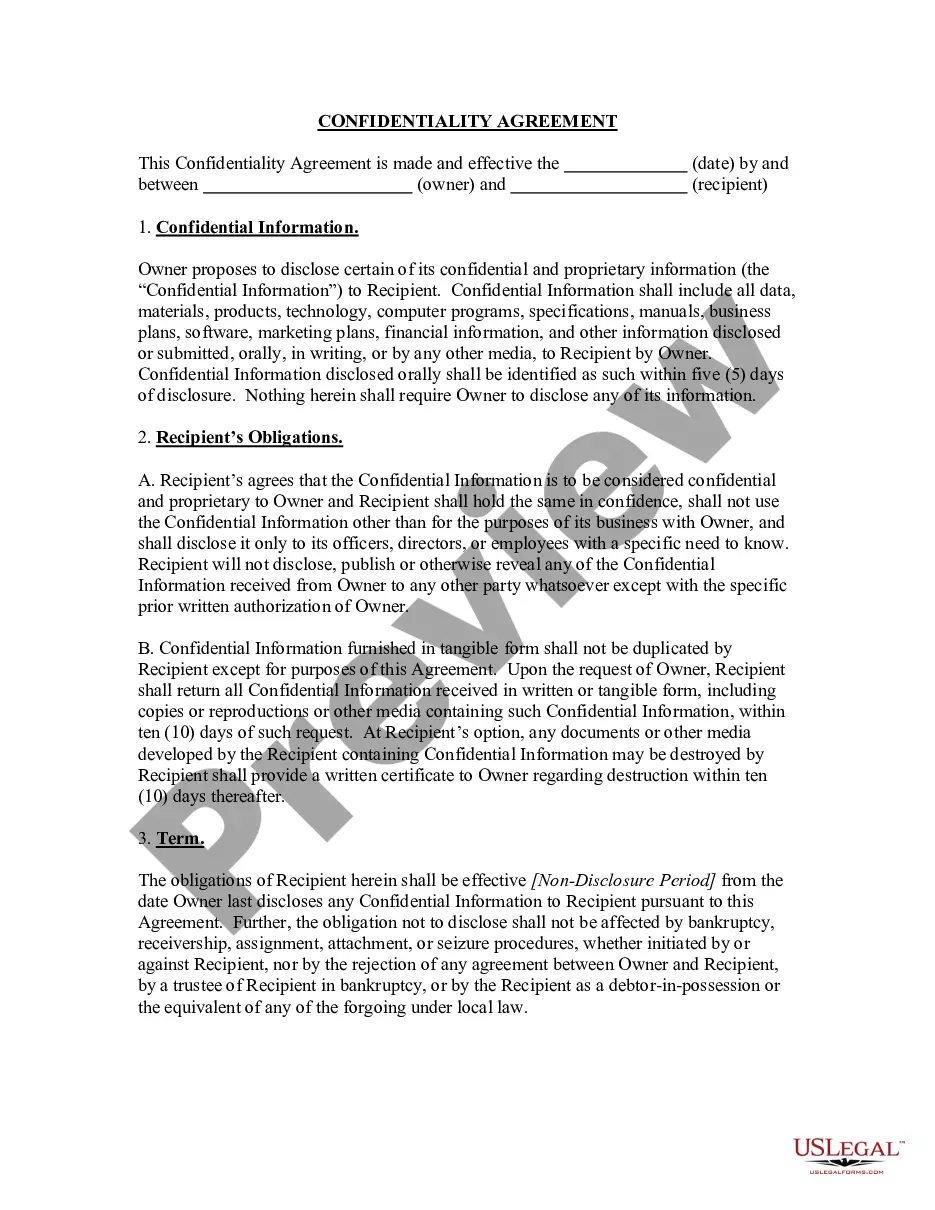
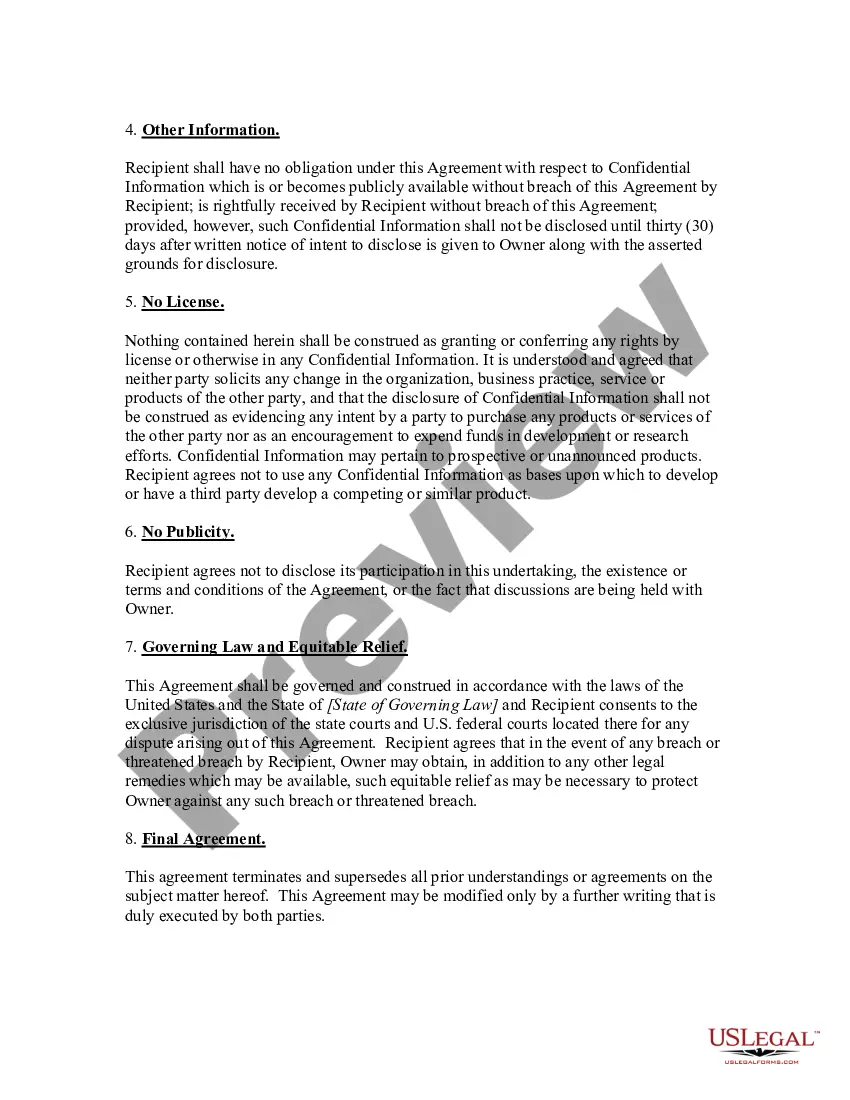
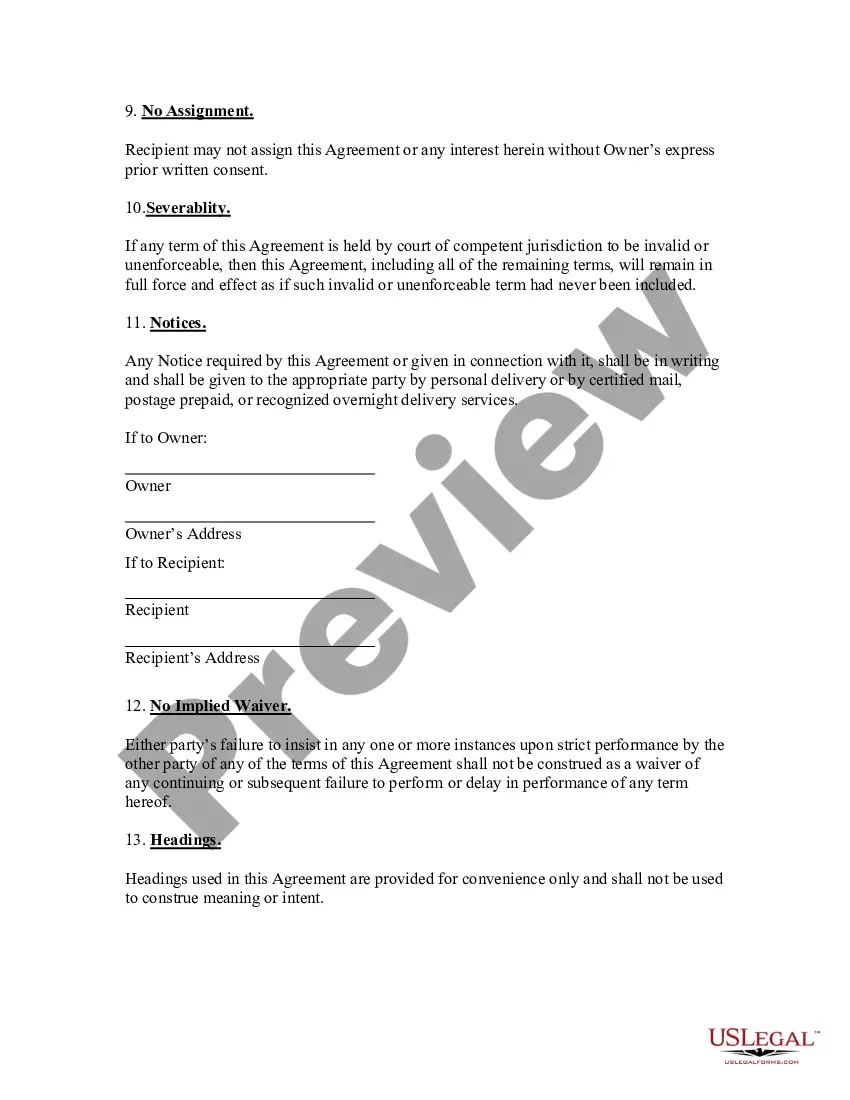
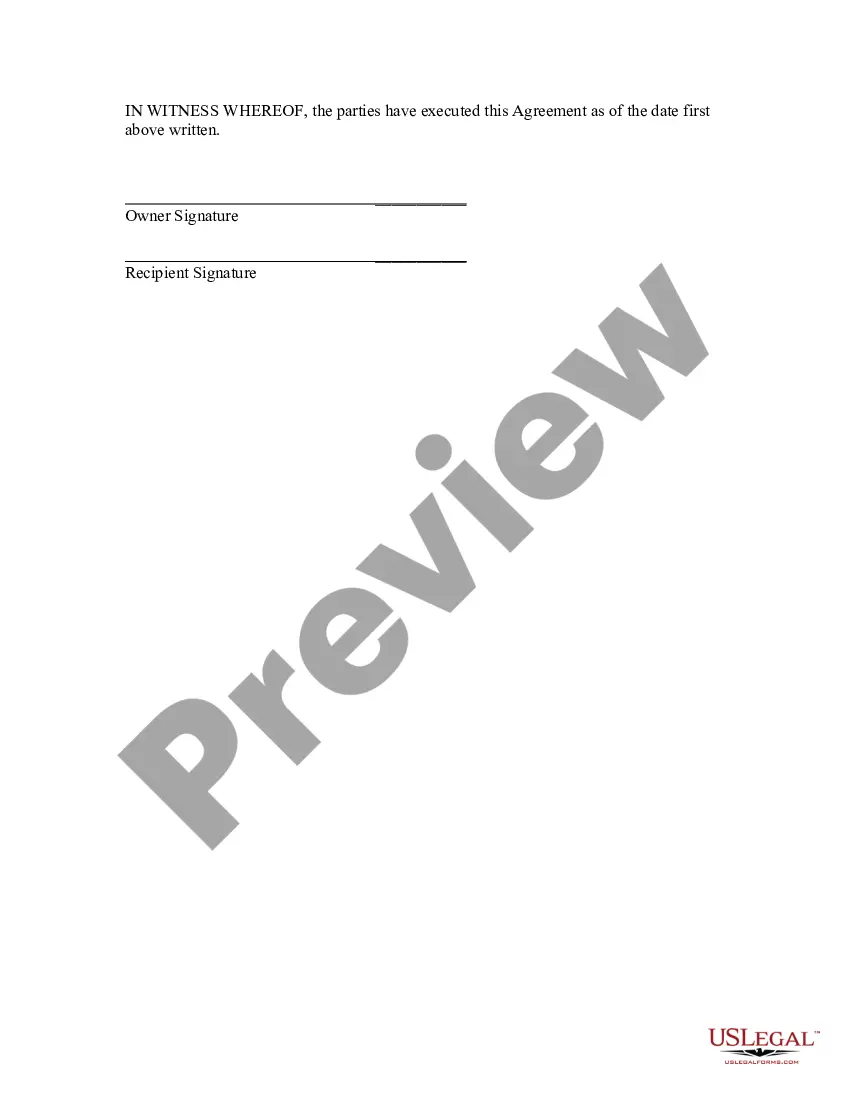
Get your form ready online
Our built-in tools help you complete, sign, share, and store your documents in one place.
Make edits, fill in missing information, and update formatting in US Legal Forms—just like you would in MS Word.
Download a copy, print it, send it by email, or mail it via USPS—whatever works best for your next step.
Sign and collect signatures with our SignNow integration. Send to multiple recipients, set reminders, and more. Go Premium to unlock E-Sign.
If this form requires notarization, complete it online through a secure video call—no need to meet a notary in person or wait for an appointment.
We protect your documents and personal data by following strict security and privacy standards.

Make edits, fill in missing information, and update formatting in US Legal Forms—just like you would in MS Word.

Download a copy, print it, send it by email, or mail it via USPS—whatever works best for your next step.

Sign and collect signatures with our SignNow integration. Send to multiple recipients, set reminders, and more. Go Premium to unlock E-Sign.

If this form requires notarization, complete it online through a secure video call—no need to meet a notary in person or wait for an appointment.

We protect your documents and personal data by following strict security and privacy standards.
Looking for another form?
How to fill out Confidentiality Agreement For Employees?
Are you presently in a situation where you require documents for both professional or personal purposes nearly every day.
There are numerous authentic document templates accessible online, but finding ones you can trust isn’t straightforward.
US Legal Forms provides a wide array of form templates, such as the Kentucky Confidentiality Agreement for Employees, which are designed to comply with state and federal regulations.
Choose the payment plan you prefer, enter the necessary information to create your account, and complete the order using your PayPal or credit card.
Select a convenient file format and download your copy.
- If you are already acquainted with the US Legal Forms website and possess an account, simply Log In.
- Then, you can download the Kentucky Confidentiality Agreement for Employees template.
- If you don’t have an account and wish to use US Legal Forms, follow these steps.
- Obtain the form you need and ensure it is for the right region/county.
- Utilize the Preview button to review the form.
- Read the description to ensure you have selected the correct form.
- If the form isn’t what you are searching for, use the Lookup section to find the form that meets your needs and criteria.
- When you locate the right form, click Acquire now.
Form popularity
FAQ
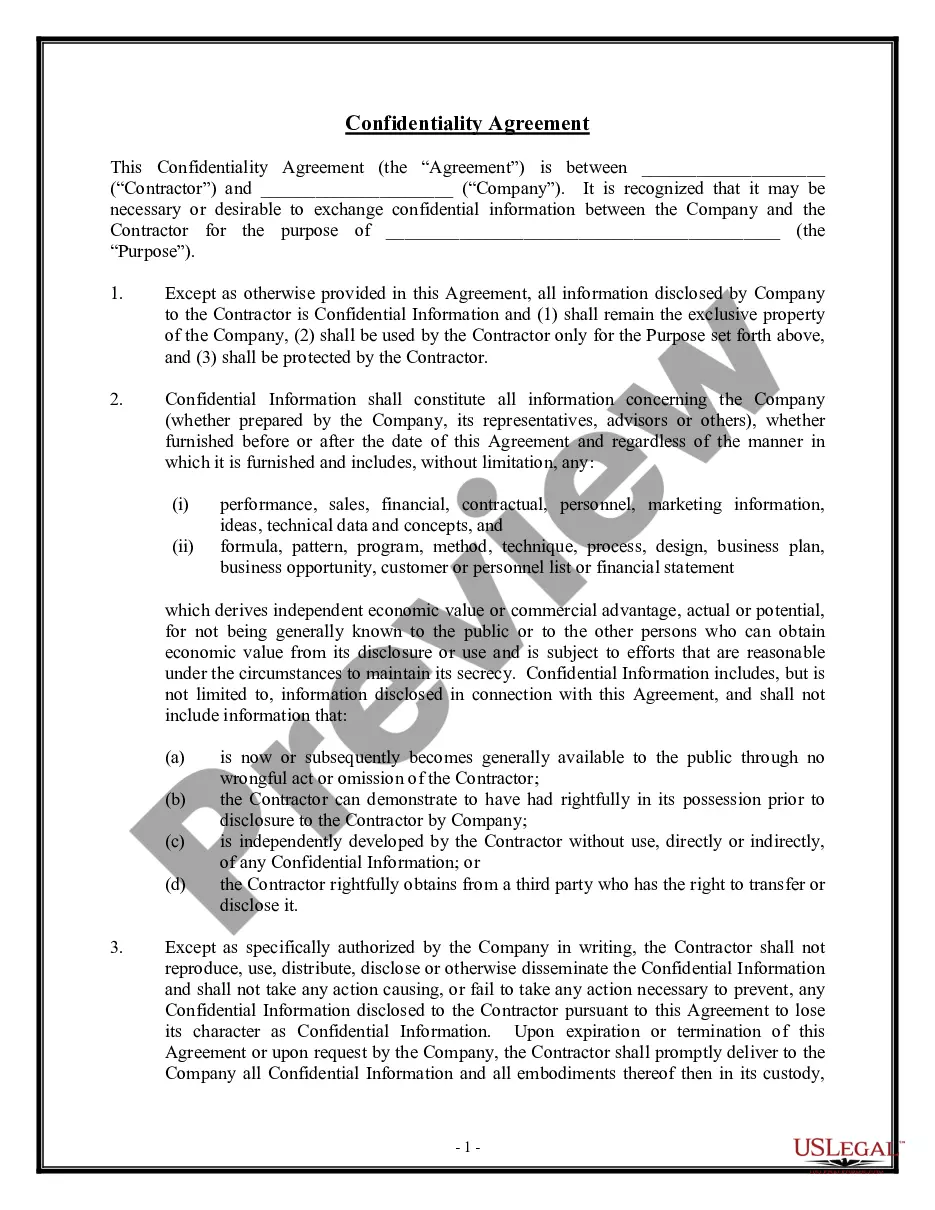
A confidentiality agreement is a legally binding contract that states two parties will not share or profit from confidential information. A business usually gives a confidentiality agreement to an employee or contractor to make sure its trade secrets or proprietary information remains private.
Confidential information is generally defined as information disclosed to an individual employee or known to that employee as a consequence of the employee's employment at a company. This information isn't generally known outside the company or is protected by law.
Protecting Your Right to Privacy in the Workplace. The California Constitution protects employee privacy rights and prohibits intrusion into private matters. The use of employee monitoring is a balancing act that weighs the business interests against the threat to employee privacy rights.
Your employees have the right to know which records are stored about them and their use, along with how confidentially they're kept. They're also entitled to know the connection between storing this information and how it assists with training and development requirements in the workplace.
Disclosure of Employees' Personal InformationEmployers are prohibited from disclosing the personal information of their employees without prior authorization. Failure to keep this information confidential may constitute a breach of confidentiality.
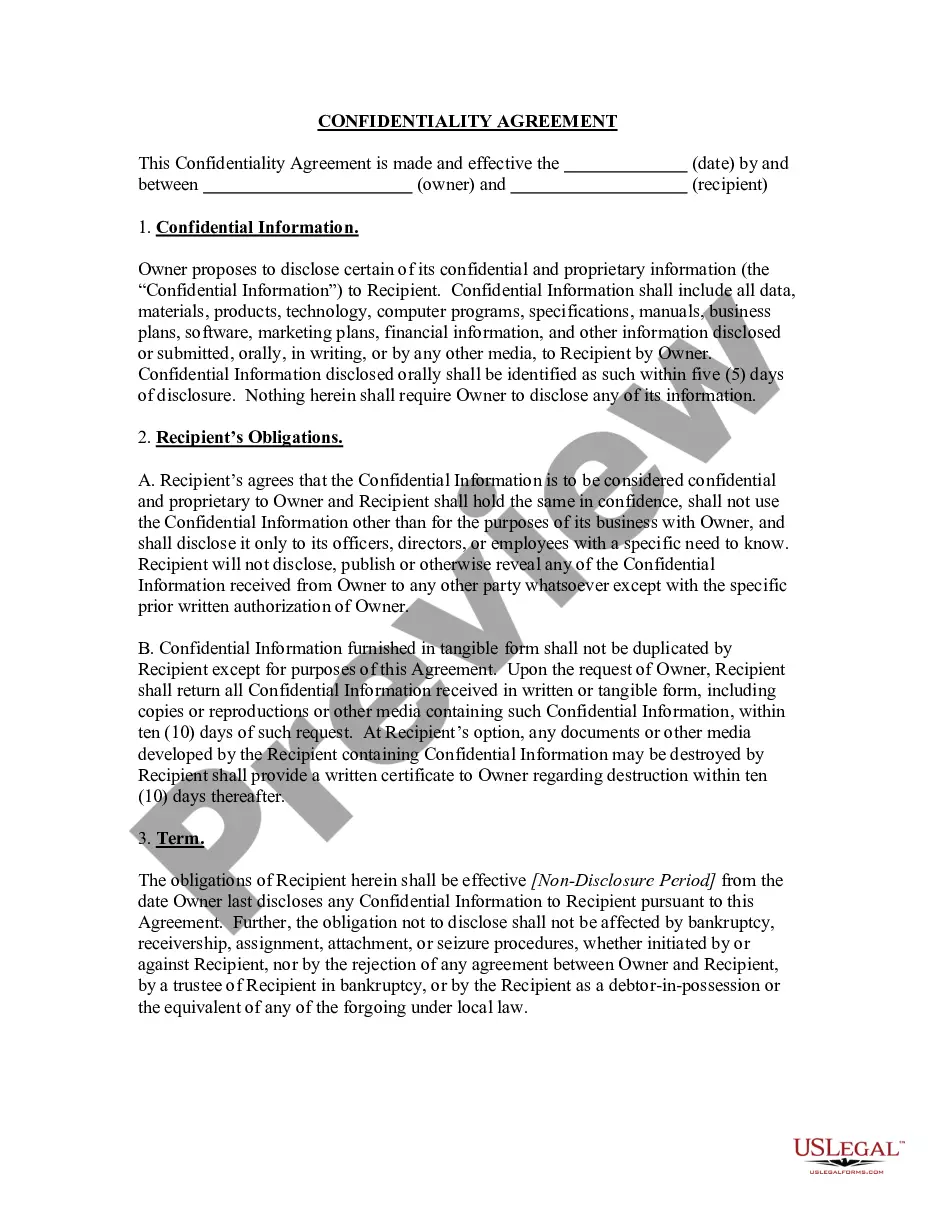
An employee confidentiality agreement, or non-disclosure agreement or an NDA, makes it crystal clear to an employee that he or she cannot under any circumstance, with the exception of prior written approval, disclose company secrets.
To prevent employees from revealing sensitive information that could jeopardize your business, you might have them sign an employee confidentiality agreement. Businesses use employee confidentiality agreements to protect their innovative ideas, effective processes, unique products, or customer information.
A confidentiality agreement is a written legal contract between an employer and an employee. The confidentiality agreement lays out binding terms and conditions that prohibit the employee from disclosing company confidential and proprietary information.
Generally, confidentiality agreements are enforceable when they meet the general requirements of a contract.
Employees have the right to keep private facts about themselves confidential and the right to some degree of personal space. An employer that discloses private facts or lies about an employee may be held accountable in a civil action for invasion of privacy or defamation.