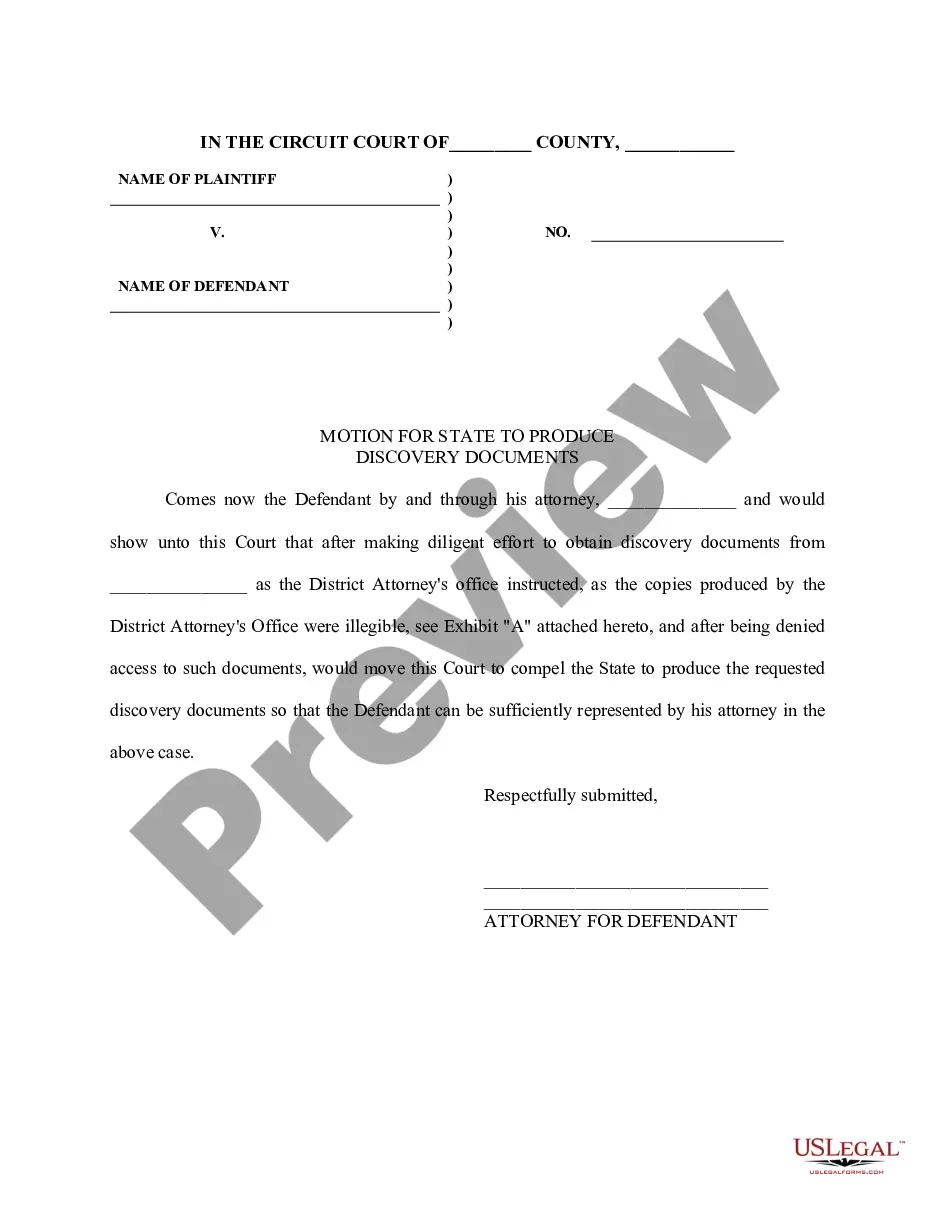
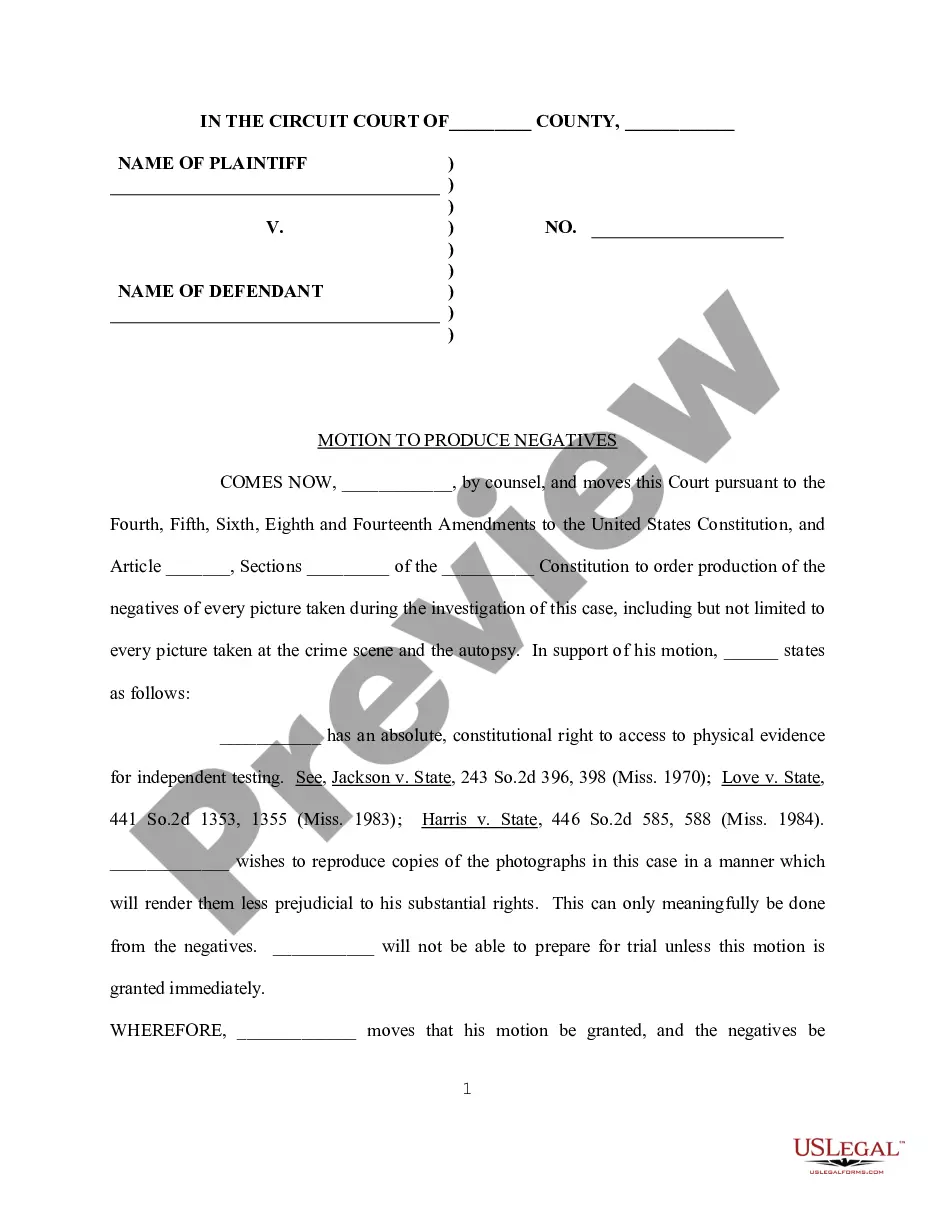
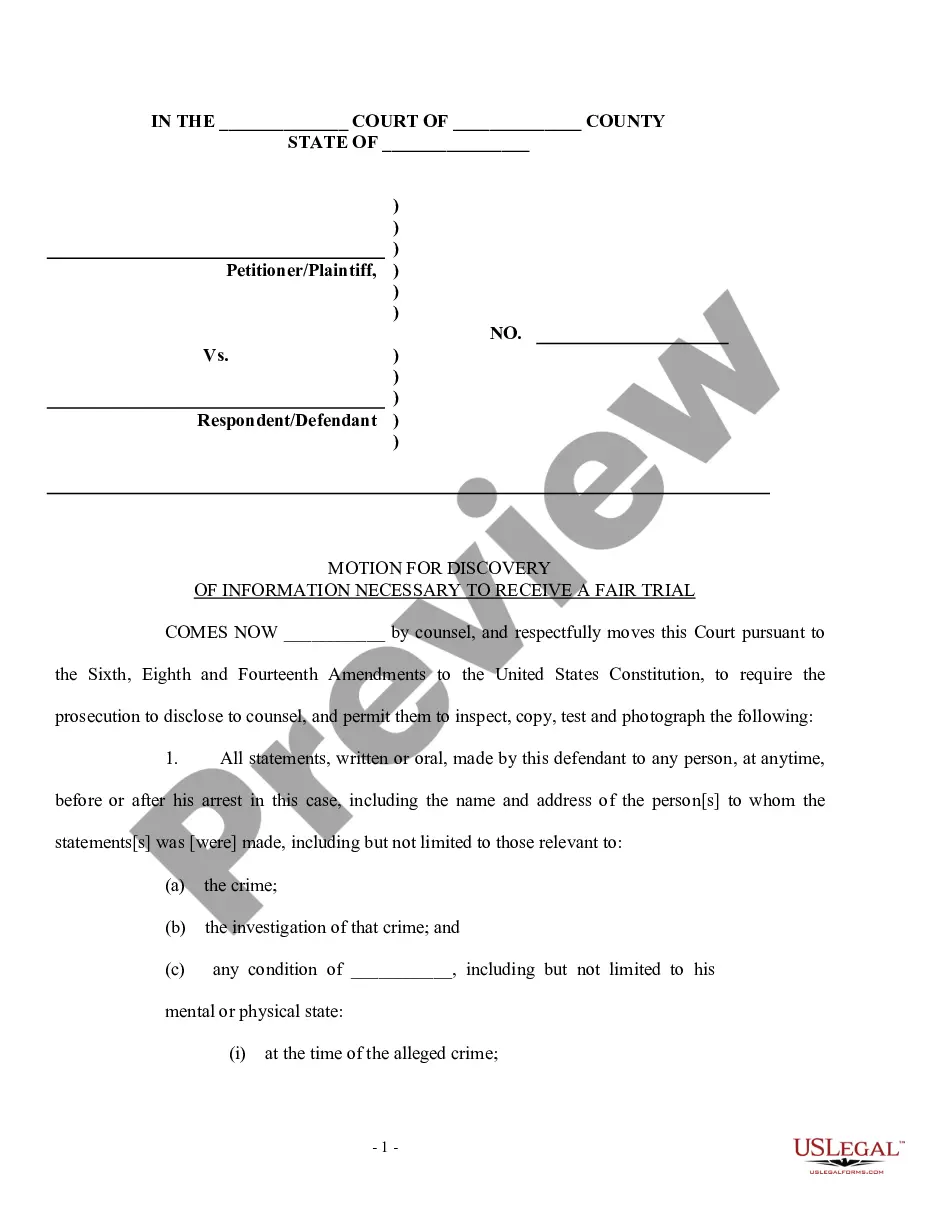
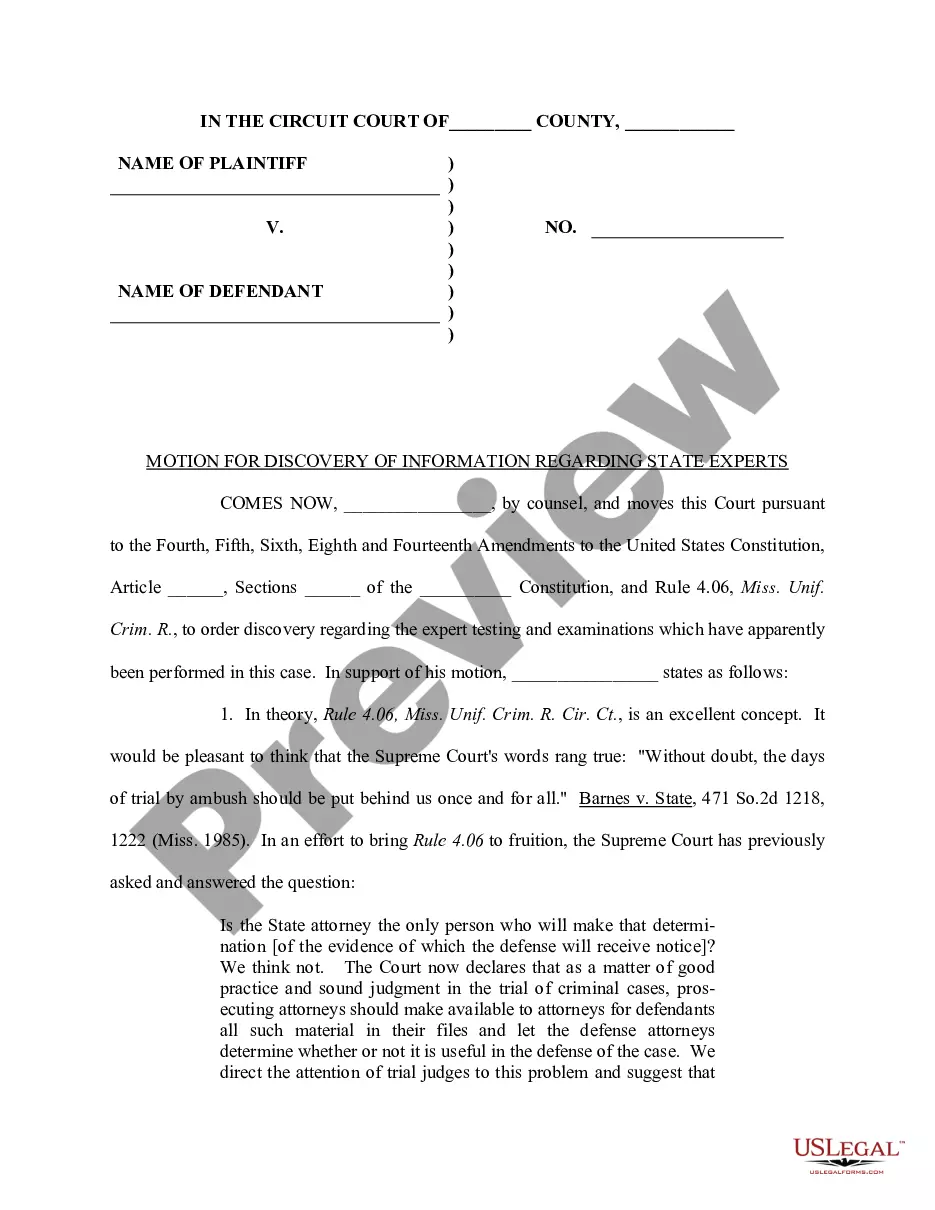
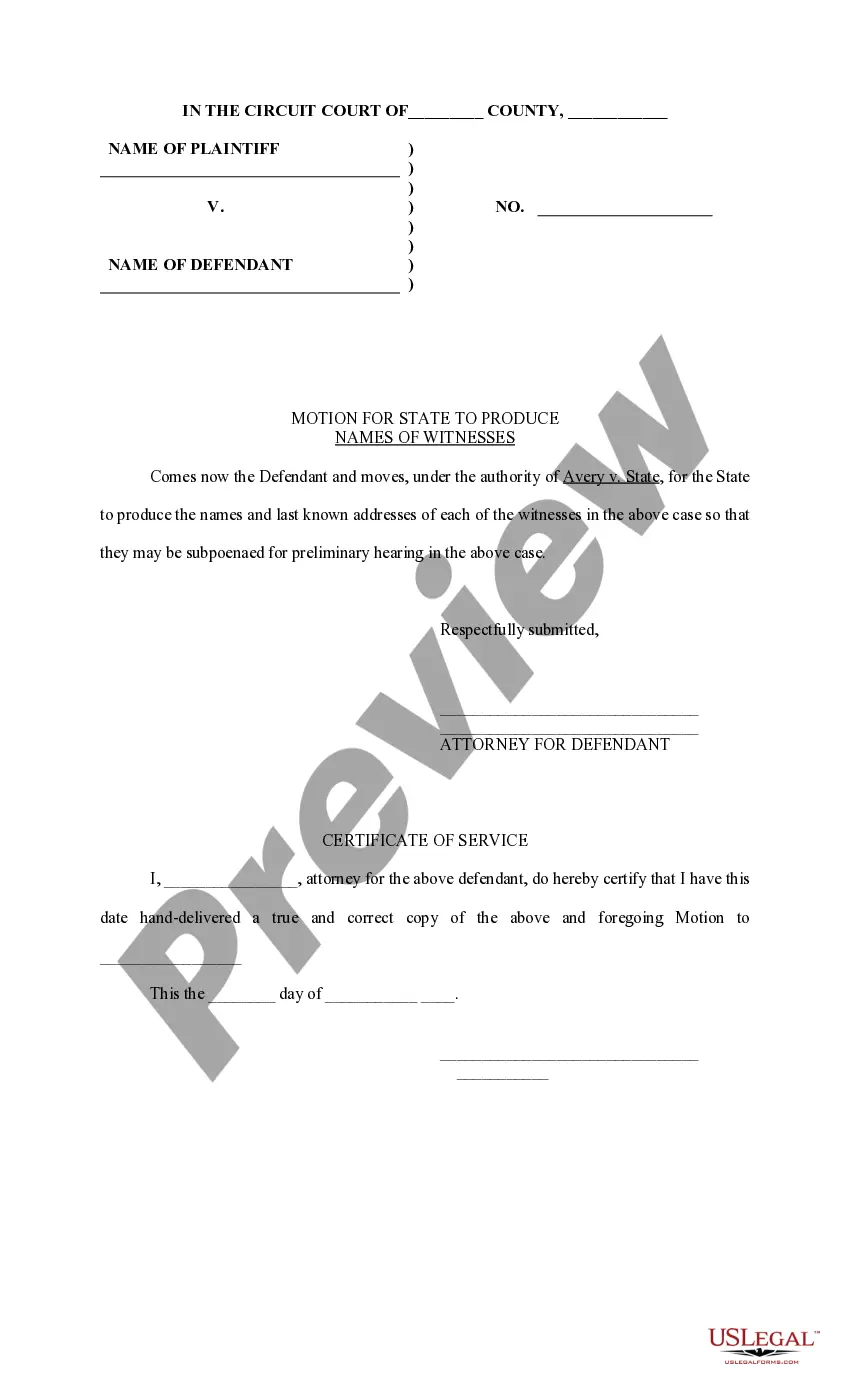
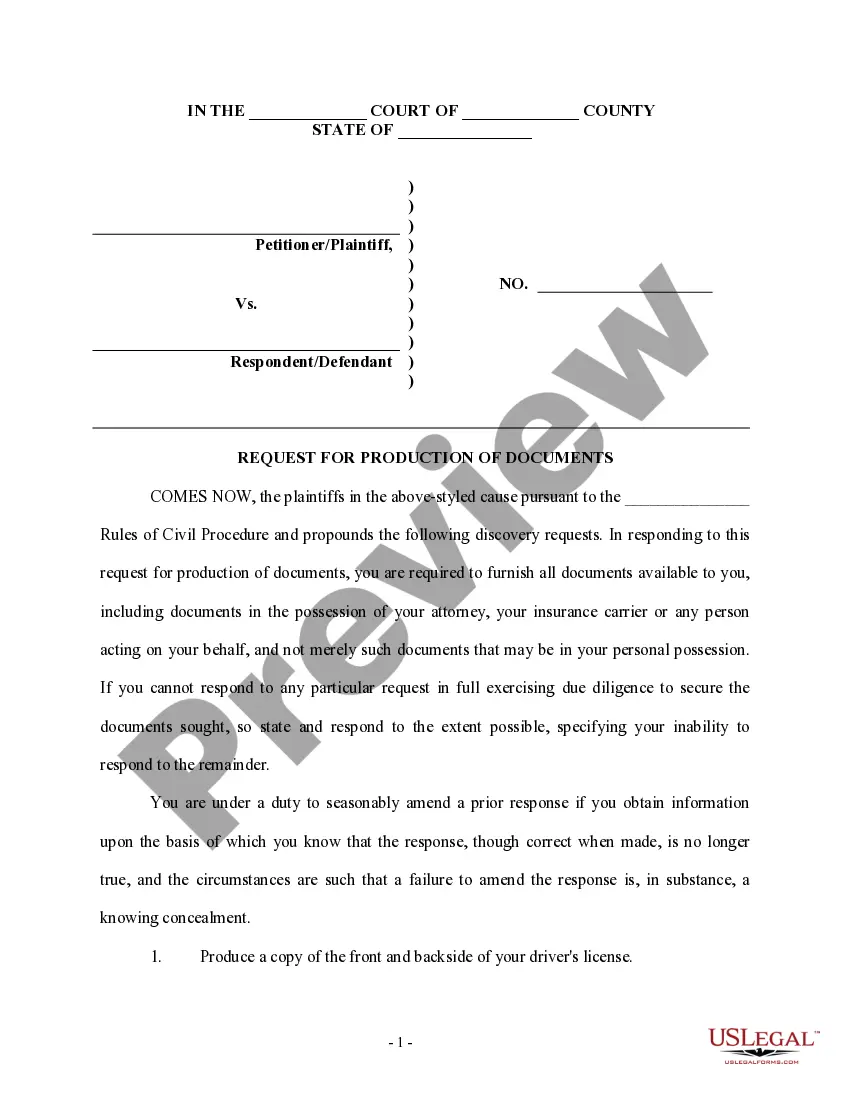
Kentucky Motion for State to Produce Discovery Document
Description
Get your form ready online
Our built-in tools help you complete, sign, share, and store your documents in one place.
Make edits, fill in missing information, and update formatting in US Legal Forms—just like you would in MS Word.
Download a copy, print it, send it by email, or mail it via USPS—whatever works best for your next step.
Sign and collect signatures with our SignNow integration. Send to multiple recipients, set reminders, and more. Go Premium to unlock E-Sign.
If this form requires notarization, complete it online through a secure video call—no need to meet a notary in person or wait for an appointment.
We protect your documents and personal data by following strict security and privacy standards.

Make edits, fill in missing information, and update formatting in US Legal Forms—just like you would in MS Word.

Download a copy, print it, send it by email, or mail it via USPS—whatever works best for your next step.

Sign and collect signatures with our SignNow integration. Send to multiple recipients, set reminders, and more. Go Premium to unlock E-Sign.

If this form requires notarization, complete it online through a secure video call—no need to meet a notary in person or wait for an appointment.

We protect your documents and personal data by following strict security and privacy standards.
Looking for another form?

How to fill out Motion For State To Produce Discovery Document?
Selecting the optimal legal document web template can be quite a challenge. Clearly, there are numerous designs available online, but how do you find the legal document you need? Utilize the US Legal Forms website. The service offers a wide array of templates, such as the Kentucky Motion for State to Produce Discovery Document, which you can use for both business and personal purposes. All the forms are reviewed by experts and comply with federal and state regulations.
If you are already registered, Log In to your account and then click the Acquire button to obtain the Kentucky Motion for State to Produce Discovery Document. Use your account to access the legal forms you may have purchased earlier. Navigate to the My documents section of your account and get an additional copy of the document you require.
If you are a new user of US Legal Forms, here are simple instructions for you to follow: First, ensure you have selected the correct form for your area/county. You can review the form using the Review button and read the form description to ensure it is the right one for you. If the form does not meet your requirements, use the Search field to find the correct form. Once you are confident the form is appropriate, click on the Get now button to acquire the form. Select the pricing plan you want and enter the necessary information. Create your account and place an order using your PayPal account or credit card. Choose the document format and download the legal document template to your device. Finally, complete, modify, print, and sign the received Kentucky Motion for State to Produce Discovery Document.
- US Legal Forms is the largest library of legal forms where you can find a variety of document templates.
- Utilize the service to acquire properly-crafted documents that meet state regulations.
- Ensure compliance with federal and state laws.
- Access previously purchased forms easily.
- Follow simple steps to find and acquire the right legal documents.
- Download documents in your preferred format.
Form popularity
FAQ
Parties may obtain discovery regarding any matter, not privileged or confidential under KRS 224.10-210, 224.10-212, 353.660, 353.6603 through 353.6606, or under any other privilege recognized by statute or at common law, whether it relates to a claim or defense of the party seeking discovery or to a claim or defense of ...
P. 26.03. (2) If the motion for a protective order is denied in whole or in part, the court may, on such terms and conditions as are just, order that any party or person provide or permit discovery.
(1) If a party dies during the pendency of an action and the claim is not thereby extinguished, the court, within the period allowed by law, may order substitution of the proper parties. If substitution is not so made the action may be dismissed as to the deceased party.
The party upon whom the interrogatories have been served shall serve a copy of the answers, and objections if any, within 30 days after the service of the interrogatories, except that a defendant may serve answers or objections within 45 days after service of the summons upon that defendant.
CR 26.05 Supplementation of responses (c) A duty to supplement responses may be imposed by order of the court, agreement of the parties, or at any time prior to trial through new requests for supplementation of prior responses.
Rule 26.01 - Discovery methods (1) Parties may obtain discovery by one or more of the following methods: depositions upon oral examination or written questions; written interrogatories; production of documents or things or permission to enter upon land or other property, for inspection and other purposes; physical and ...
Parties may obtain discovery regarding any matter, not privileged, which is relevant to the subject matter involved in the pending action, whether it relates to the claim or defense of the party seeking discovery or to the claim or defense of any other party, including the existence, description, nature, custody, ...
Each party may propound a maximum of thirty (30) interrogatories and thirty (30) requests for admission to each other party. For purposes of this section, each subpart of an interrogatory or request shall be counted as a separate interrogatory or request.
A party may obtain discovery of the existence and contents of any insurance agreement under which any person carrying on an insurance business may be liable to satisfy part or all of a judgment which may be entered in the action or to indemnify or reimburse for payments made to satisfy the judgment.
Under Tennessee Rule 26.02(4)(a)(i), a party may through interrogatories require any other party to identify experts who they expect to call at trial and to provide a summary of the facts and opinions to which the expert is expected to testify, among other things.