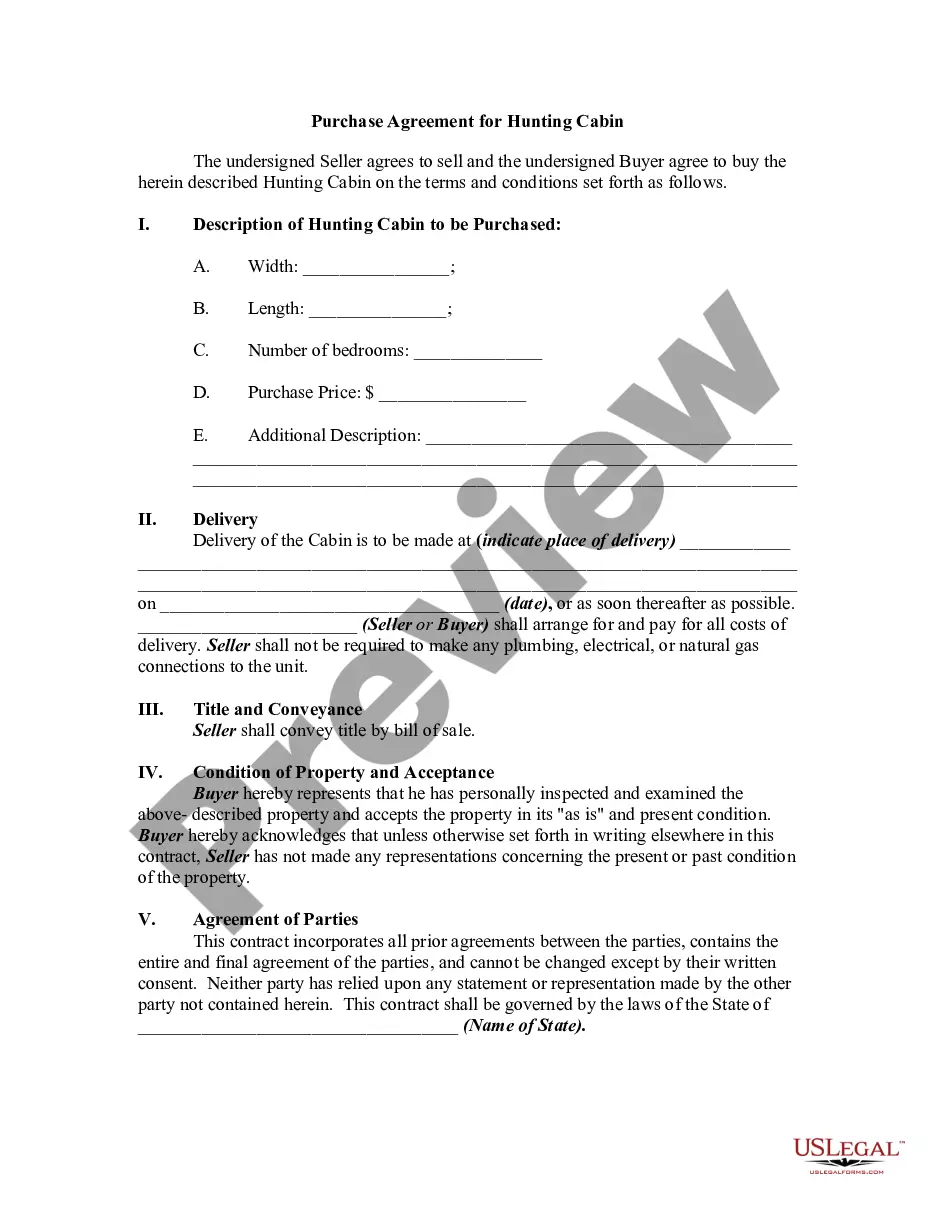
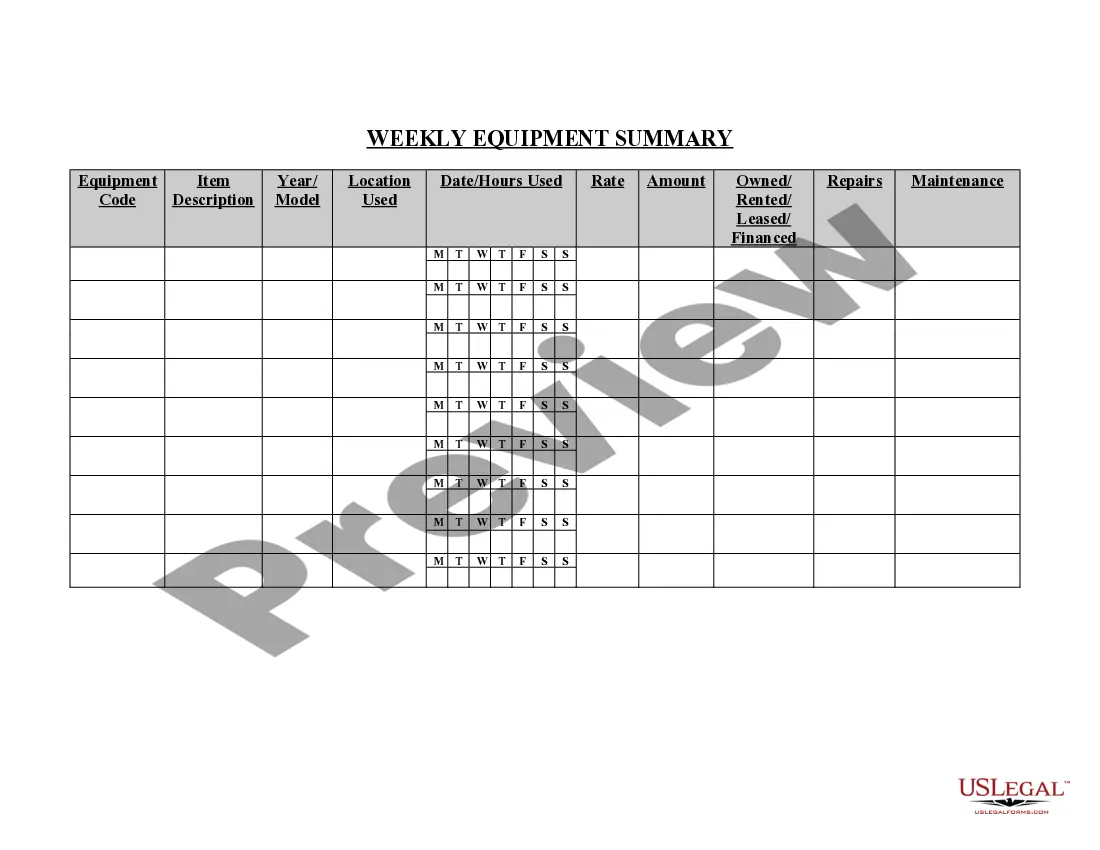
Kentucky Contractor's Weekly Equipment Summary
Description
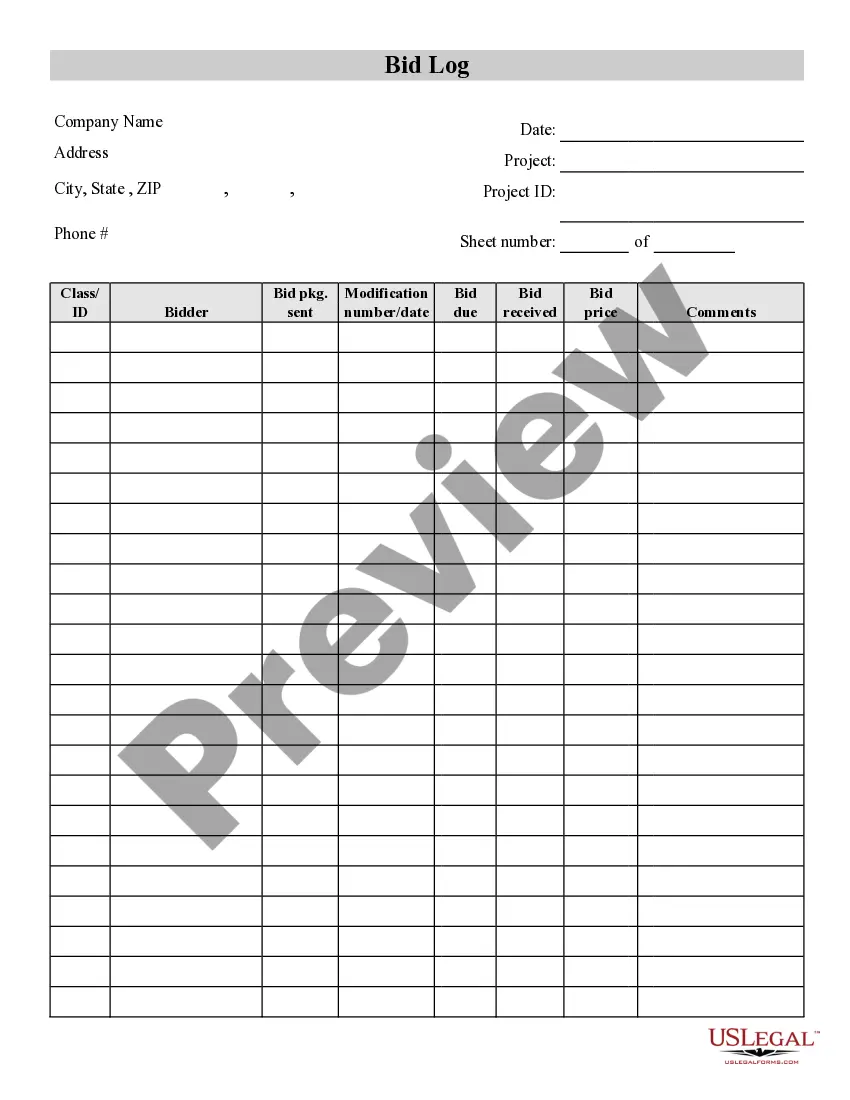
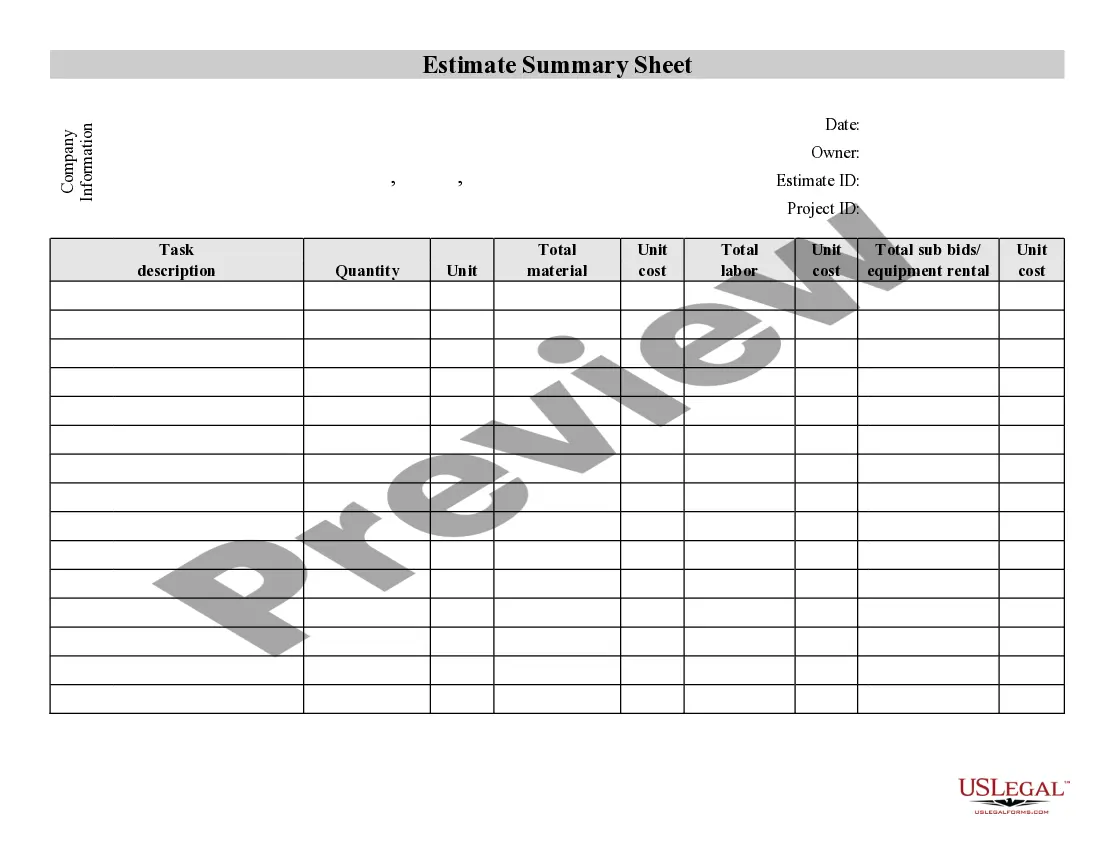
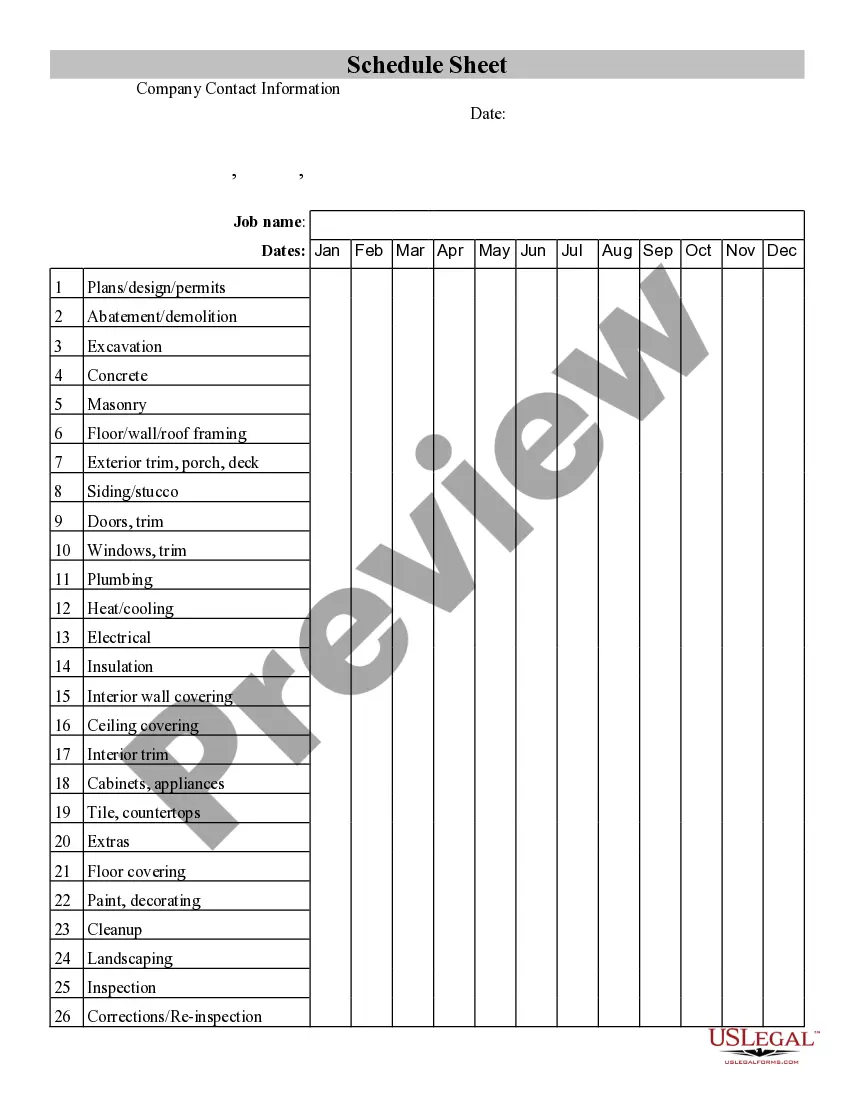
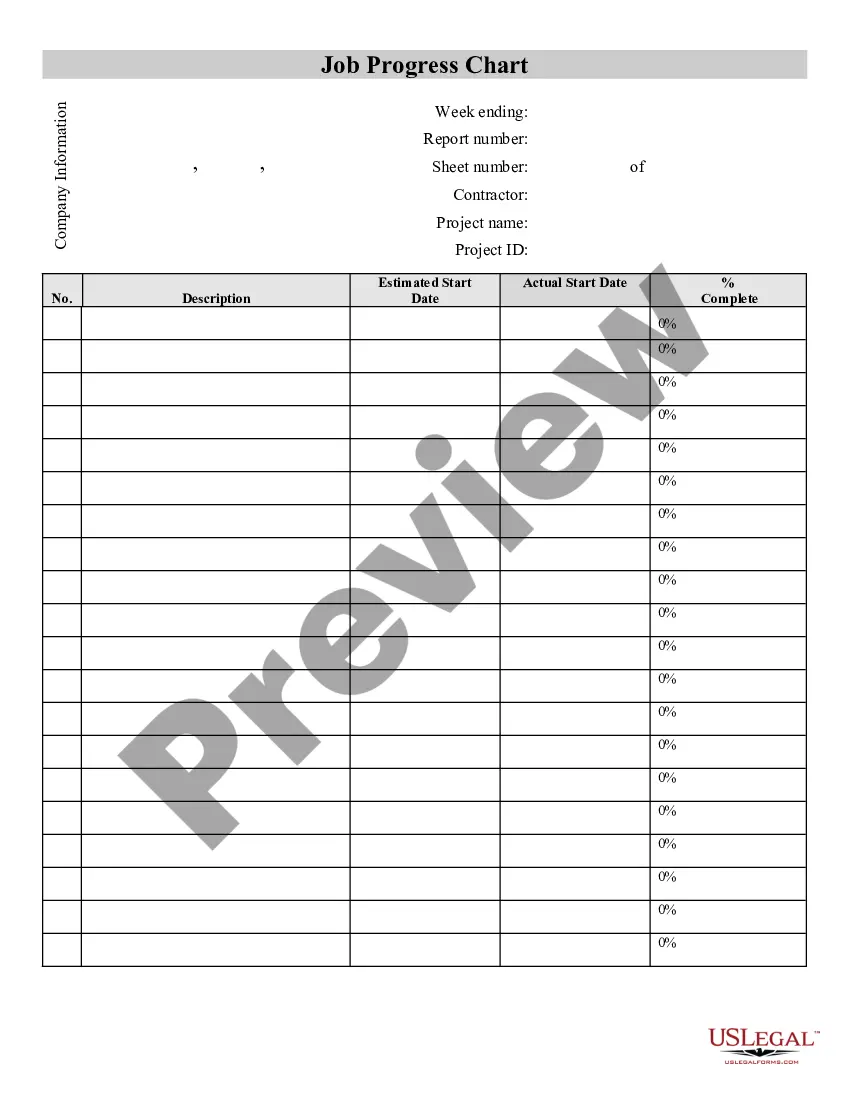
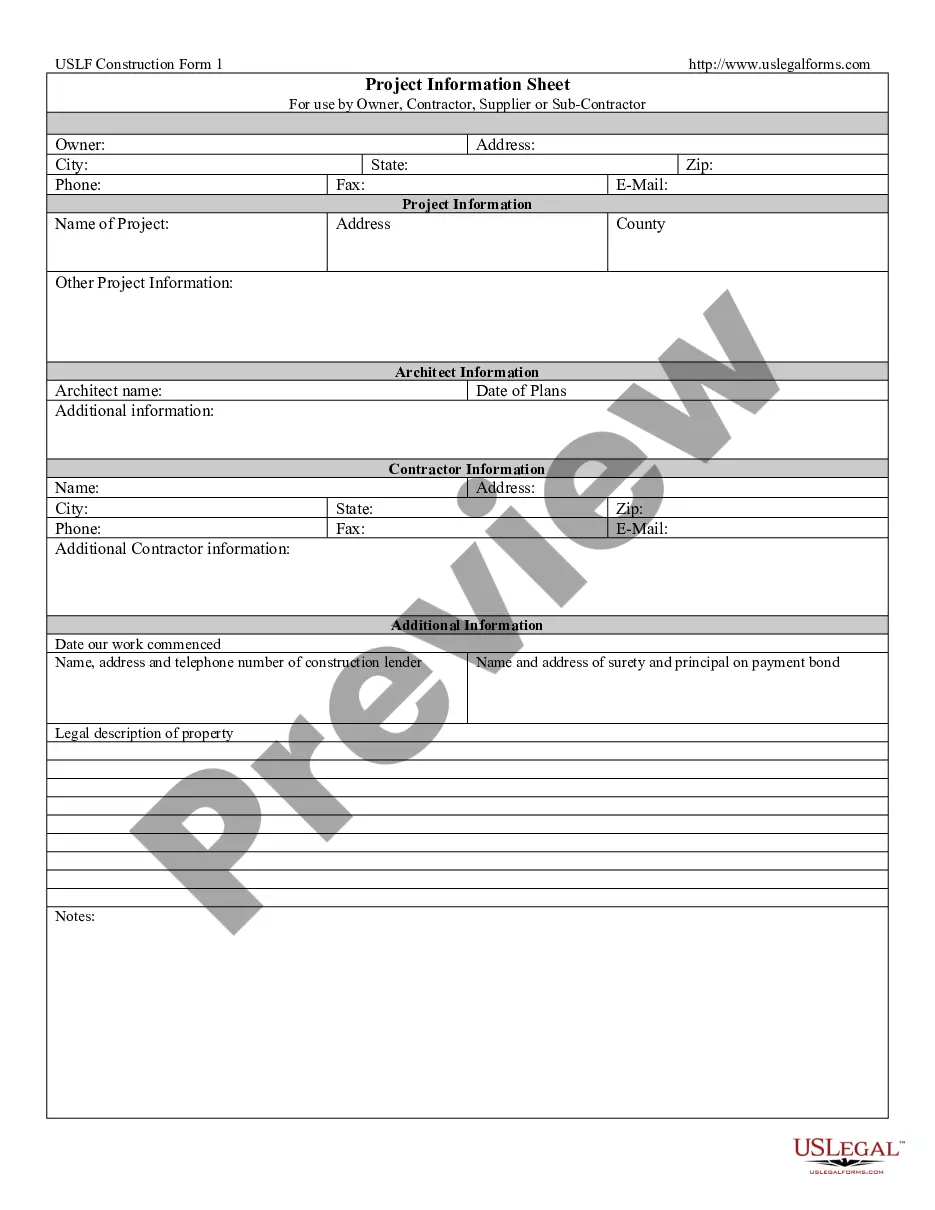
How to fill out Contractor's Weekly Equipment Summary?
Selecting the appropriate legal document template can be a challenge. Of course, there are numerous templates accessible online, but how can you find the legal form you require? Utilize the US Legal Forms website. The service offers thousands of templates, including the Kentucky Contractor's Weekly Equipment Summary, which you can use for business and personal purposes. All documents are reviewed by professionals and comply with federal and state regulations.
If you are already registered, Log In to your account and click the Download button to obtain the Kentucky Contractor's Weekly Equipment Summary. Use your account to review the legal forms you have obtained previously. Go to the My documents tab of your account and download another copy of the document you need.
If you are a new user of US Legal Forms, here are basic guidelines you should follow.
Choose the file format and download the legal document template onto your device. Complete, modify, and print, then sign the received Kentucky Contractor's Weekly Equipment Summary. US Legal Forms is the largest repository of legal forms where you can find various document templates. Take advantage of the service to download professionally crafted documents that adhere to state regulations.
- First, ensure you have selected the correct form for your city/state.
- You can examine the form using the Preview button and read the form details to confirm this is indeed the right one for you.
- If the form does not meet your requirements, use the Search field to find the appropriate form.
- Once you are confident the form is correct, click the Buy now button to obtain the form.
- Select the pricing plan you prefer and input the necessary details.
- Create your account and place an order using your PayPal account or credit card.
Form popularity
FAQ
The four basic elements necessary to prepare a WIP schedule are transaction price, costs incurred to date, estimated cost to complete and billings to date.Transaction Price.Costs Incurred.Estimated Cost to Complete.Billings.New Revenue Recognition Guidance.Conclusion.
The WIP is calculated by multiplying the percent completed costs by the contract amount. After that number is calculated, it is then compared to the amount the contractor has billed thus far. For example, a contractor has a job worth $250,000 with an estimated budget of $200,000. The cost incurred to date is $40,000.
The WIP is calculated by multiplying the percent completed costs by the contract amount. After that number is calculated, it is then compared to the amount the contractor has billed thus far. For example, a contractor has a job worth $250,000 with an estimated budget of $200,000. The cost incurred to date is $40,000.
The WIP is calculated by multiplying the percent completed costs by the contract amount. After that number is calculated, it is then compared to the amount the contractor has billed thus far. For example, a contractor has a job worth $250,000 with an estimated budget of $200,000. The cost incurred to date is $40,000.
WIP reports are used to determine the amount of time that can be recovered in the form of an invoice and which items you want to be relieved from WIP in the form of an invoice. WIP reports are ordered by client name or number.
Your WIP is how you're able to balance the billing of a project and its level of completion. Staying up-to-date with your billing on a project is crucial. Unique to the construction industry are two balance sheet items: Costs in Excess of Billings (underbillings), and Billings in Excess of Costs (overbillings).
A work in progress (WIP) schedule is an important tool for companies in the construction industry to monitor an individual project's overall progress and profitability.
Sample WIP Report Work-in-progress reports will generally include the contract amount, estimated costs, costs to date, the percent complete, billed revenue, earned revenue and over/under billings.
The work-in-progress schedule (or WIP report) essentially shows contractors whether active jobs are overbilled or underbilled. That difference will boil down to who's actually funding the project. The goal is typically for project cash to come from your customer, through overbillings (or, billings in excess of costs).