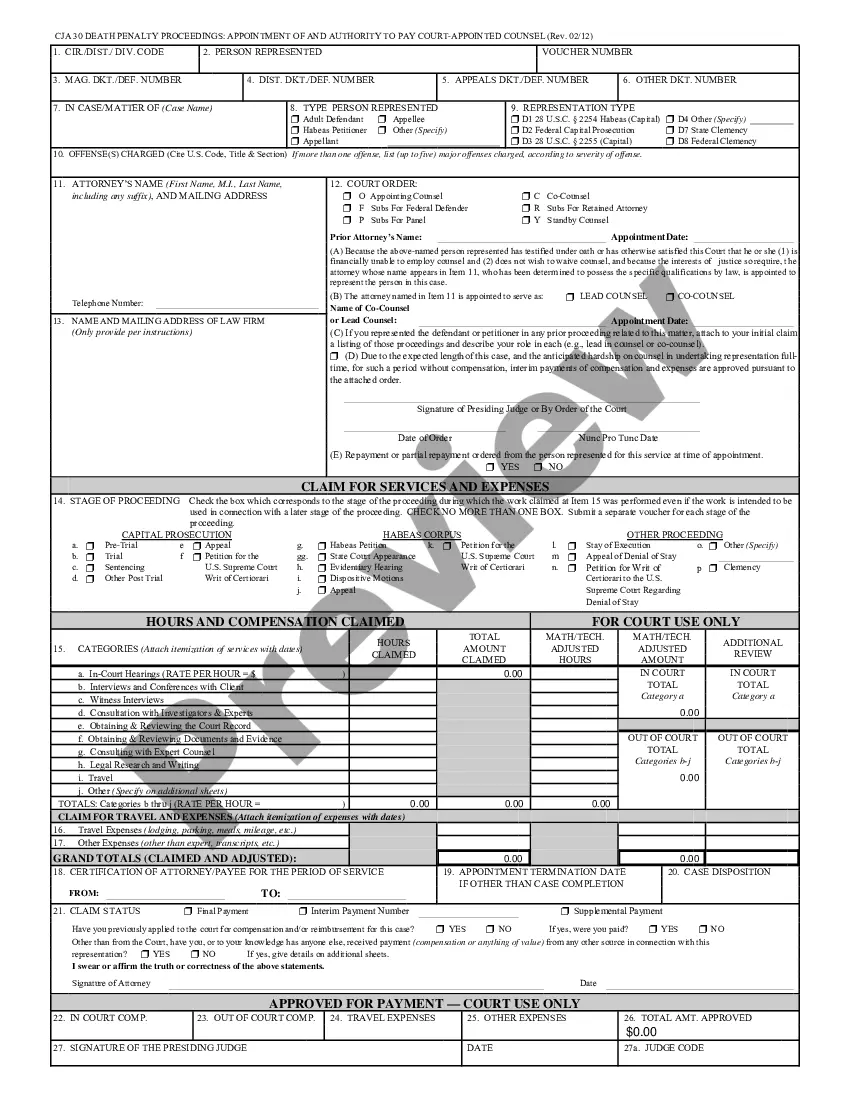
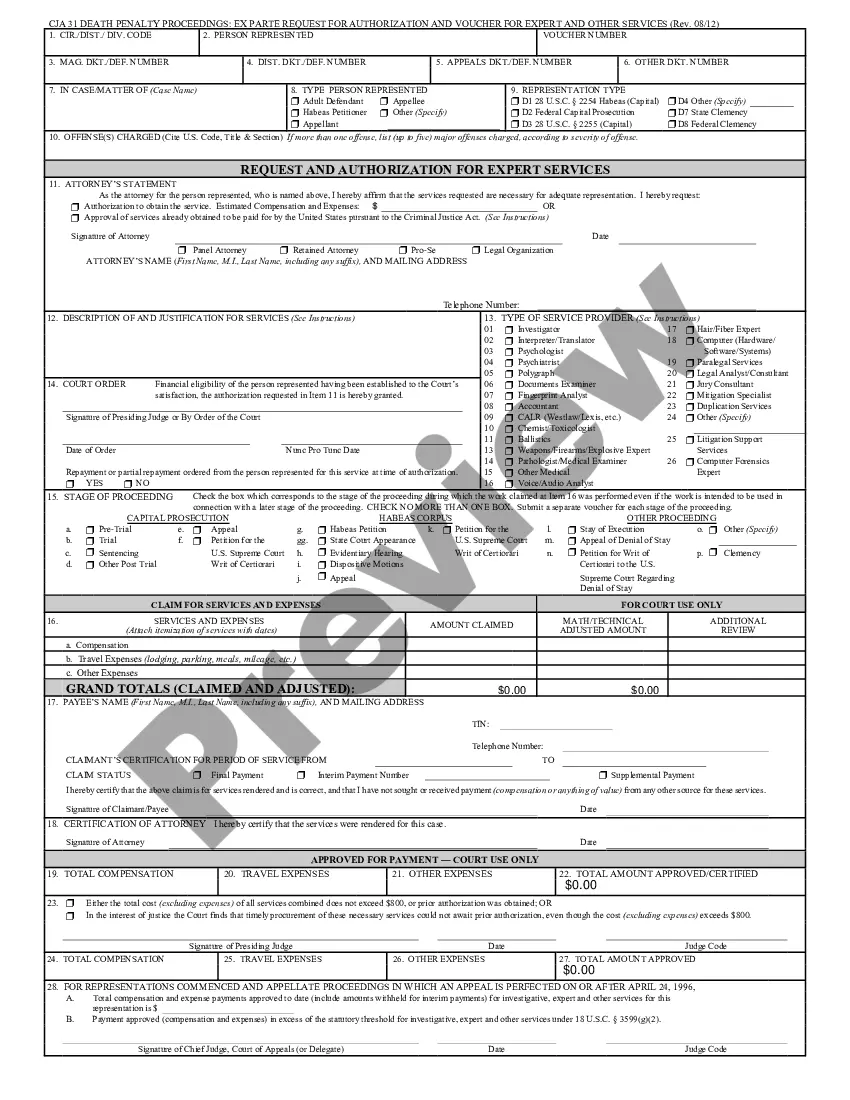
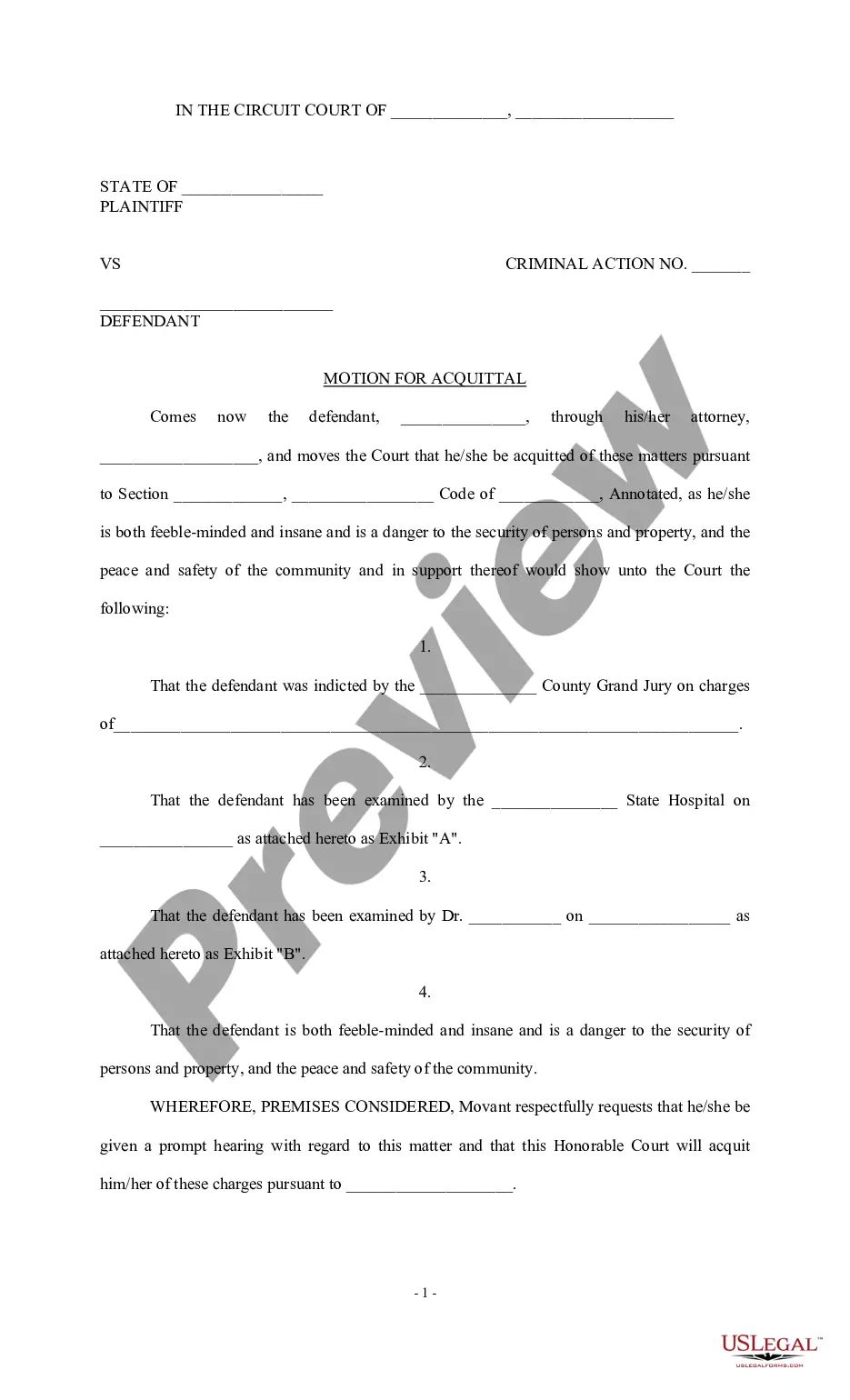
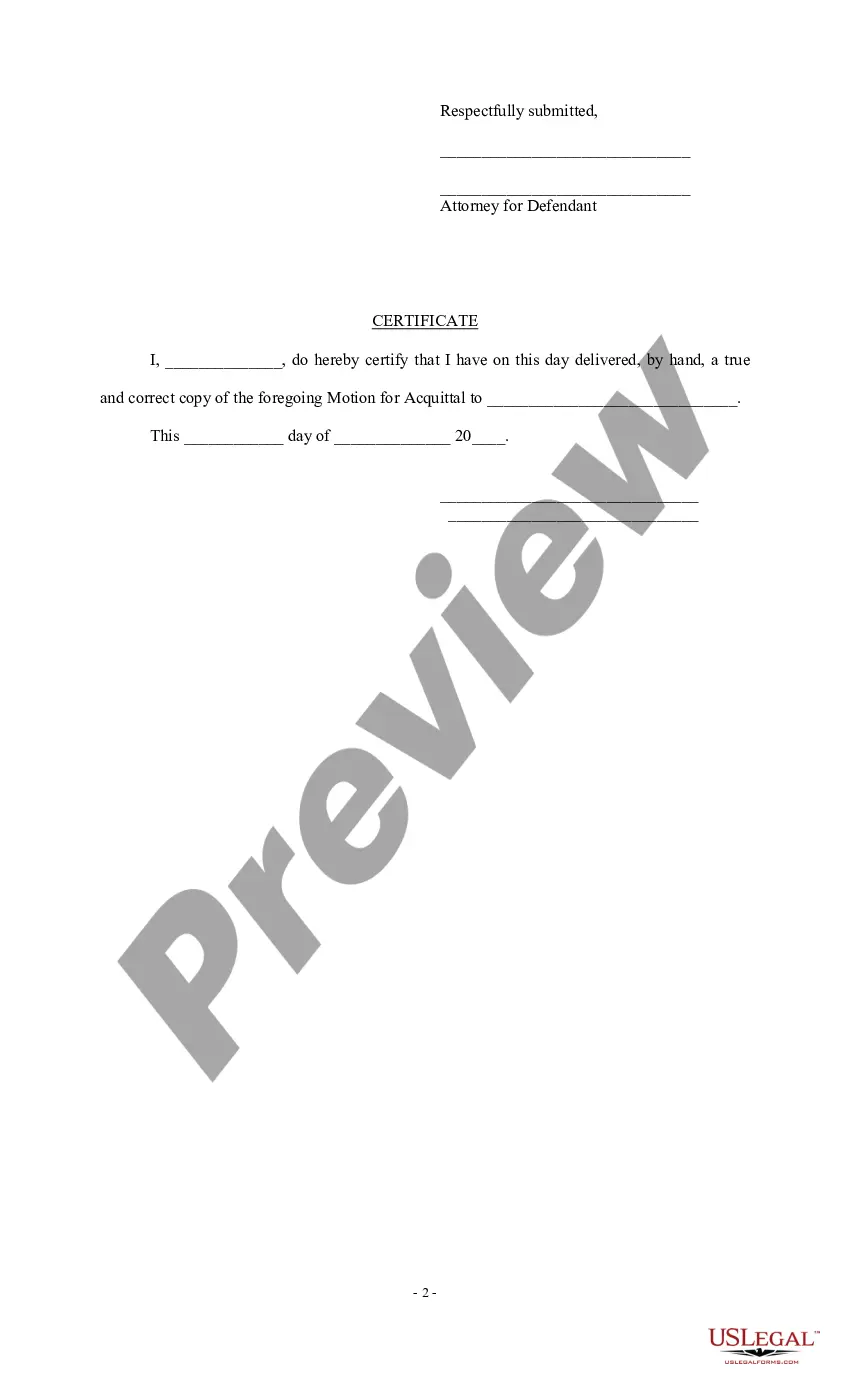
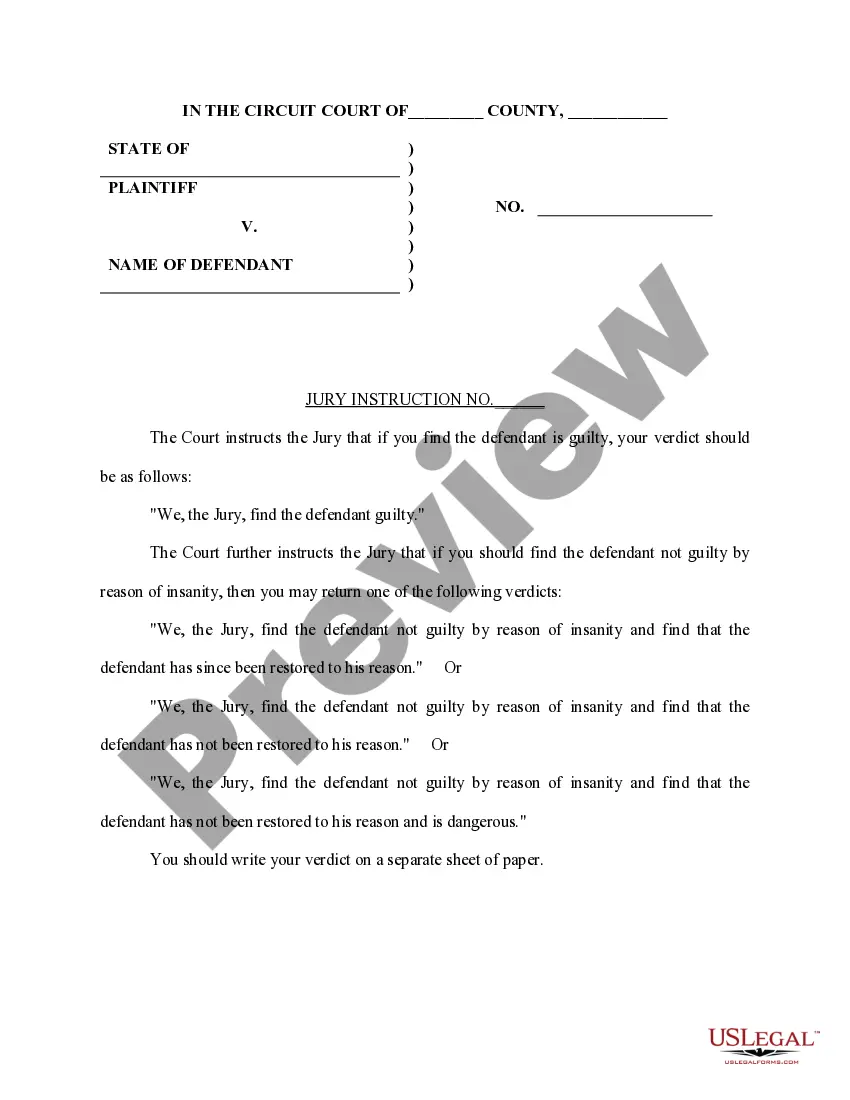
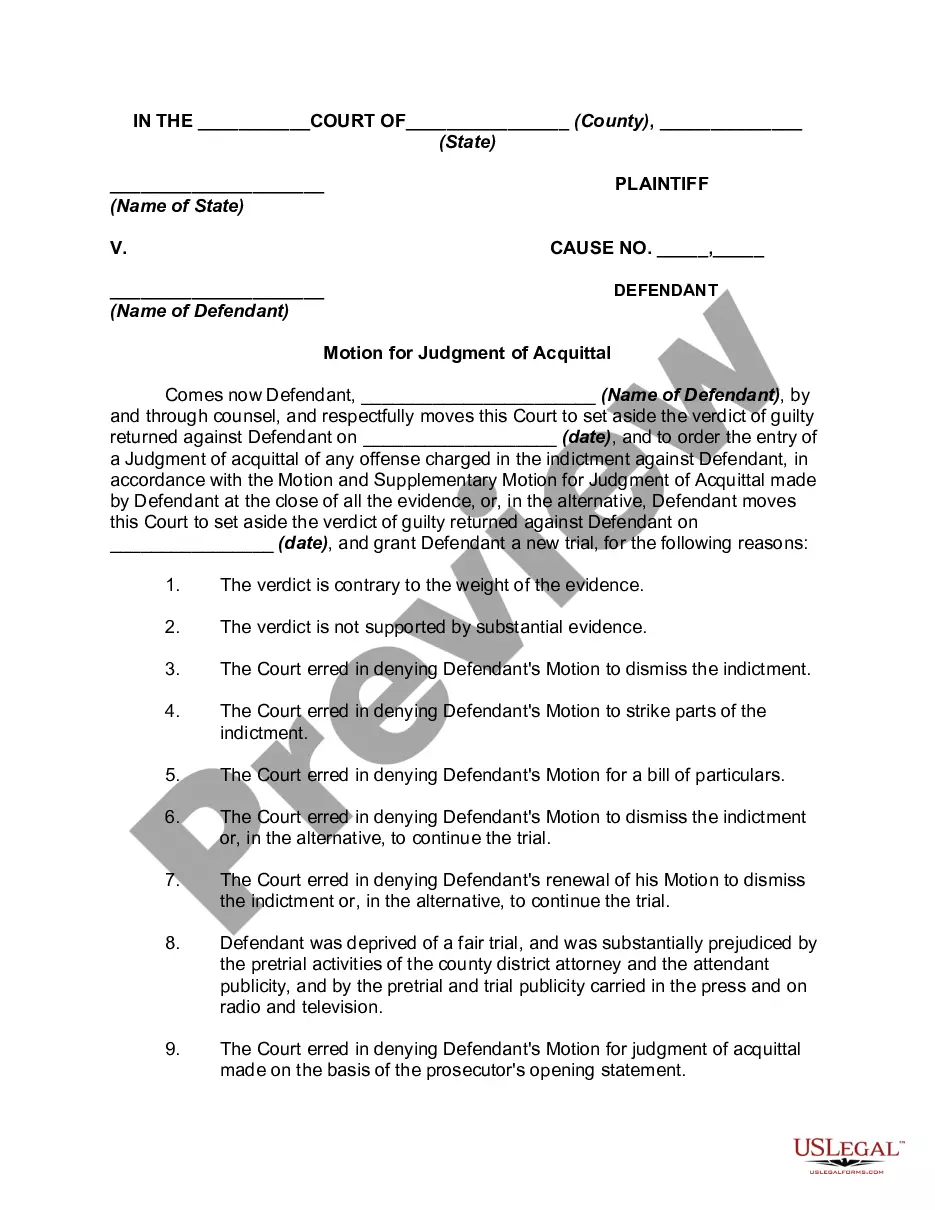
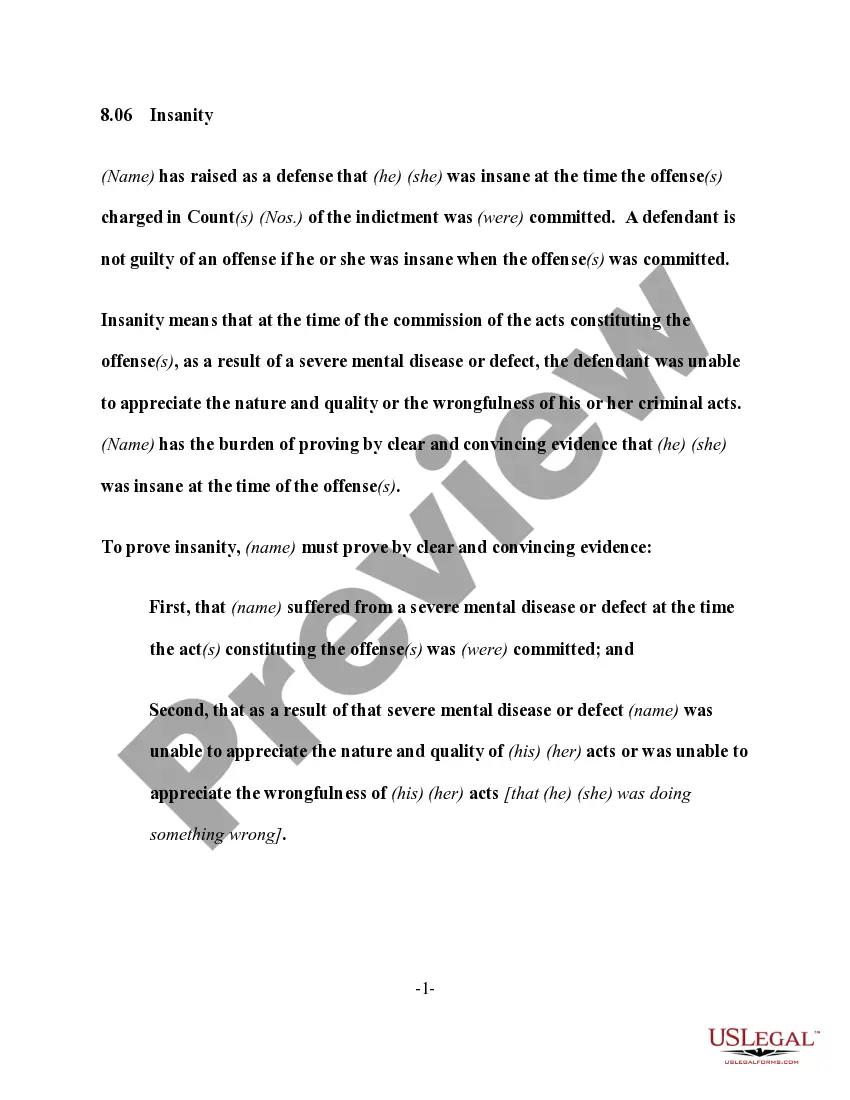
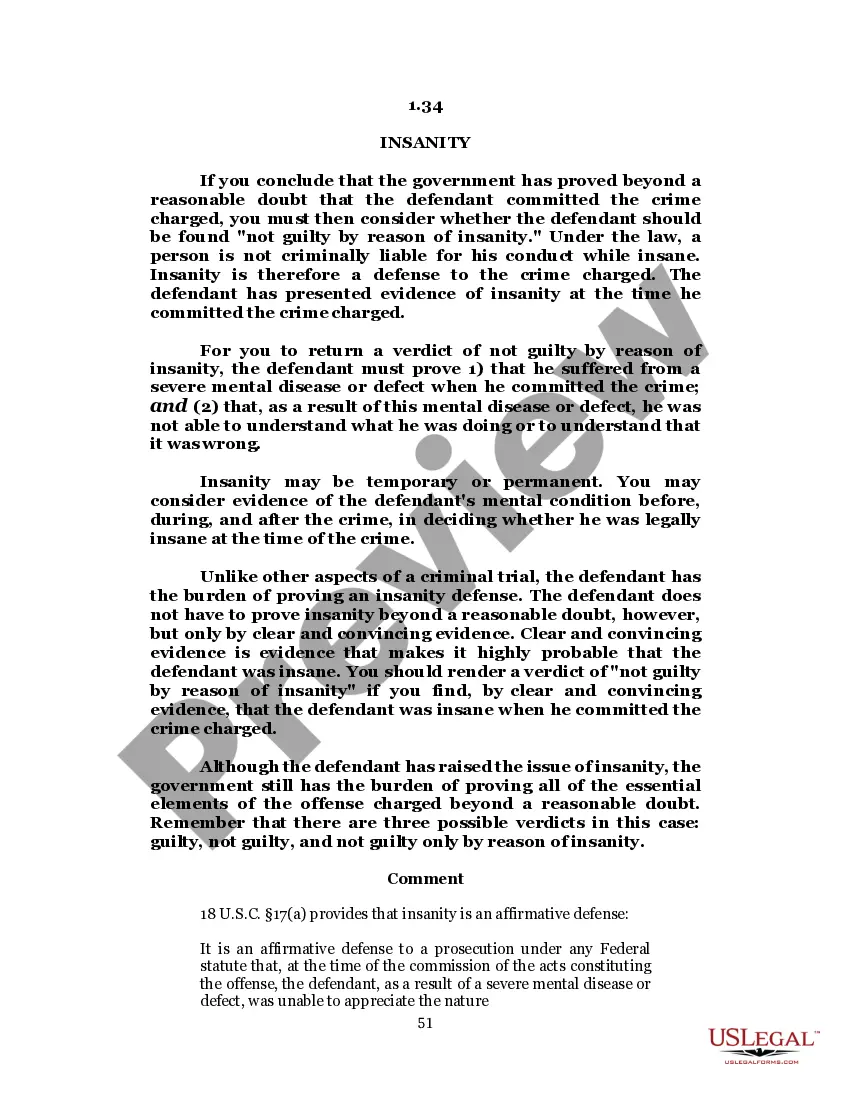
Defendant, through his/her attorney moves the court that he/she be acquitted of certain matters because he/she is both-feeble minded and insane
Kansas Motion for Acquittal Based on Insanity
Instant download
Description
Free preview
Get your form ready online
Our built-in tools help you complete, sign, share, and store your documents in one place.
Built-in online Word editor
Make edits, fill in missing information, and update formatting in US Legal Forms—just like you would in MS Word.
Export easily
Download a copy, print it, send it by email, or mail it via USPS—whatever works best for your next step.
E-sign your document
Sign and collect signatures with our SignNow integration. Send to multiple recipients, set reminders, and more. Go Premium to unlock E-Sign.
Notarize online 24/7
If this form requires notarization, complete it online through a secure video call—no need to meet a notary in person or wait for an appointment.
Store your document securely
We protect your documents and personal data by following strict security and privacy standards.

Make edits, fill in missing information, and update formatting in US Legal Forms—just like you would in MS Word.

Download a copy, print it, send it by email, or mail it via USPS—whatever works best for your next step.

Sign and collect signatures with our SignNow integration. Send to multiple recipients, set reminders, and more. Go Premium to unlock E-Sign.

If this form requires notarization, complete it online through a secure video call—no need to meet a notary in person or wait for an appointment.

We protect your documents and personal data by following strict security and privacy standards.
Looking for another form?
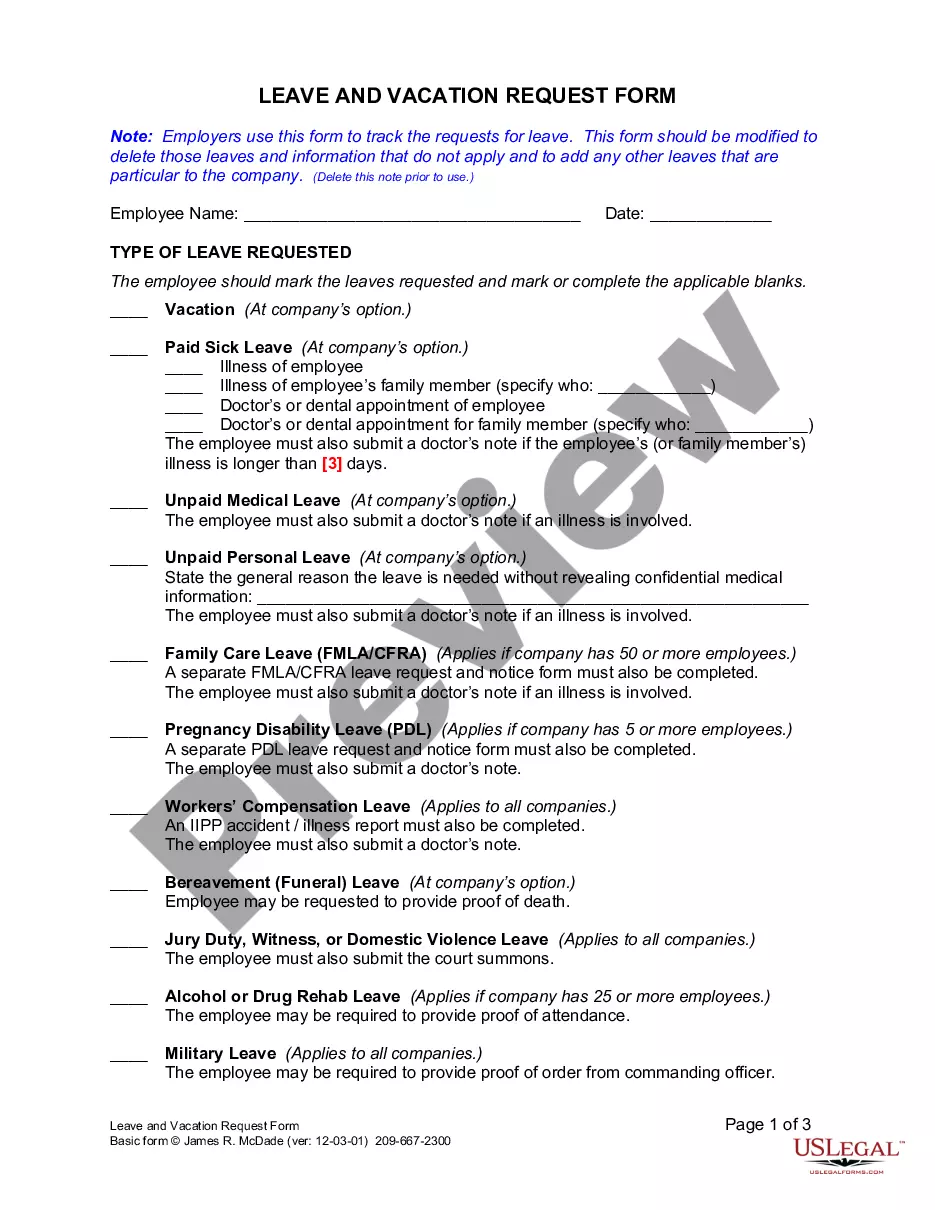





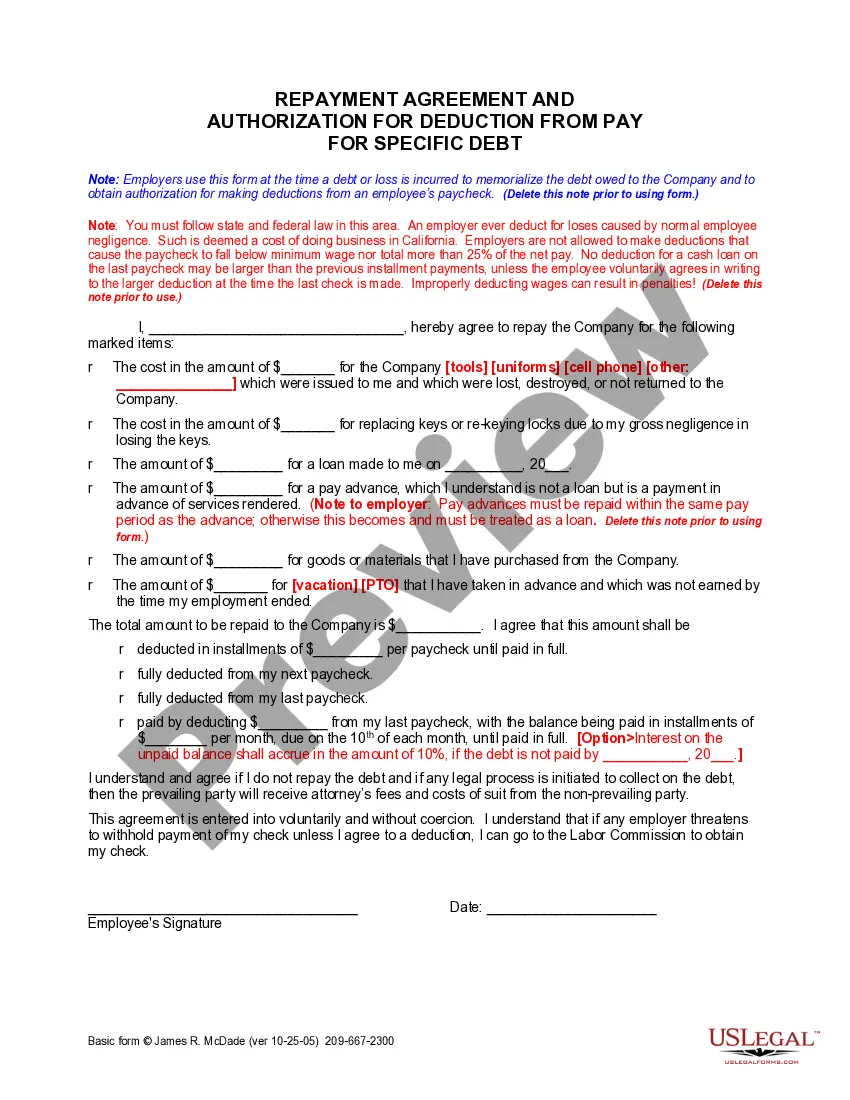
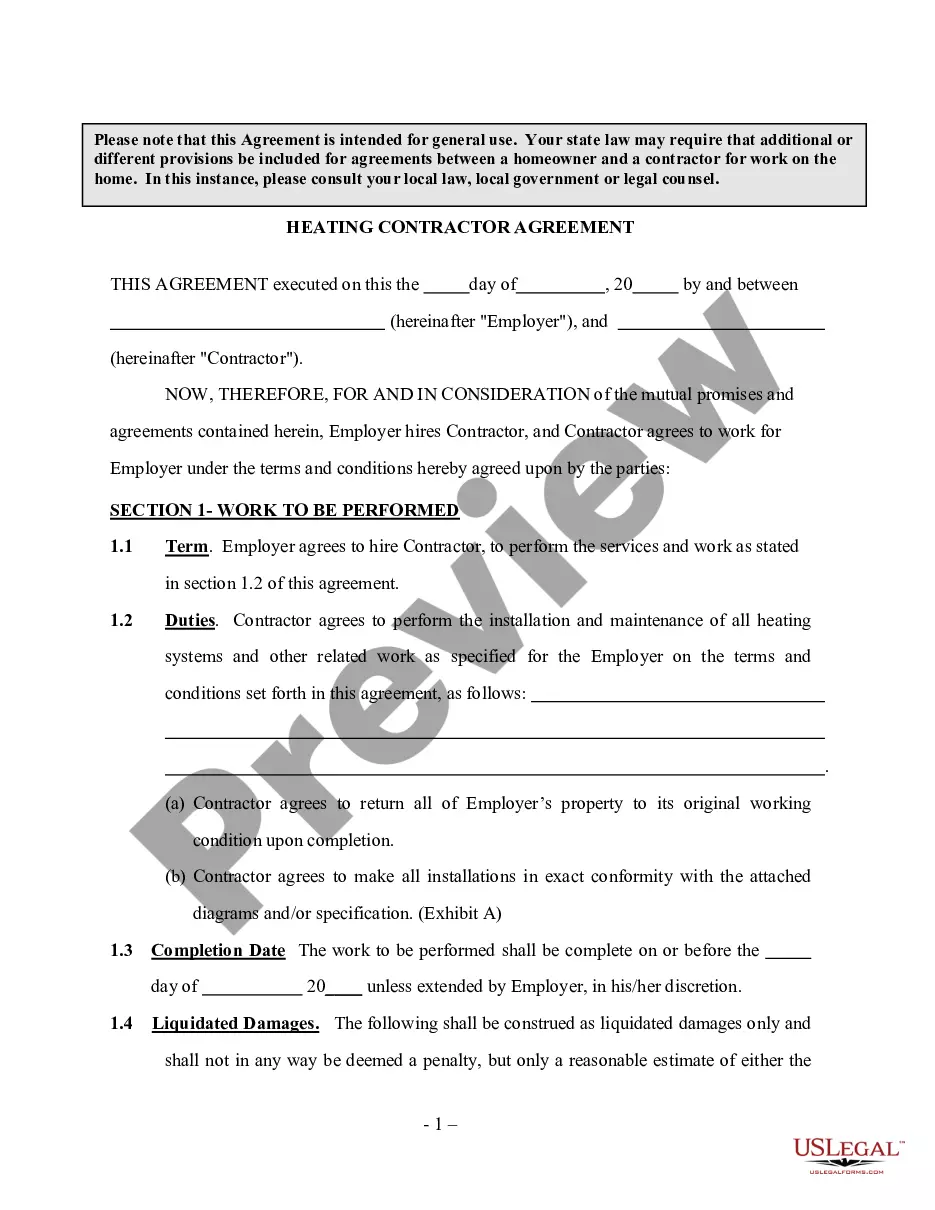
How to fill out Motion For Acquittal Based On Insanity?
You might spend hours online attempting to find the legal document template that fulfills the state and federal requirements you need.
US Legal Forms provides thousands of legal forms that can be reviewed by professionals.
You can easily download or print the Kansas Motion for Acquittal Based on Insanity from the service.
If available, use the Review button to look through the document template as well. If you wish to obtain another version of the form, use the Search field to find the template that suits your needs and requirements. Once you have located the template you want, click Purchase now to continue. Choose the pricing plan you prefer, enter your information, and register for an account on US Legal Forms. Complete the transaction. You can use your credit card or PayPal account to pay for the legal form. Select the file format of the document and download it to your device. Make modifications to the document if necessary. You may complete, revise, sign, and print the Kansas Motion for Acquittal Based on Insanity. Download and print thousands of document templates using the US Legal Forms Website, which offers the largest selection of legal forms. Utilize professional and state-specific templates to address your business or personal needs.
- If you already have a US Legal Forms account, you may Log In and click the Download button.
- After that, you may complete, revise, print, or sign the Kansas Motion for Acquittal Based on Insanity.
- Each legal document template you purchase is yours for a long time.
- To obtain another copy of any acquired form, navigate to the My documents tab and click the corresponding button.
- If you are using the US Legal Forms website for the first time, follow the simple instructions provided below.
- First, ensure that you have selected the correct document template for the state/region of your choice.
- Review the form details to confirm you have chosen the right form.
Form popularity
FAQ
Approximately 10% of those pleading insanity were discharged, withdrawn, or found not guilty, while 64% were found guilty and 26% were acquitted NGRI. Furthermore, even those who were found guilty did not necessarily go to prison.
The highlights in this kind of defence are that it acts as an advantage for insane and mentally ill people who may commit crimes due to unsound mind (without any mens rea). The challenge is that violent criminals take advantage of the loopholes in insanity defence as a plan to escape liability of the crime.
In 1995, the Kansas legislature adopted what is referred to as the ?mens rea approach? and abolished the affirmative insanity defense. This approach allows a defendant to be acquitted who lacks the requisite mental state for the crime, without consideration of the defendant's understanding of wrongfulness. In Kahler v.
Ing to an eight-state study, the insanity defense is used in less than 1% of all court cases and, when used, has only a 26% success rate. Of those cases that were successful, 90% of the defendants had been previously diagnosed with mental illness.
A legal determination of acquittal by reason of insanity puts the legal question to rest so that both patient and providers can work unencumbered toward recovery goals.
The Reality of Insanity Pleas One study found that the insanity defense is only used in about 1% of all court cases. It is only successful in about 26% of those cases. So, approximately one-quarter of 1% of cases in the U.S. criminal justice system end with a defendant being found not guilty because of insanity.