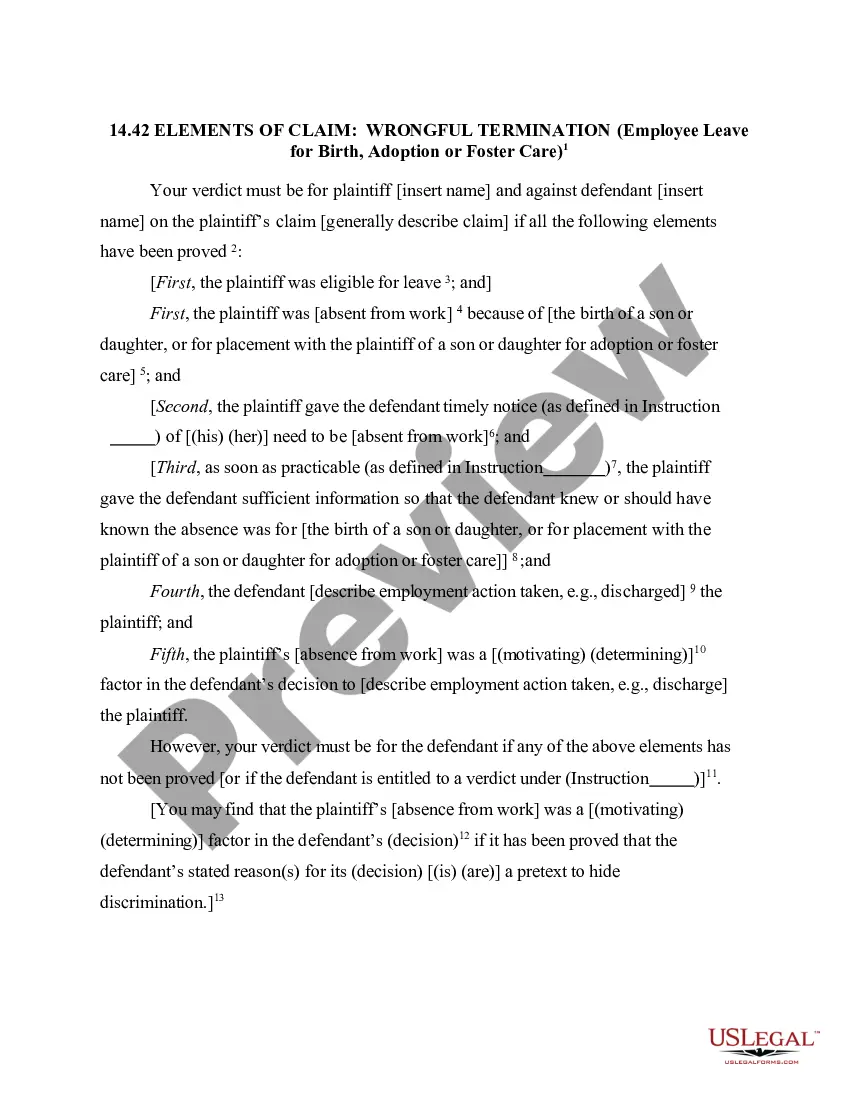
Kansas Demand for Notice of Aggravating and for Disclosure of Evidence Supporting Mitigating Circumstances
Description
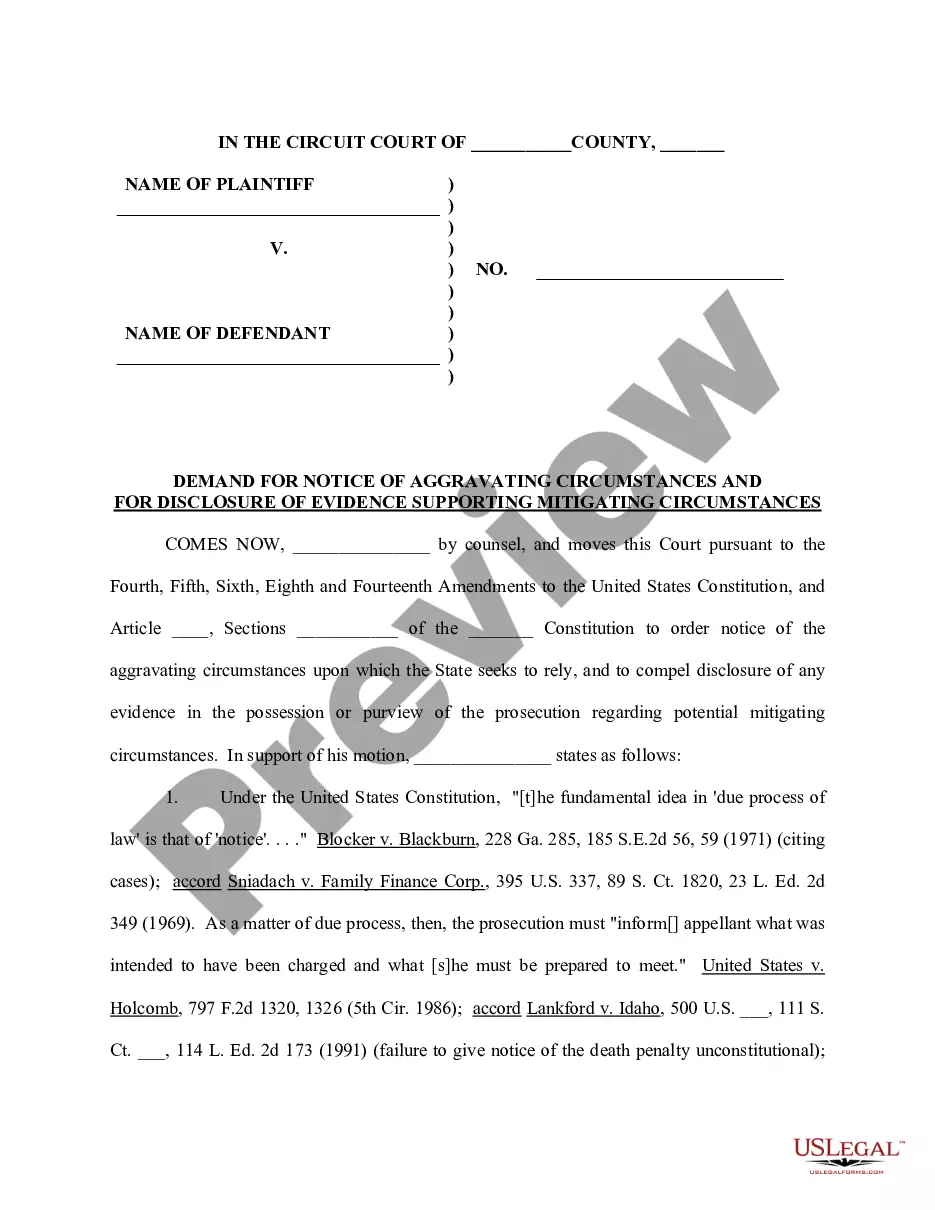
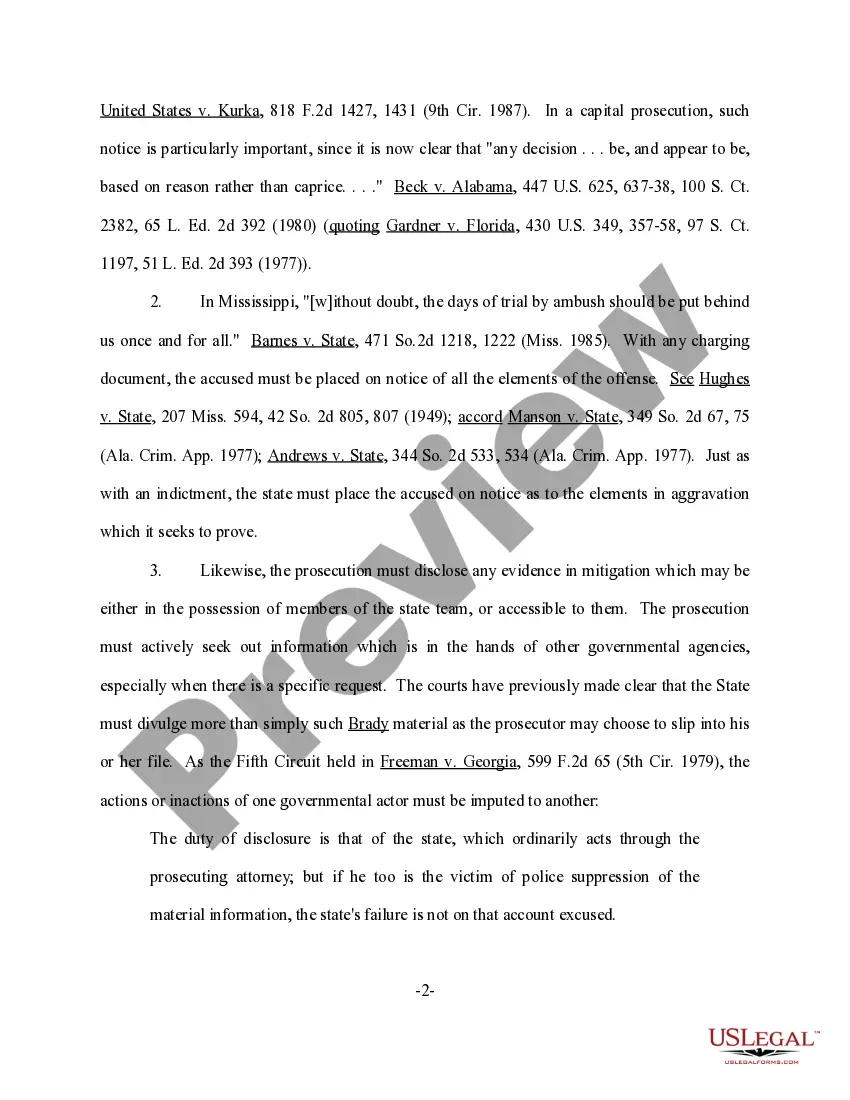
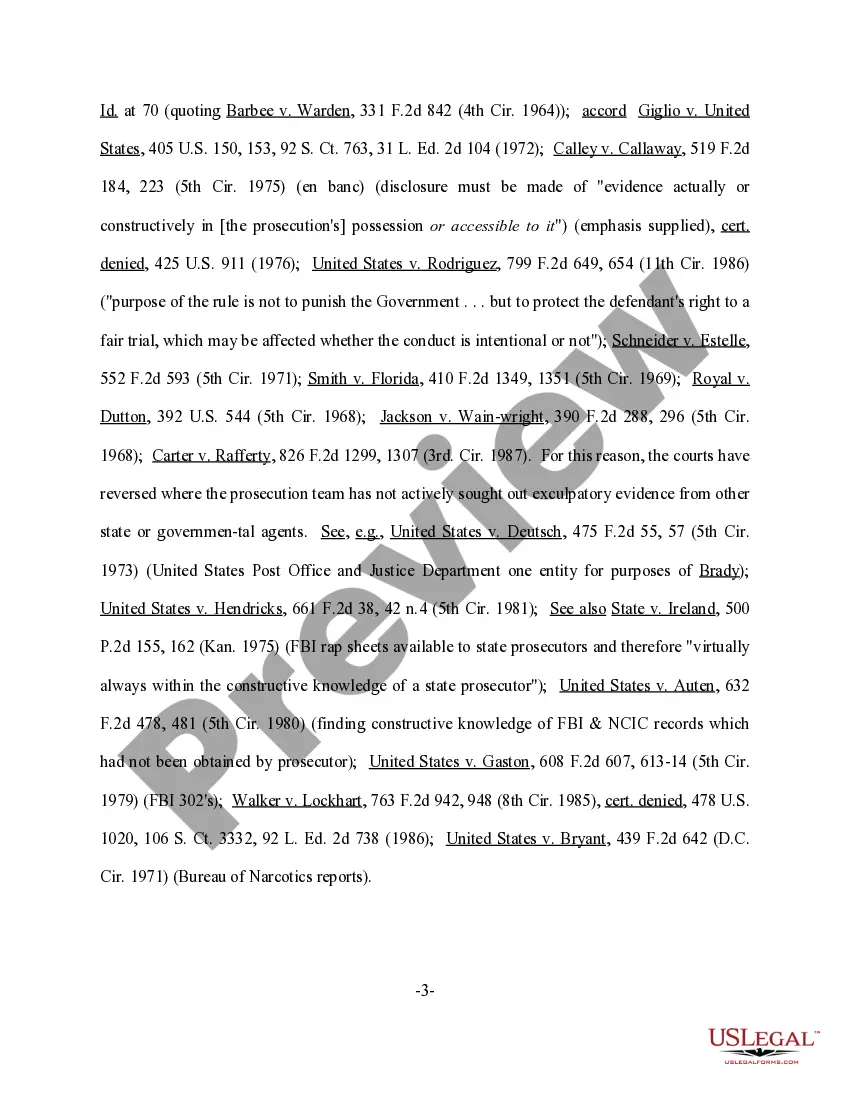
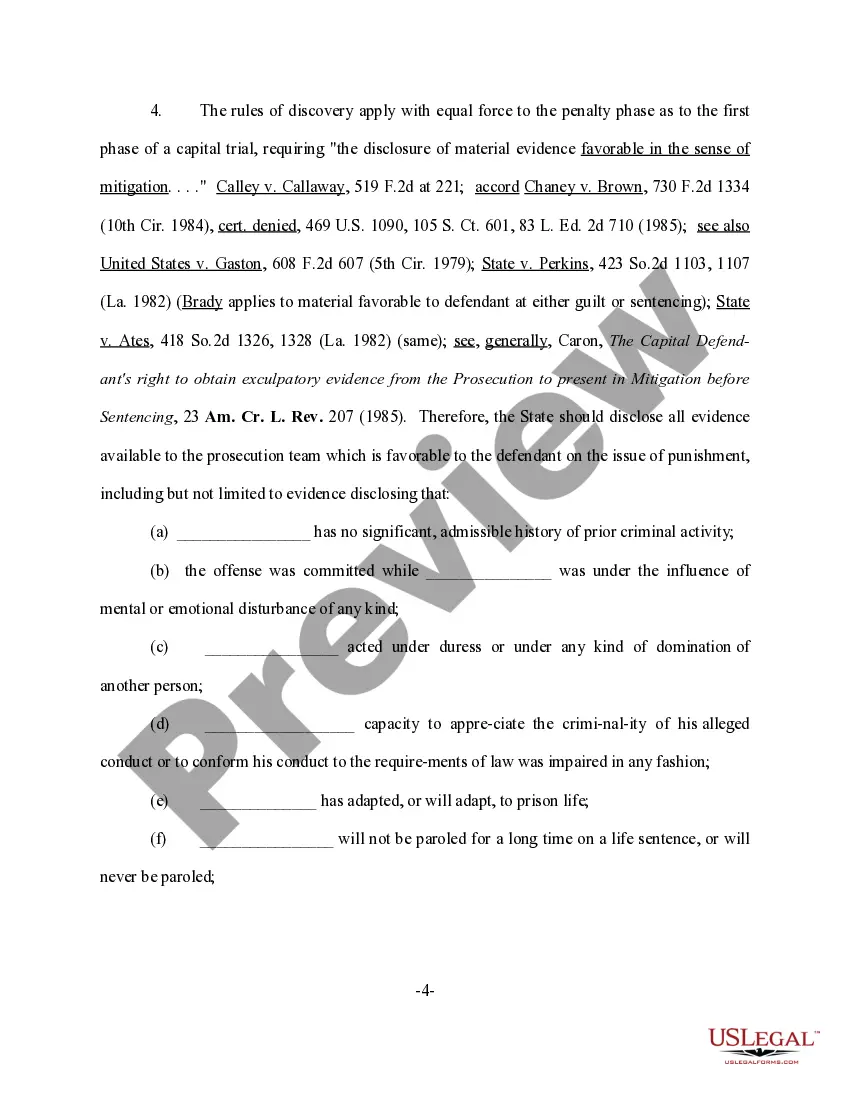
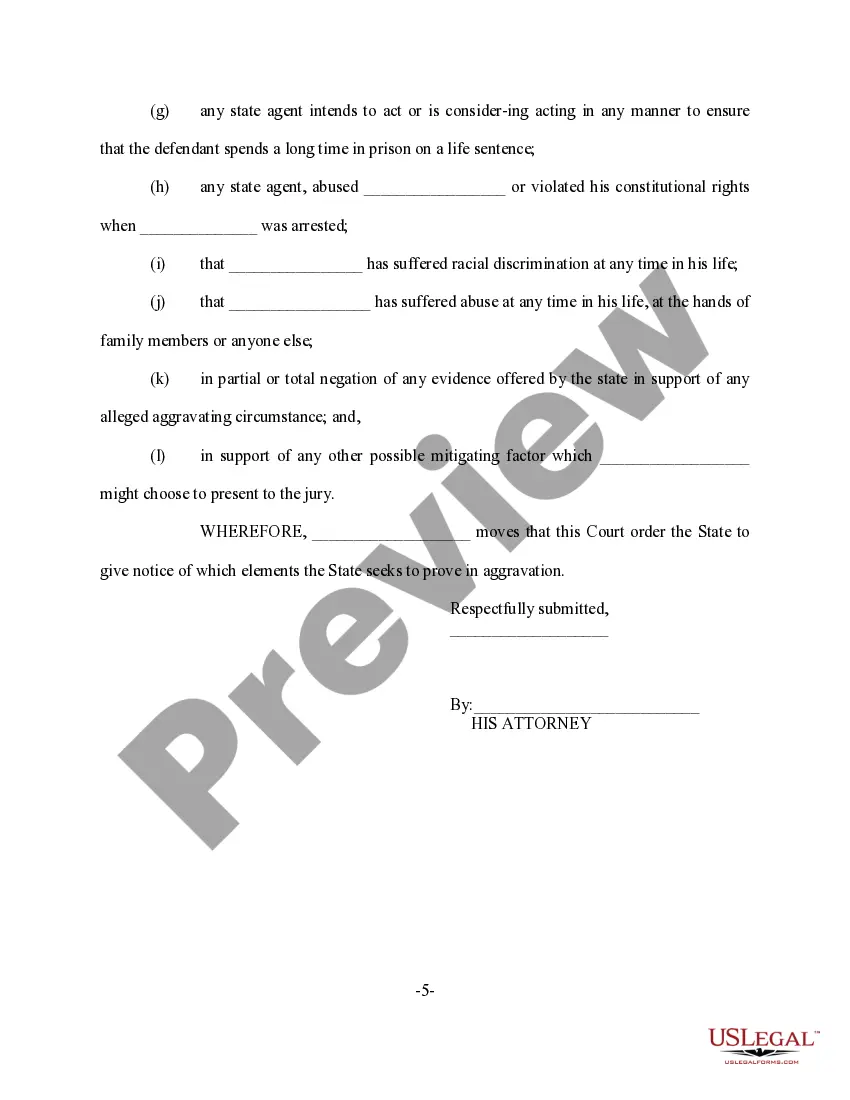
How to fill out Demand For Notice Of Aggravating And For Disclosure Of Evidence Supporting Mitigating Circumstances?
US Legal Forms - one of the largest collections of legal documents in the United States - offers a broad assortment of legal form templates that you can download or create.
By utilizing the website, you can discover thousands of forms for business and personal purposes, organized by categories, states, or keywords. You can find the latest versions of forms like the Kansas Demand for Notice of Aggravating and for Disclosure of Evidence Supporting Mitigating Circumstances in moments.
If you have a monthly membership, Log In and download the Kansas Demand for Notice of Aggravating and for Disclosure of Evidence Supporting Mitigating Circumstances from the US Legal Forms library. The Download option will appear on every form you view. You can access all previously acquired forms from the My documents section of your account.
Make modifications. Complete, edit, print, and sign the downloaded Kansas Demand for Notice of Aggravating and for Disclosure of Evidence Supporting Mitigating Circumstances.
Each template you added to your account has no expiration date and is yours forever. Therefore, if you wish to download or print another copy, simply navigate to the My documents section and click on the form you need. Access the Kansas Demand for Notice of Aggravating and for Disclosure of Evidence Supporting Mitigating Circumstances with US Legal Forms, the most extensive library of legal document templates. Utilize thousands of professional and state-specific templates that meet your business or personal requirements.
- If you're using US Legal Forms for the first time, here are simple instructions to get started.
- Make sure you have selected the correct form for your area/county. Click on the Preview option to review the form's details. Check the form information to confirm you have chosen the right form.
- If the form does not fit your requirements, use the Search box at the top of the screen to find the one that does.
- If you are satisfied with the form, confirm your choice by clicking the Buy now button. Then, select the pricing plan you prefer and provide your details to register for an account.
- Process the payment. Use a credit card or PayPal account to complete the transaction.
- Choose the format and download the form onto your device.
Form popularity
FAQ
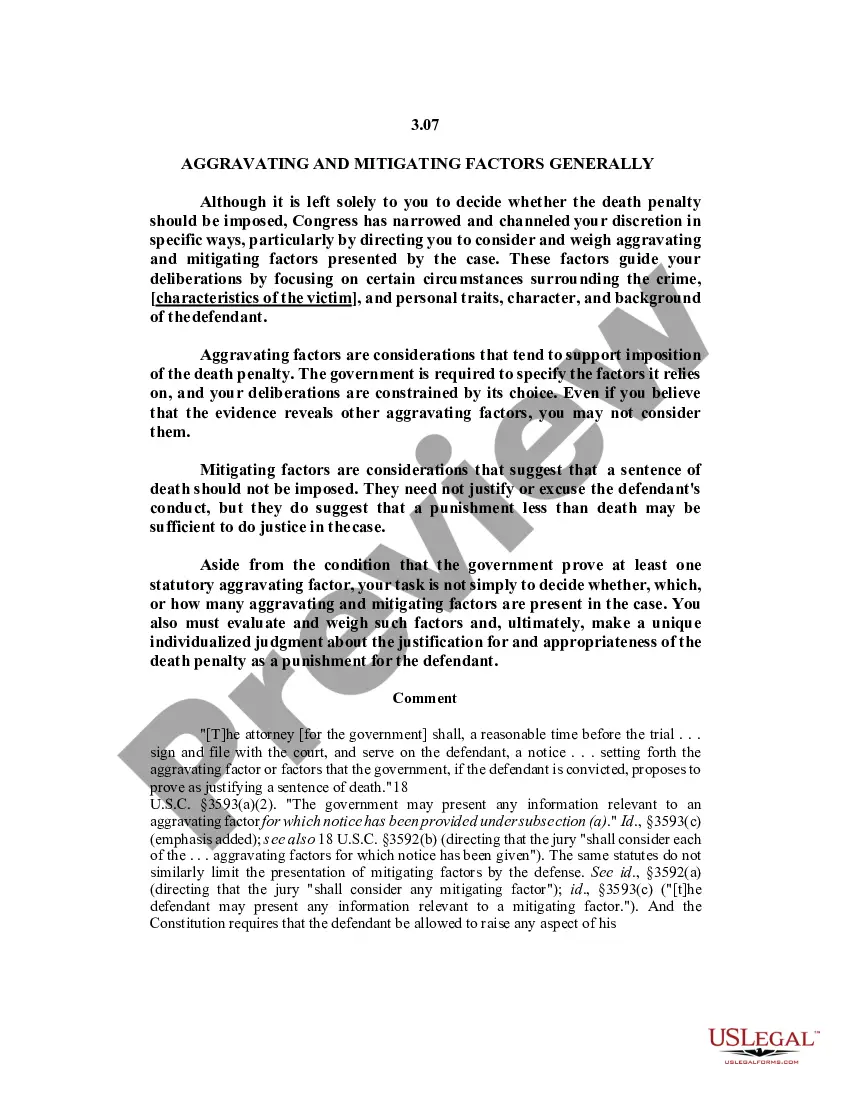
Examples of mitigating factors include mental illness or drug addiction, cooperating with law enforcement, good character before the incident, lack of any prior record, an immature age at the time of the offense, and is subject to unusual pressures or duress before committing a crime.
A mitigating factor, also called a mitigating circumstance or extenuating circumstance, is any fact or circumstance that lessens the defendant's severity or culpability of a criminal offense. Unlike justification or excuse defenses, mitigating factors only affect the defendant's sentence.
Mitigating (or extenuating) circumstances are factors that tend to lessen the severity of a crime or its punishment by making the defendant's conduct understandable or less blameworthy. Mitigating circumstances might include a defendant's young age, mental illness or addiction, or minor role in the crime.
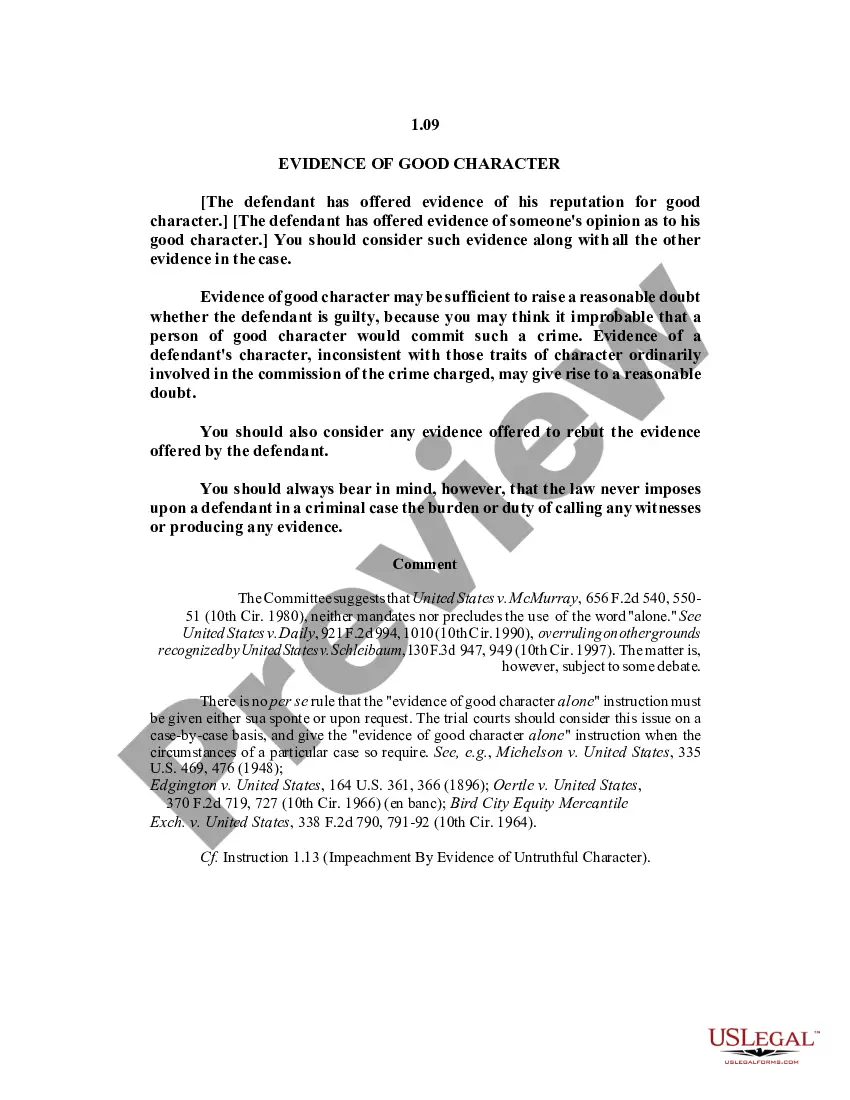
Lesson Summary. Aggravating factors are any circumstances or facts of a criminal case that raise the length of the sentence or the severity of the crime committed. Some of the most common aggravating factors include the age of the victim, their mental health, and the criminal history of the offender.
Mitigating factors include an ability for the criminal to reform, developmental disability, an addiction to illegal substances or alcohol that contributed to the criminal behavior, and past good deeds, among many others.