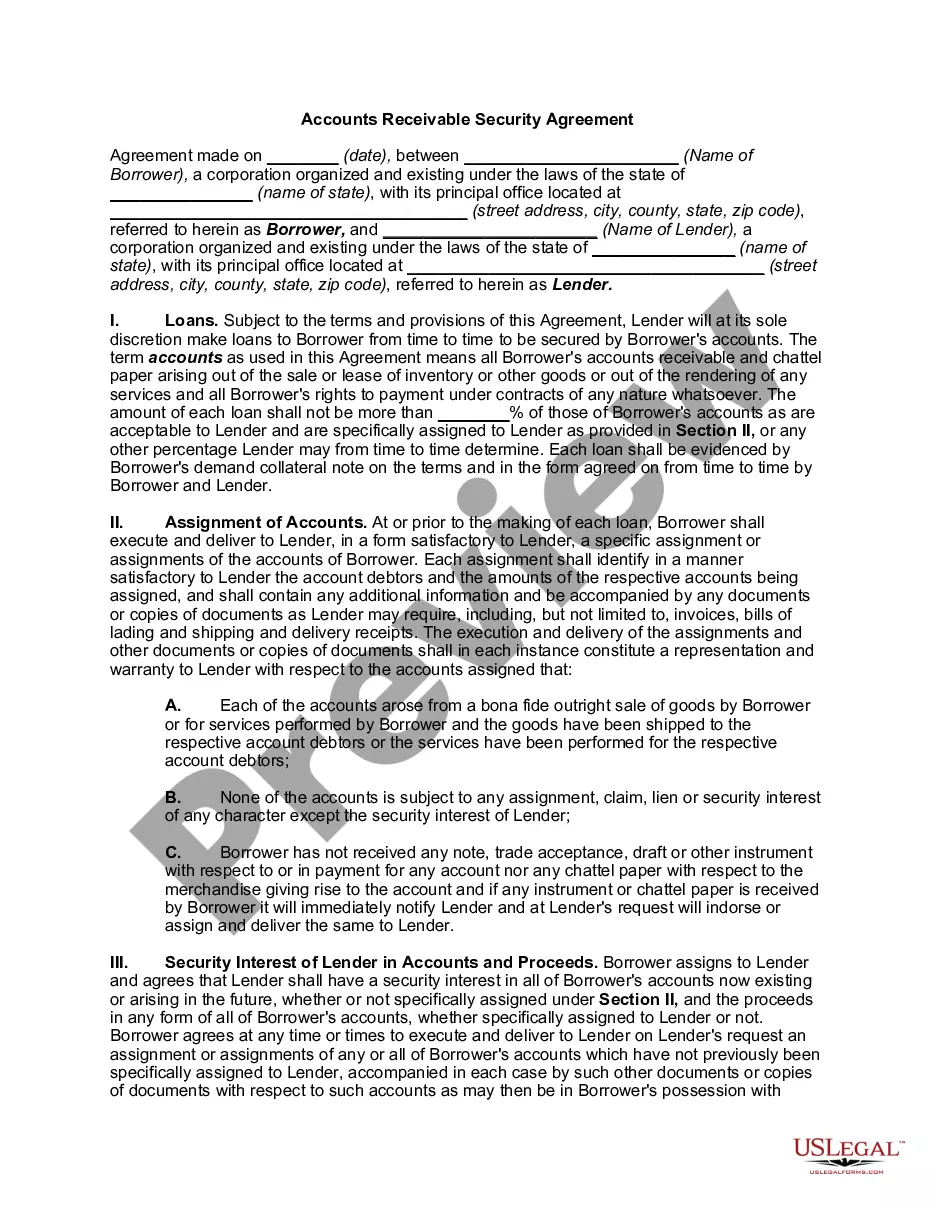
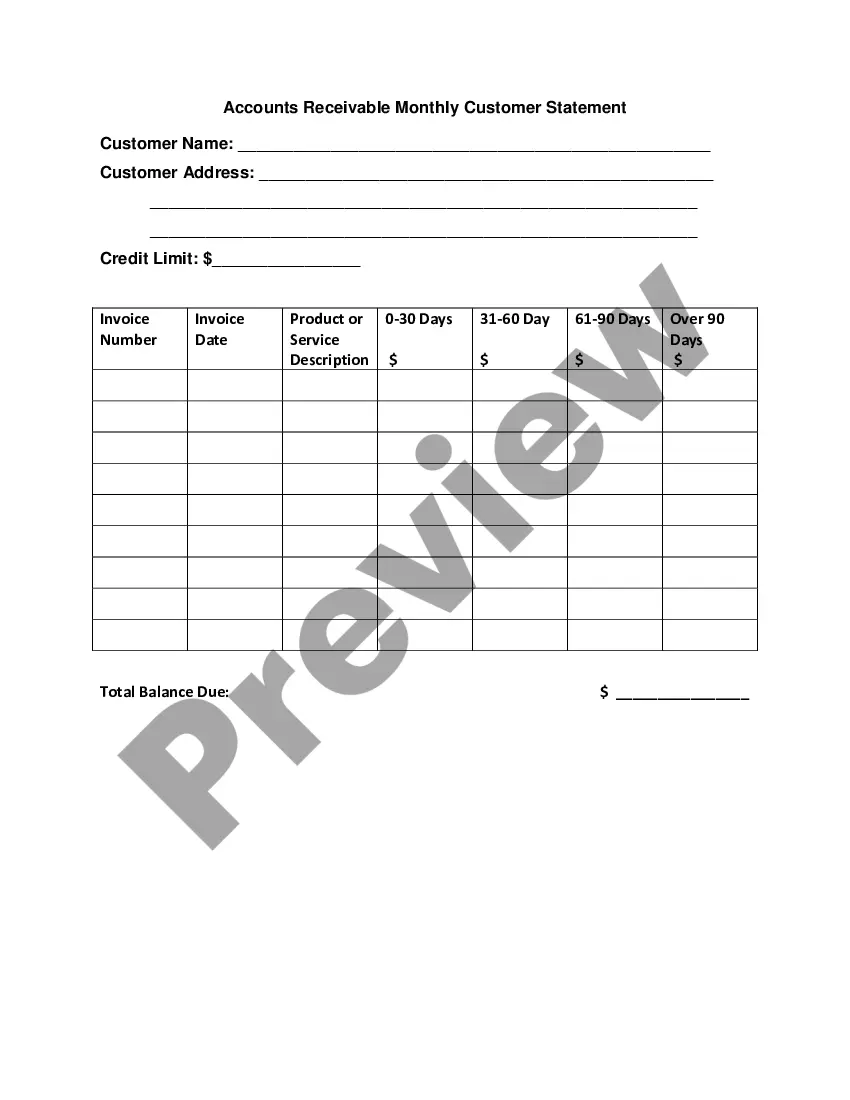
Kansas Accounts Receivable Monthly Customer Statement
Description






How to fill out Accounts Receivable Monthly Customer Statement?
US Legal Forms - one of the largest collections of legal documents in the USA - offers a variety of legal document templates you can download or print. By using the website, you will access thousands of forms for business and personal purposes, categorized by types, states, or keywords. You can find the latest versions of forms like the Kansas Accounts Receivable Monthly Customer Statement in just a few minutes.
If you already possess a membership, Log In and download the Kansas Accounts Receivable Monthly Customer Statement from the US Legal Forms library. The Download button will appear on every form you view. You can access all previously obtained forms in the My documents section of your account.
If you are using US Legal Forms for the first time, here are simple instructions to assist you in getting started: Ensure you have selected the correct form for your city/region. Click the Preview button to review the form’s content. Check the form description to confirm that you have chosen the right form. If the form does not meet your requirements, utilize the Search field at the top of the screen to find one that does. If you are satisfied with the form, confirm your selection by clicking the Acquire now button. Then, choose the pricing plan you prefer and provide your credentials to register for an account. Process the transaction. Use a credit card or PayPal account to complete the transaction. Select the format and download the form to your device. Make modifications. Fill out, edit, and print and sign the downloaded Kansas Accounts Receivable Monthly Customer Statement. Every template you added to your account has no expiration date and is yours permanently. Therefore, if you want to download or print another copy, simply go to the My documents section and click on the form you need.
- Access the Kansas Accounts Receivable Monthly Customer Statement with US Legal Forms, one of the most extensive libraries of legal document templates.
- Utilize a multitude of professional and state-specific templates that cater to your business or personal needs and requirements.
Form popularity
FAQ
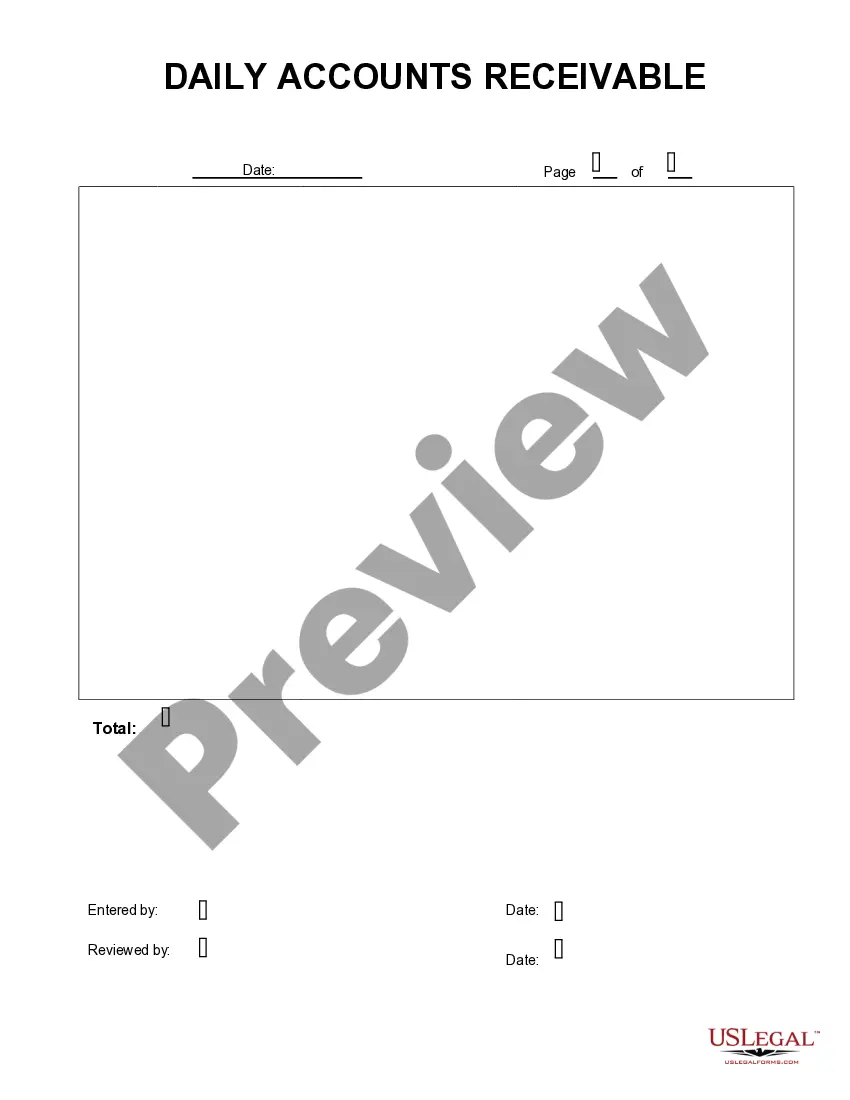
A monthly AR statement, or Kansas Accounts Receivable Monthly Customer Statement, is a detailed report that summarizes all transactions between a business and its customers over the month. It includes information such as outstanding invoices, payments received, and remaining balances. This statement helps businesses track their accounts receivable efficiently, ensuring they stay informed about customer payments. By utilizing tools like US Legal Forms, you can easily generate these statements to maintain clear communication with your clients.
Creating an accounts receivable report involves collecting data on outstanding invoices and payments. You can use software solutions, such as those offered by US Legal Forms, to generate comprehensive Kansas Accounts Receivable Monthly Customer Statements. These statements provide clarity on customer balances and payment histories. Regularly reviewing this report will help you identify trends, manage collections effectively, and improve overall financial health.
Example of a journal entry for accounts receivable The product's cost is $100, plus a 6% sales tax, so the company charges the customer $106. The journal entry would record a debit in the accounts receivable for the total the customer has paid, and it would have a credit in the sales tax payable and revenue accounts.
An A/R policy will define the procedures and responsibilities associated with the process of collecting what's owed to your business. A typical policy includes: The division of responsibilities defined in the accounts receivable departments. Accounts receivable procedures (i.e., when and how to invoice)
Accounts receivable (AR) refers to a company's unfulfilled payment claims for its products and services. Typically listed as one or multiple line items on a company's balance sheet, accounts receivable helps companies track money or payments that they have yet to receive from a client or customer.
The accounts receivable (AR) team is responsible for all cash inflows. They manage invoicing, payment collections, cash application, deductions, and credit risk. The accounts receivable team is critical to ensure that your sales revenue translates into cash in your bank account.
Accounts receivable (AR) is an item in the general ledger (GL) that shows money owed to a business by customers who have purchased goods or services on credit. AR is the opposite of accounts payable, which are the bills a company needs to pay for the goods and services it buys from a vendor.
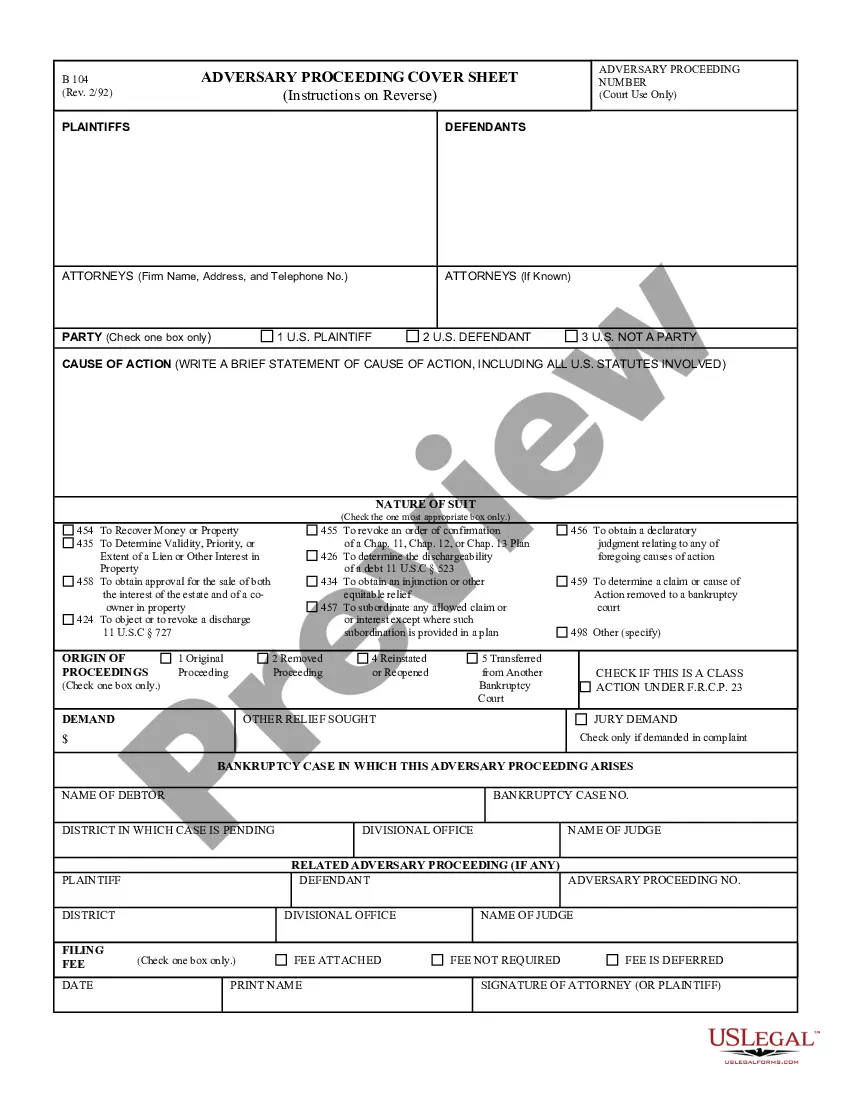
The Accounts Receivables Statements are documents that itemize all invoices, payments, and credits created during a specific time period, and whose intention is to remind the account holder of their account status.