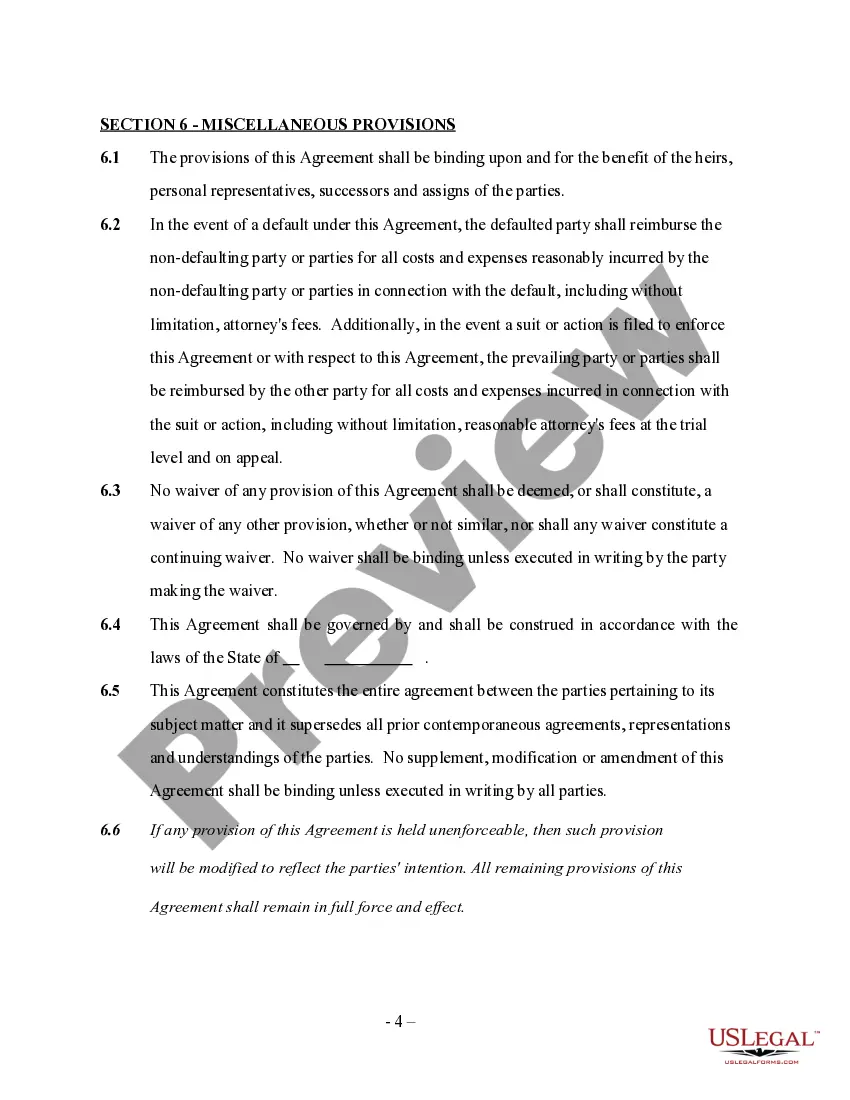
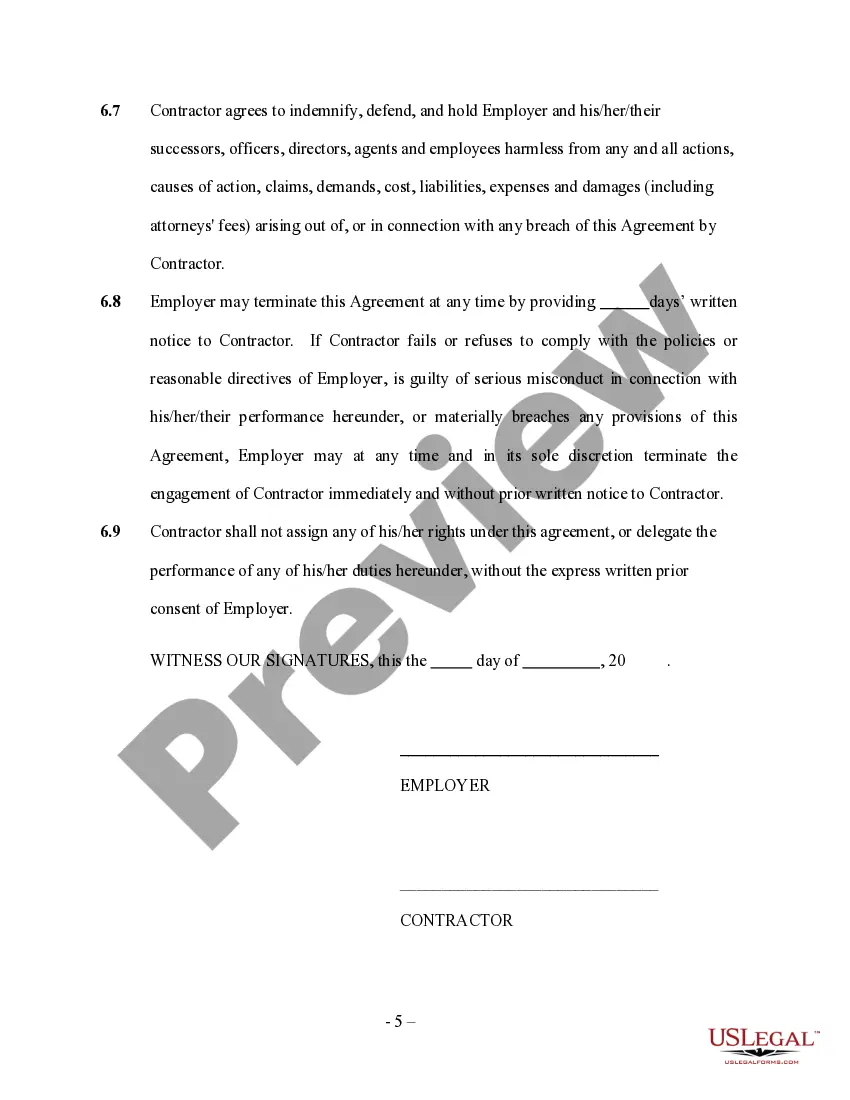
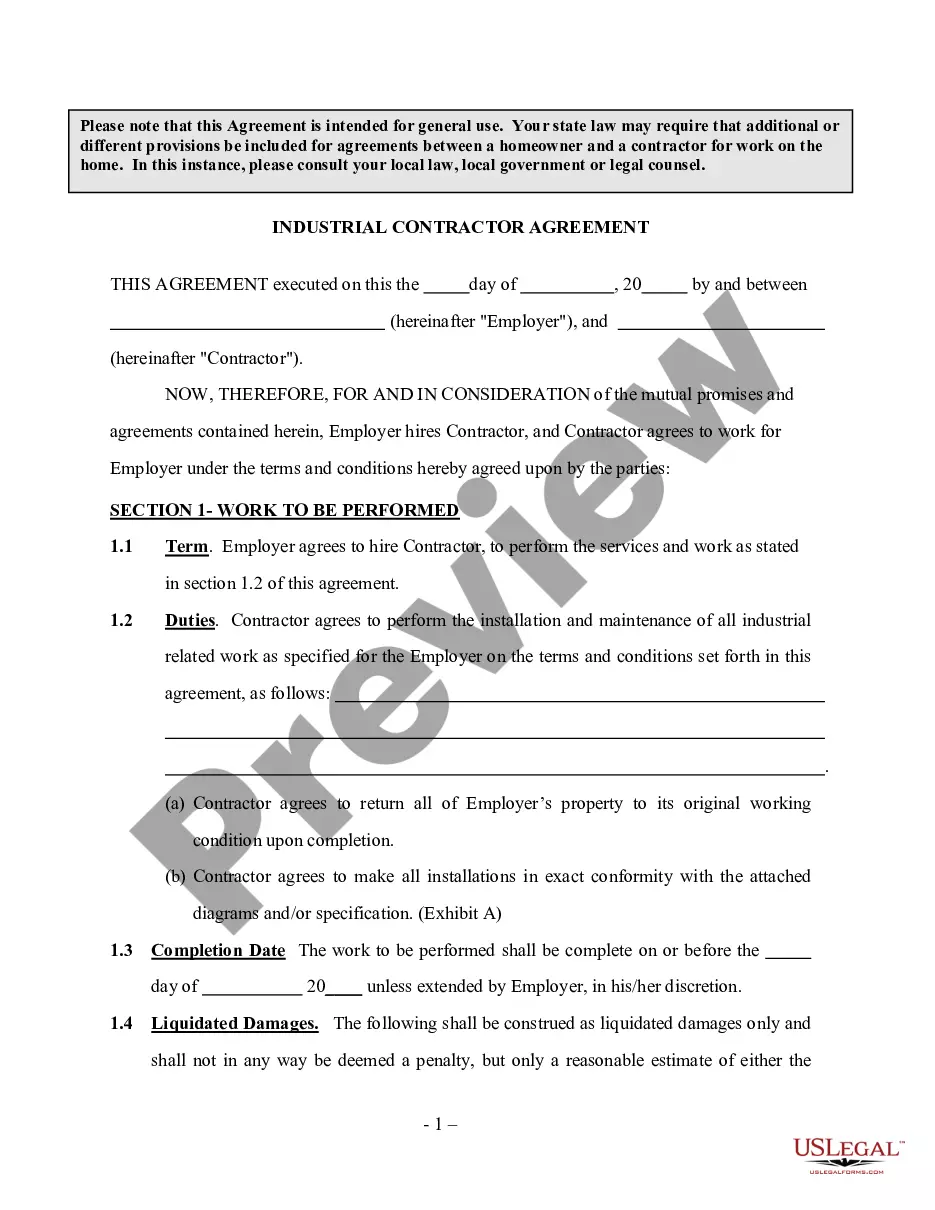
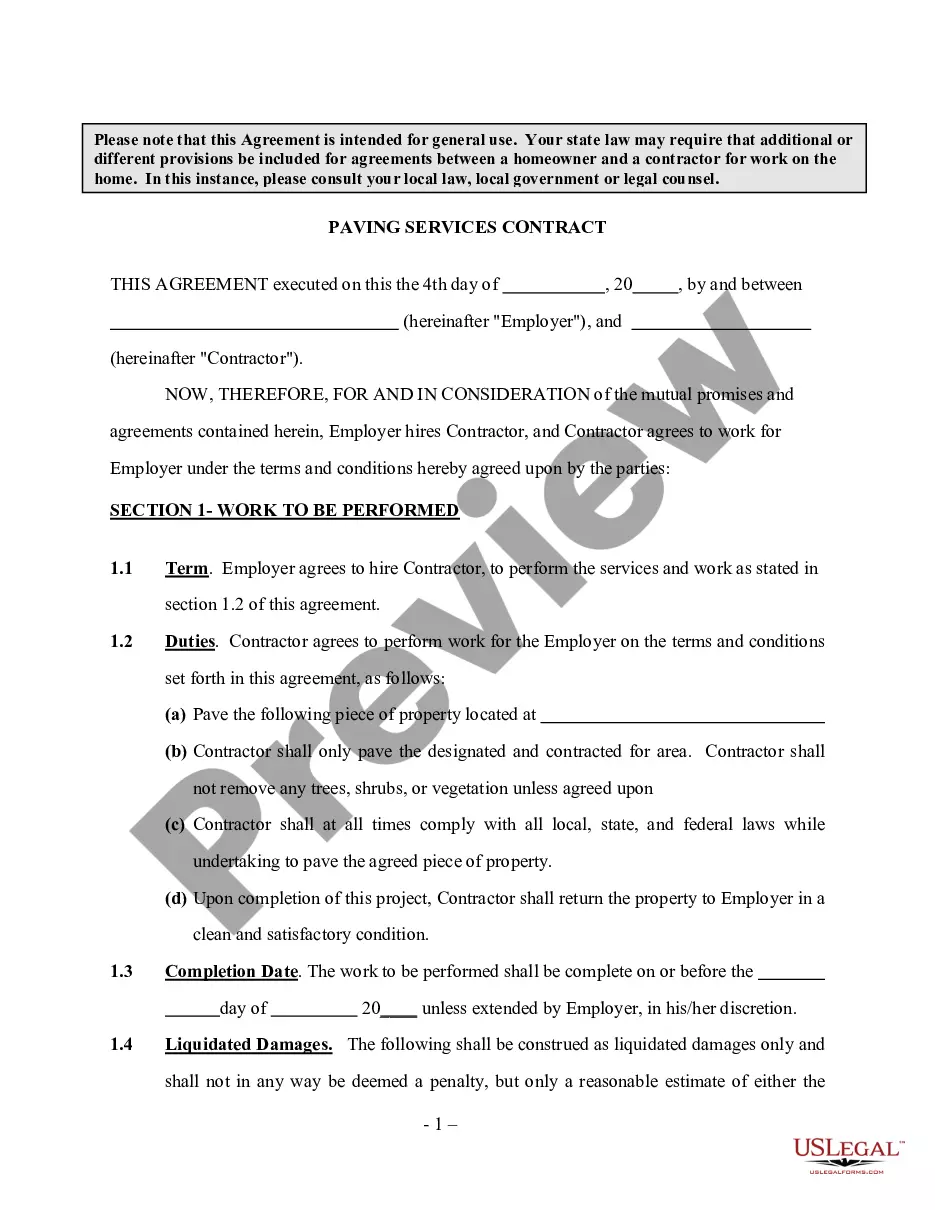
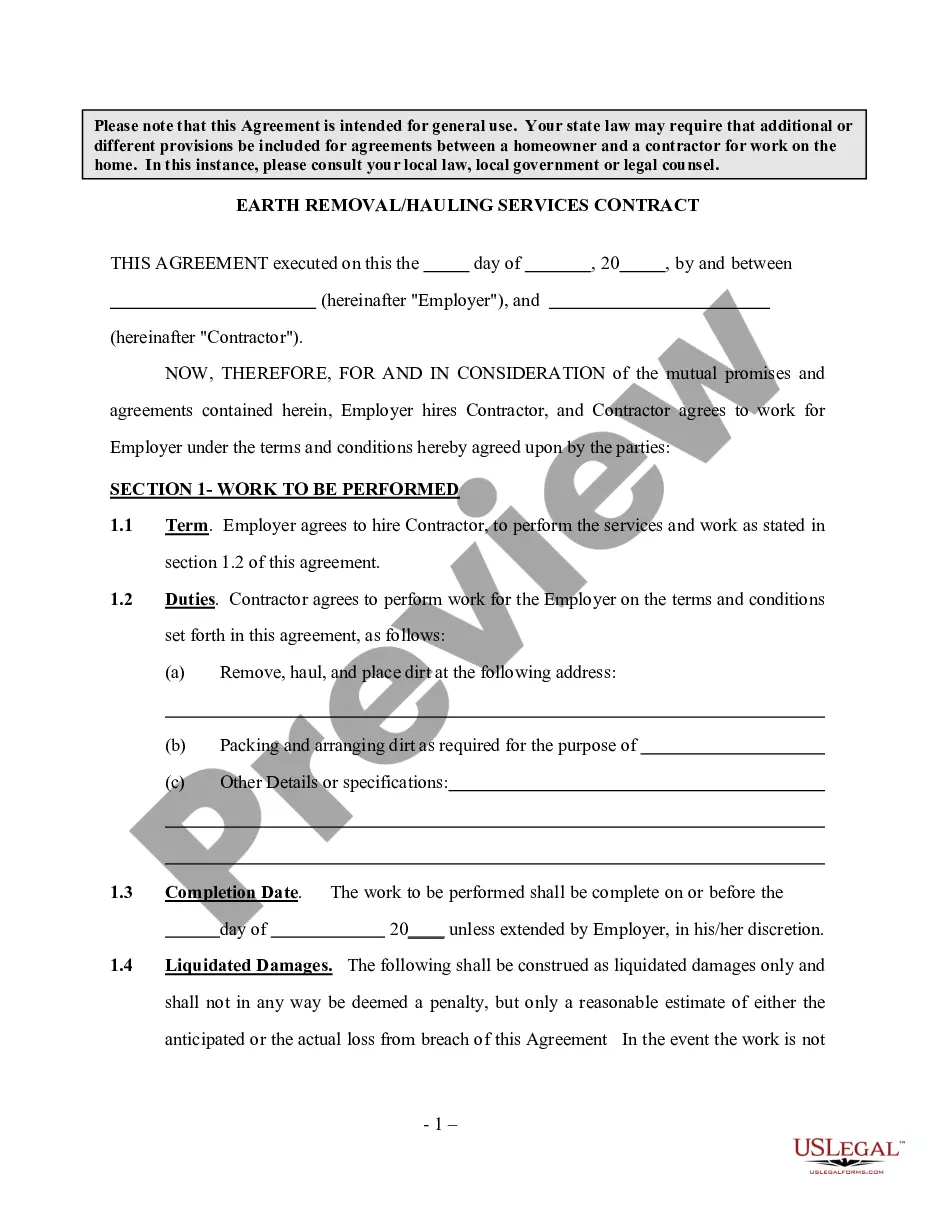
Employer contracts with an independent contractor to provide excavation services as specified and agreed upon in the contract. Please note that this Agreement is intended for general use. Your state law may require that additional or different provisions be included for agreements between a homeowner and a contractor for work on the home. In this instance, please consult your local law, local government or legal counsel.
Indiana Self-Employed Excavation Service Contract
State:
Multi-State
Control #:
US-INDC-95
Format:
Word;
Rich Text
Instant download
Description
Free preview
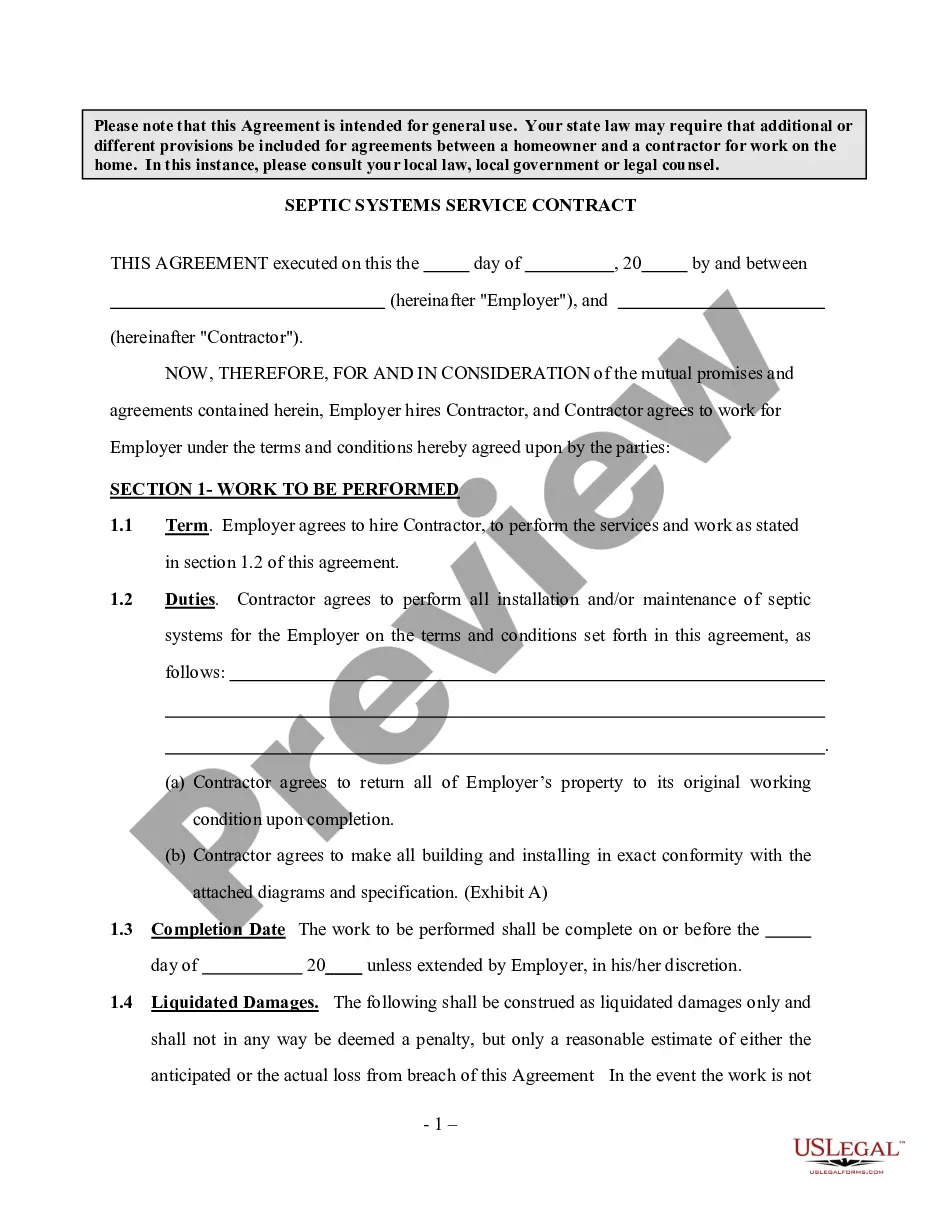

Get your form ready online
Our built-in tools help you complete, sign, share, and store your documents in one place.
Built-in online Word editor
Make edits, fill in missing information, and update formatting in US Legal Forms—just like you would in MS Word.
Export easily
Download a copy, print it, send it by email, or mail it via USPS—whatever works best for your next step.
E-sign your document
Sign and collect signatures with our SignNow integration. Send to multiple recipients, set reminders, and more. Go Premium to unlock E-Sign.
Notarize online 24/7
If this form requires notarization, complete it online through a secure video call—no need to meet a notary in person or wait for an appointment.
Store your document securely
We protect your documents and personal data by following strict security and privacy standards.

Make edits, fill in missing information, and update formatting in US Legal Forms—just like you would in MS Word.

Download a copy, print it, send it by email, or mail it via USPS—whatever works best for your next step.

Sign and collect signatures with our SignNow integration. Send to multiple recipients, set reminders, and more. Go Premium to unlock E-Sign.

If this form requires notarization, complete it online through a secure video call—no need to meet a notary in person or wait for an appointment.

We protect your documents and personal data by following strict security and privacy standards.
Looking for another form?
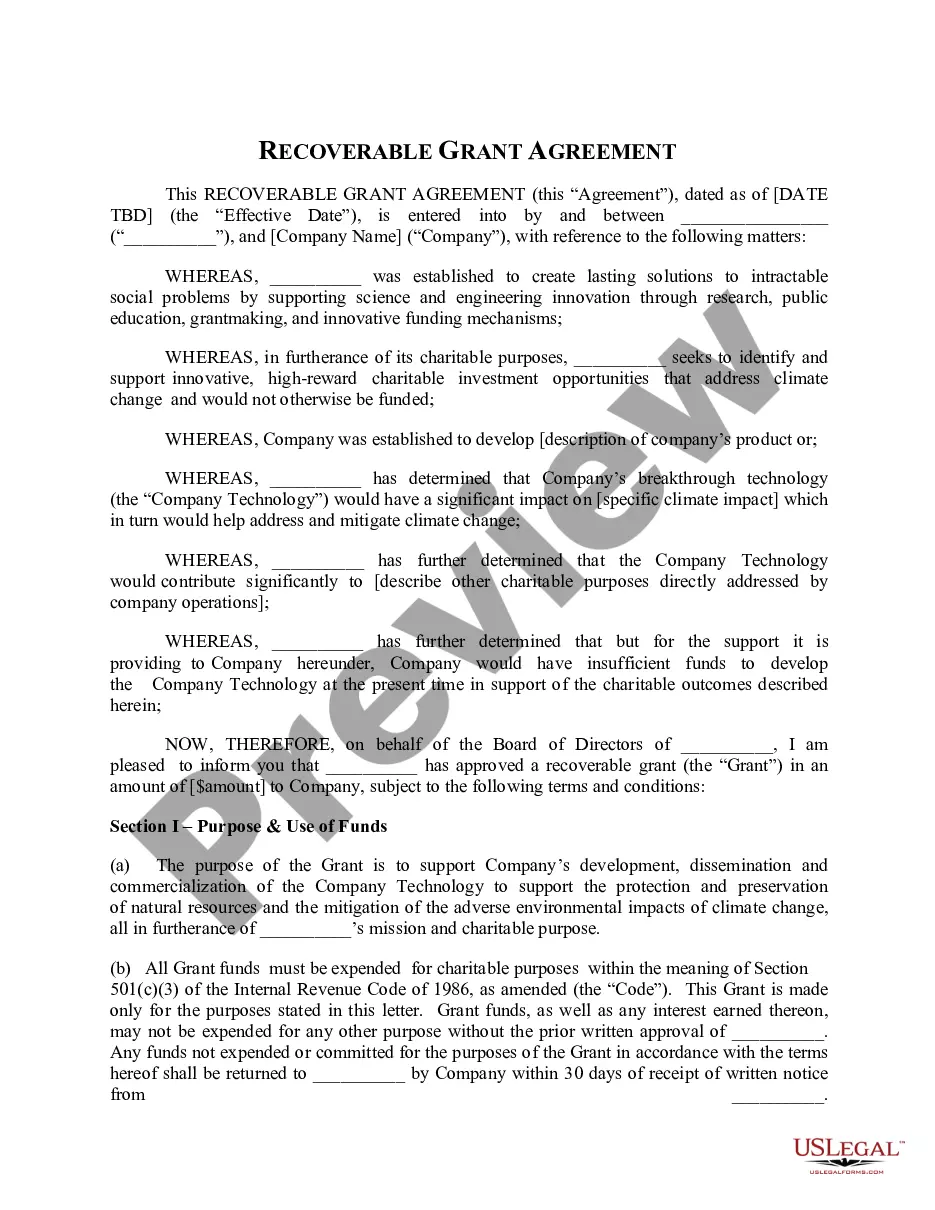

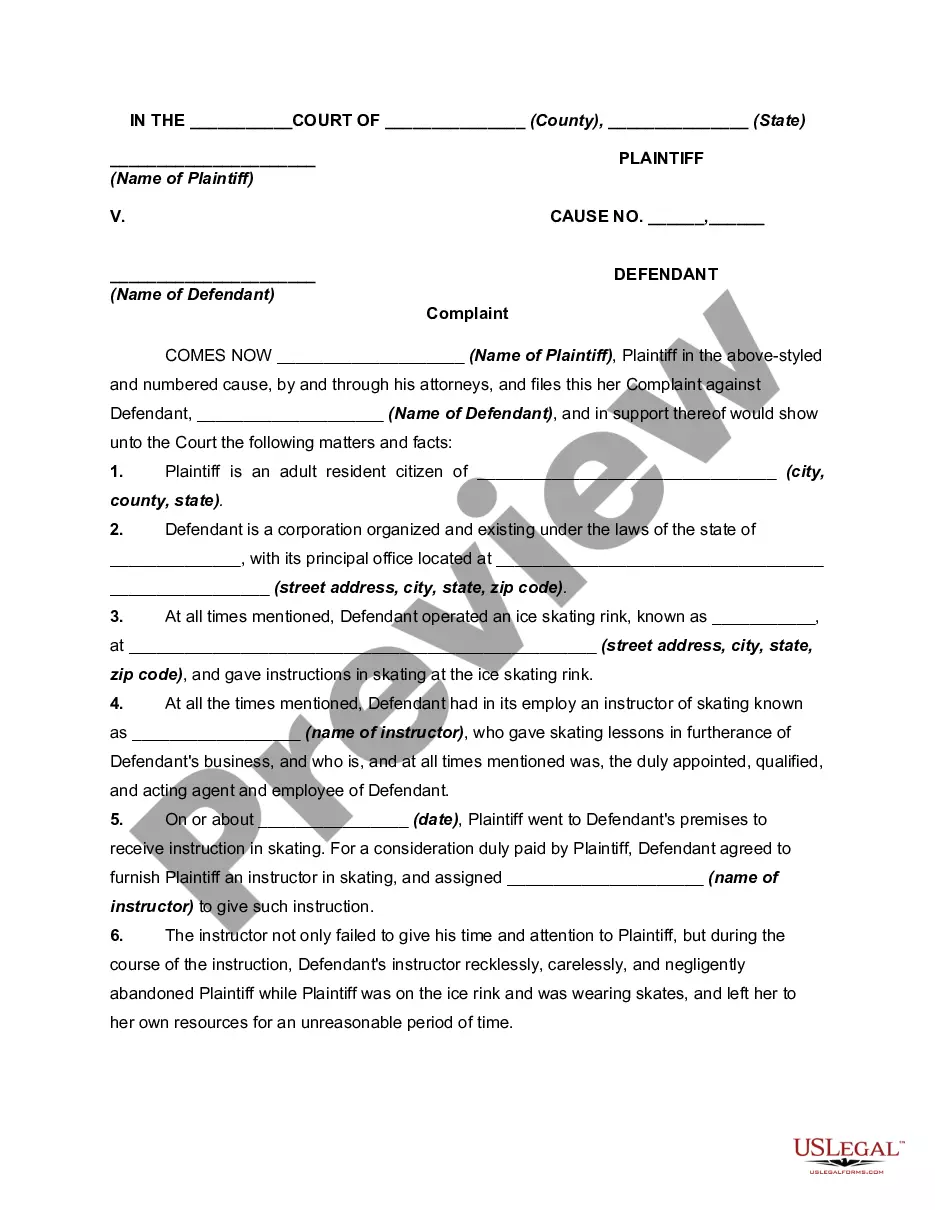




How to fill out Self-Employed Excavation Service Contract?
Are you in a location where you require documents for both organization or specific tasks almost every day? There are numerous authentic document templates available online, but finding ones you can rely on is challenging. US Legal Forms provides thousands of template options, such as the Indiana Self-Employed Excavation Service Contract, that are designed to meet federal and state regulations.
If you are already familiar with the US Legal Forms site and have an account, simply Log In. After that, you can download the Indiana Self-Employed Excavation Service Contract template.
If you do not have an account and wish to start using US Legal Forms, follow these instructions: Obtain the form you need and ensure it is for the correct city/state. Use the Preview button to examine the form. Verify the information to ensure you have selected the right form. If the form is not what you are looking for, utilize the Search field to find the form that meets your needs and requirements. If you find the correct form, click Get now. Choose the pricing plan you prefer, complete the required information to create your account, and pay for your order using PayPal or credit card. Select a convenient file format and download your copy.
- Access all the document templates you have purchased in the My documents section. You can obtain another copy of the Indiana Self-Employed Excavation Service Contract at any time if needed. Just click on the required form to download or print the document template.
- Utilize US Legal Forms, one of the most extensive collections of authentic forms, to save time and avoid errors.
- The service offers professionally crafted legal document templates that can be utilized for a variety of purposes.
- Create an account on US Legal Forms and start making your life easier.
Form popularity
FAQ
The $600 rule refers to the requirement for businesses to issue a 1099 form to independent contractors who earn $600 or more in a calendar year. If you provide services under an Indiana Self-Employed Excavation Service Contract and meet this threshold, expect to receive a 1099 form for your records. This form is necessary for accurate tax reporting.
The new federal rule clarifies the classification of independent contractors versus employees. This rule impacts how businesses hire and manage workers, including those engaged through an Indiana Self-Employed Excavation Service Contract. It is essential to understand your rights and obligations under these regulations.
You do not need to file taxes if your self-employment income is below $400. However, if you earn less than $5,000 from an Indiana Self-Employed Excavation Service Contract, you may still choose to file. Filing can sometimes benefit you by helping you qualify for certain credits or refunds.
Yes, having a contract is crucial when working as an independent contractor, especially for an Indiana Self-Employed Excavation Service Contract. A contract outlines the expectations and responsibilities of both parties, protecting you from misunderstandings. It also provides clarity on payment terms, project scope, and deadlines.
As an independent contractor, you need to report any income you earn, including from an Indiana Self-Employed Excavation Service Contract. The IRS requires you to file taxes if you earn $400 or more in a year. Therefore, even if you feel your income is low, it's essential to keep accurate records and file your taxes to avoid penalties.
Yes, performing contractor work without the appropriate license in Indiana can lead to legal consequences. If you engage in activities covered by an Indiana Self-Employed Excavation Service Contract without a license, you may face fines or other penalties. It’s best to secure the required licenses to protect yourself and your business.
In Indiana, the need for a contractor license depends on the type of work you perform. For excavation and other specialized services, such as those outlined in an Indiana Self-Employed Excavation Service Contract, a license is often necessary. Always verify with local authorities to understand the specific licensing requirements for your area.
Yes, Indiana requires certain contractors to obtain a license to operate legally. This includes those providing services under an Indiana Self-Employed Excavation Service Contract. Each county or city may have its own regulations, so it’s essential to check local requirements to ensure compliance.
Writing an independent contractor agreement involves detailing the project scope, payment terms, and both parties' obligations. Be clear and precise in your language to prevent any ambiguities. Utilizing an Indiana Self-Employed Excavation Service Contract can simplify this process and help protect your interests as a contractor.
When filling out an independent contractor agreement, start by entering the full names and addresses of both parties. Next, specify the services to be provided, payment details, and project timelines. You can use an Indiana Self-Employed Excavation Service Contract as a helpful guide to ensure all vital elements are included.